
The Maasai Peoples
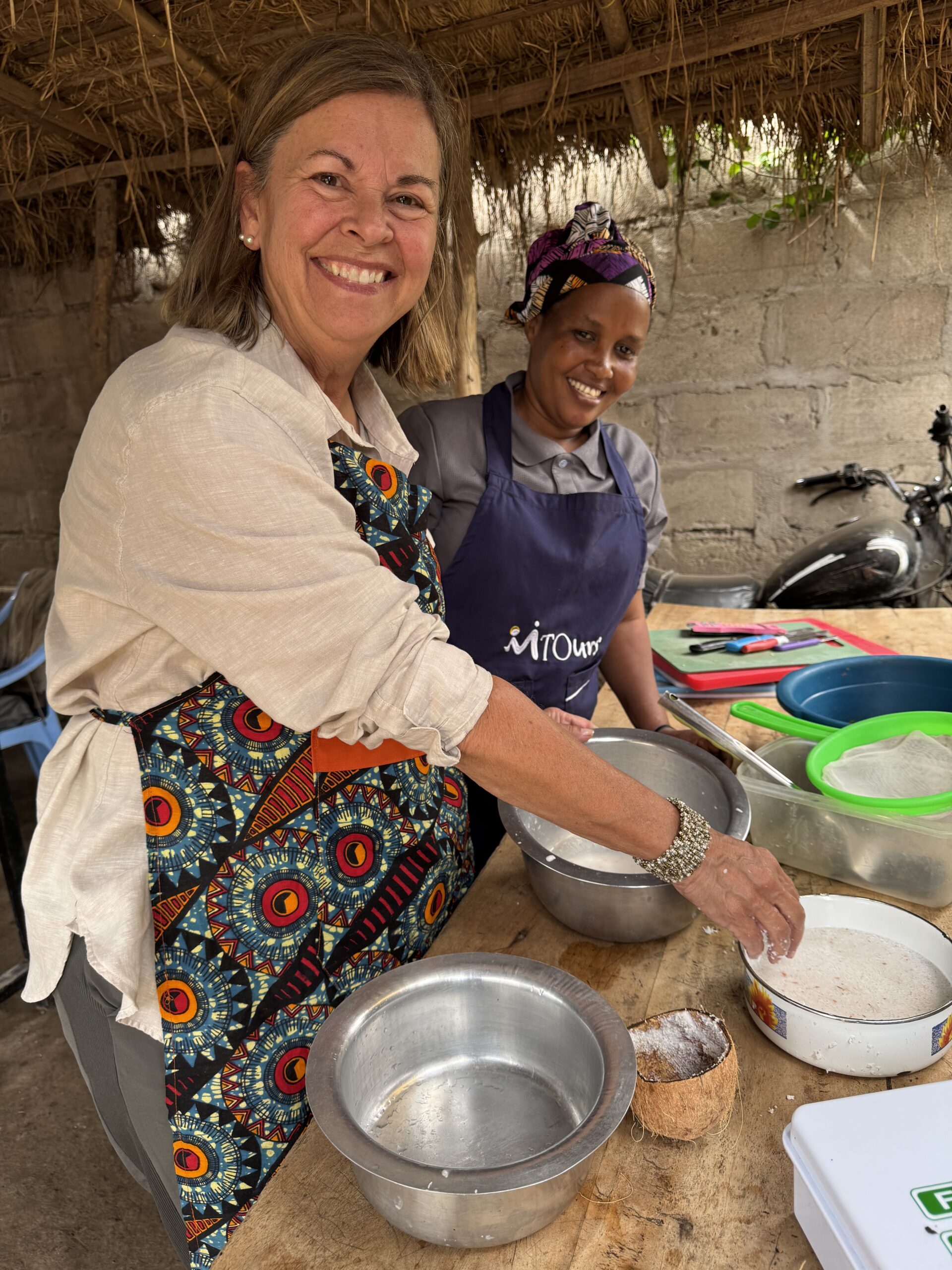
Switching from wild animals and nature, to seeing how the local peoples live, including the Maasai people, was the order of the day today. We started off driving to the local village of Mto Wa Mbu for a cooking class. We met Mama Baracka and her family, who provided us with a lesson on preparing a traditional Tanzanian meal. We chopped vegetables and beef, and then cooked various items over an open flame in the alley outside her kitchen. The fires were made from burning a local wood, and there was one small propane stove when things really needed to get hot. We cooked rice, polenta, okra and tomatillo, sauteed spinach, vegetables and beef, a green banana soup that tasted more like potato soup, chapati bread, and a potato and egg dish. Nothing was wasted and scraps were dumped on the floor for the chickens to eat. This was about the most authentic cooking experience we’ve ever had. From start to finish, it took 3 hours, and we enjoyed the fruits of our labor for lunch.
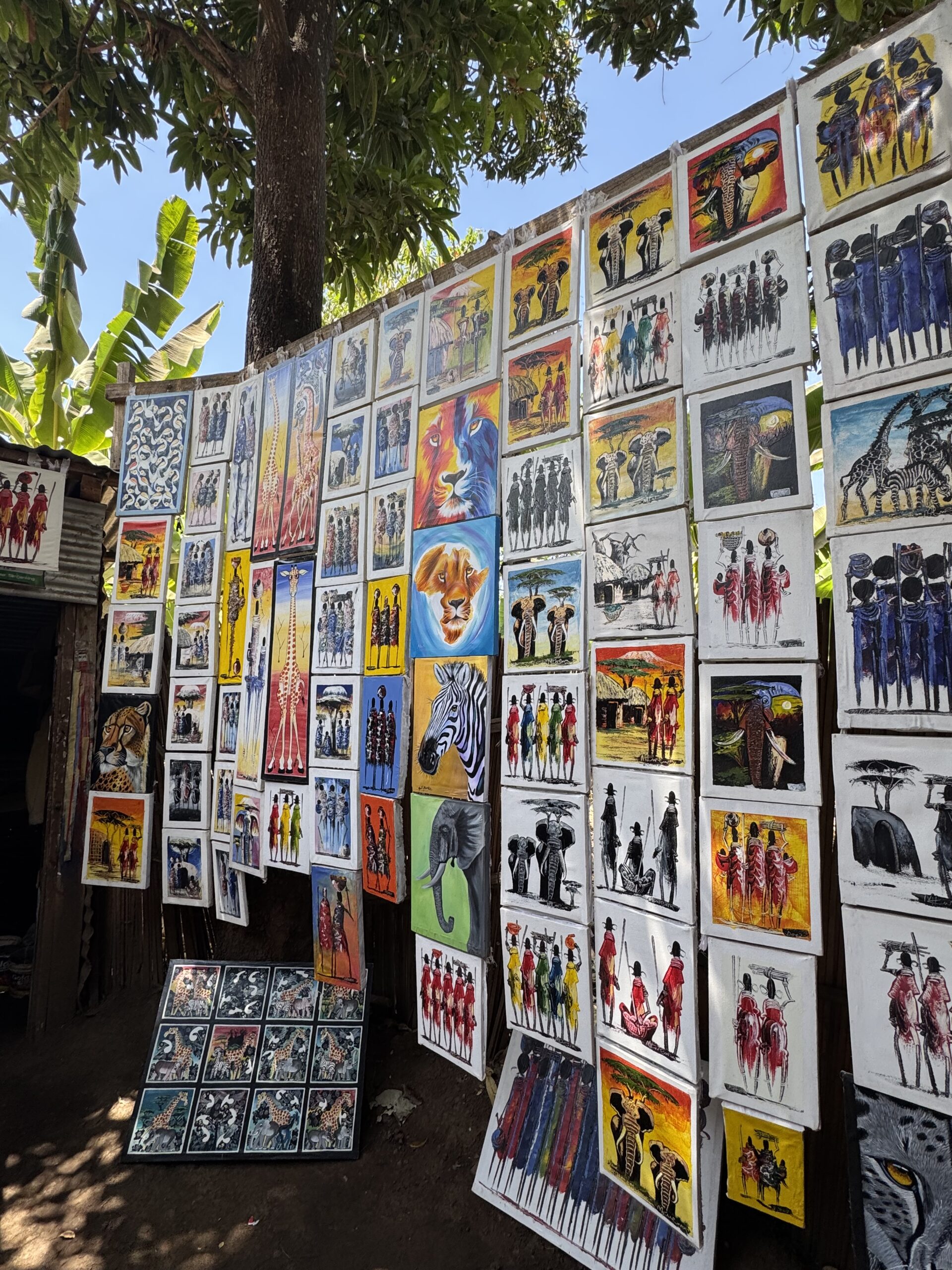
Next, we were met by a local guide who showed us around town, including a local rice field, a banana field, a wood carving studio, and a local art co-op. We also visited a local banana beer brewer, where we tasted banana beer, which has a shelf life of only 4 months, and banana wine. Life for most if very labor intensive; quite a bit of their existence is spent growing and raising their food and obtaining drinkable water.
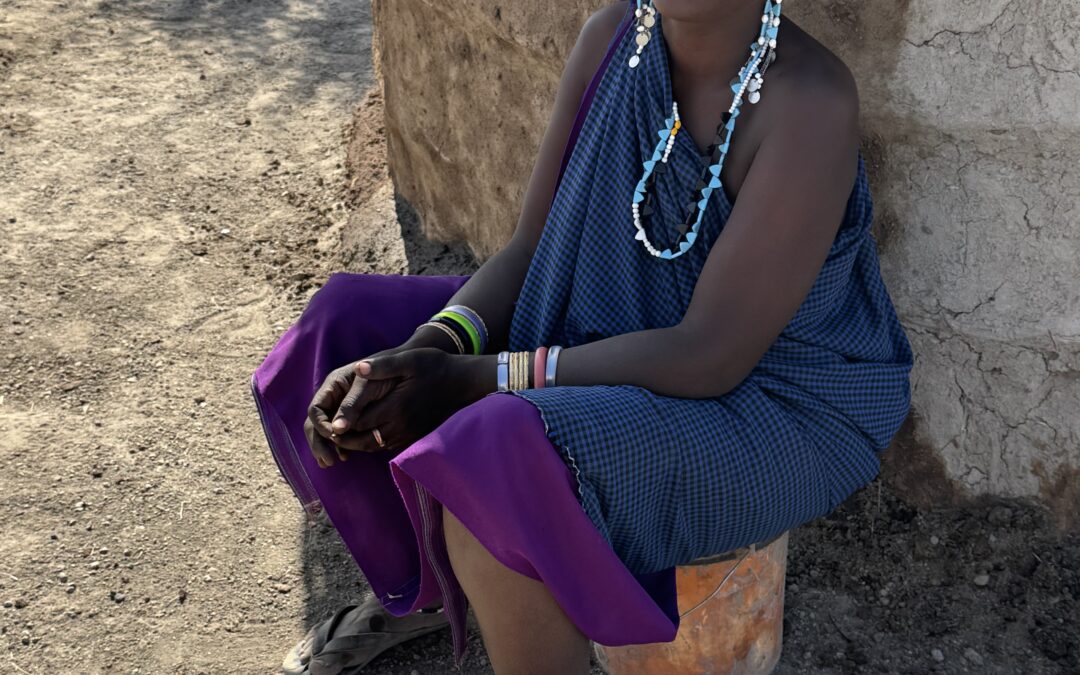
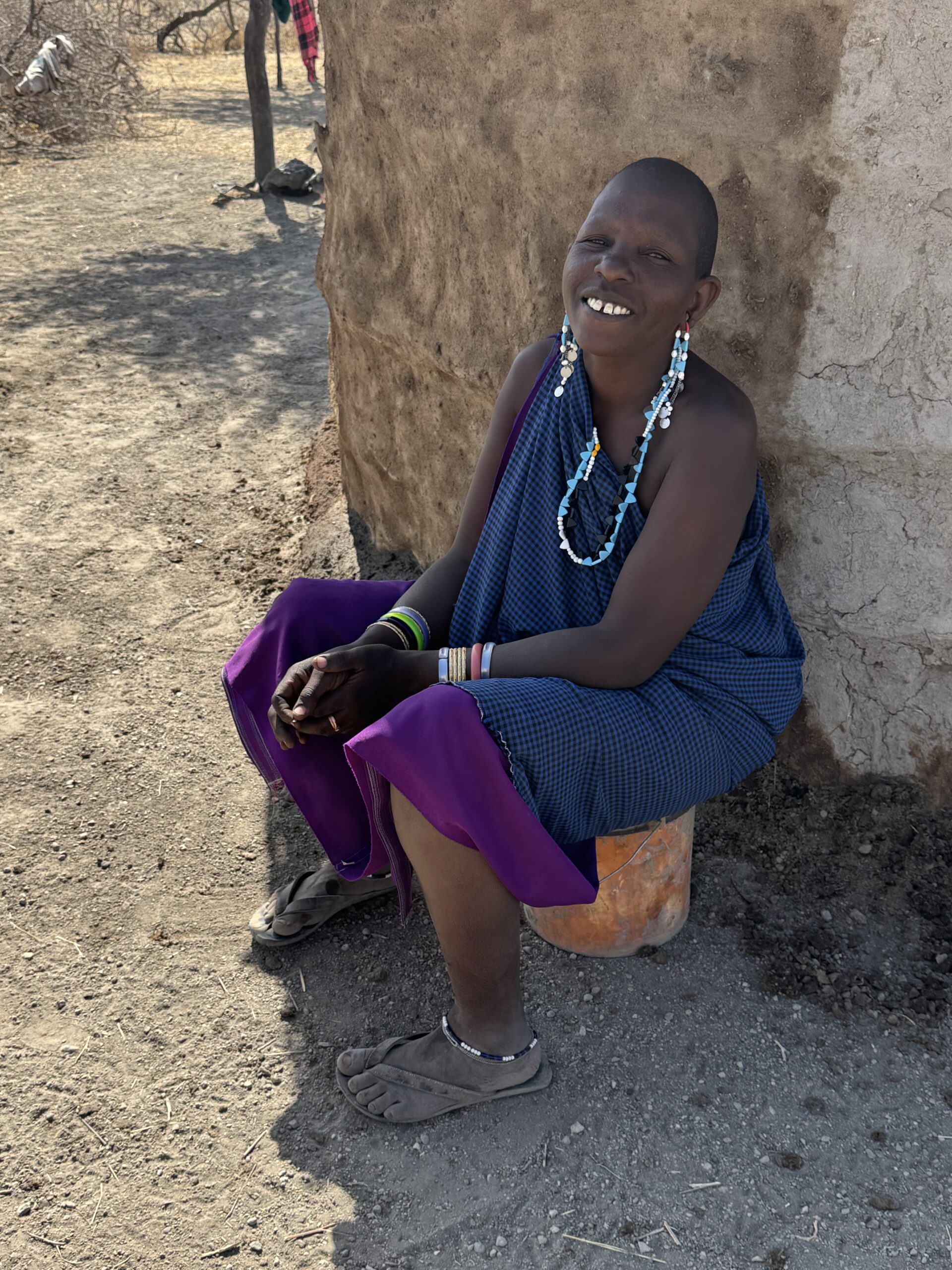
Our final stop was to a Maasai village – called a manyatta. We had the unique opportunity to engage in conversation with a Maasi warrior, the son of the local chief. We learned a lot about their rich culture and got to see inside one of their mud and thatched huts. Traditionally known for herding cattle and migrating with the seasons, the Maasai remain deeply tied to the land even as much of it has since been converted into national parks and reserves. It is estimated that over 400,000 Maasai live in Tanzania. Kenya’s 2019 census counted the country’s Maasai population at just over 1.19 million, a striking rise from the 377,000 recorded in the 1989 census.
The Maasai are polygamists, with each man having 3 – 6 wives. Each wife builds and owns her own hut and lives there with her children, until they are old enough to tend the livestock or contribute to the community in another way. The Maasai raise cows, sheep and goats, and never eat wild game. They do not keep traditional calendars and do not celebrate birthdays. In fact, most do not have any clue as to how old they are.
The huts are made from felled tree limbs and a mud made from cow dung, cow urine and dirt. They are simple with just one room and a bed, which is shared by all the occupants. We enjoyed tea inside one of the huts, and marveled at how cool the space was, even though it was warm outside. It was hard to fathom that our host lived in this one room circular hut, no bigger than 12 ft across, with her three children. It was humbling.
Zamoo drove us to Arusha, for the night, before we re-enter Kenya tomorrow. Sadly, we said our goodbyes to him and conveyed our deep appreciation for his expert guidance over the last week. He was kind, attentive and gracious, and really was the consummate professional and gifted guide. We will be forever grateful.
We had a lively evening at Olerai Lodge, talking about the day and enjoying traditional music performed by the staff.
Tomorrow: Cross back into Kenya and Amboseli N.P.
Post Gallery
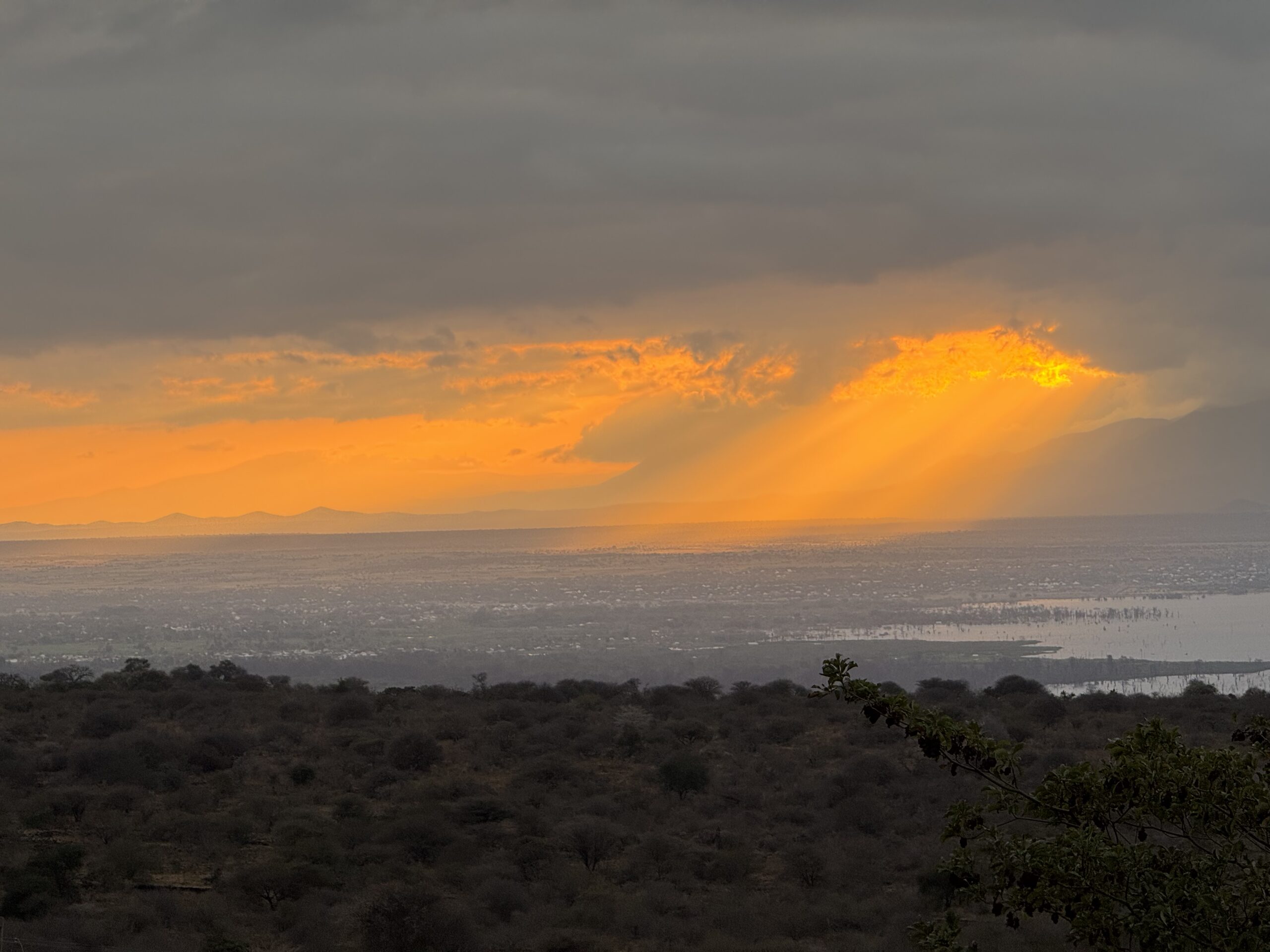
Early morning skies over Lake Manyara.
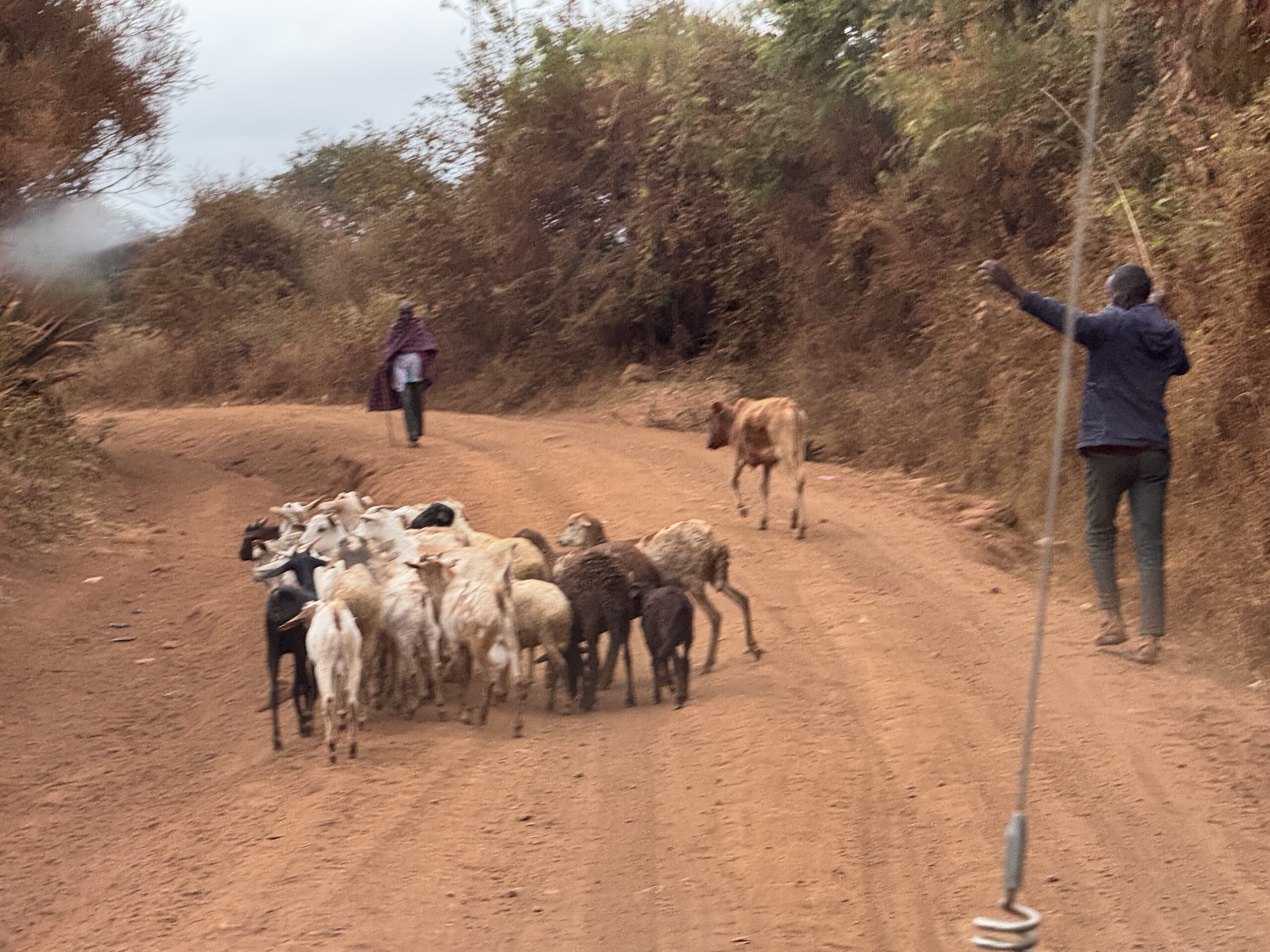
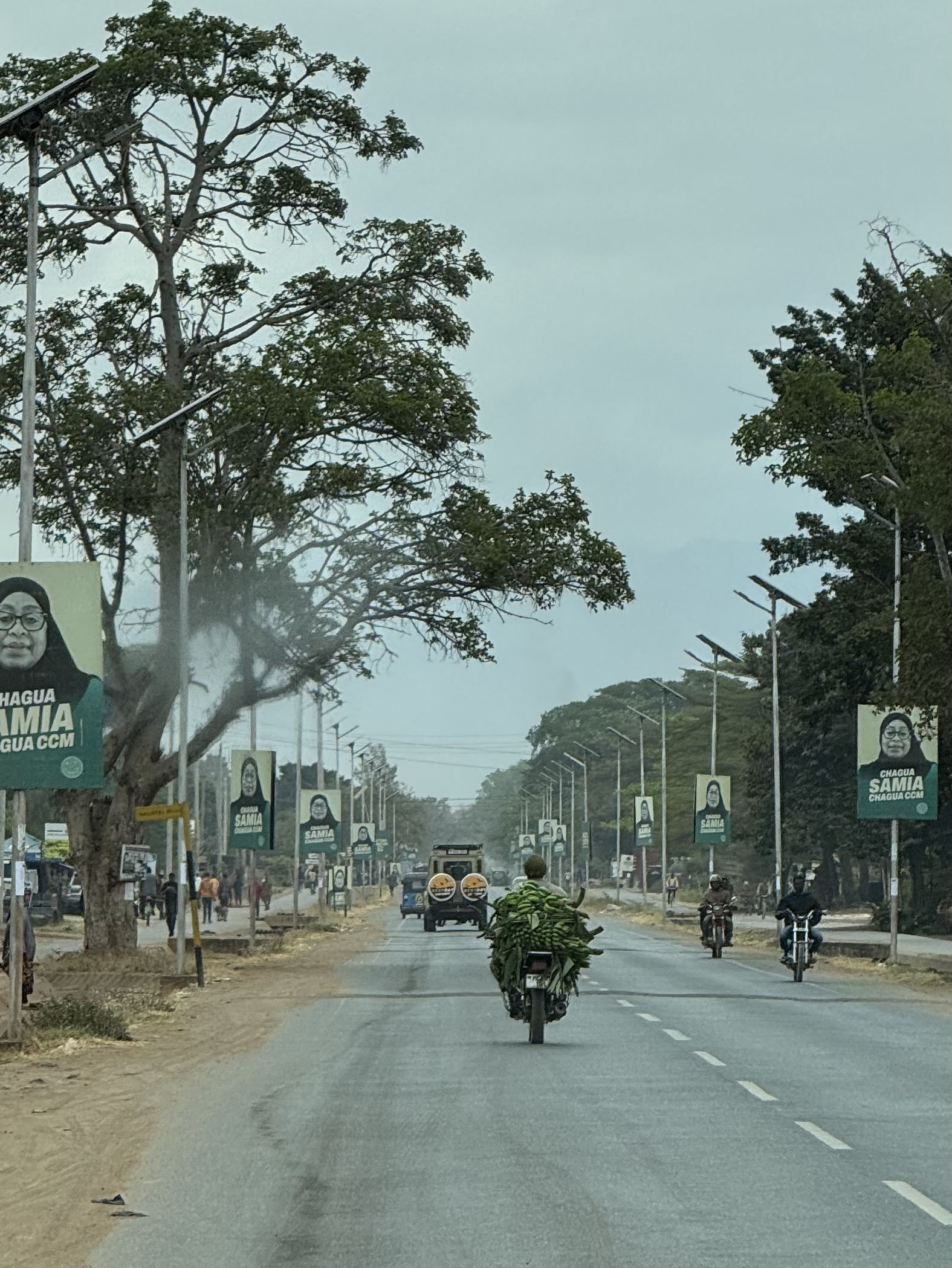
Rush hour traffic.
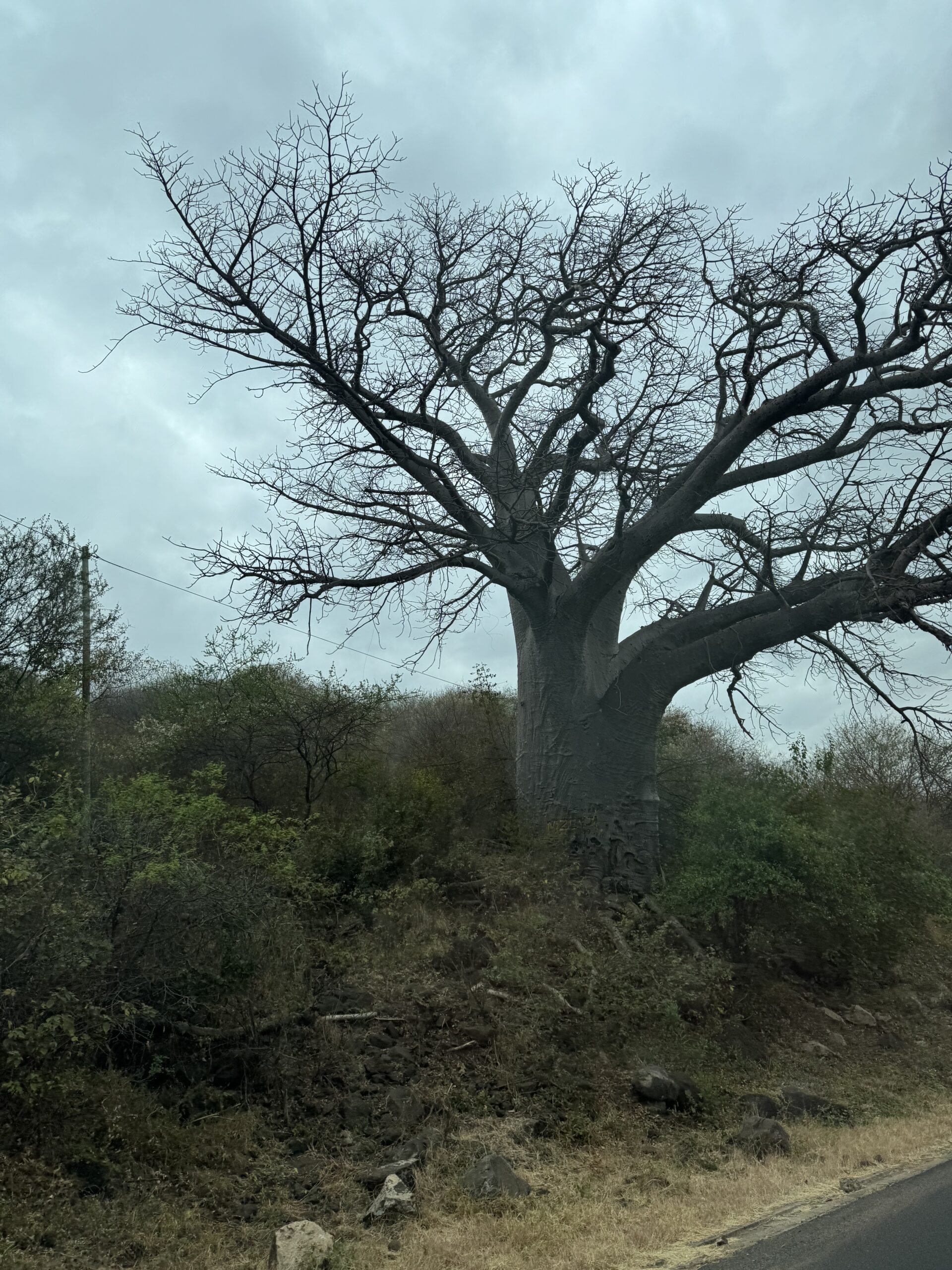
Baobab Tree
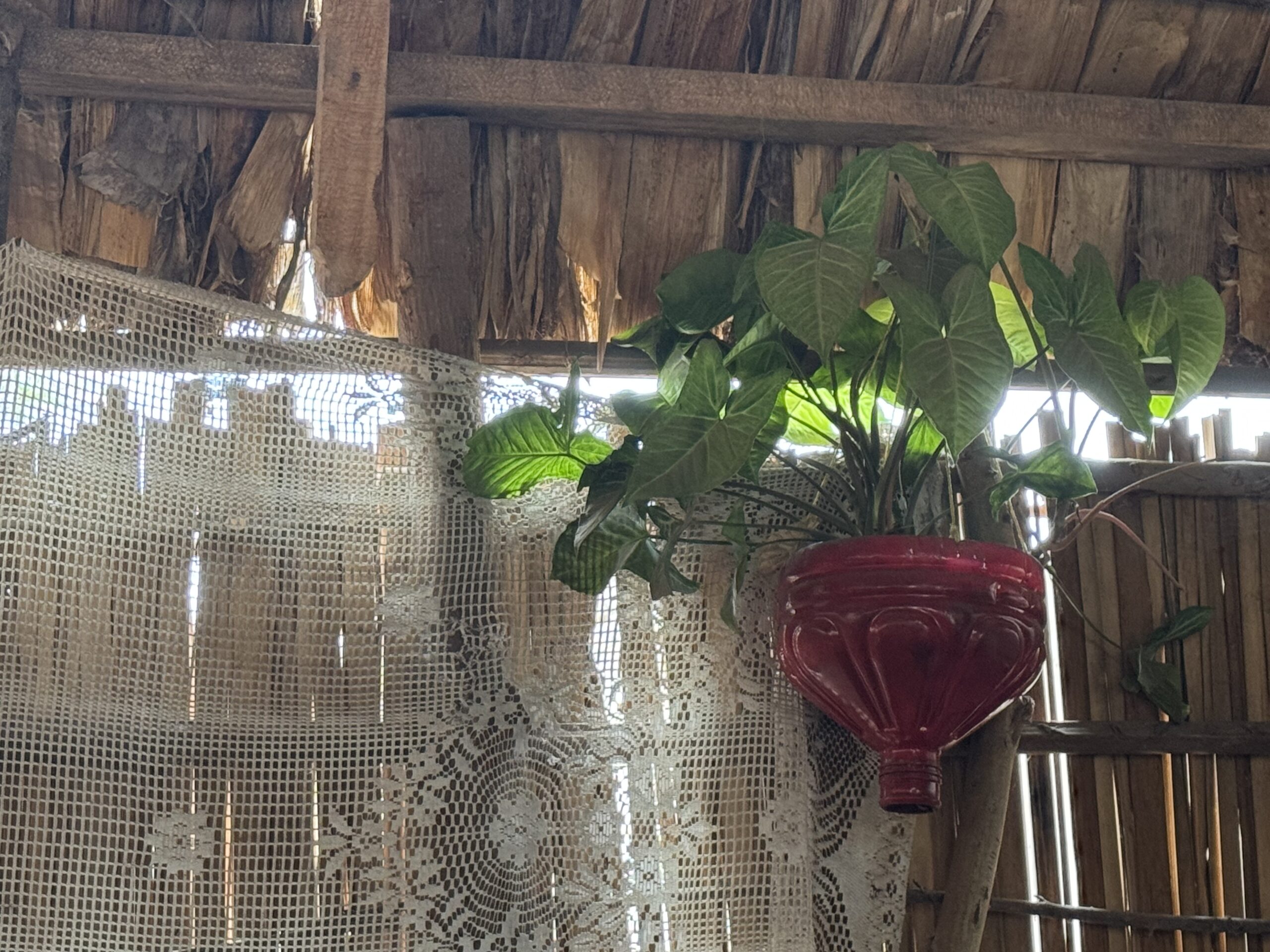
Nothing goes to waste – a flower pot made our of the top of a water bottle.
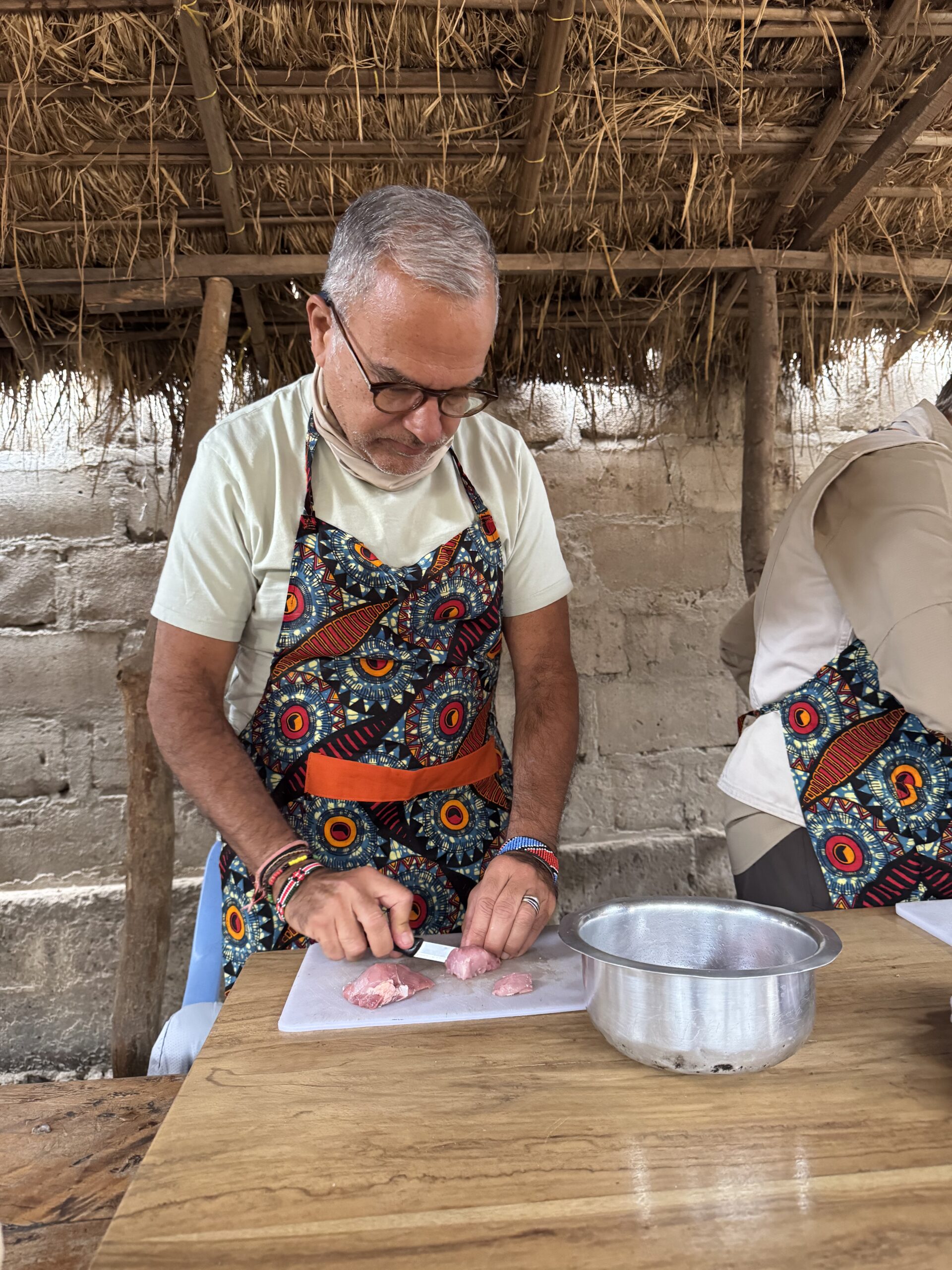
Robert showing off his knife skills.
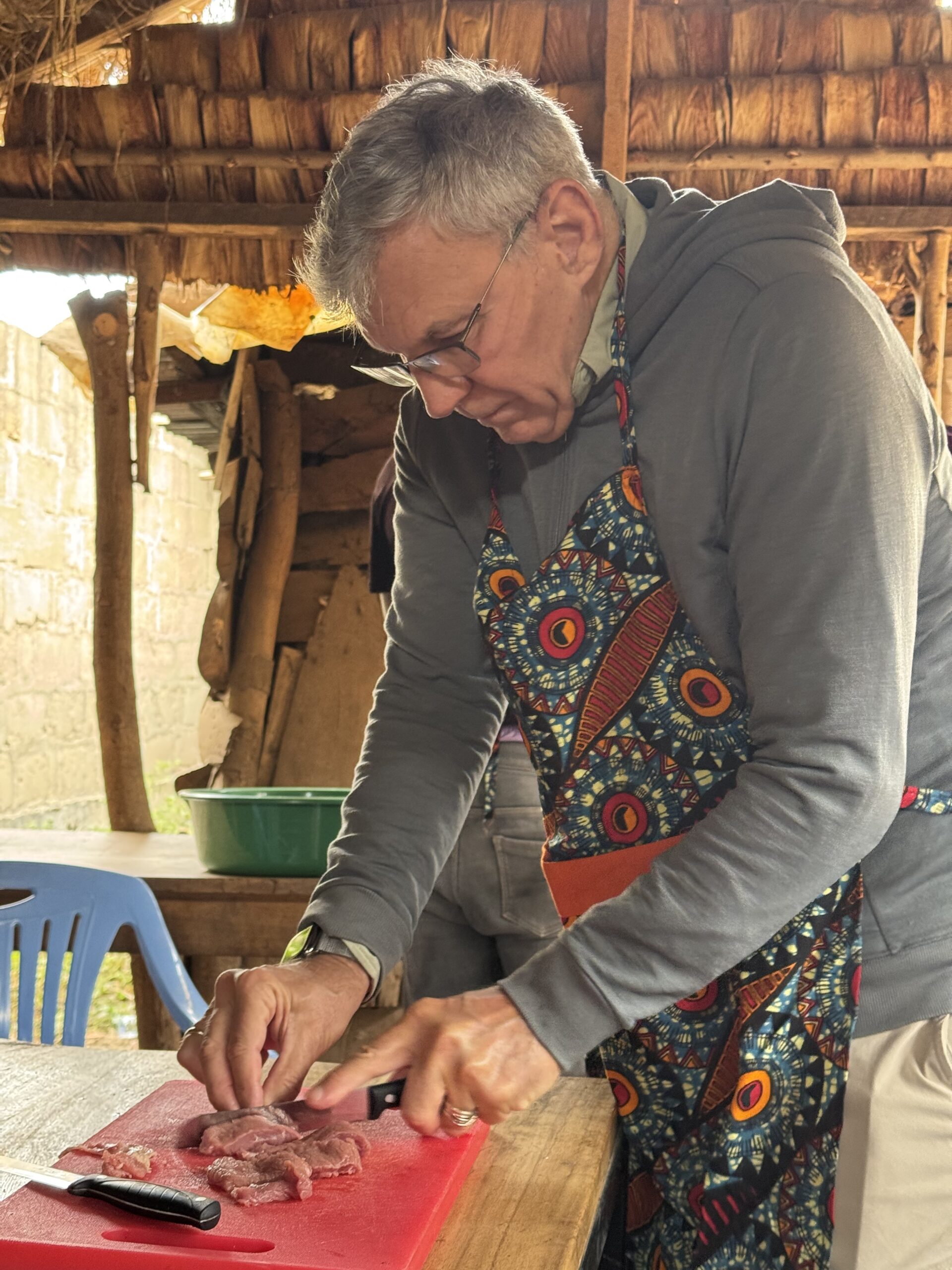
Kurt slicing beef.
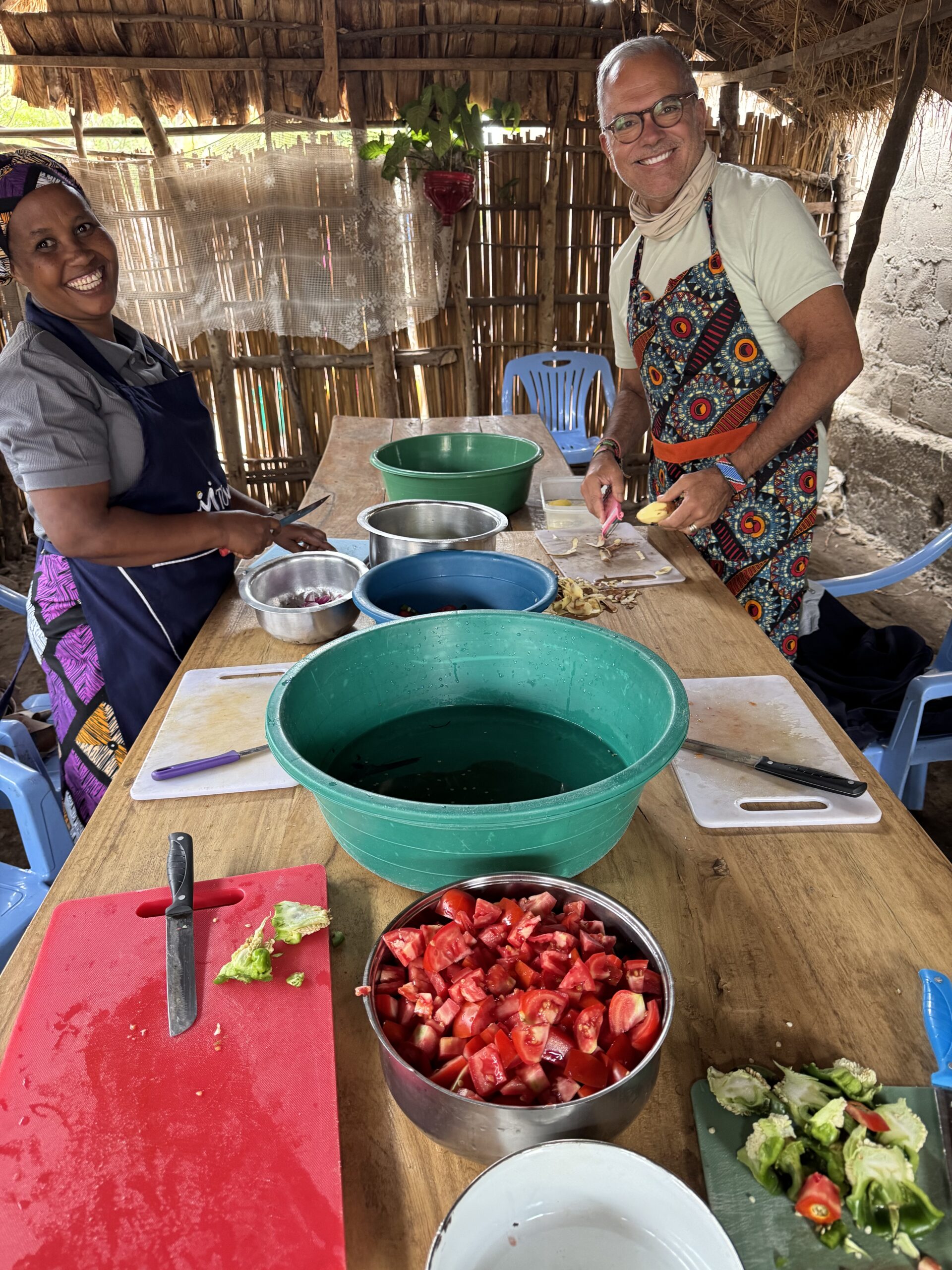
The prep table.
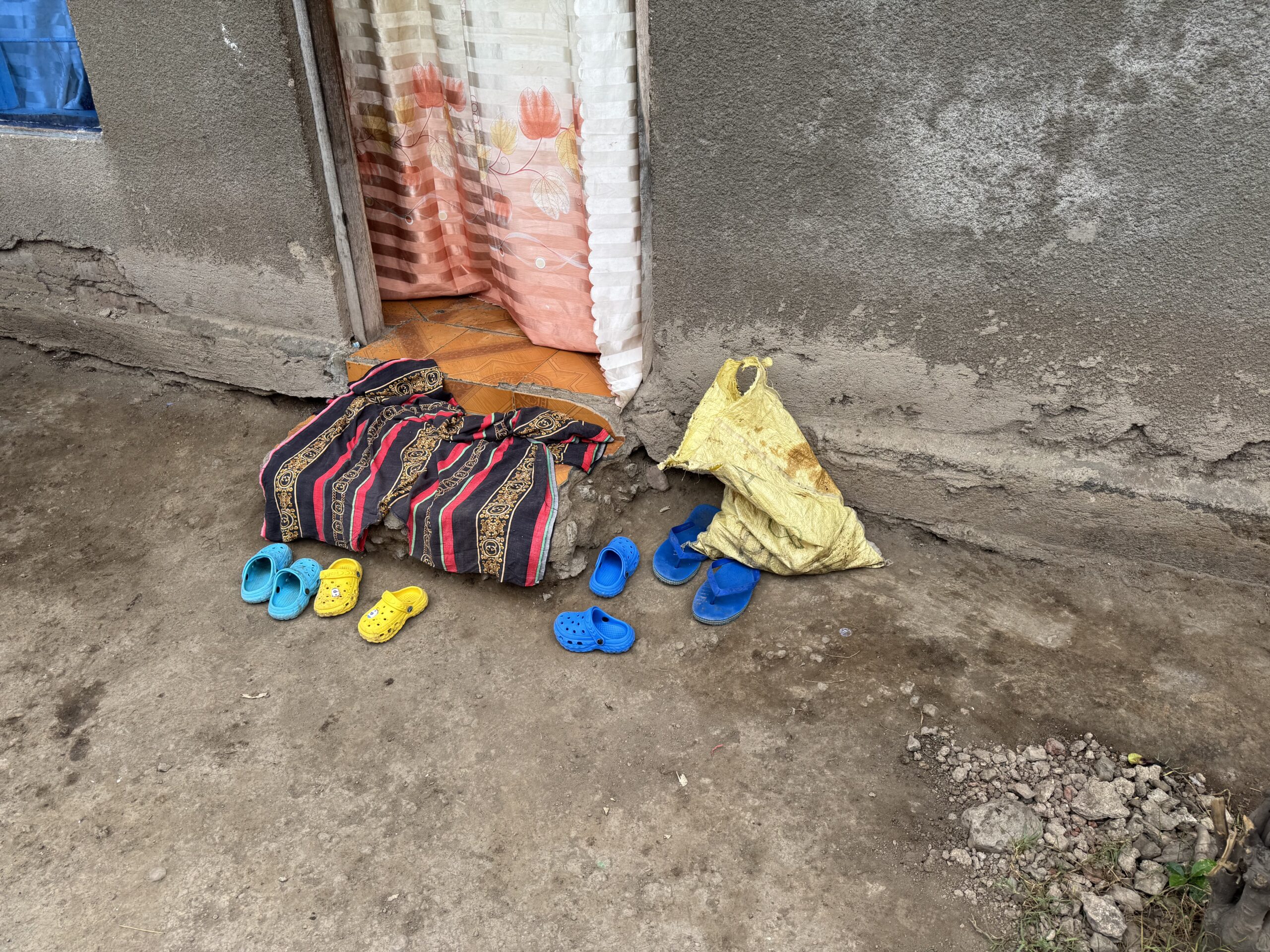
Children's shoes in the alley outside.
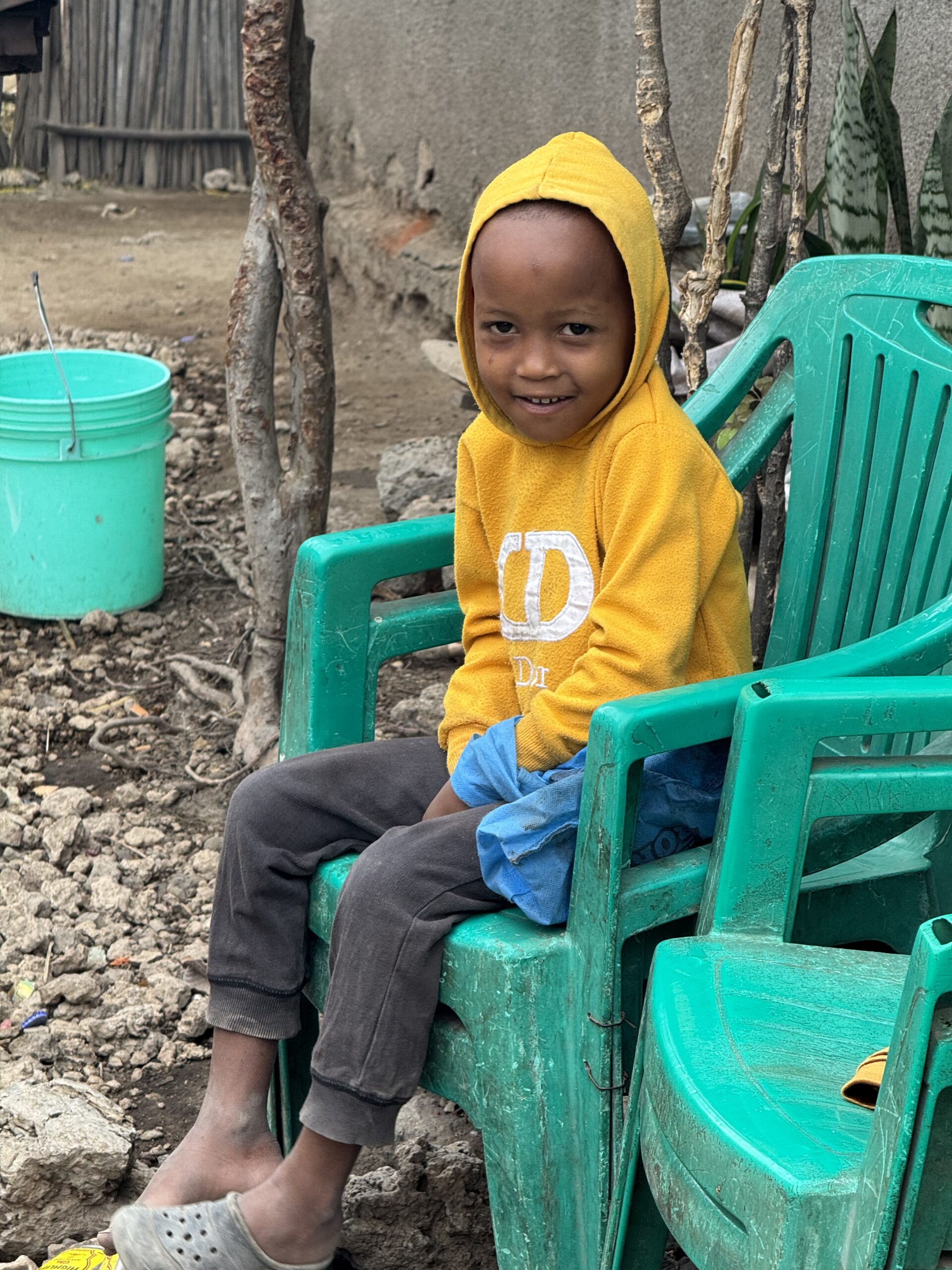
Adorable!
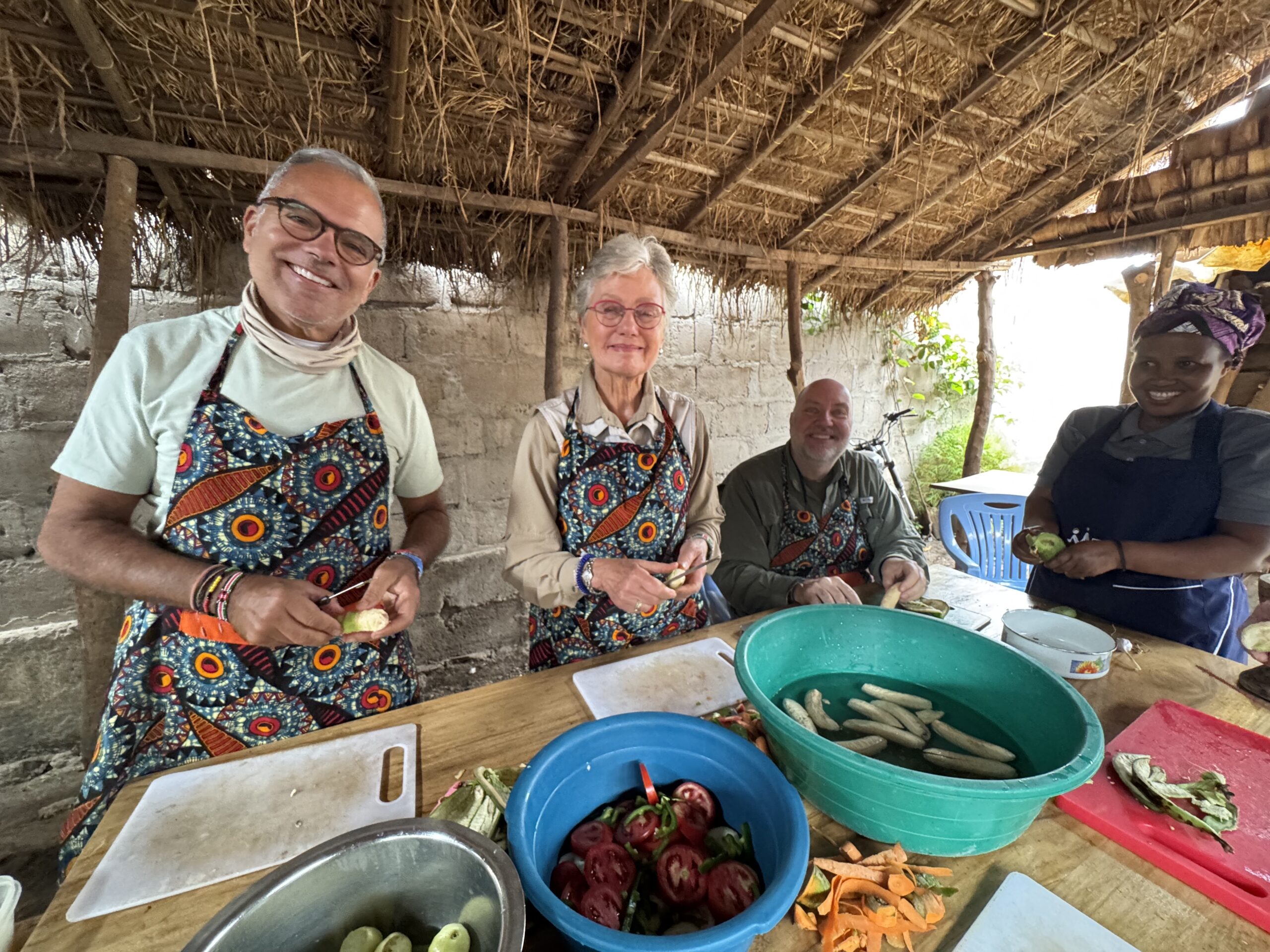
Happy cooks!
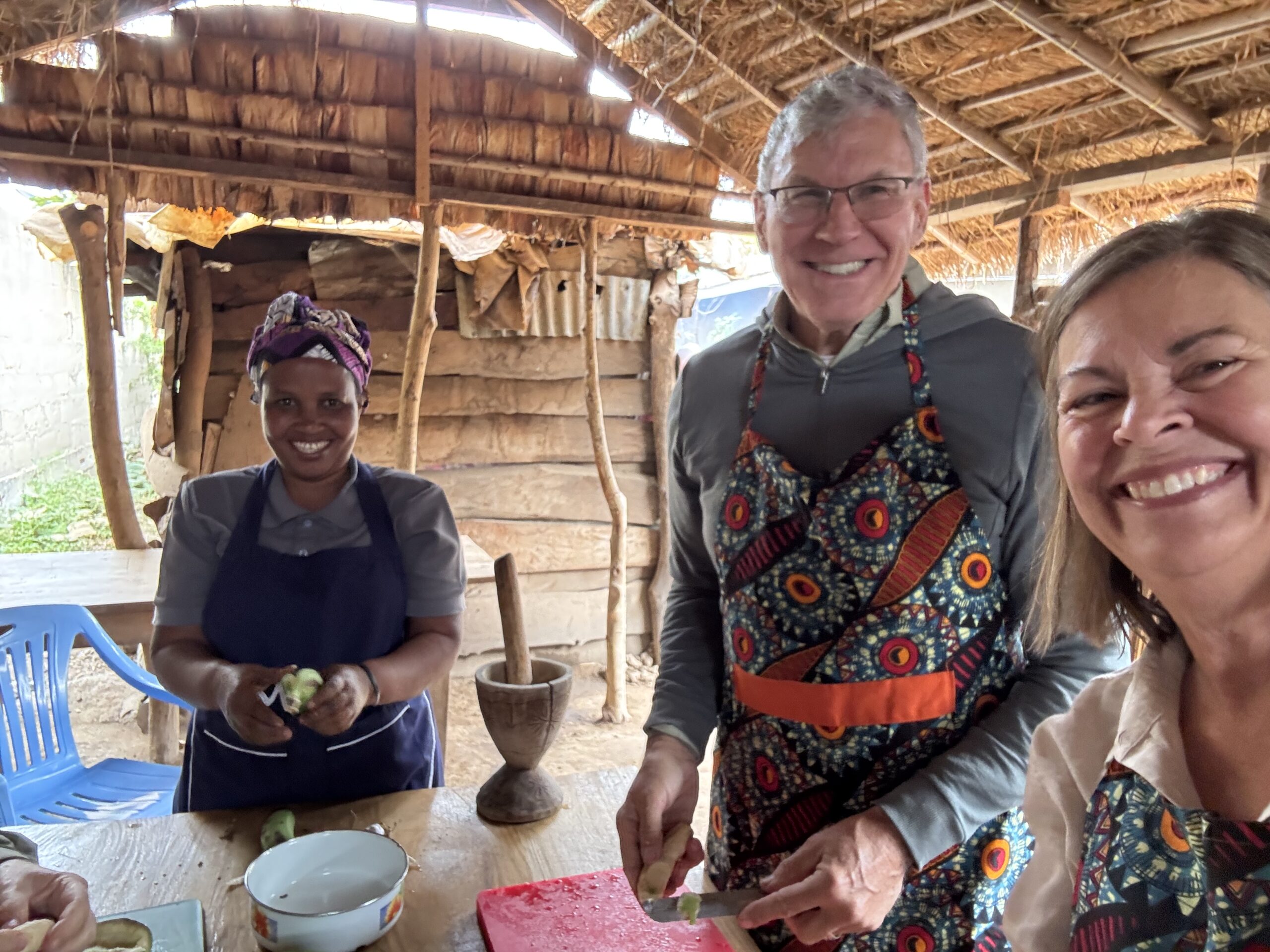
Preparing the banana soup!
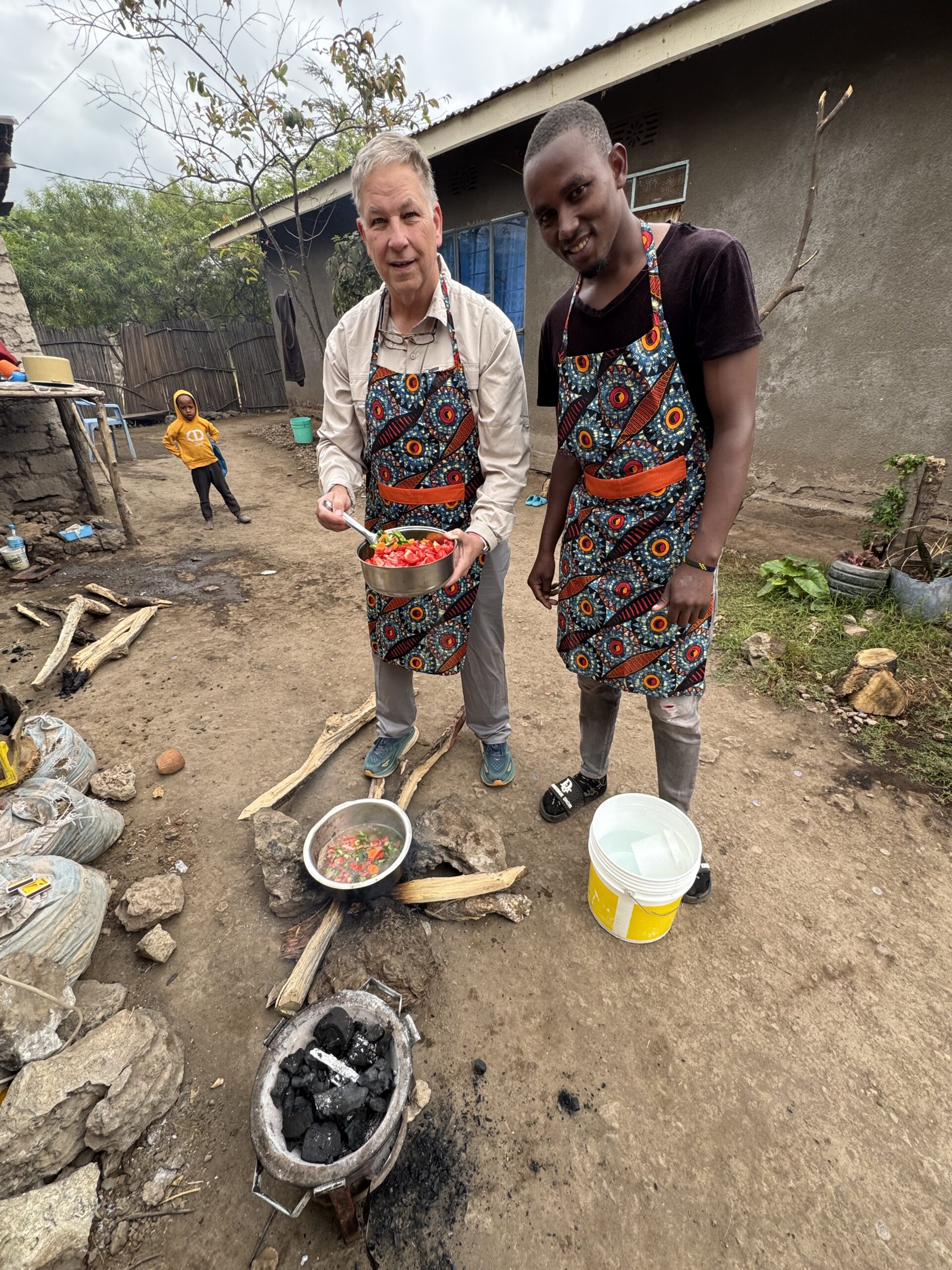
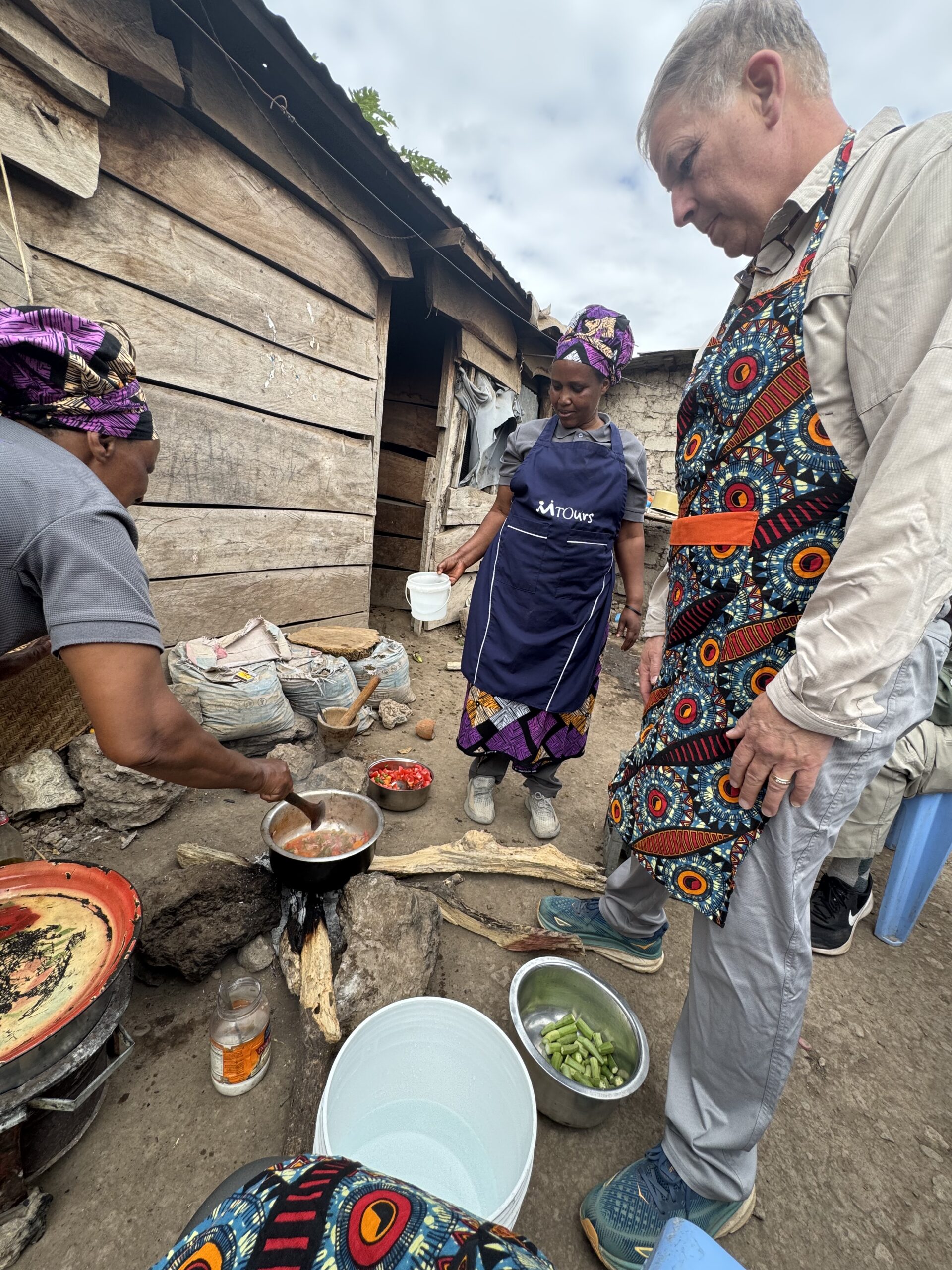
Marsh cooking the beef stew.
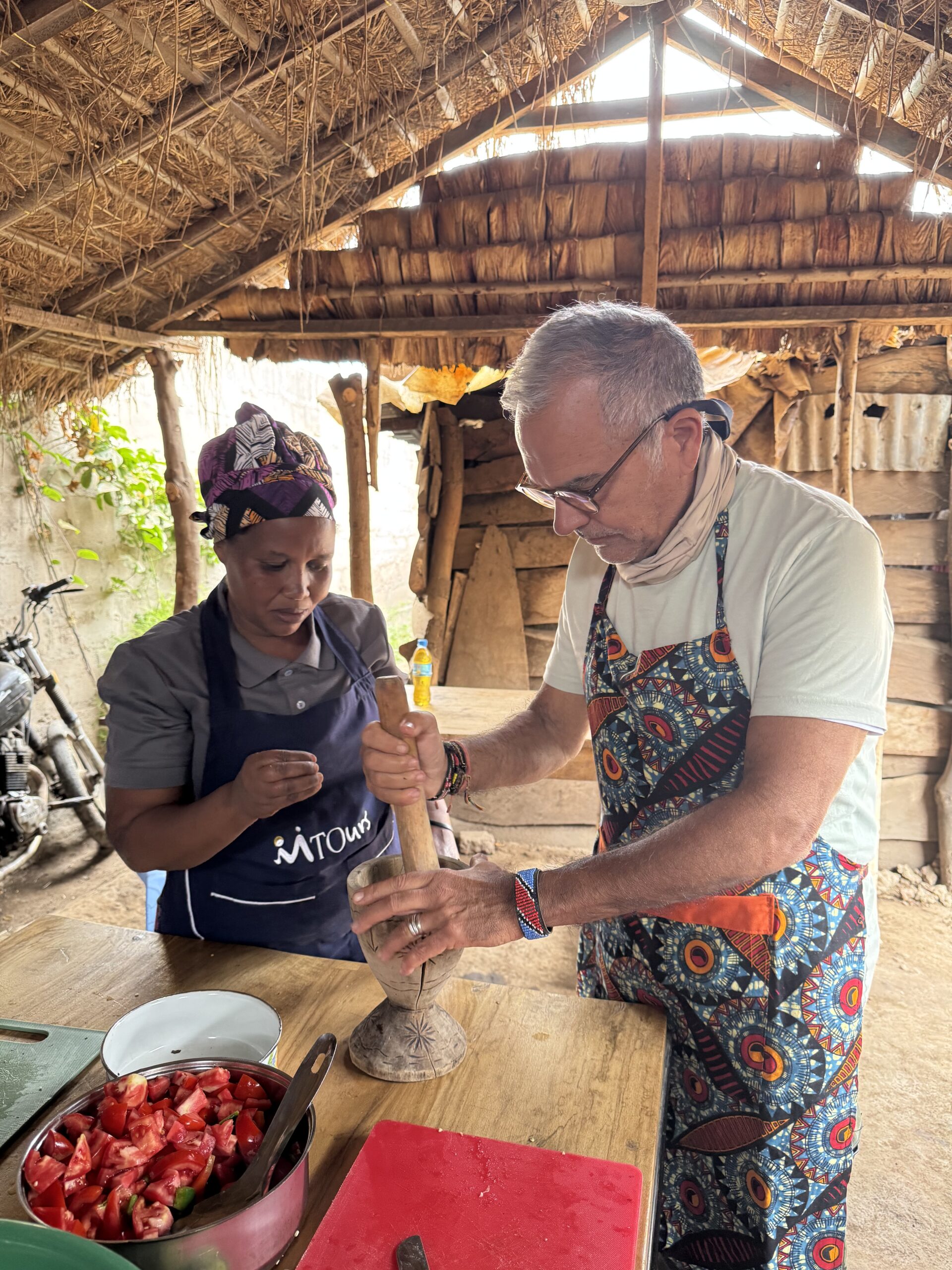
Grinding garlic.
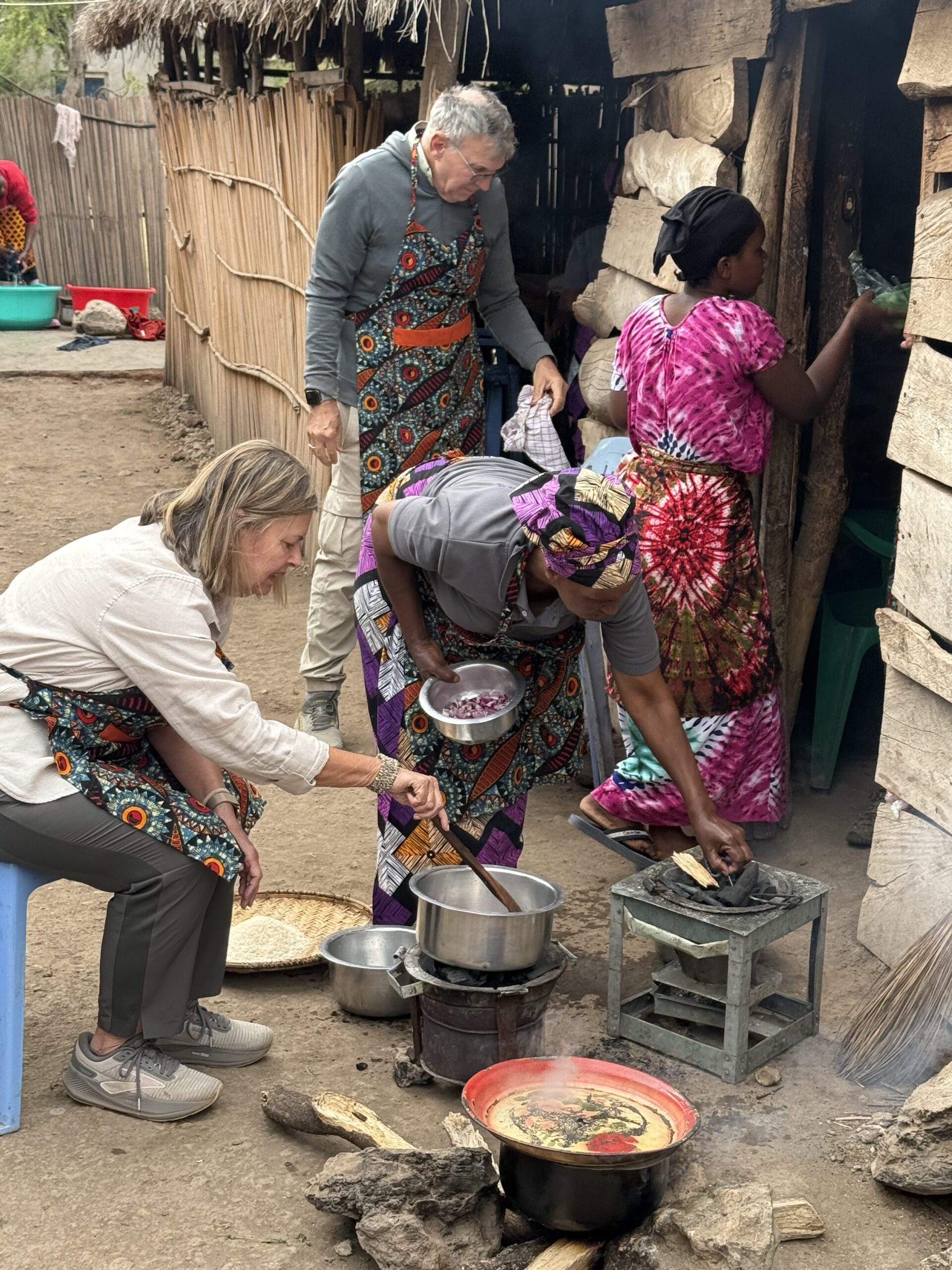
Mama Baraka would handle the hot pots with her bare hands. We couldn't believe it!
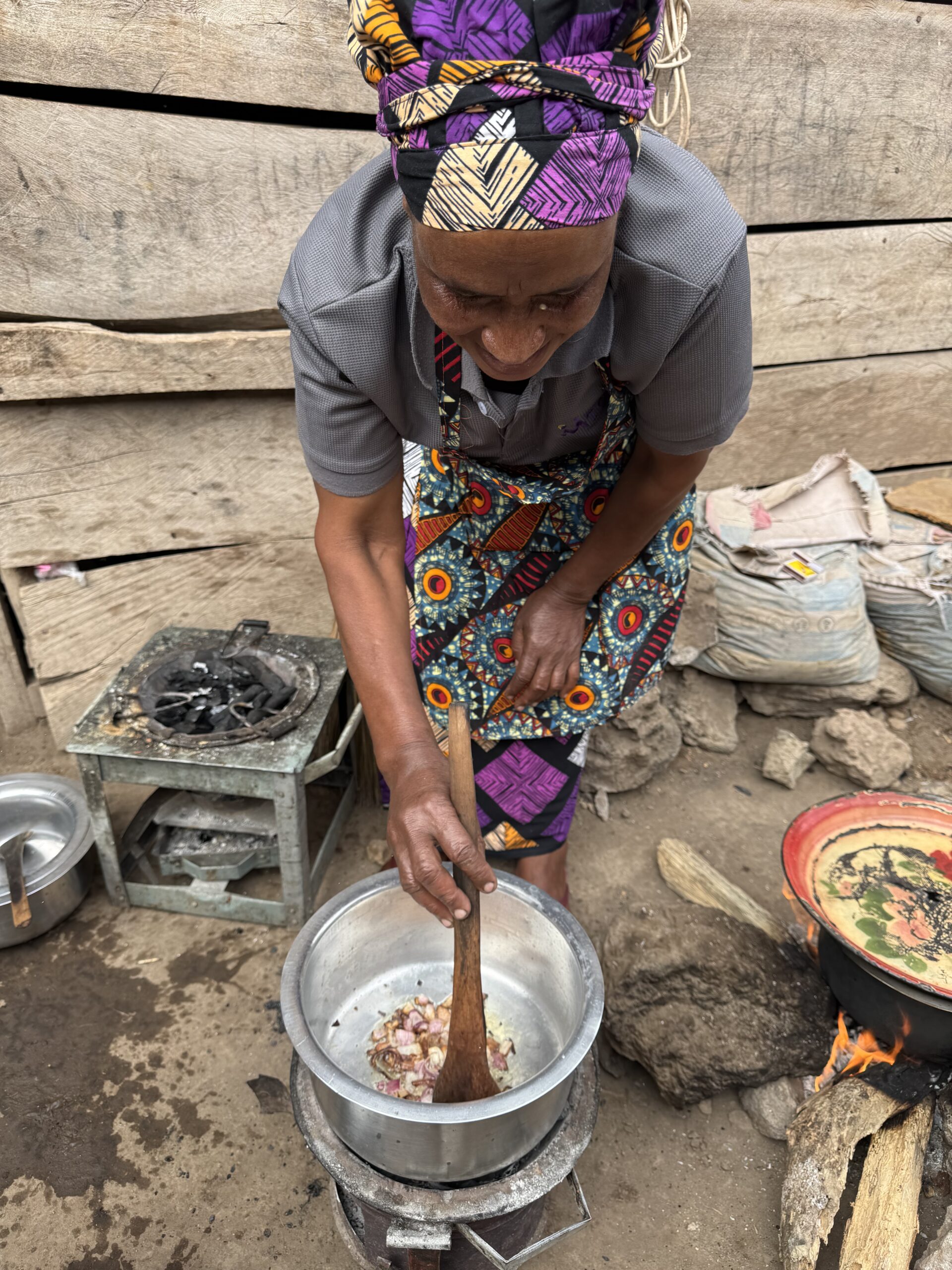
Sautéing onions.
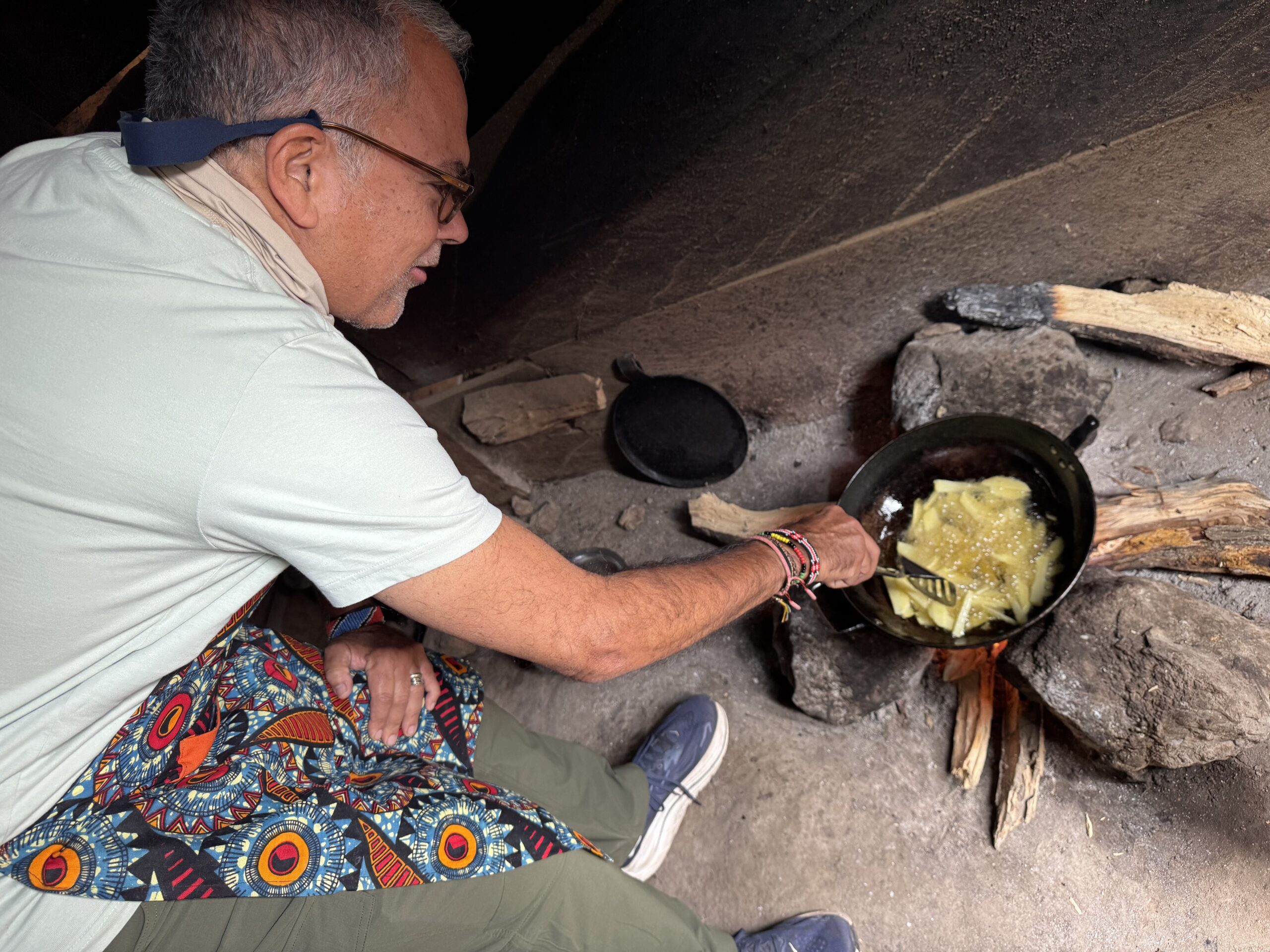
Robert frying potatoes over a wood fire.
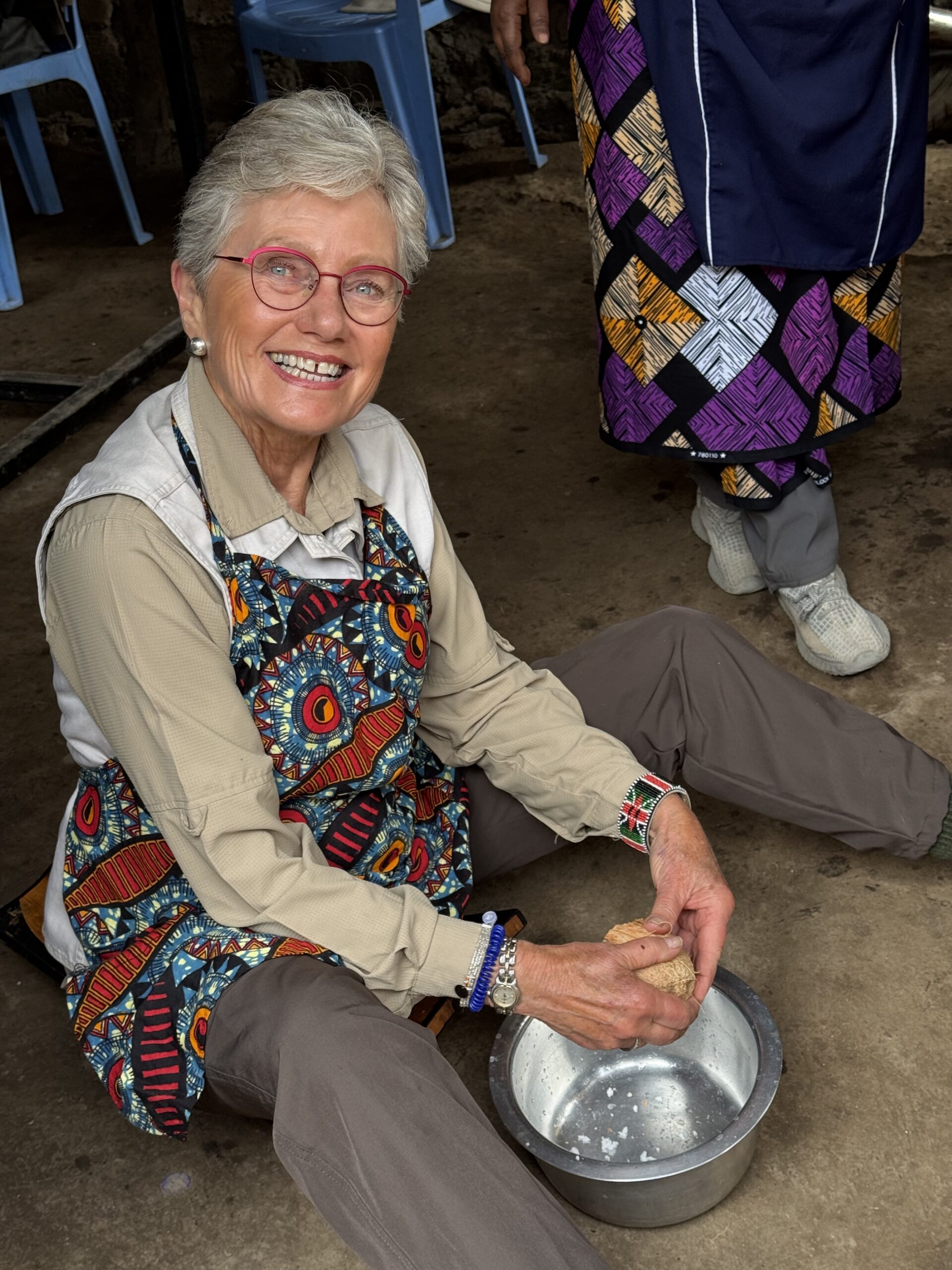
Patti using a contraption to hollow out the coconut meat from the shell.
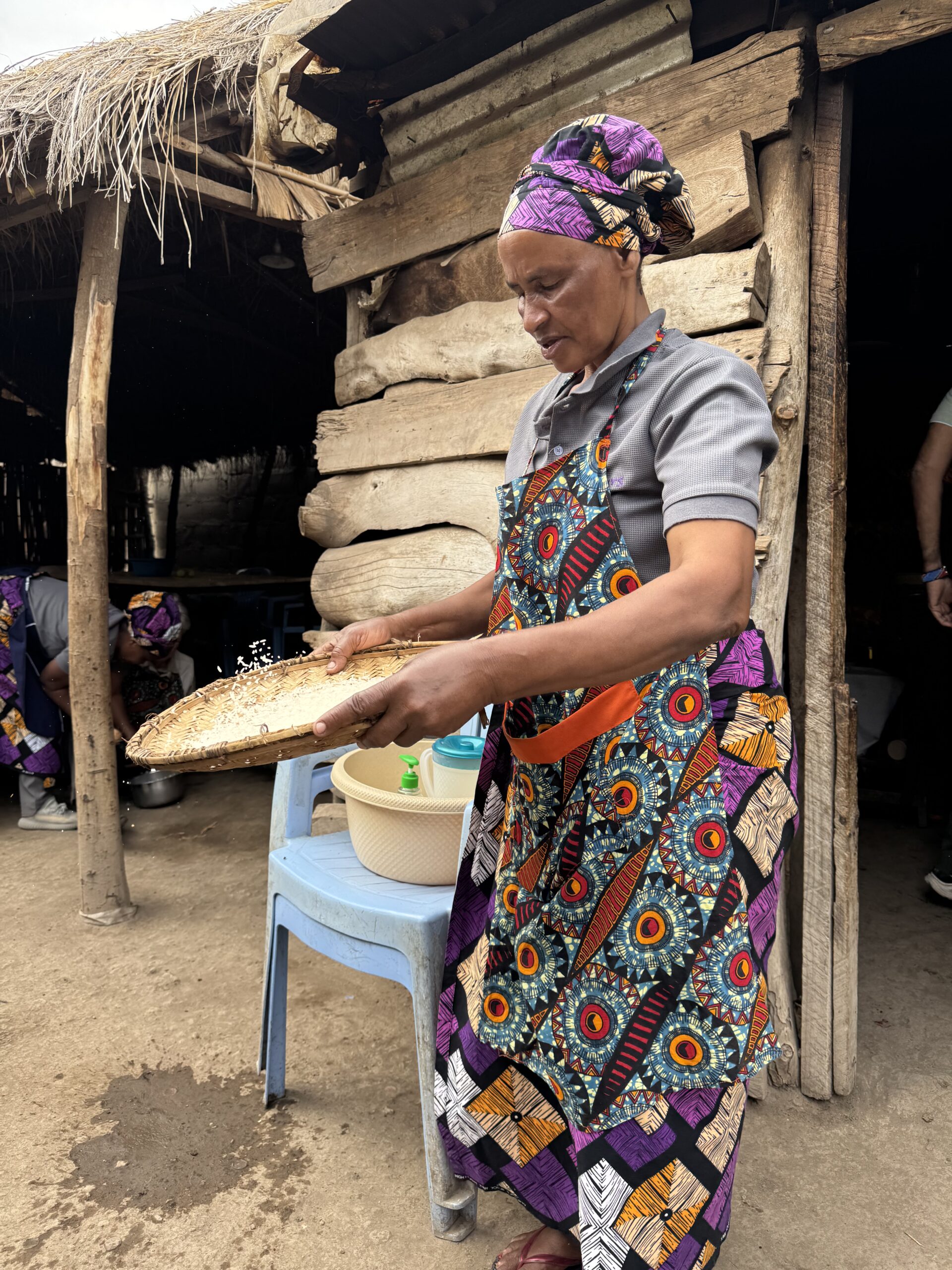
Mama separating the rice and shaft.
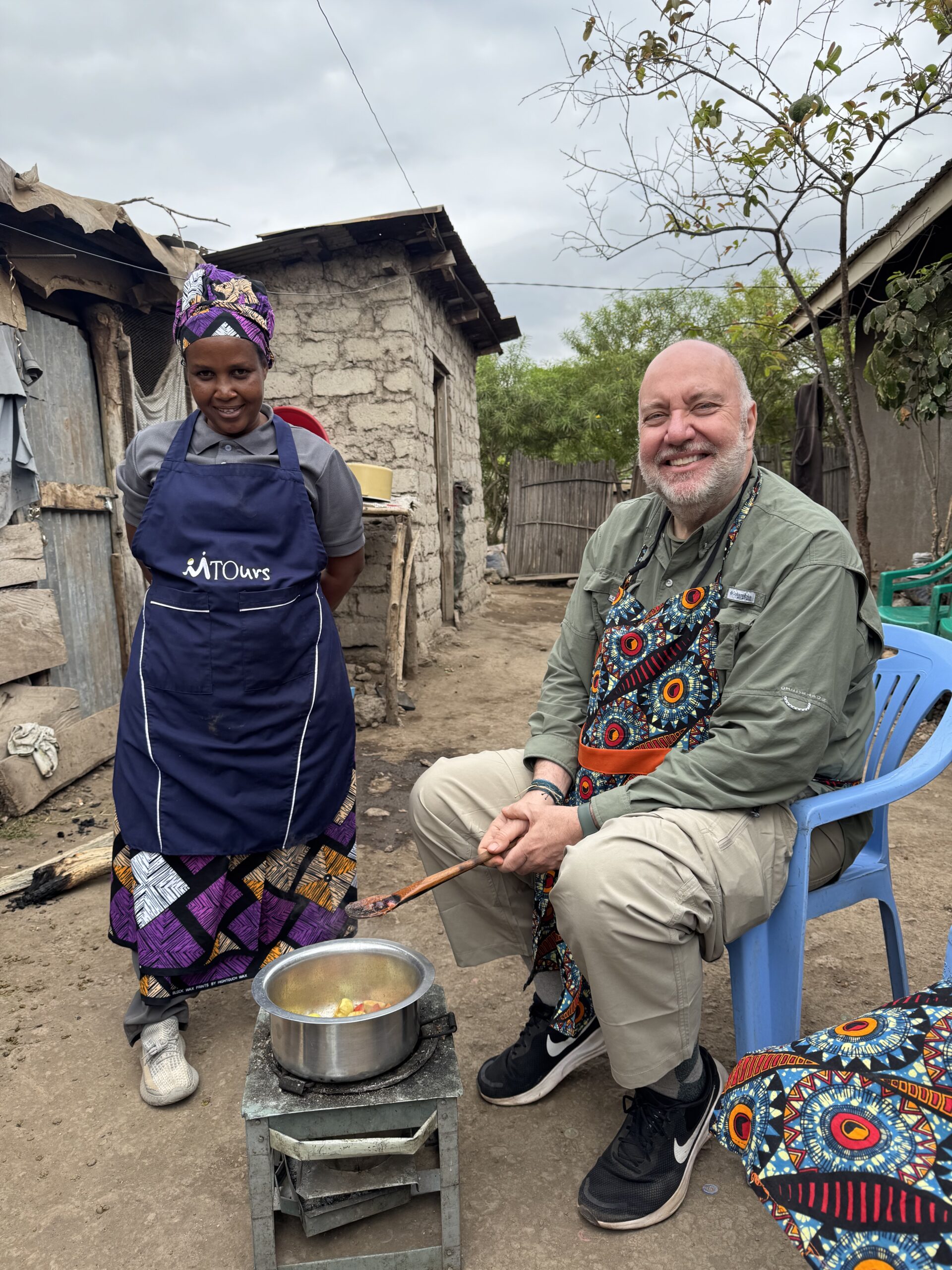
Peter
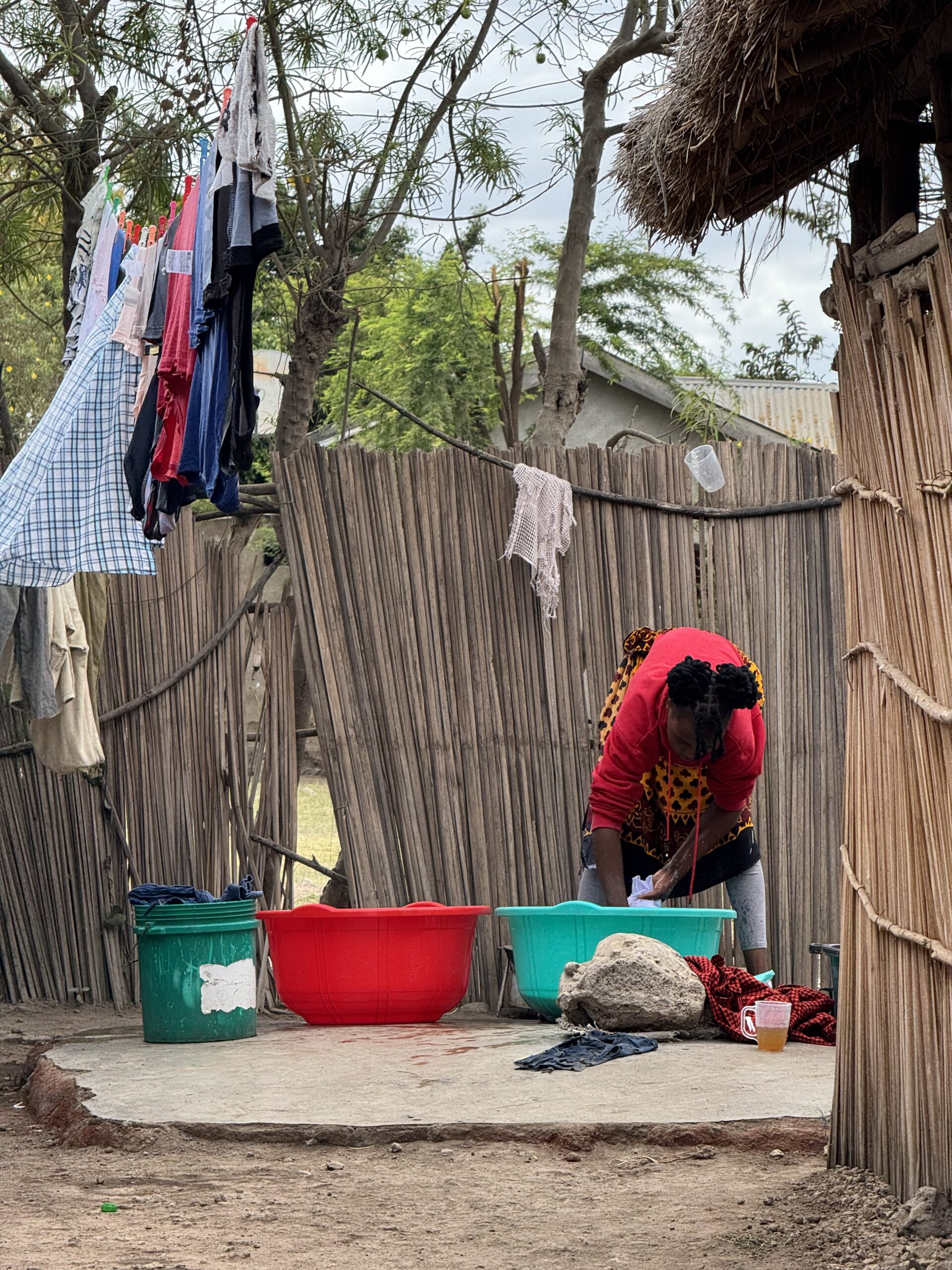
Clothes being washed down the alley.
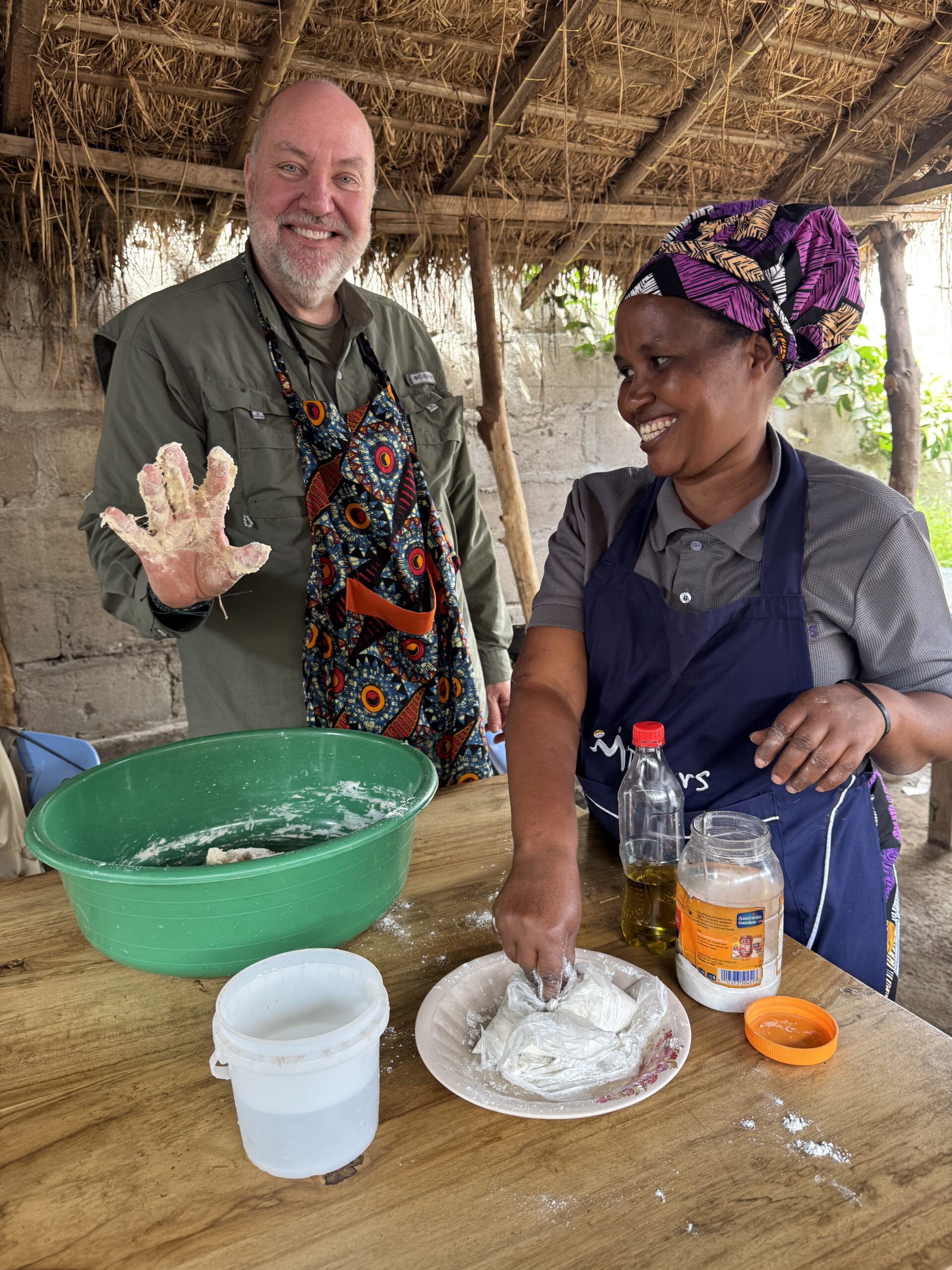
Peter preparing the dough for chapati, a traditional flatbread grilled in a pan.
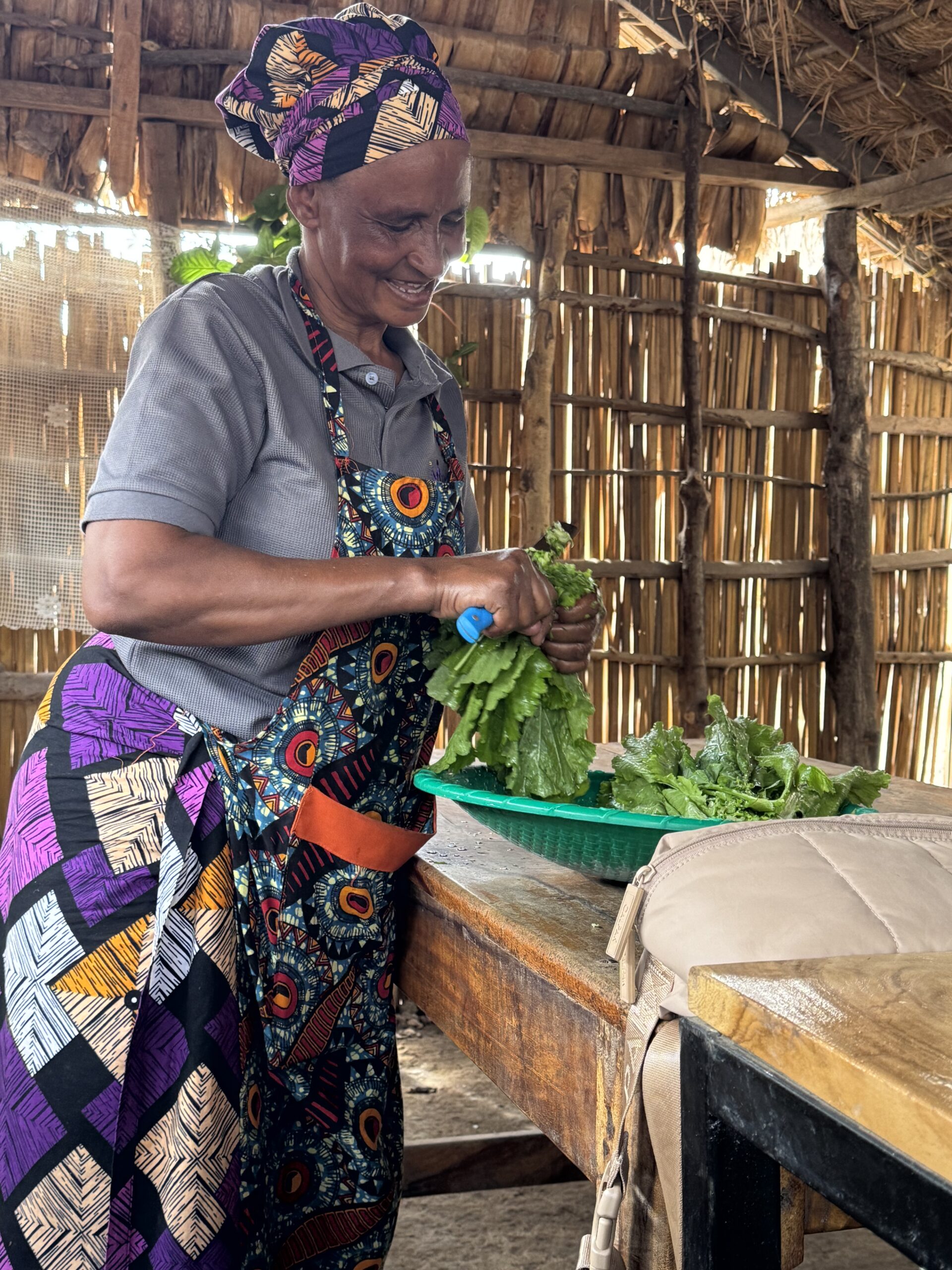
Mama slicing the Chinese spinach.
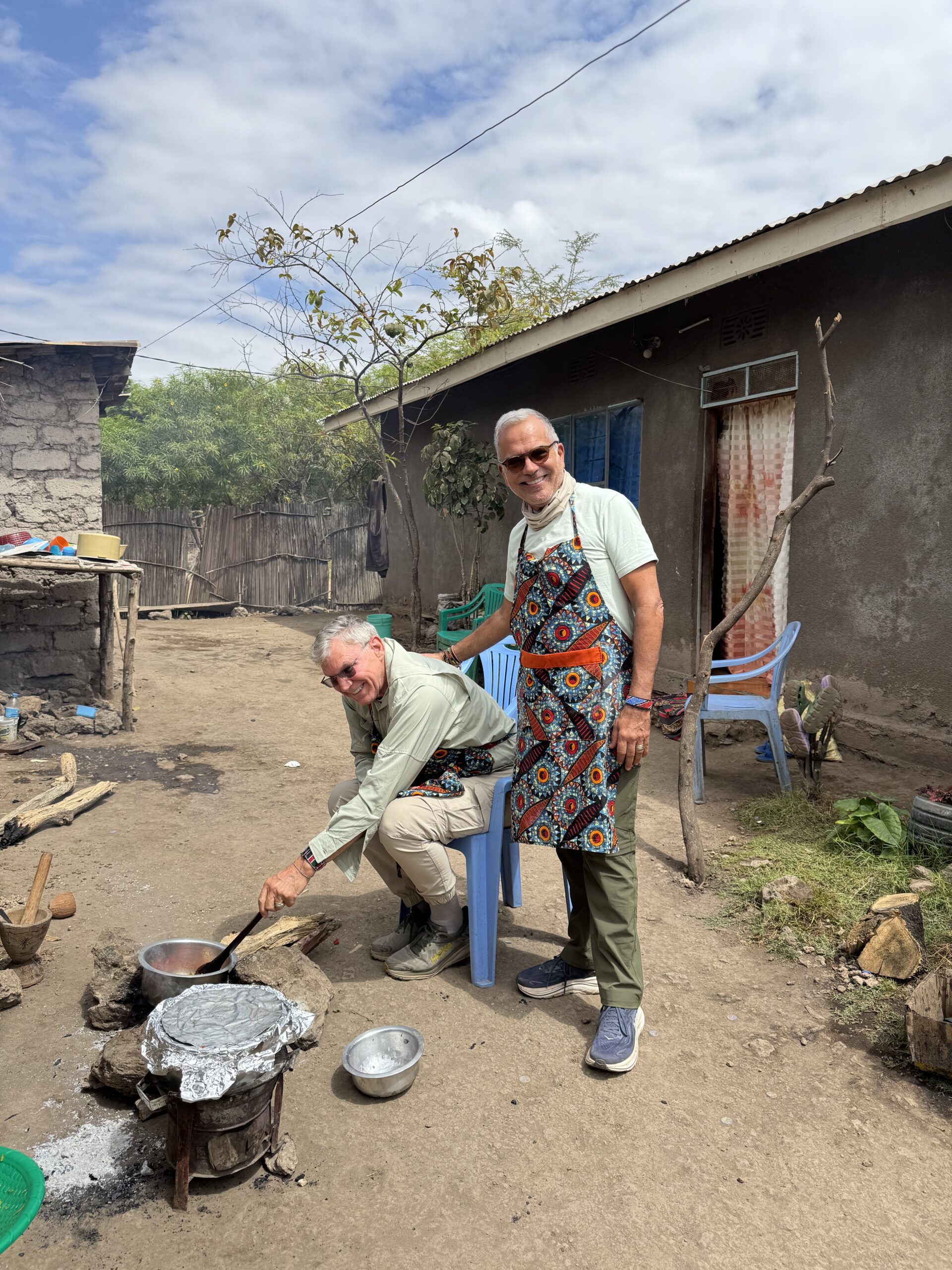
Robert supervising Kurt on the stove.
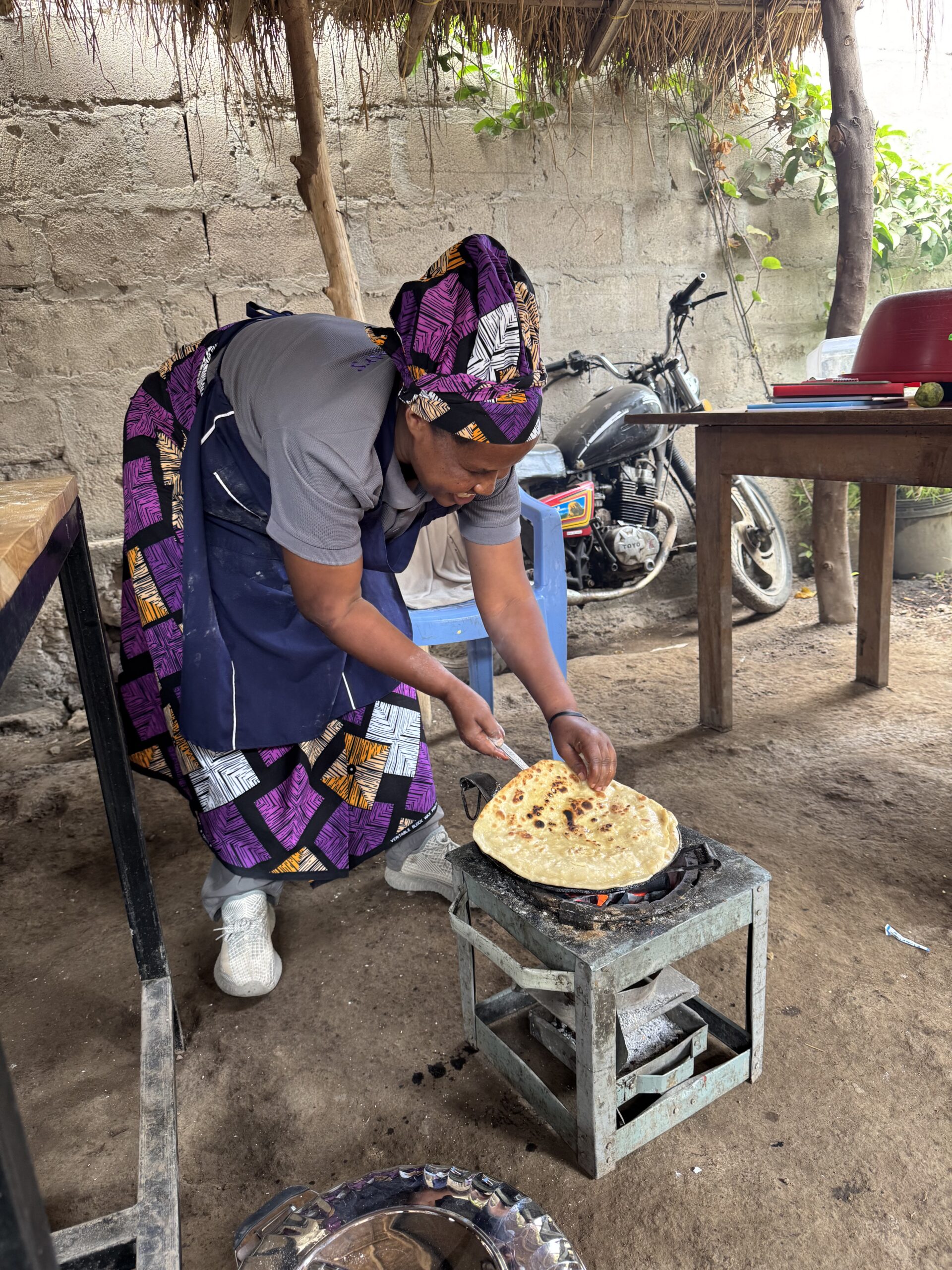
Making chapati bread.
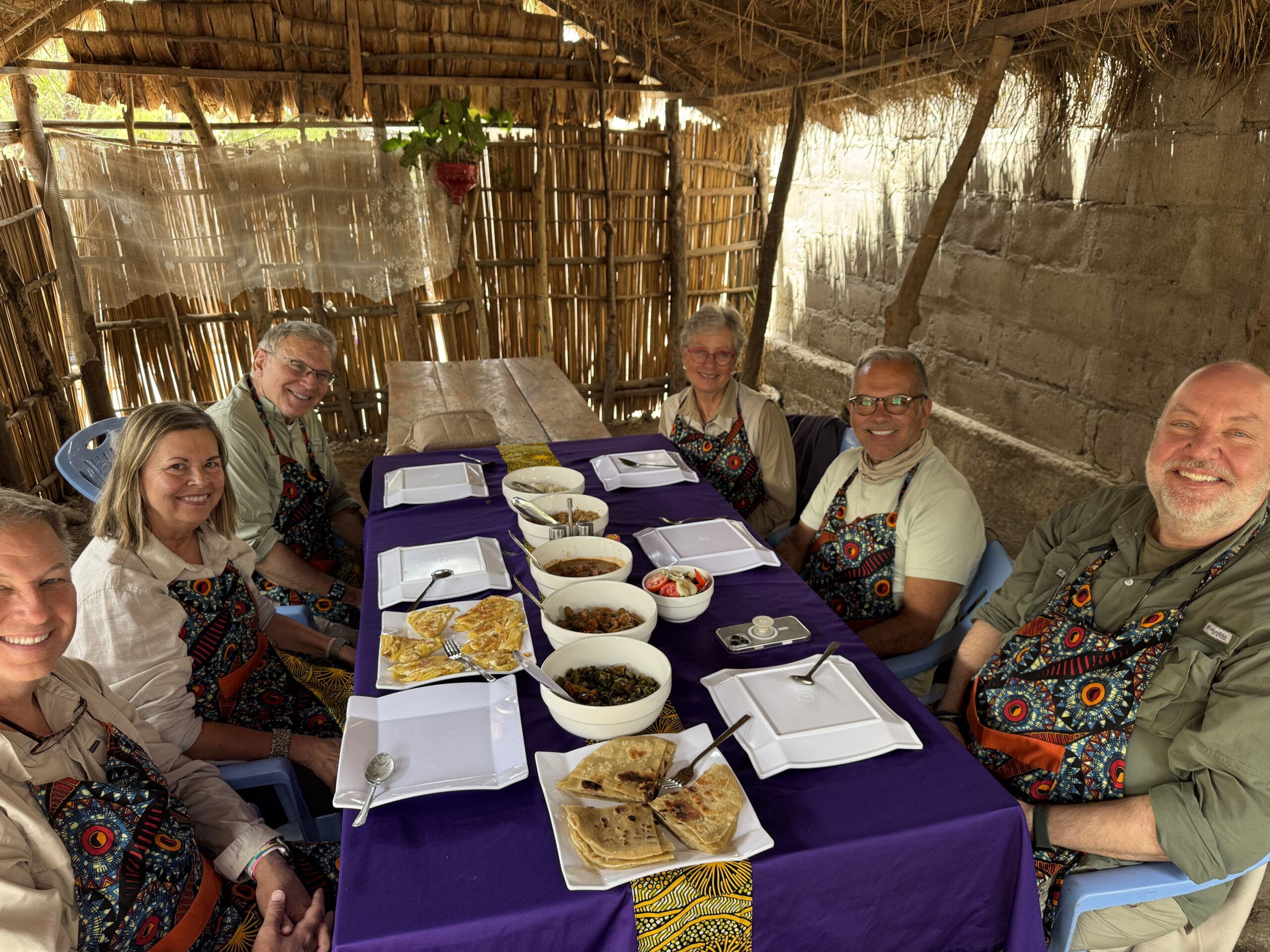
What a feast!!
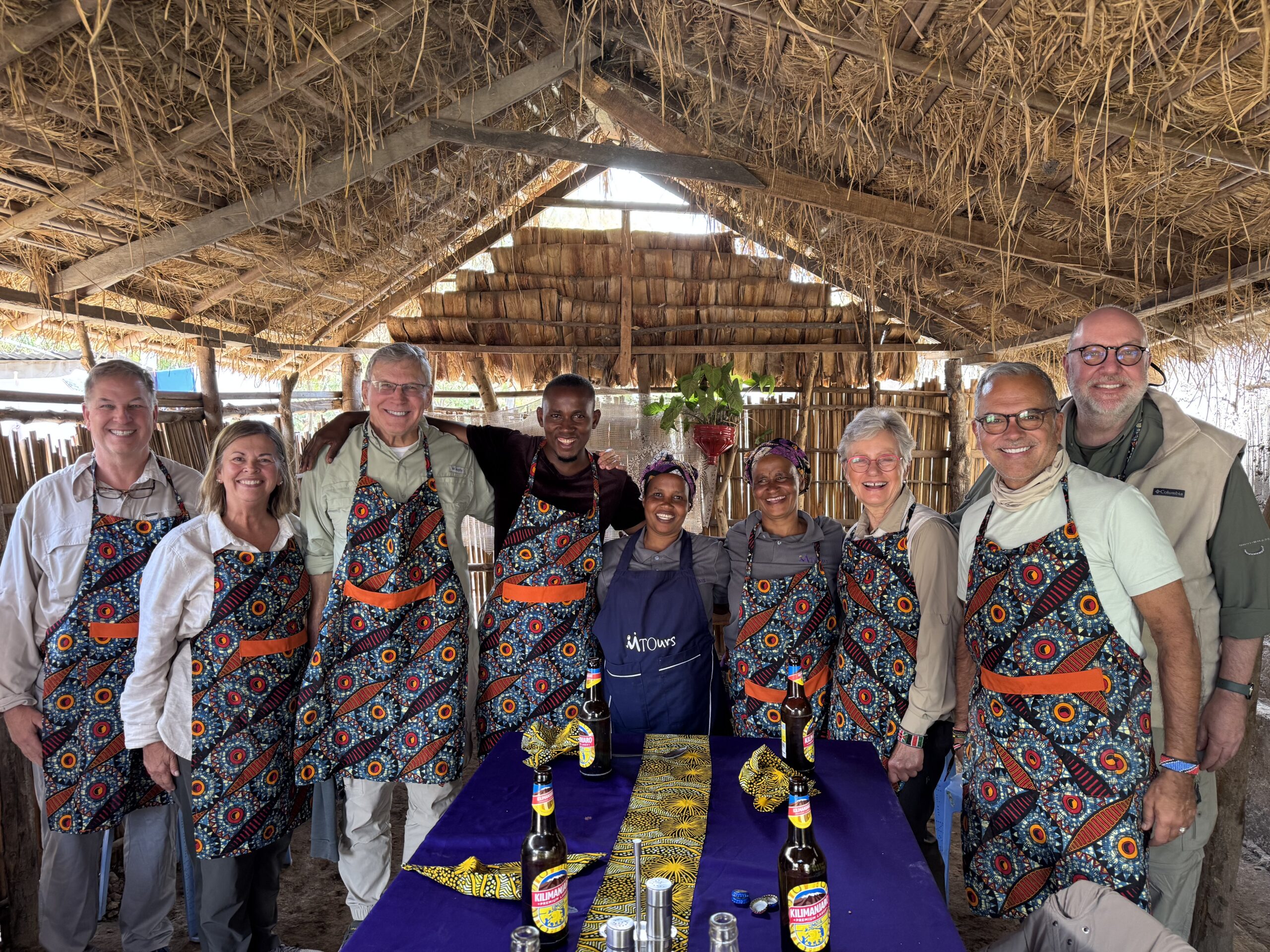
With our cooking class hosts.
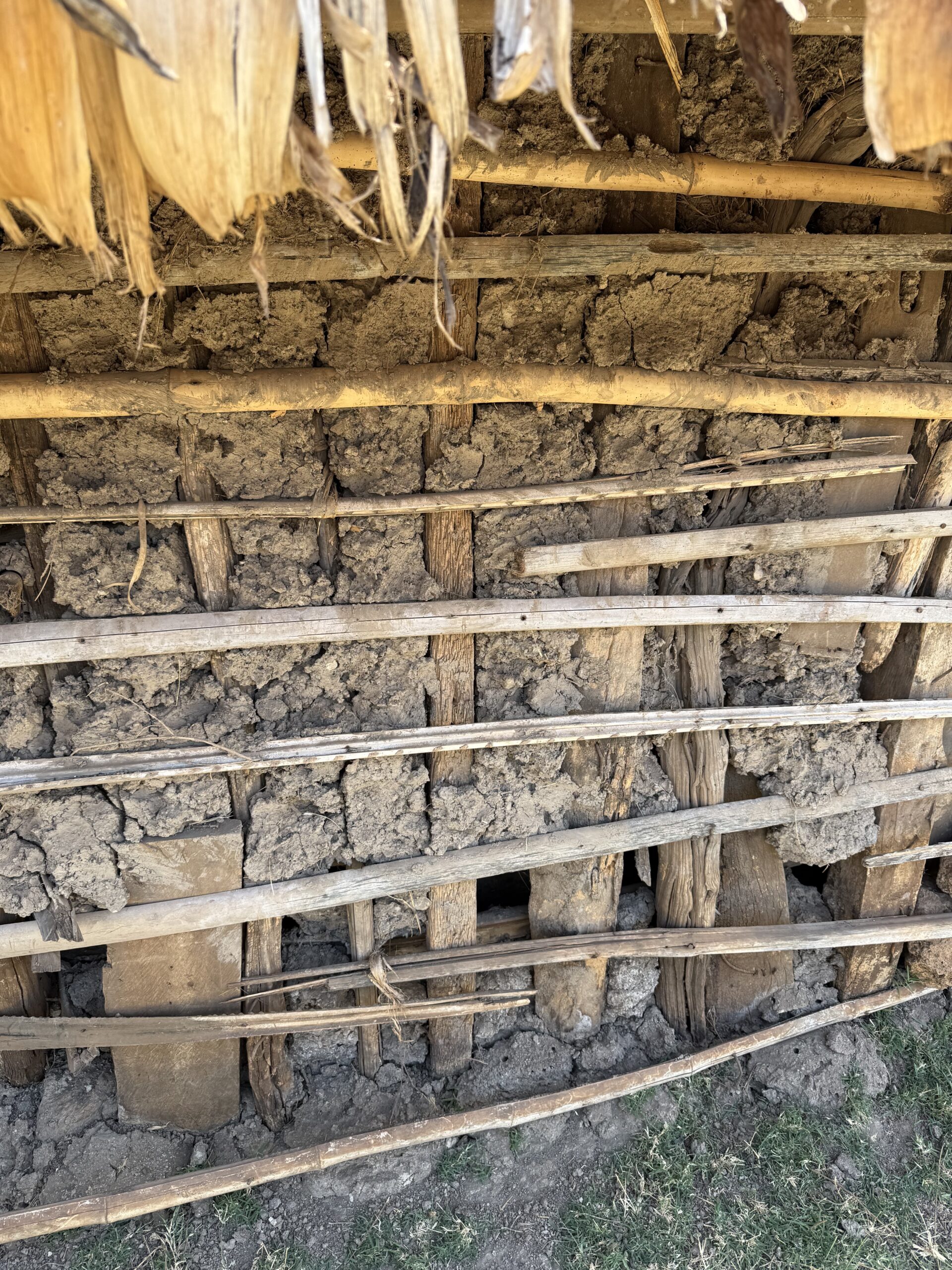
Traditional wood and clay house.
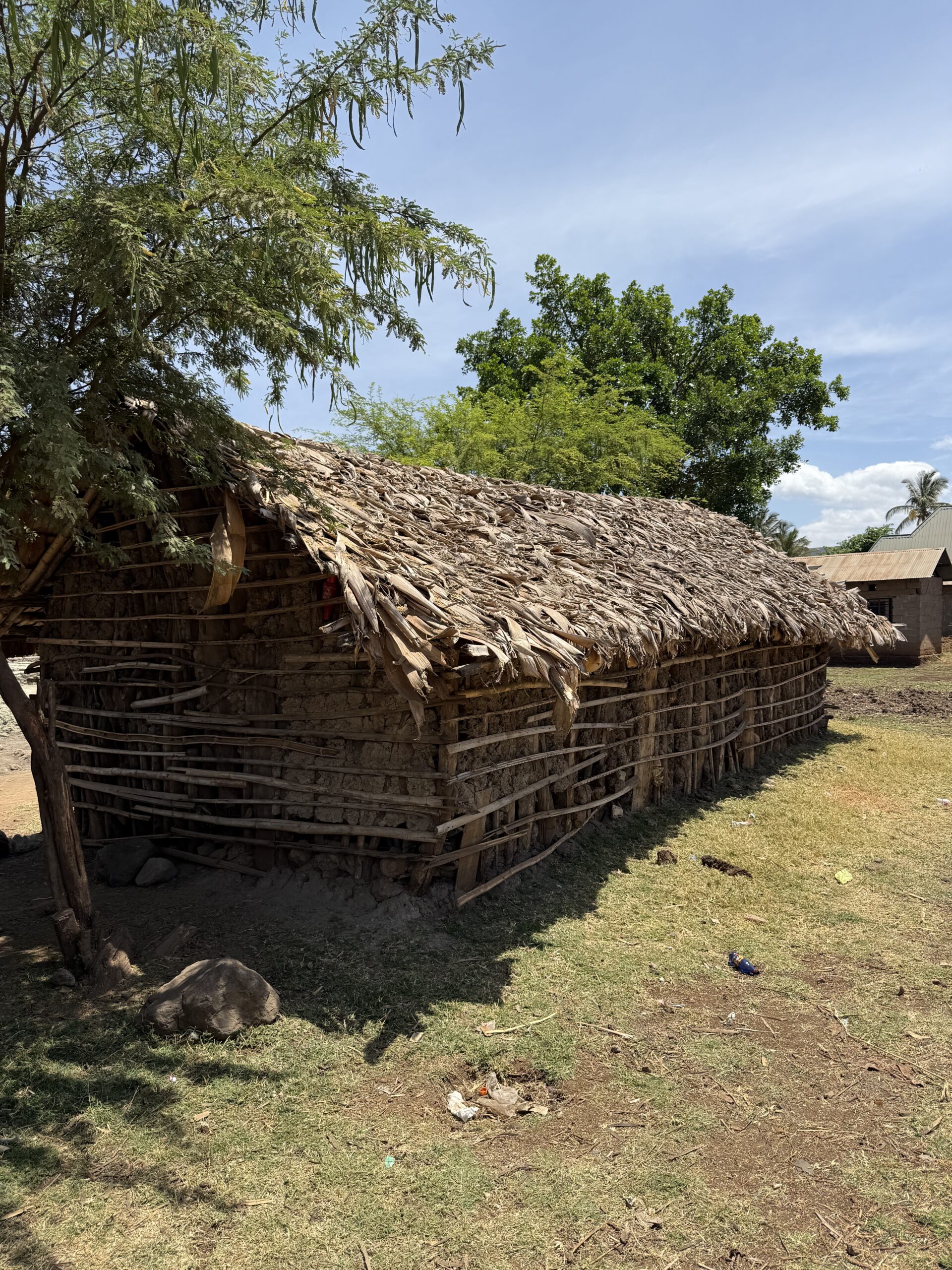
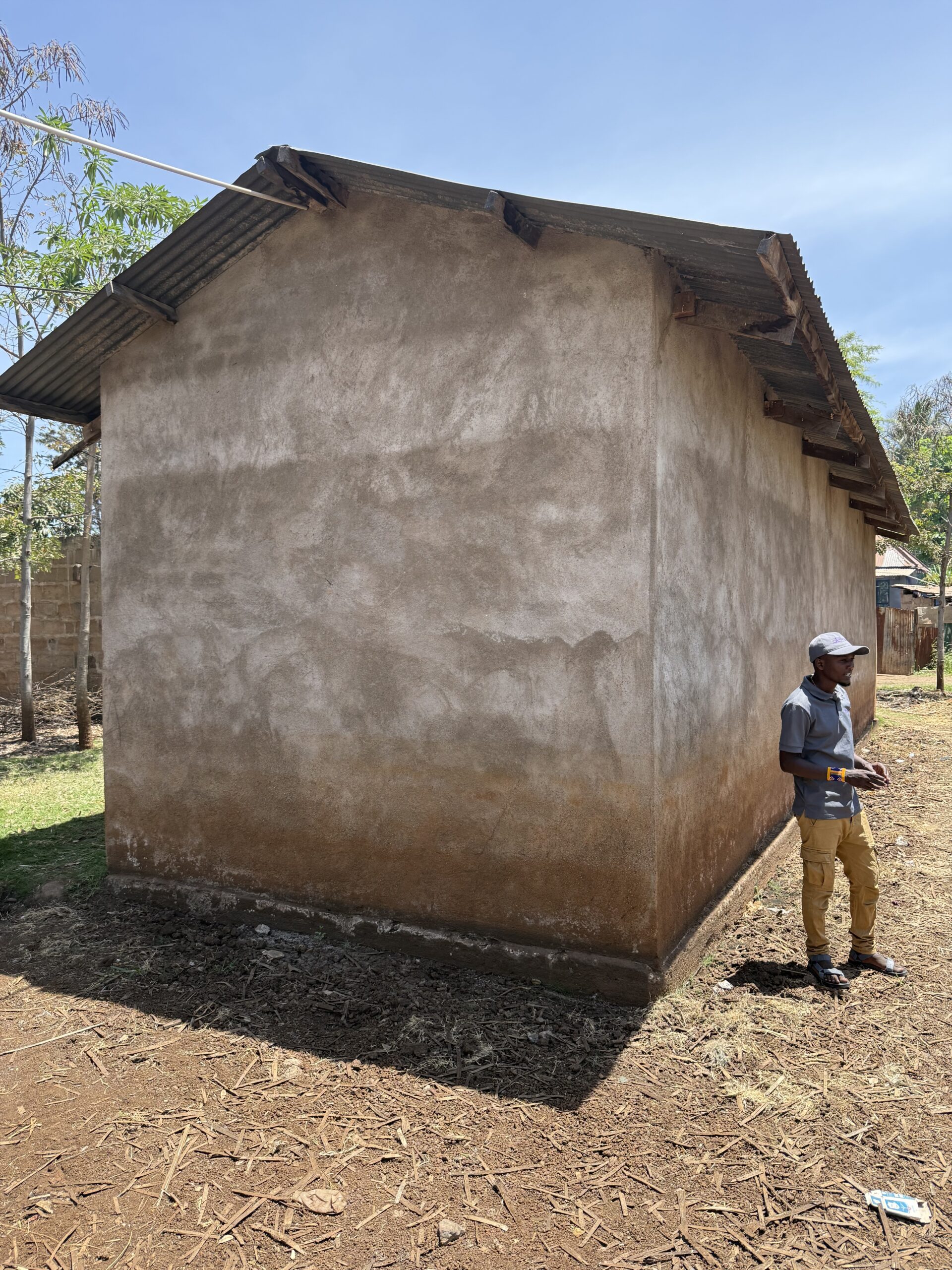
Traditional house in Tanzania.
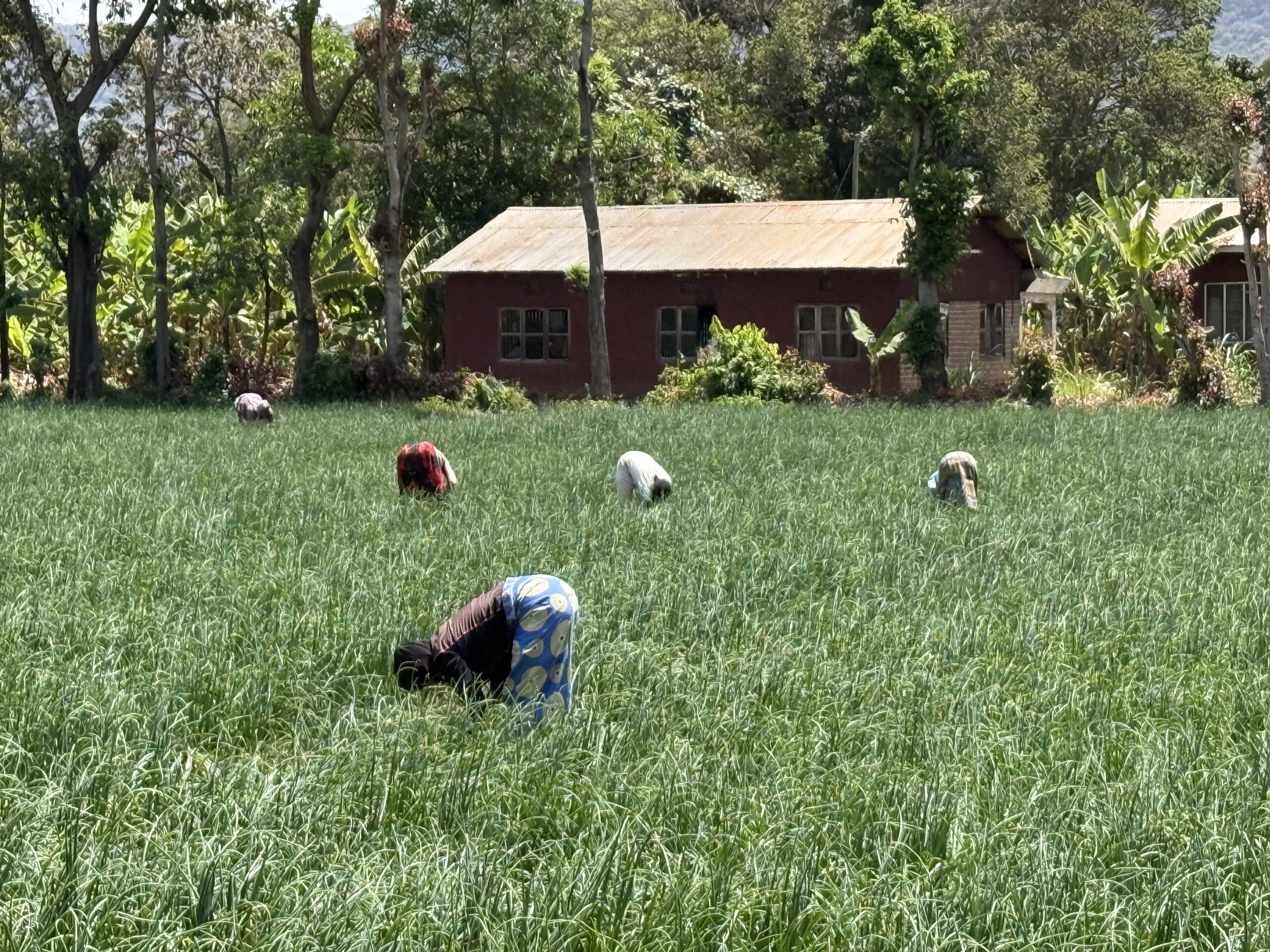
Women tending to the onion crop.
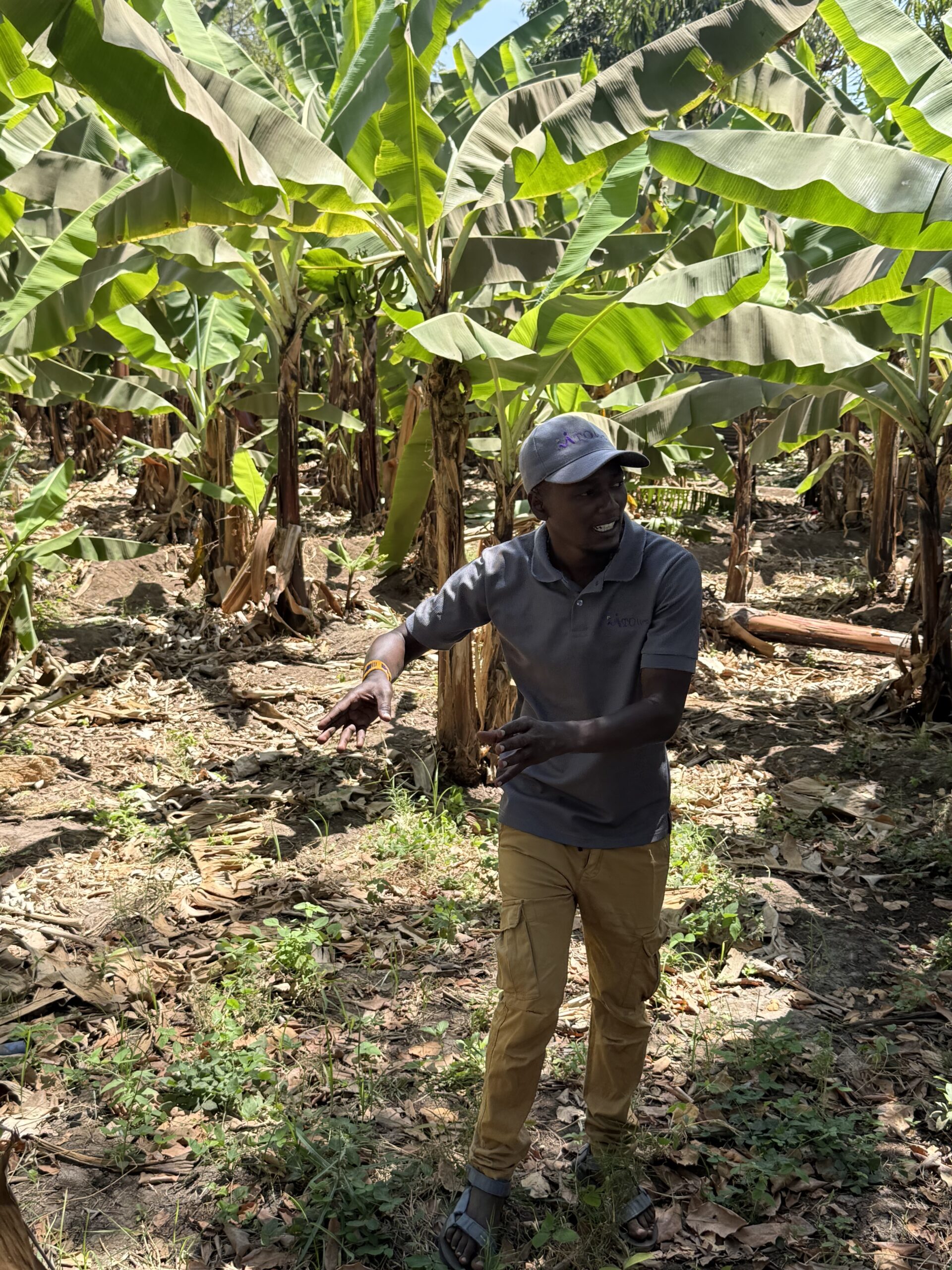
Our local guide, explaining about banana crops.
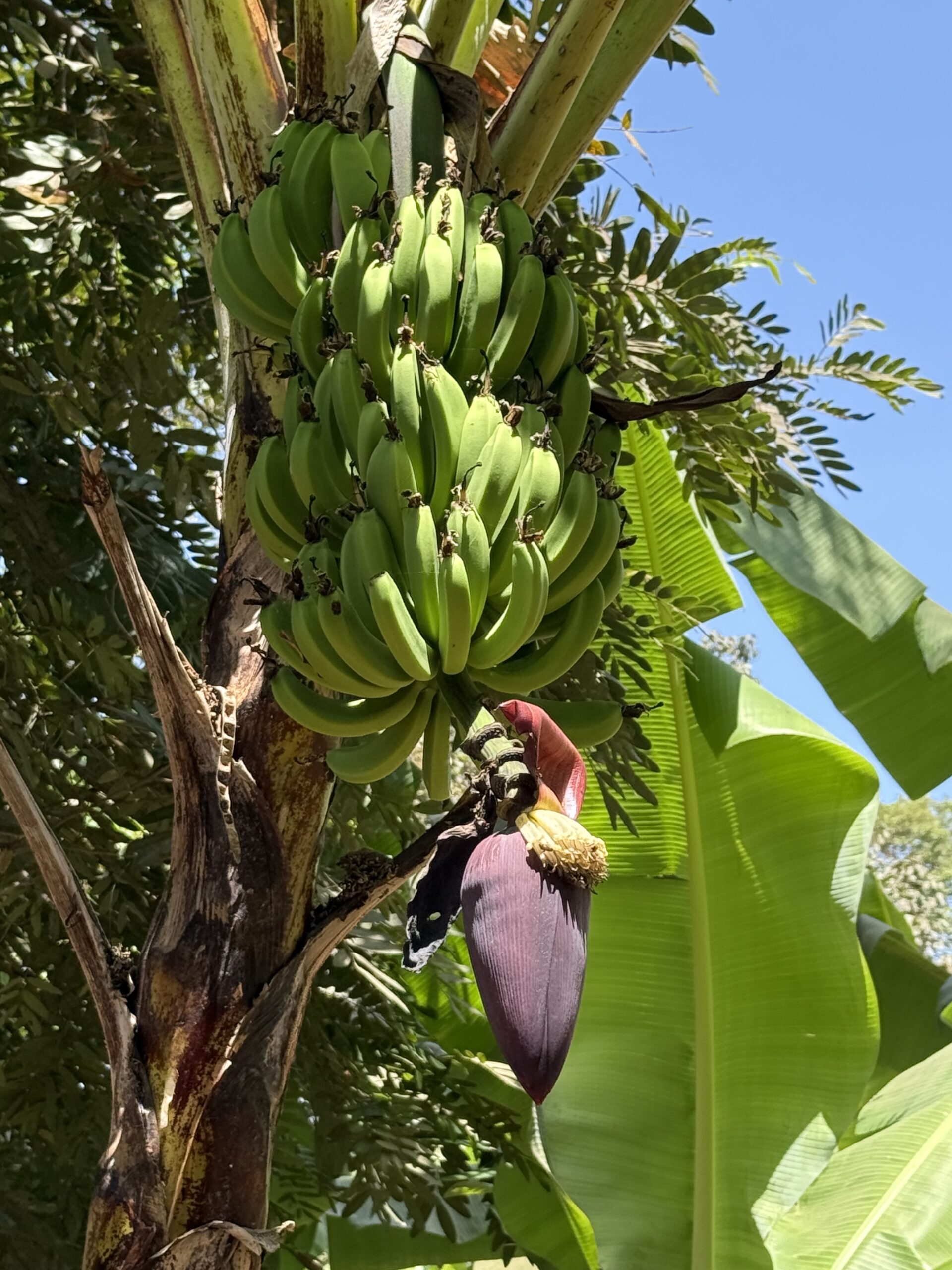
Banana bunches with the original flower still hanging.
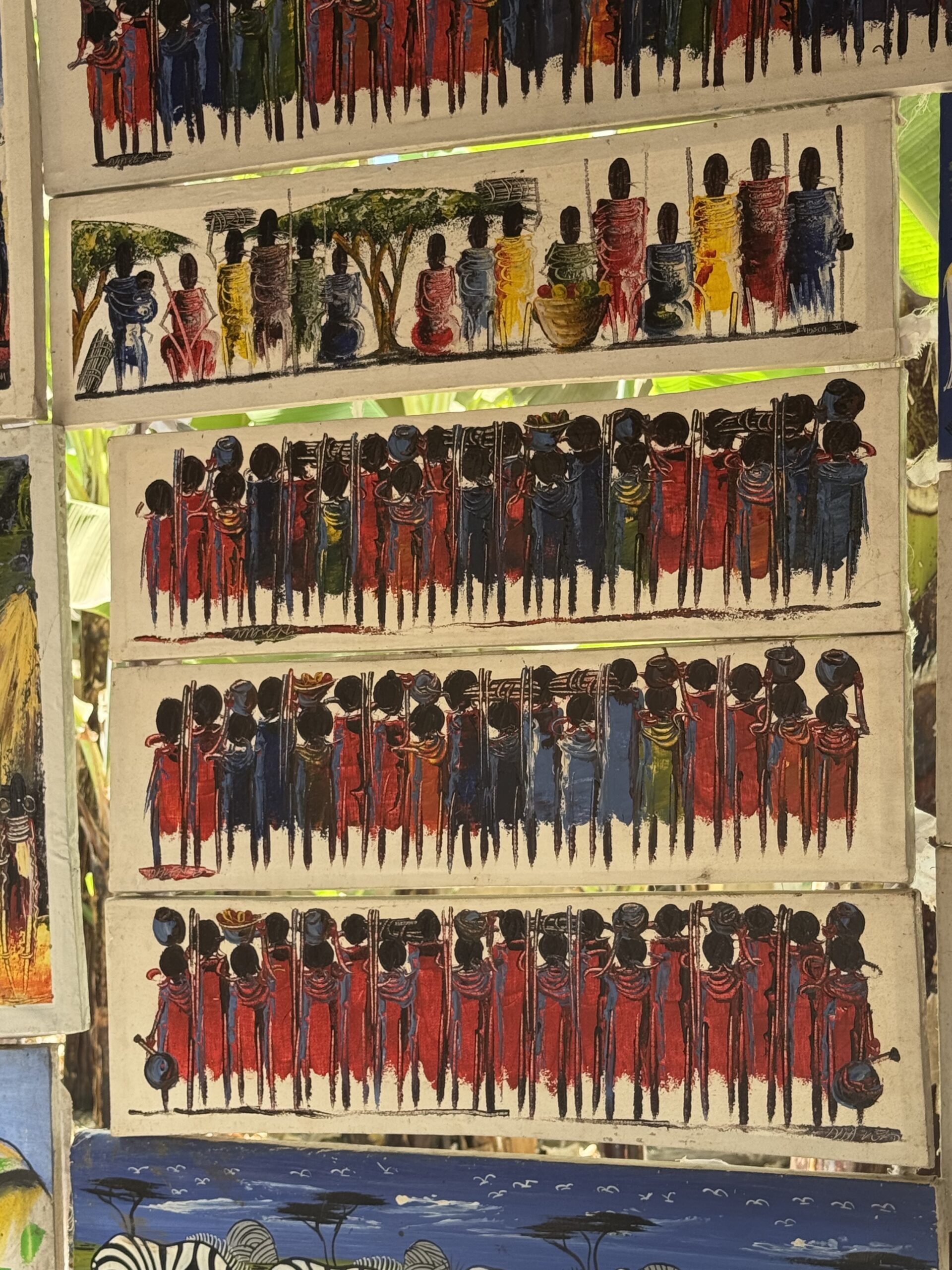
Art depicting The Maasai.
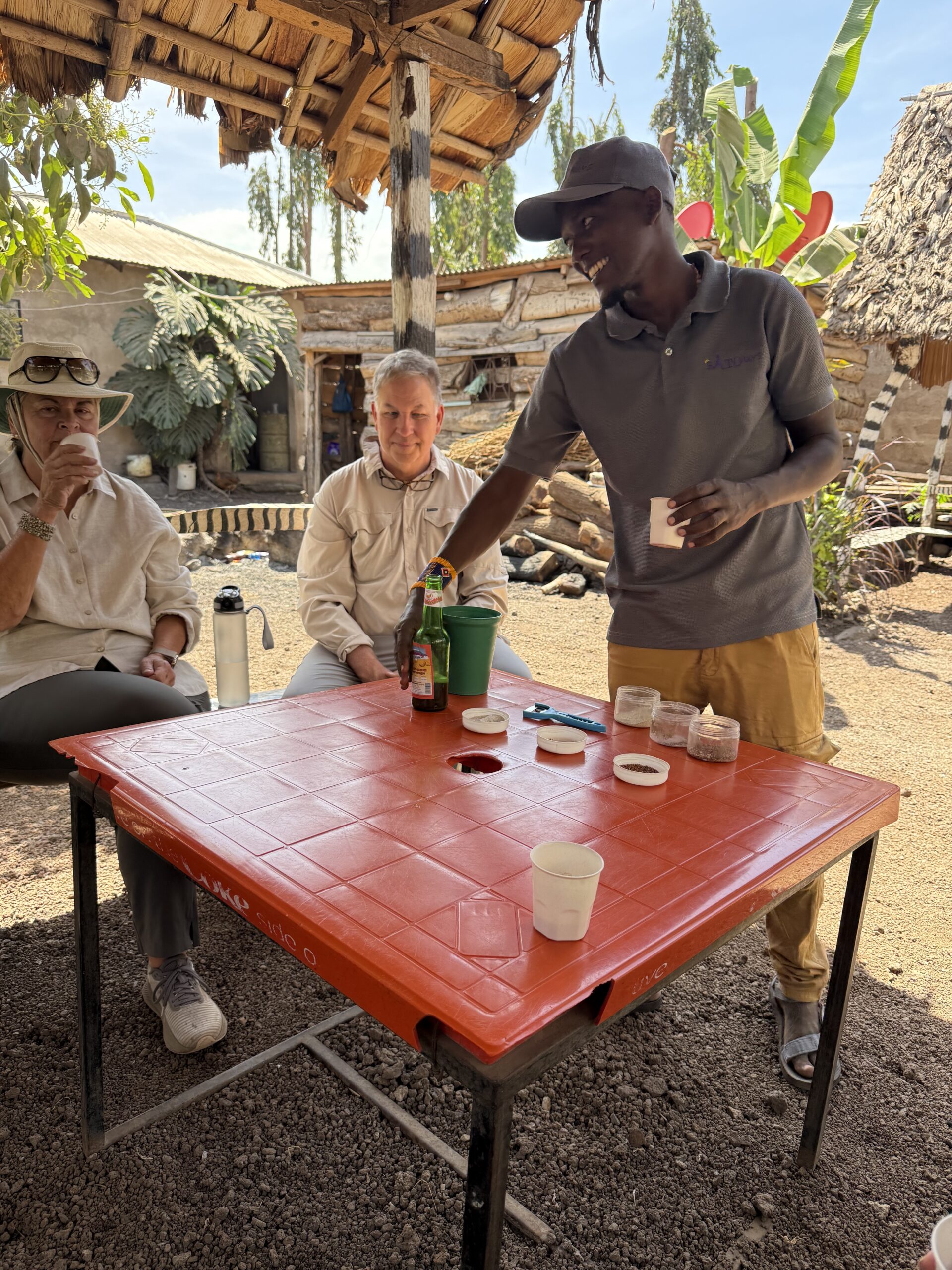
Learning about banana beer and wine.
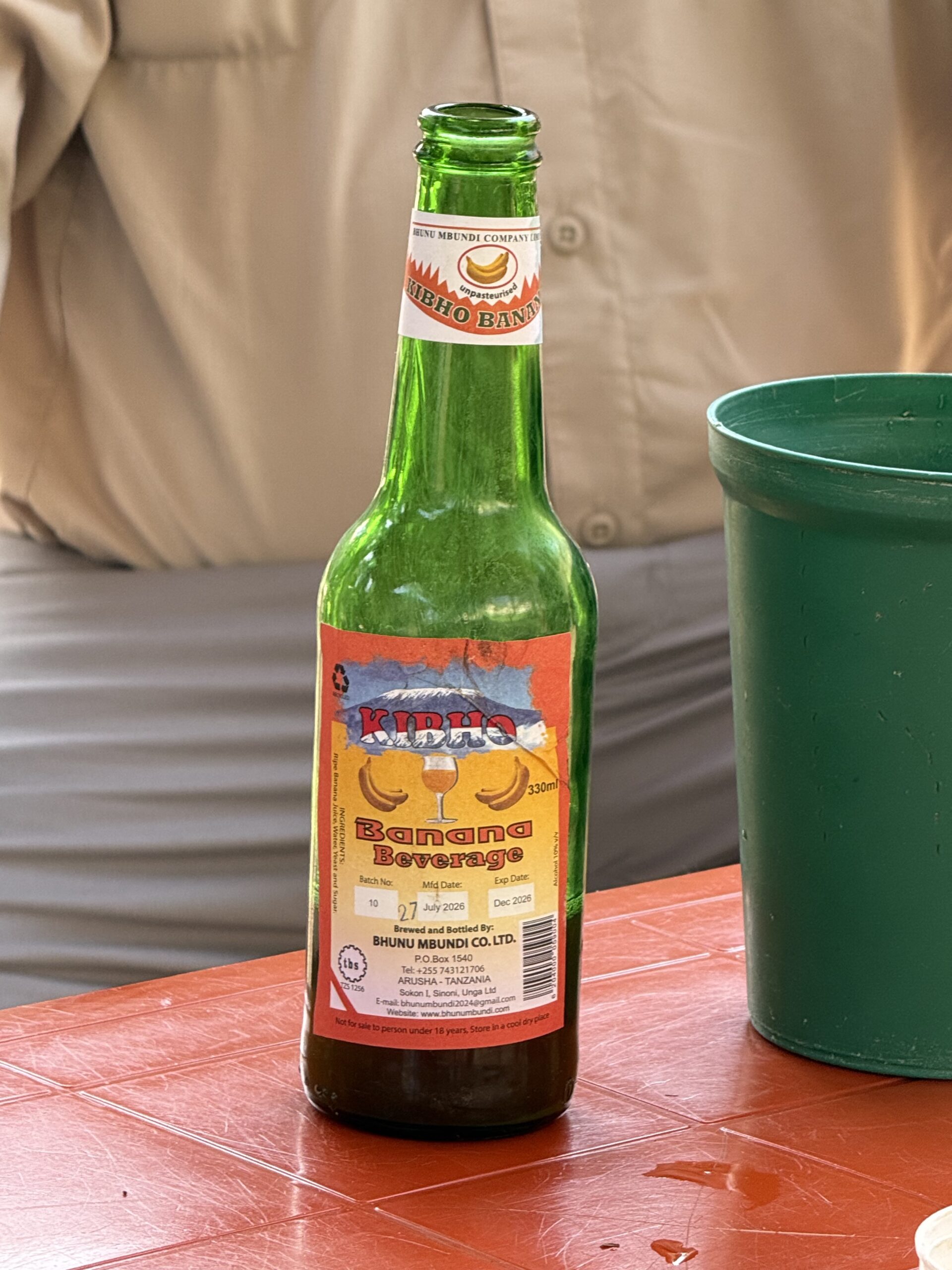
The banana beer.
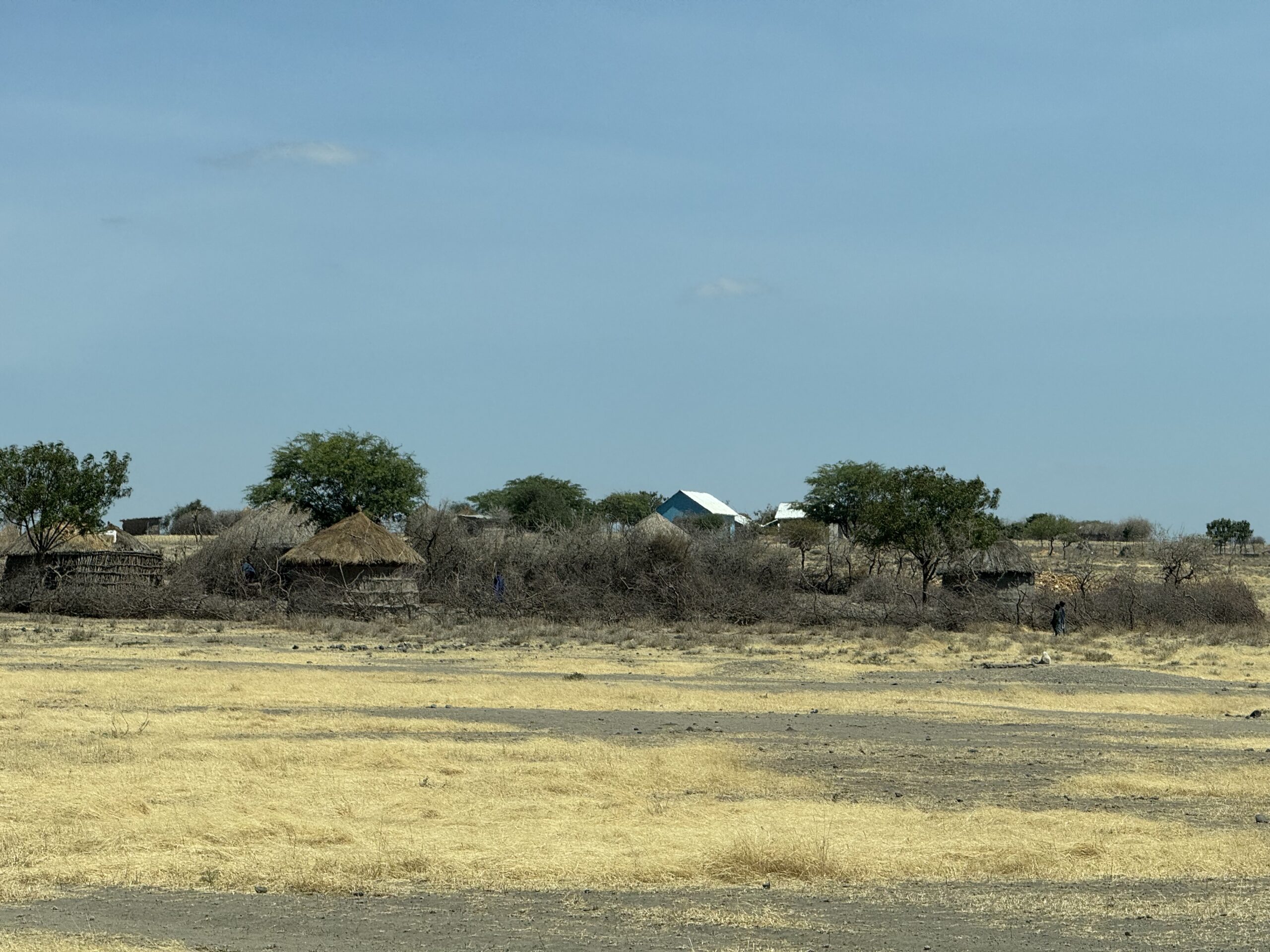
Visiting a Maasai village.
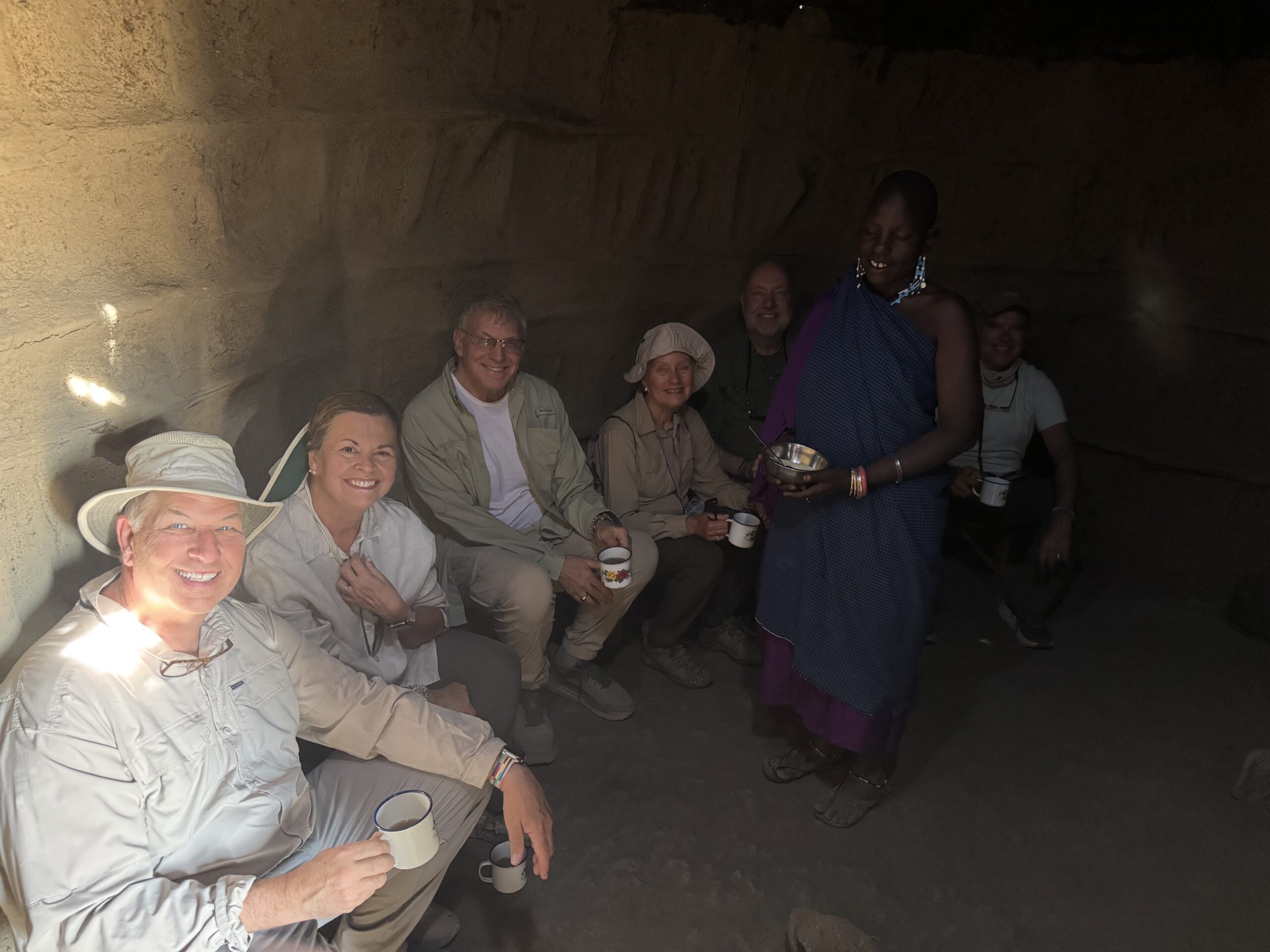
Inside a Maaori hut, built by women.
Our sweet host and owner of the hut we visited.
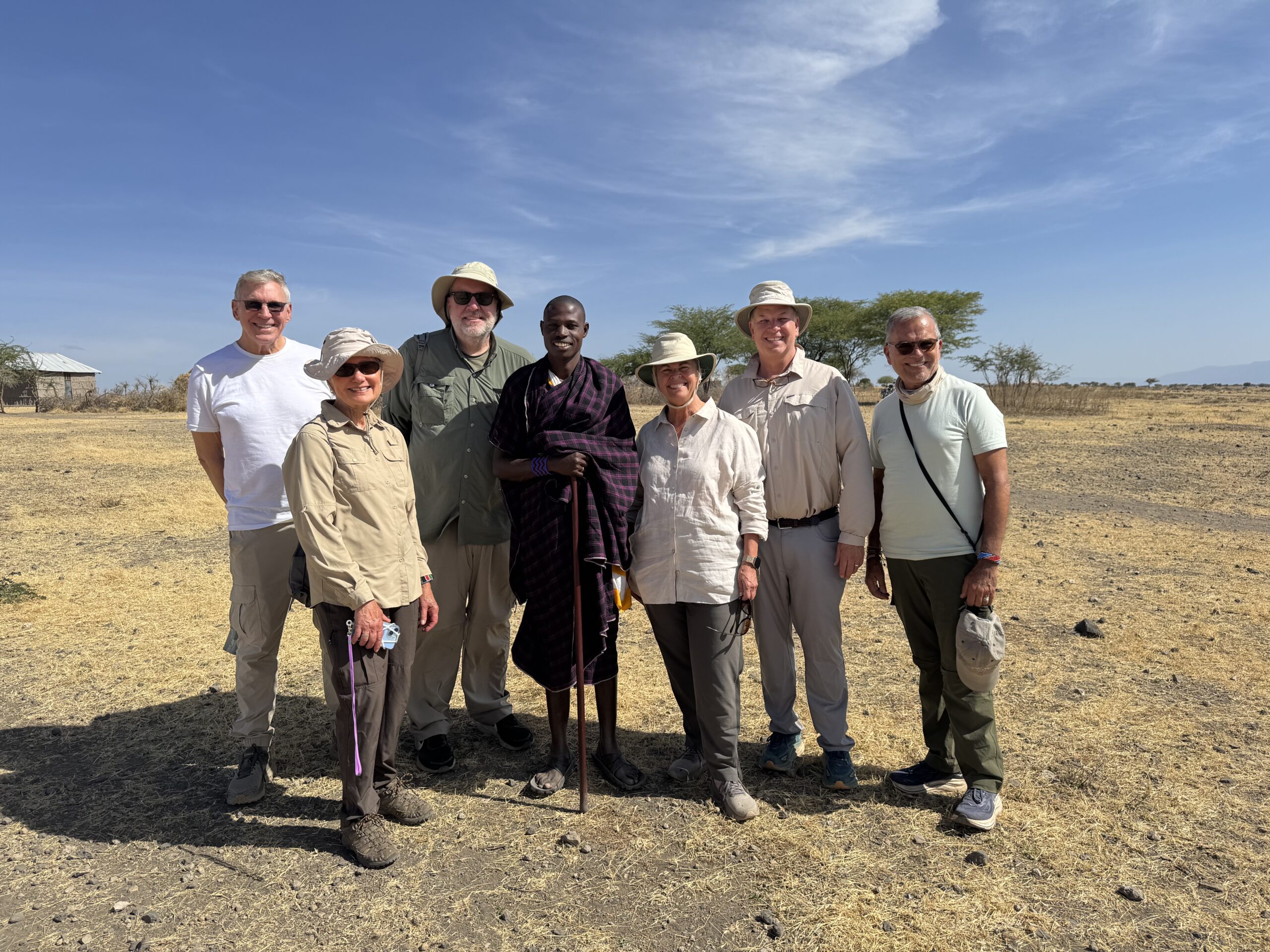
With our Maasai guide.
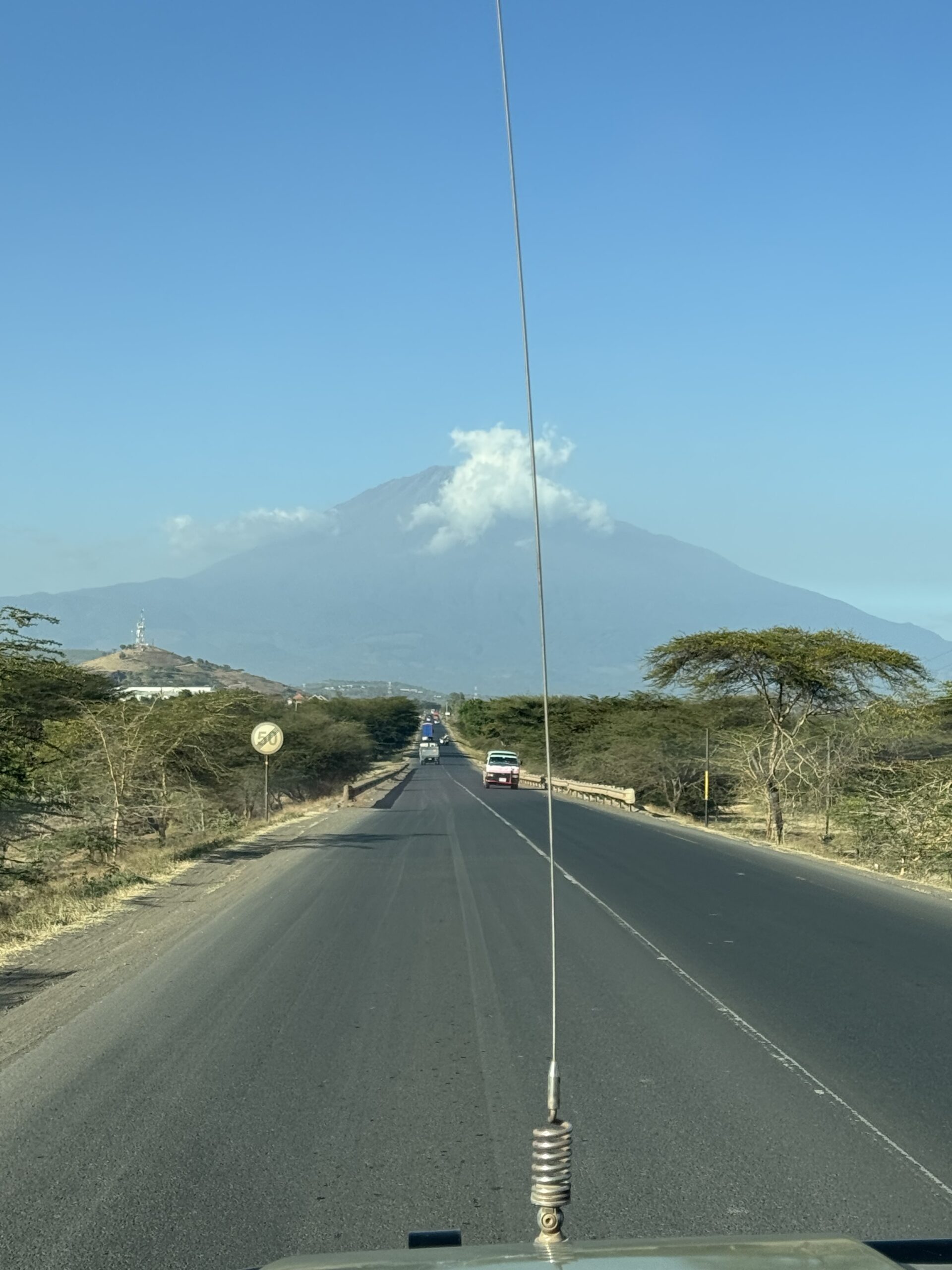
Mount Meru is the second-highest mountain in Tanzania, standing at an elevation of 14,980 feet.
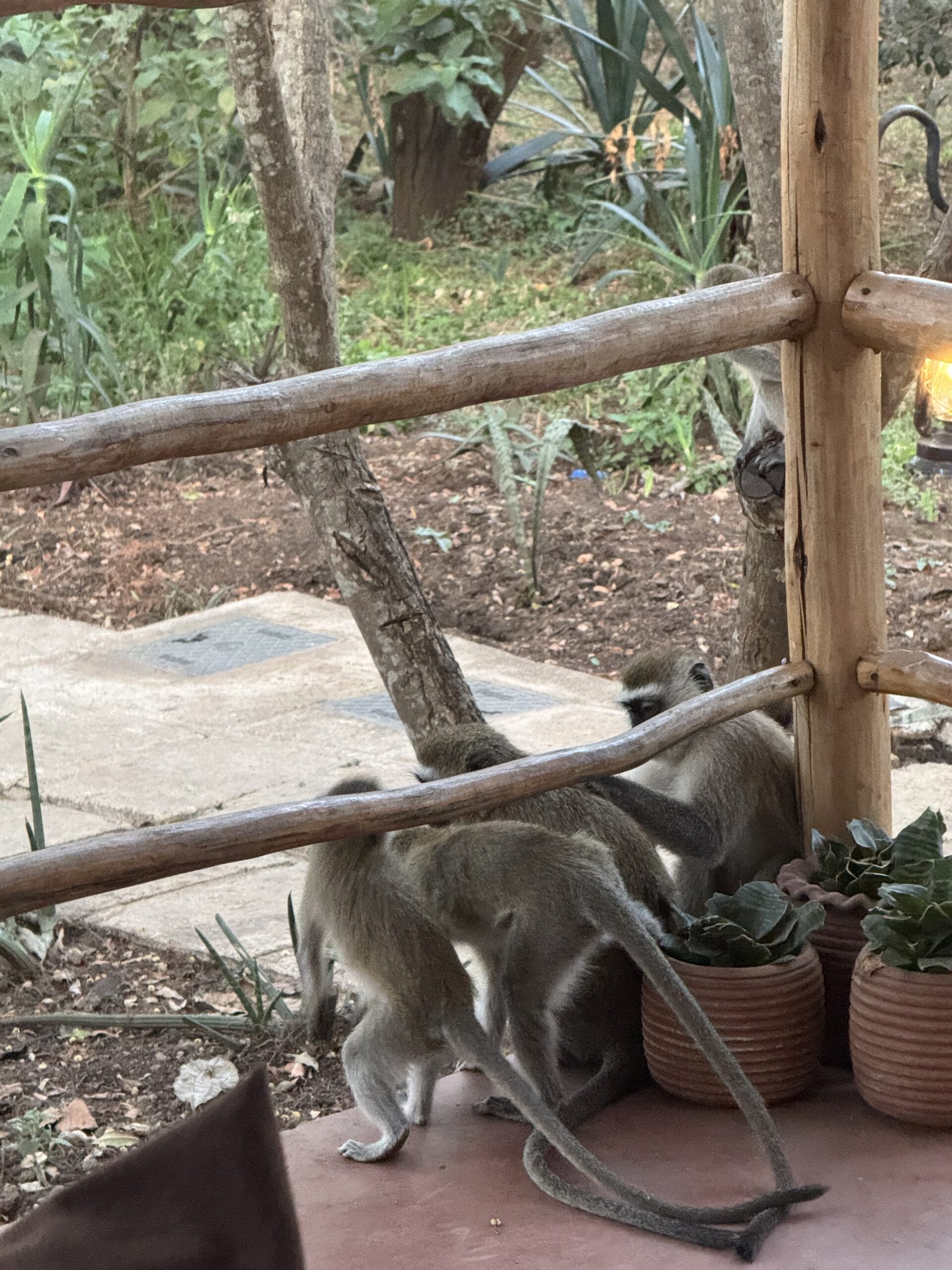
Velvet monkeys outside of our room at Olerai Lodge.
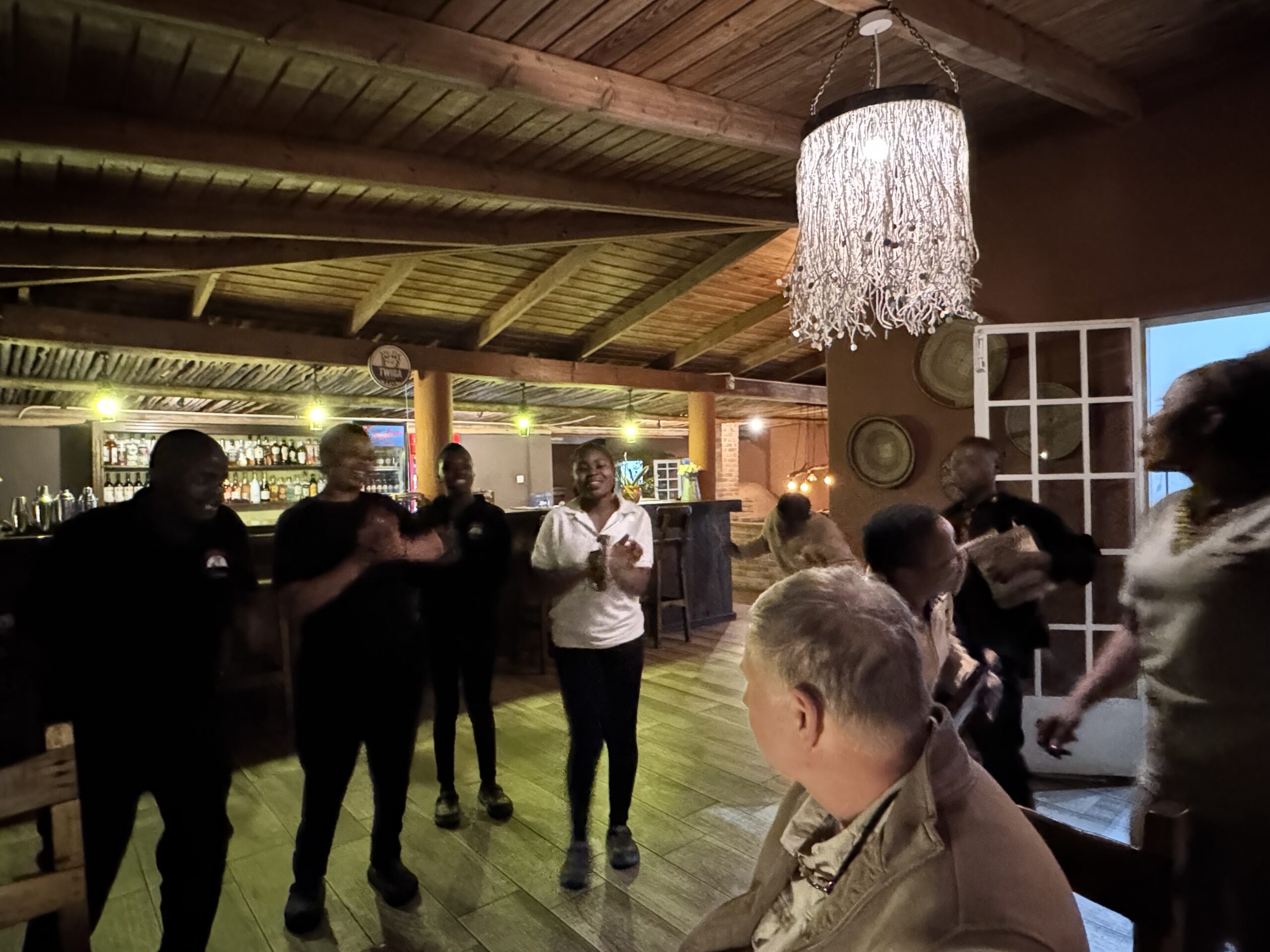
The Olerai Lodge staff performing for us.
I love seeing how other people in the world live, survive and cope. You’ve captured it perfectly in this blog post. This is very meaningful to me right now. See you soon! Safe travels home. Love, Me
Very interesting. ❤️