
Amboseli National Park, Kenya
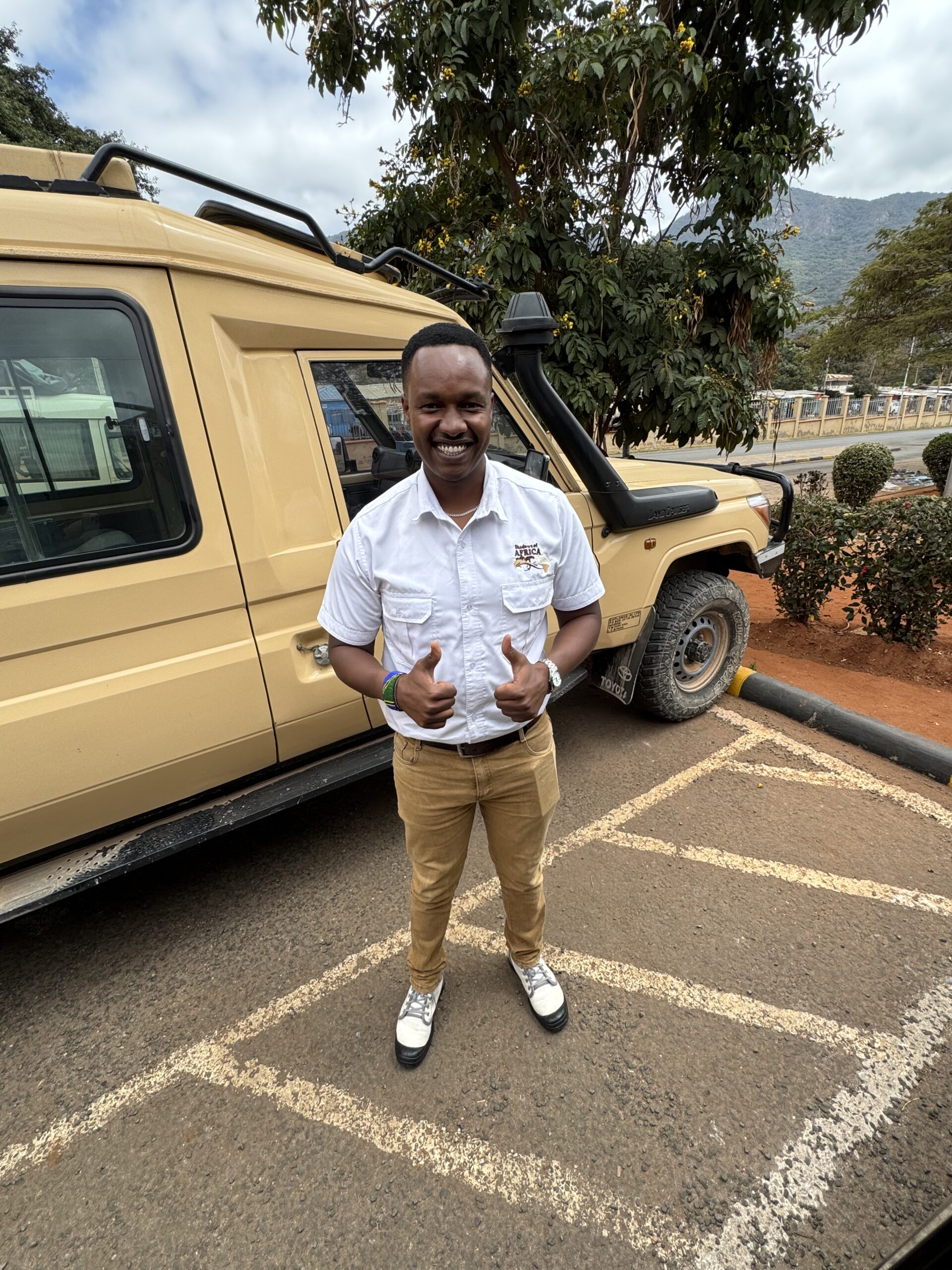
We had a two-hour drive to the border but the road was paved and we enjoyed talking to our driver, Nickson. He has completed his university courses in accounting but has decided that that line of work is not for him. He is now serving as a cultural guide and transfer driver, but he aspires to become a safari guide. We learned that to get a certificate to operate as a safari guide, you must complete two programs. The theory course is all the bookwork, learning about the animals, birds, trees etc. The practicum course teaches you how to drive the thousands of miles of roads in the big parks, how to find the animals, how to care for the guests. There are exams after each course, with passage resulting in the necessary certificate.
We knew we were approaching the border between Tanzania and Kenya when we passed a 6- or 7-mile backup of trucks, waiting to cross the border. Dixon said they can wait up to one week to cross, though preference is given to trucks hauling perishable goods. Immigration took about 30 minutes for all of us to clear, both out of Tanzania and into Kenya, with a lot of mayhem in between. We met our next guide, Joseph and said goodbye to Nickson.
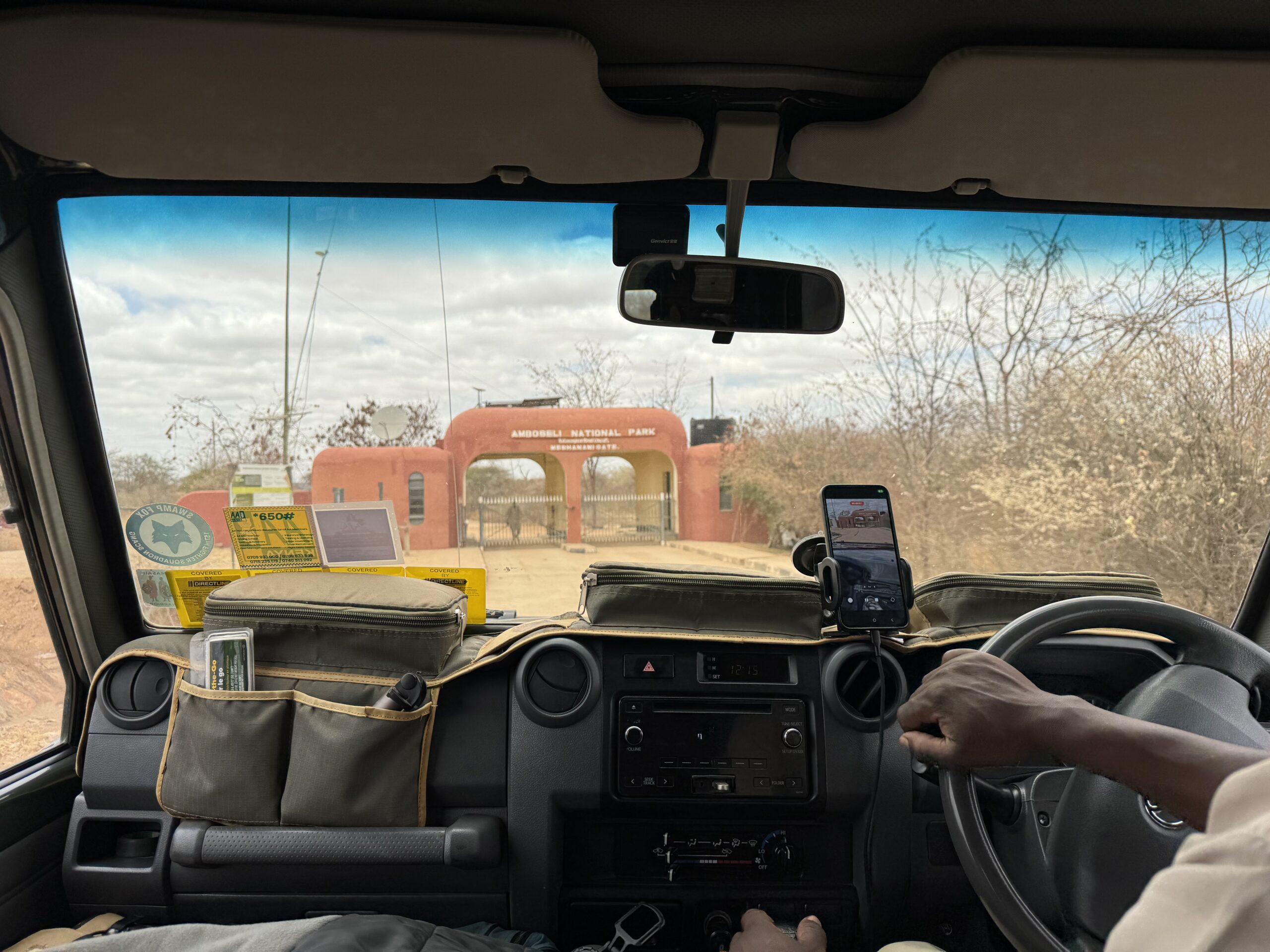
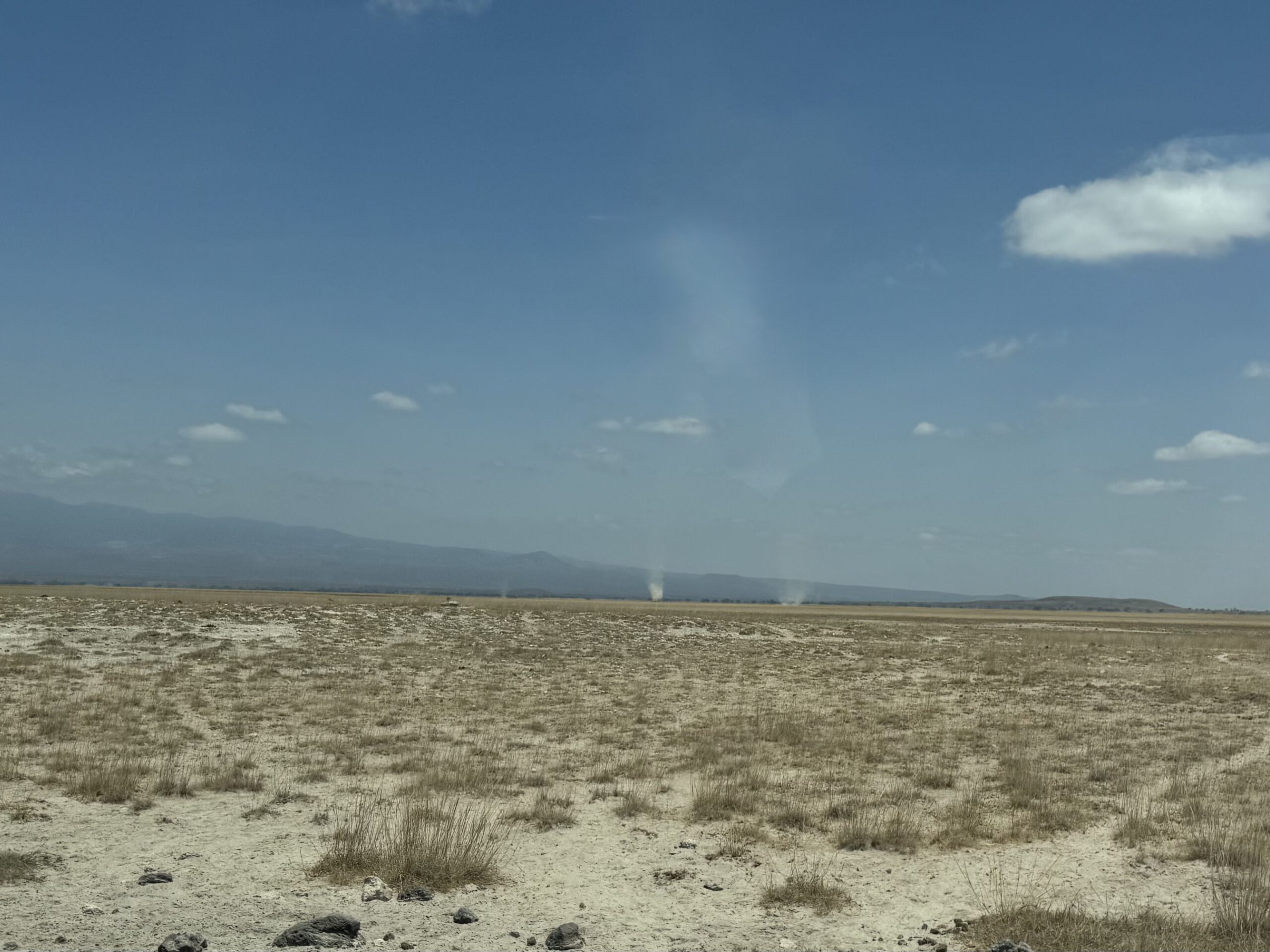
Joseph informed us that we had 2.5 hours to drive to Amboseli N.P., over very rough roads. We kinda giggled, thinking how bad could they be, after what we’ve already experienced? But he was right; these were world-class bad roads and we hated every minute of the ride. We crossed a dry lake bed, with ruts so deep that if you happened to bounce out of them, you were immediately sunk in the wet sand.
We know, we know. You’re thinking, why are they constantly commenting on the roads? This is why: (1) our apple watches have been logging 7 – 10 miles “walked” and 60 – 80 flights of steps “climbed”, each day, even though we’ve been riding in the car, (2) the car jiggles so much that it turns the windshield wipers on, constantly, requiring the driver to turn them off, (3) despite wearing seatbelts, you have to constantly brace yourself from being thrust out of your seat. We will not miss the roads.
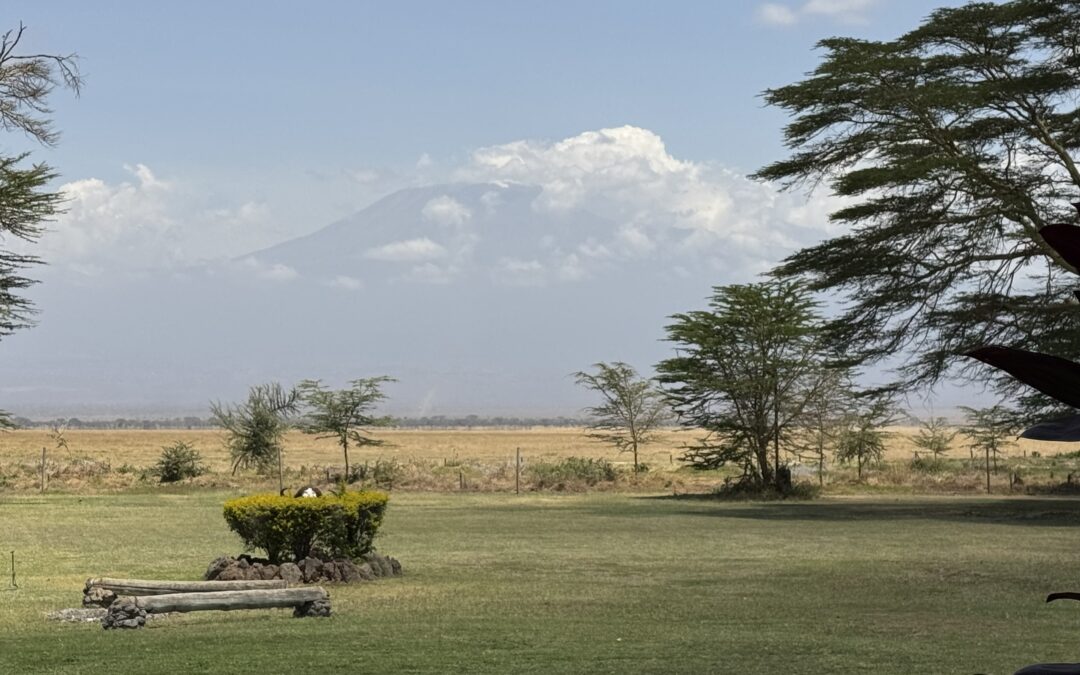
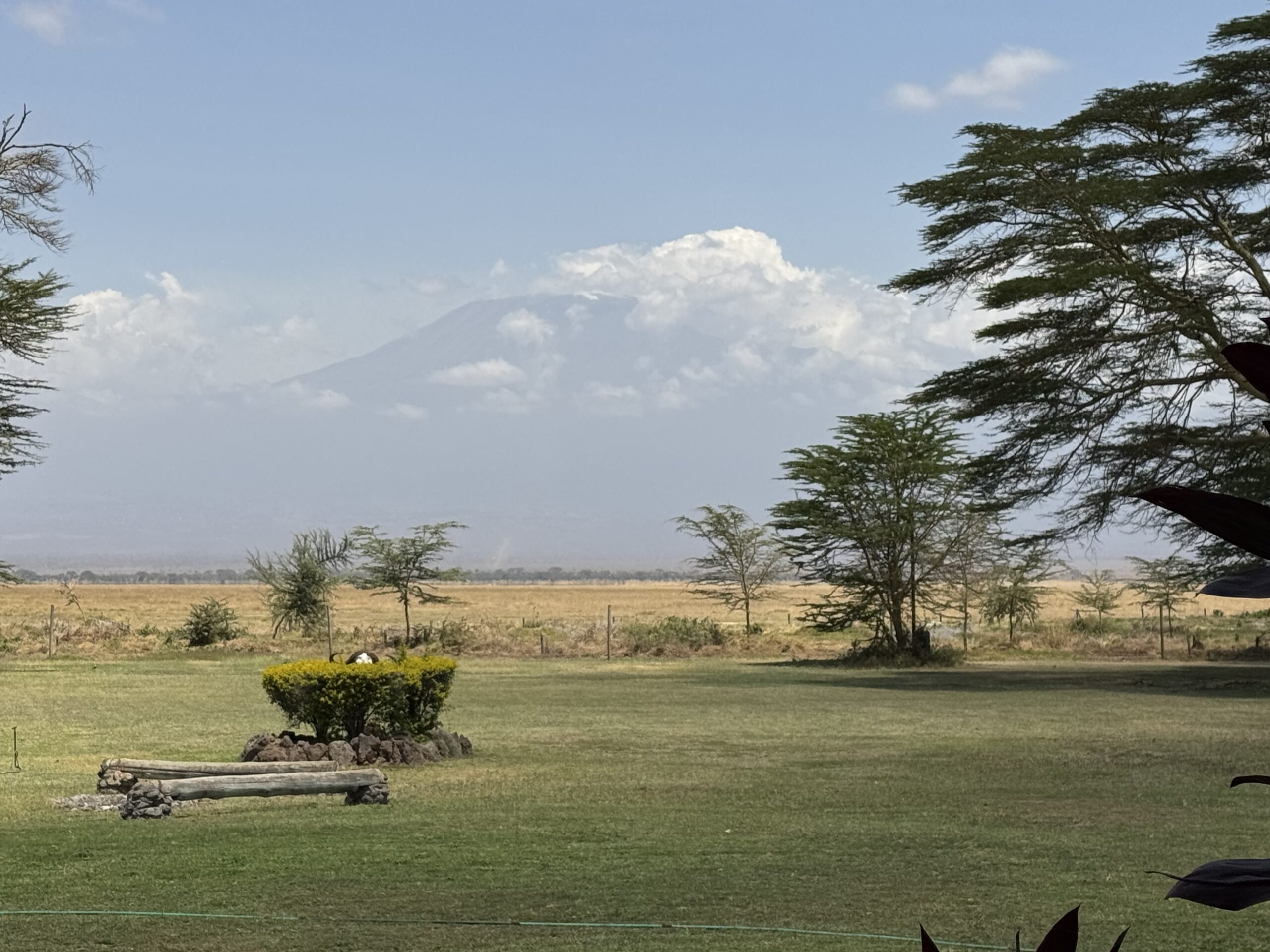
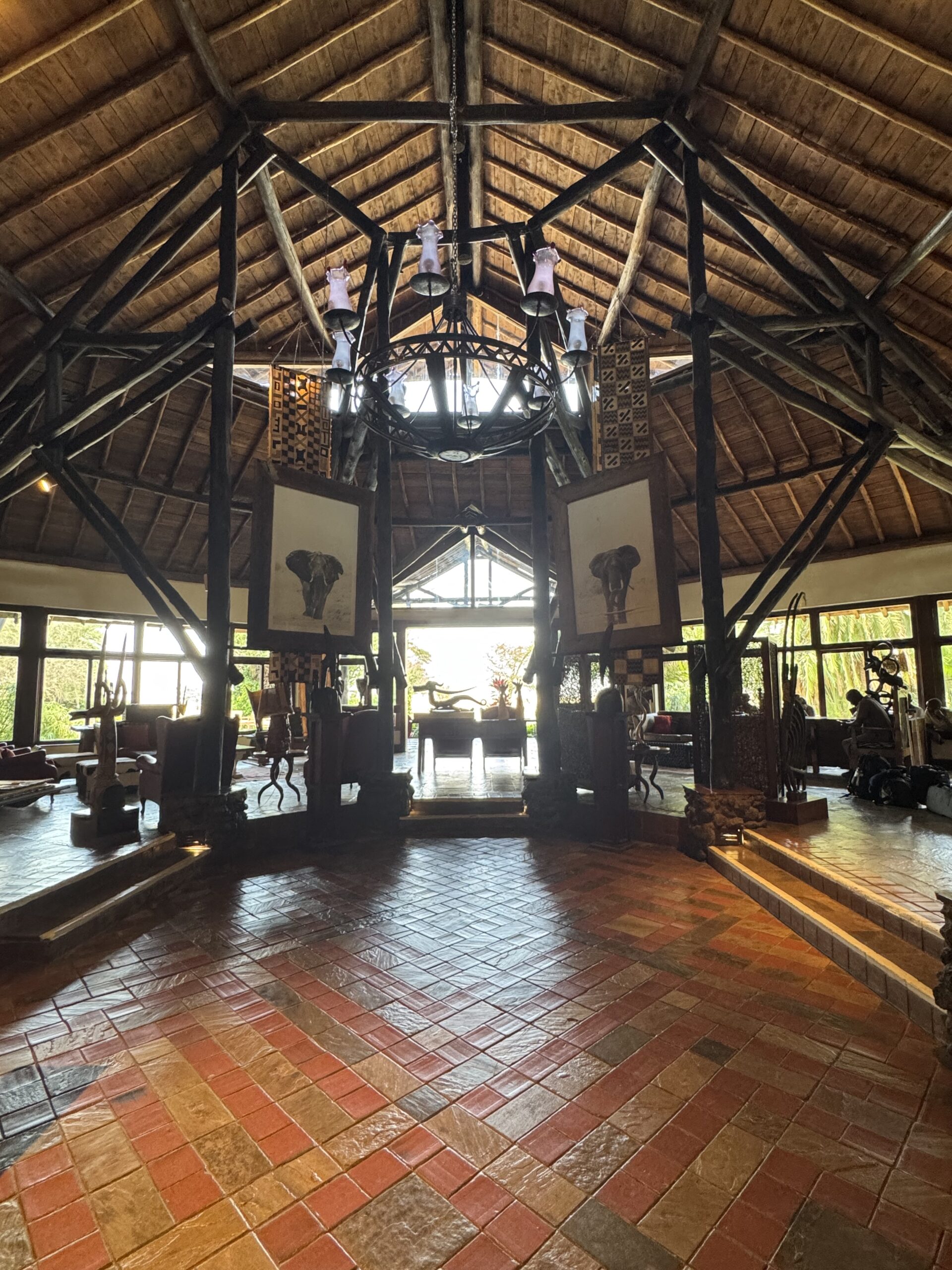
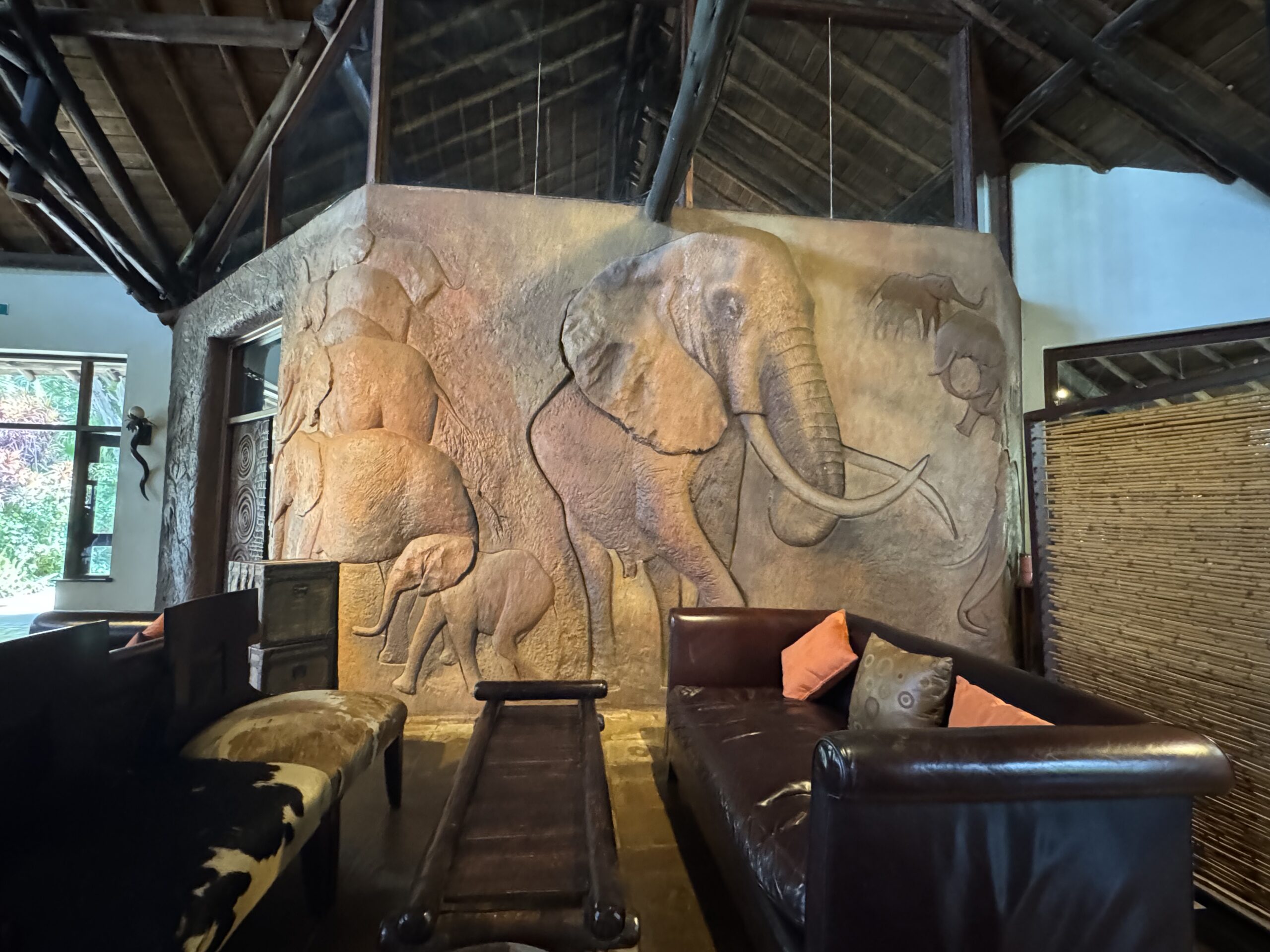
We arrived to the lodging for the night, Ol Tukai Lodge Amboseli, around 1pm. We could see Mt. Kilimanjaro in the distance, though it was covered with clouds. It is a menacing mountain, rising 19,341 feet above sea level, Kilimanjaro is both the highest peak in Africa and the tallest free-standing mountain in the world — meaning it isn’t part of a larger mountain range but stands alone, dramatically visible from the surrounding plains of northern Tanzania. Kilimanjaro National Park was inscribed as a UNESCO World Heritage Site in 1987, formal recognition of its status as one of the continent’s most iconic natural landmarks.
The mountain’s dramatic prominence and relatively accessible climbing routes have made it one of the most popular high-altitude trekking destinations on Earth, drawing tens of thousands of hikers each year who attempt to reach Uhuru Peak, its summit point. Unlike Everest or other technical peaks, Kilimanjaro requires no specialized climbing equipment, making it achievable for reasonably fit trekkers — though altitude sickness remains a serious risk given the rapid elevation gain.
Joseph had explained that Amboseli N.P. is small, in relative comparison to Maasai Mara and Serengeti, so we decided to skip the late afternoon game drive. We’re feeling the grind on our bodies and have had a touch of traveler’s tummy. Tomorrow is a long day of travel to Nairobi, and then our 14-hour flight to NYC, and two-hour flight to Columbus. We’ll try to get caught up on posting videos and finale thoughts on the journey.
Tomorrow: Nairobi, and travel home.
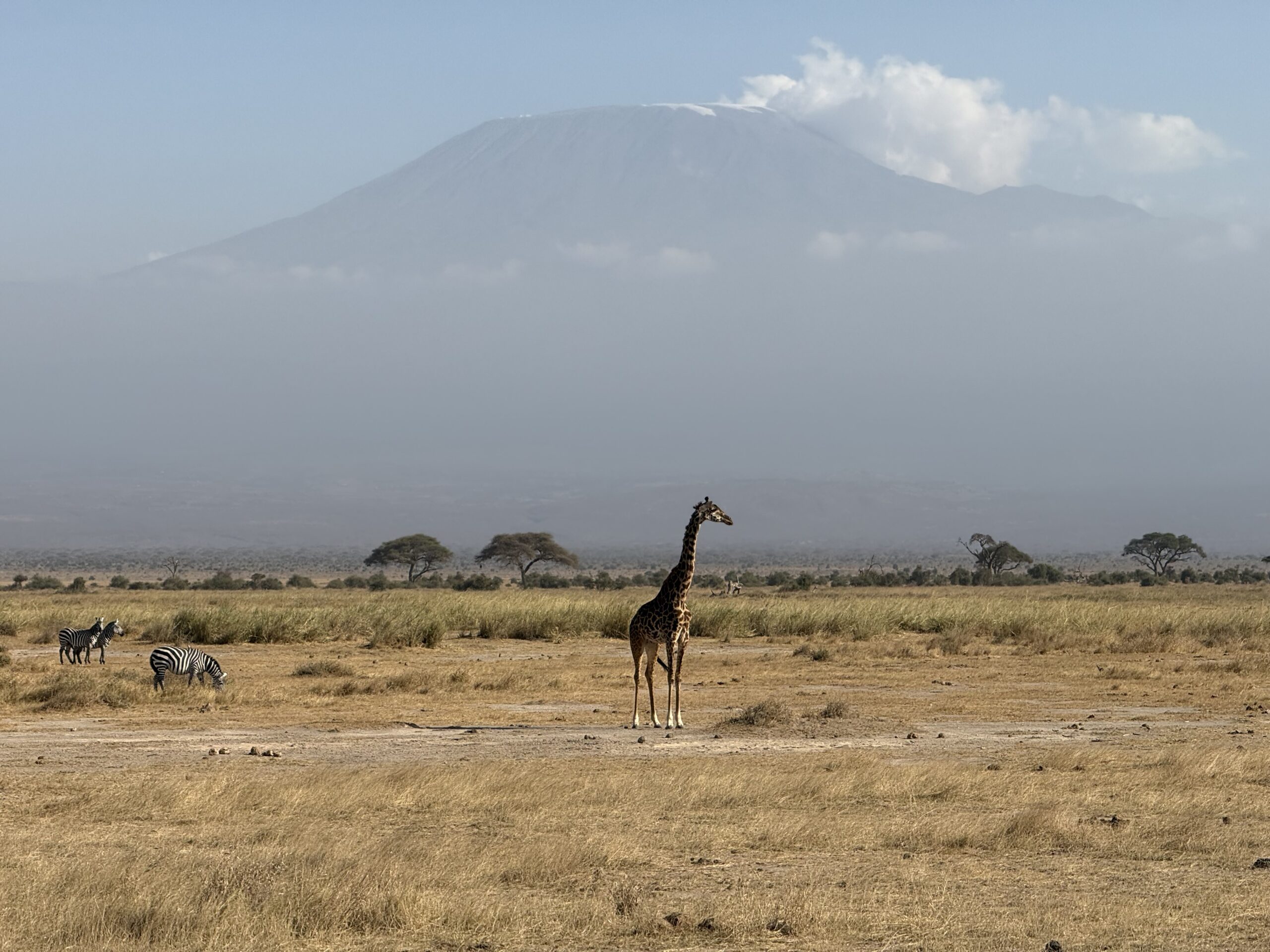
Love the giraffe silhouette in front of Kilimanjaro!
Wonderful trip. Thanks for taking us along ❤️