
Touring Nairobi

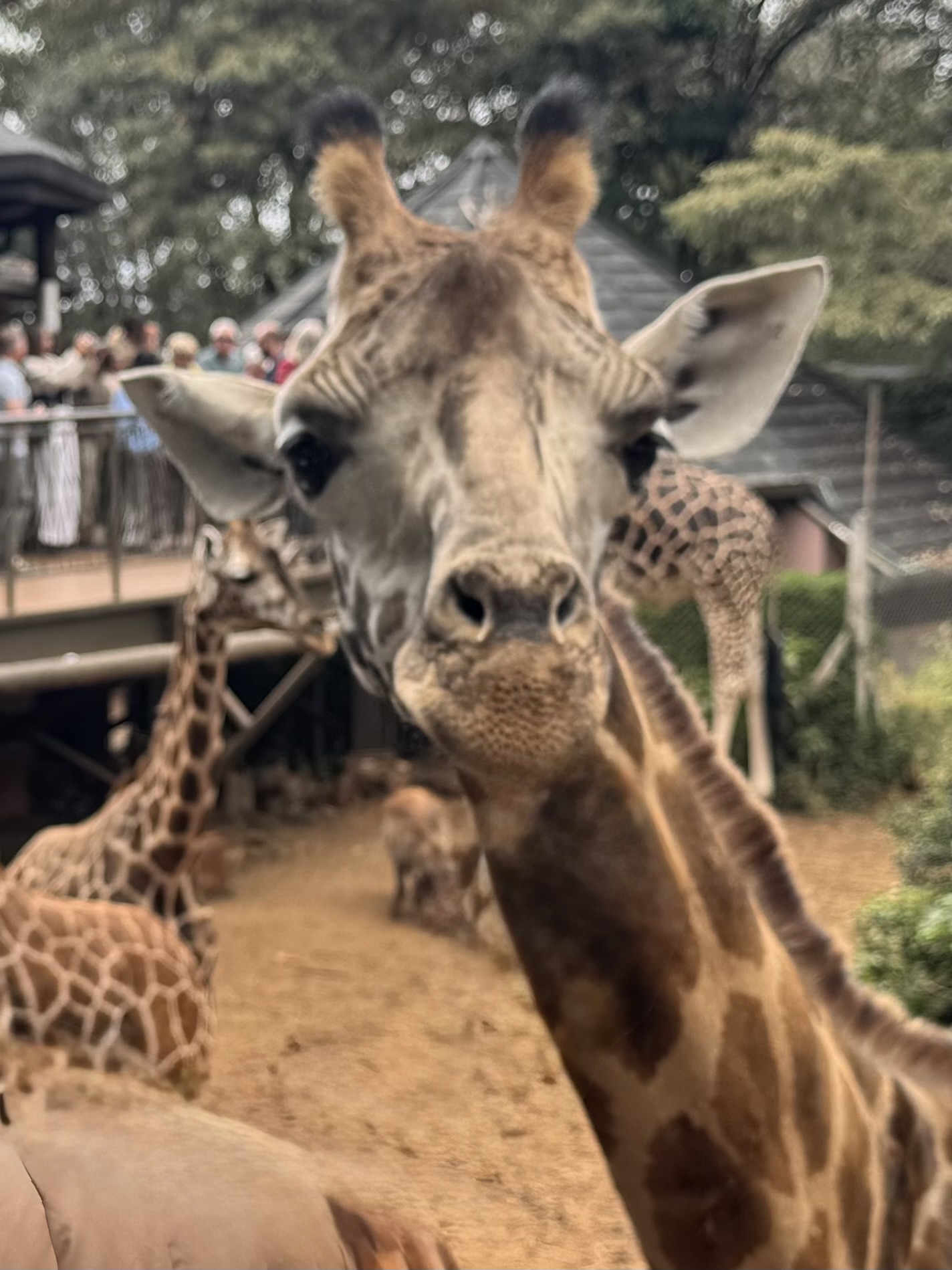
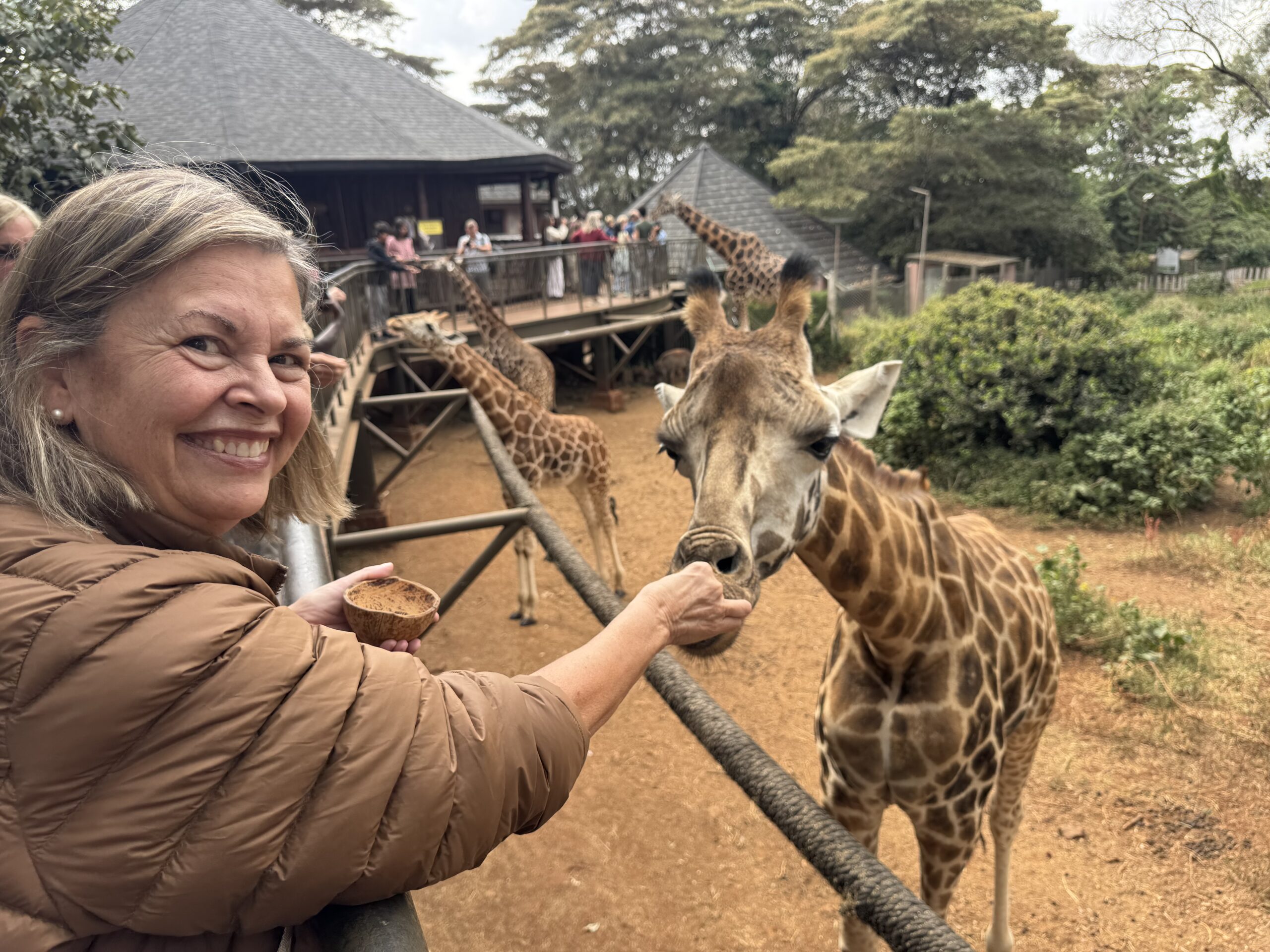
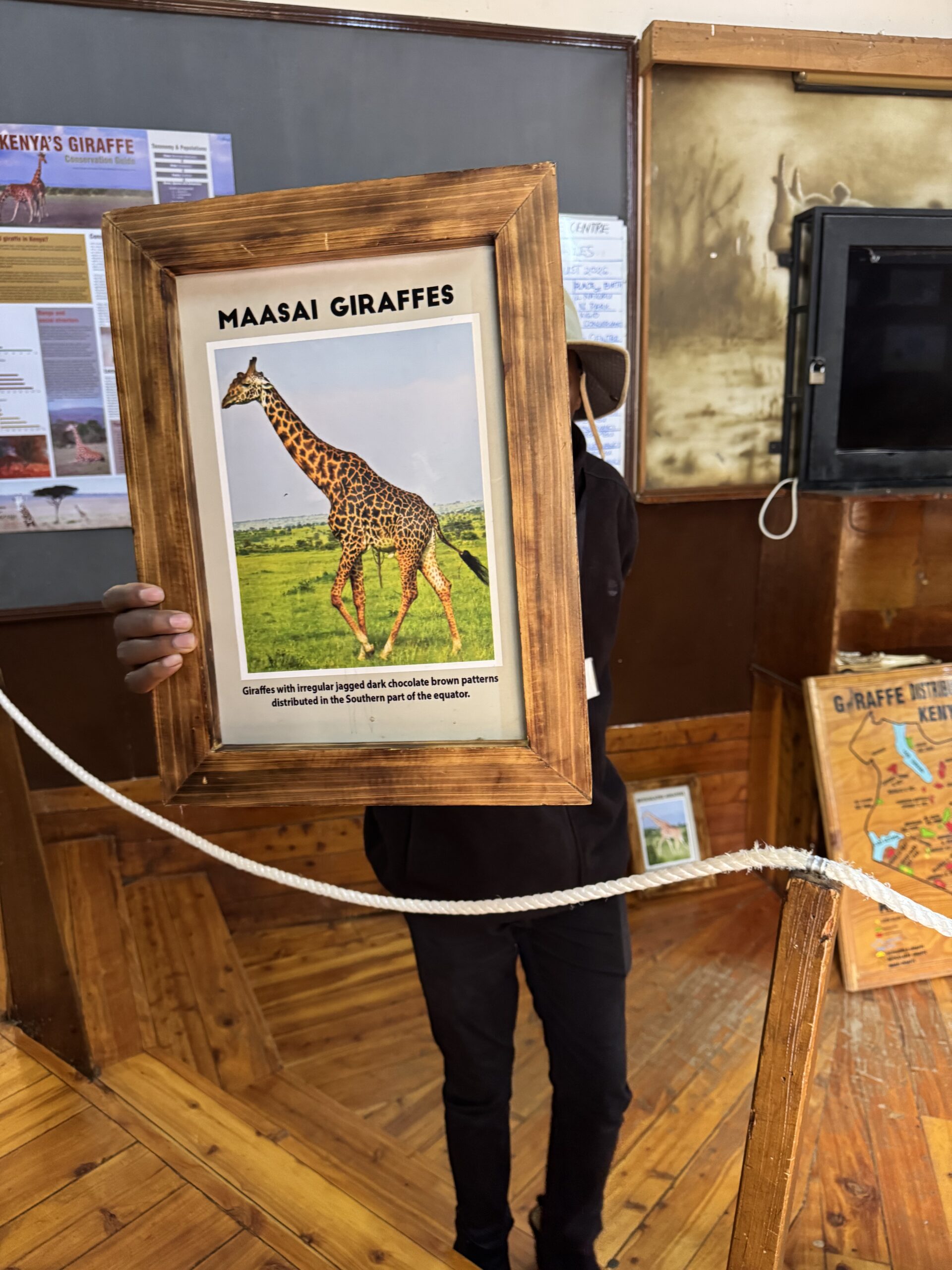
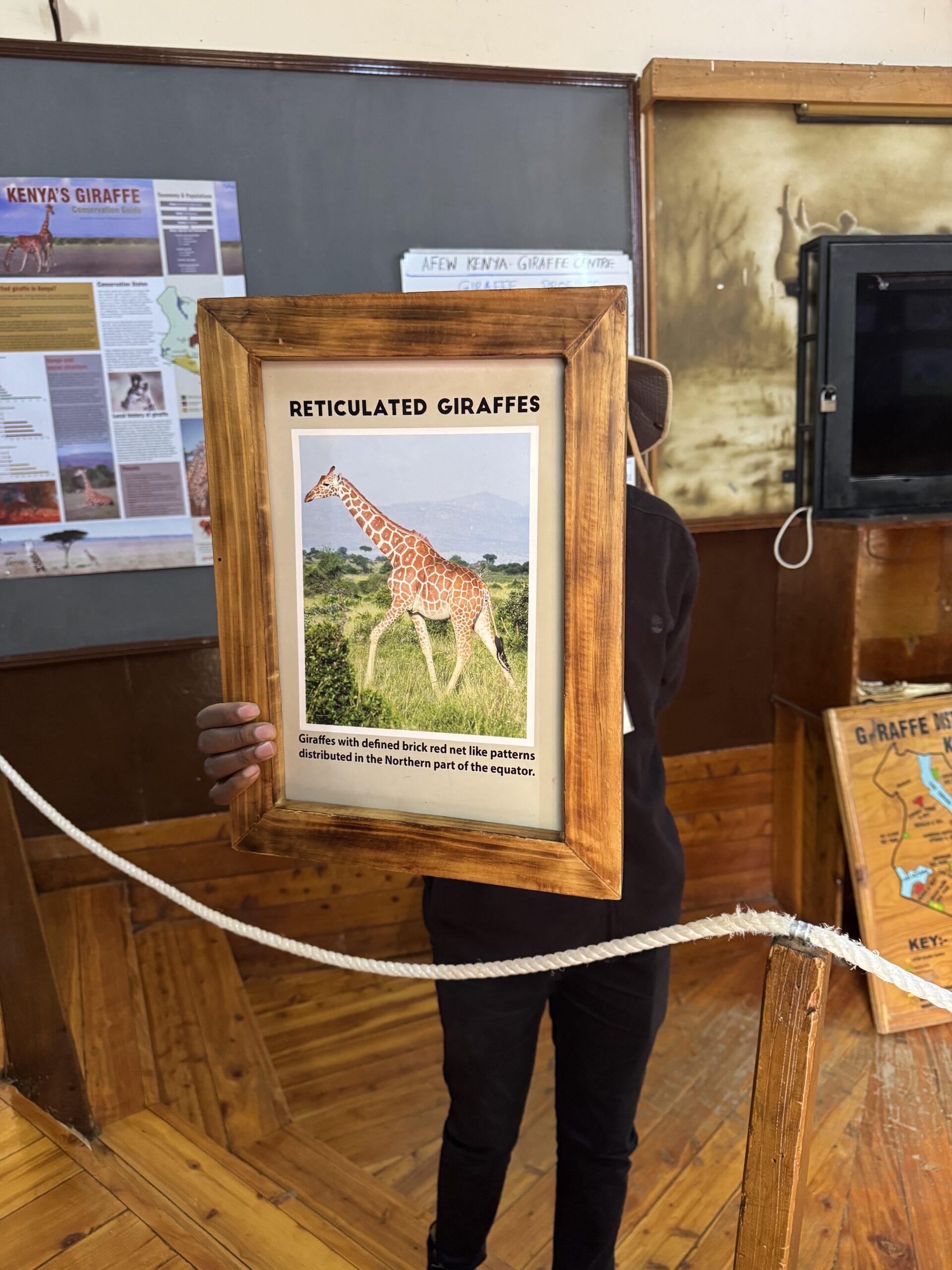
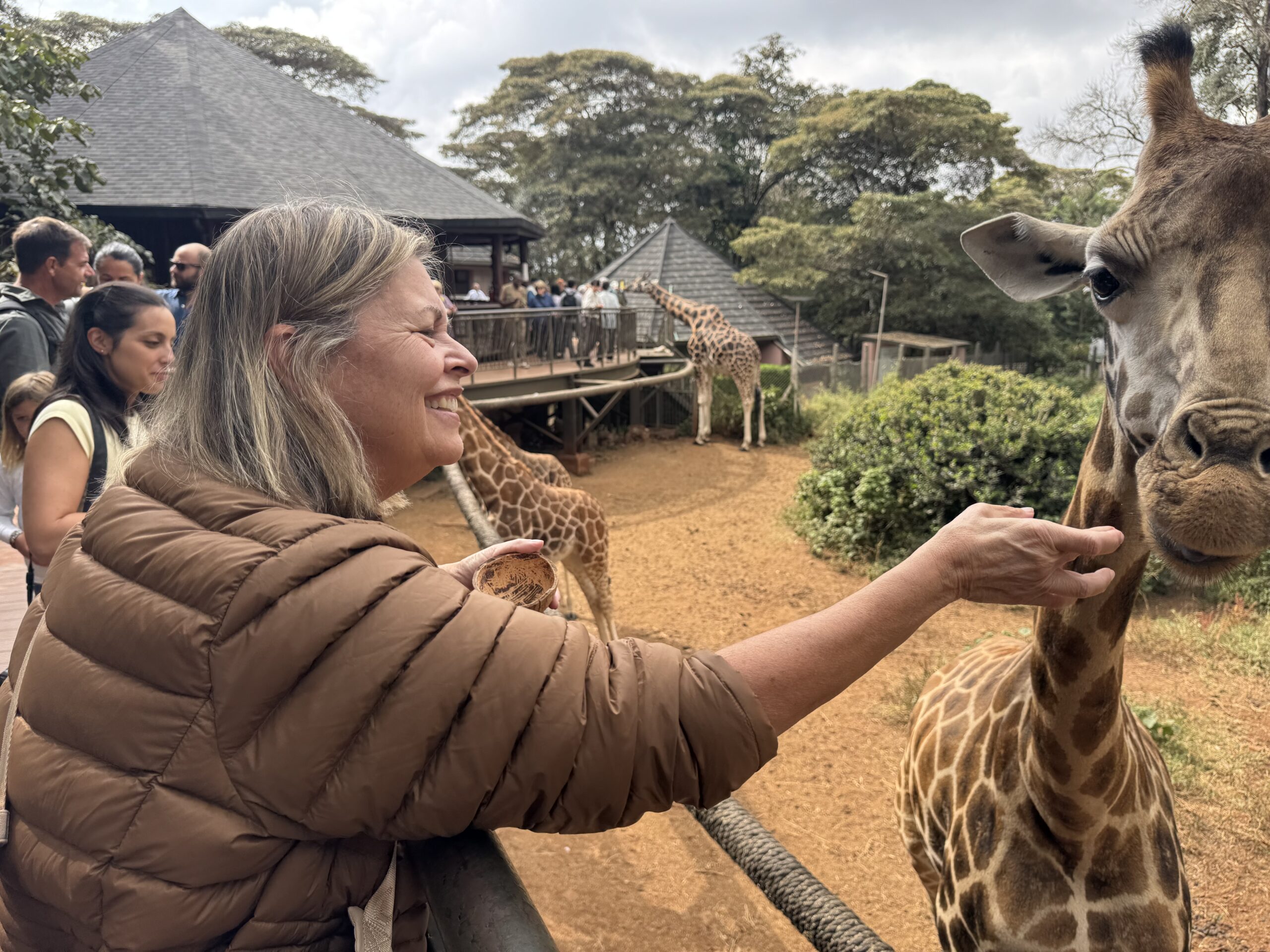
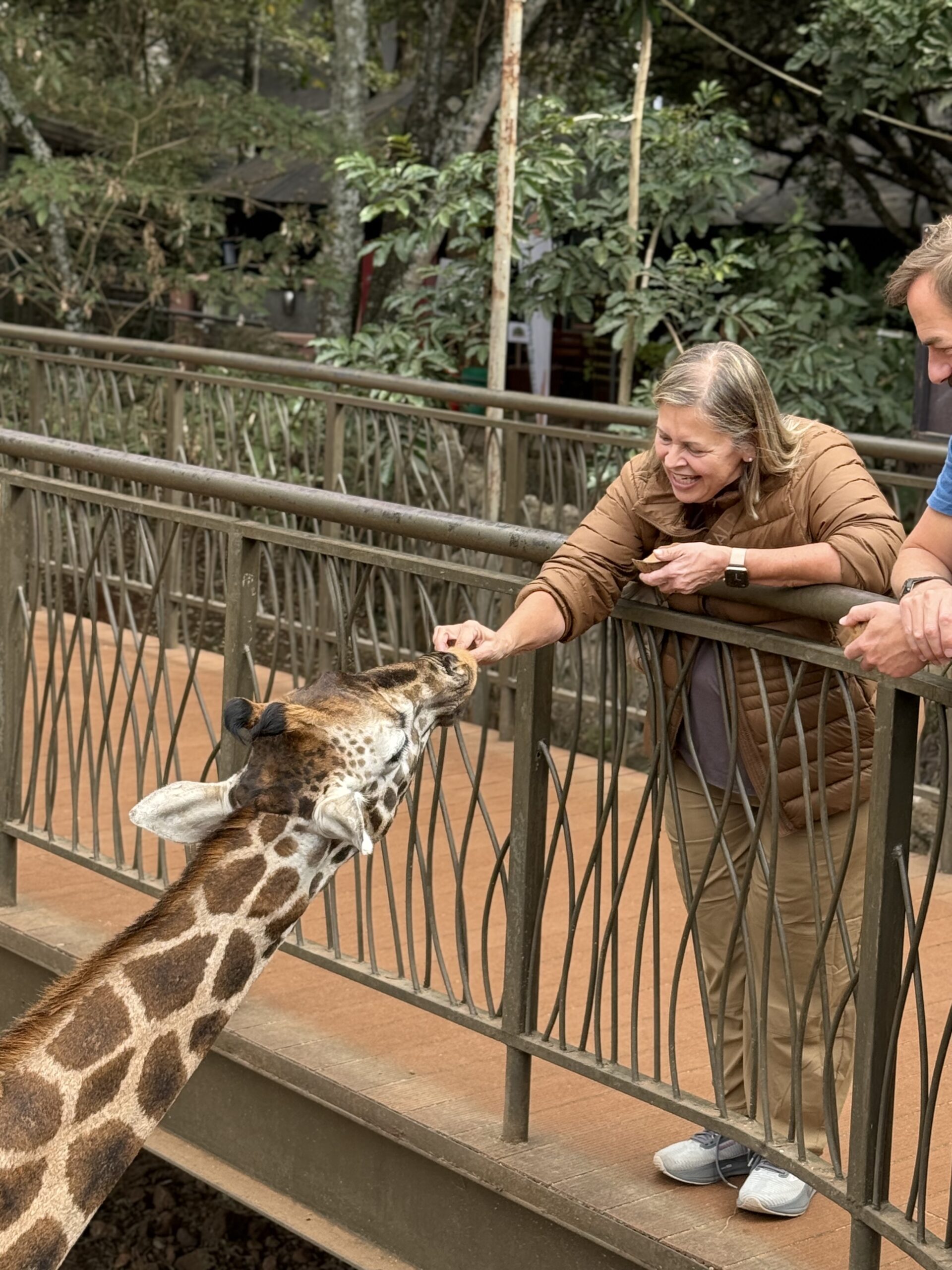
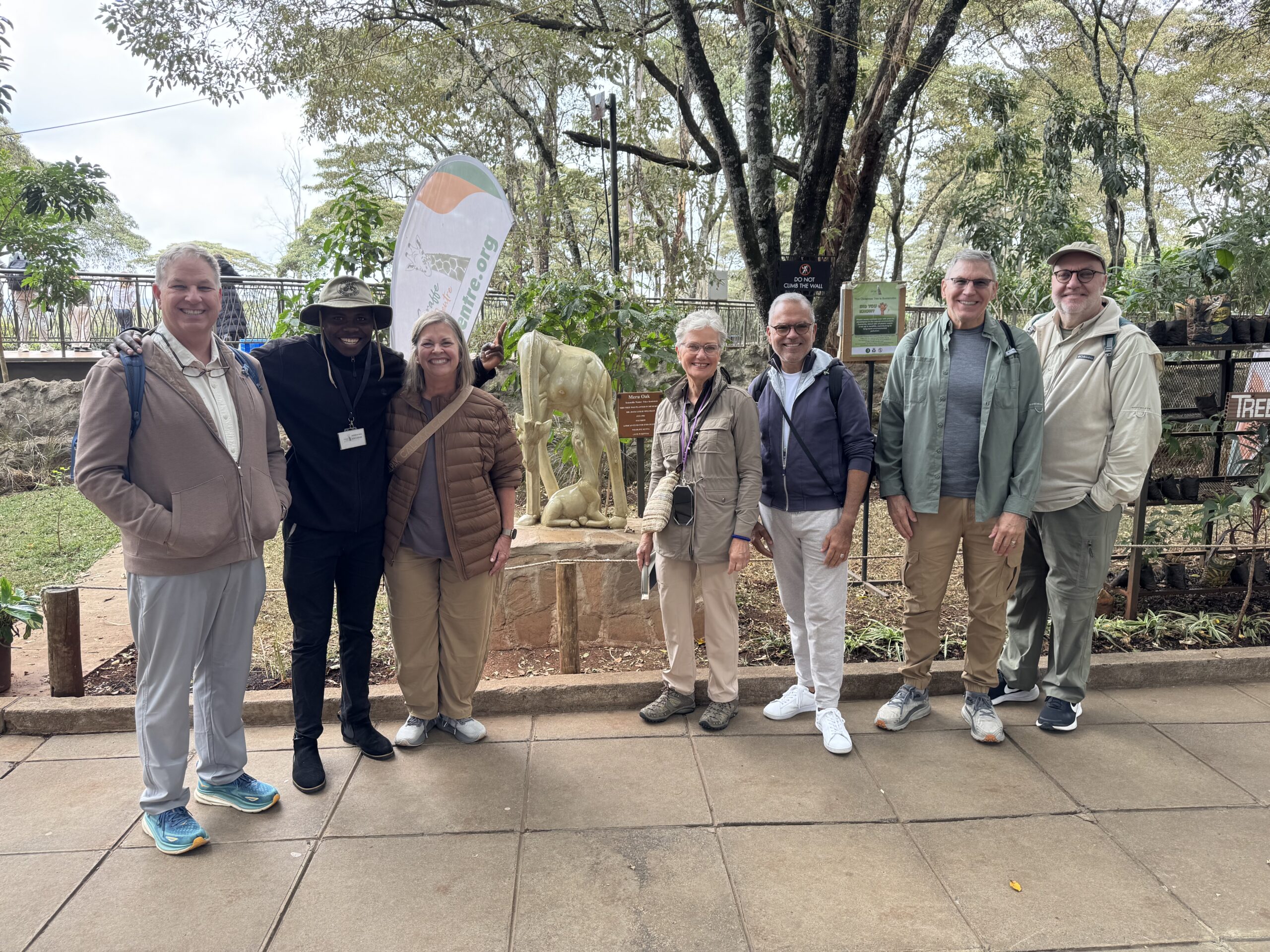
We started the day early, and headed straight to the Giraffe Center, which was pretty near the Macushla House. The Giraffe Center is a nature conservancy, created to protect the vulnerable Rothschilds Giraffes which are found only in the grasslands of East Africa. Opened in 1983, the Center has one male and several breeding females, providing off-spring that can then be introduced into the wild between the age of 4 and 5 years old.
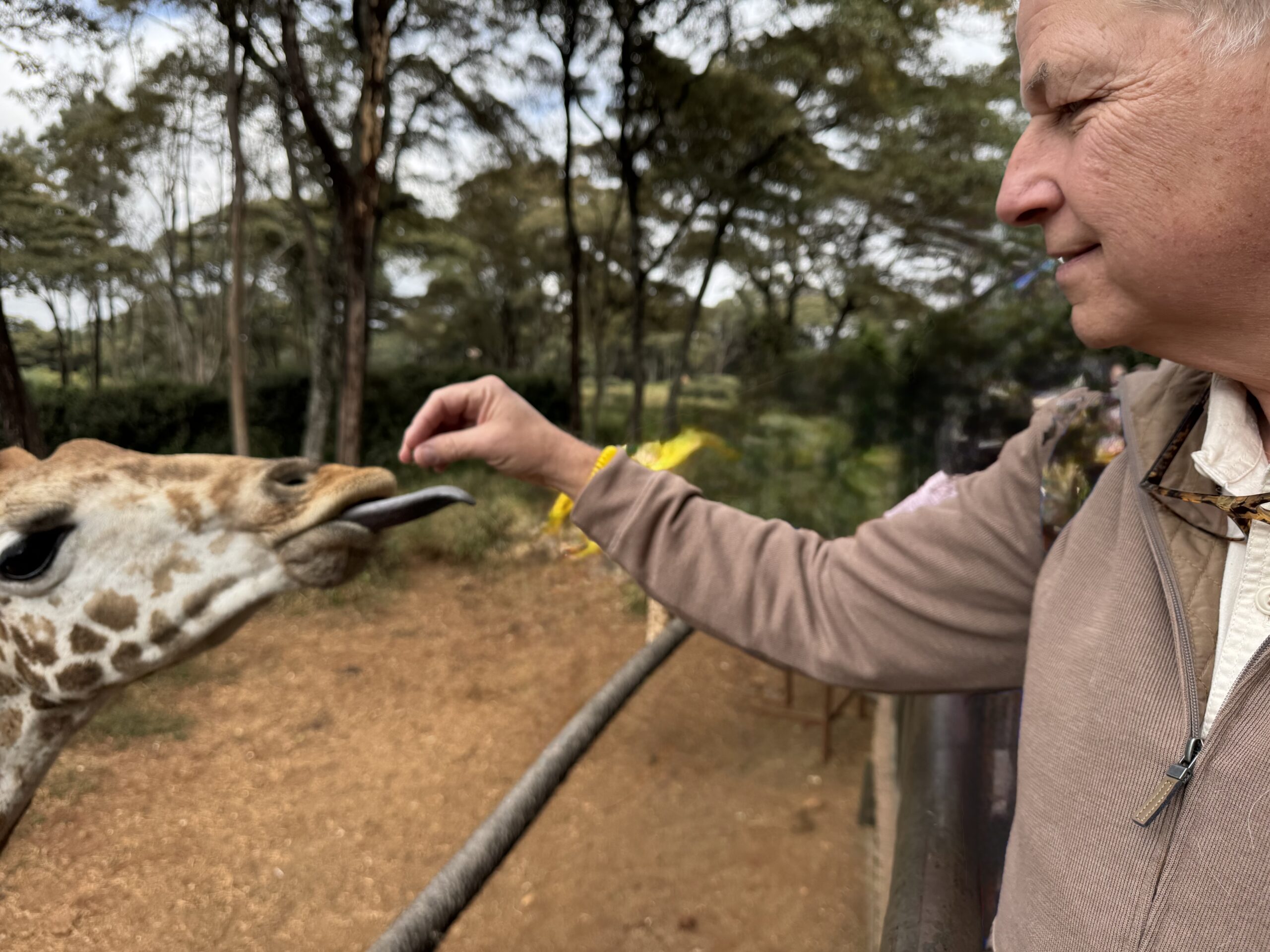
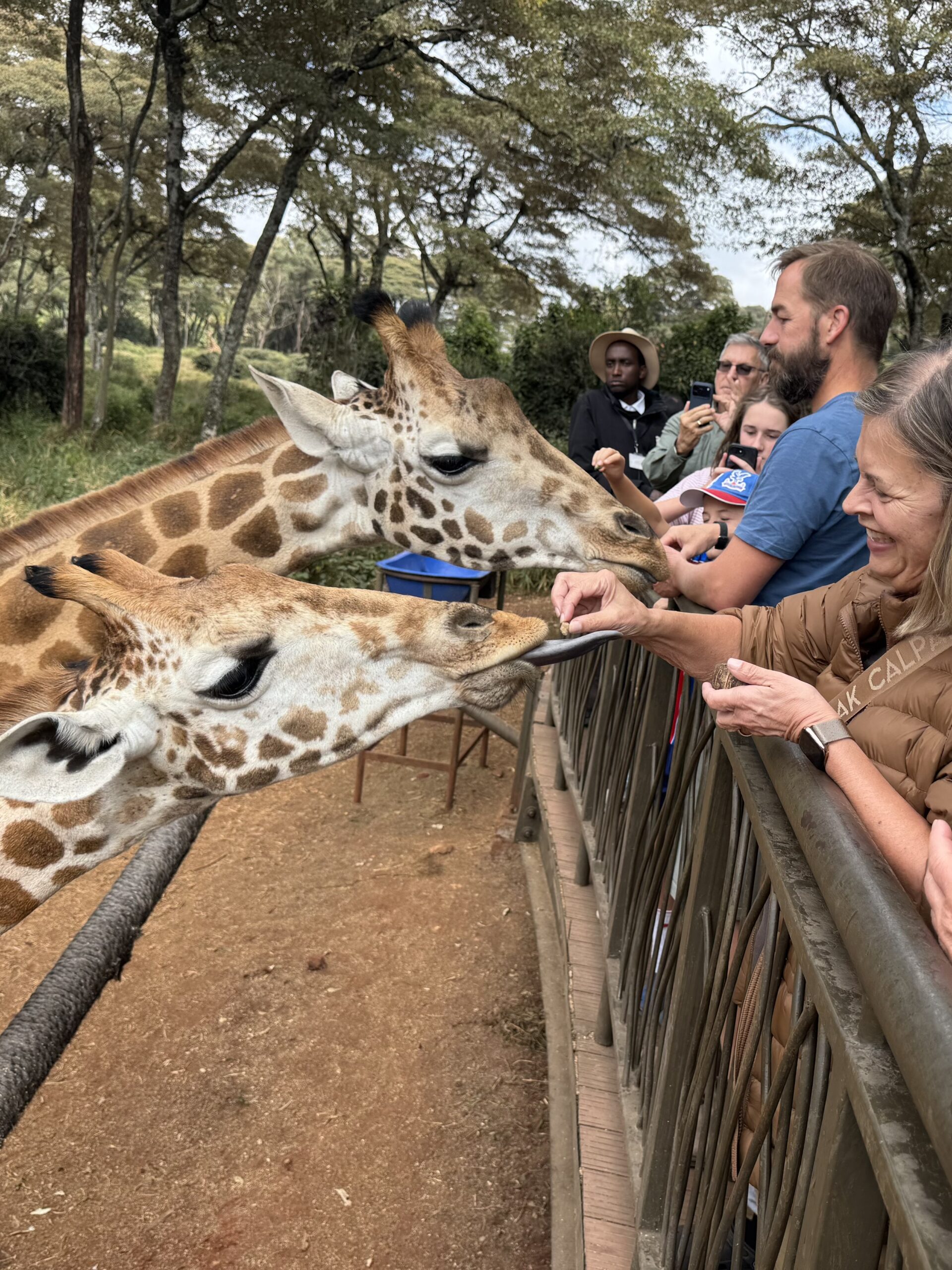
We enjoyed feeding the giraffes and then visiting their education center. We learned that an average giraffe’s tongue is 18 – 20 inches. We also learned that the average gestation period of a giraffe is 15 months, although a pregnant giraffe can hold the pregnancy up to an additional 3 months, if necessary, due to adverse birthing conditions or limited food sources. Mother giraffes give birth standing up, dropping the baby nearly 6 feet to the ground, breaking the sac and starting the breathing cycle. A baby giraffe will stand up within one hour of birth.
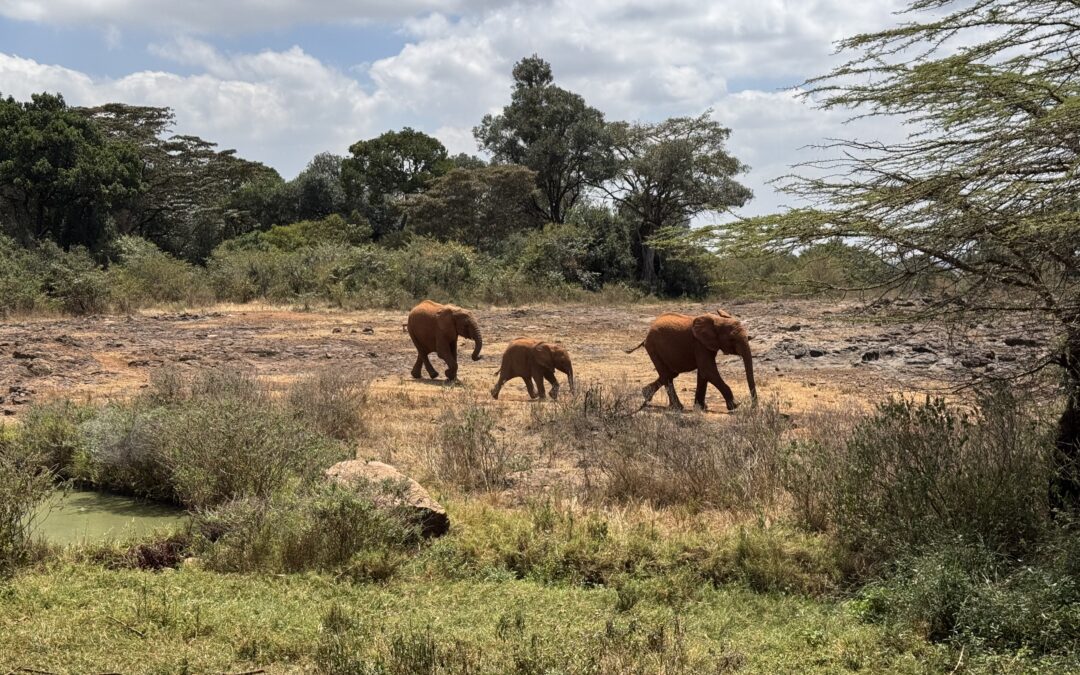
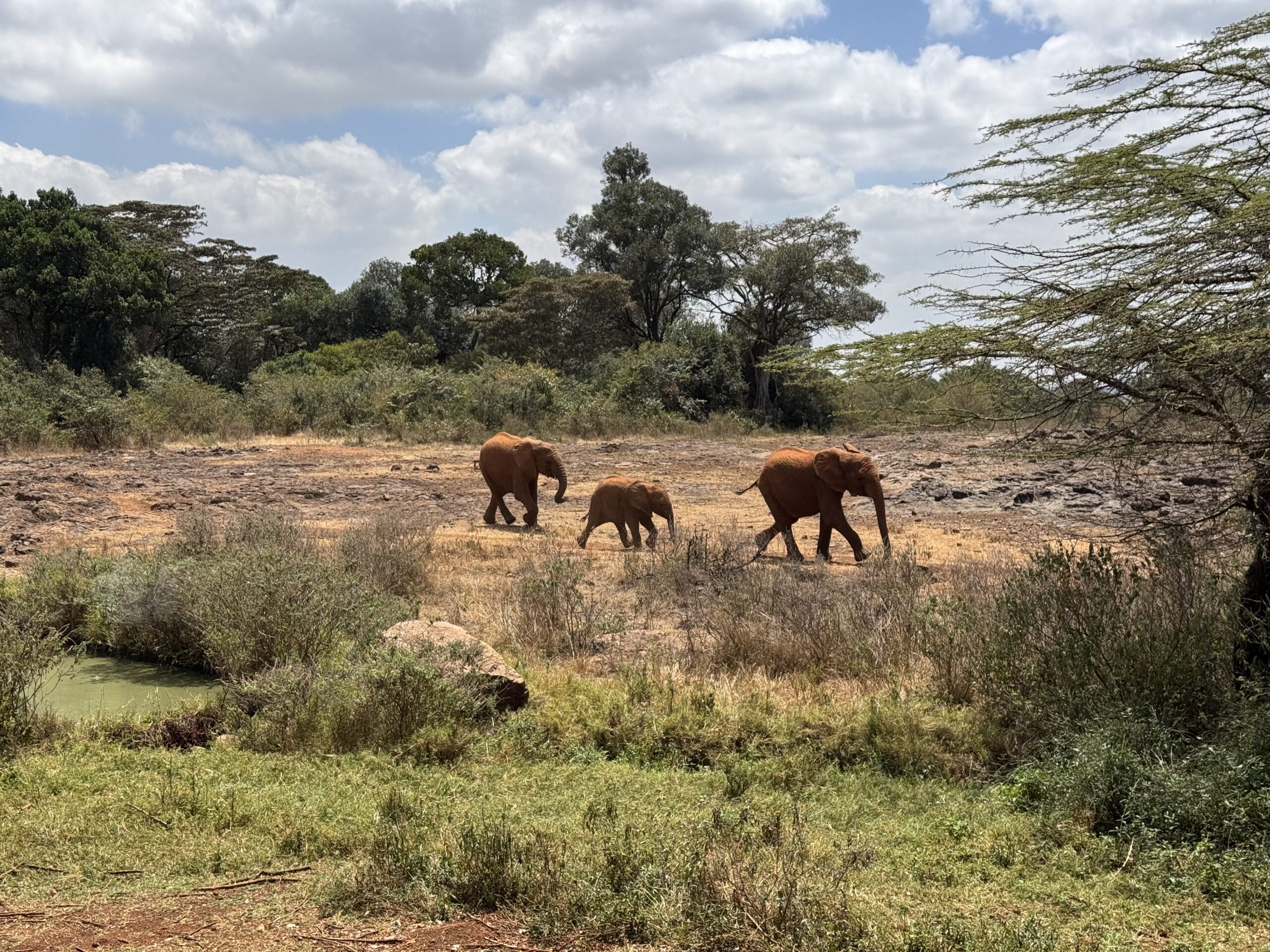
Our next stop was the elephant orphanage operated by the Sheldrick Wildlife Trust. Known as The Sheldrick, this center was started in 1977 to rescue and raise orphaned baby elephants and integrates them back in the wild. The trust is a leader in conservation efforts to help save the remaining African elephant populations in grave danger from the illegal ivory trade and other dangers introduced by encroaching human populations.
The orphans that we saw were between the age of 6 months and 4 years. The center learns of orphaned elephants by guides and park rangers operating in and around Kenya’s national parks and private preserves. The trust operates 4 med-vet mobile units that can immediately respond when orphaned calves are found. Many times, the calves are in dire shape, having either lost their mother due to death from starvation, poaching or other accidental death. They told the story of one calf which was found injured, on top of its mother, who had walked off a cliff to her death. They believe the calf followed the mother off the cliff and fell on top of the mother, saving its life.
Both of the organizations are doing important work for nature conservancy and we were grateful to learn about them.
Our final stop of the day was a walking tour of the city center of Nairobi. Our guides were from the organization Nai Nami, a social enterprise and walking tour project in Nairobi. The name combines “Nai” for Nairobi and “nami” meaning “with me” in Swahili. It employs former street children and at-risk youth as city tour guides, turning their lived experiences and survival skills into a source of steady income and positive community impact.
This was a very unique experience, and not exactly one we’d want to do again. While we loved the guides and hearing their personal stories, the tempo of the city was not enjoyable. We regularly walked in the streets, as the sidewalks were too crowded. We crossed busy 4 lane streets, dodging cars and buses, because that is what the locals do. We weaved between moving buses, again, because there was no room on the sidewalks. Just trying not to be injured, or worse, was exhausting. After nearly 4 miles of this crazy city walk, we were happy to be back to our van for the drive home.
Tonight is our last evening at Macushla House, as we leave tomorrow morning at sunup for our safari. We’ve thoroughly enjoyed our stay here and would recommend this accommodation for anyone visiting Nairobi.
Tomorrow: Drive to Massai Mara, Kenya
Recommendation:
MACUSHLA HOUSE, Nguruwe Rd, Nairobi +254 722 329863
Post Gallery
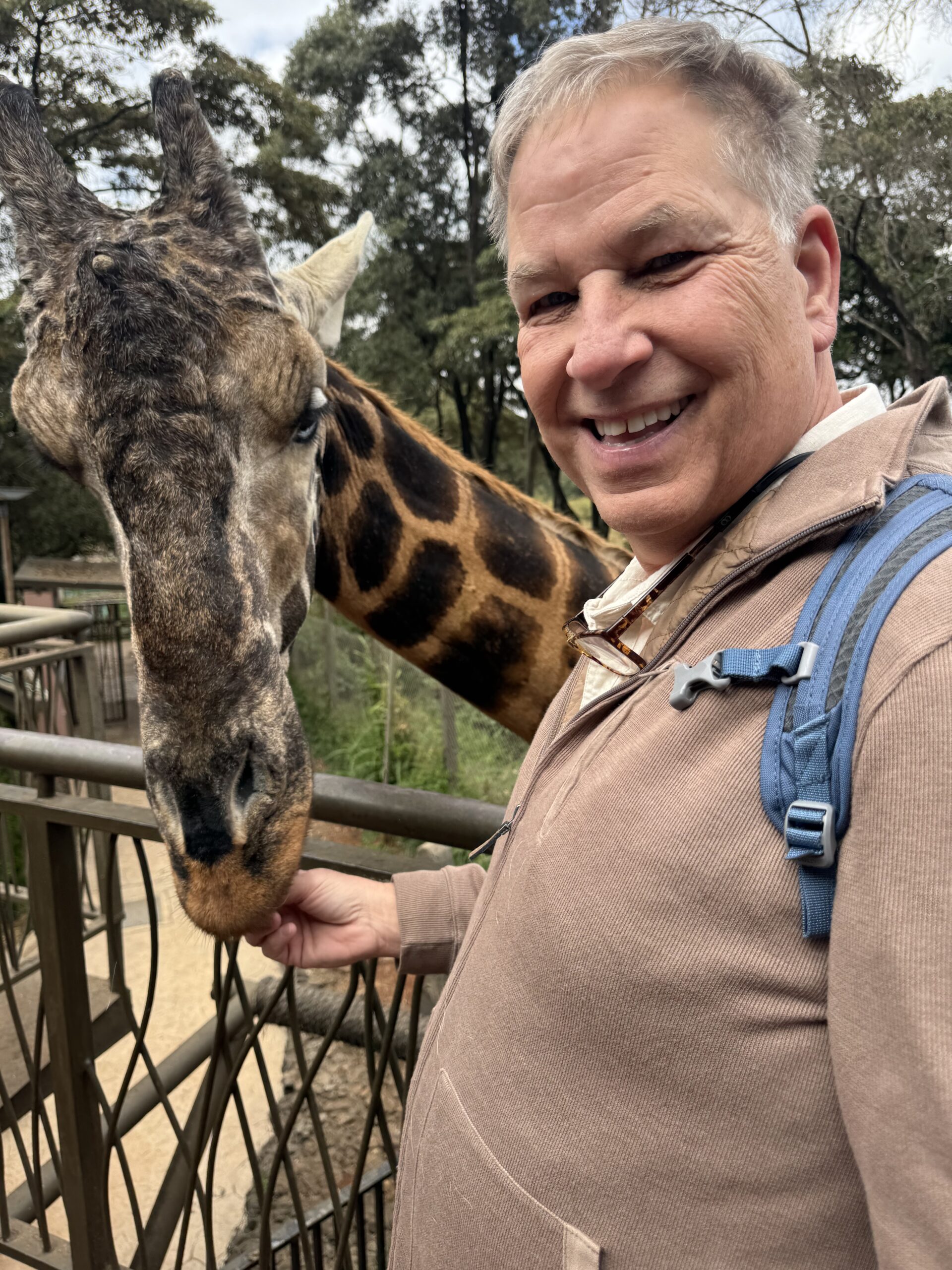
Marsh found a friend, Edd, the lone adult male at the Center.
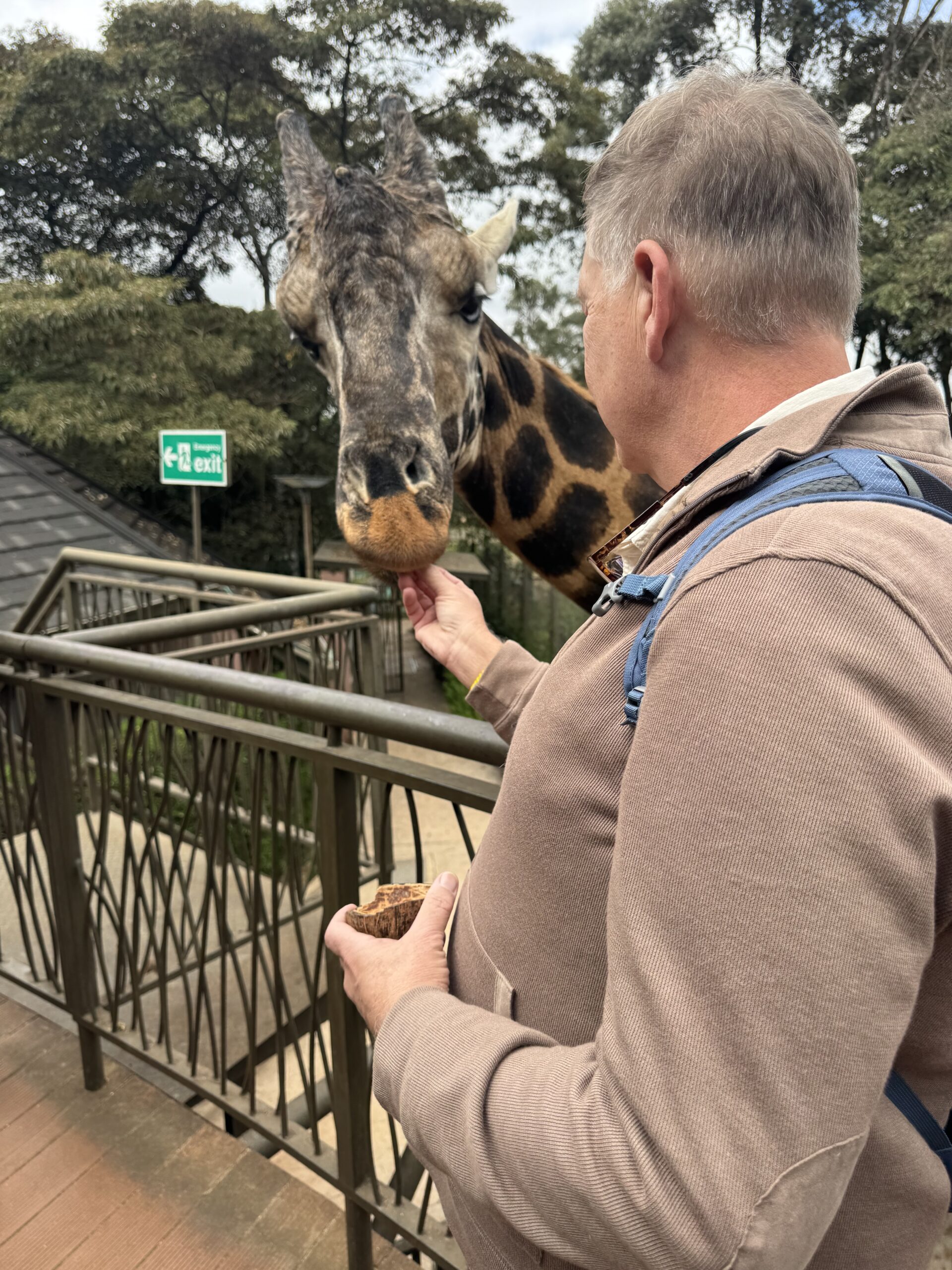
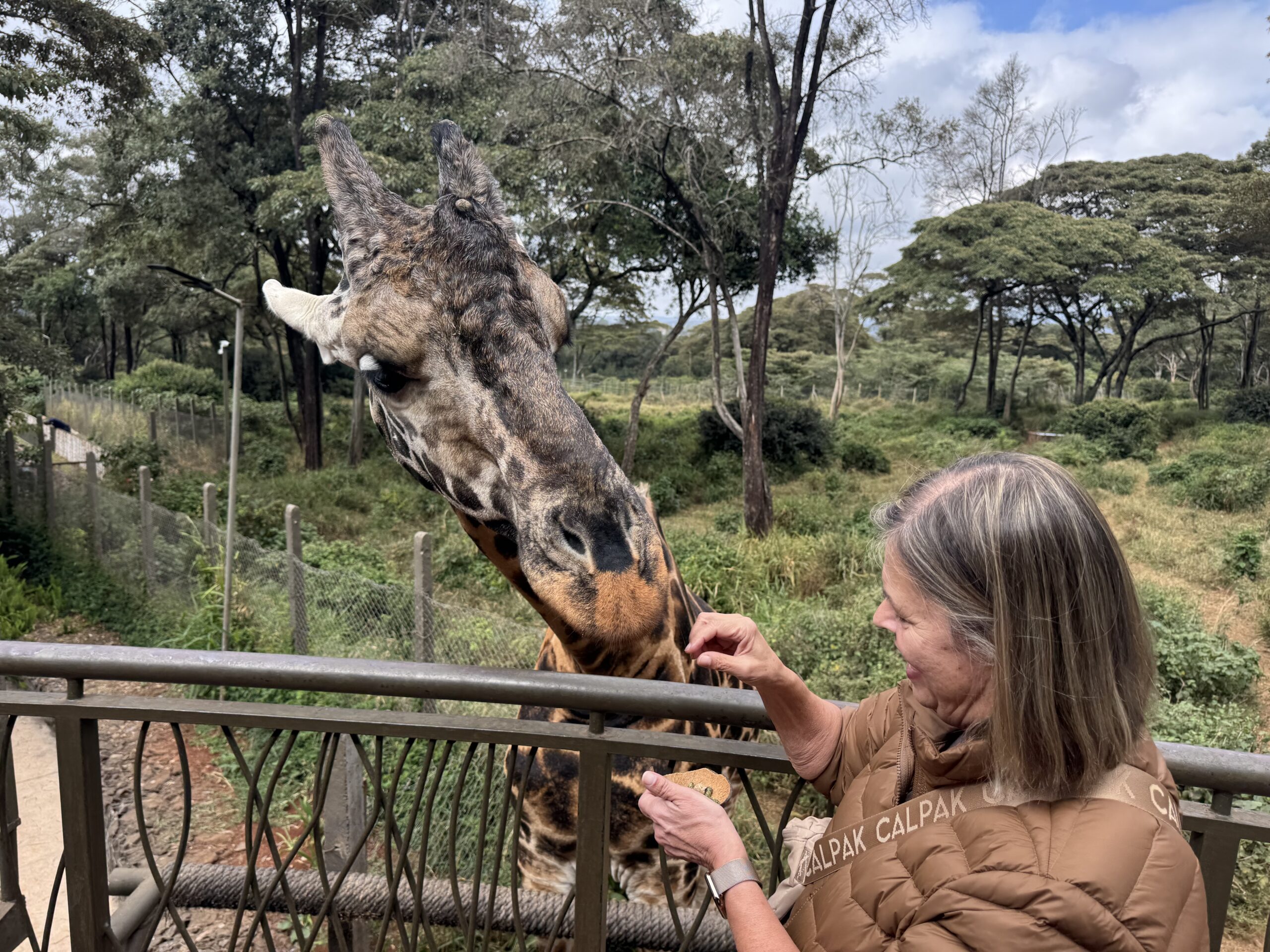
Edd and Sharon, getting to know each other.
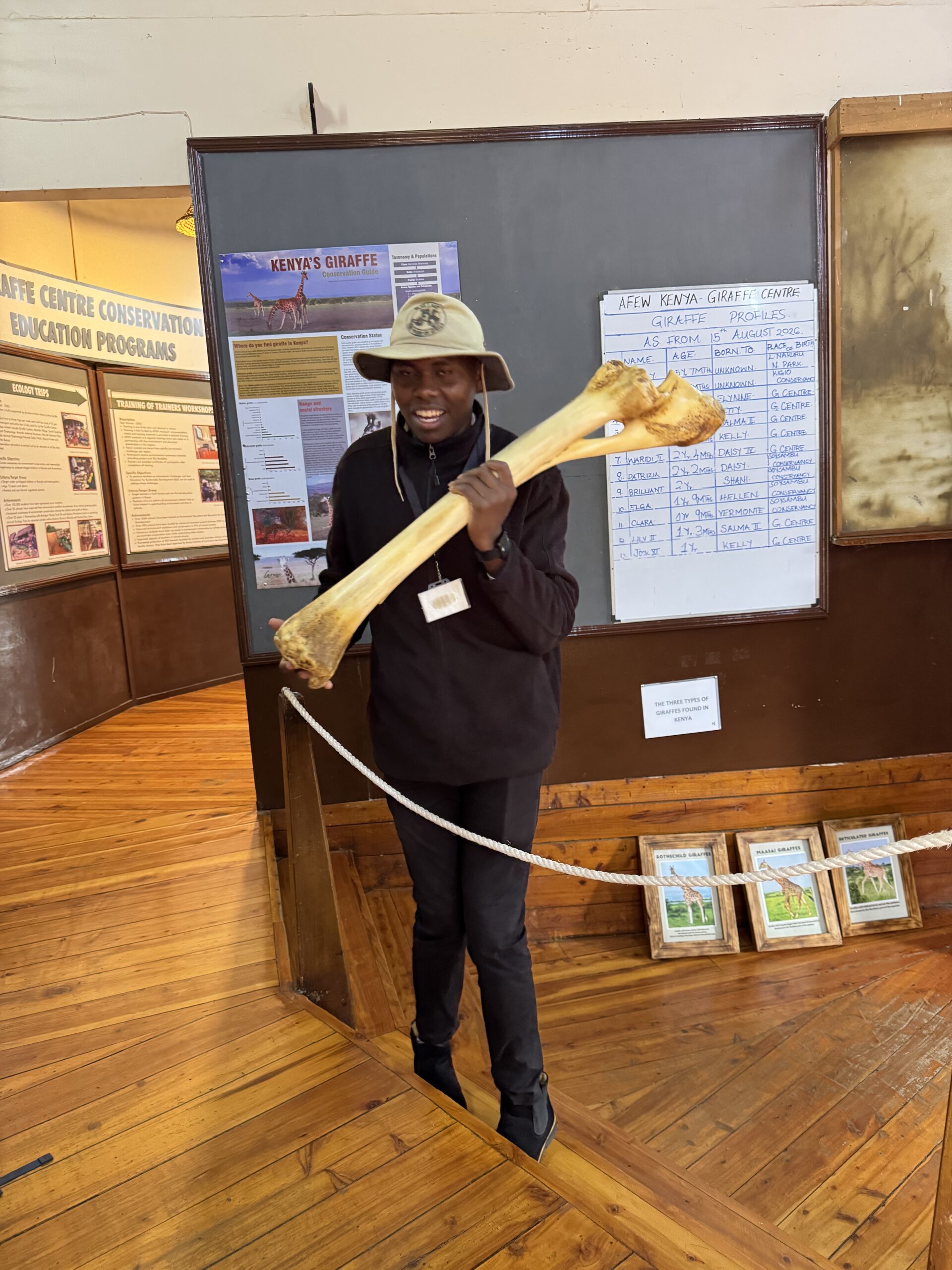
A giraffe femur is very heavy!
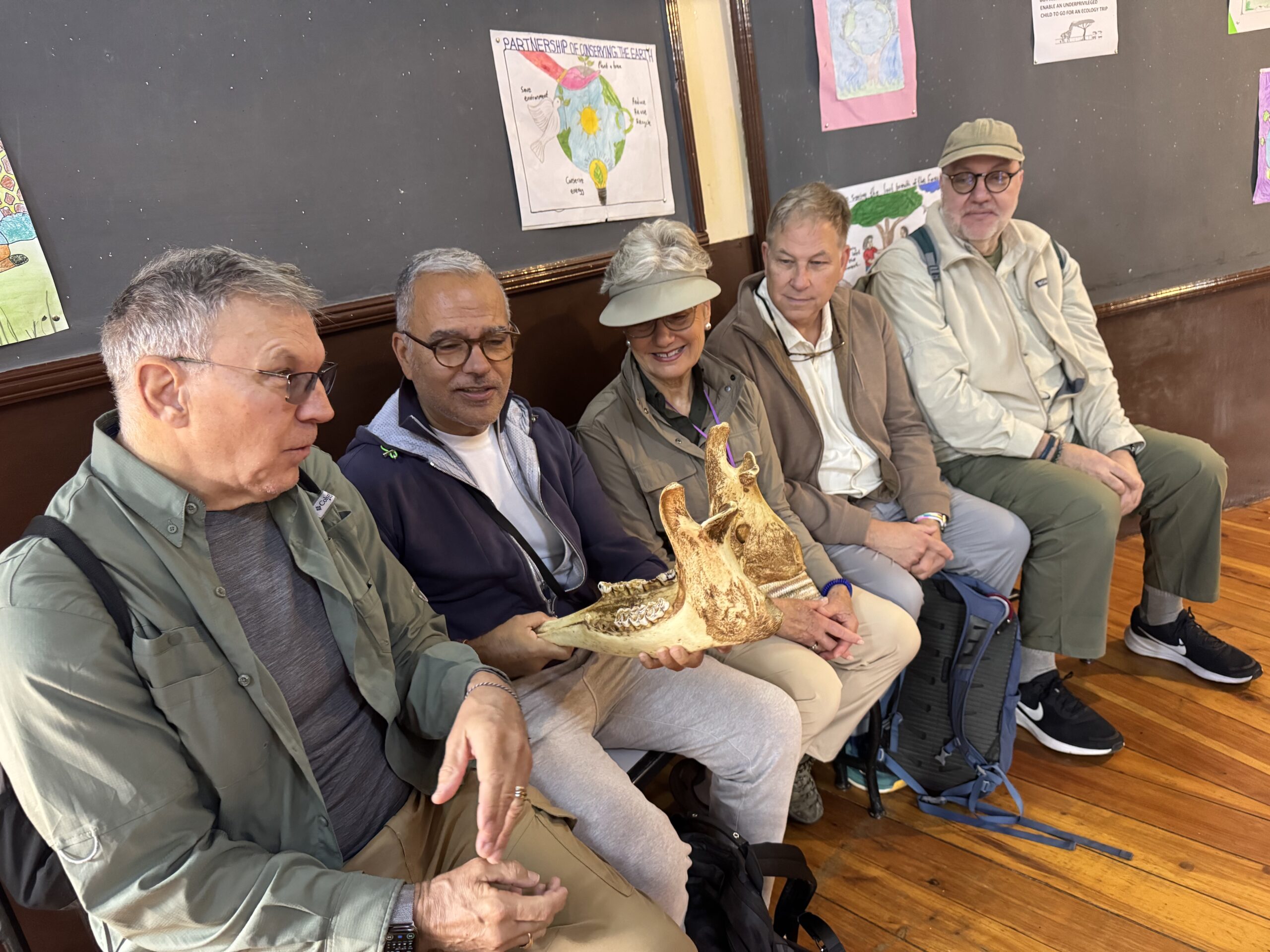
Such a studious group! That is the lower jaw.
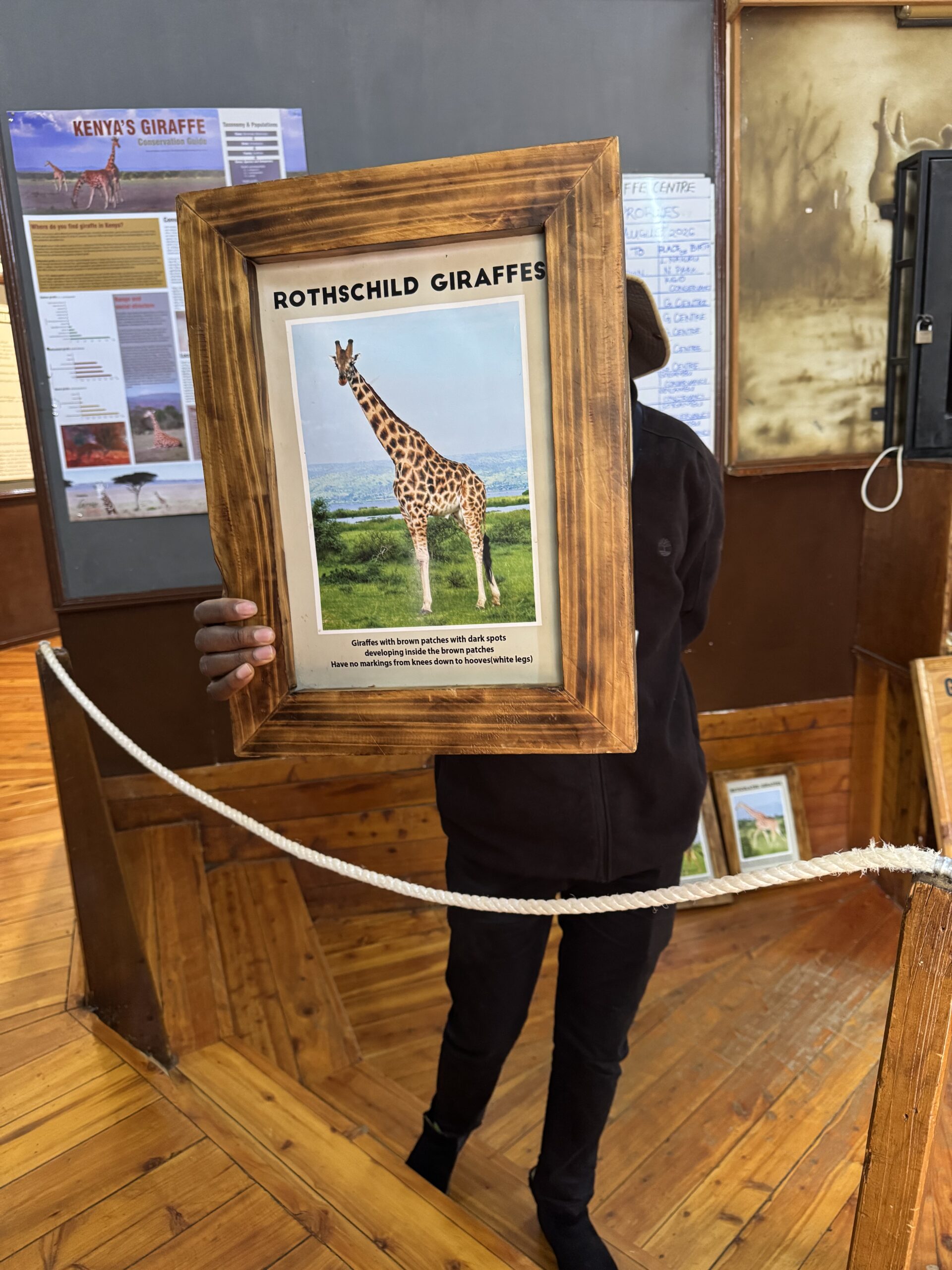
Te Giraffe Center is dedicated to the Rothschild Giraffes, which have the distinctive "white socks".
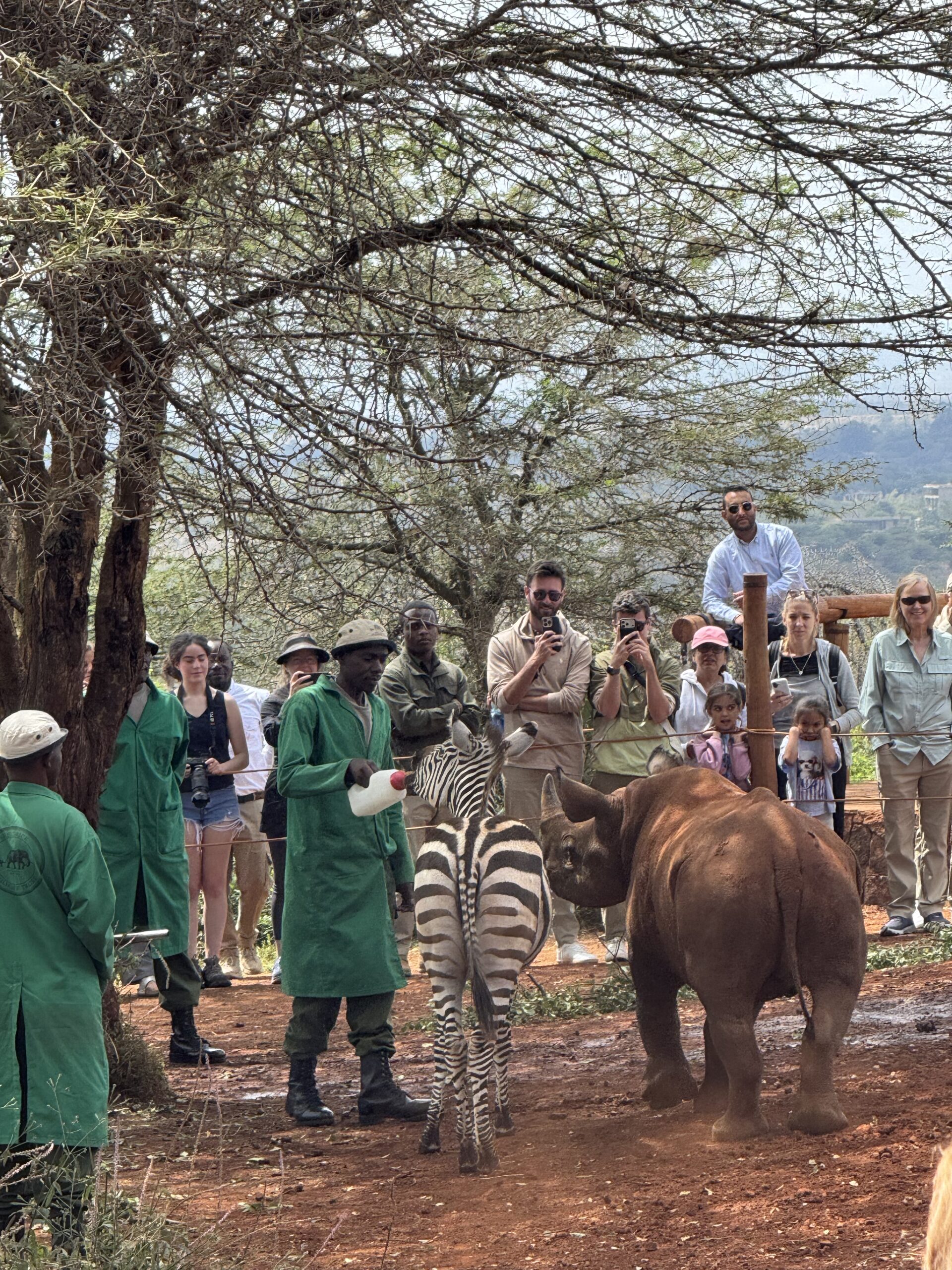
Besides elephants, the Sheldrick has one baby zebra and one rhino.
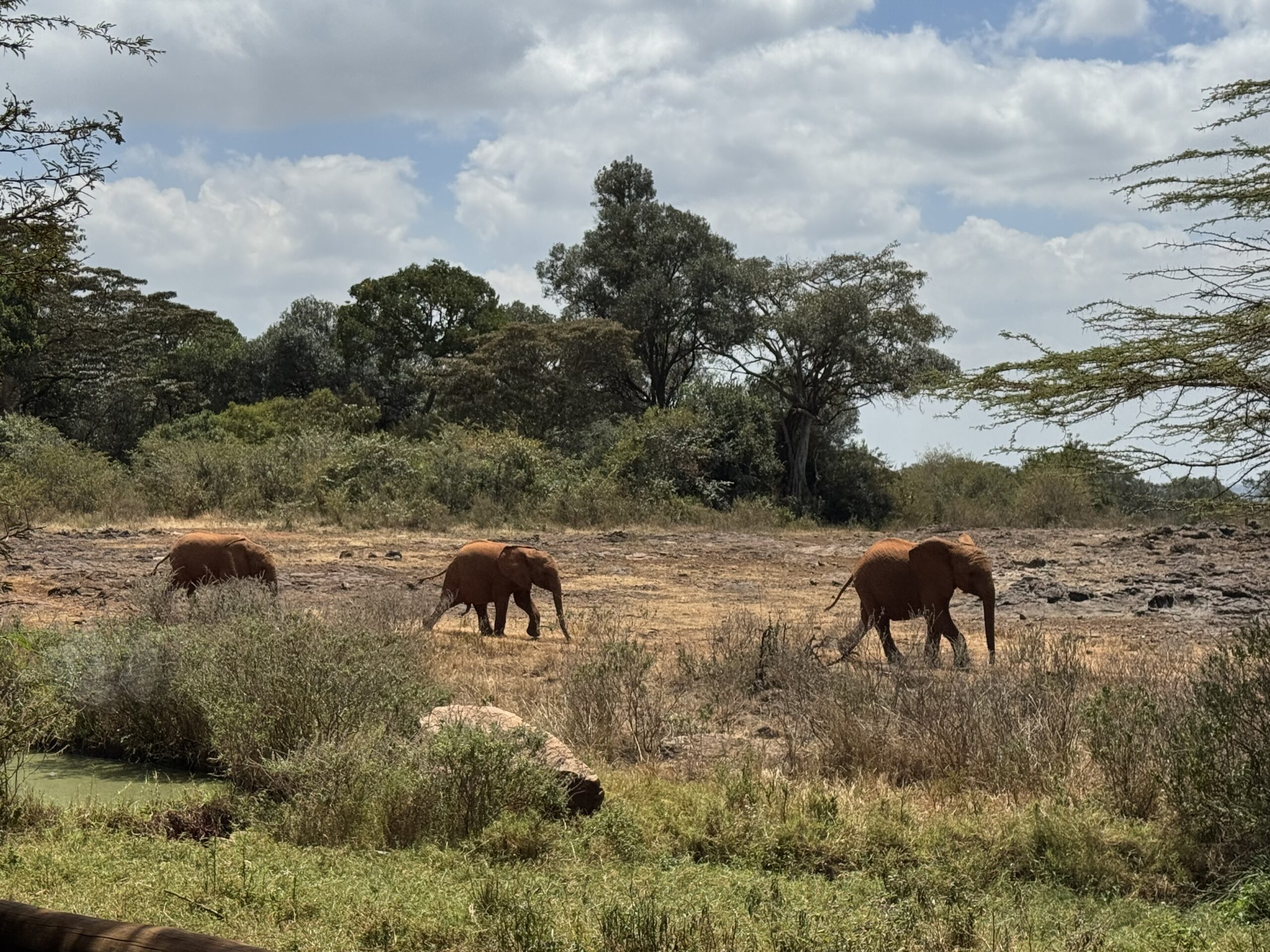
The elephant calfs, on their way to the feeding station.
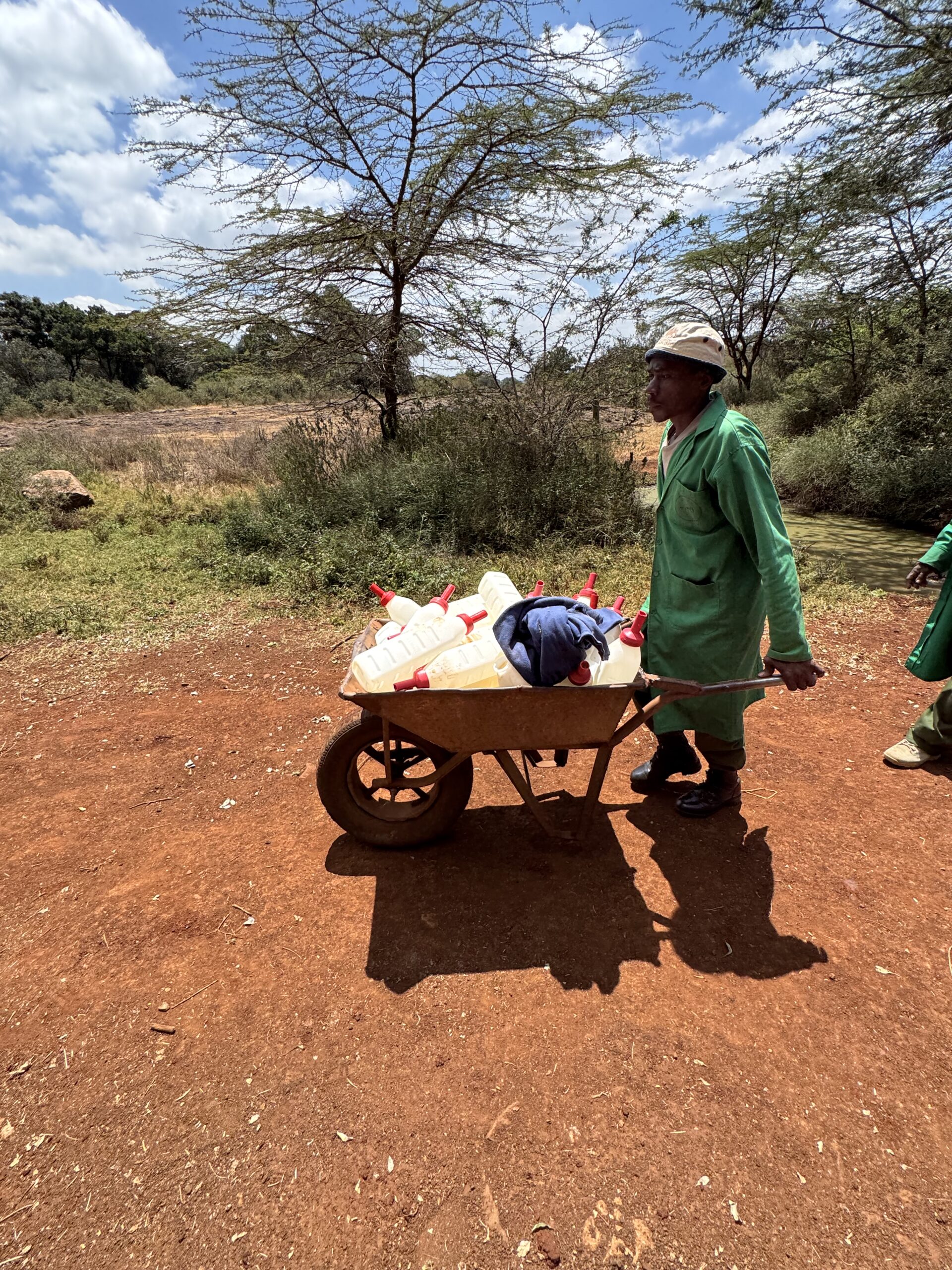
Soooo much milk.
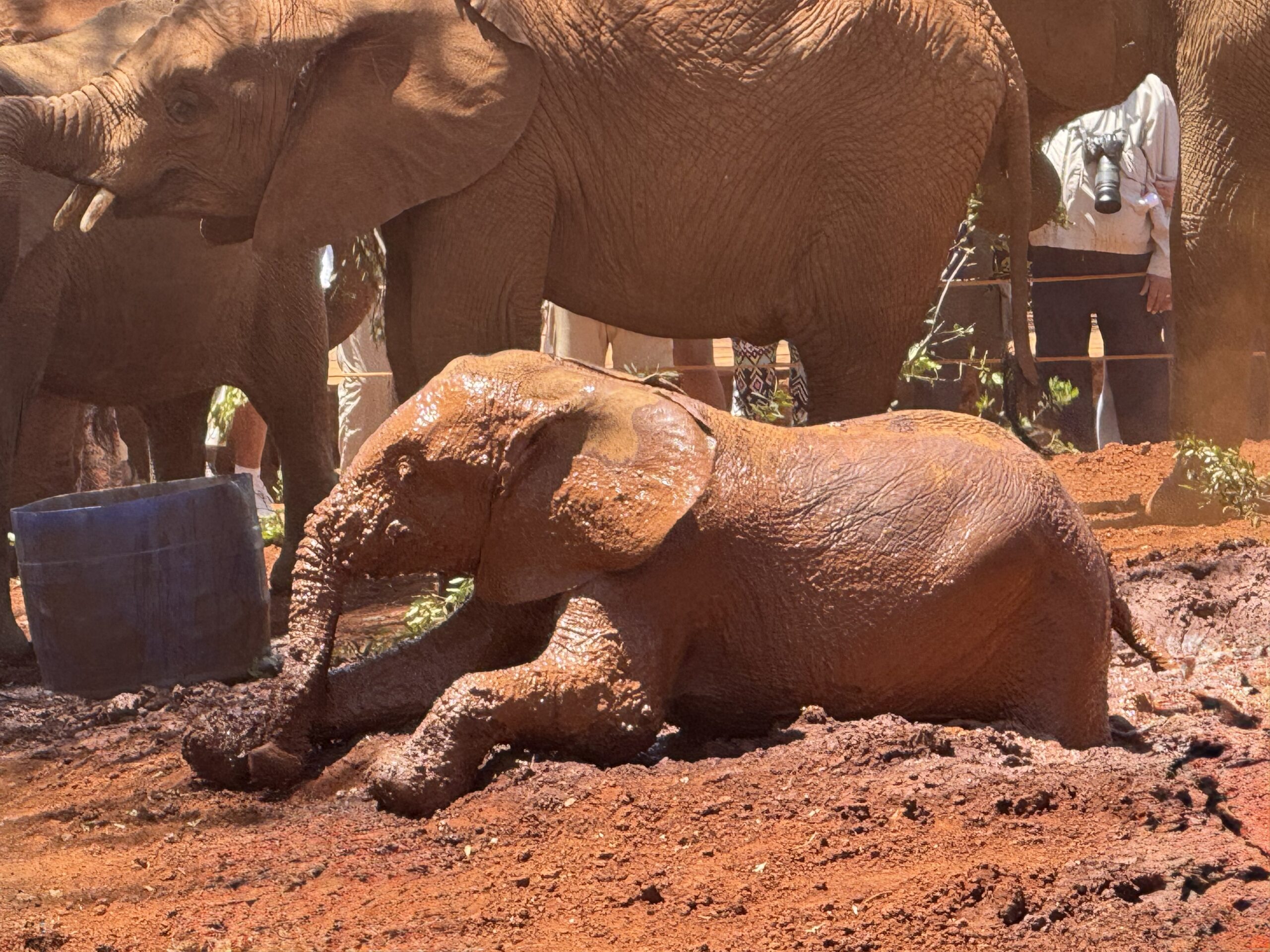
This little calf was having the best time frolicking in the mud.
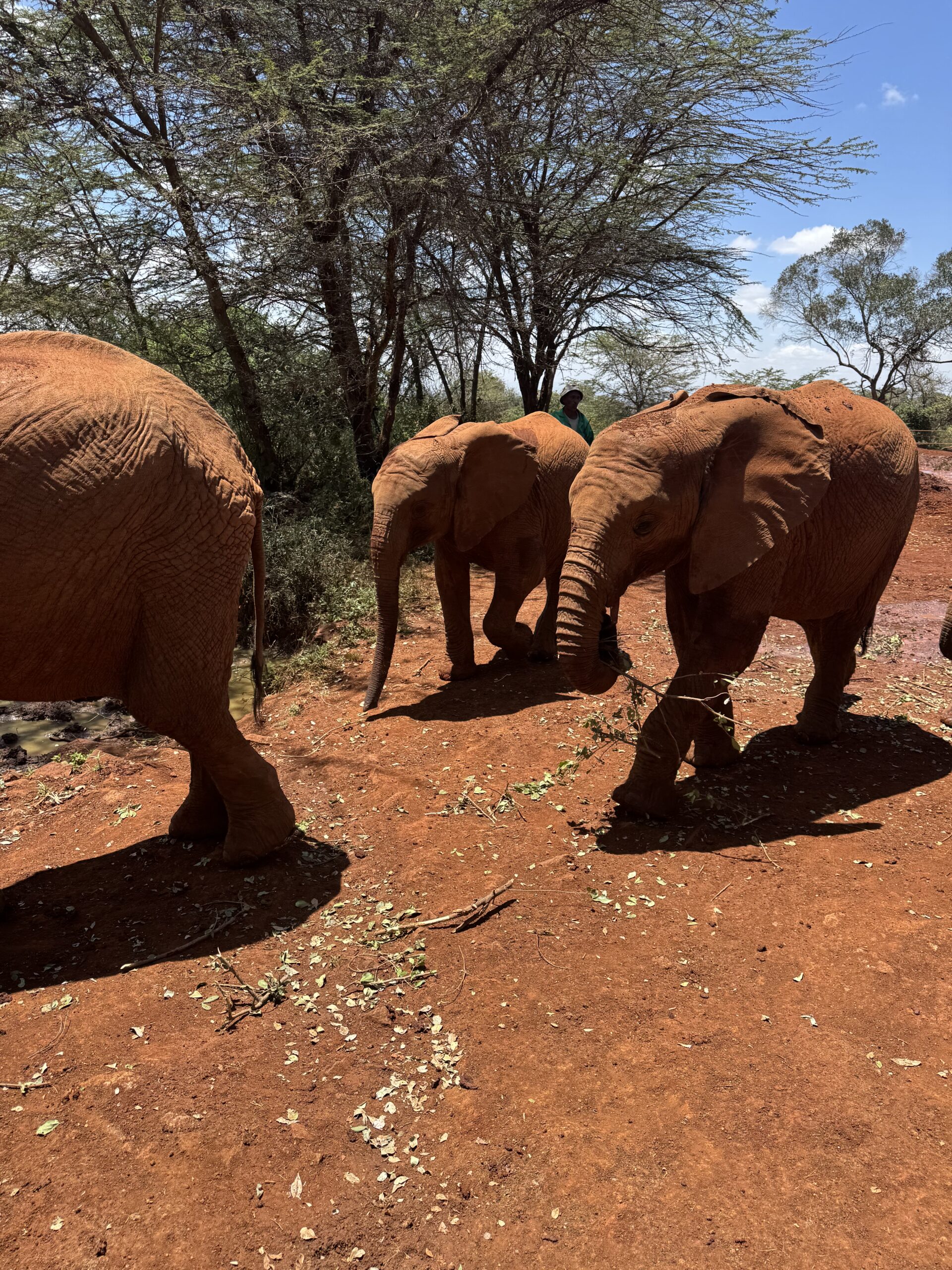
So many different sizes of calves.
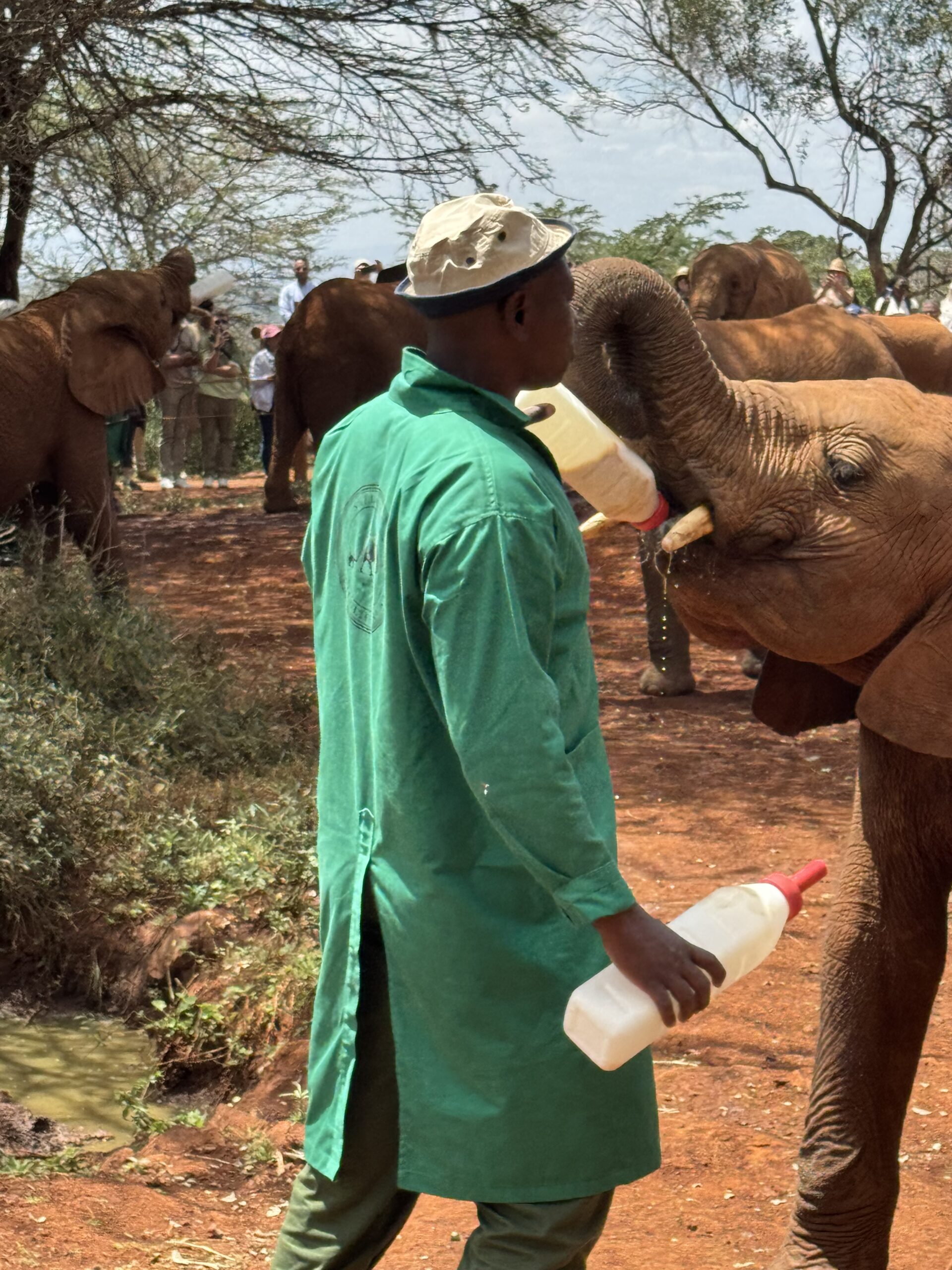
Baby on her second bottle.
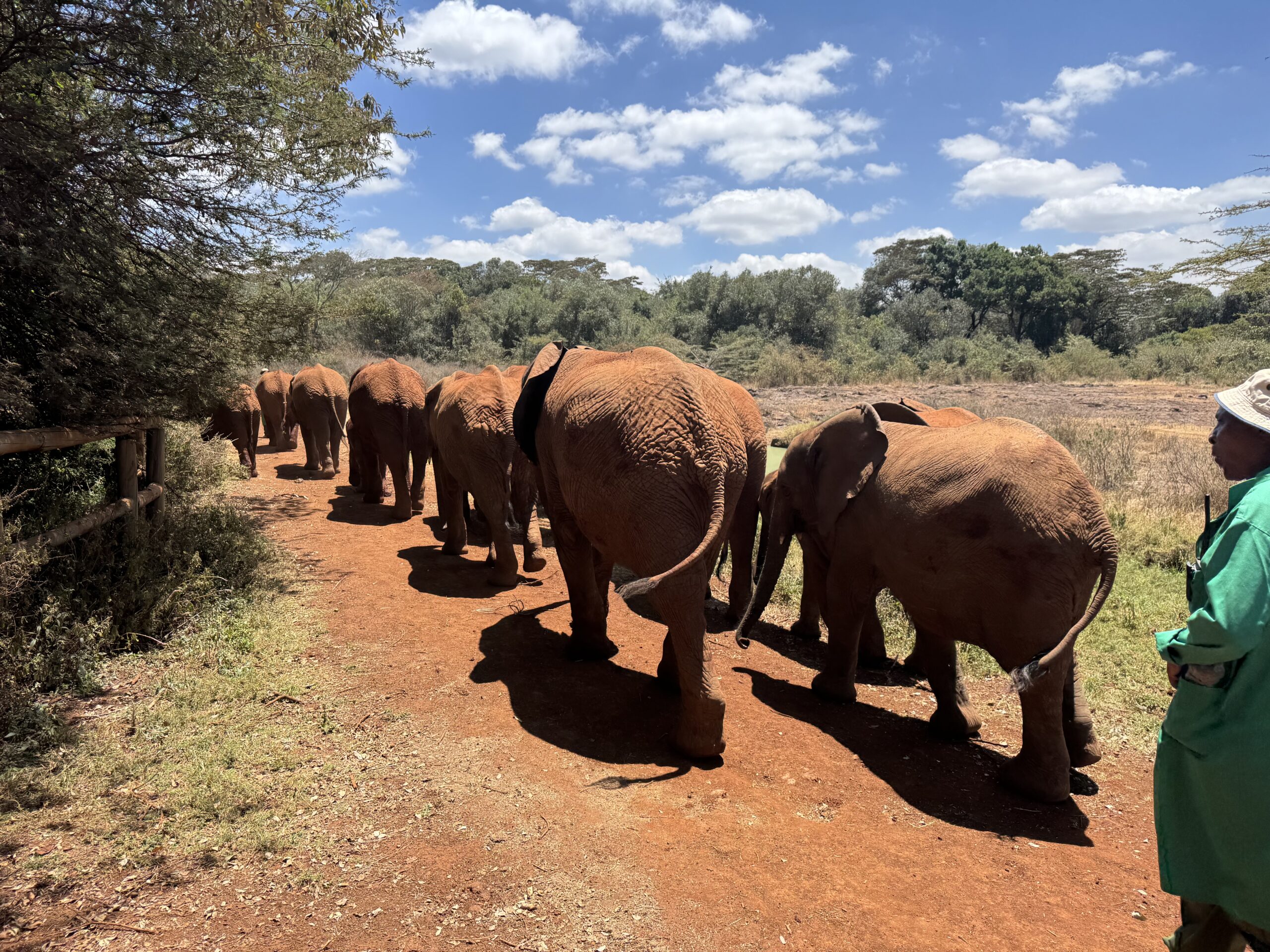
Heading back to their huts.
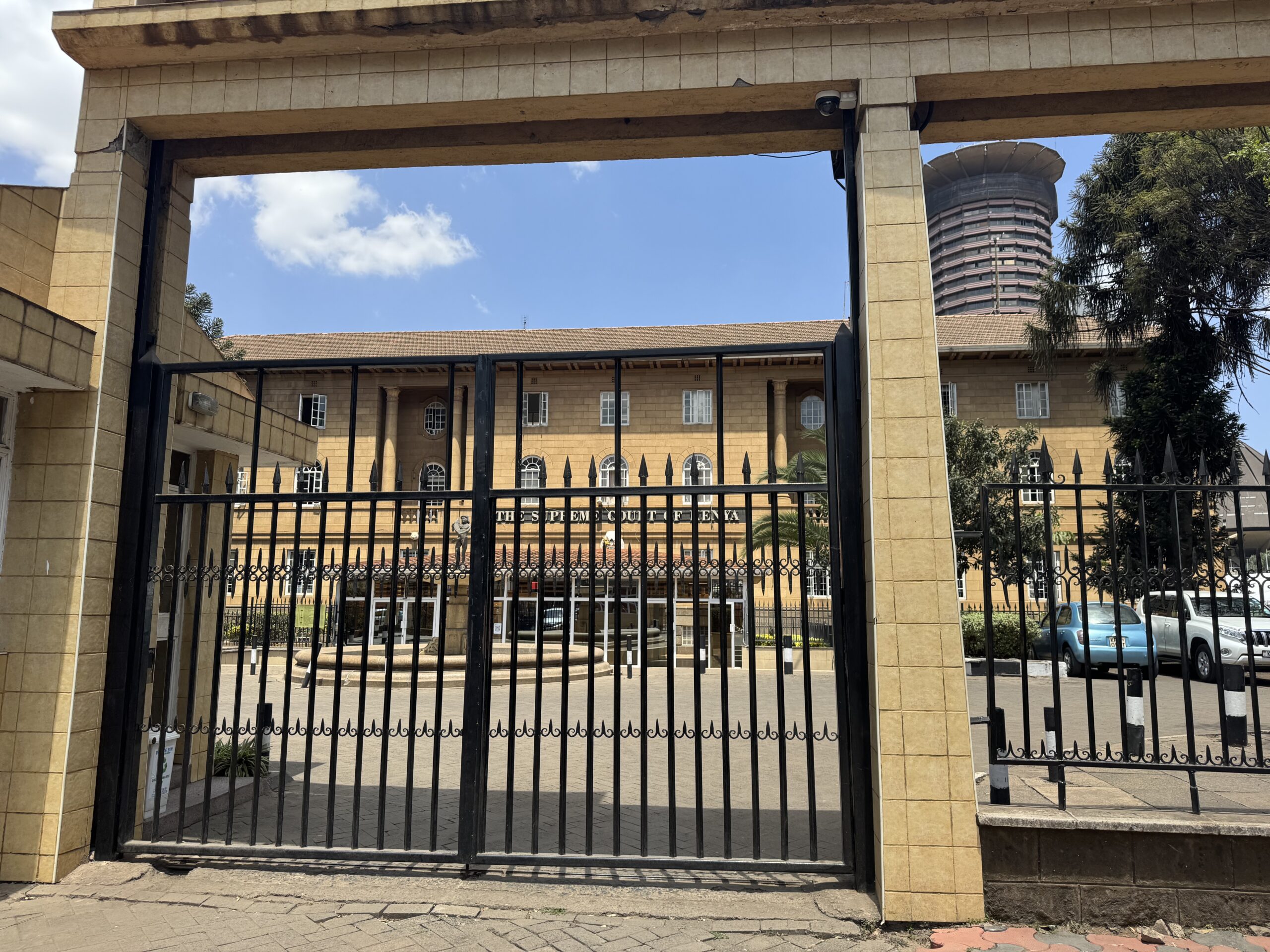
The Supreme Court of Kenya.
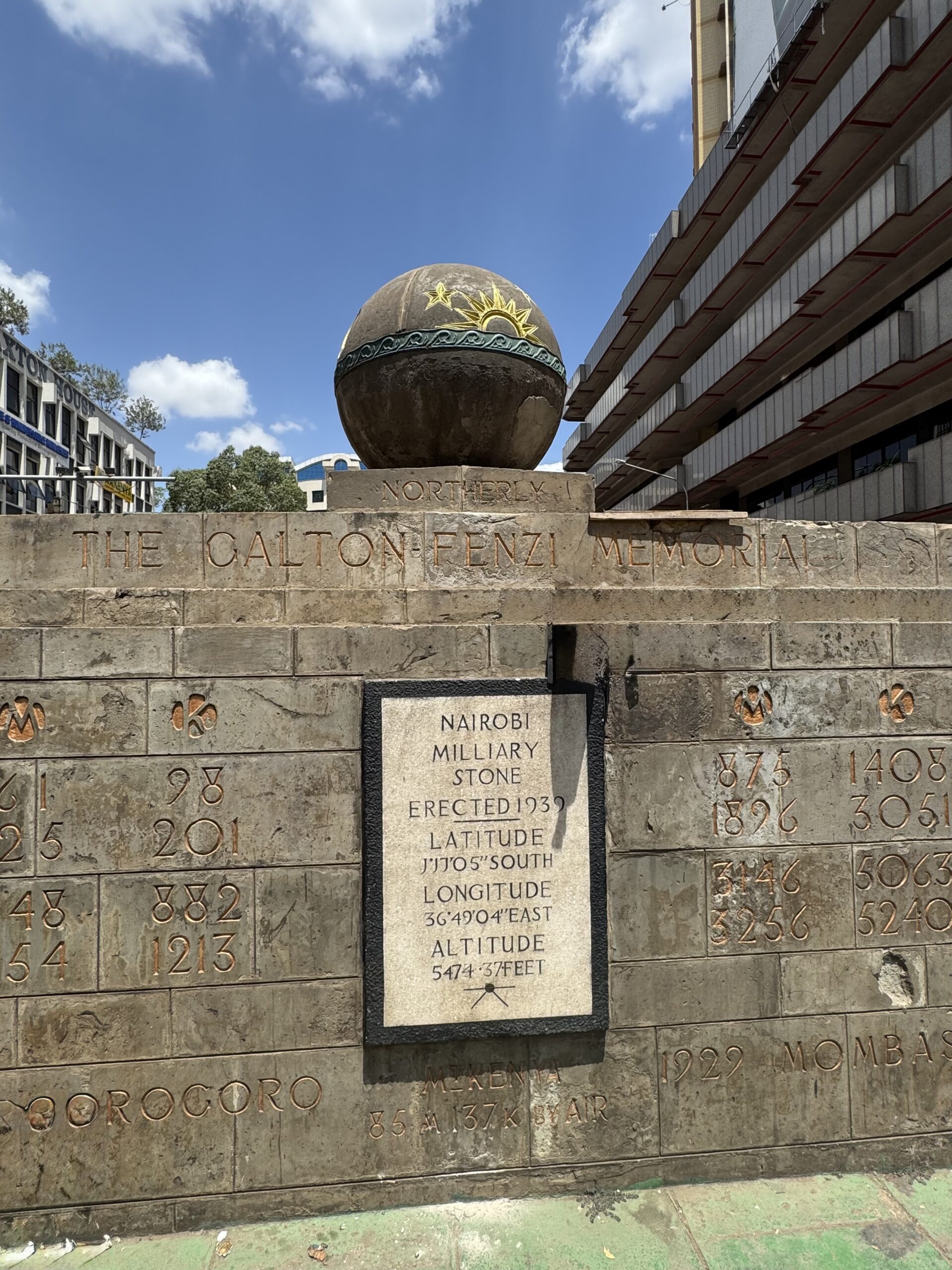
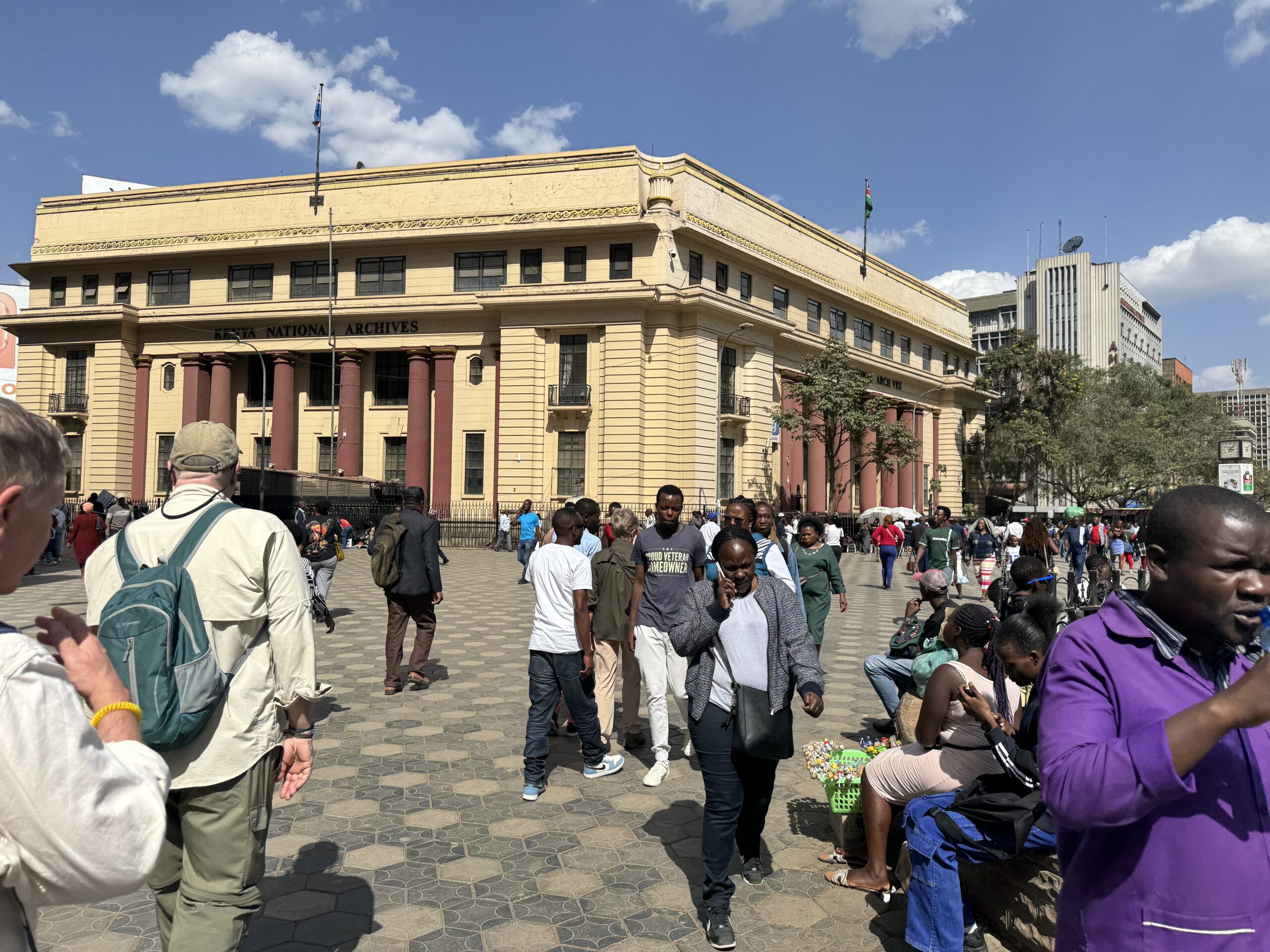
The Kenyan National Archives.
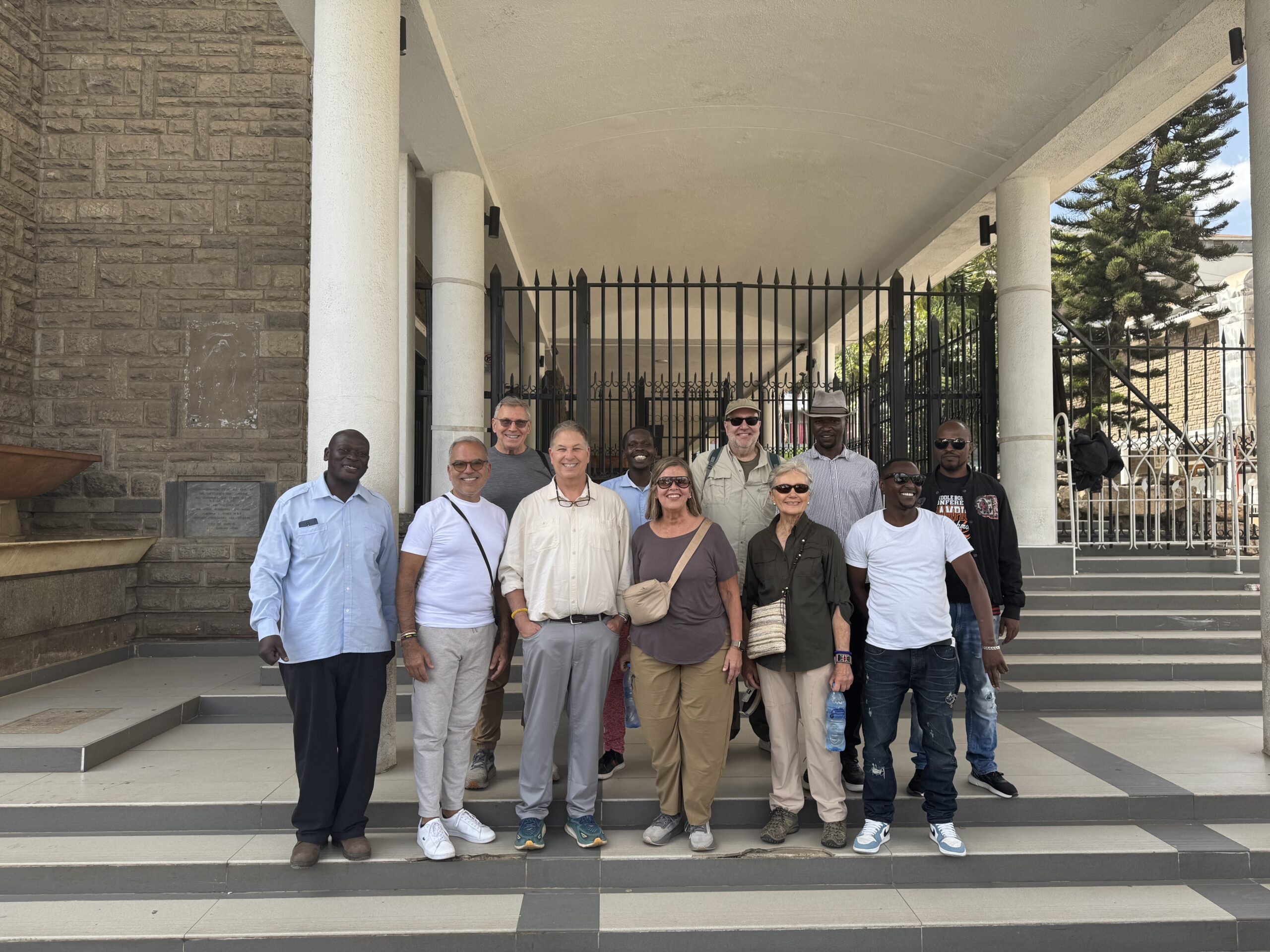
The group with our Nai Nami guides.
Love those elephants and glad that trusts/conservancies exist to protect them from human beings!