
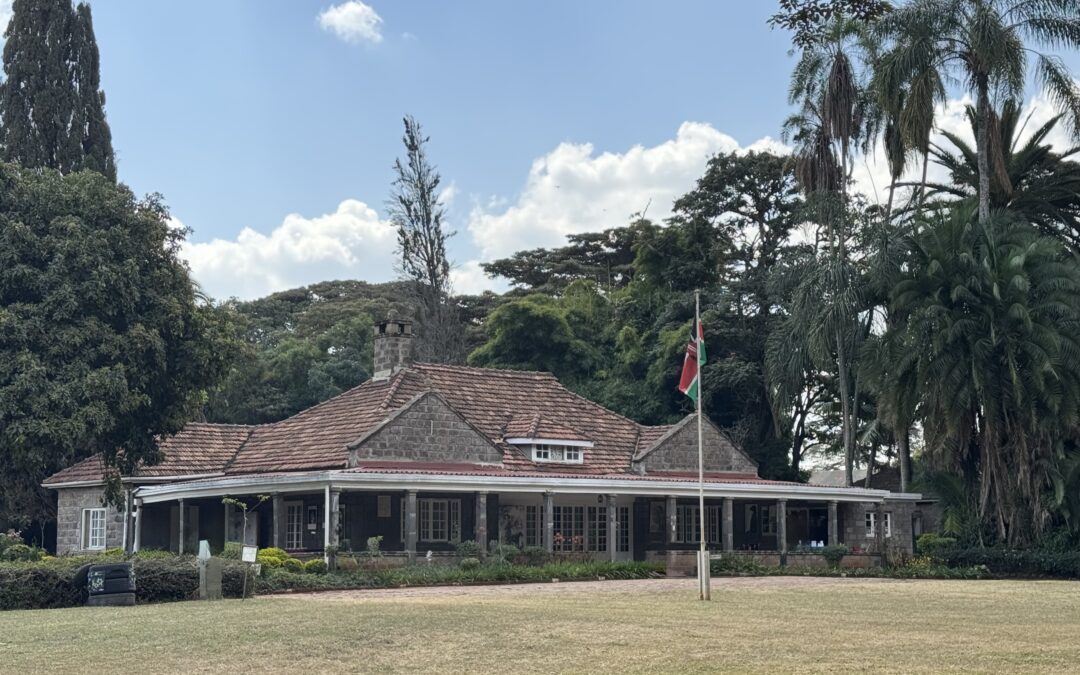
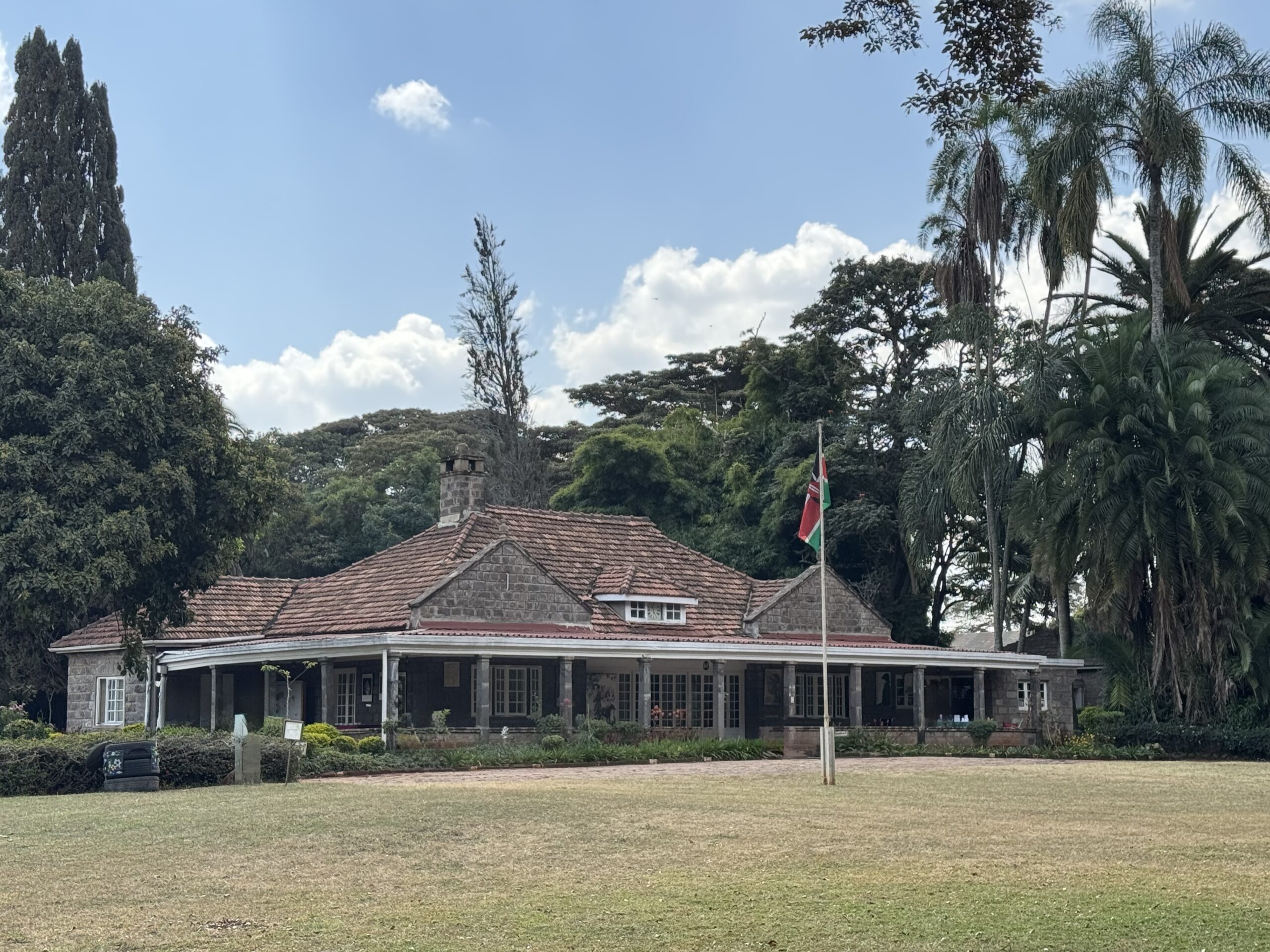
Karen Blixen

Born in 1885 near Copenhagen, Karen moved to Africa in 1914 after marrying Baron Bror von Blixen-Finecke, and the couple established a plantation at the foot of the Ngong Hills. The marriage ended in divorce, and after years of hardship, including the death of her lover Denys Finch Hatton and the eventual collapse of the farm due to falling coffee prices, Blixen returned to Denmark in 1931.
It was there that she turned her African years into literature. Writing in English under the pen name Isak Dinesen, she published Out of Africa in 1937, a memoir blending vivid descriptions of the landscape, the people she came to know, and her own sense of loss as the farm and her old life slipped away. The book became her most celebrated work, later adapted into the 1985 film of the same name. Blixen also wrote acclaimed short story collections, including Seven Gothic Tales, and remains one of the most popular literary voices from the colonial-era African experience.
After Blixen left Kenya, her farm was sold to a consortium of developers who subdivided the land for residential use, a process that gave rise to the Nairobi suburb still known today as Karen, named in her honor. Our hotel, Macushla House, stands on ground which was once owned by Karen.
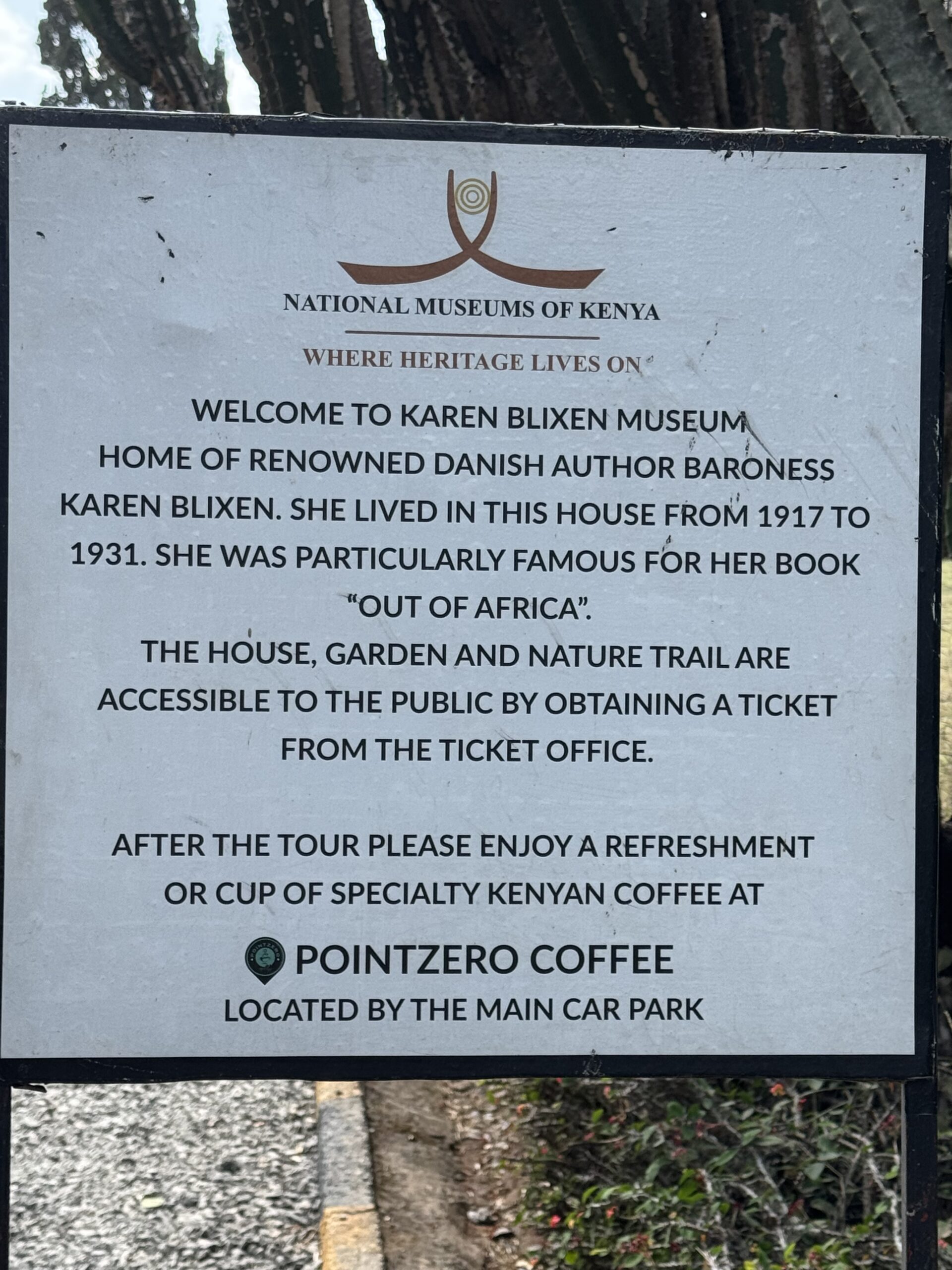
The farmhouse itself changed hands several times over the following decades, at one point serving as a private residence and later as an agricultural training college. In 1964, the Danish government gifted the house to Kenya to mark the country’s independence, and it eventually opened to the public as the Karen Blixen Museum in 1986, timed to coincide with the release of the Out of Africa film adaptation.
It has become one of Nairobi’s most visited cultural sites, drawing both literary pilgrims retracing her story and visitors curious about colonial-era East Africa.
Post Gallery
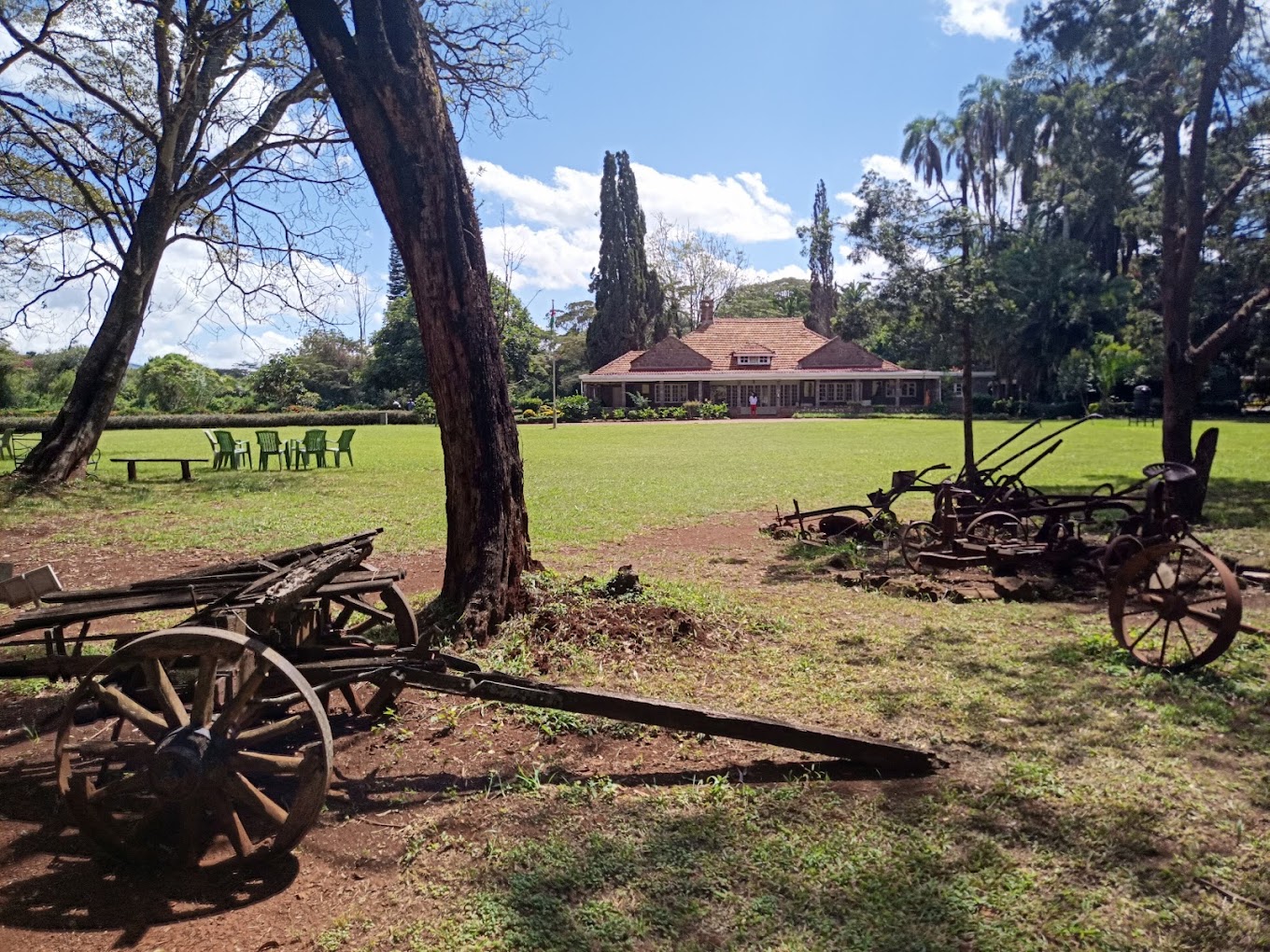
Another view of the house.
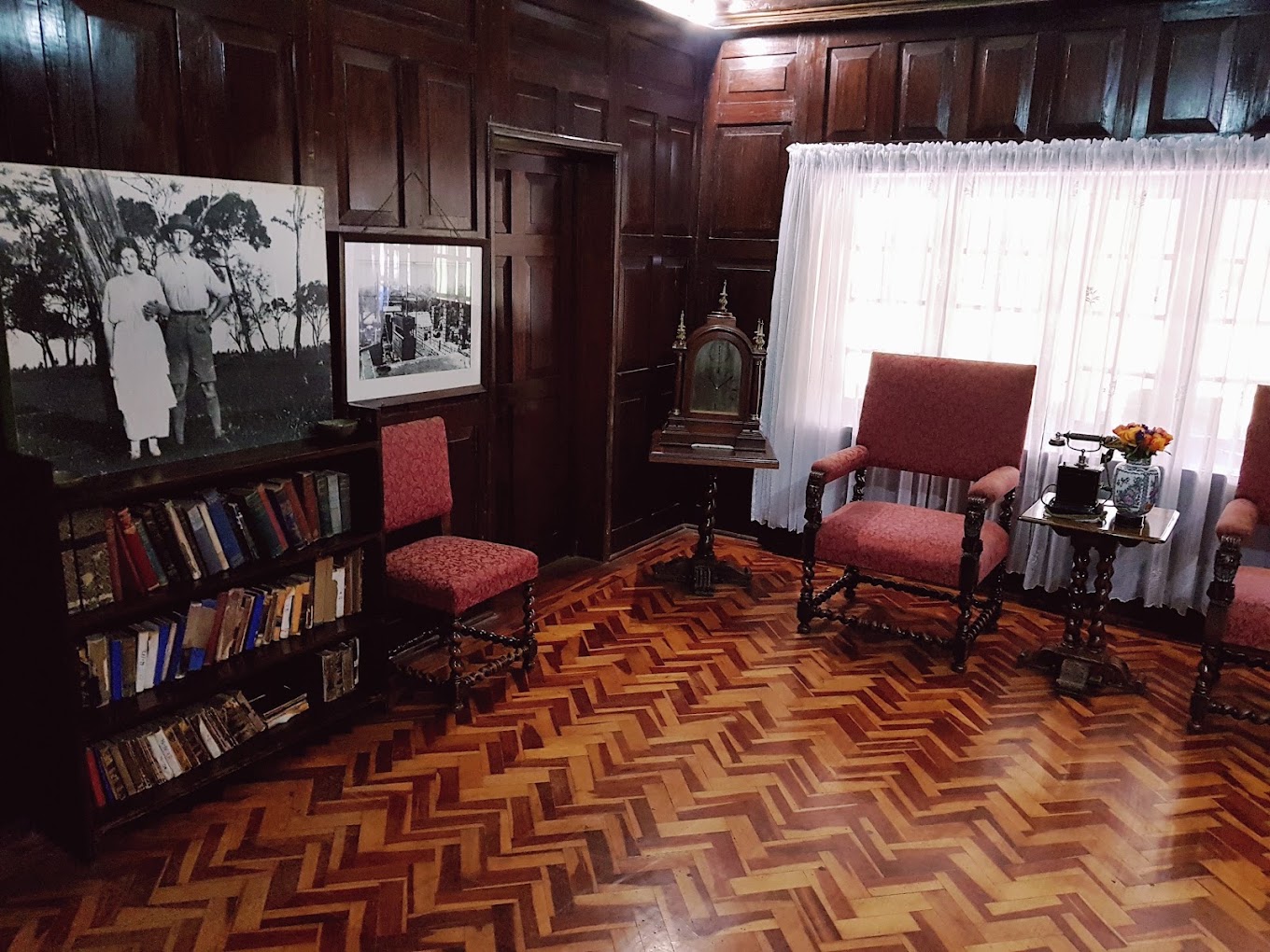
The front room, with "Denyz's books". The photo is of Karen and her brother.
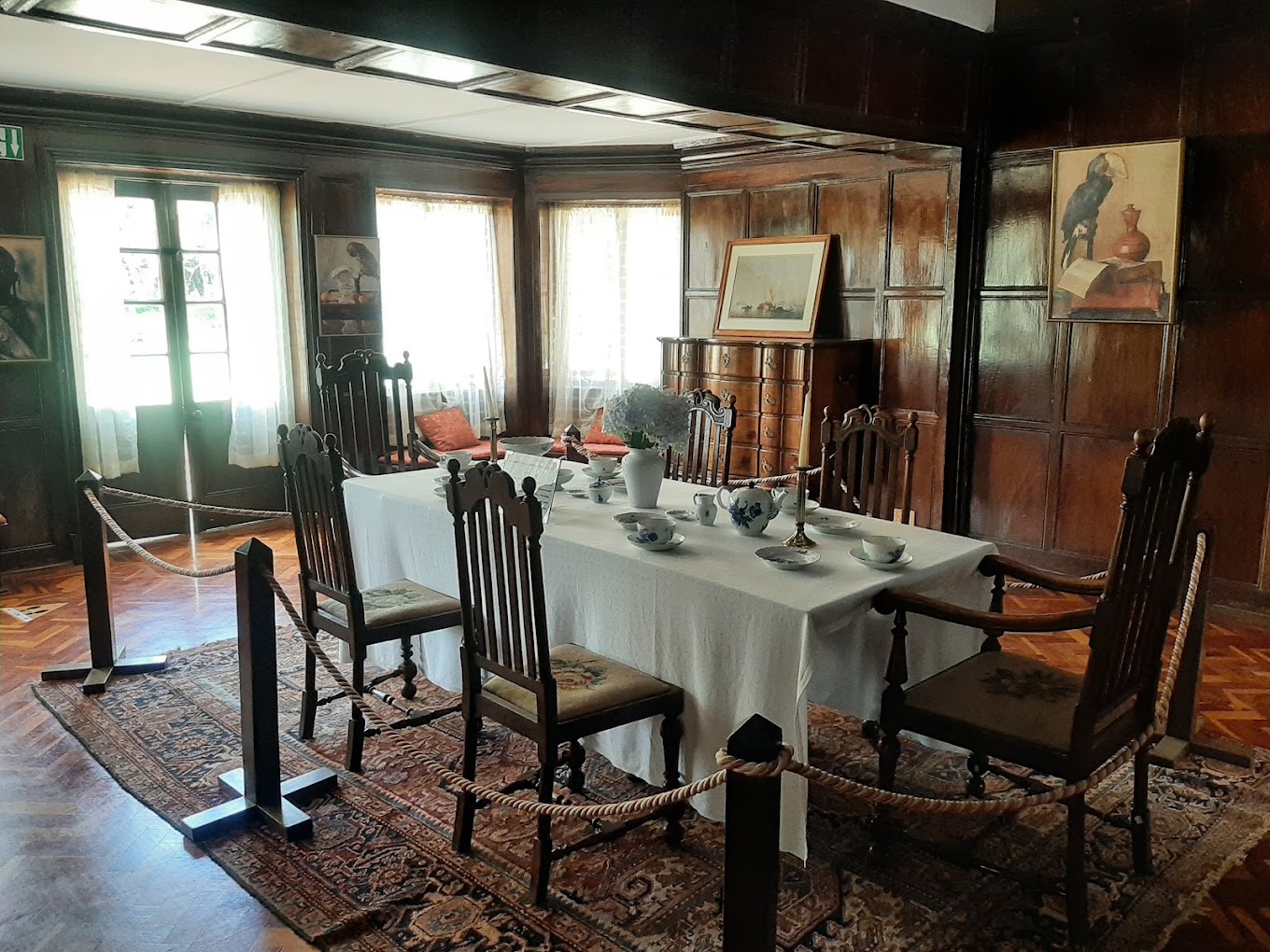
The Dining Room
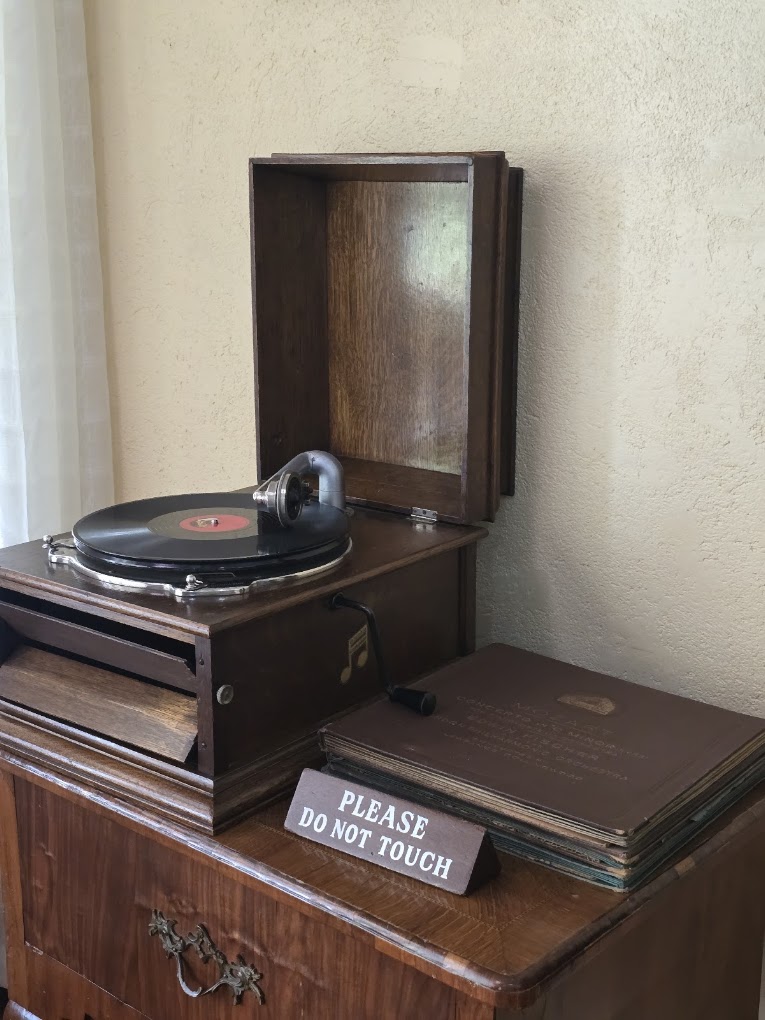
The phonograph that Denyz gifted Karen.
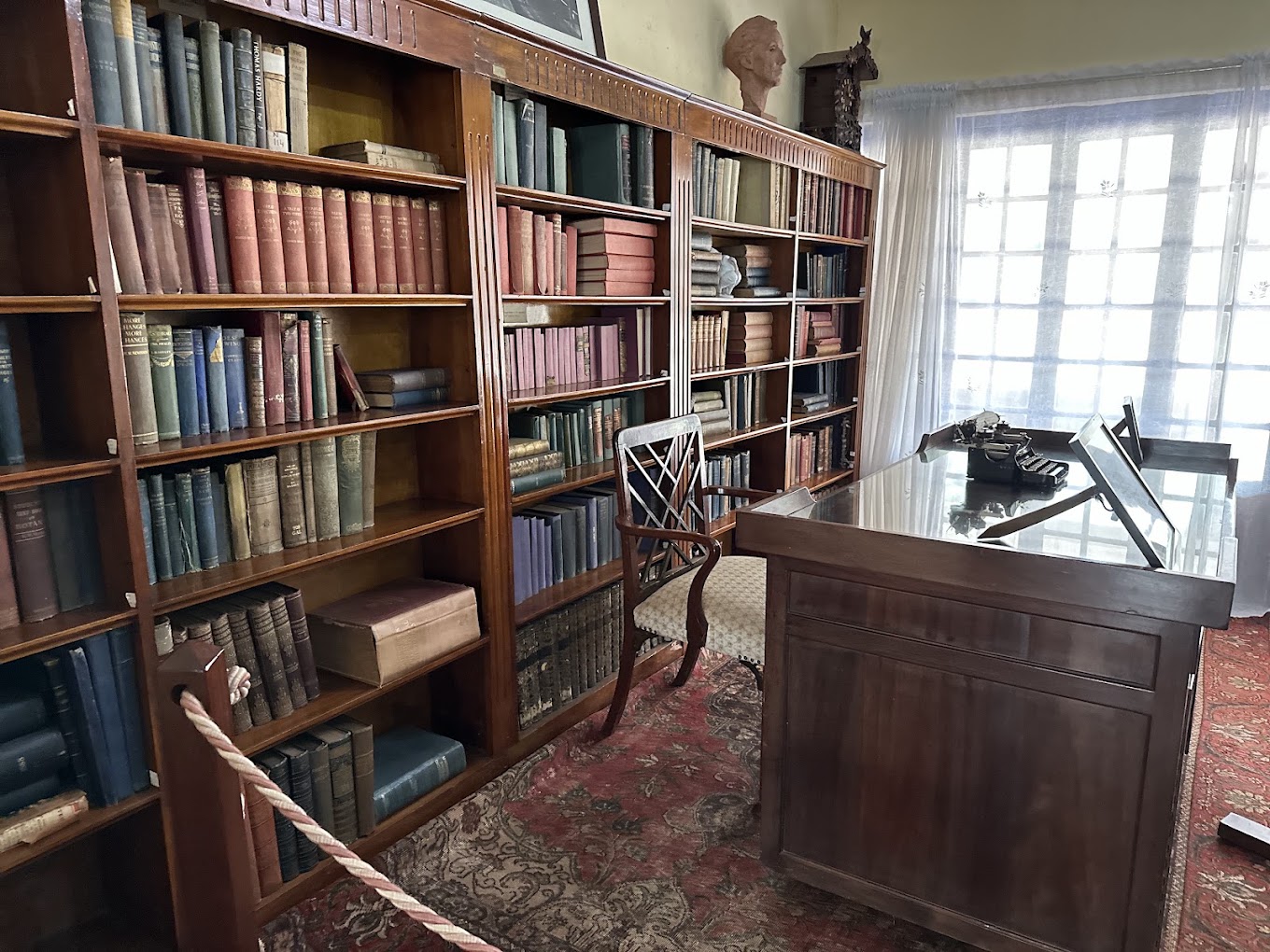
Karen's office.
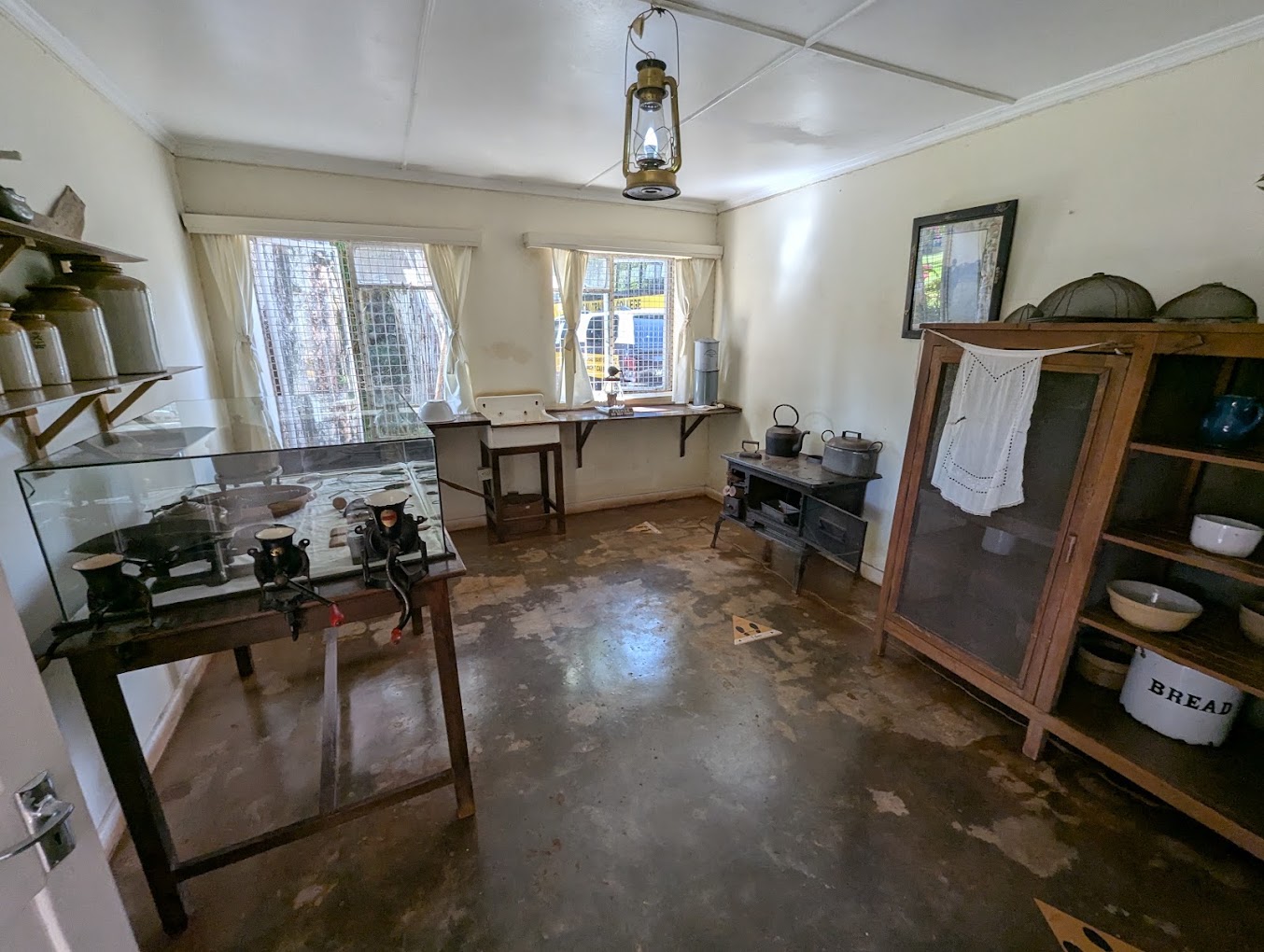
The kitchen.
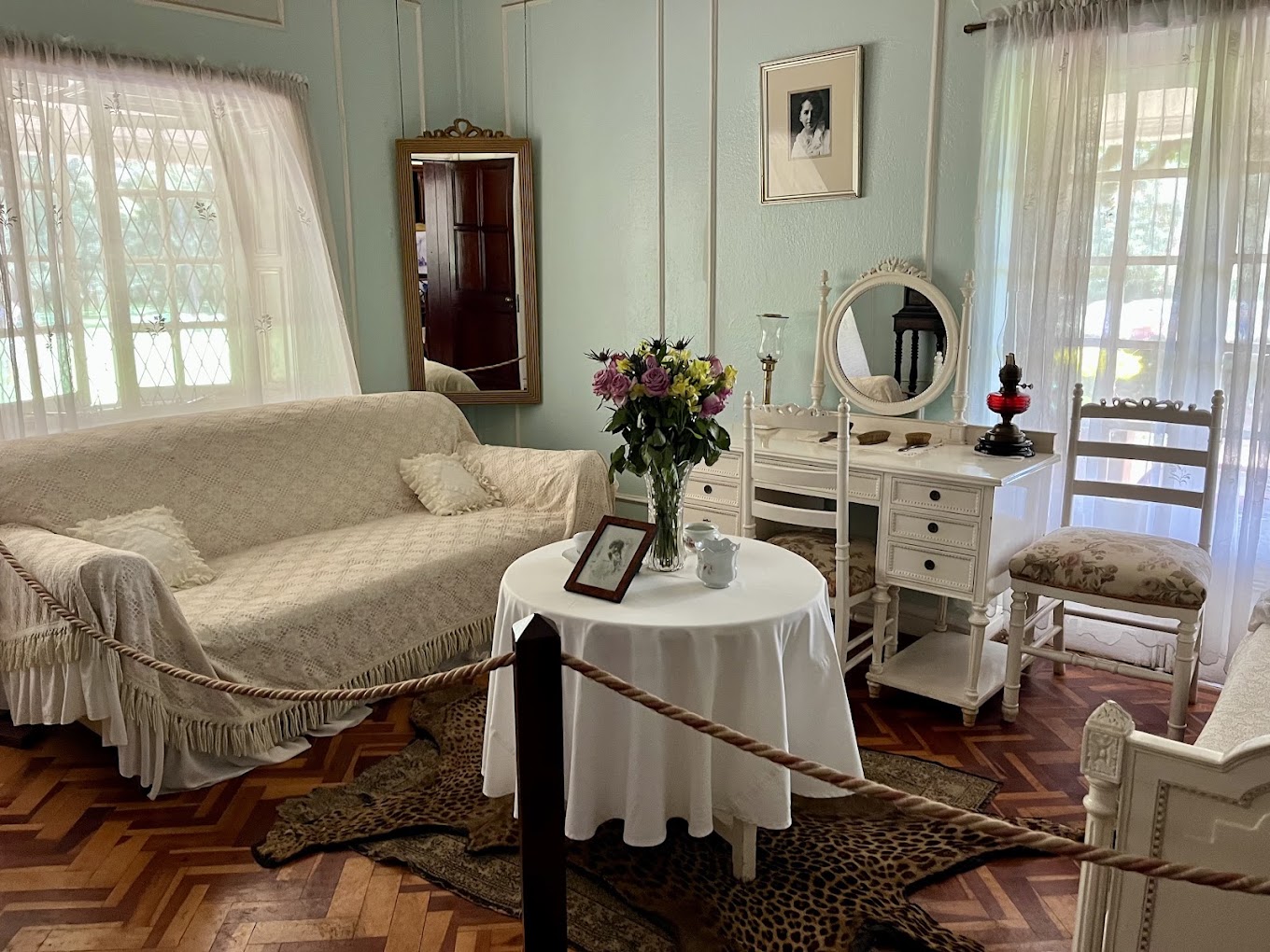
Karen's bedroom.
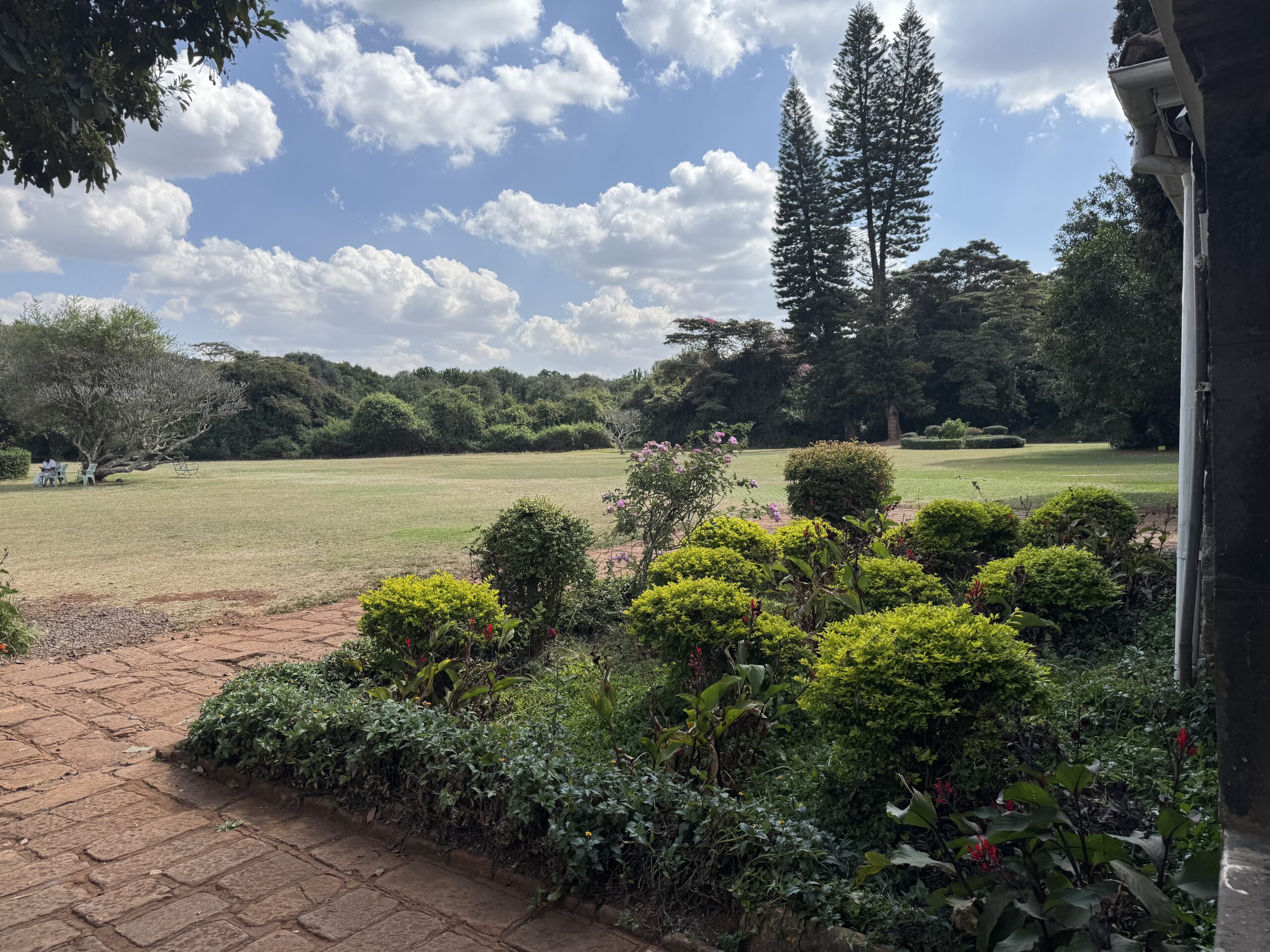
The garden at Karen Blixen museum.
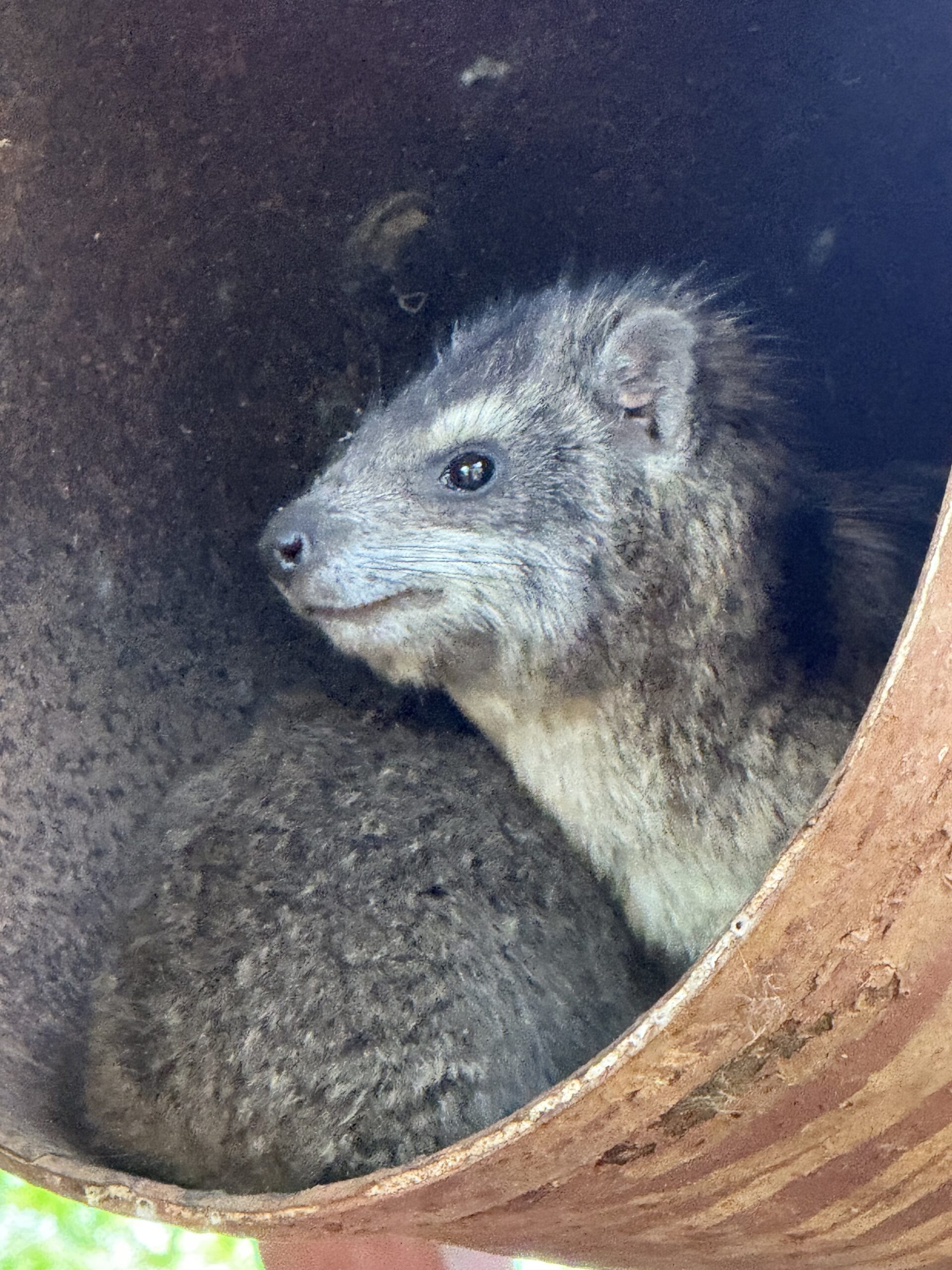
We found this little Hyrax living in a piece of equipment in the Karen Blixen garden. That is a smaller Hyrax facing the other direction.
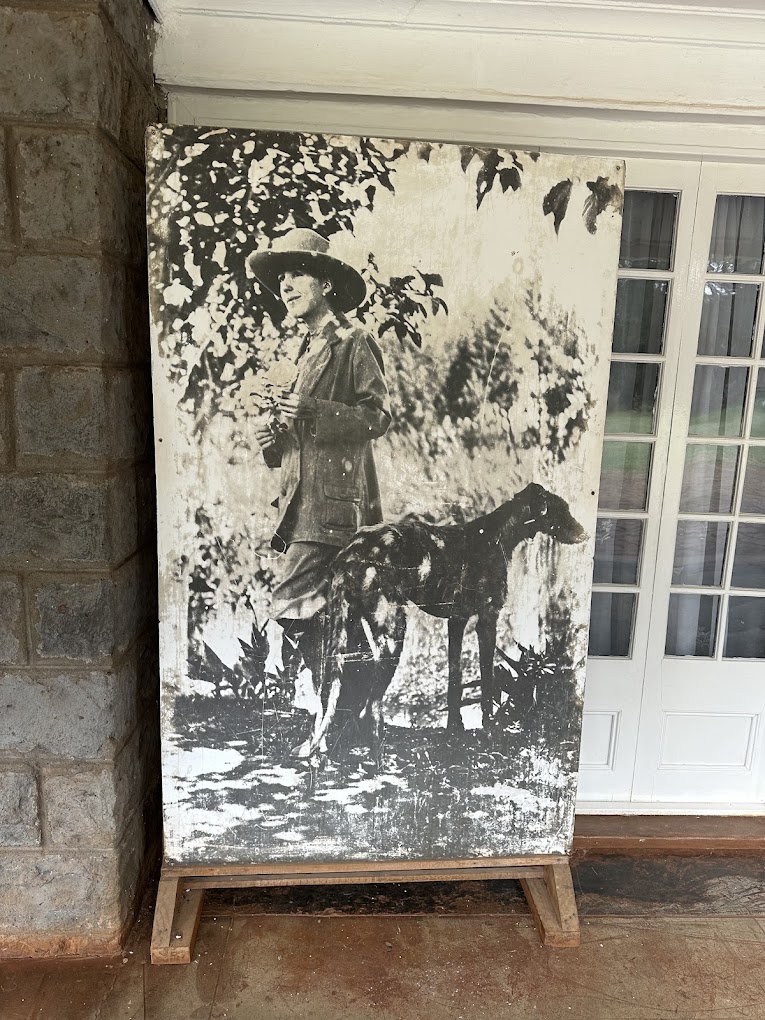
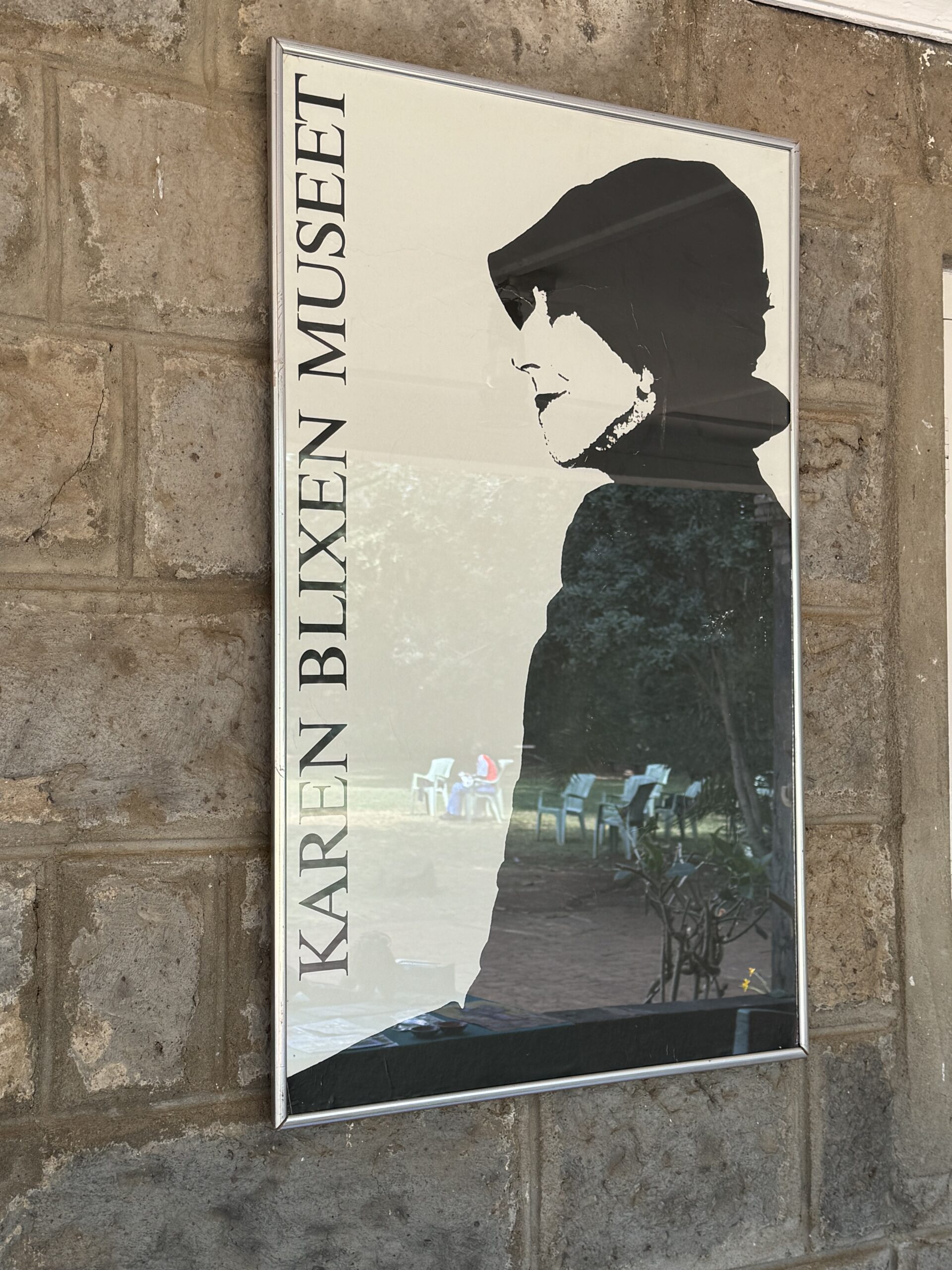
Photo of Karen with her dog.
I love this post and feel as if I’m there with you. Thank you for sharing.