
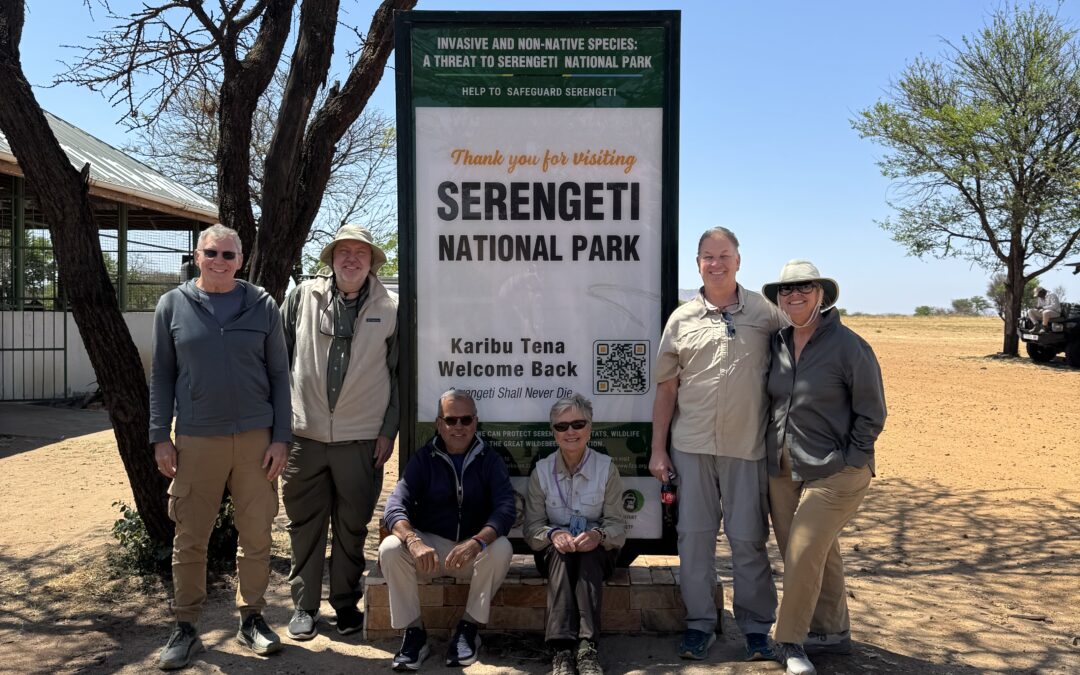
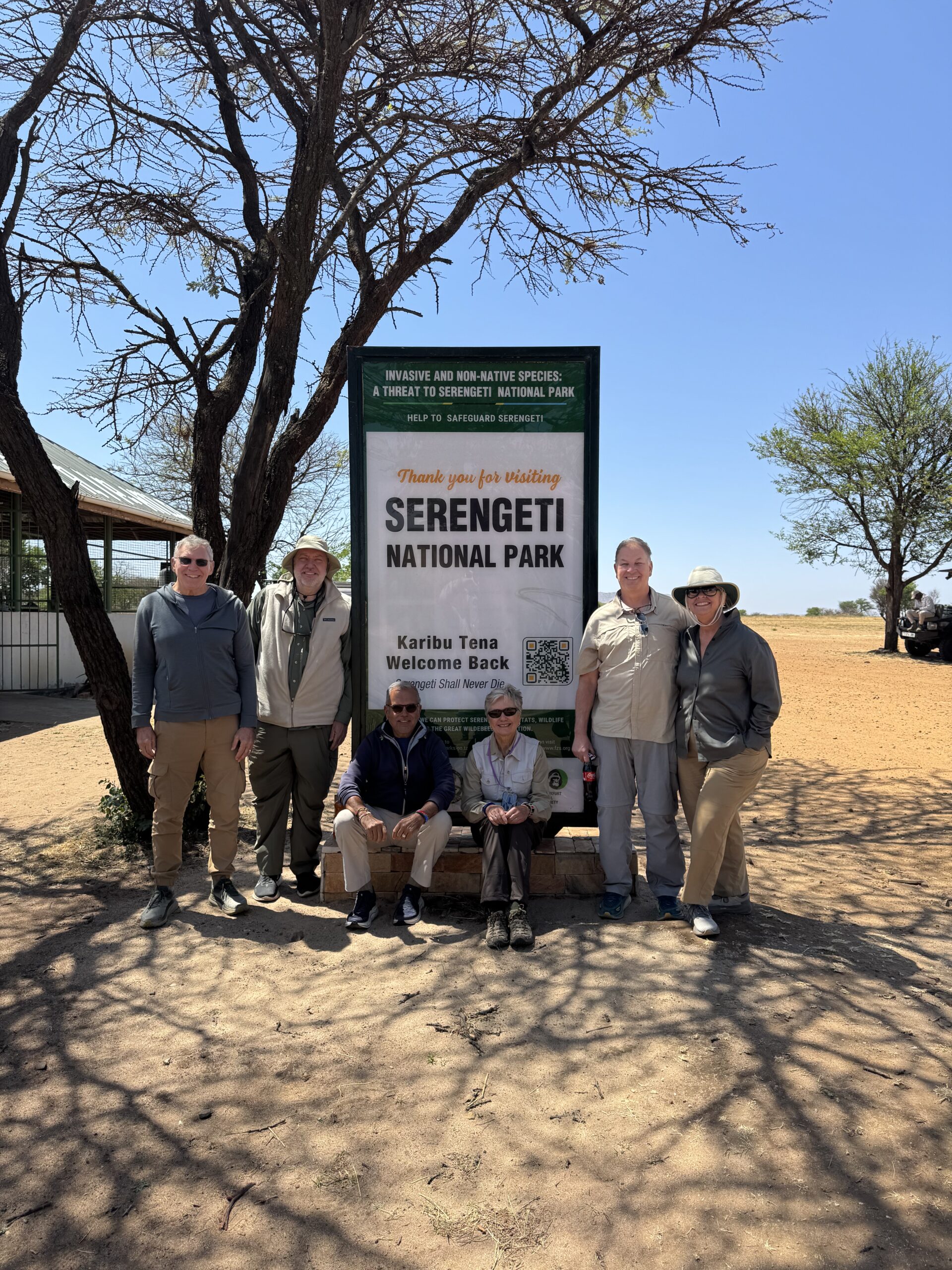
Moving from North to Central Serengeti
Before we talk about our day, we thought it might be nice to provide some background on Serengeti National Park. Stretching across roughly 5,700 square miles of northern Tanzania, the Serengeti is one of Africa’s most iconic ecosystems and arguably its most famous national park. Established in 1940 and granted full protection in 1948, the park takes its name from the Maasai word siringet, meaning “the place where the land runs on forever” — an apt description of its endless golden grasslands punctuated by acacia trees and rocky outcrops known as kopjes.
The Serengeti is designated a UNESCO World Heritage Site, prized both for its raw scenic beauty and for hosting one of the last remaining large-scale mammal migrations on Earth. Beyond the wildebeest and zebra that pass through in staggering numbers, the park supports an extraordinary density of resident wildlife, including Africa’s largest population of lions, along with leopards, cheetahs, elephants, and giraffes.
For visitors, the appeal lies not just in spotting the “Big Five,” but in the sheer scale of untouched wilderness — few places on the planet offer a landscape this vast, this wild, and this unbroken by modern development. It’s a place where the rhythms of nature, not humans, still dictate the pace of life, making it a bucket-list destination for safari-goers from around the world.
Our day involved traveling from the Northern part of the park, to the central part of the park. We left our accommodations for the last two nights, Baobab Camp, at 7:00am, after a night of many animal sounds outside of our tent. One animal, we’re not sure which, actually bumped into our tent at around 2:30am and woke Sharon. She thought Marshall had fallen in the bathroom, it was that loud. Once the land cruiser was packed, we set off on our 9-hour drive across the Serengeti.
This might be a good time to talk about the roads again. We want each of you to picture the very worse roads you’ve ever driven on. A couple decades ago, we were driving with Sharon’s Aunt Barb and Uncle Bliss across the Pennsylvania turnpike, which was littered with potholes. When we pulled up to the tollbooth, the toll taker announced how much money we owed, at which my uncle replied “you should be paying us for driving across these terrible roads”. We got a chuckle but that is Sharon’s memory of the worse road.
Let’s just say we hardly ever got out of second gear, today, as the roads were so rough. But boy did we see some things. We could have taken a shorter route, on slightly better roads, outside of the park and that would have been a mistake. Because despite the ruts and potholes and uneven surfaces, the drive was beautiful and full of surprises.
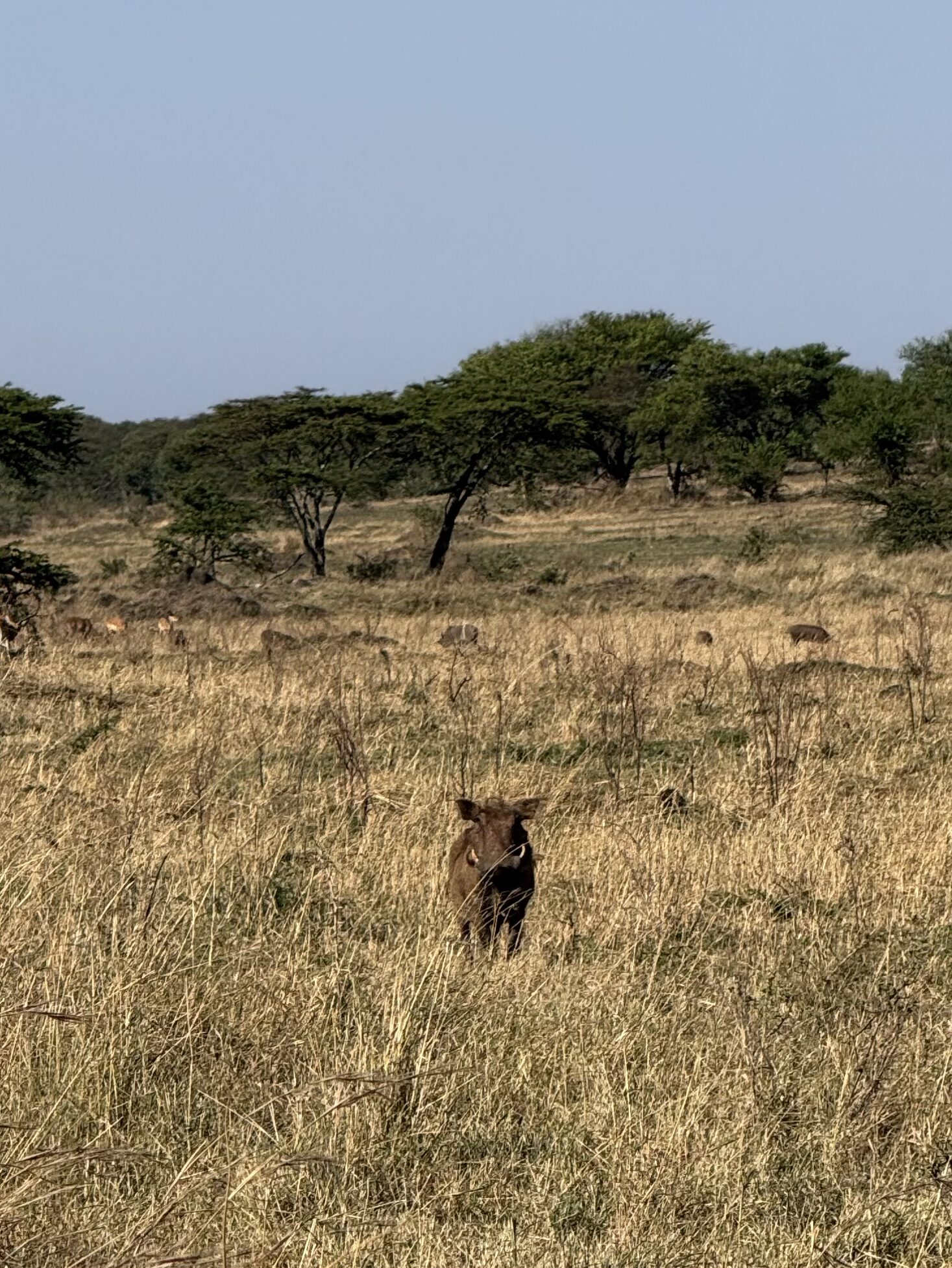
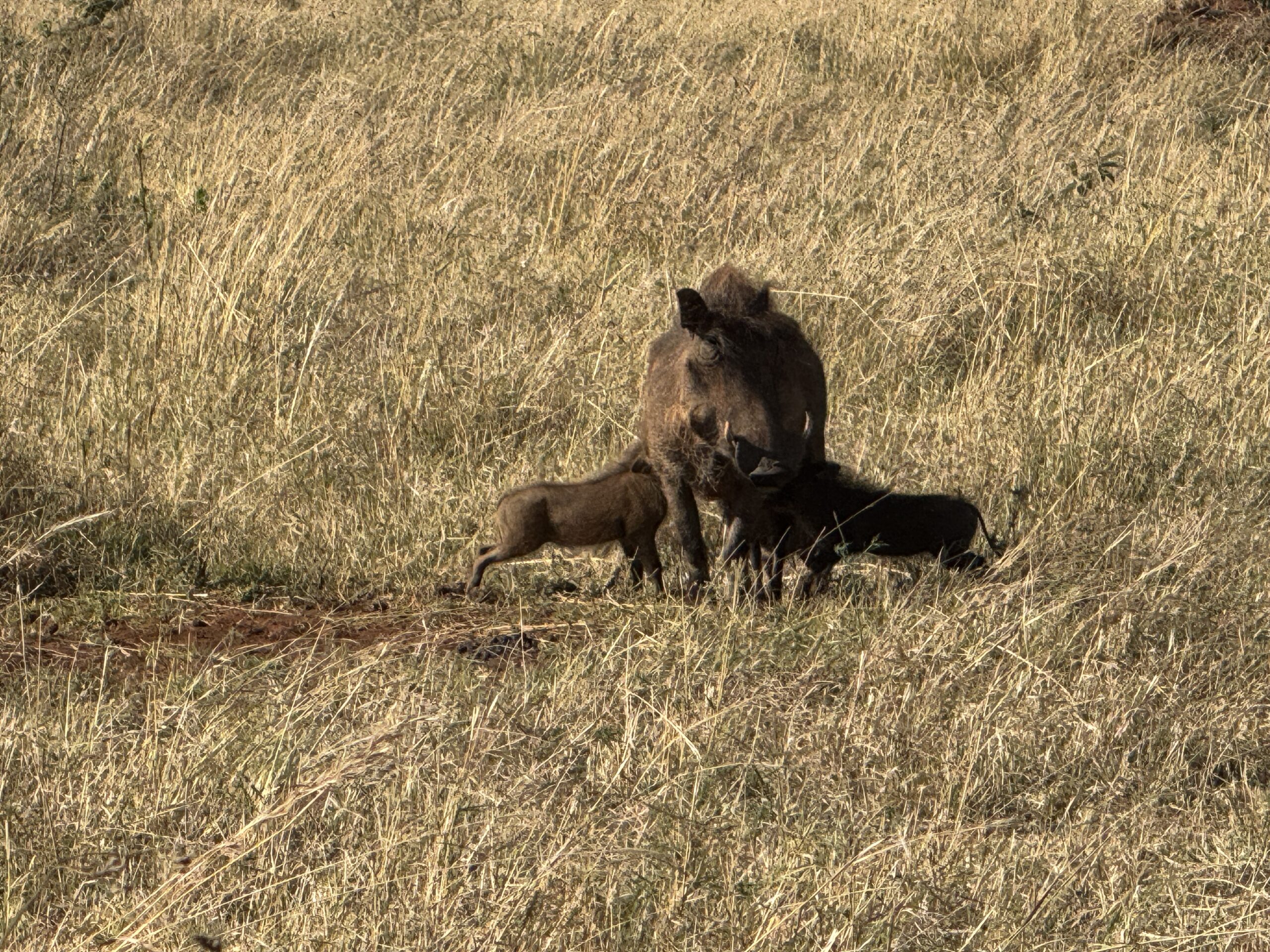
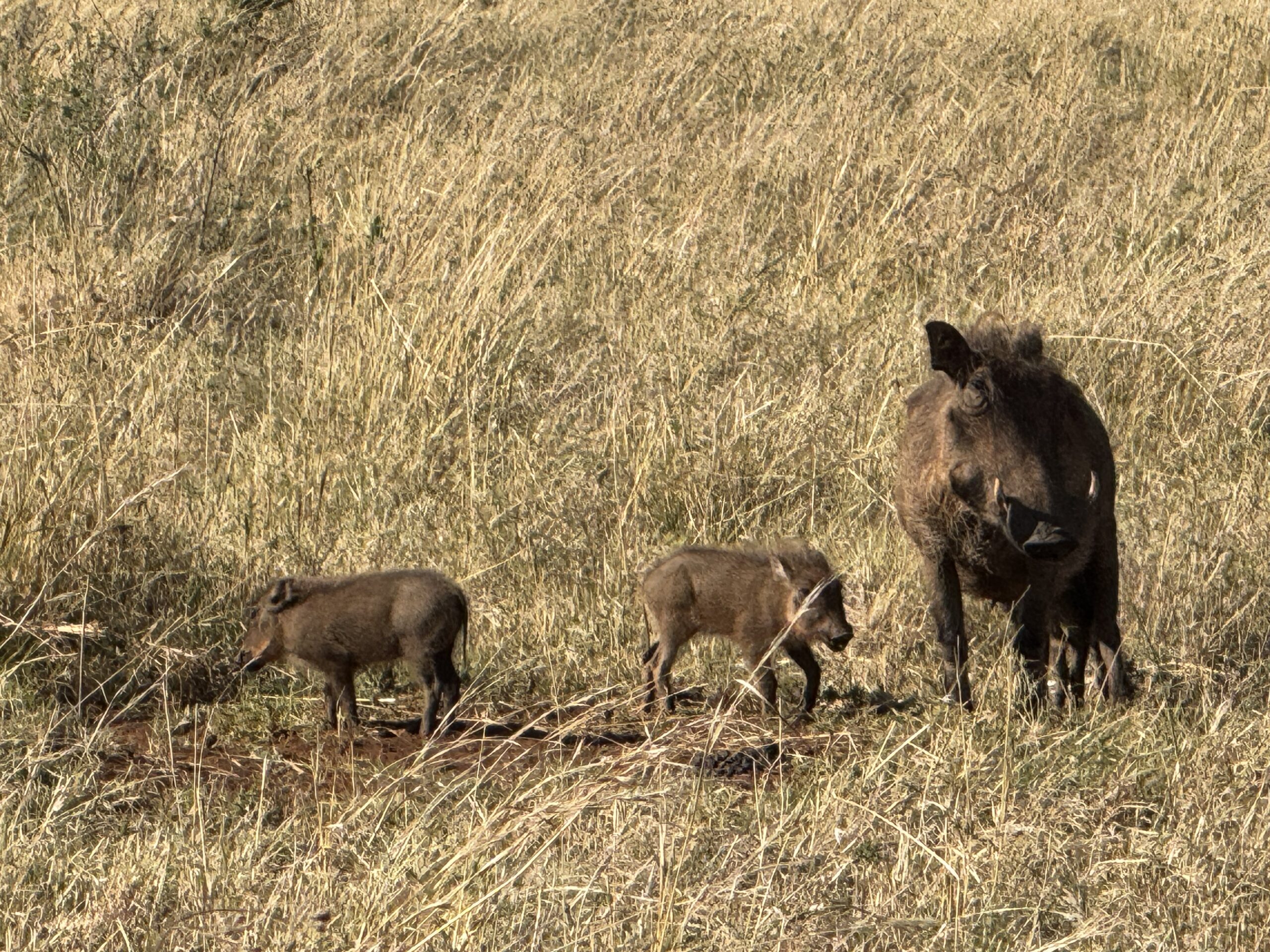
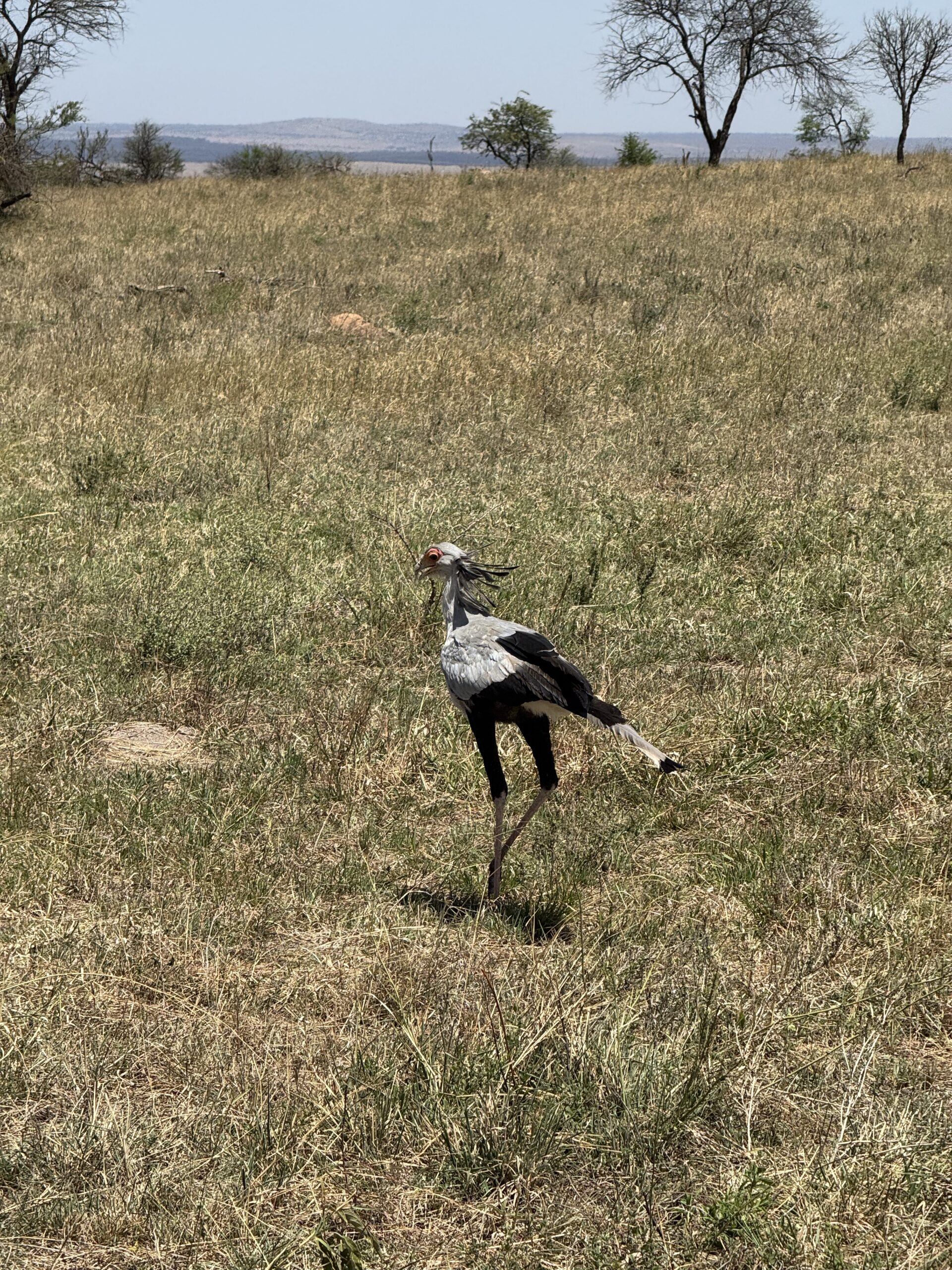
We saw more wildebeest that are gleefully on this side of the river now, enjoying green grass. We saw a family of baboons, playing and scampering about. We happened upon a warthog, standing alone in the high grass. She looked super suspicious of us, and soon we knew why. Out of a hole popped three babies, who began nursing and she was being protective! We saw giraffes and zebras. Many new birds!
The central Serengeti is known for being “cat central” and we know why. We saw our first leopard, sitting in a tree. What a sight! We also came upon a mother lioness, and her three male juveniles, napping in the shade of a tree. We got very close, and they got up and repositioned at another tree, walking right by our vehicle.
Today we also had our first encounter with the Tsetse fly. Zamoo was bit multiple times and then Sharon, who was also sitting in the front, got bit. All of a sudden, it seemed the entire car was full of them and we were all swatting and shooing them out the windows. The Tsetse bite is sharp, and you definitely know you’ve been bit. Most tsetse fly bites are harmless and do not transmit disease, but you must watch for signs of illness for several weeks or months, as they can transmit African Sleeping sickness.
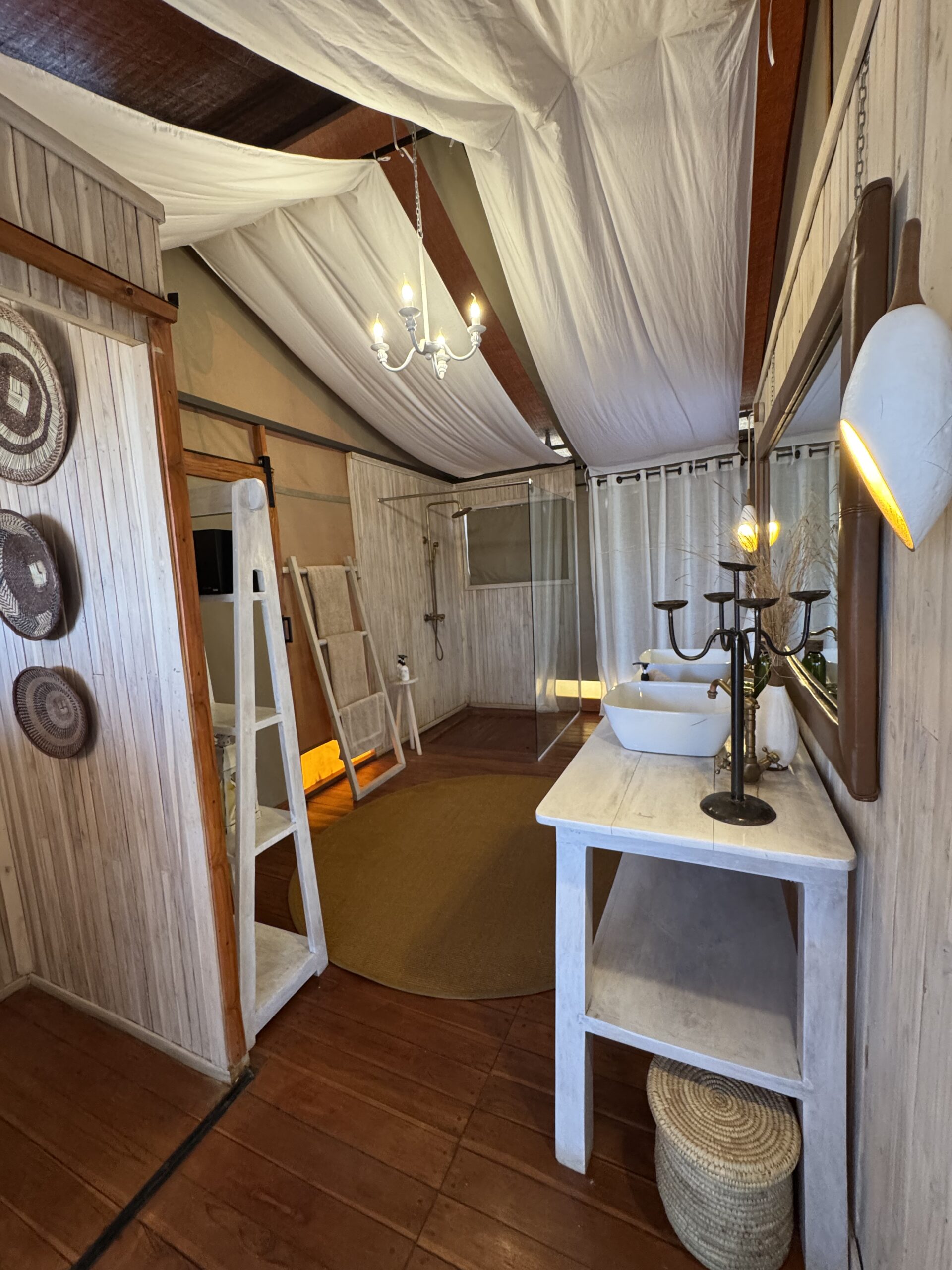
Eventually we made it to our accommodations for the night, Tamu Tamu Camp, at about 3pm. This is the biggest camp we’ve stayed at so far and it’s very nice. We enjoyed the large tented lodge, as the sun was going down, with a beautiful view of the savannah.
Tomorrow: Travel to Ngorongoro Conservation Area
Recommend: Tamu Tamu Serengeti Camp, https://owc-africa.com/tamu-tamu/, +255 747 021 135
Post Gallery
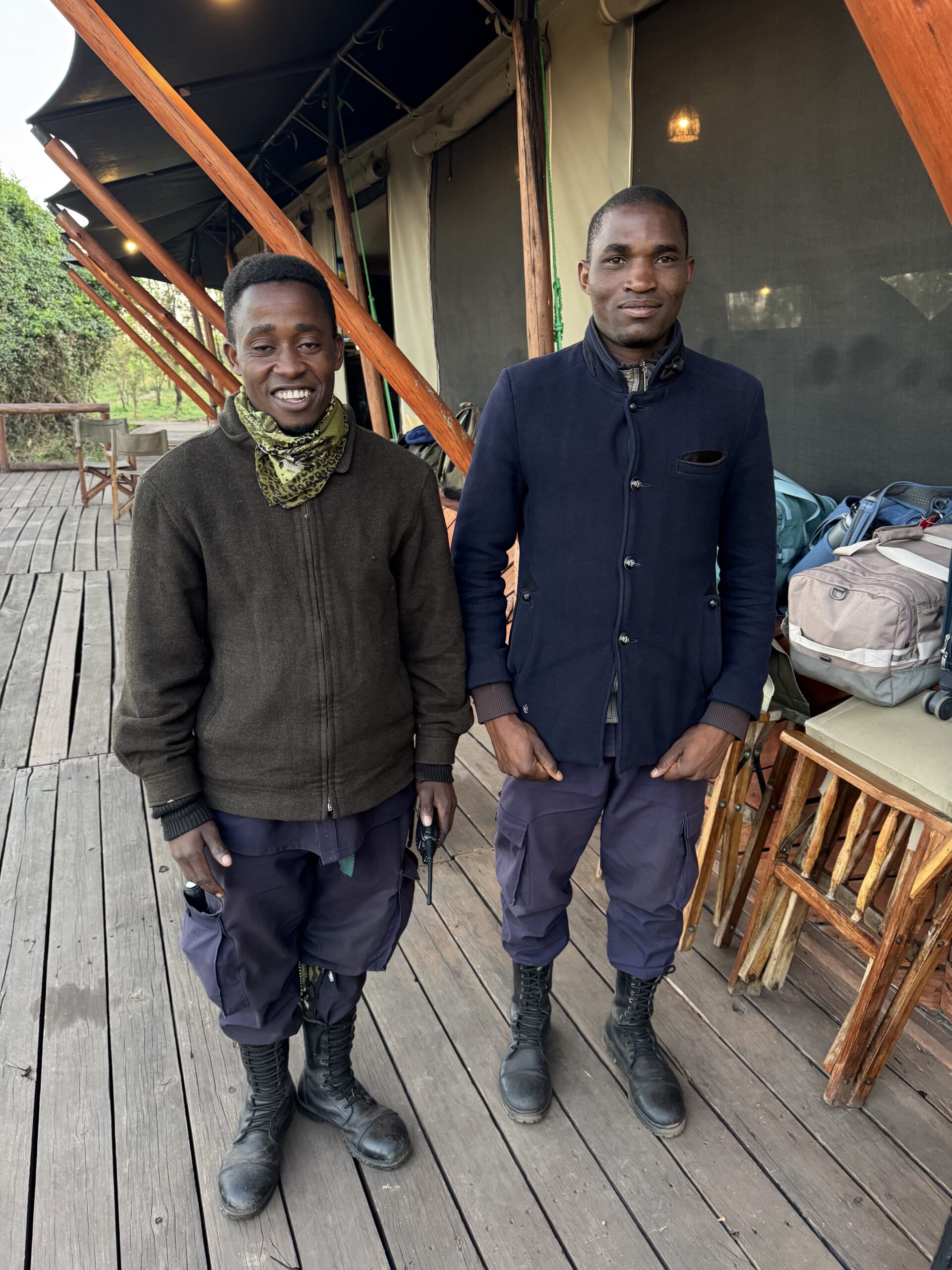
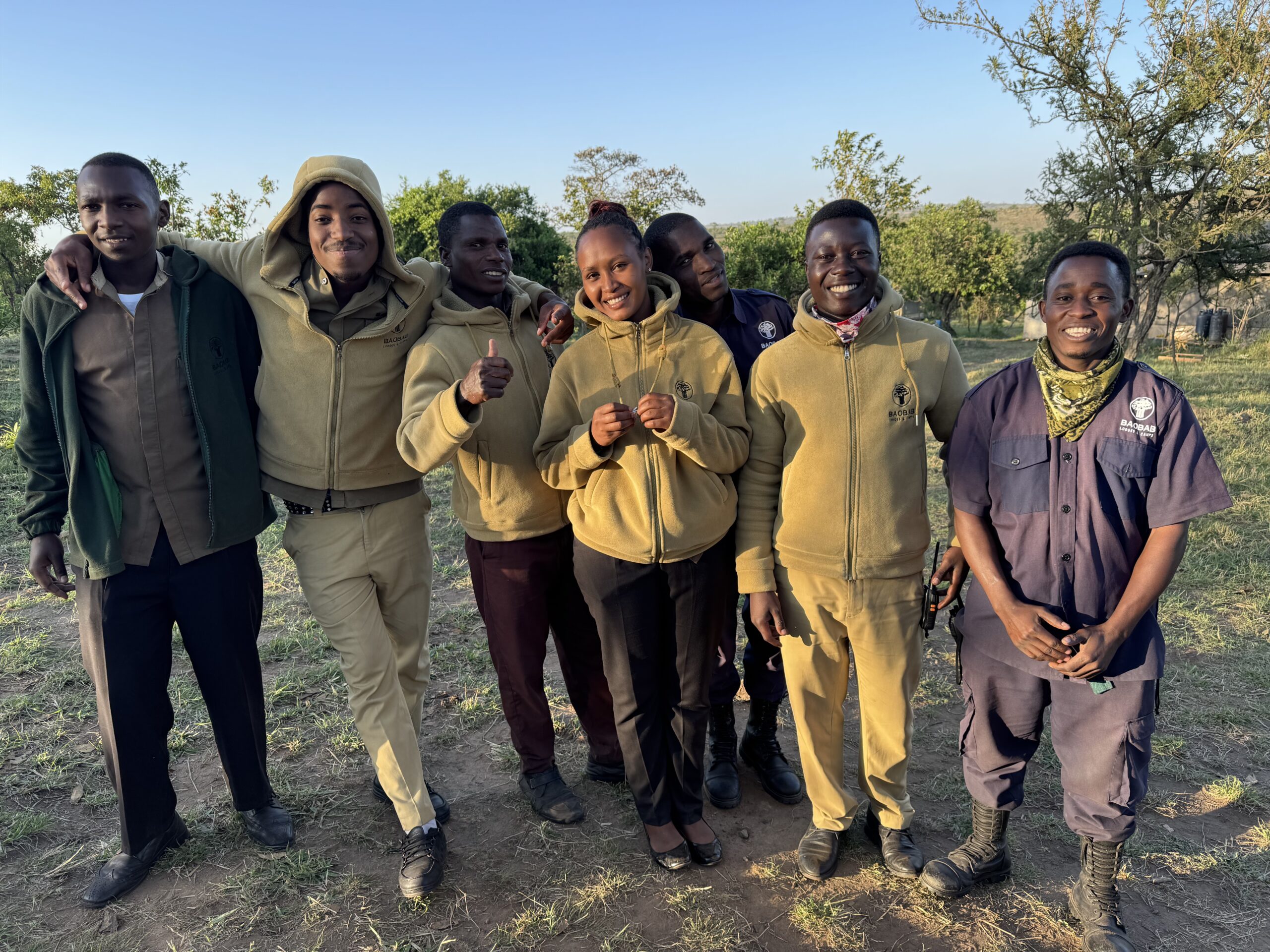
Our guardians at Baobab Camp.
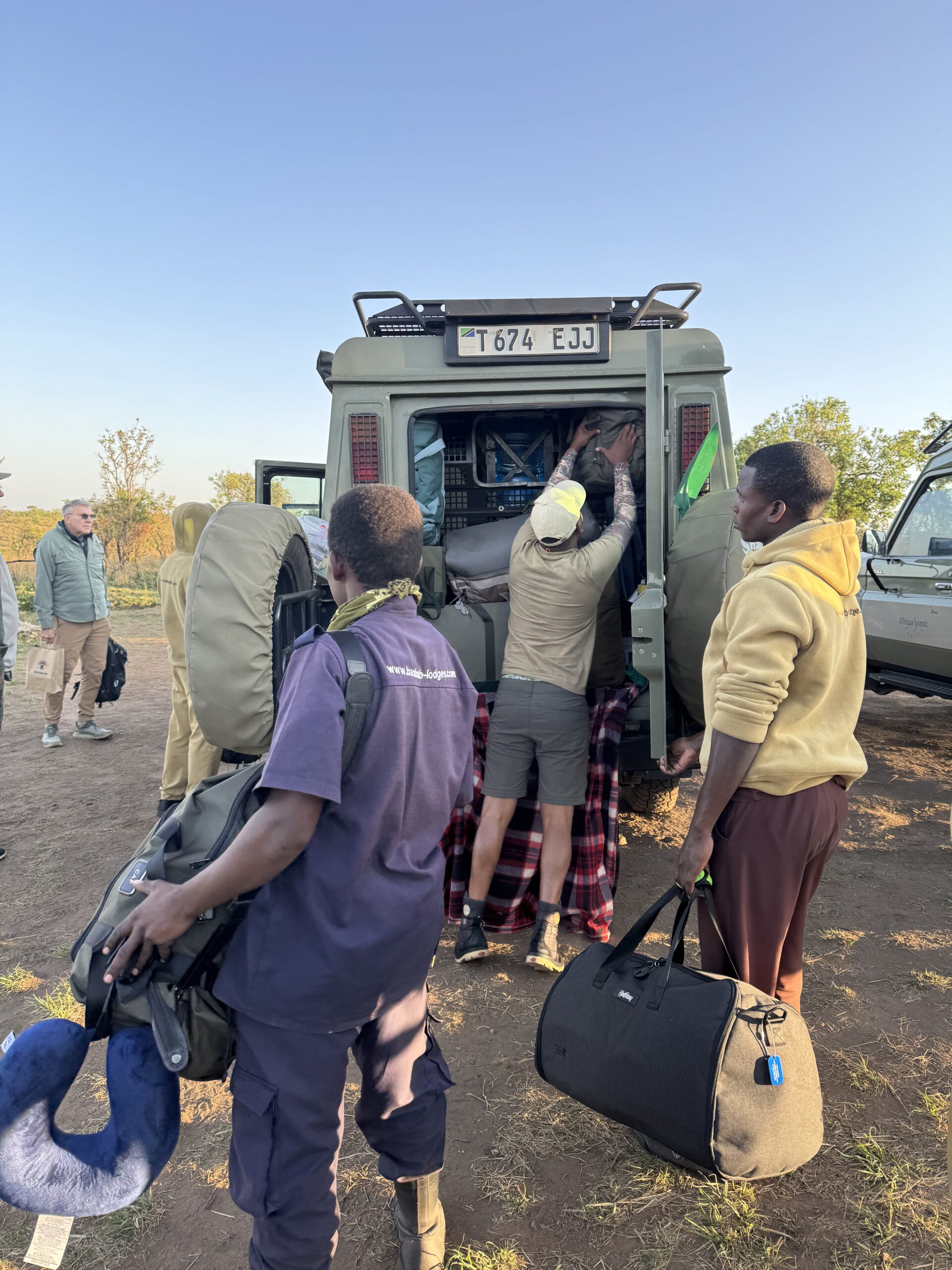
Packing the Land Cruiser.
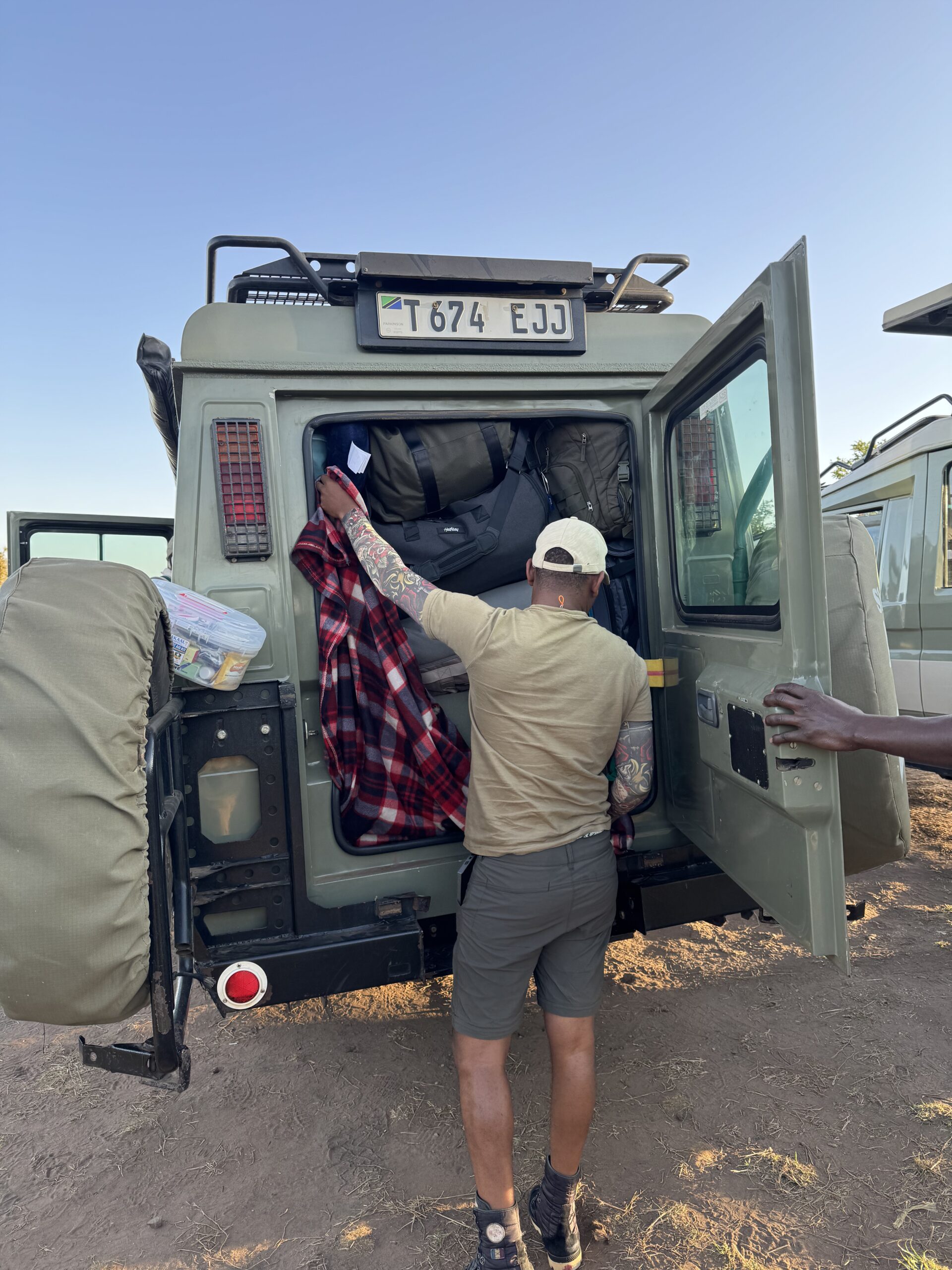
Covering everything with a blanket to keep the dust off. There's a lot of dust on safari.
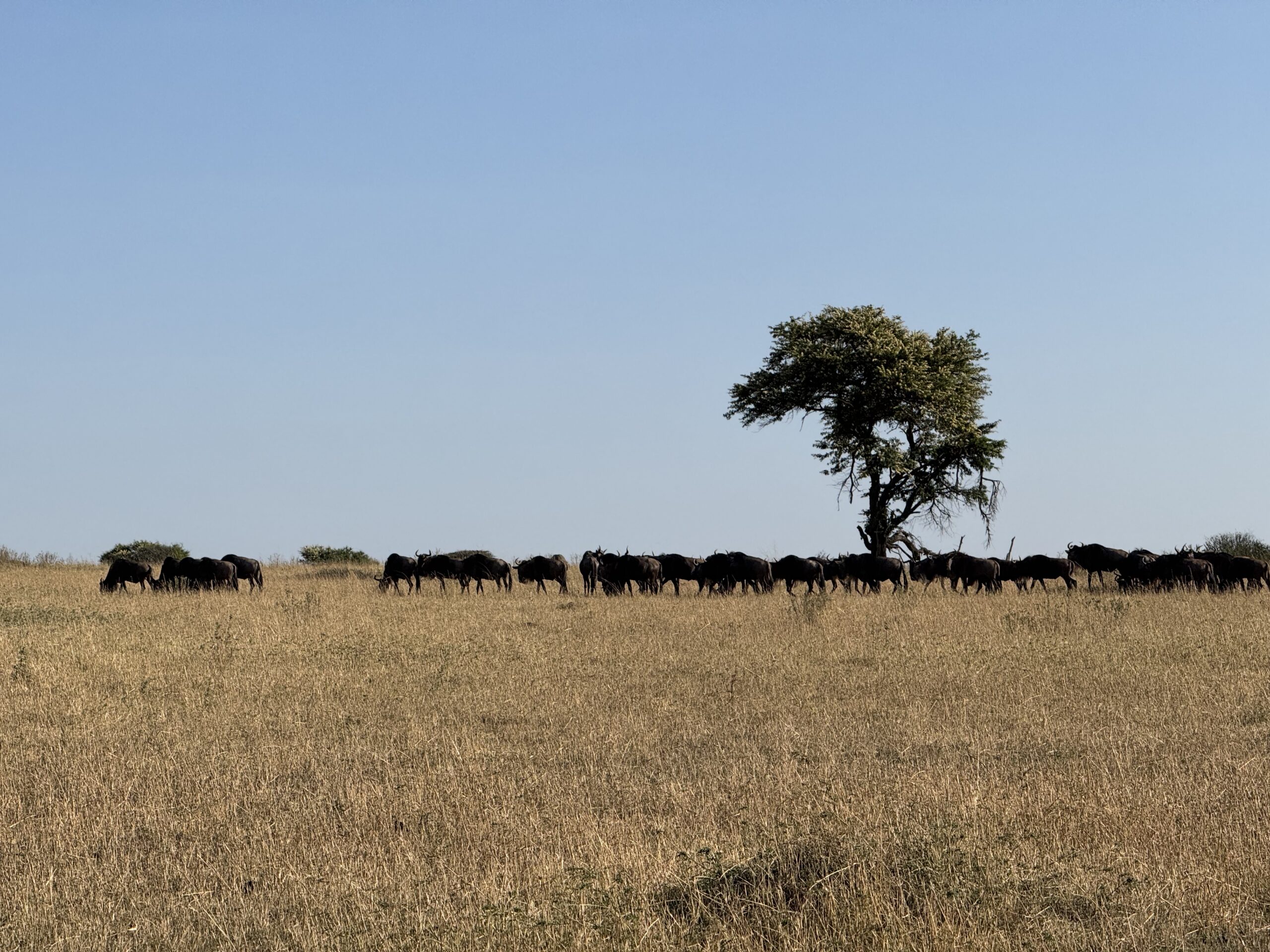
These wildebeest have already crossed the river. Good for them!
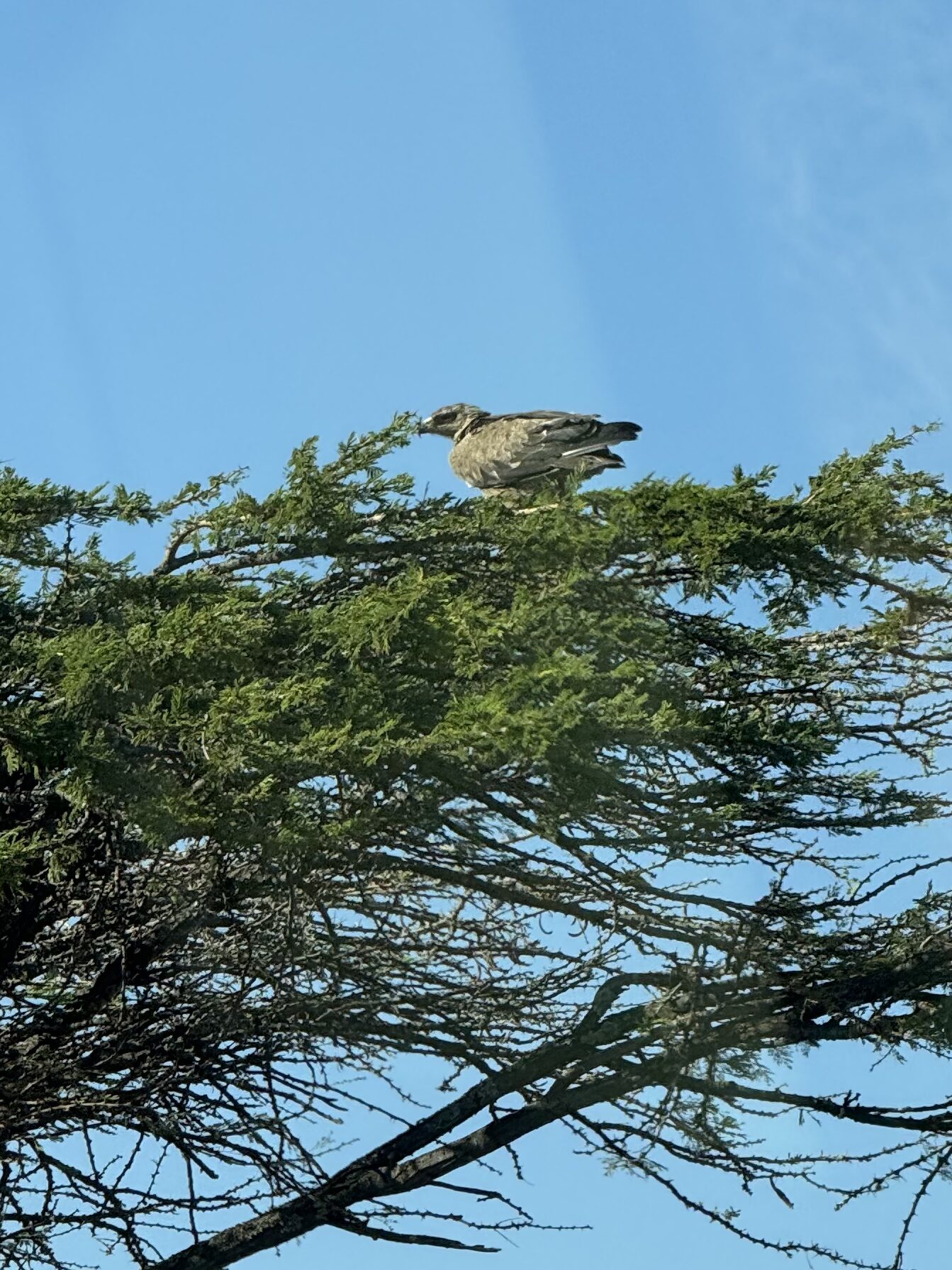
Tawny Eagle
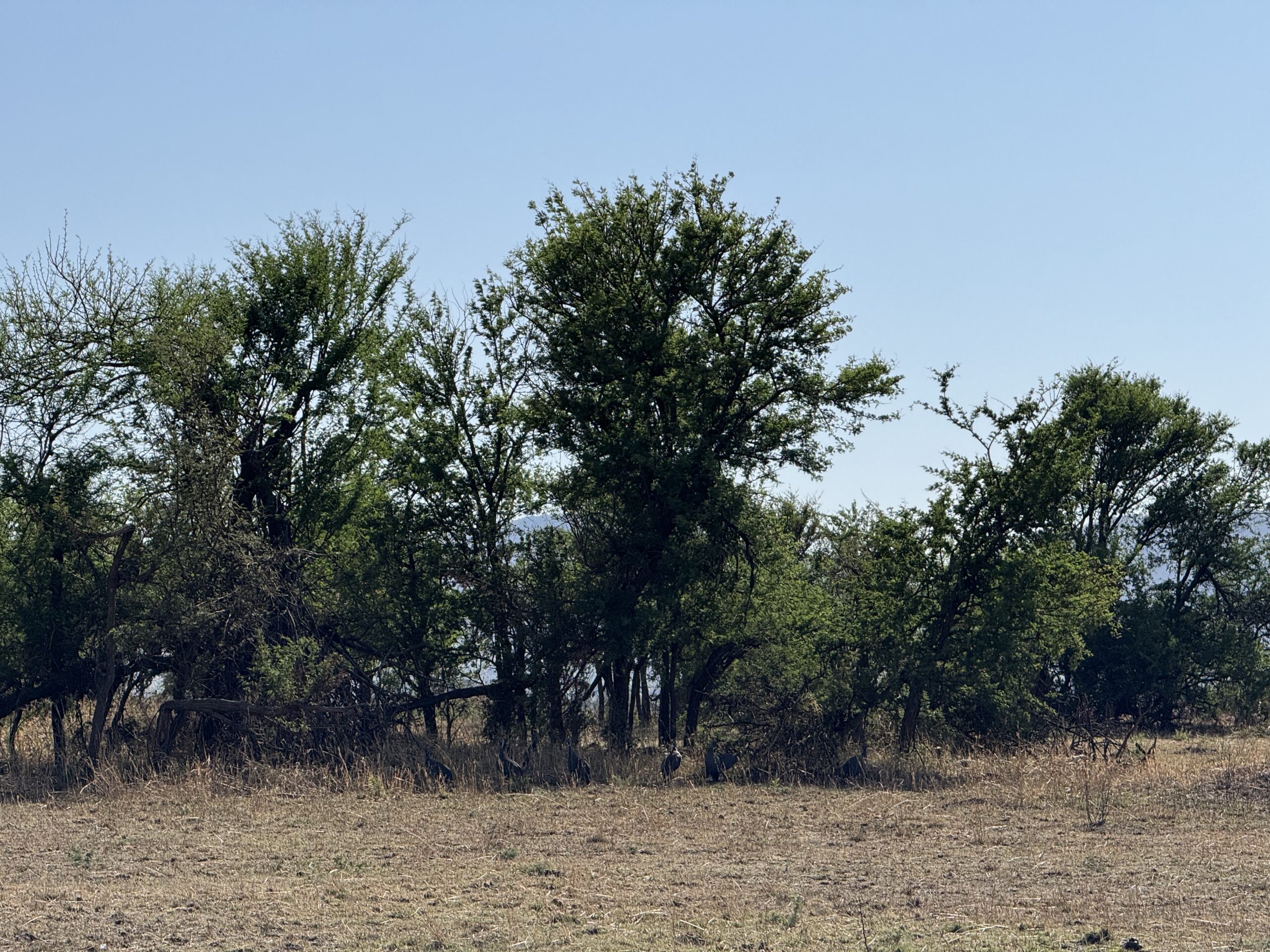
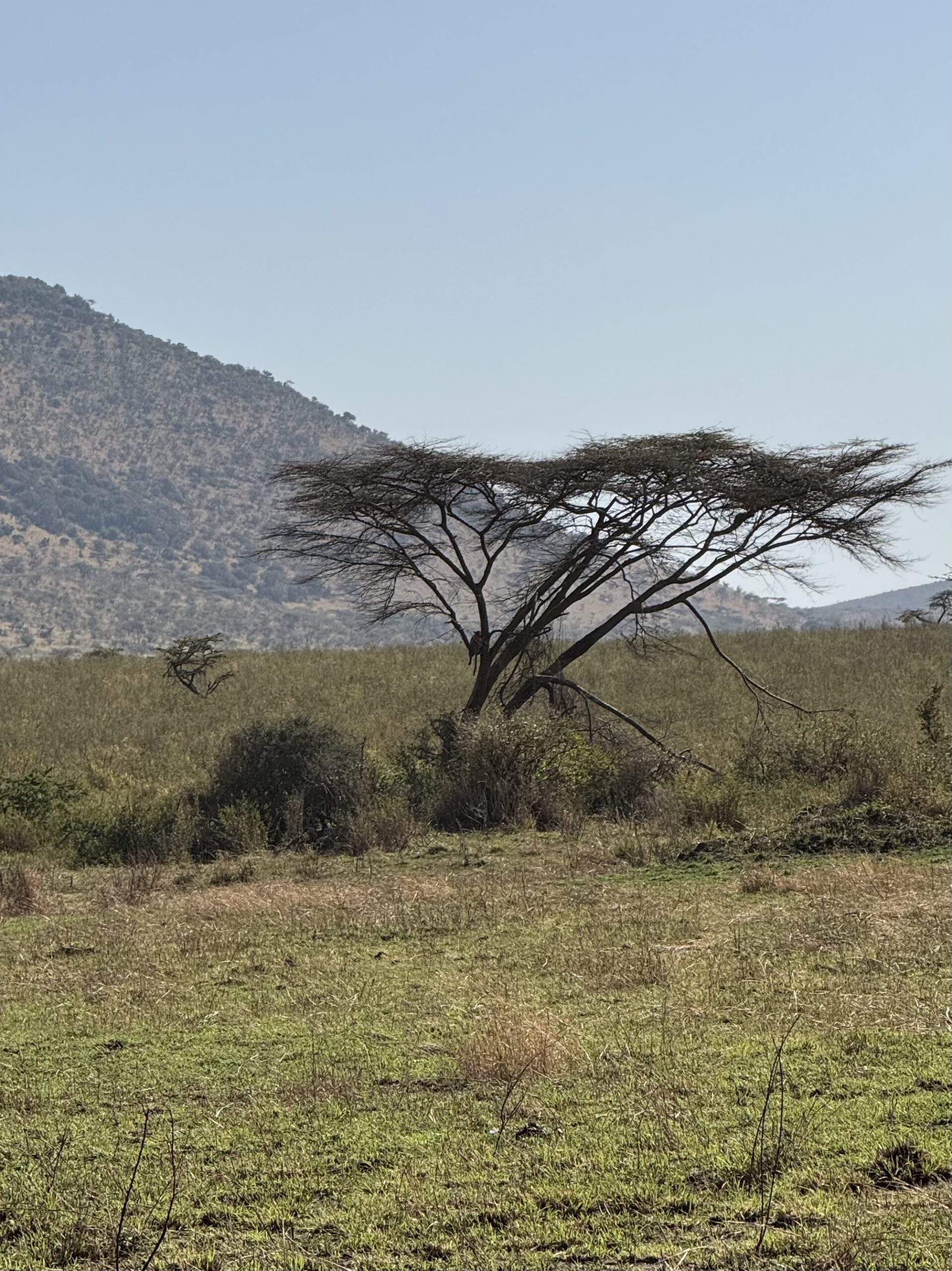
The sighting of our first leopard, sitting in a tree. This was our last find of the Big Five!
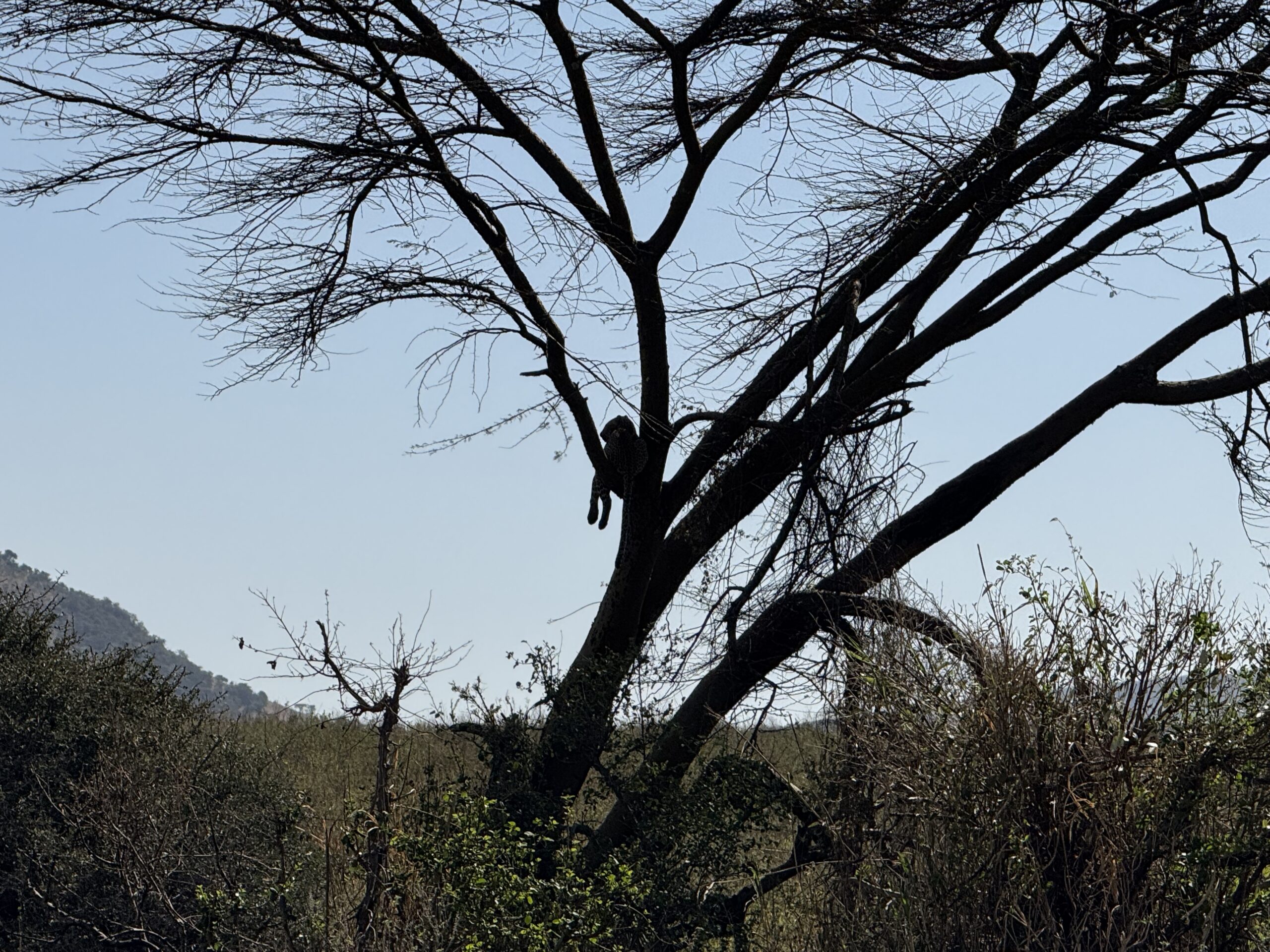
Our first leopard!
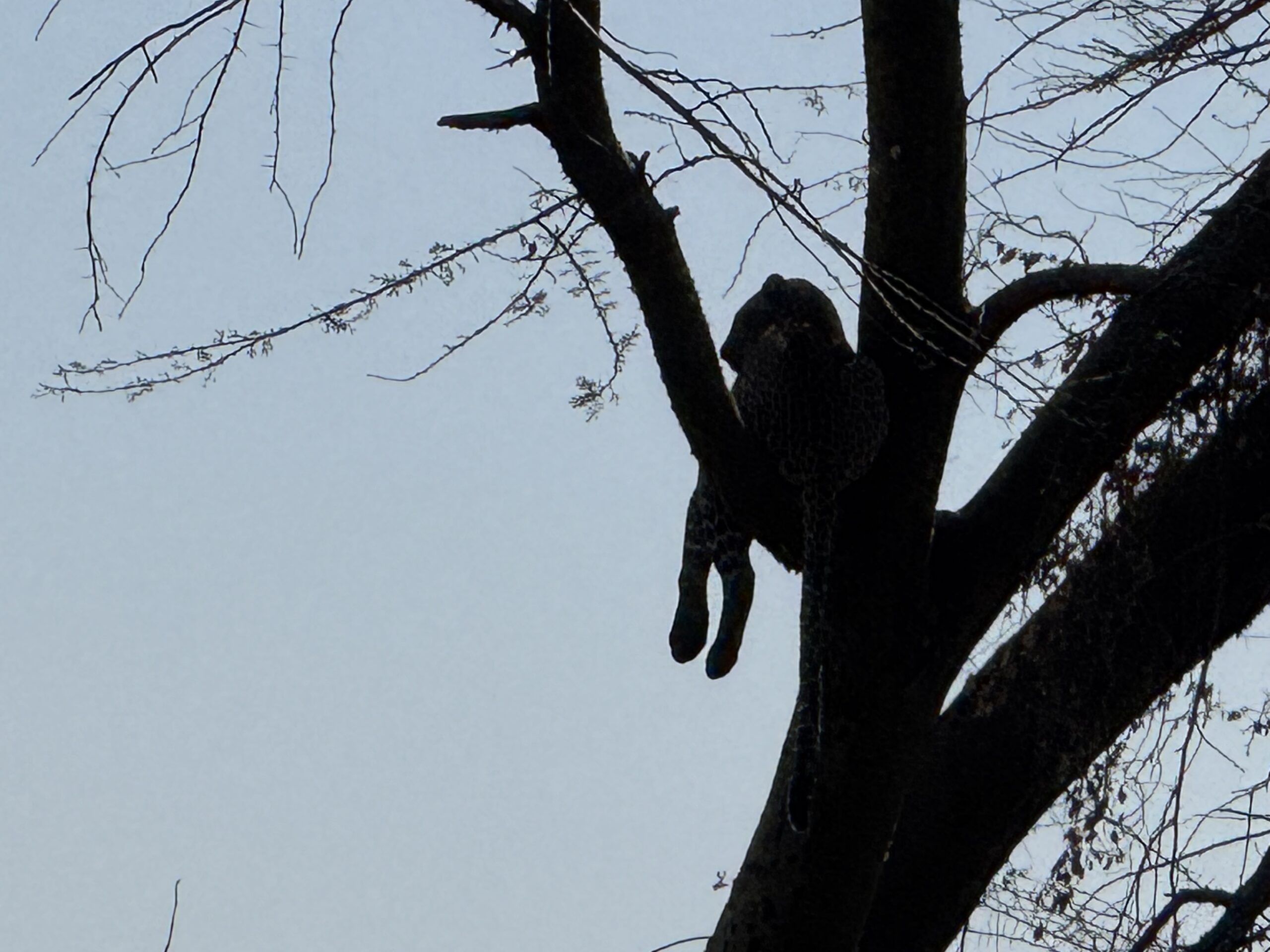
The big guy, sitting in a tree.
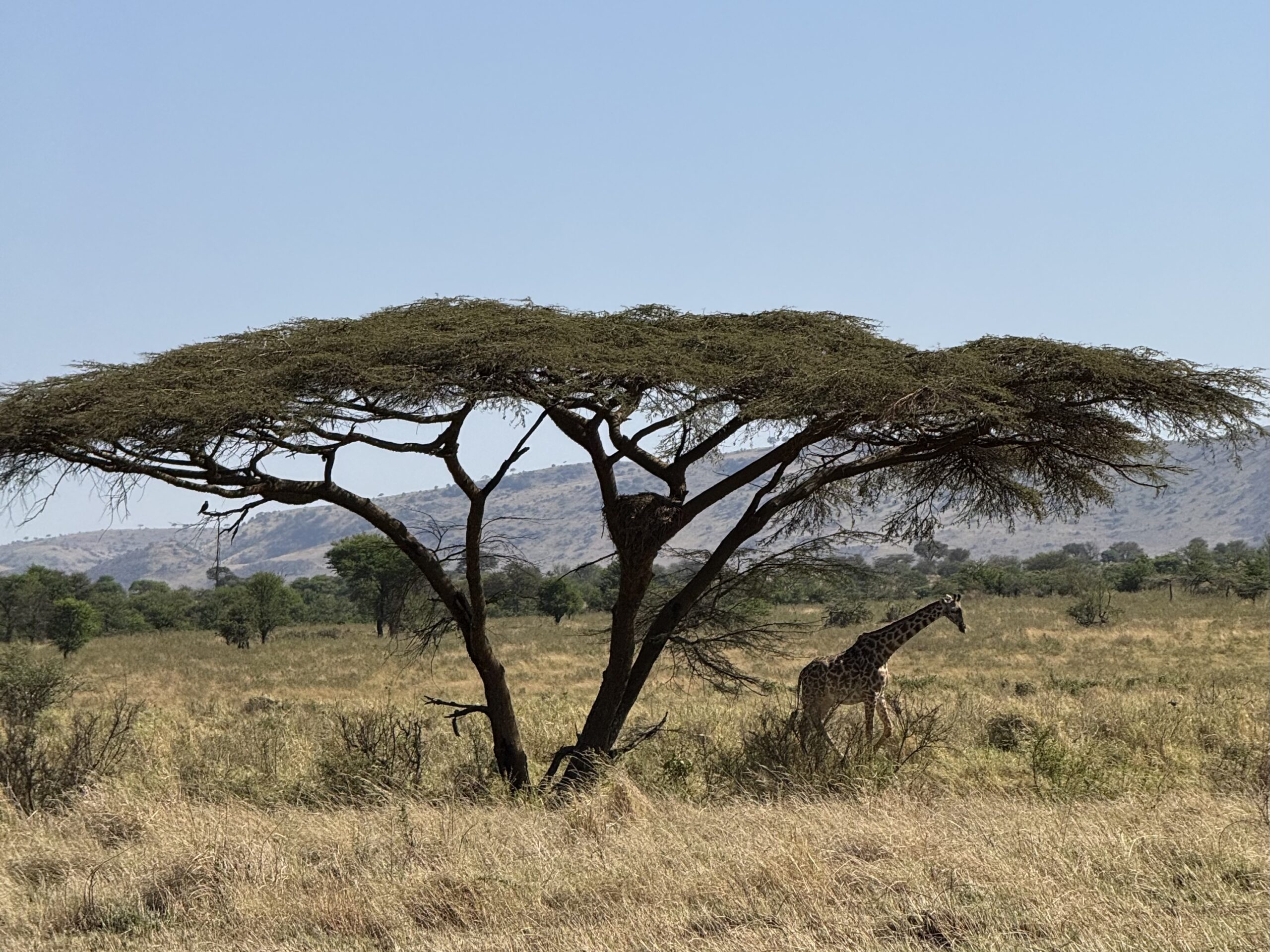
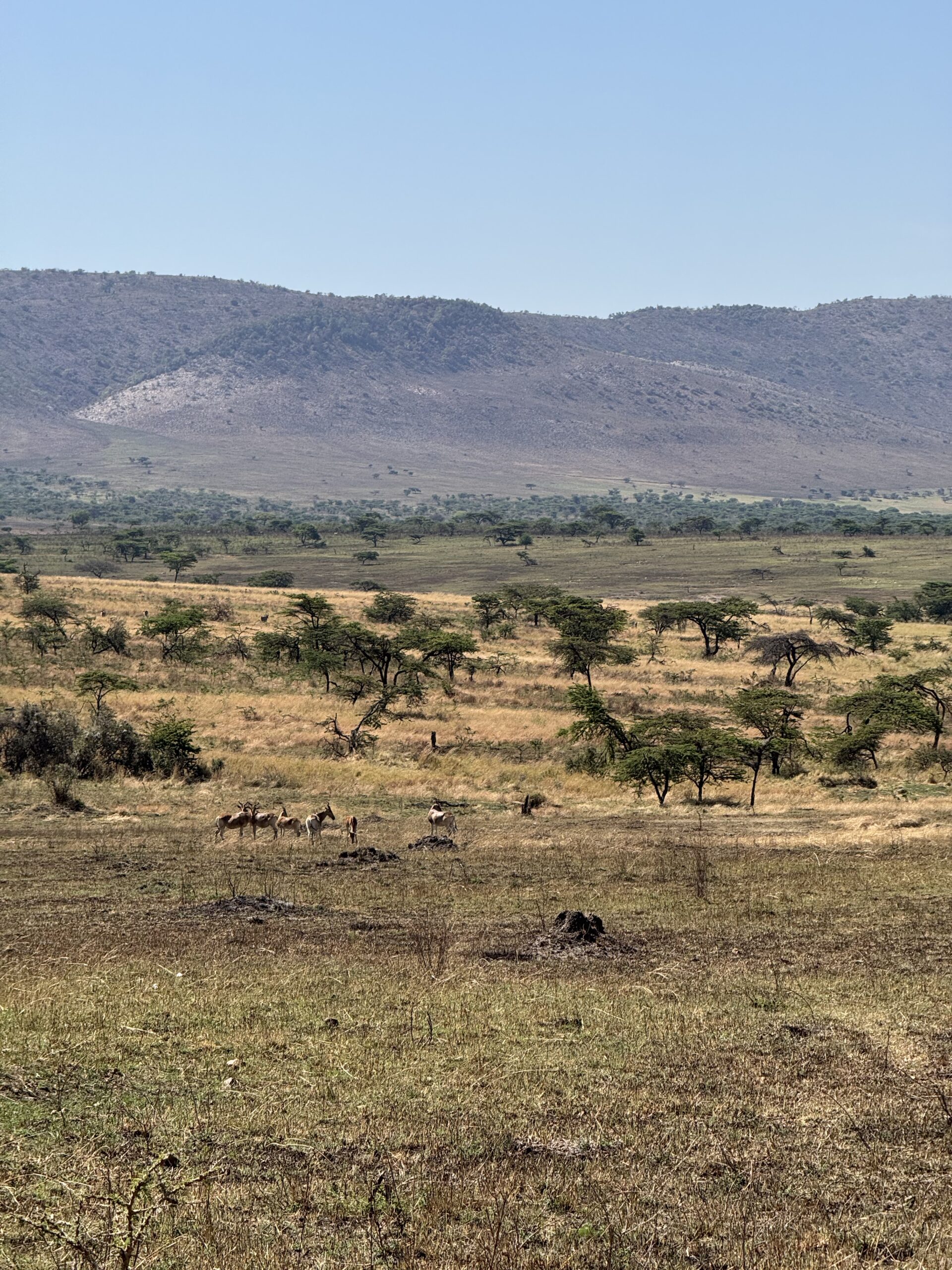
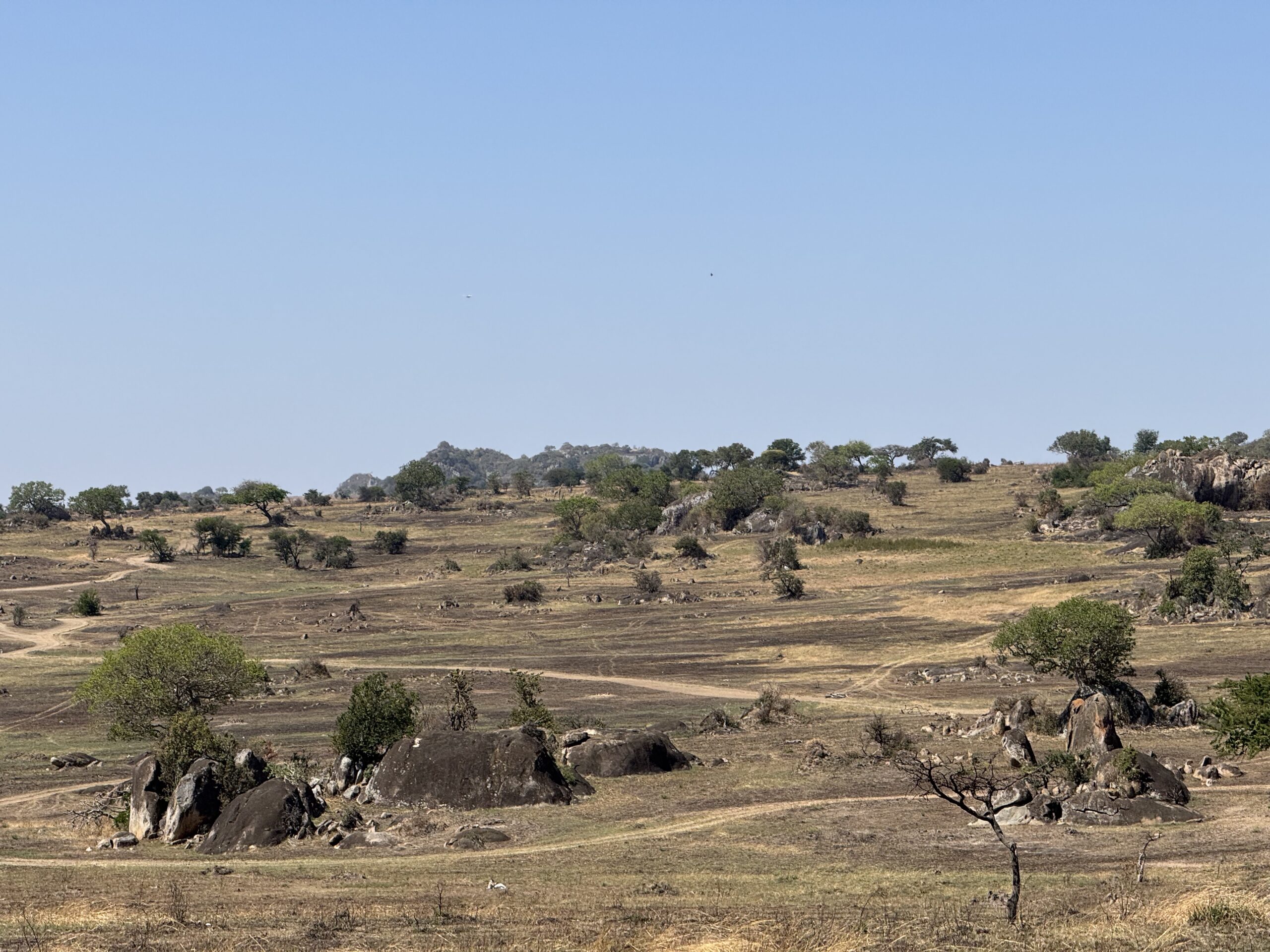
The landscape is different in central Serengeti, with more out crossings, known as kopjes (pronounced "kop-eez"), which are ancient islands of hard granite and gneiss rising above the flat plains.
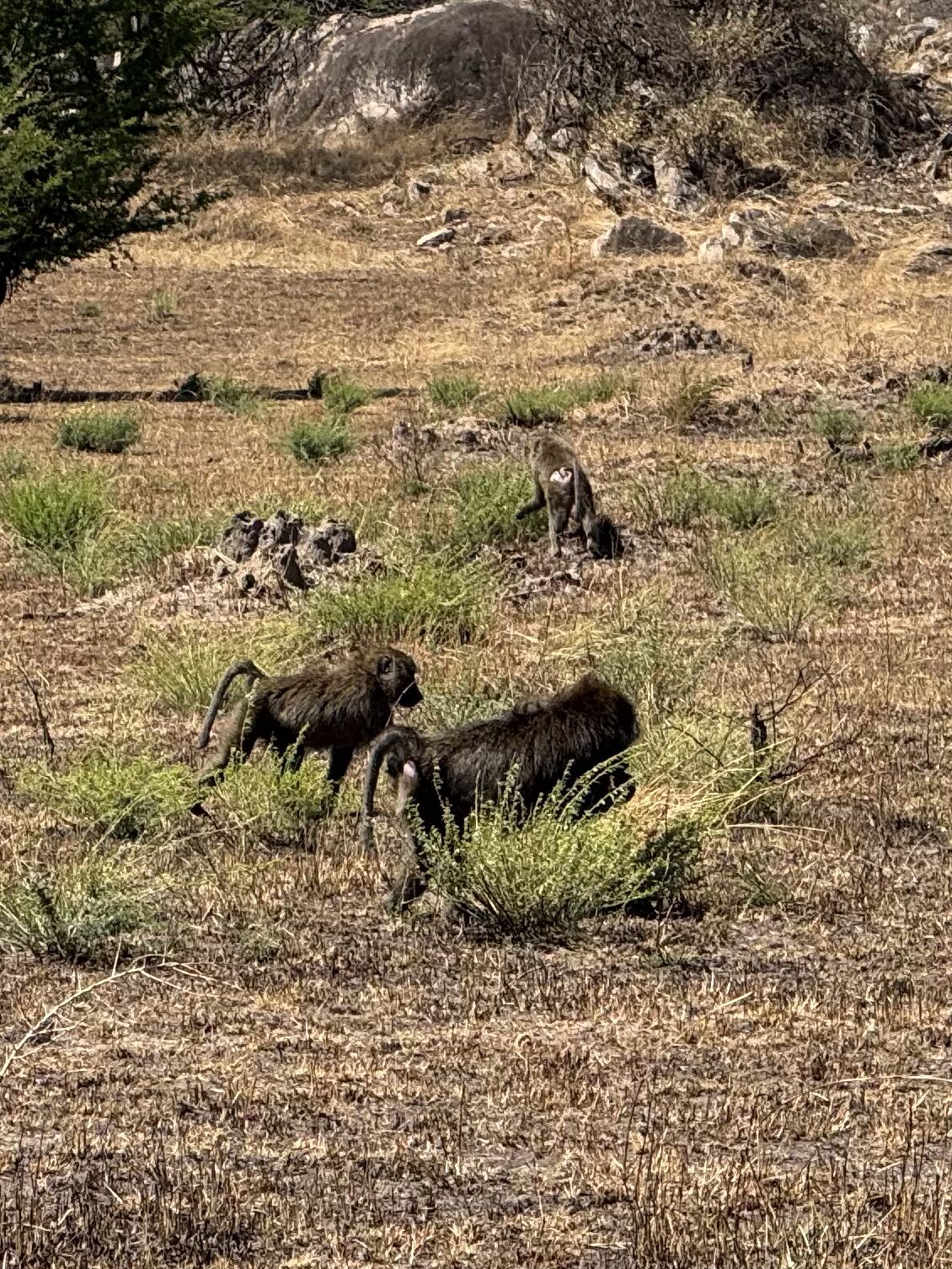
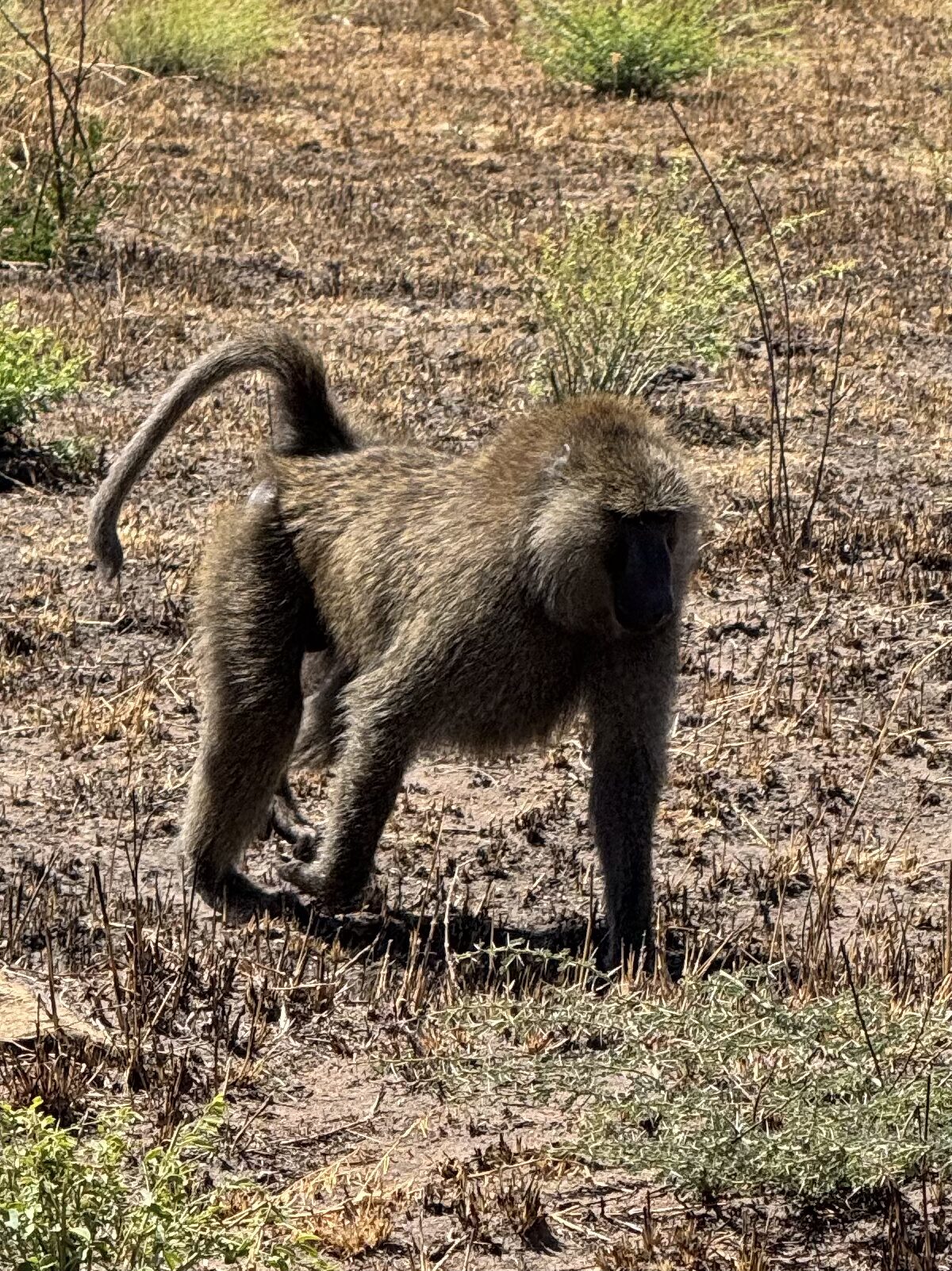
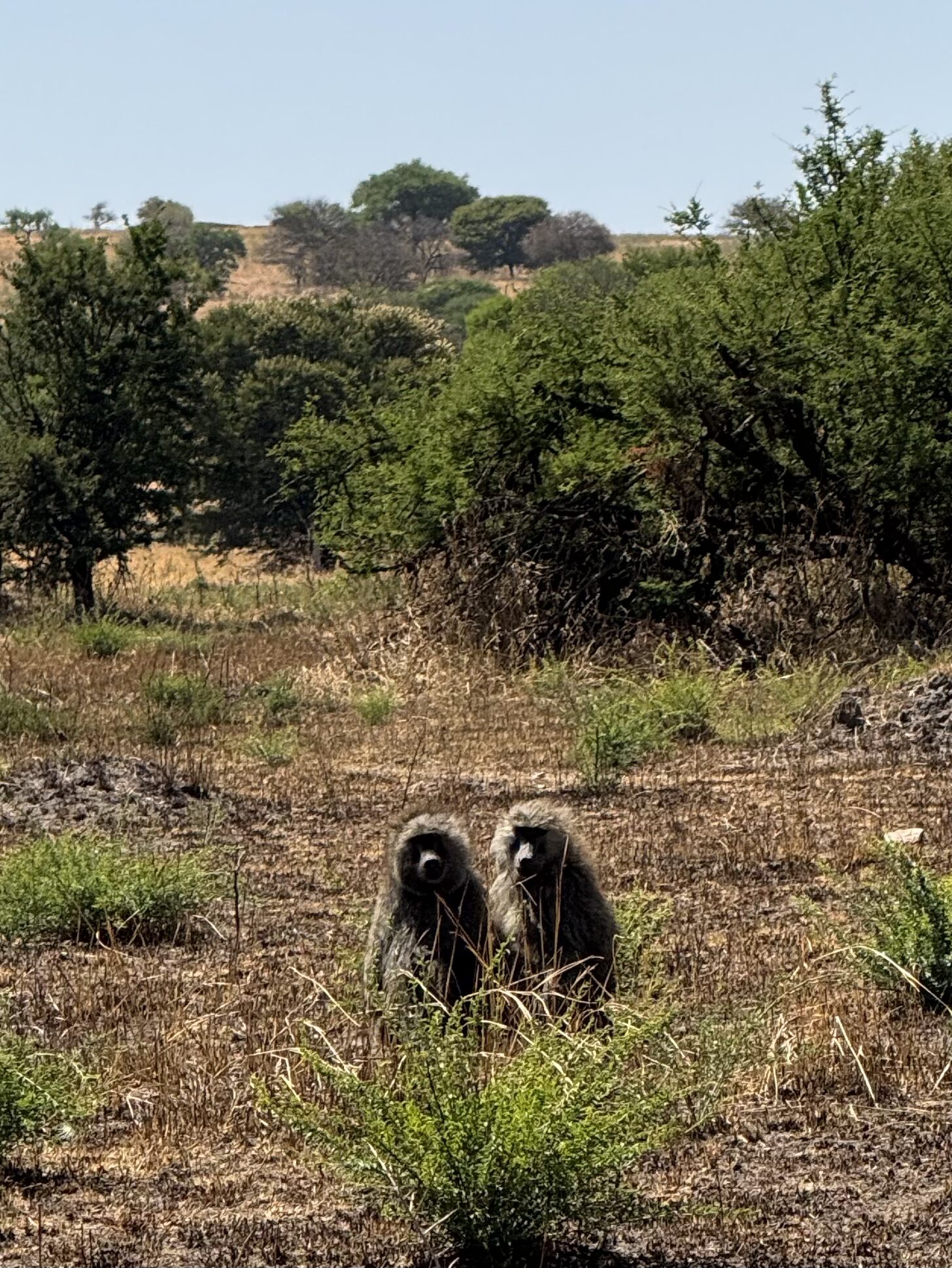
Look at those two cutie Baboons.
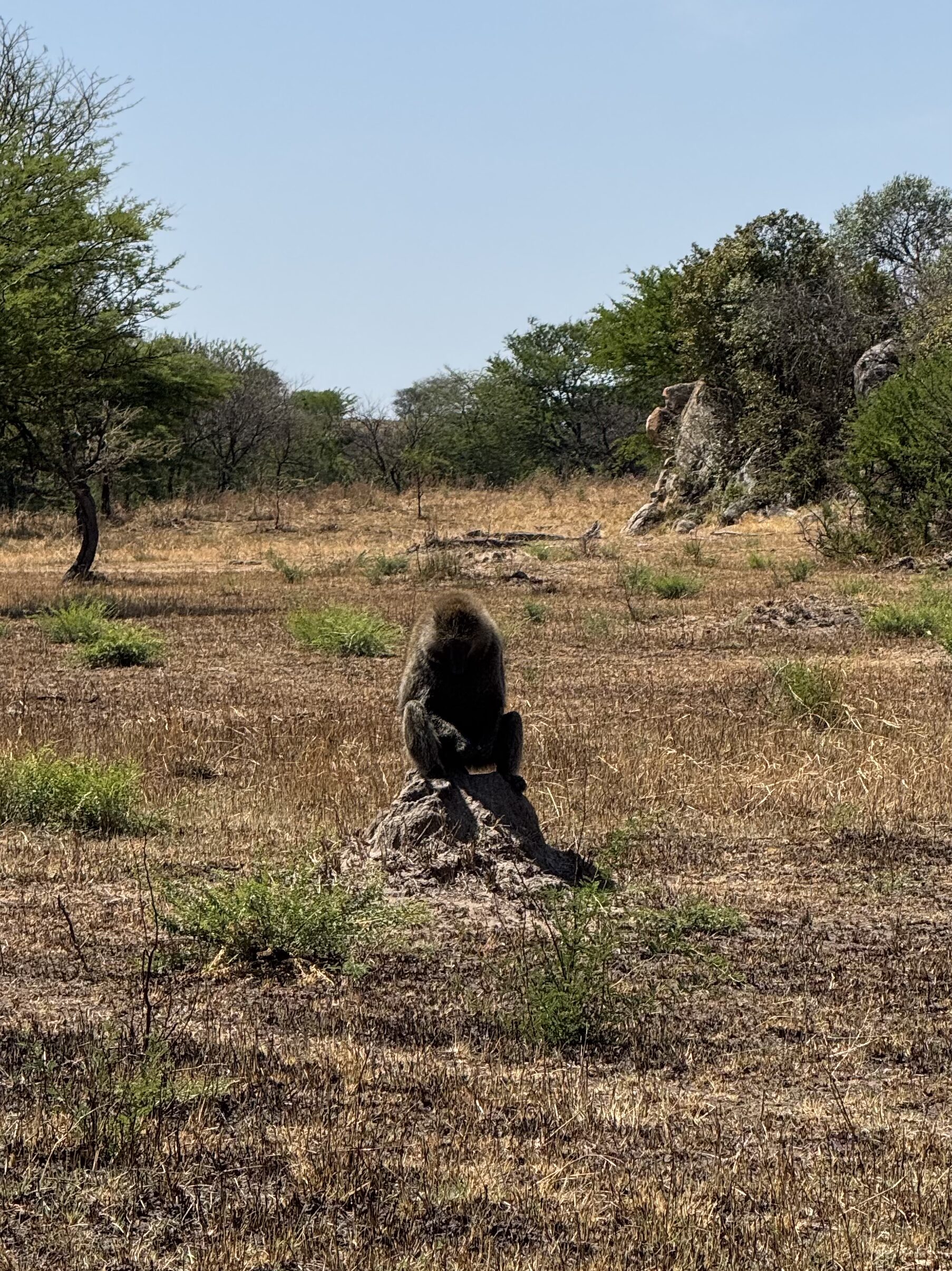
We're not going to tell you what this male was doing, sitting on the termite mound.
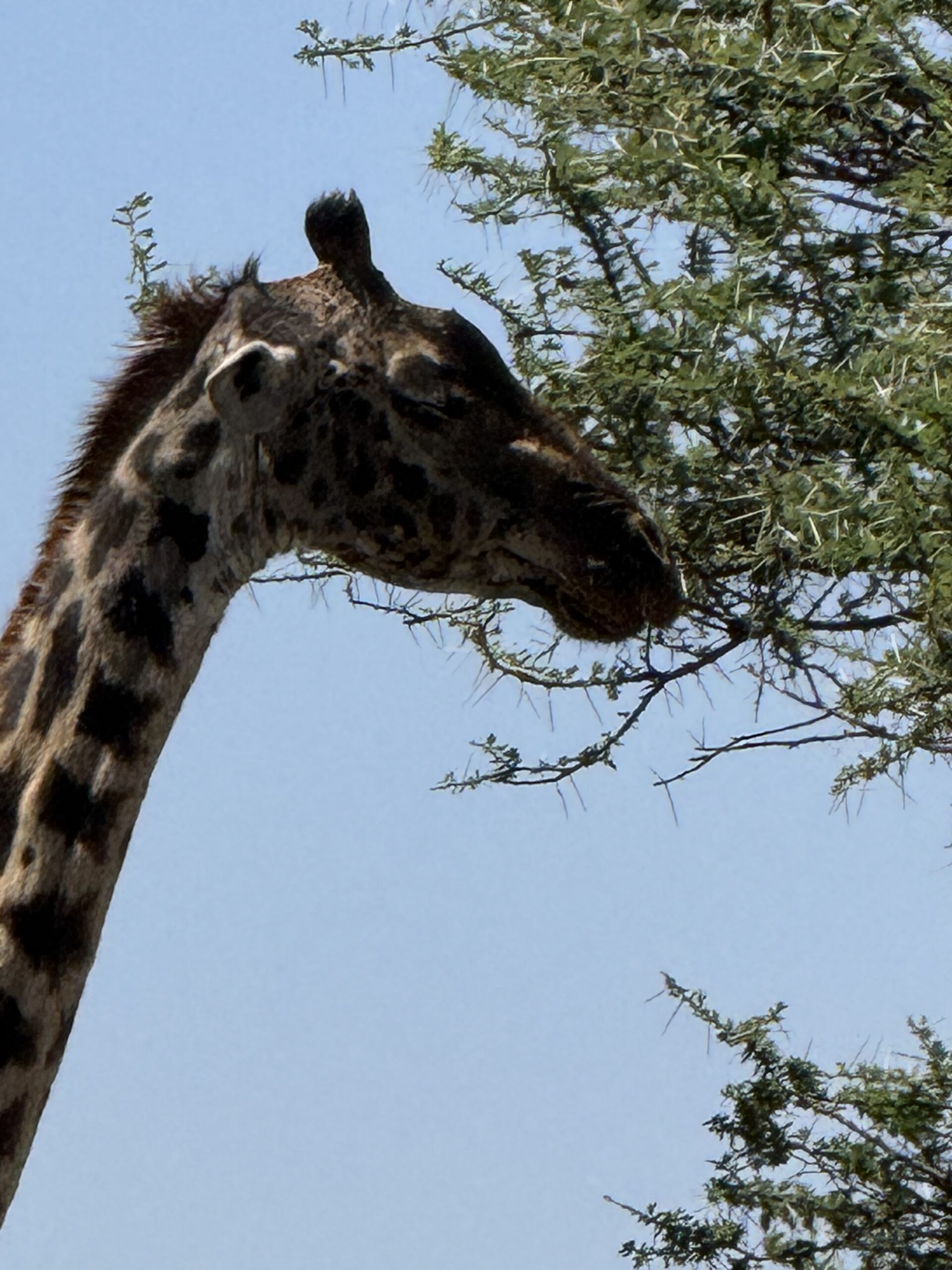
Eating the tree!
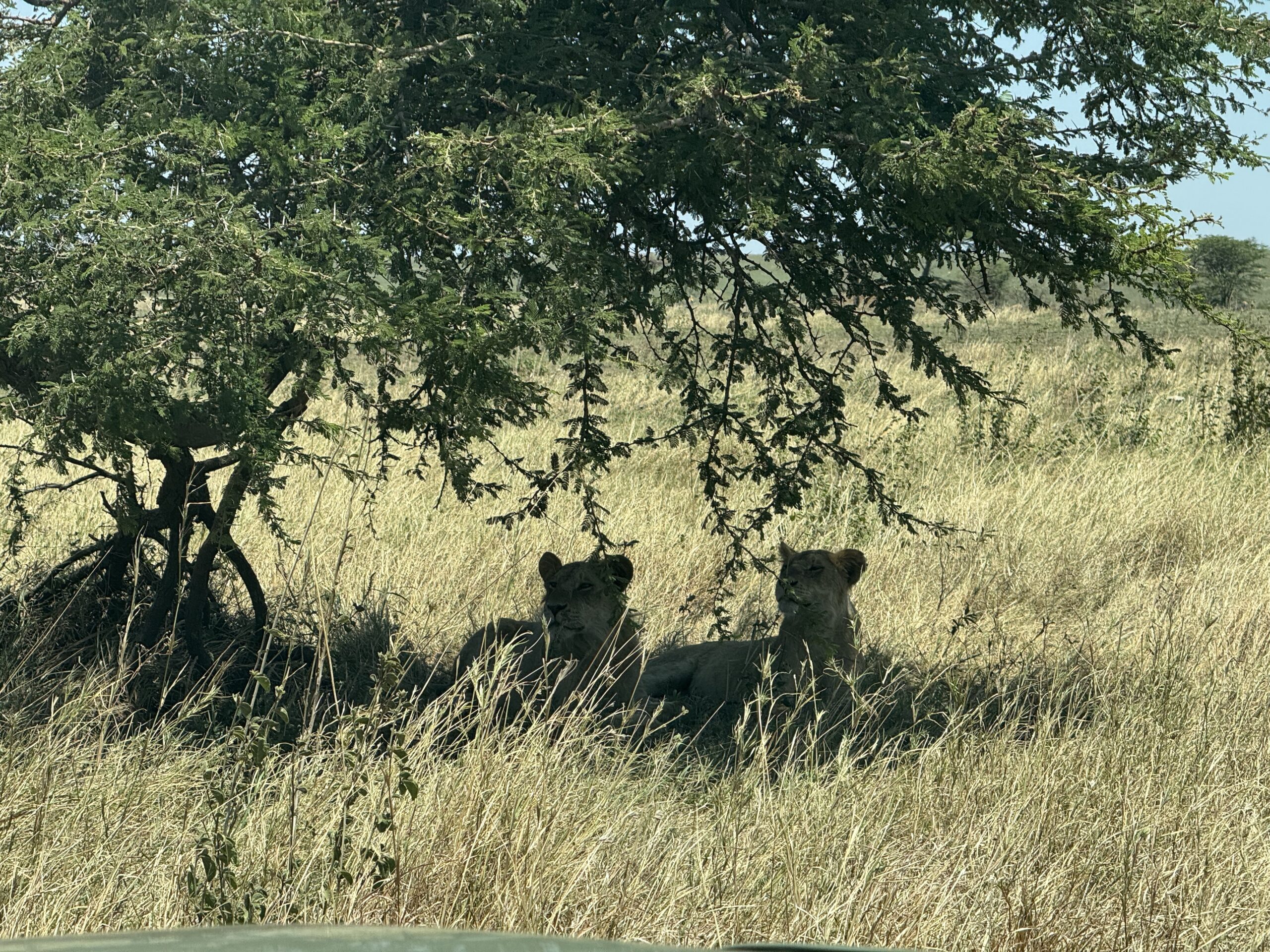
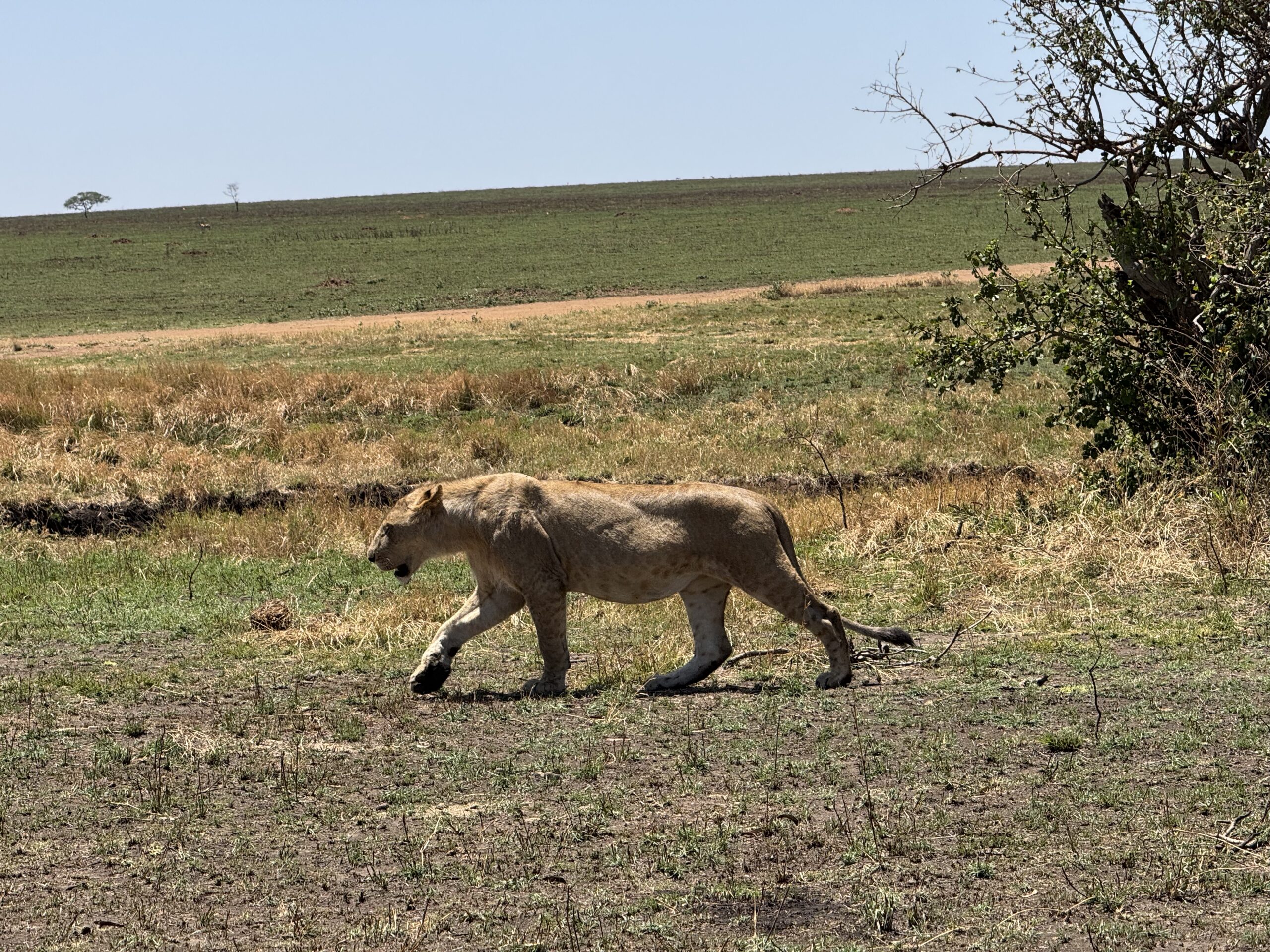
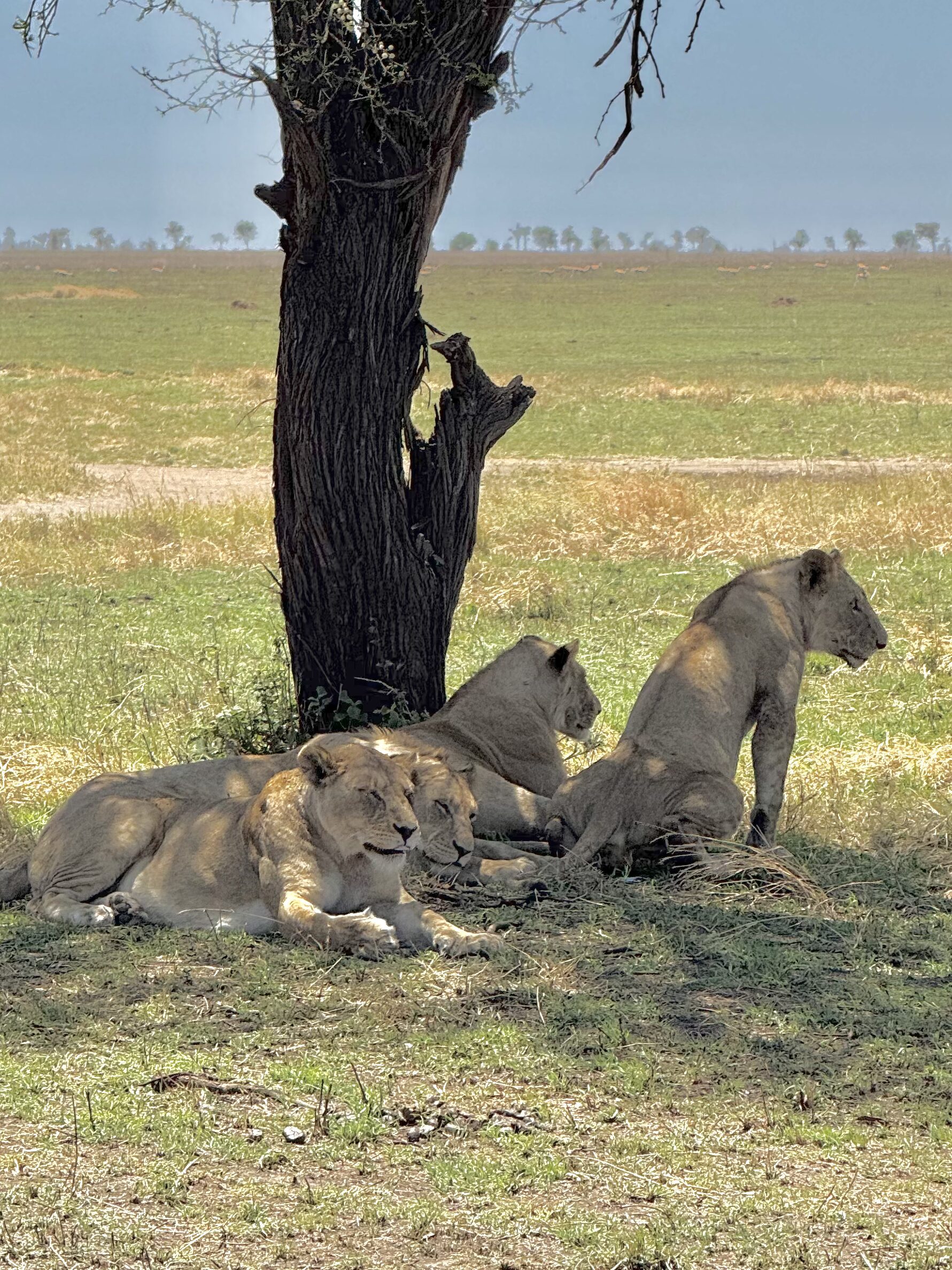
A lioness (first on the left) and her three sons. They are young enough that their big manes have not grown in yet. But they've started!
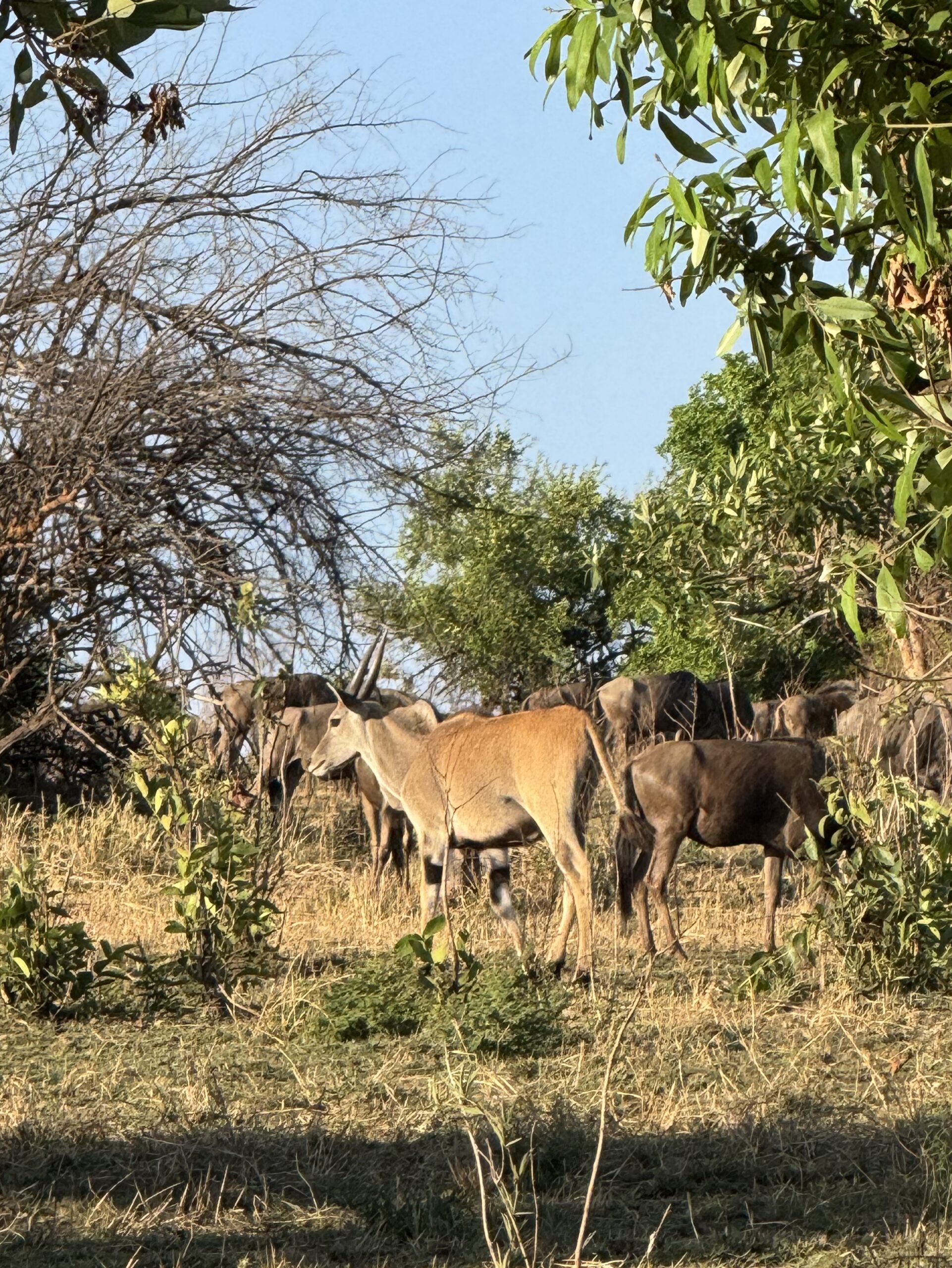
An Elan Antelope.
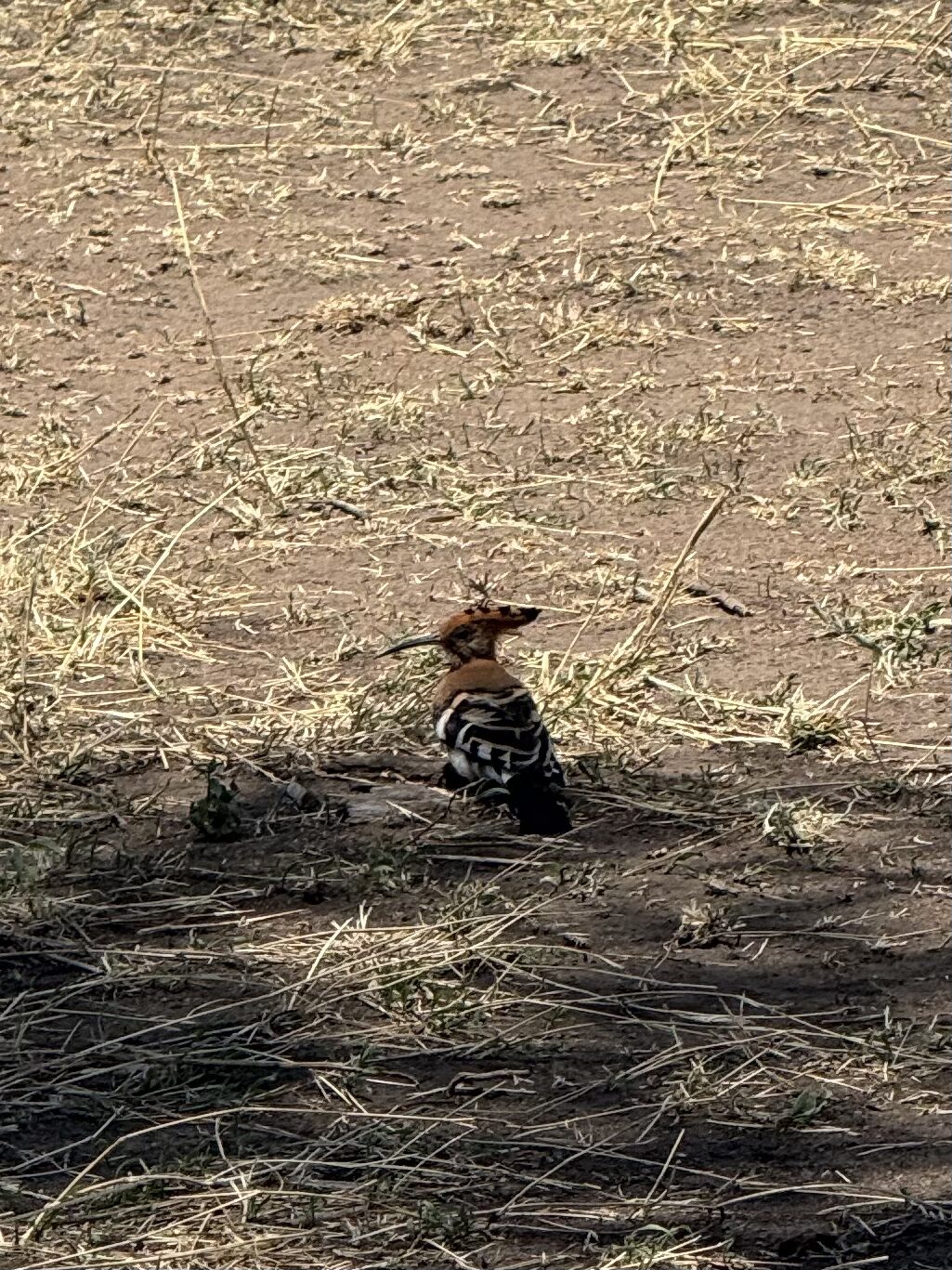
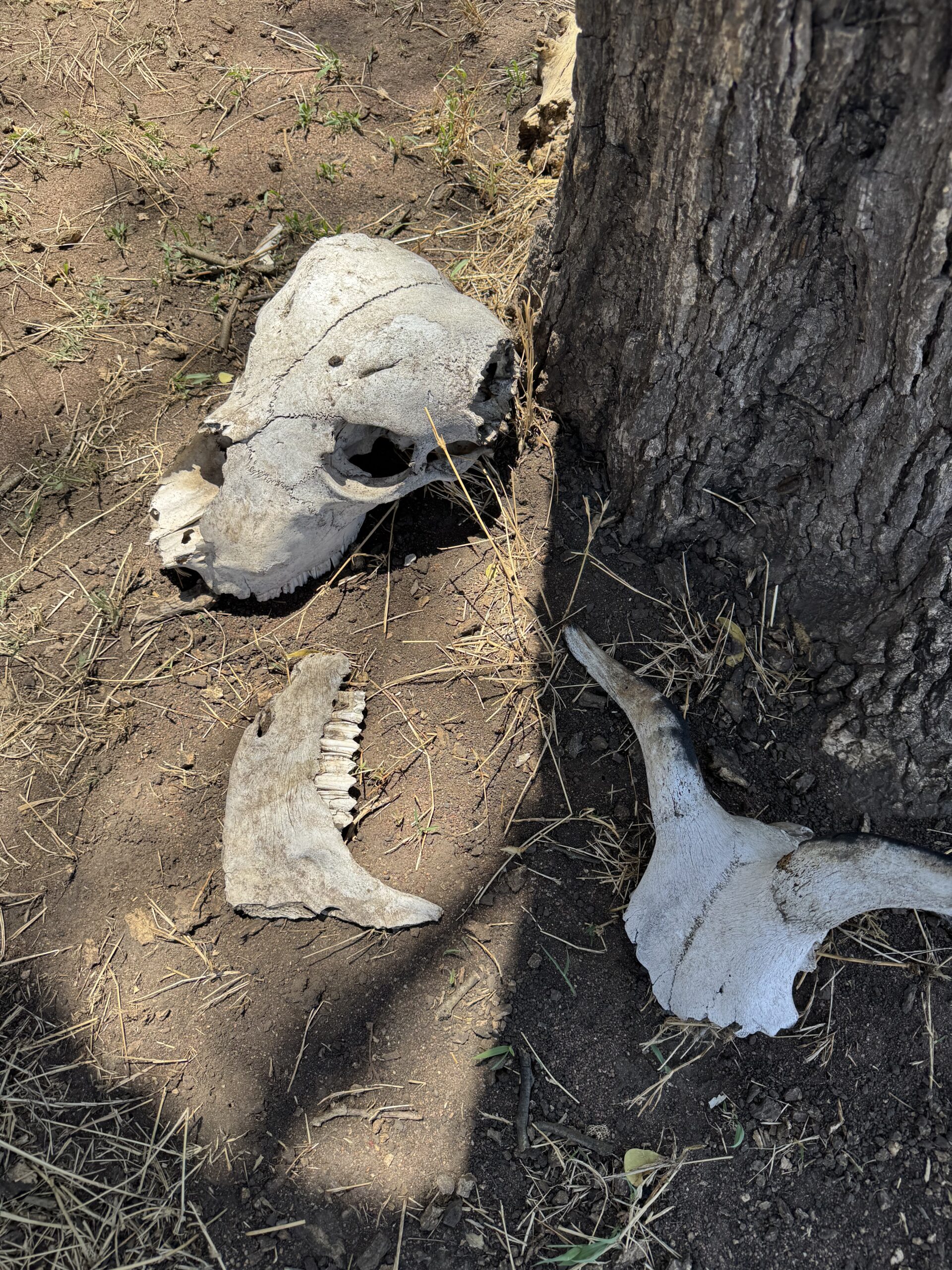
These relics were under the tree next to our lunch site.
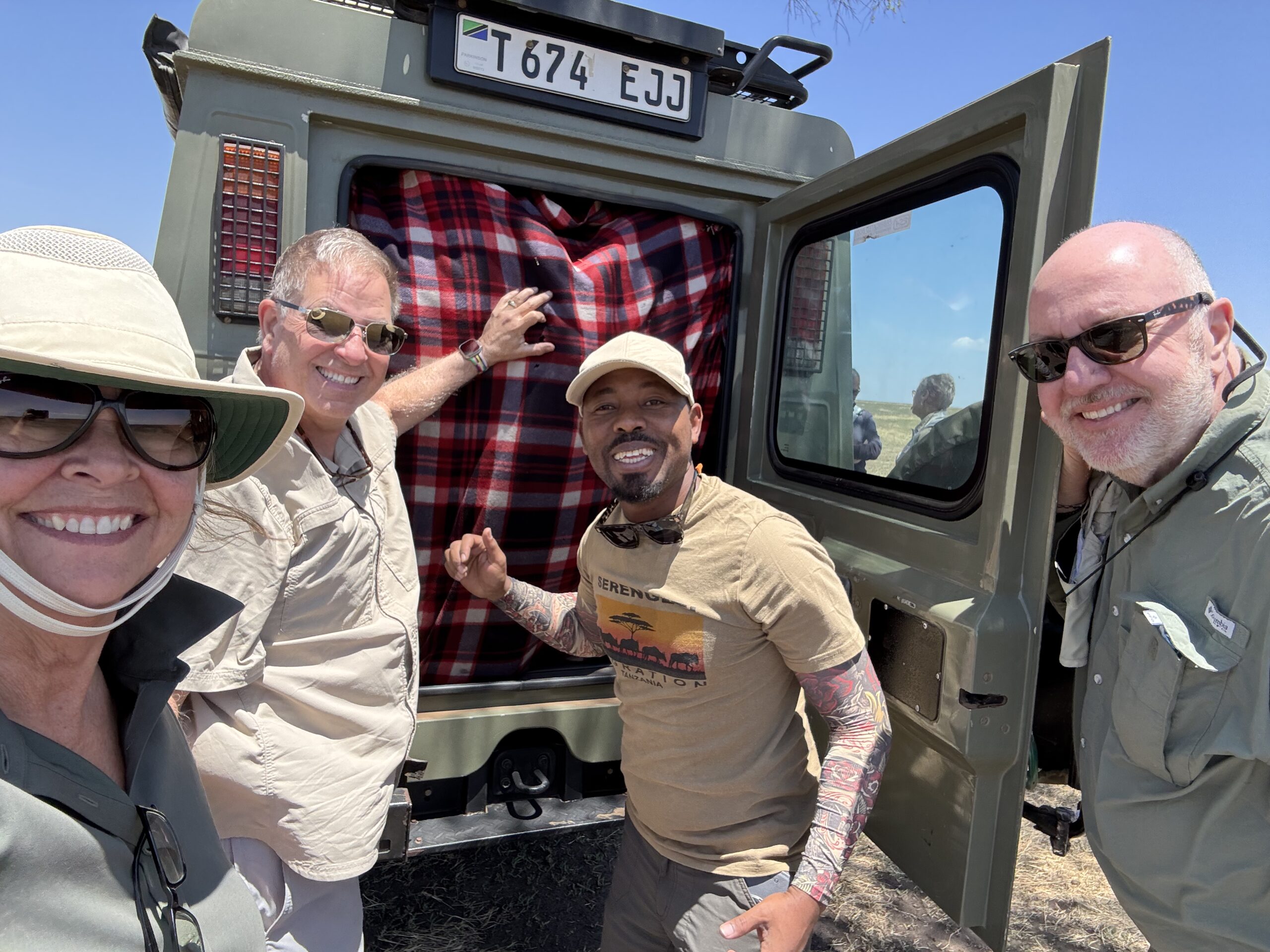
Packing up after lunch in the bush.
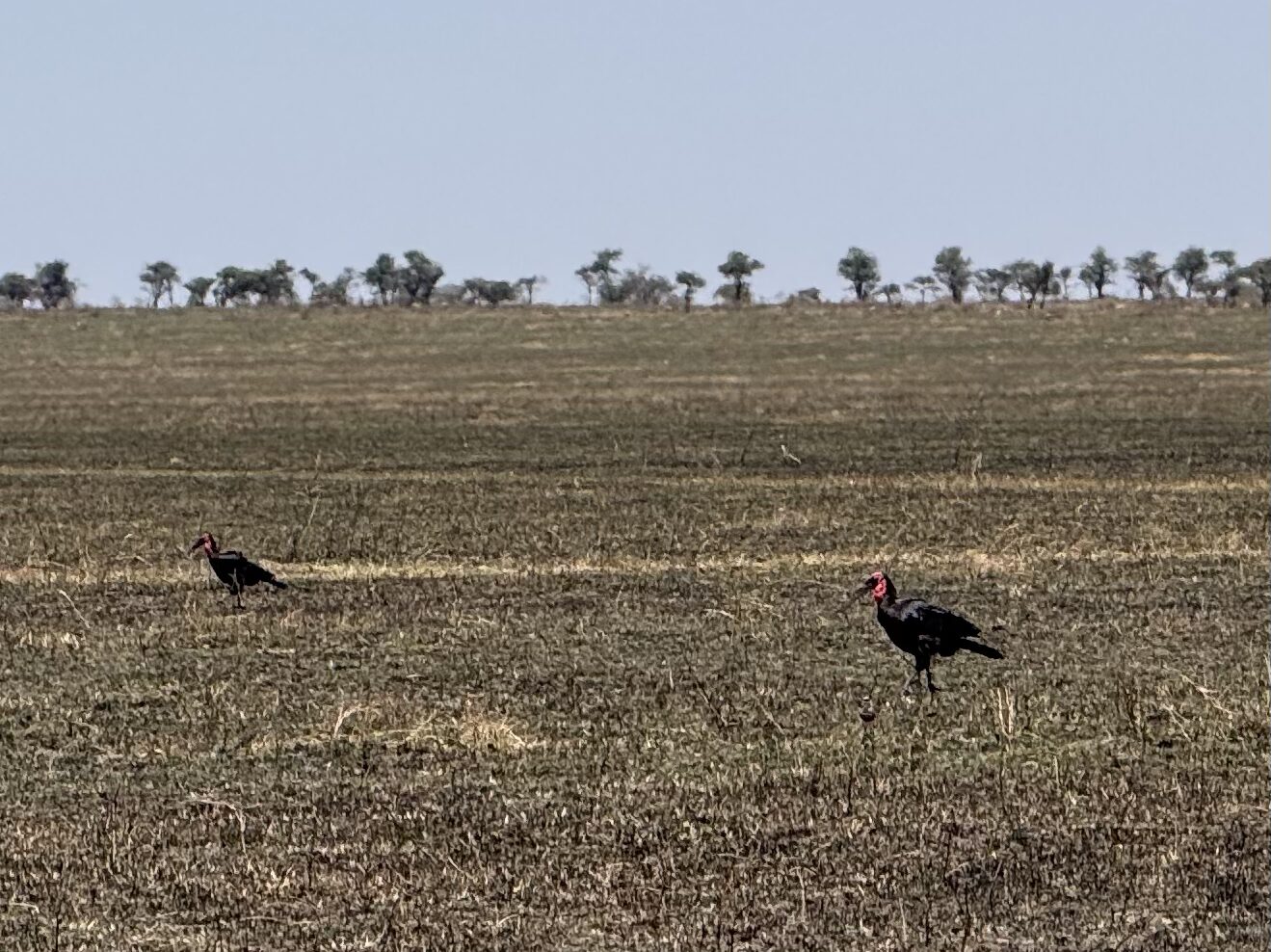
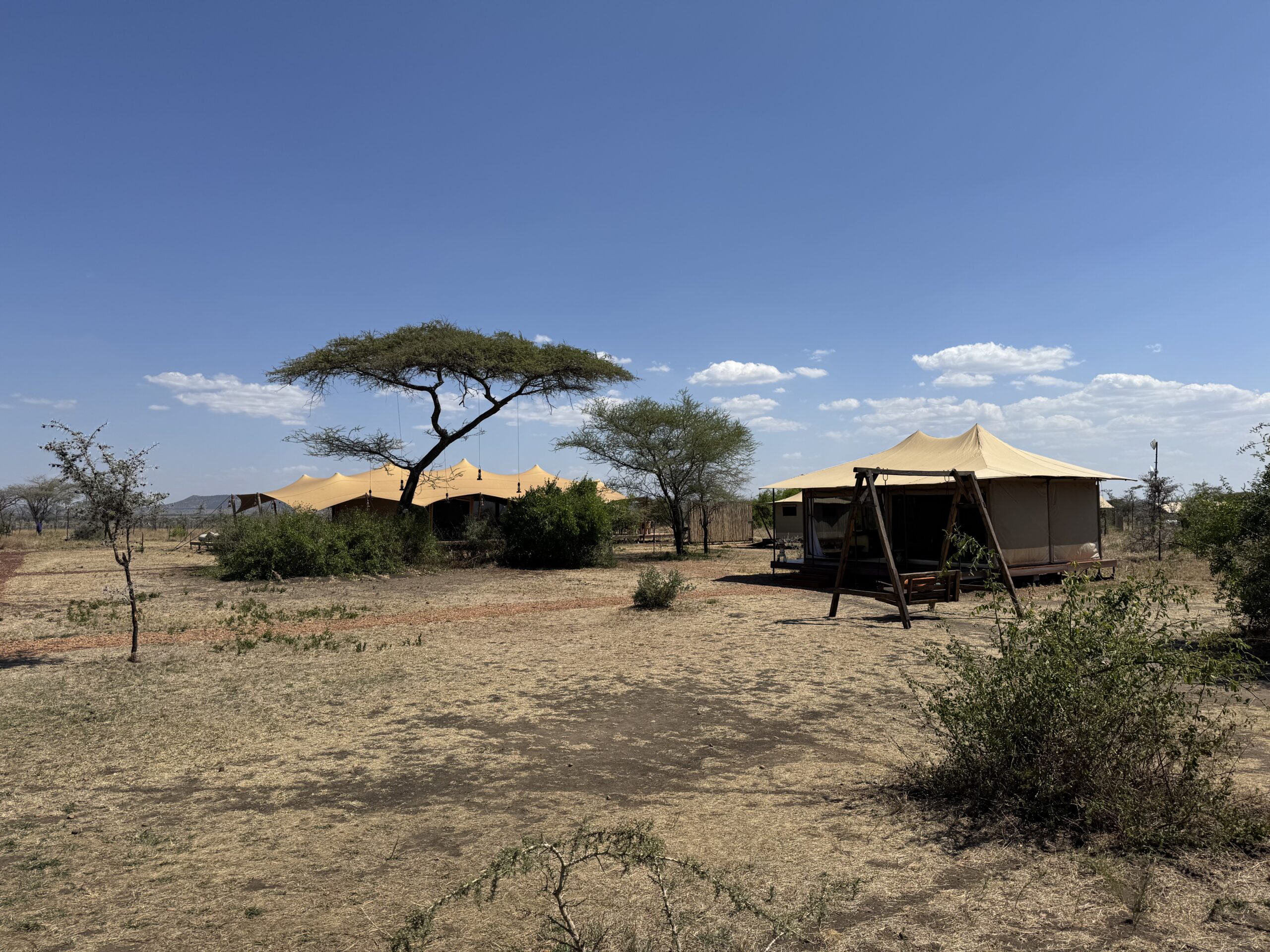
The lodge and reception at Tamu Tamu Camp.
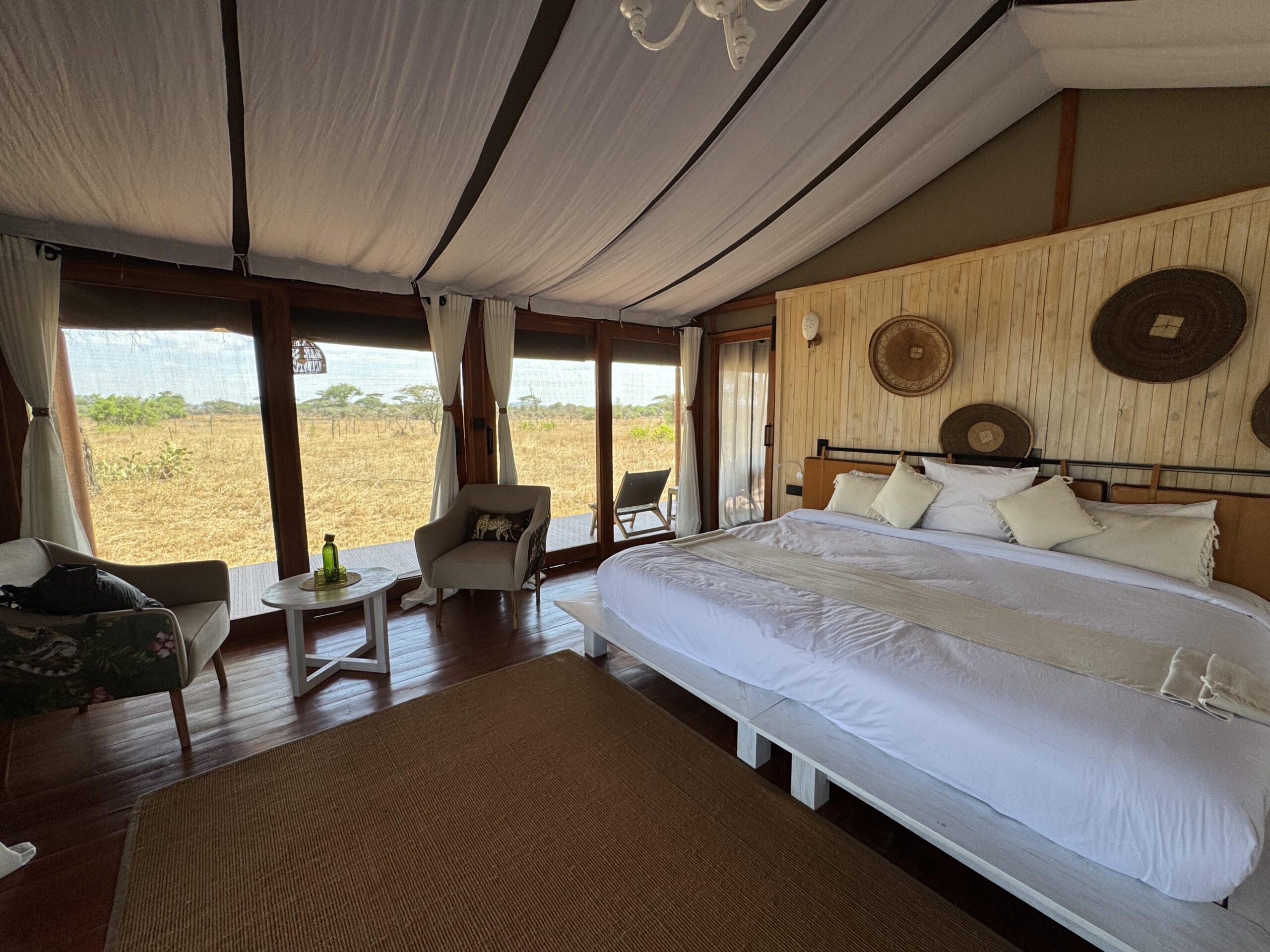
Our room tent at Tamu Tamu…this is glamping!!
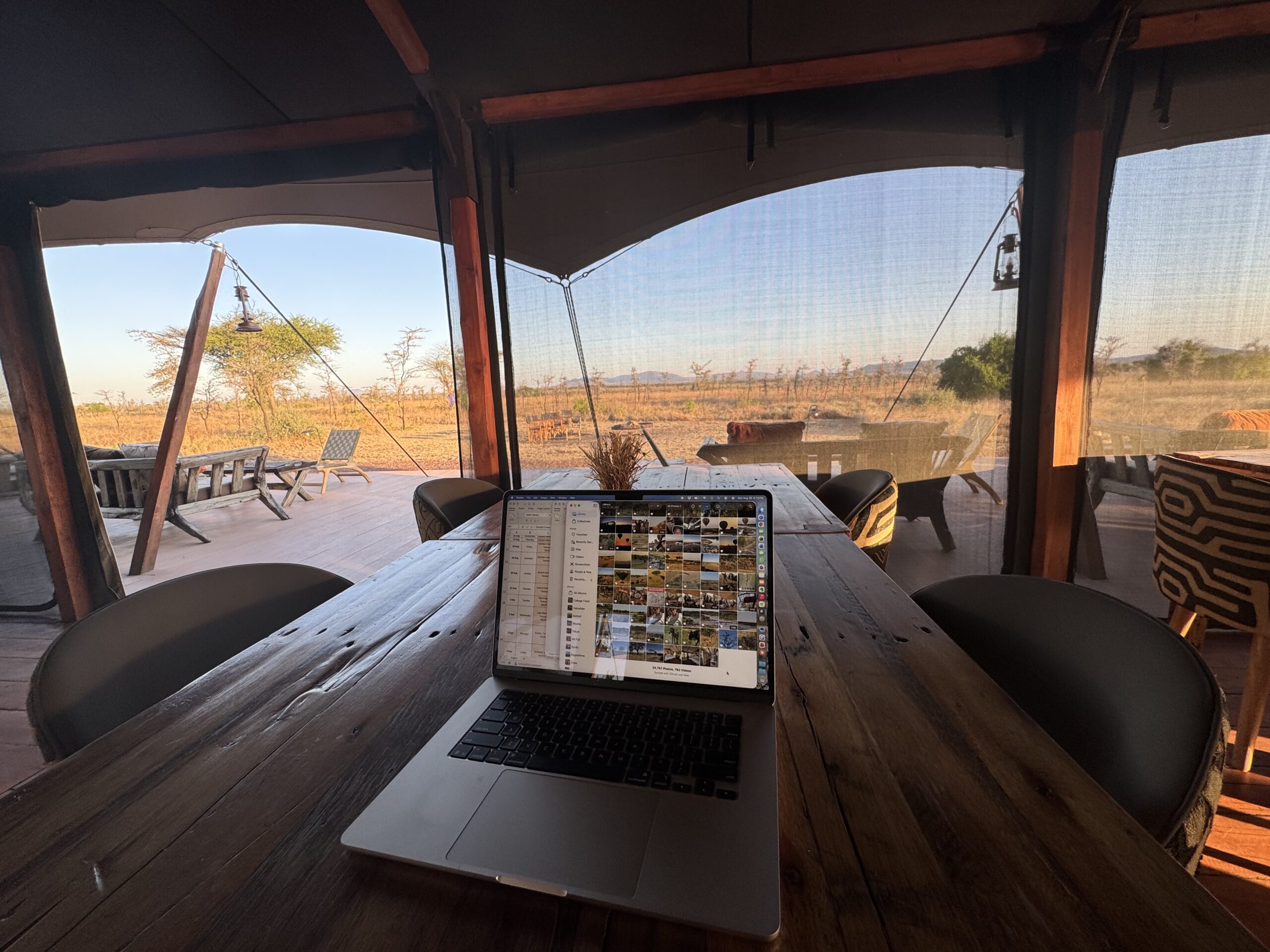
Working on mageesonthego.com and watching the savannah.
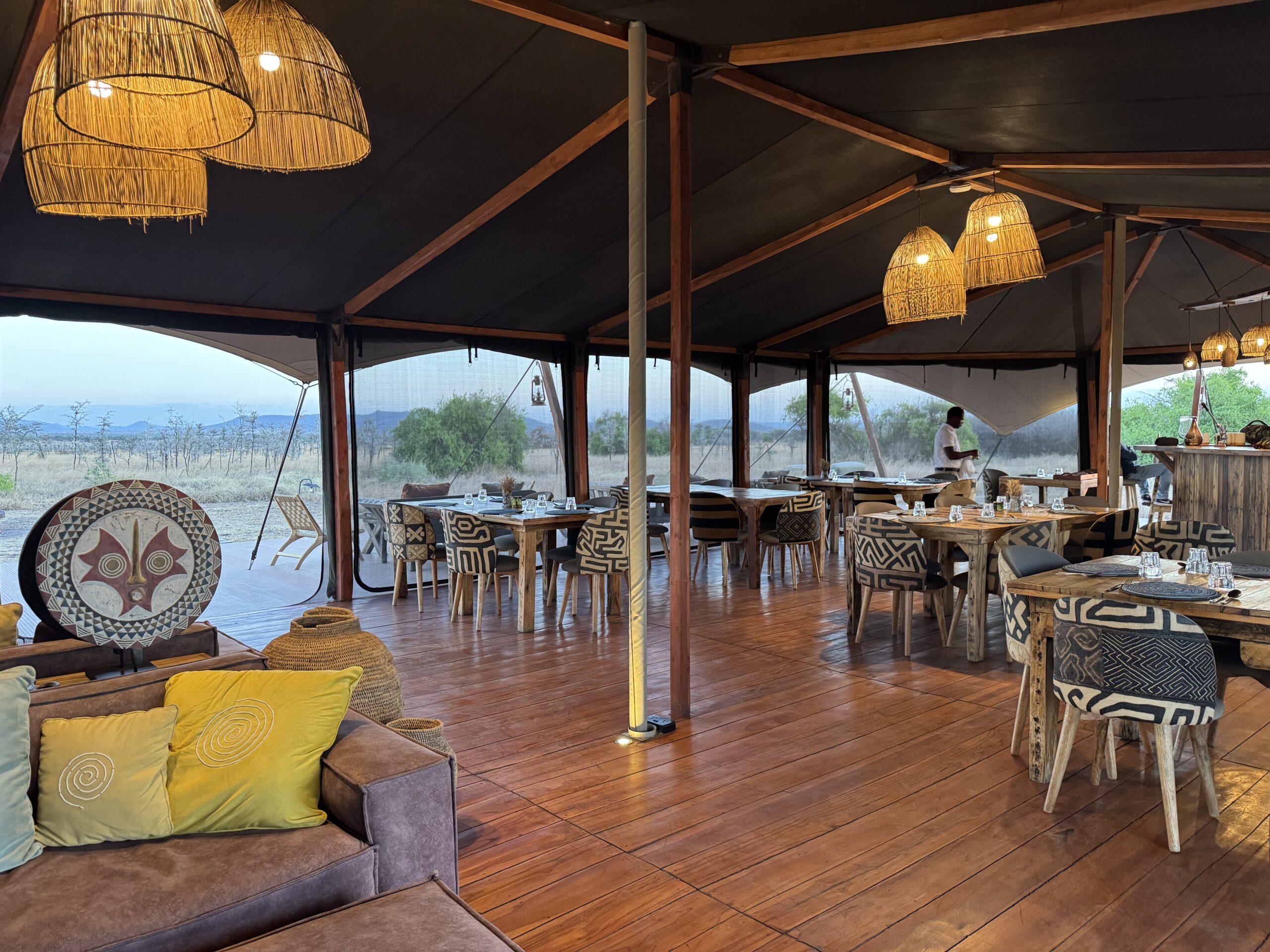
The dining room at Tamu Tamu.
Stunning (squared)!
Amazing 😊