
Central Serengeti
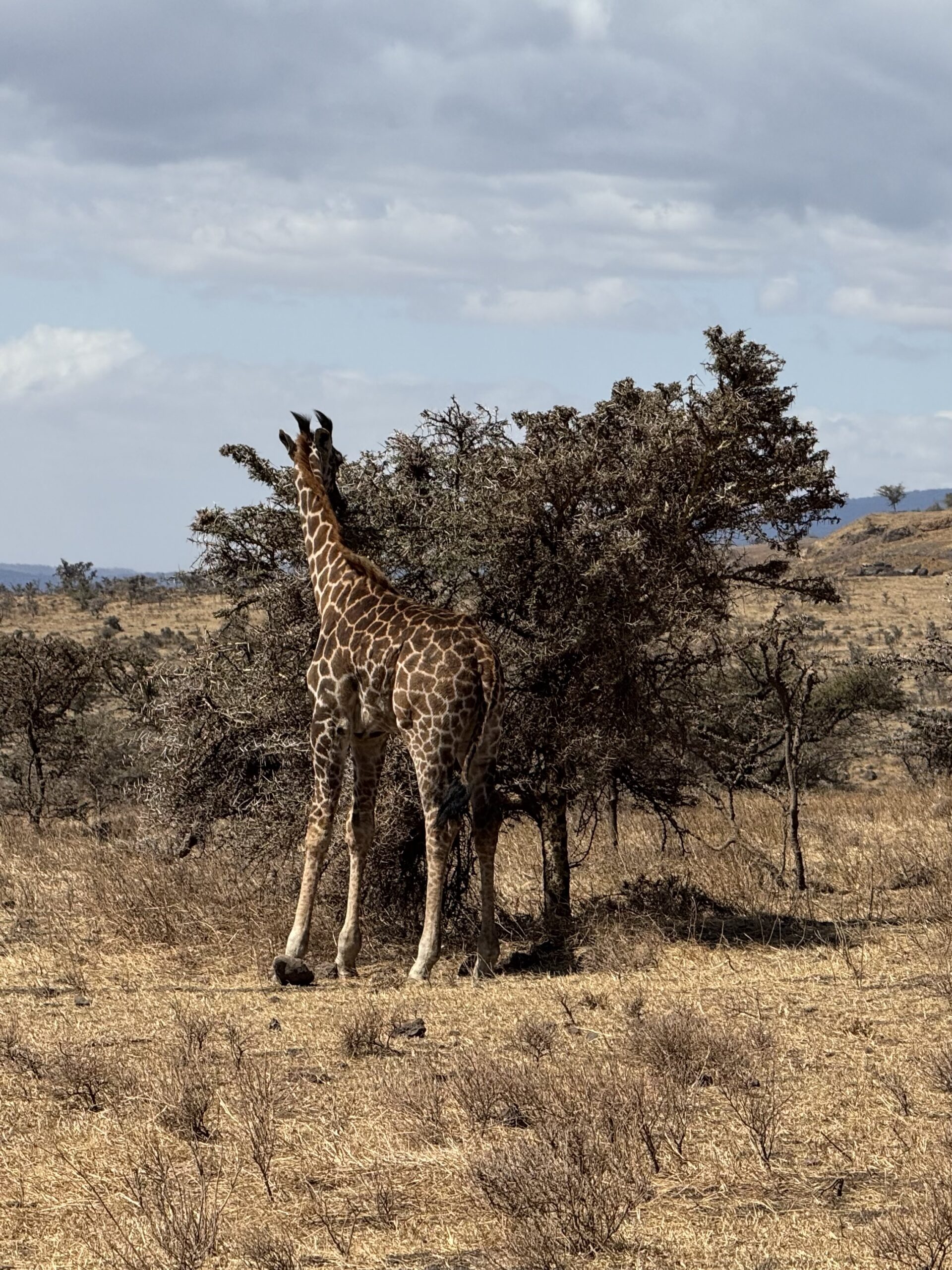
Our game drive today had us exiting the Serengeti National Park and moving south towards the mountains of the Great Rift. We had a long distance to cover today and we were on the road by 7am. This area of the Serengeti is known for elephants and cats. We’ve had the opportunity for great close-up encounters with lions and a cheetah, and we were hoping for a close up with a leopard.
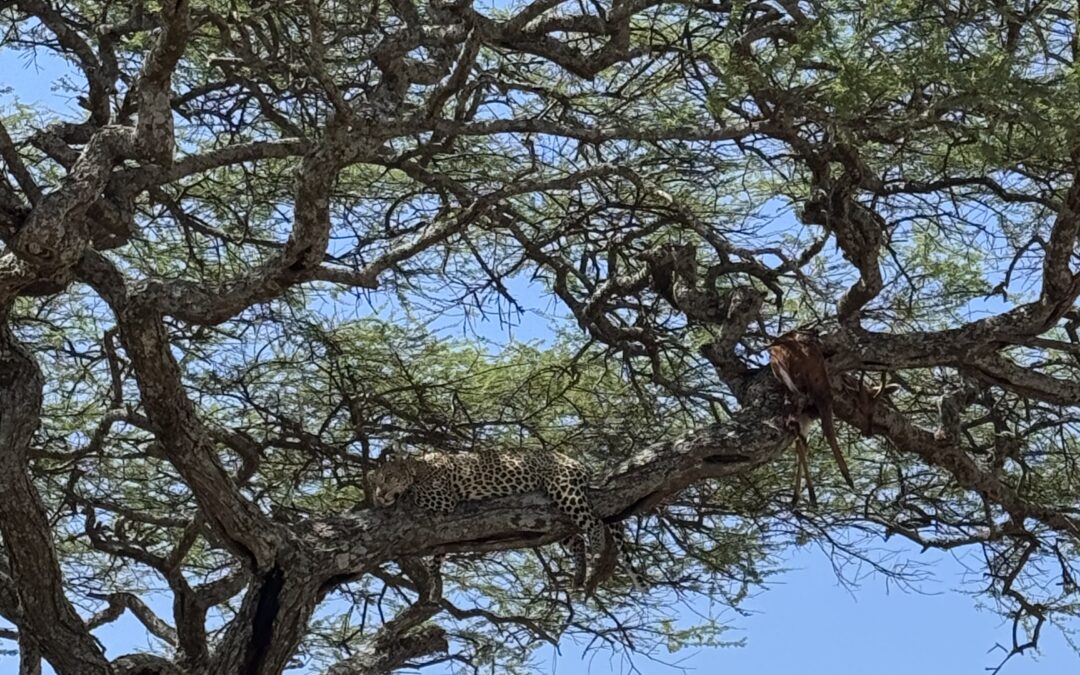
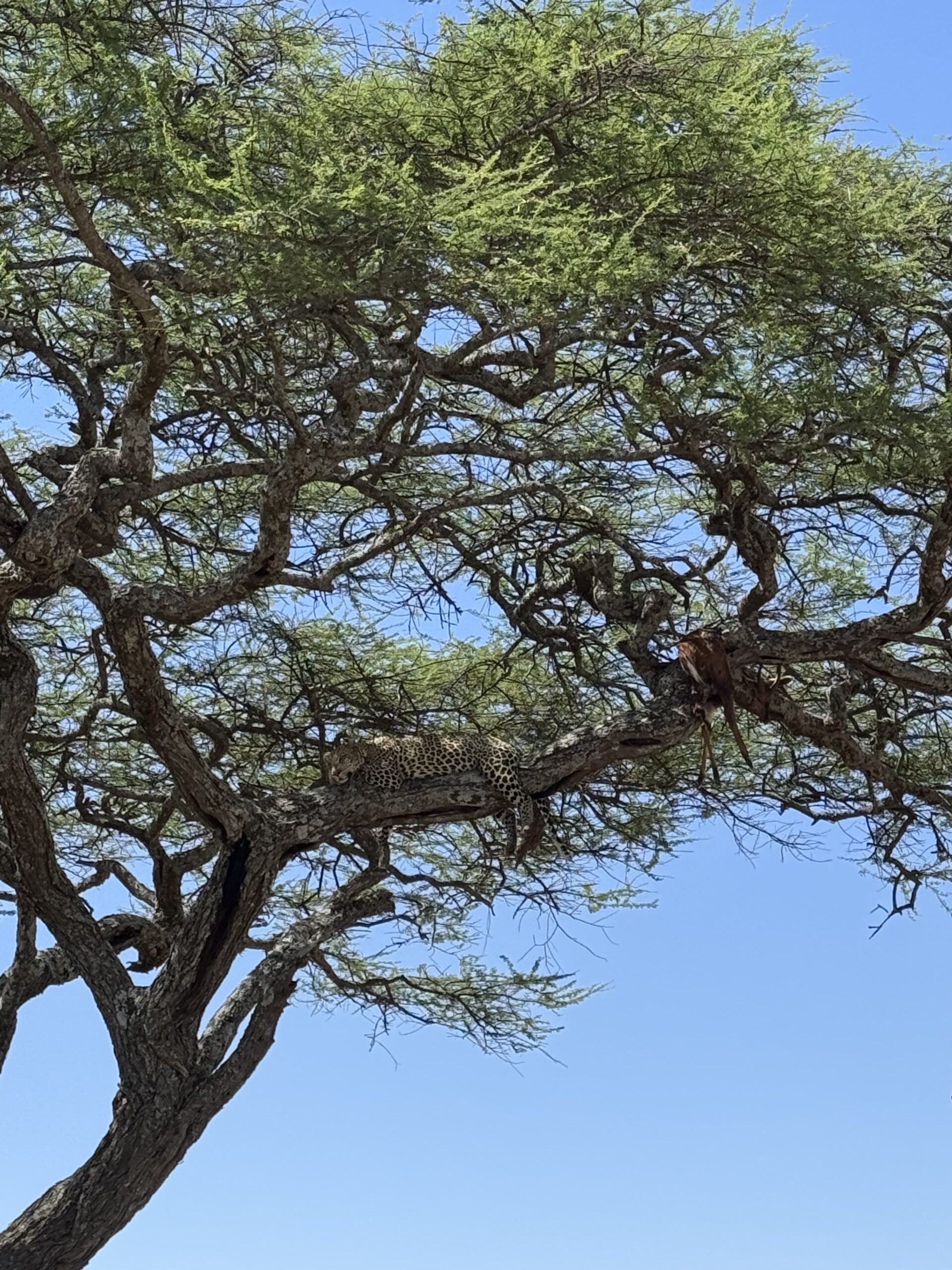
We were about 1 hour into our 8-hour drive when Zamoo spotted something in a tree and we drove off the road to get a closer look. It was in fact a leopard and ever better, it had a recent kill in the tree with him. The leopards drag their food into the tree, so to not have to share it with the scavengers; hyenas, warthogs and vultures. This was a big cat but can you imagine the strength that was required to pull that gazelle up into the tree?
We also saw the Moru Kopjes, which the Lion King’s famous rock formation was fashioned after. Kopje comes from an Afrikaans term meaning “little head” or “small hill”. Animals like lions, leopards, cheetahs, and rock hyraxes use these rocky islands for shade, shelter, and high lookout points.
These granite and gneiss formations are over two billion years old, making them some of the oldest exposed rock on Earth.
As we departed Serengeti, we stopped to have lunch at a roadside park and stretch our legs before entering the Ngorongoro Conservation Area and the climb up the Ngorongoro crater rim.
Unlike the Serengeti, where wildlife roams across vast open plains, Ngorongoro’s animals are largely confined by its steep walls, making sightings unusually reliable and concentrated. The surrounding Ngorongoro Conservation Area has been designated a UNESCO World Heritage Site since 1979, and it carries a rare dual distinction as both a natural and cultural site — one of the few places in Africa where wildlife conservation and traditional Maasai pastoralism coexist, with local herders still grazing cattle on the crater’s boundaries.
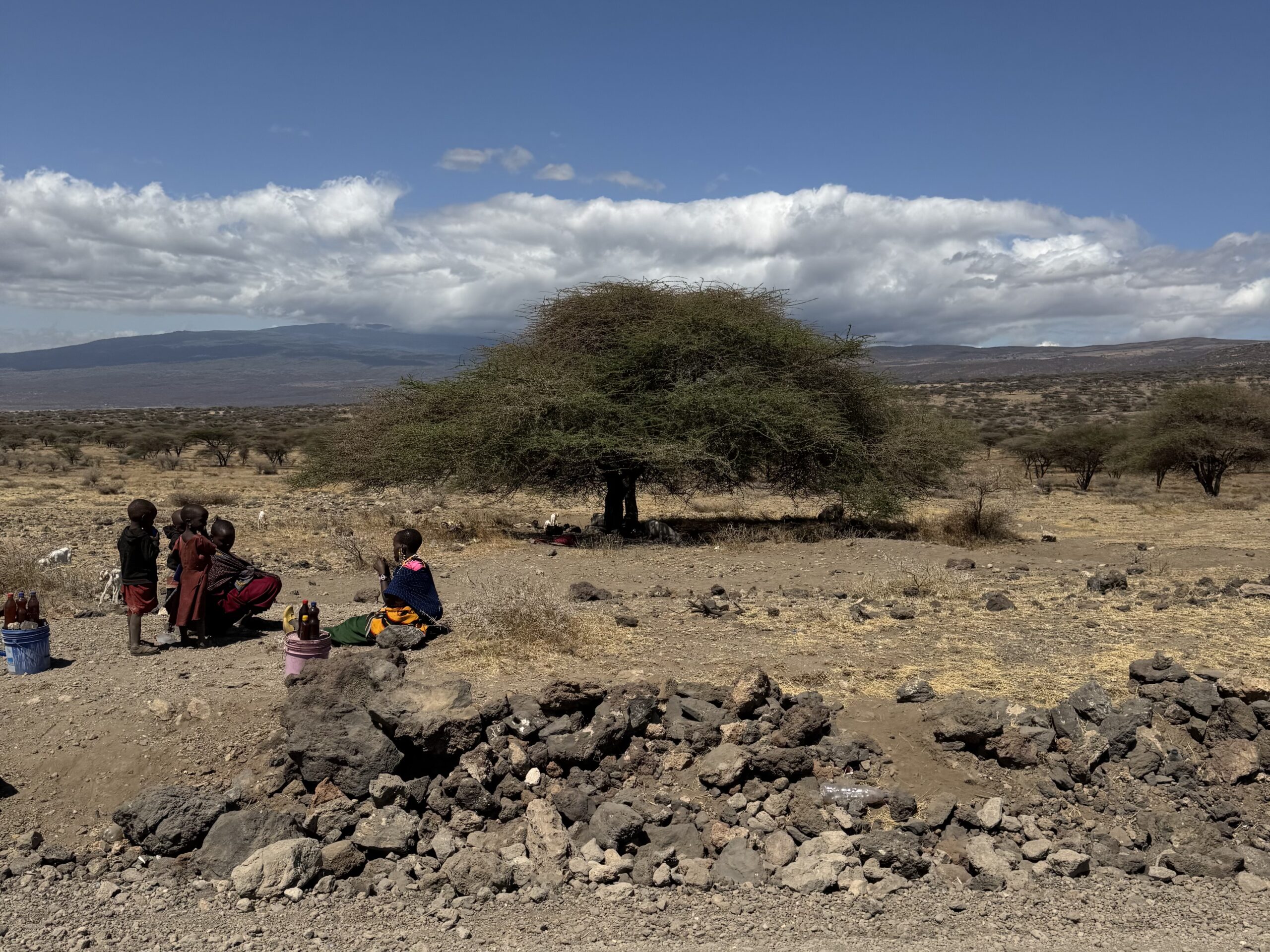
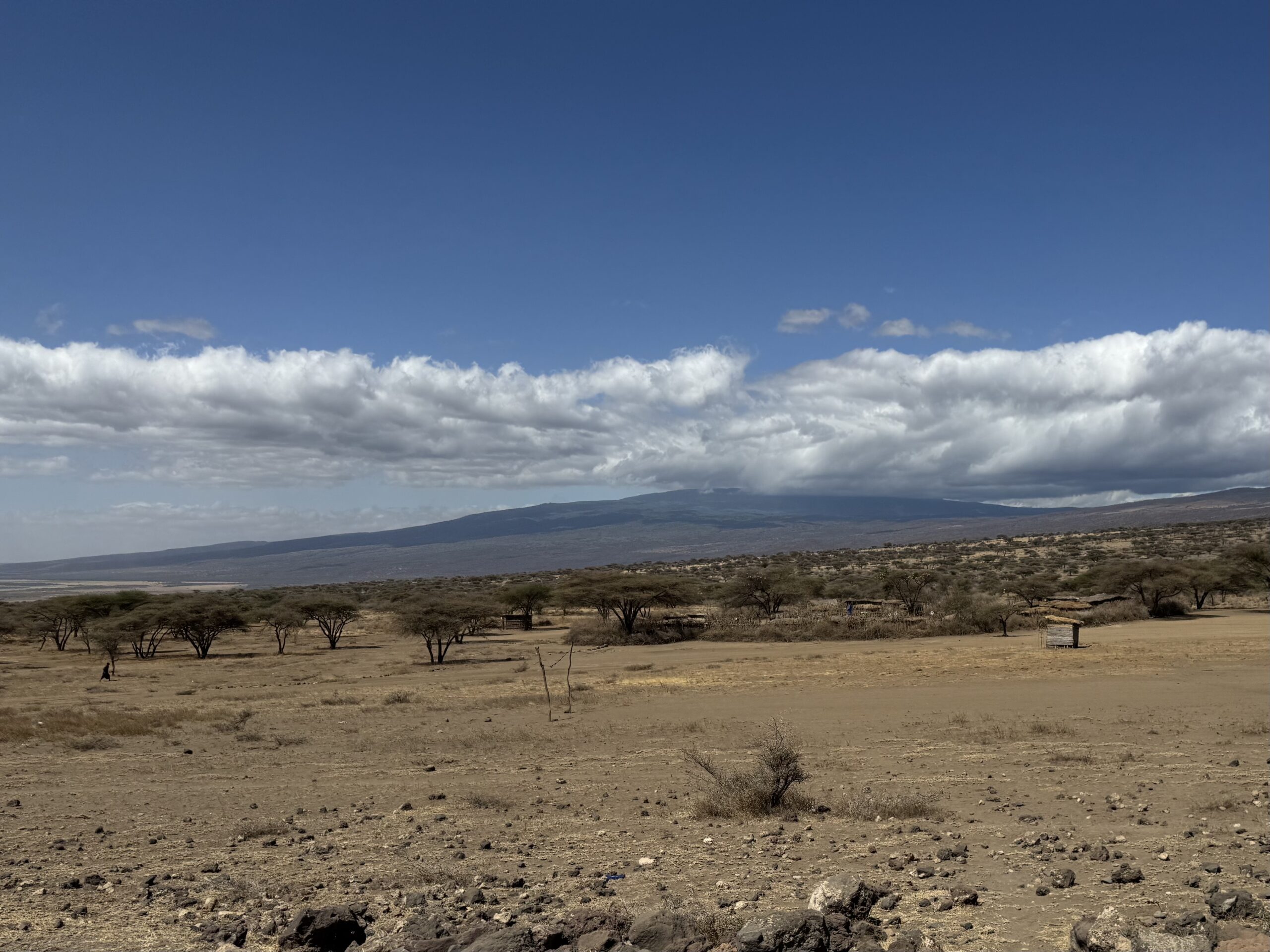
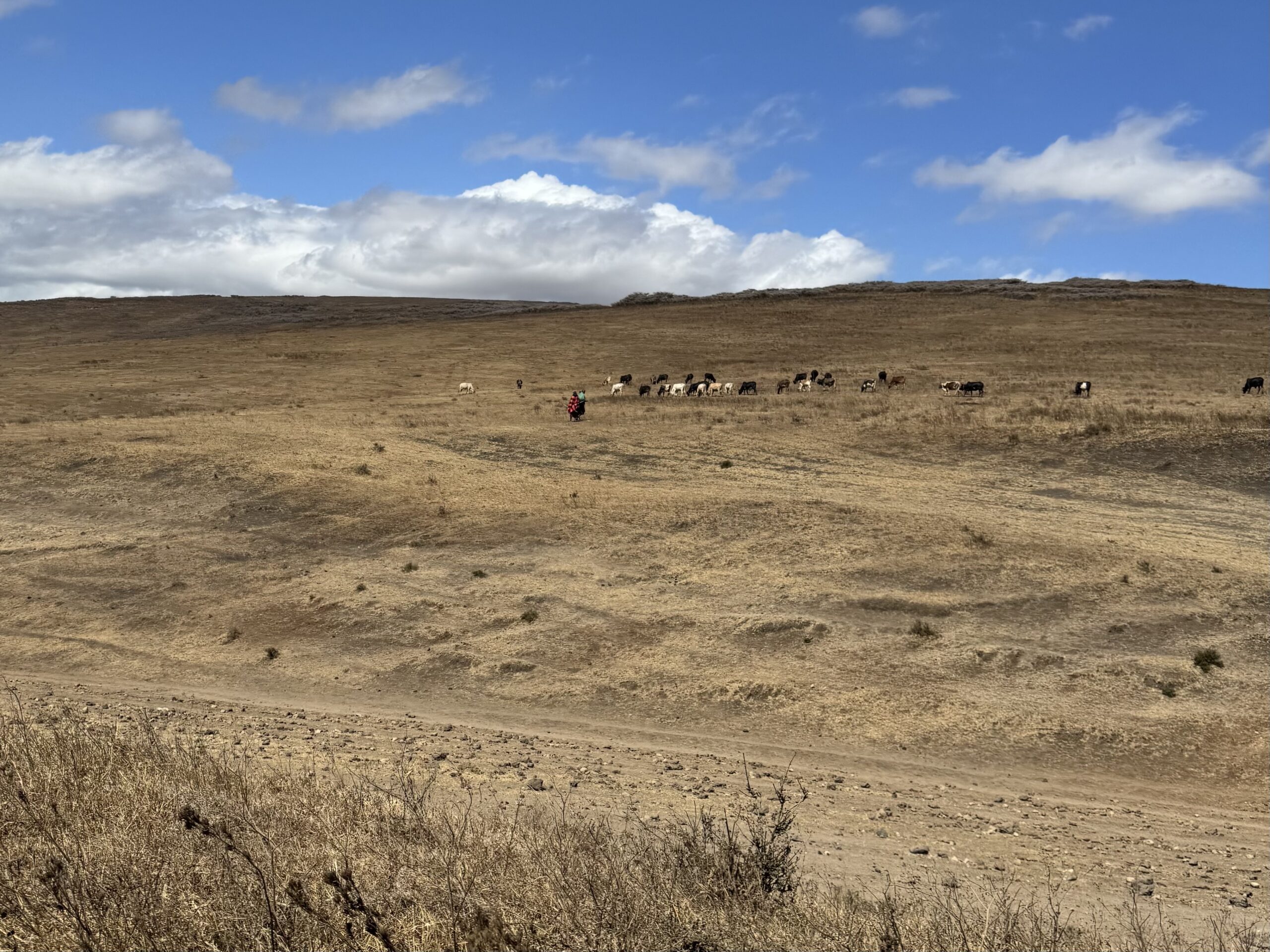
We passed many Maasai villages and peoples, tending their sheep or cow herds. Maasai women were selling goods, mostly honey, along the road. Each gave a hearty smile and wave, despite the heat and the dust. As we started the climb, we immediately noticed the drop in temps. The dirt started to look more like clay and the dust turned from gray to red. At the top of the crater rim, we stopped briefly to take some photos, before continuing around the rim to our next accommodation, for two nights.
The Karibou Lions Paw Lodge is a super nice camp, perched on the top of the crater, with a commanding view. We showered and met back just in time for the sunset. Dinner was excellent and we were ferried back to our cabins using golf carts. Super swanky! And like many of the other camps, there was a hot water bottle for each of us, already warming our beds. Tonight, it was particularly welcomed as the temps had dropped to the low 50s and the cabins are not heated. We both fell asleep immediately.
Tomorrow: Game drive in the Ngorongoro Crater
Post Gallery
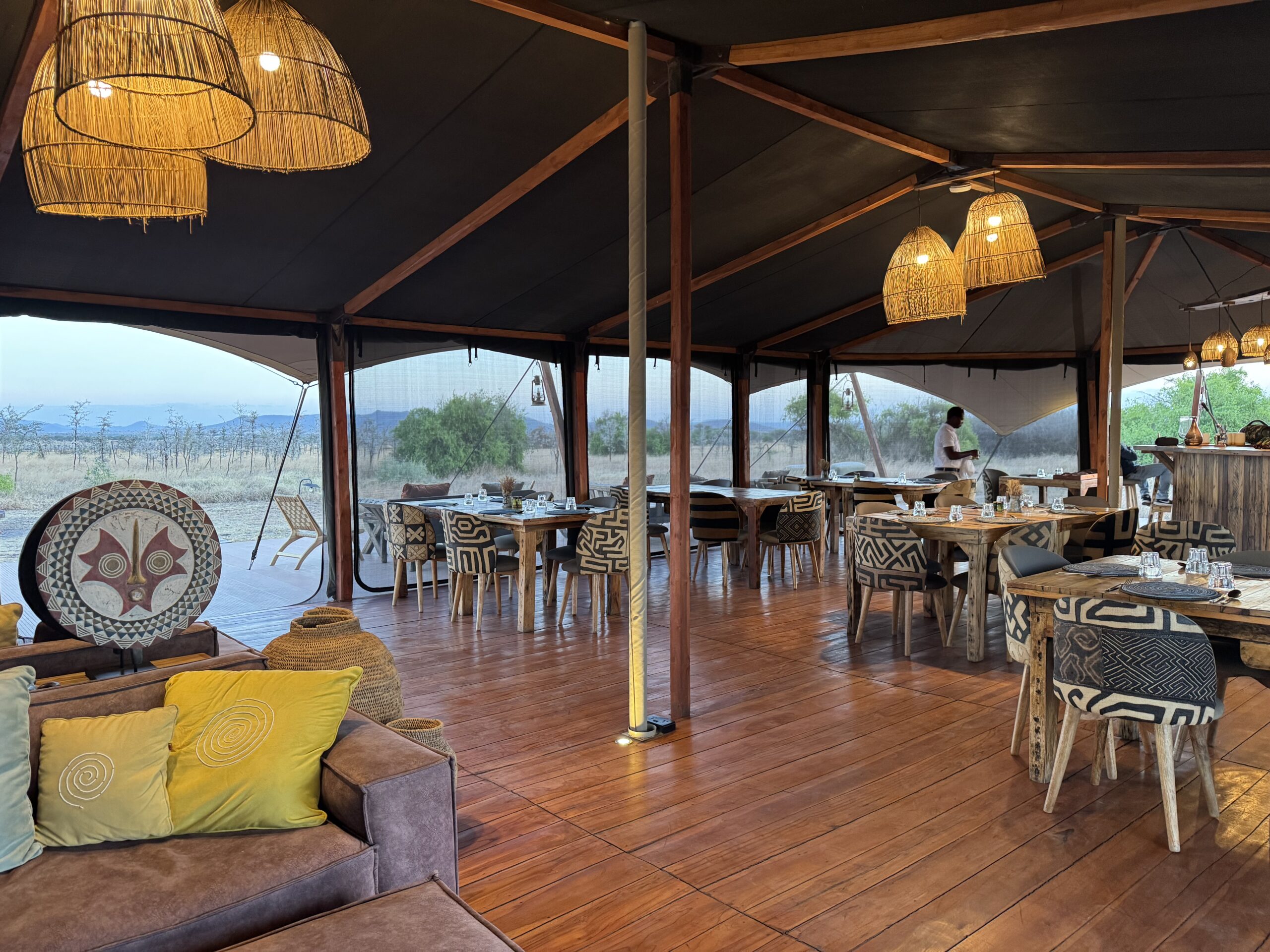
The dining room at Tamu Tamu Serengeti Camp.
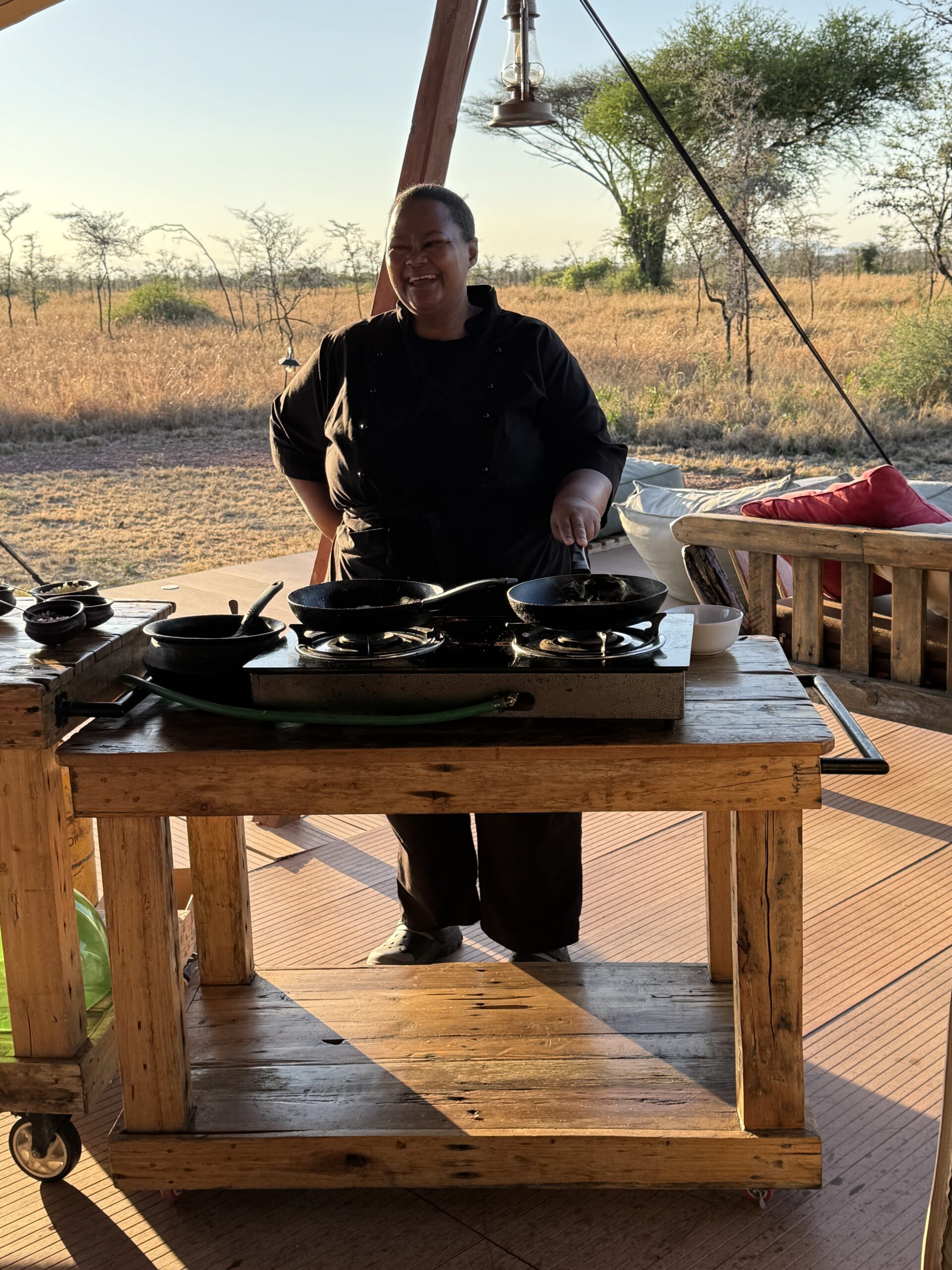
The chef at Tamu Tamu; she was wonderful!
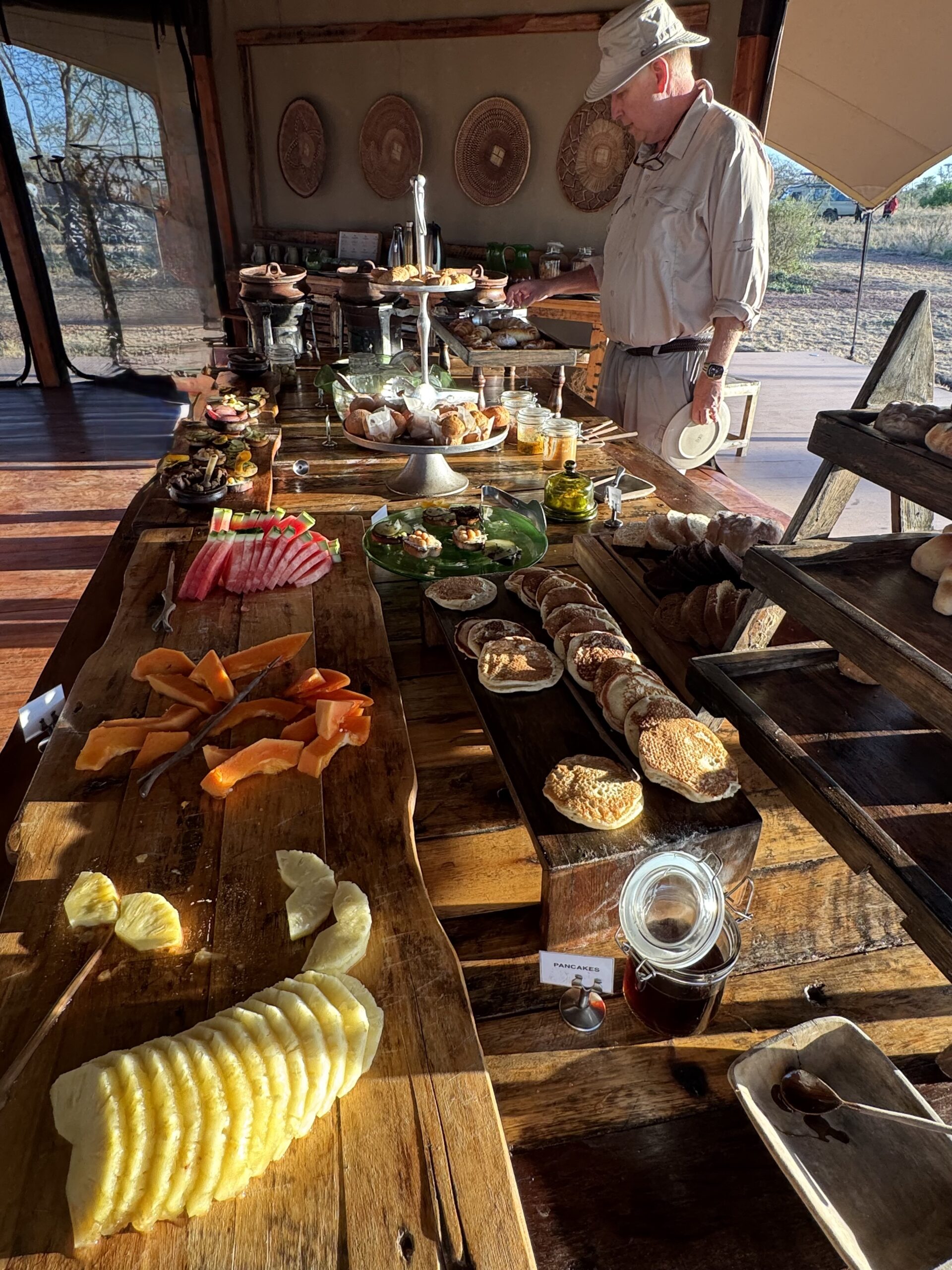
Breakfast buffet at Tamu Tamu.
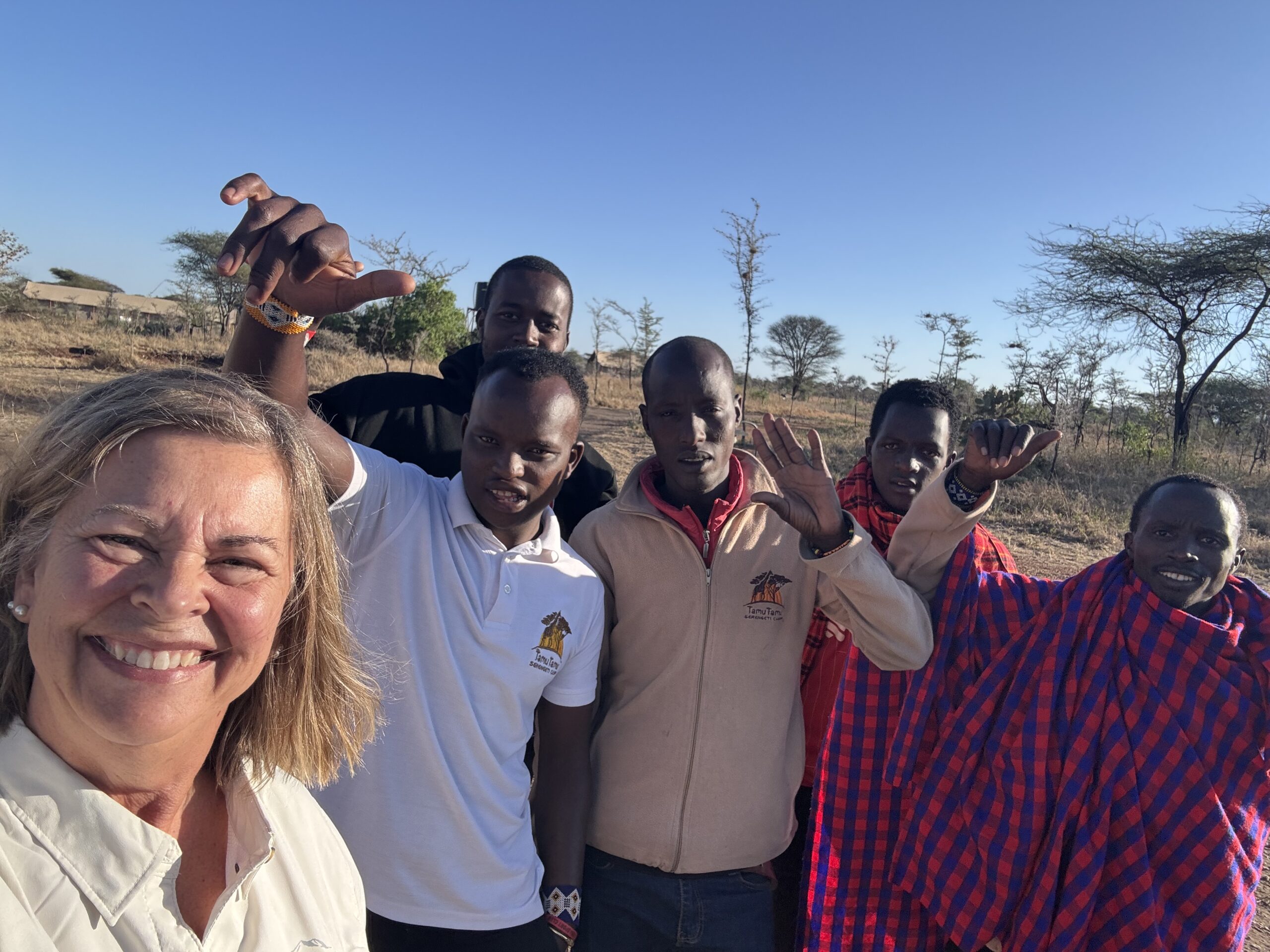
The Maasai guardians and staff at Tamu Tamu Camp.
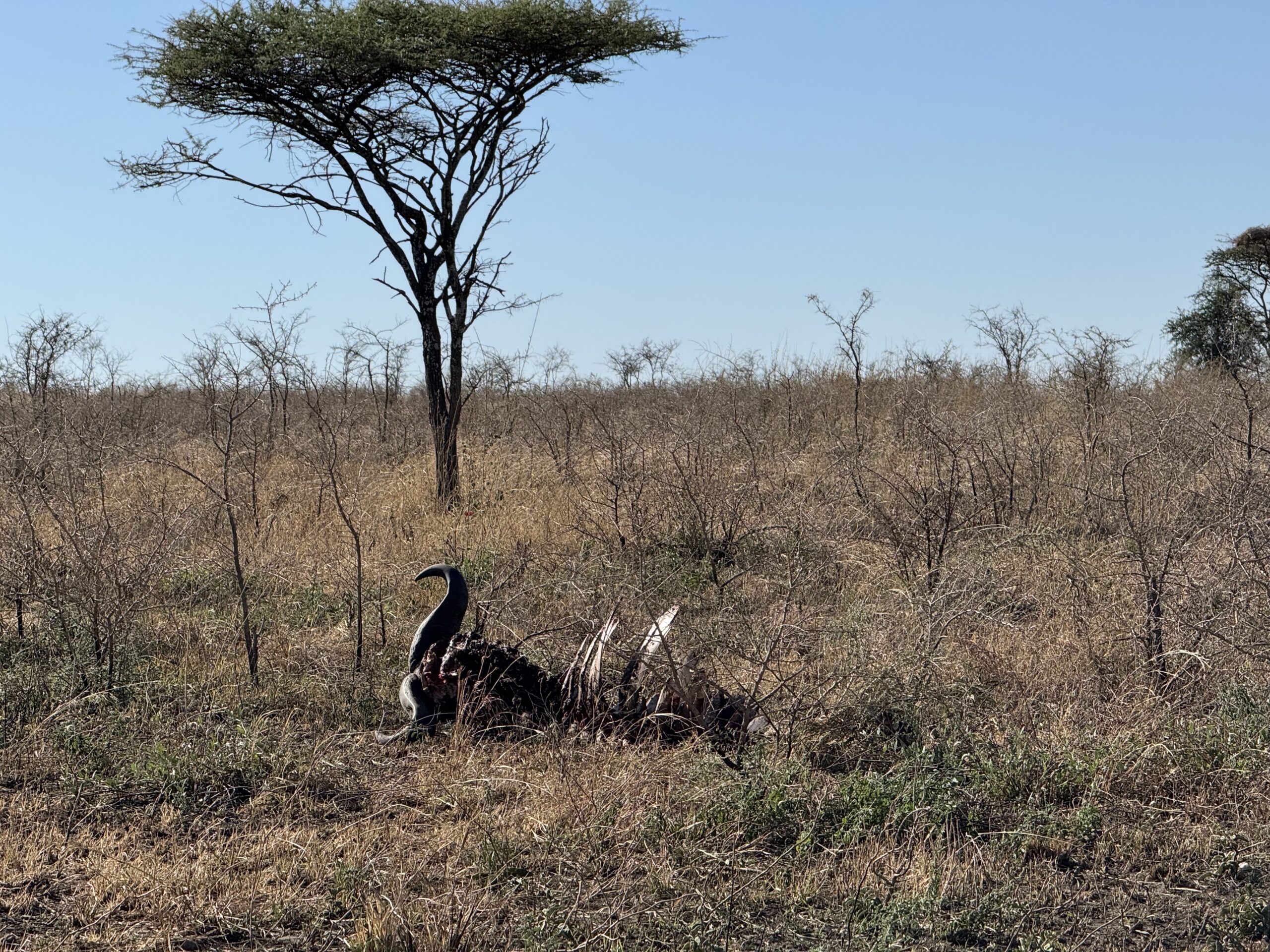
What's left of a recently deceased African buffalo.
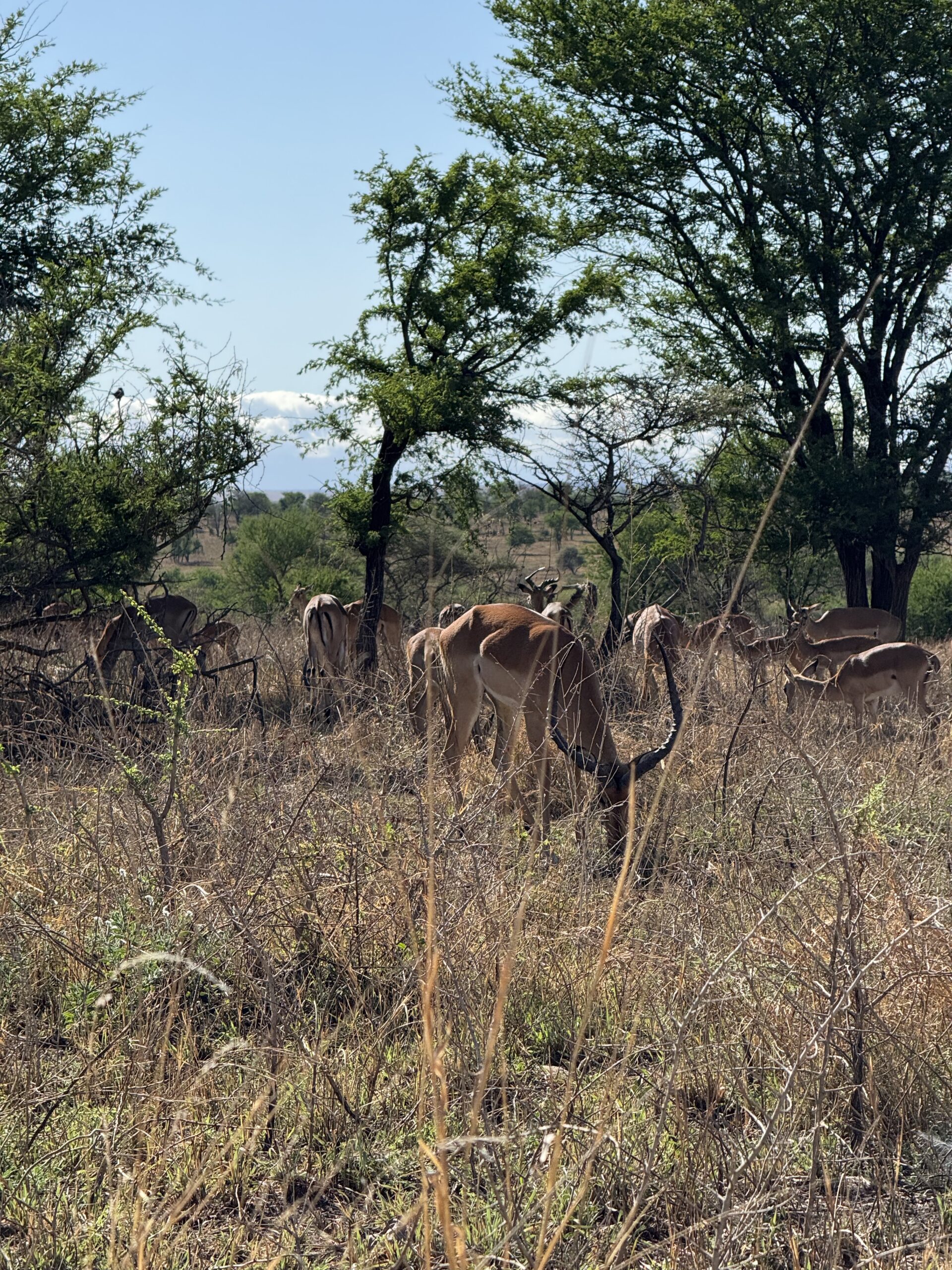
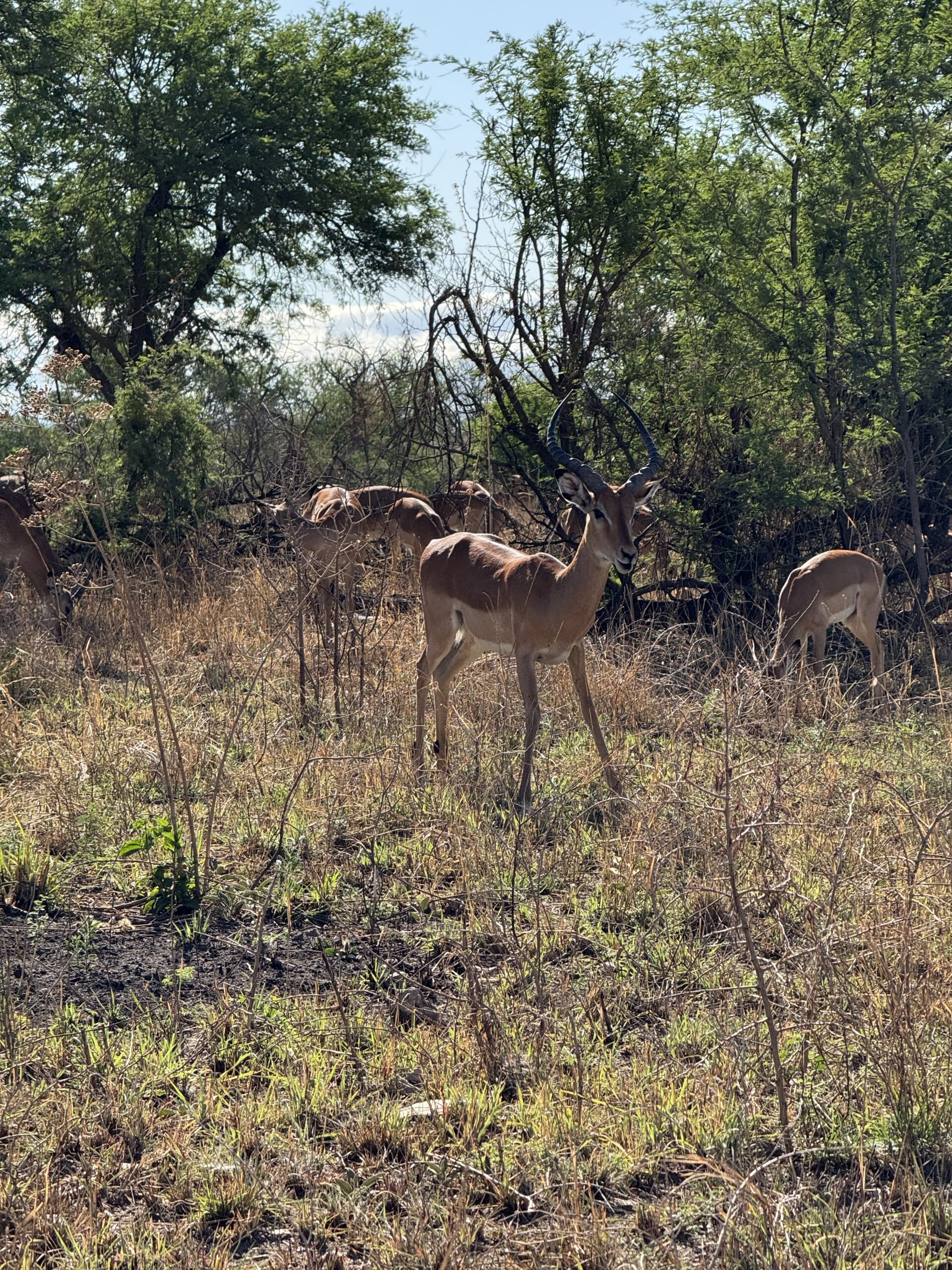
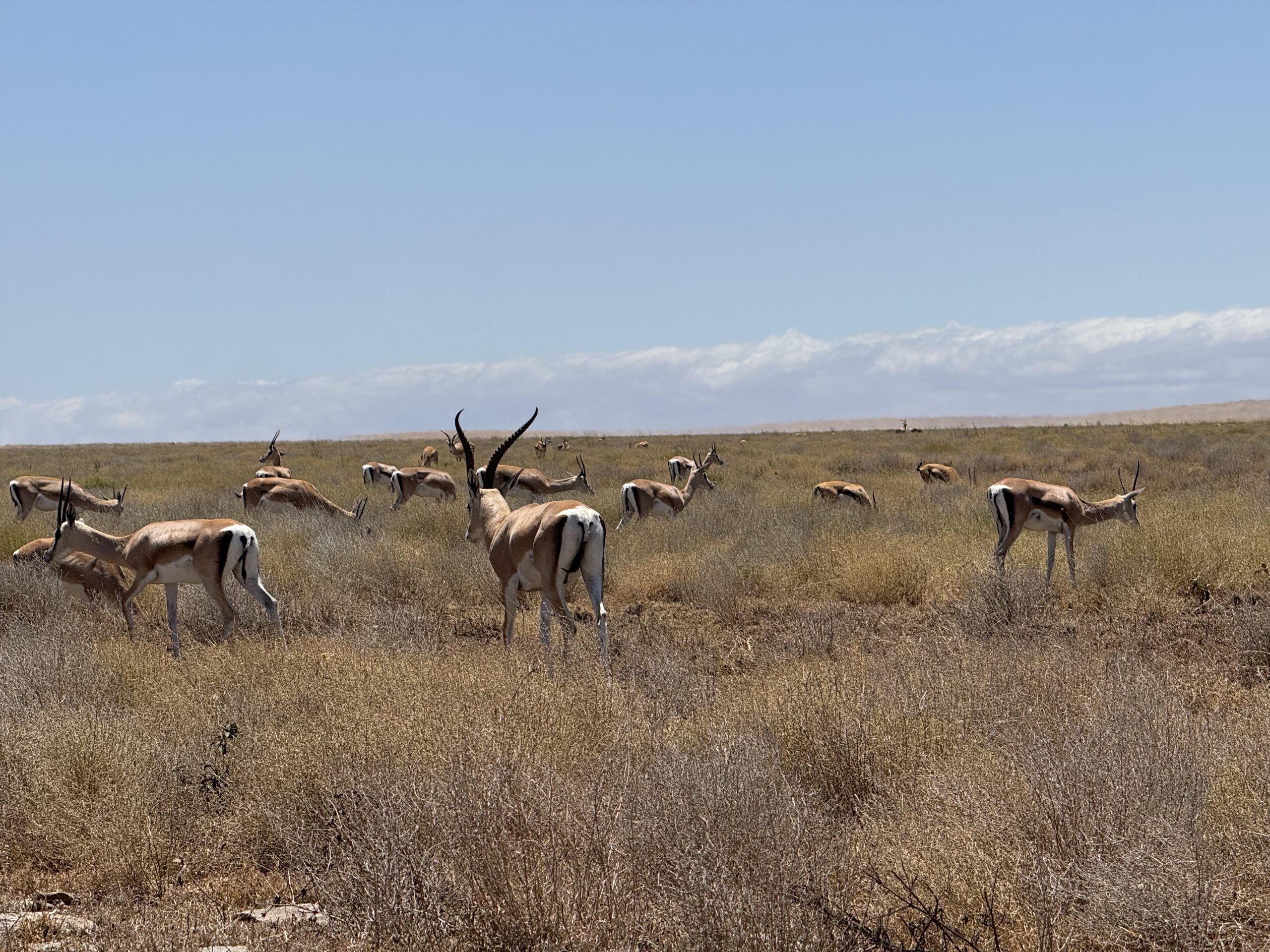
Gazelles in the Serengeti.
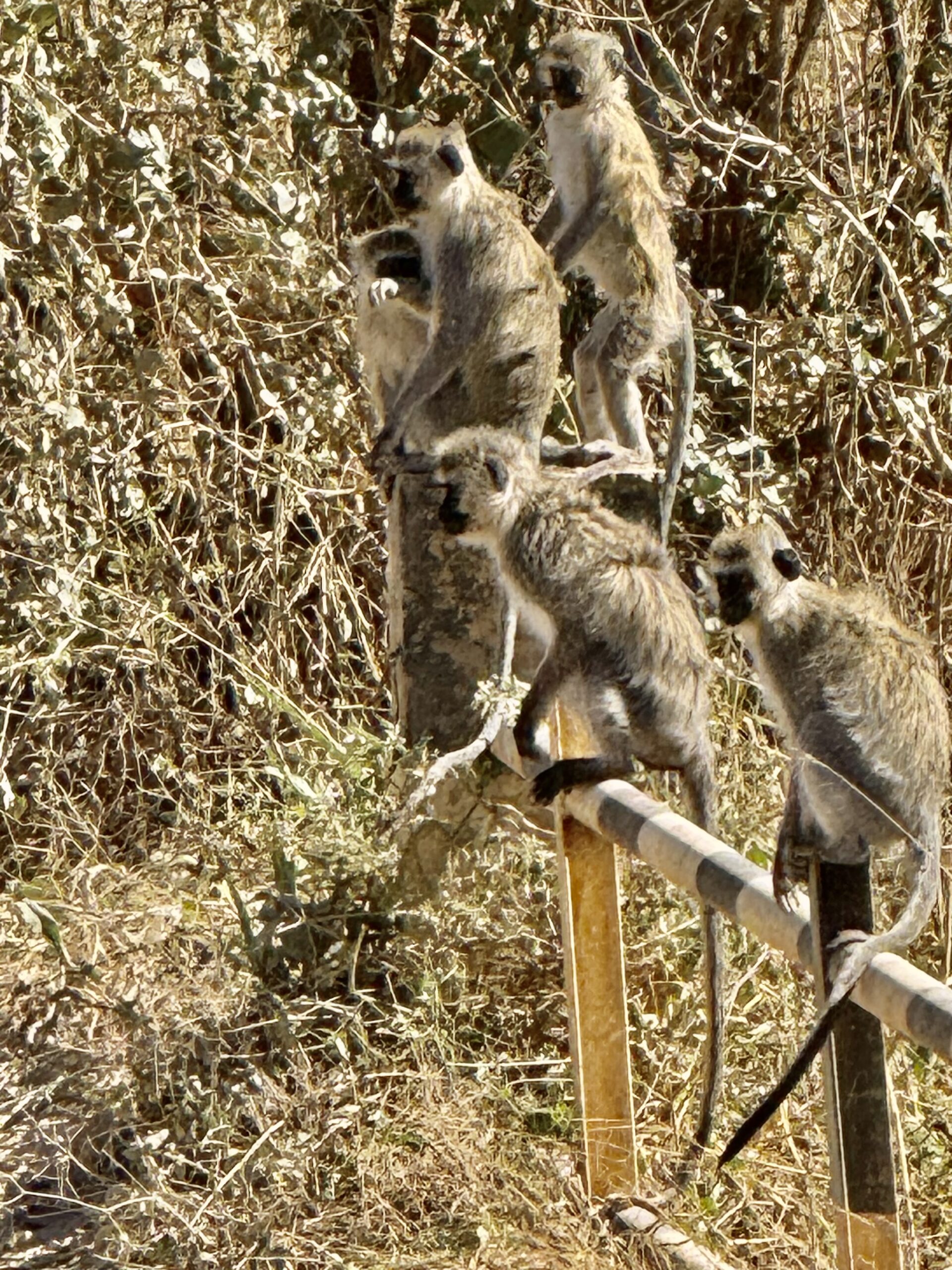
Vervet monkeys.
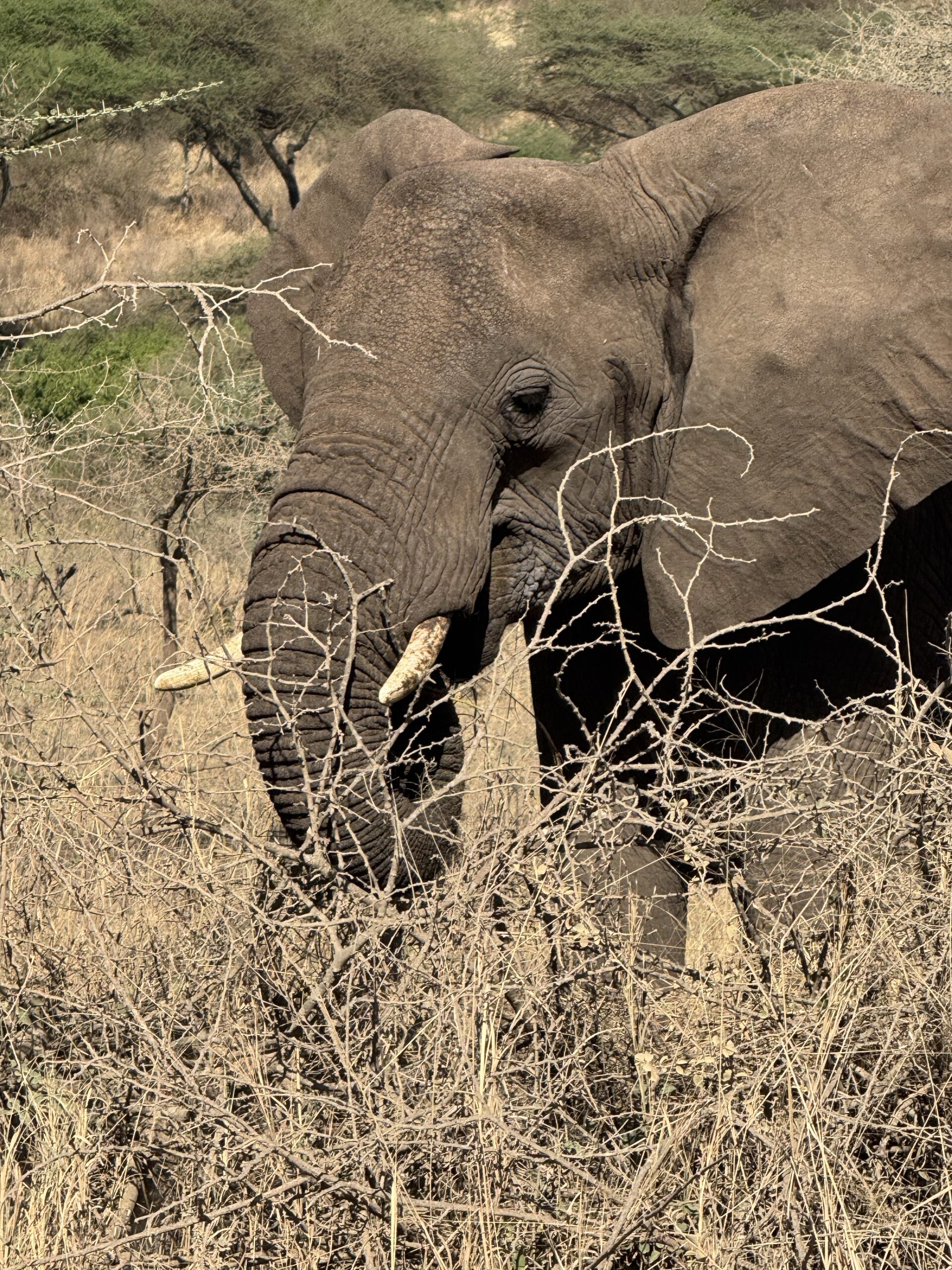
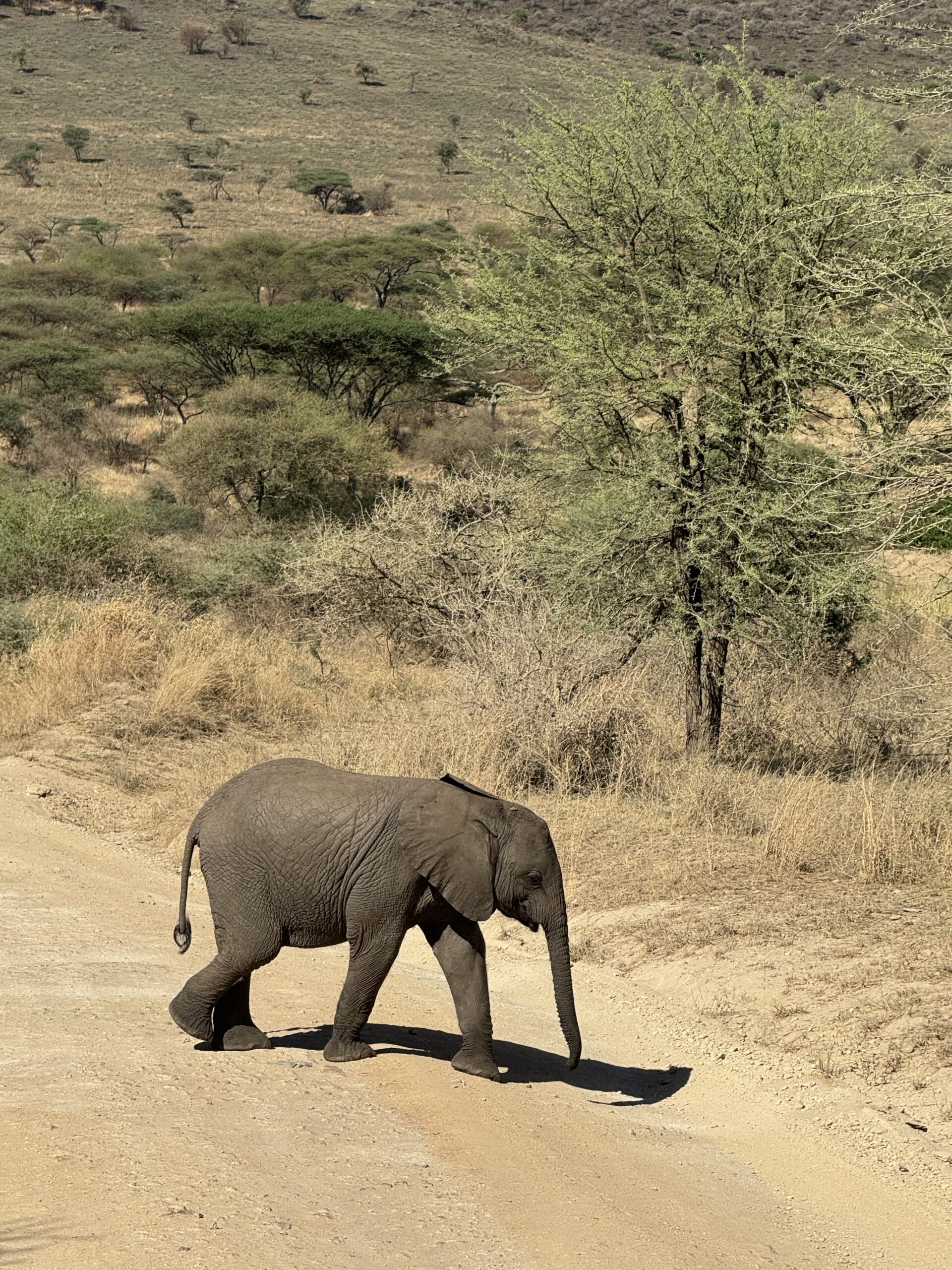
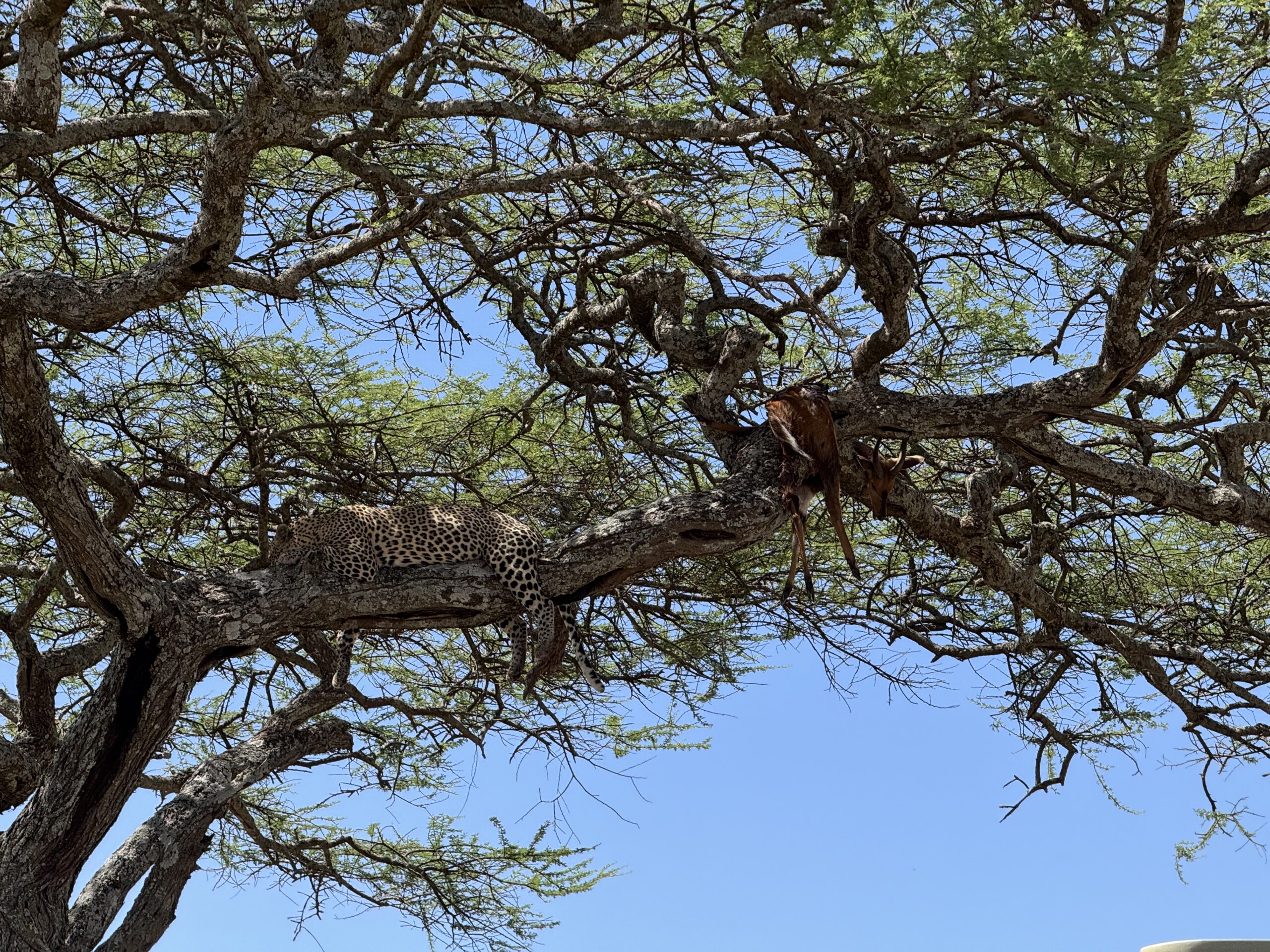
The leopard and its hunted gazelle.
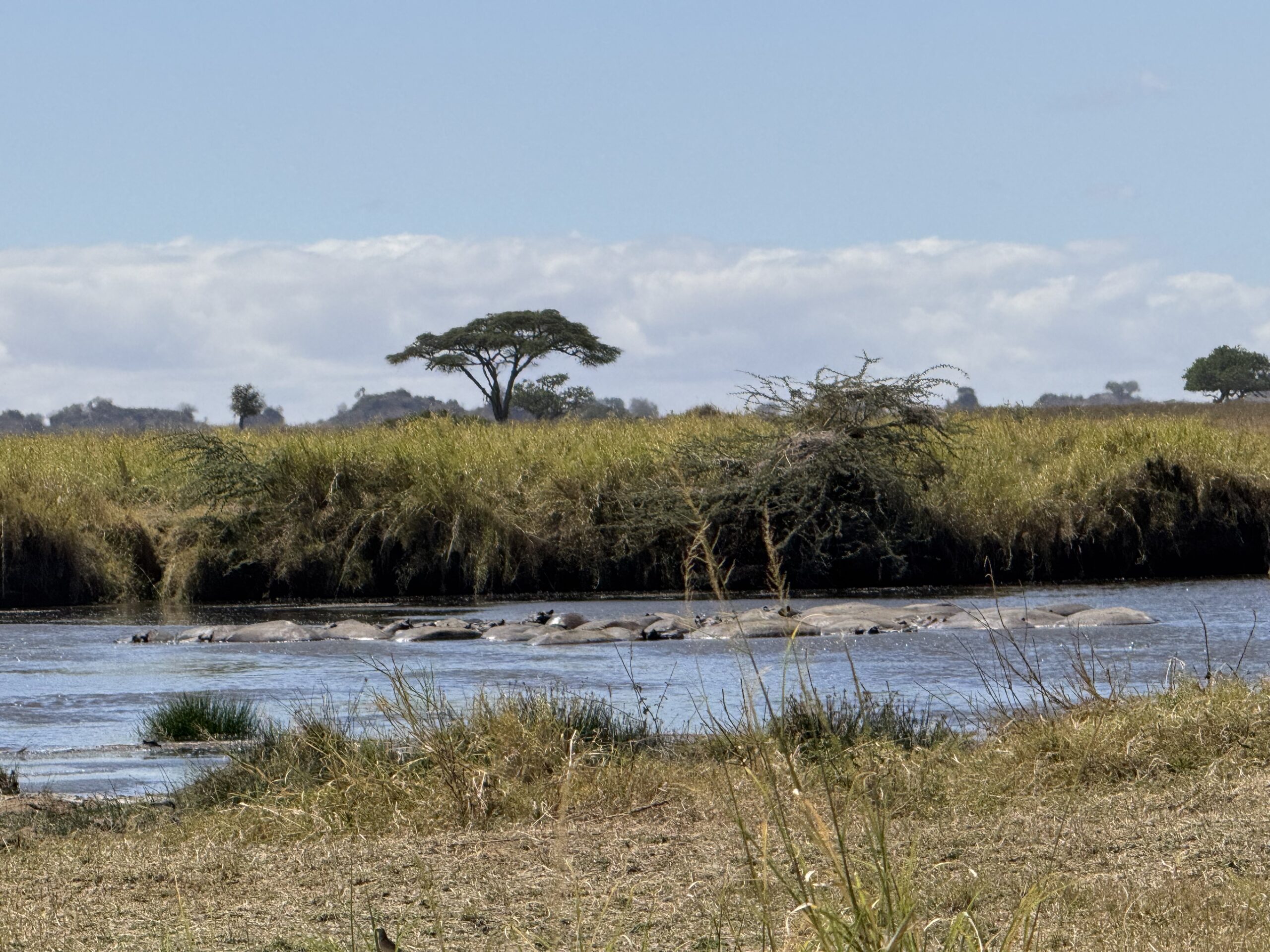
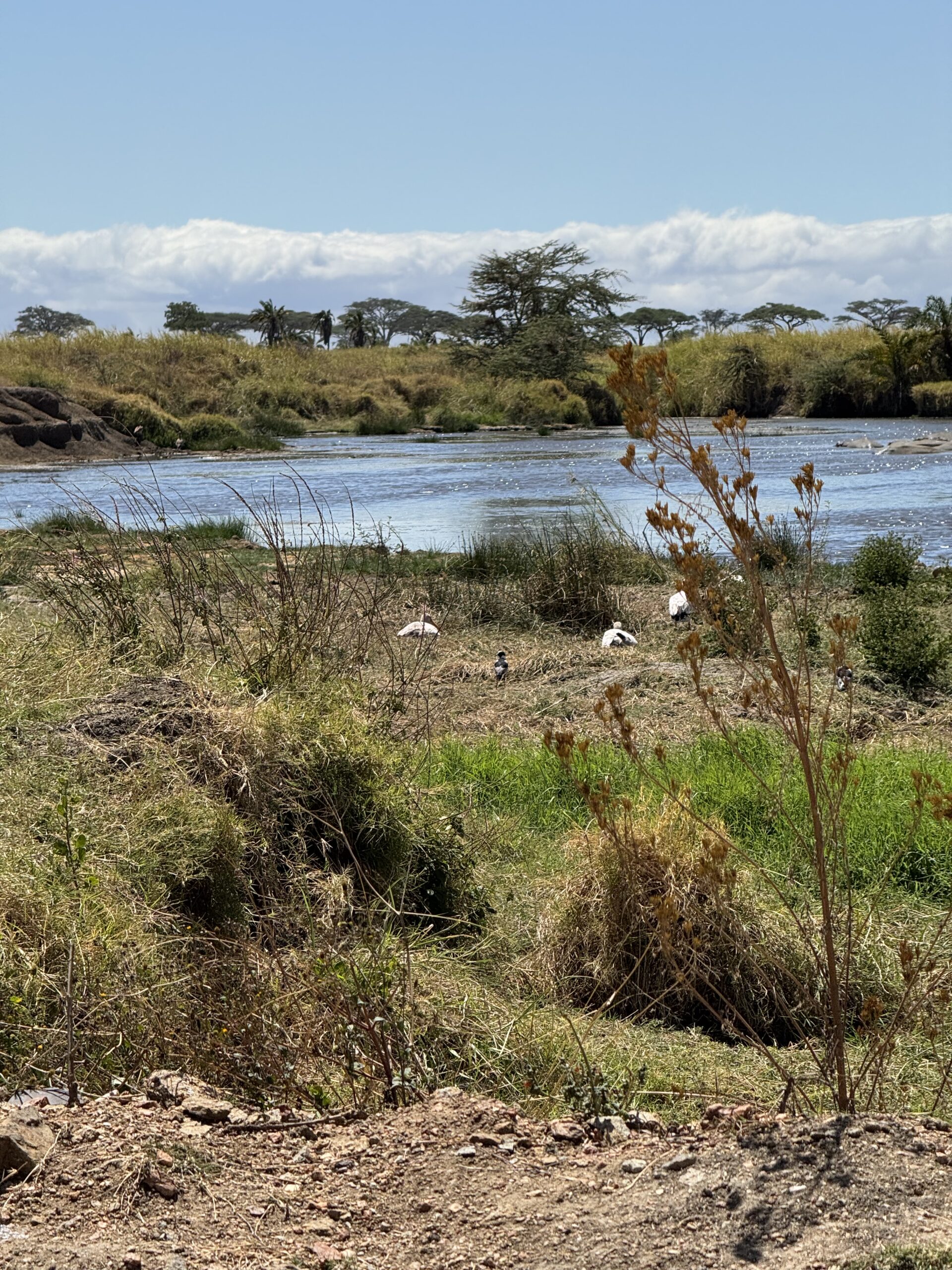
Look at all those hippos!
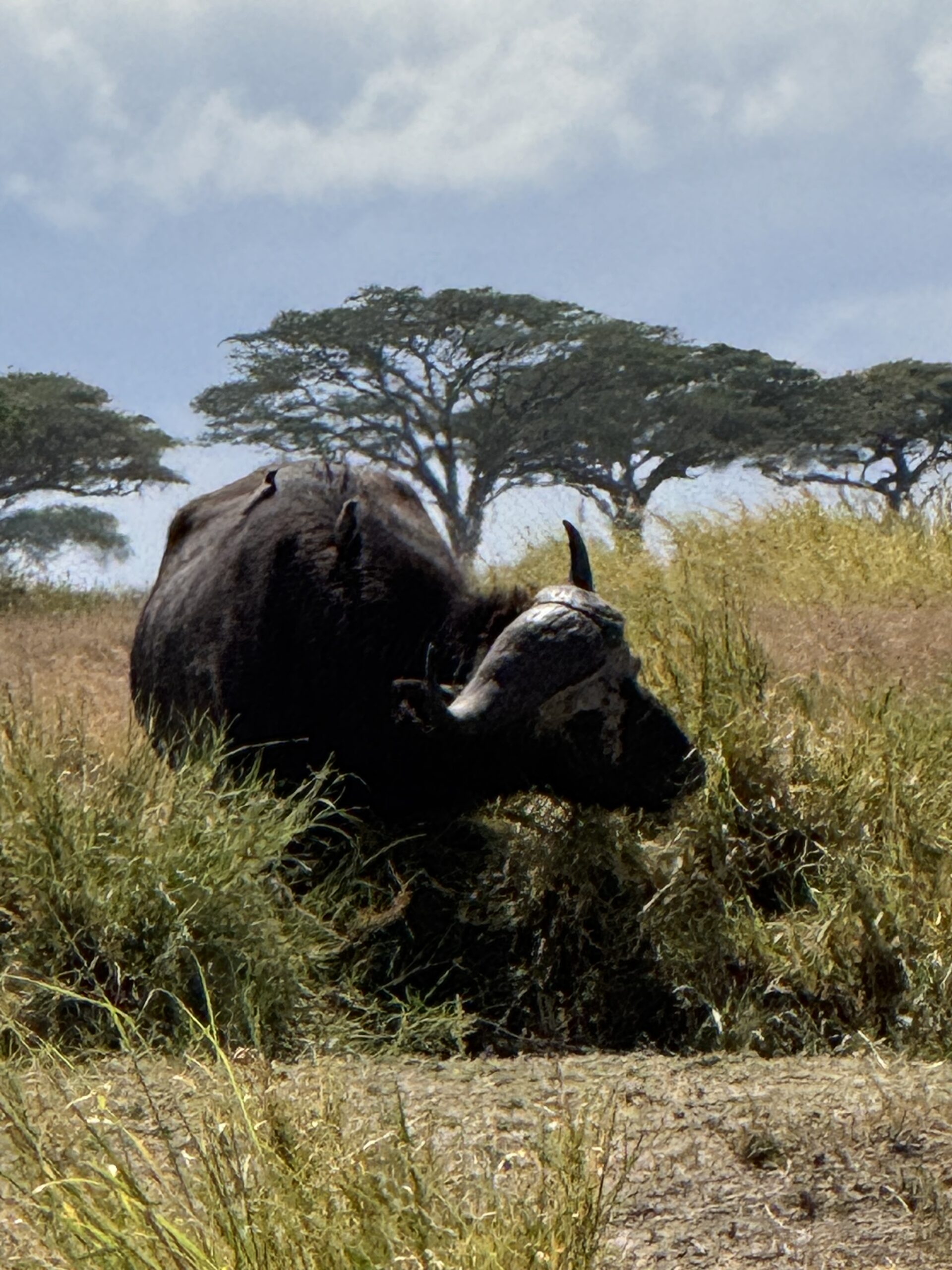
African buffalo, with a couple birds helping with the tick population.
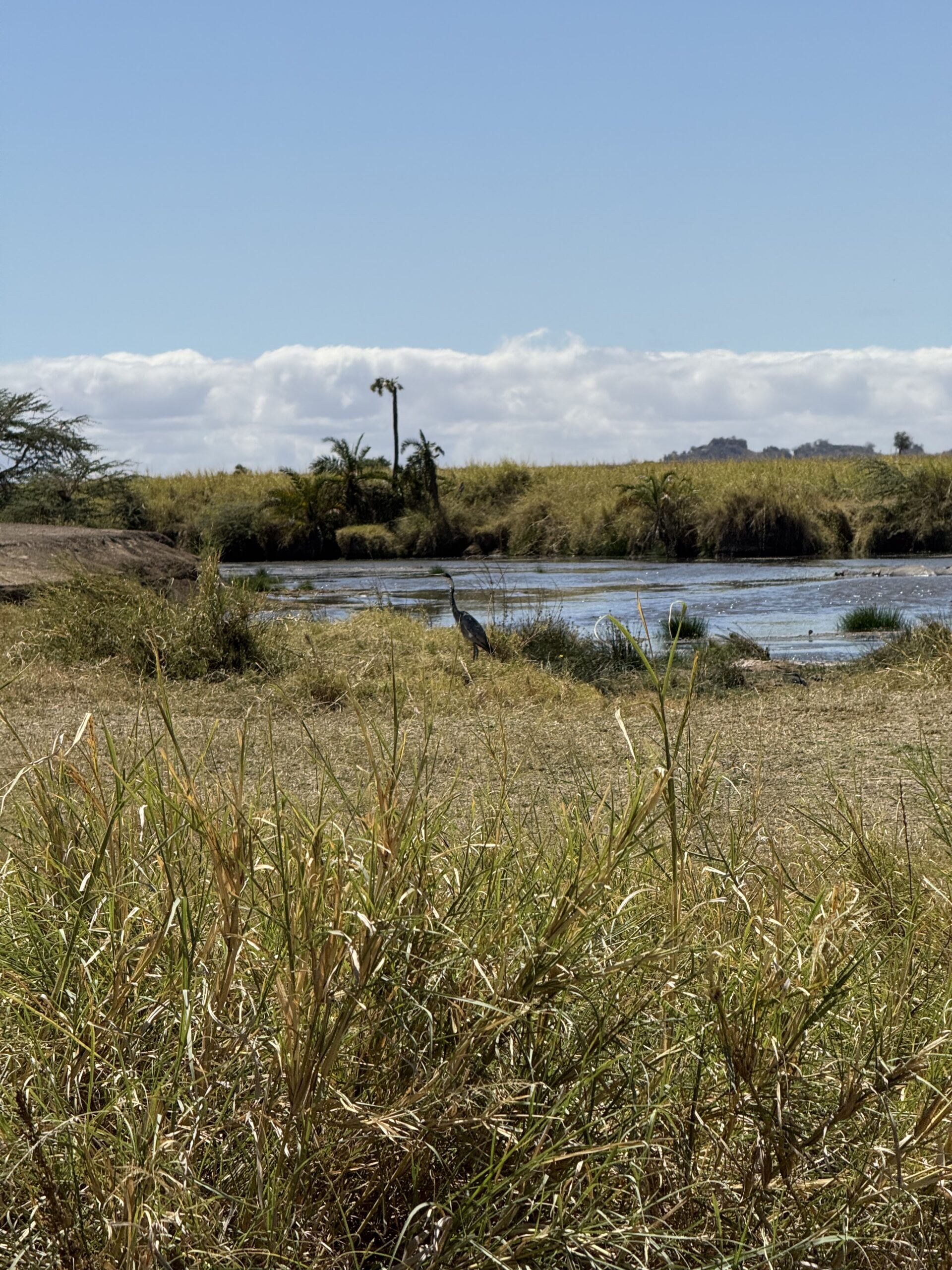
Gray Crown Crane
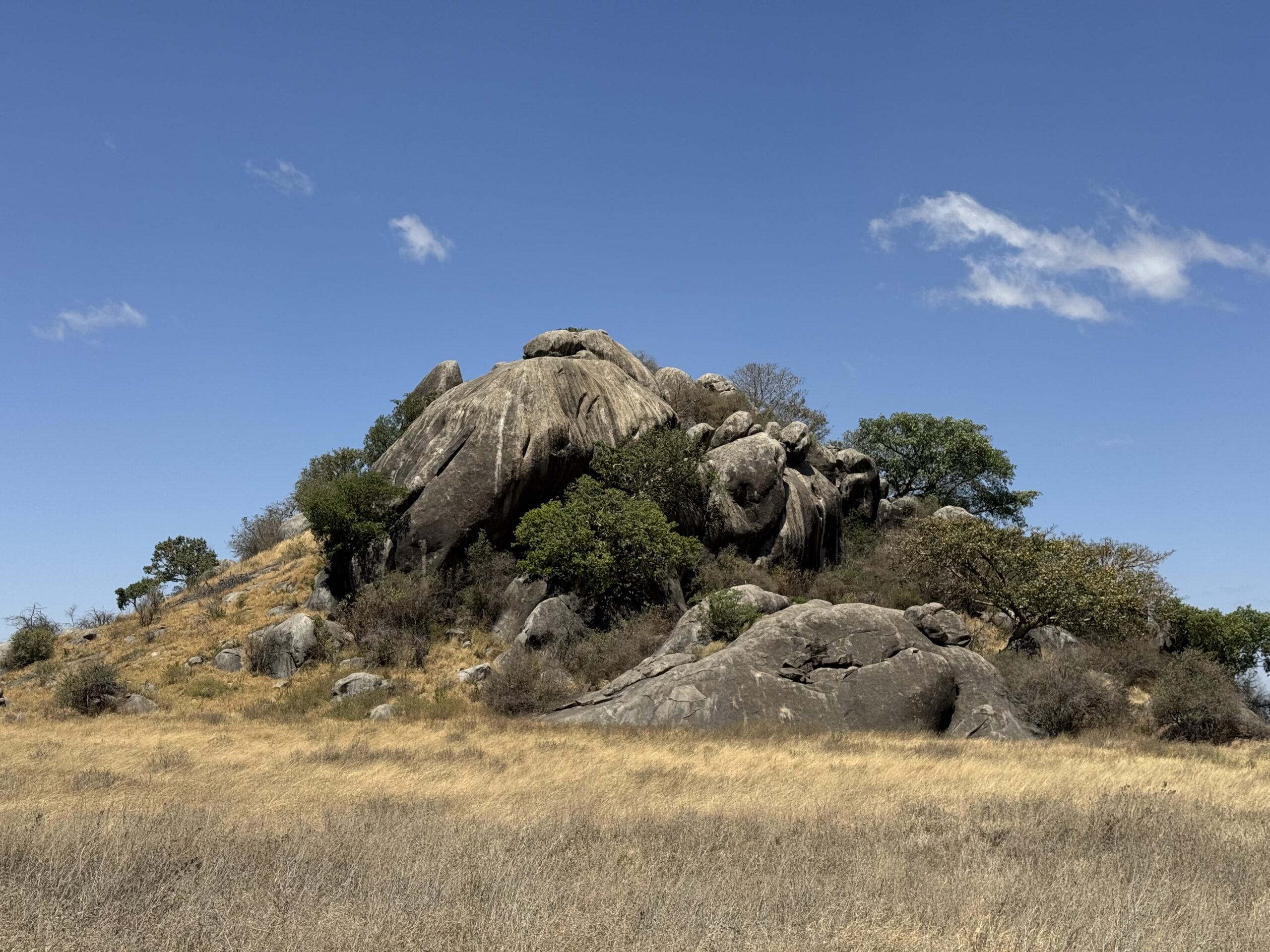
Moru Kopjes
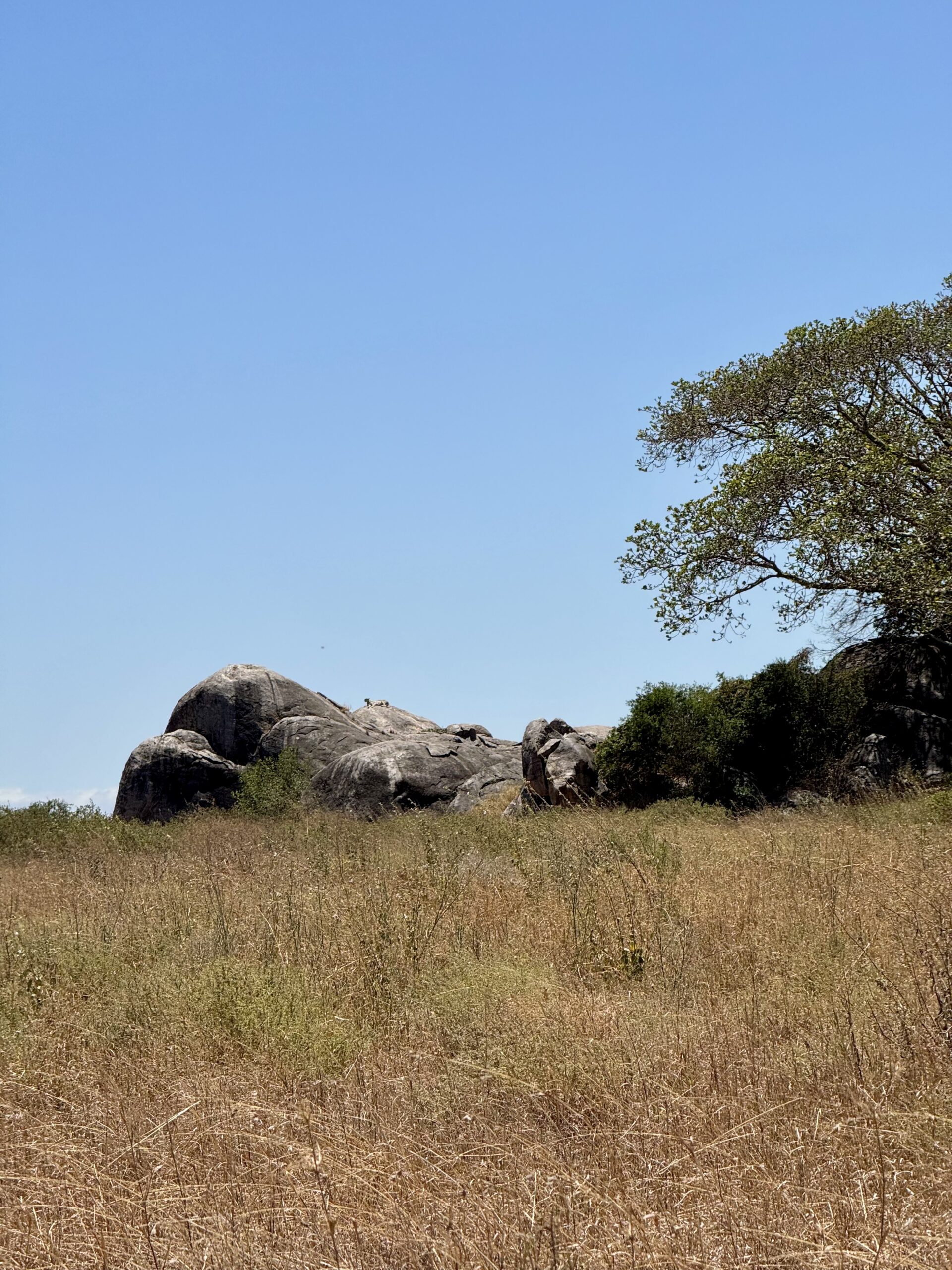
Can you spot the lion?
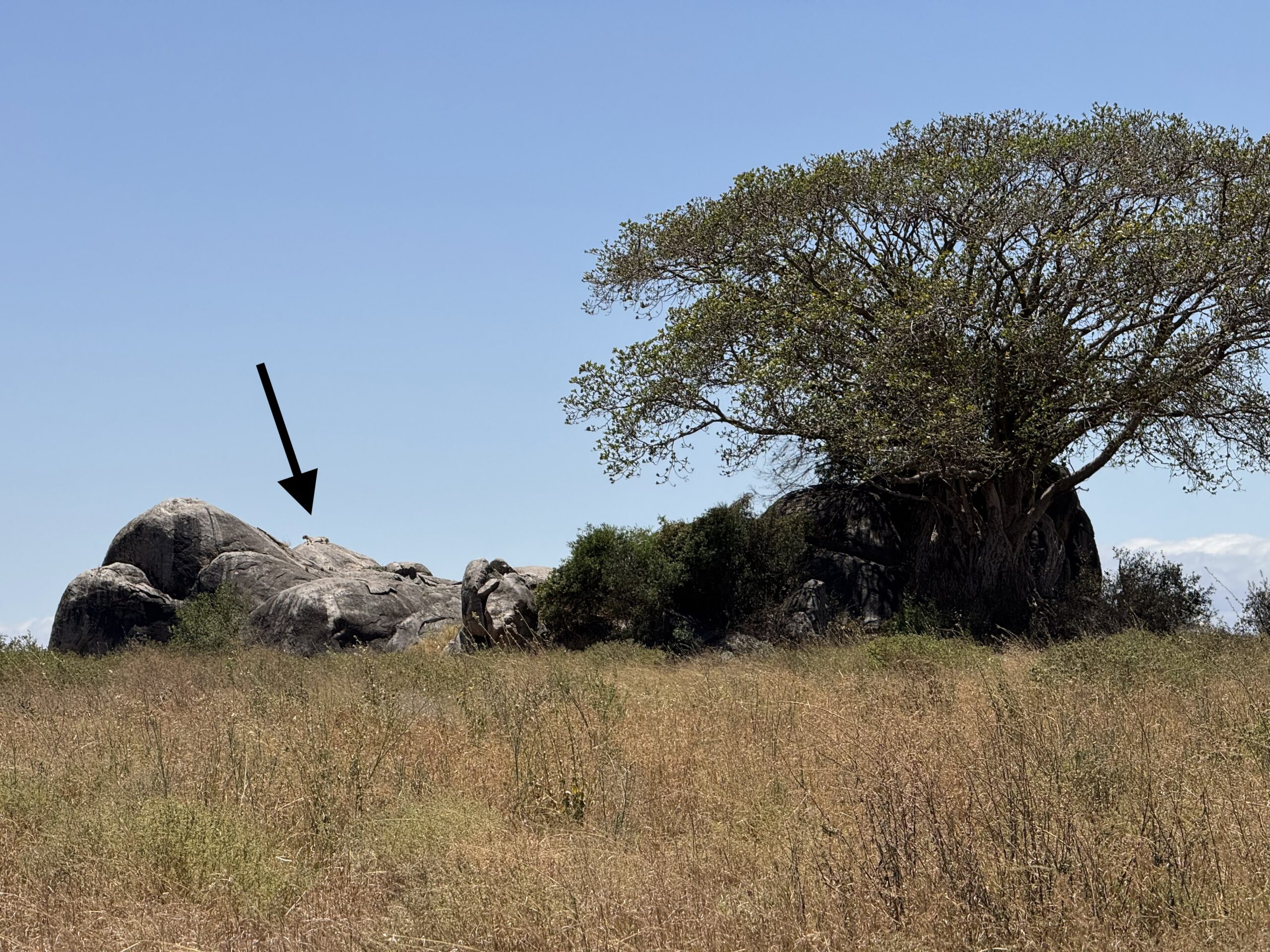
There's the lion, on top of the kopjes.
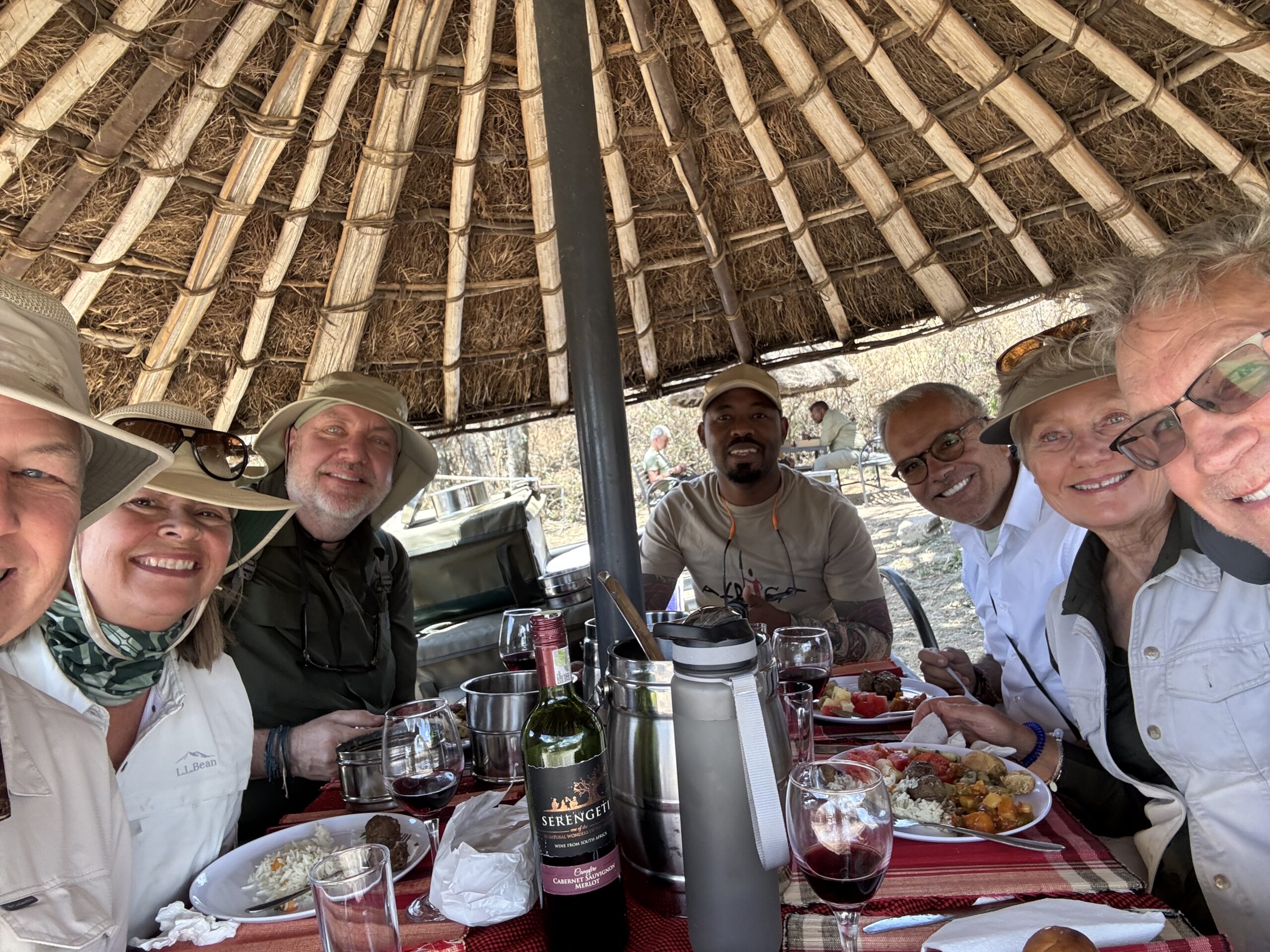
Lunch in the Serengeti.
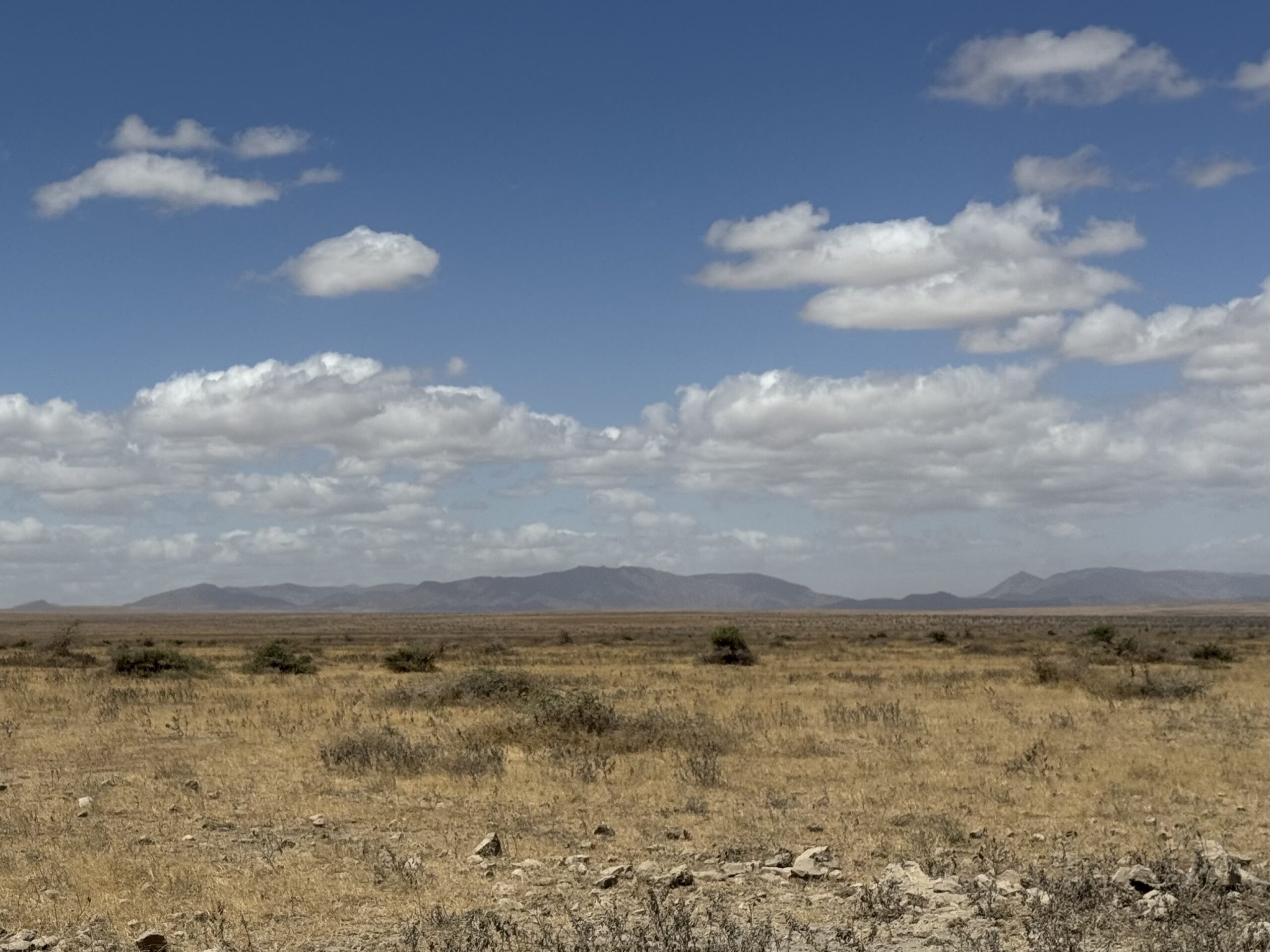
The mountains of the Great Rift.
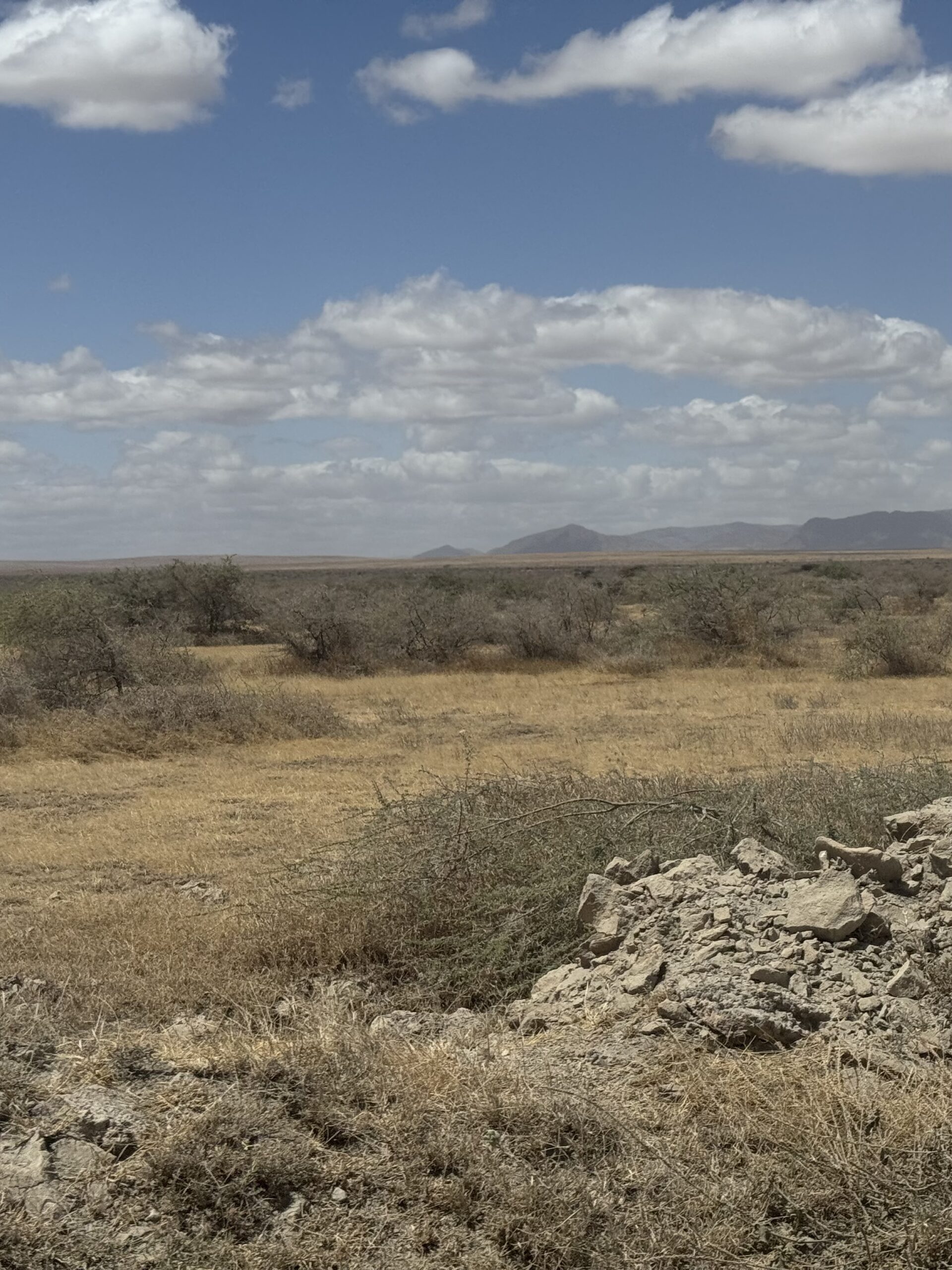
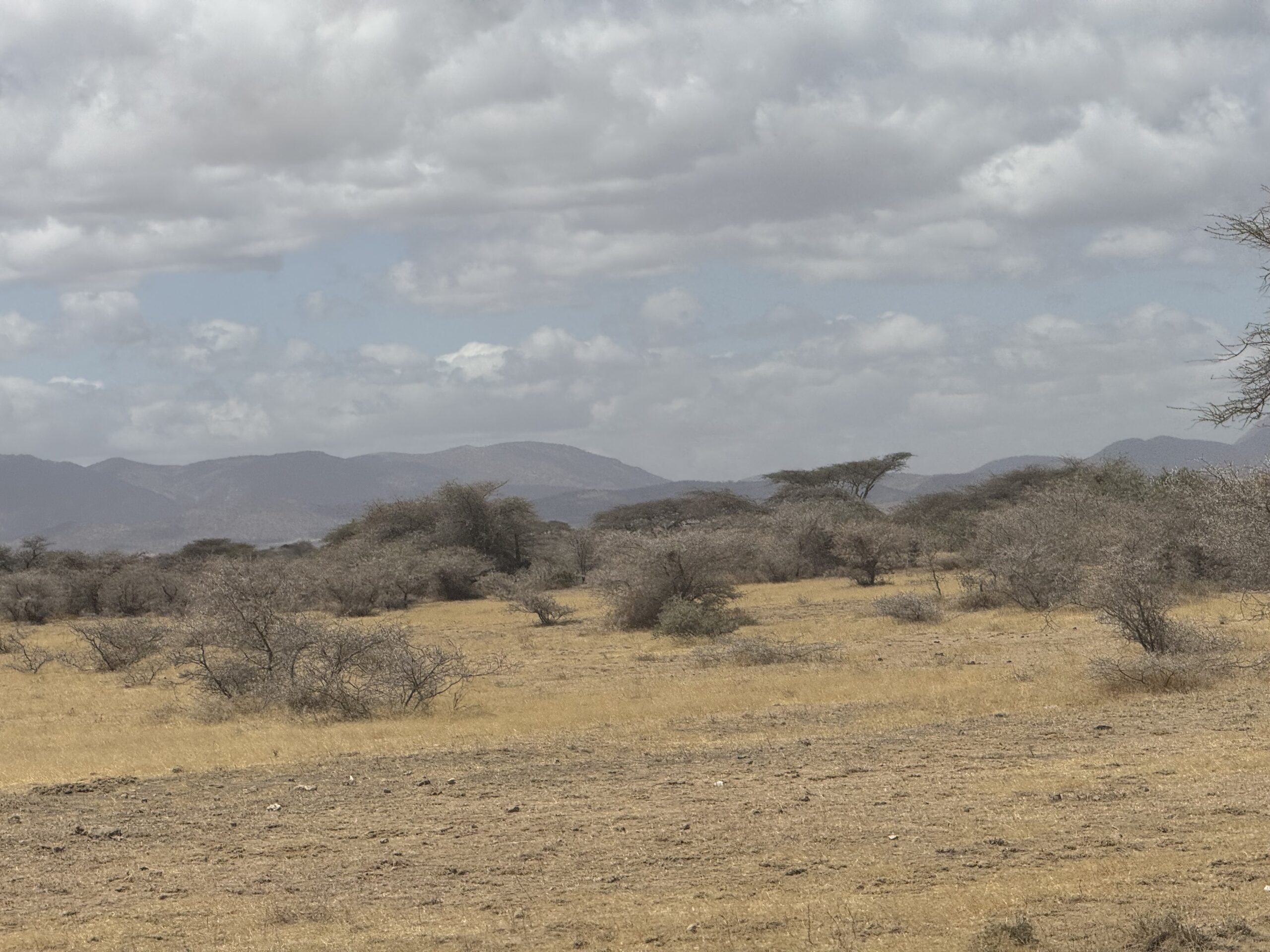
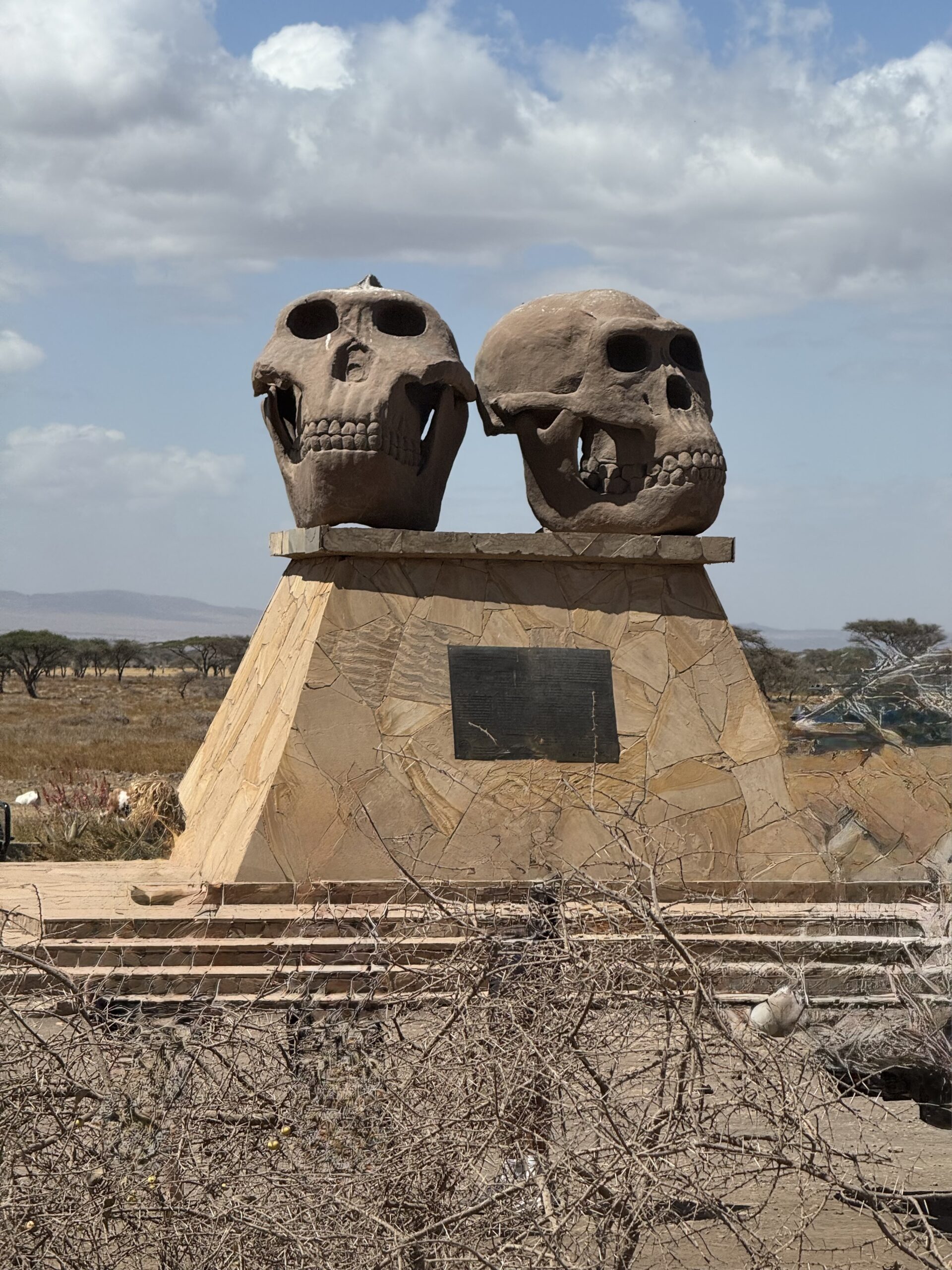
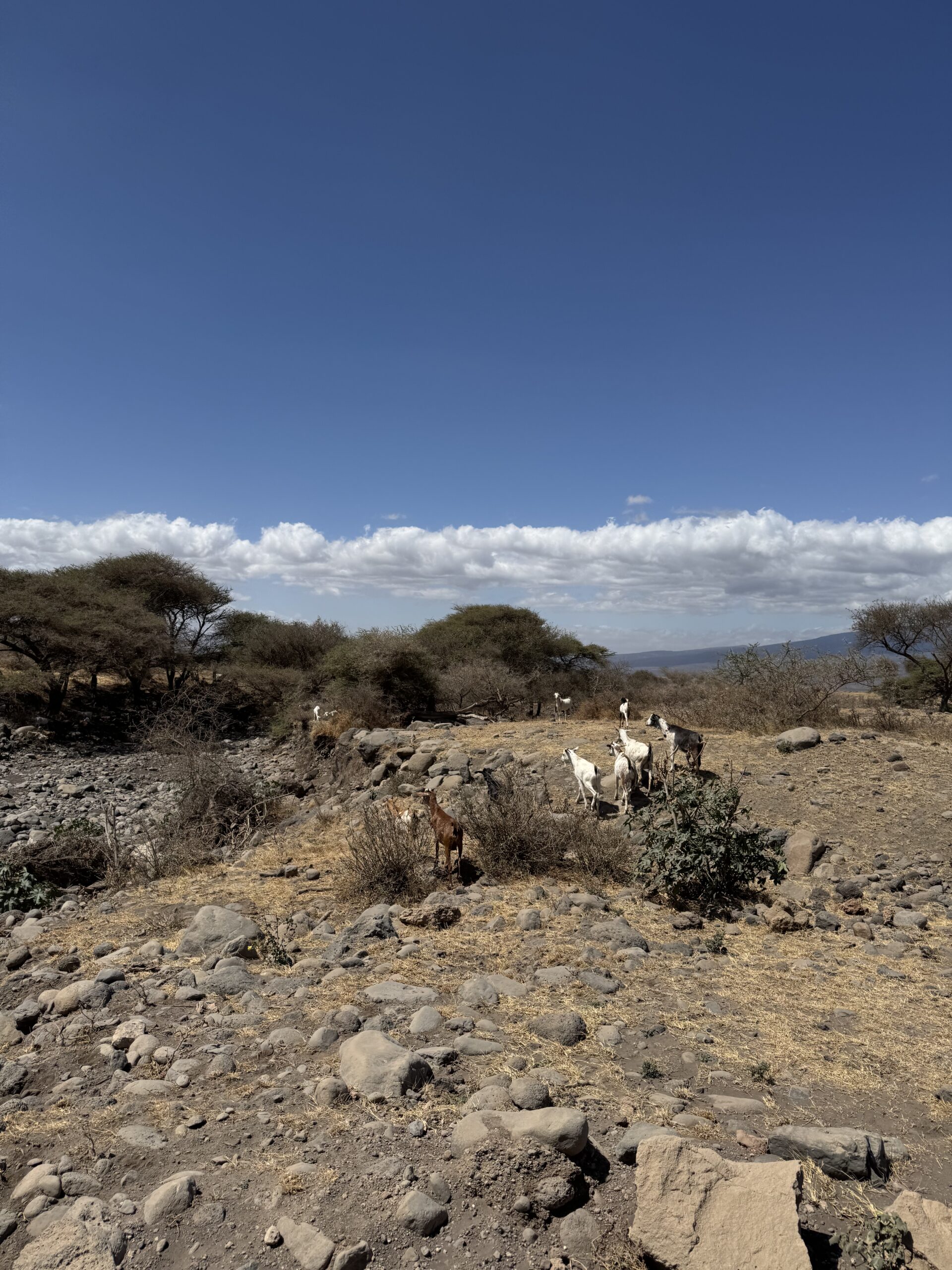
Goats and the Maasai Shepards are not far away.
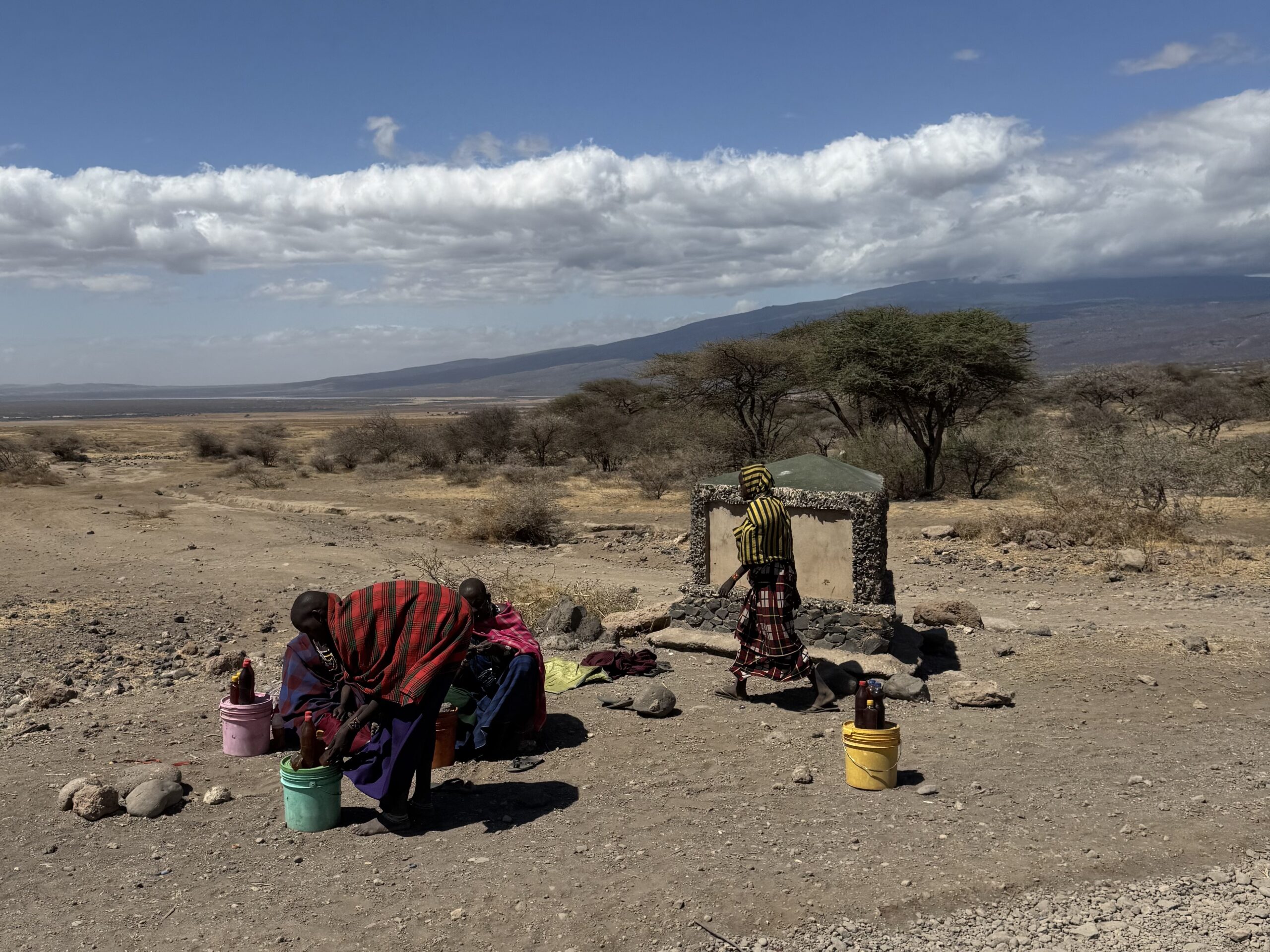
Maasai women selling honey.
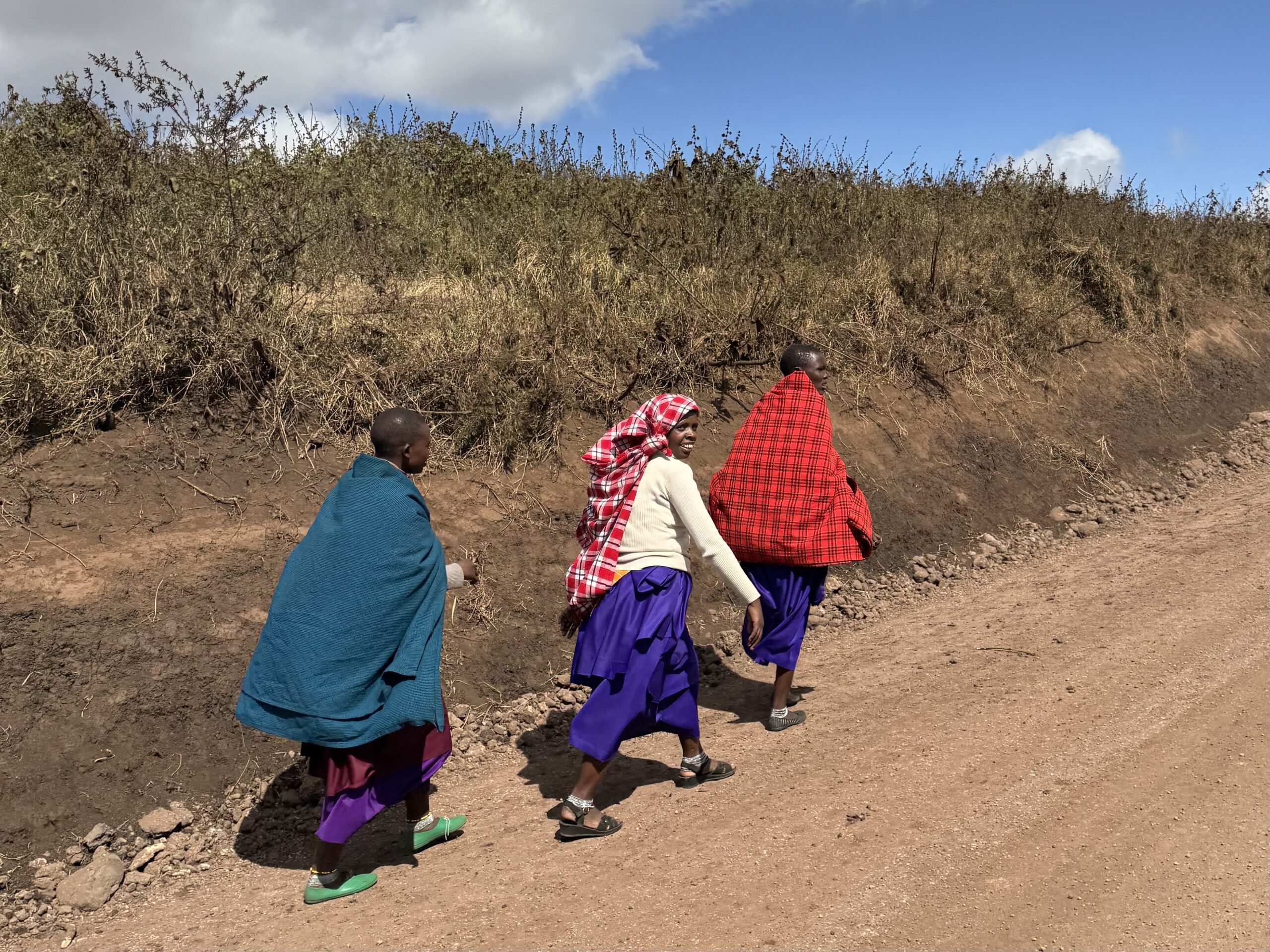
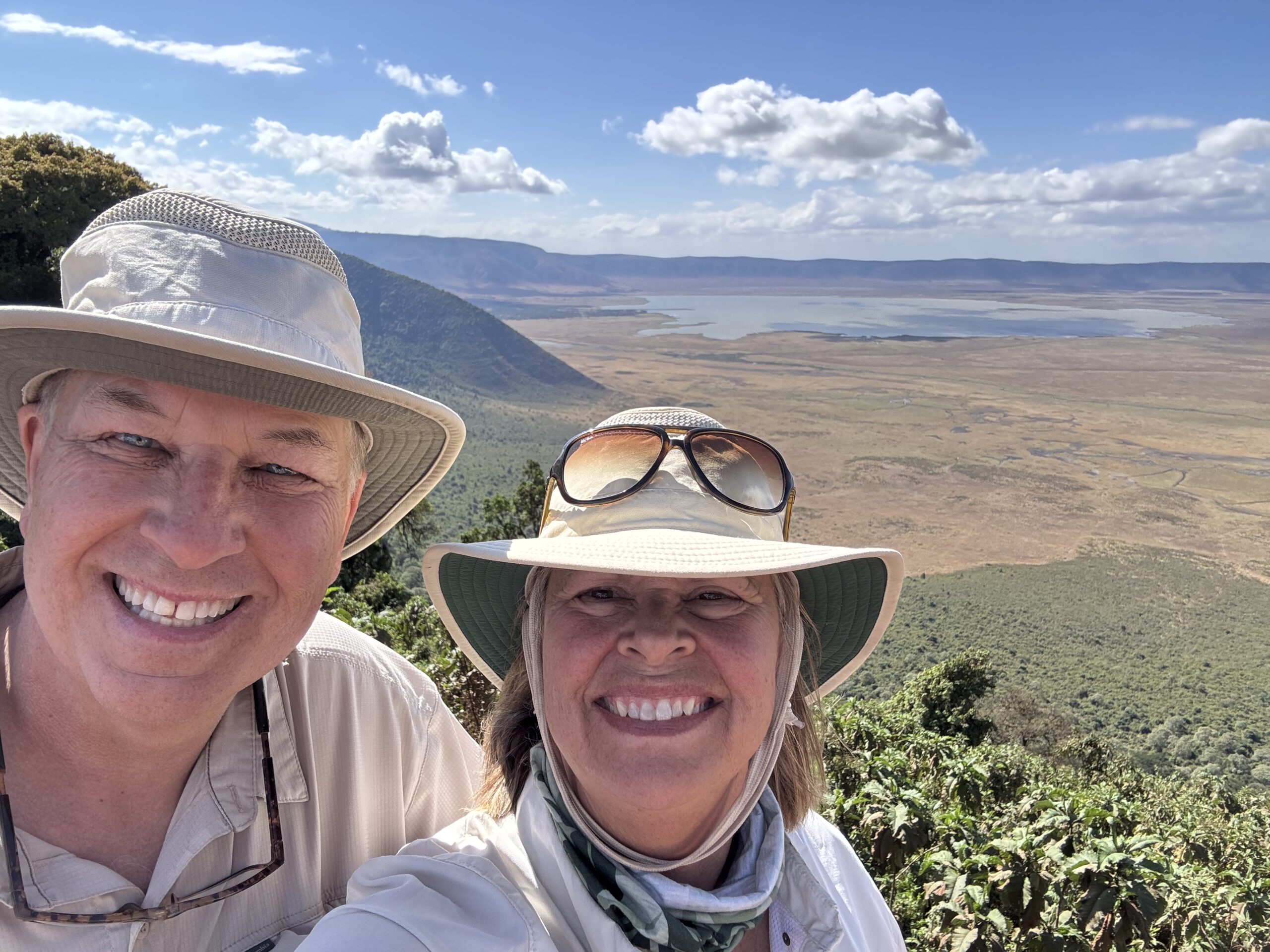
At the rim of Ngorongoro Crater.
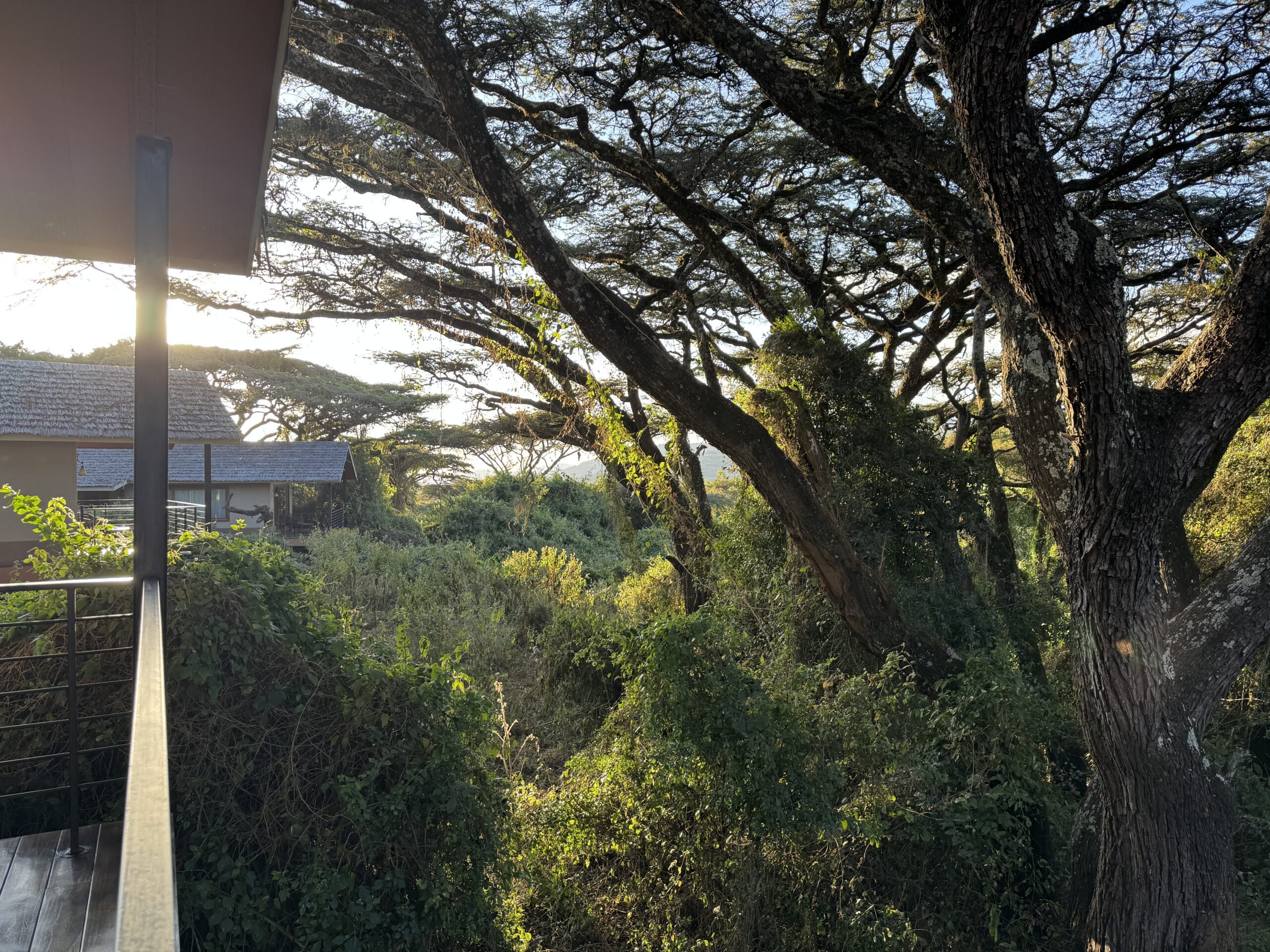
The view from our cabin.
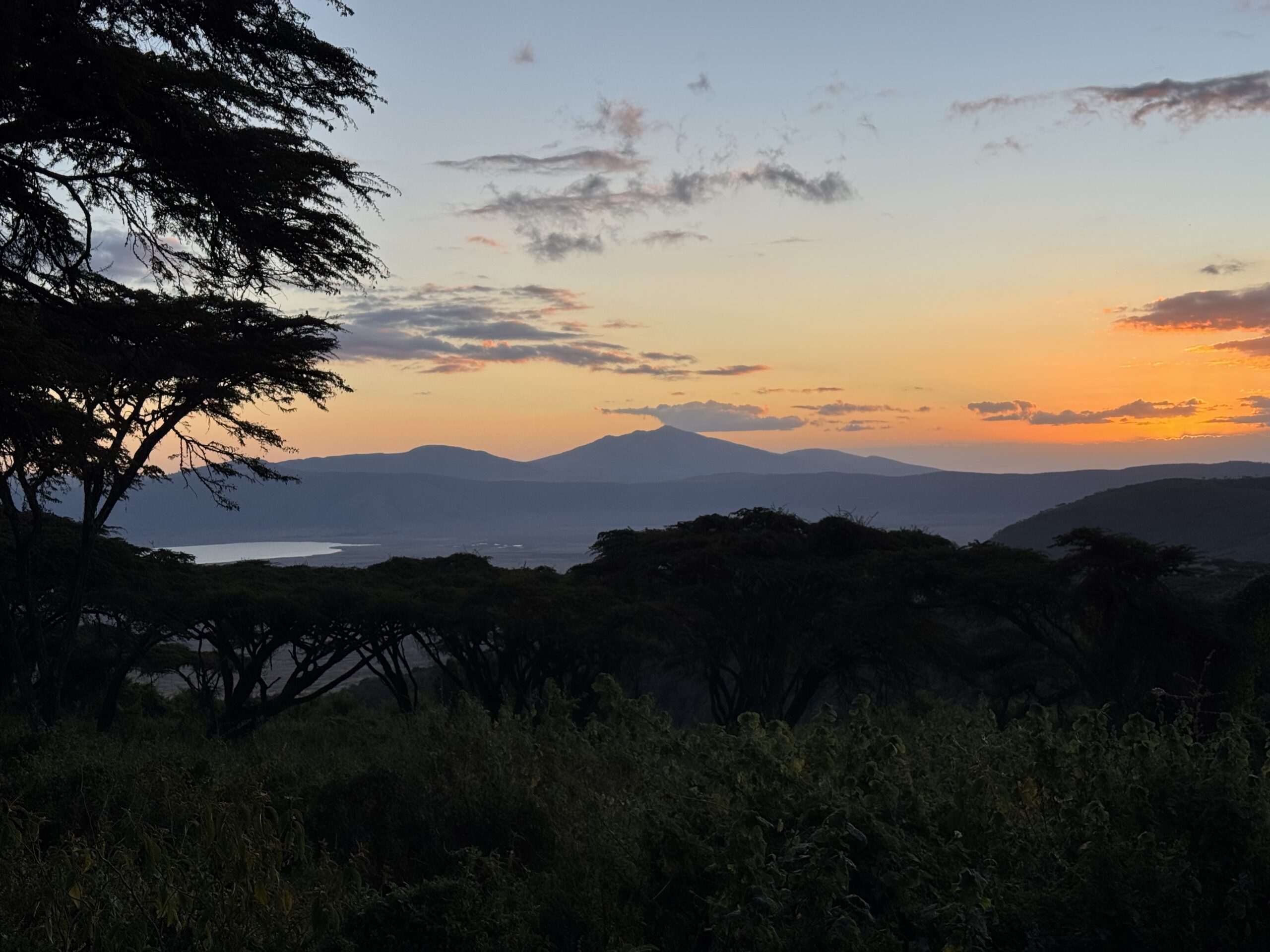
Sunset over Ngorongoro Crater from the Karibou Lions Paw Lodge.
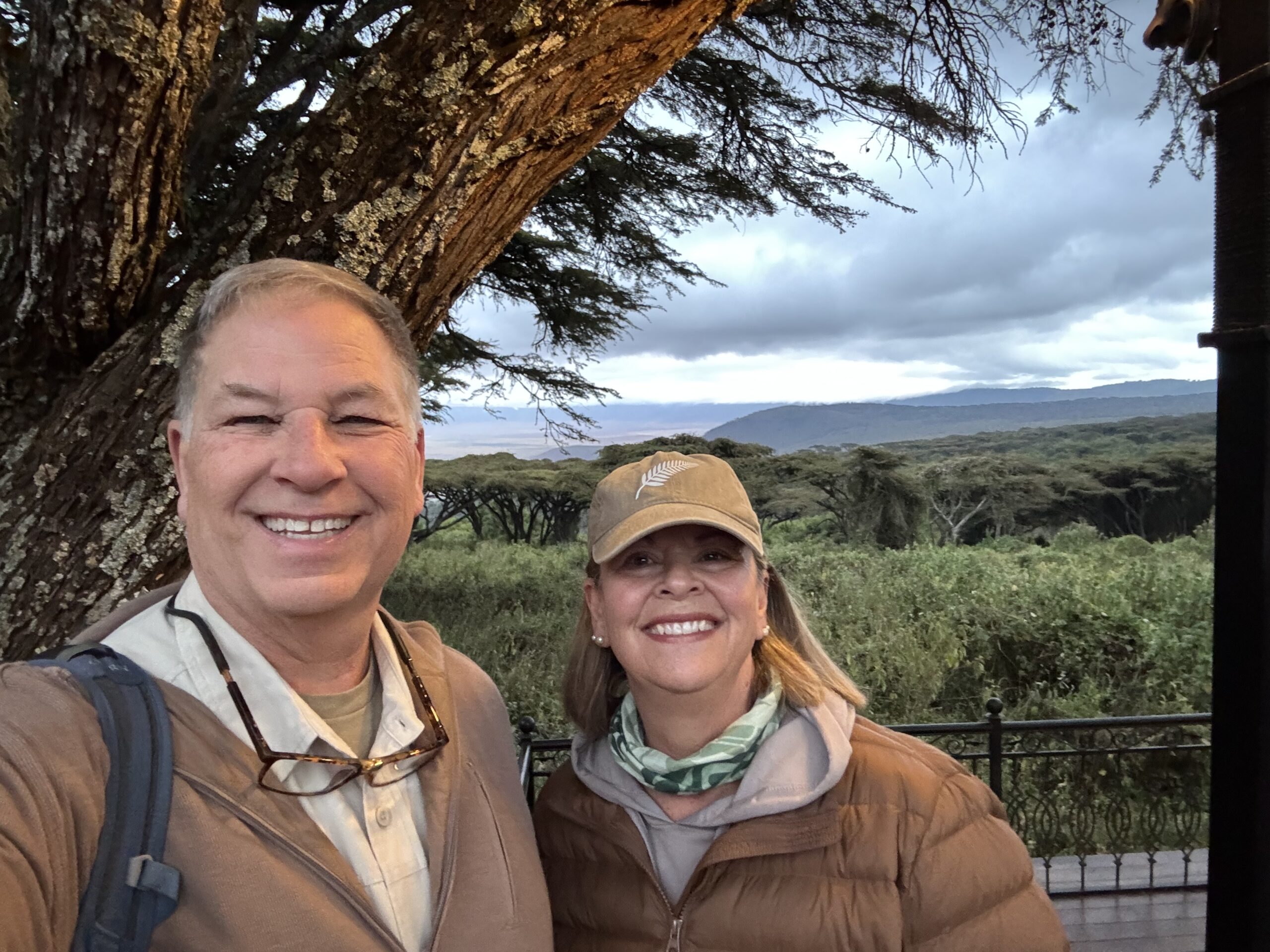
Two kids, on safari.
Another wonderful post and stunning photos!
Pictures are amazing ❤️