
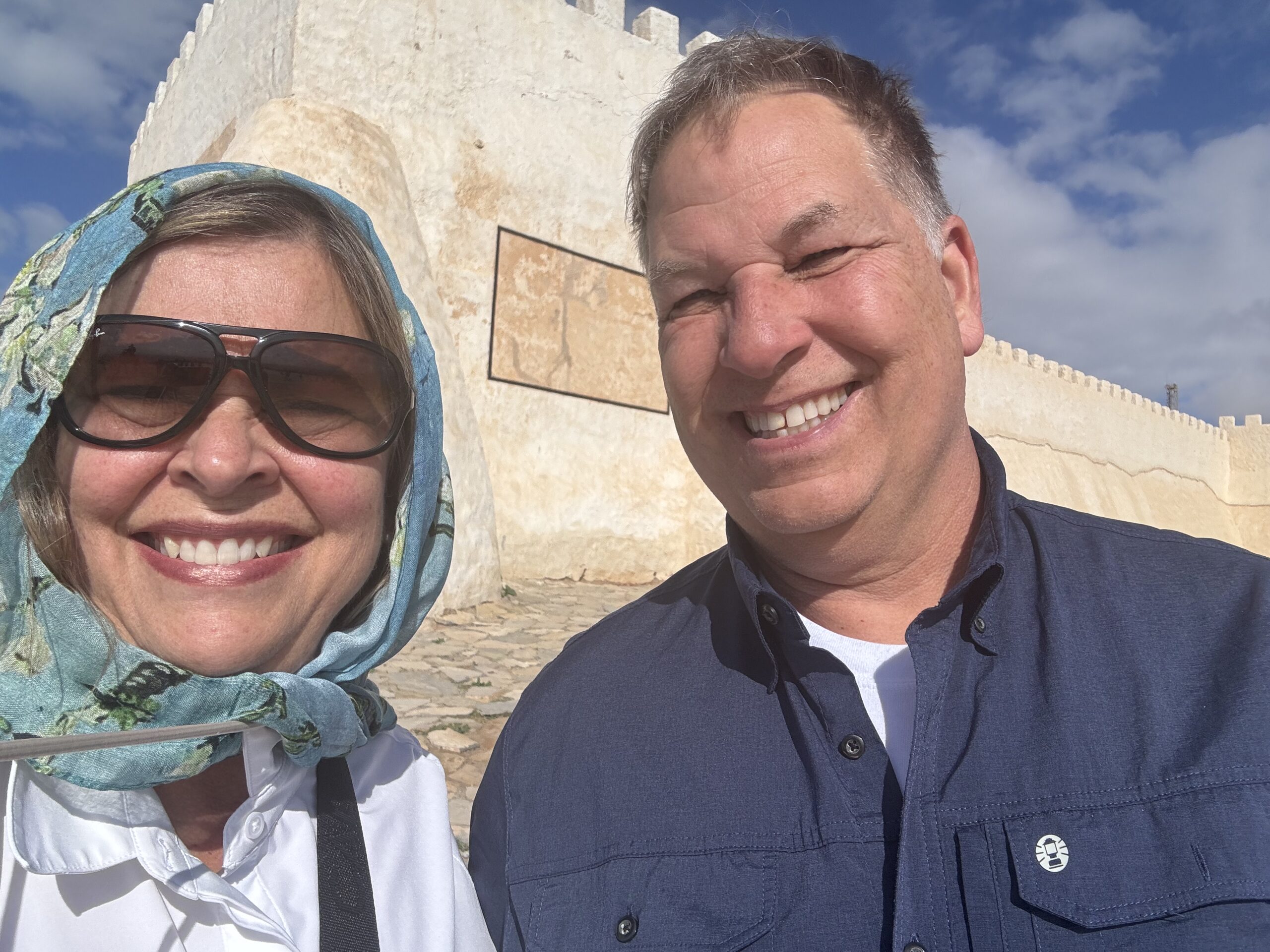
Agadir, Morocco
We really did not know what to expect of Agadir, as we were provided with not one, but two, safety letters prior to debarkation. Besides warnings of pick pocketers and tips on what to wear, there was also a lot of setting of expectations. As this is the month of Ramadan, there was additional information provided about how to be respectful and sensitive to their holiday. Ramadan is the holiest month in the Islamic calendar, marked by fasting, reflection, charity and prayer. Therefore, everyone that we would come in contact with would likely be food and drink fasting, and this would impact restaurant hours as well. We appreciated the extra sensitivity and concern that Princess demonstrated by providing us with this information in advance.
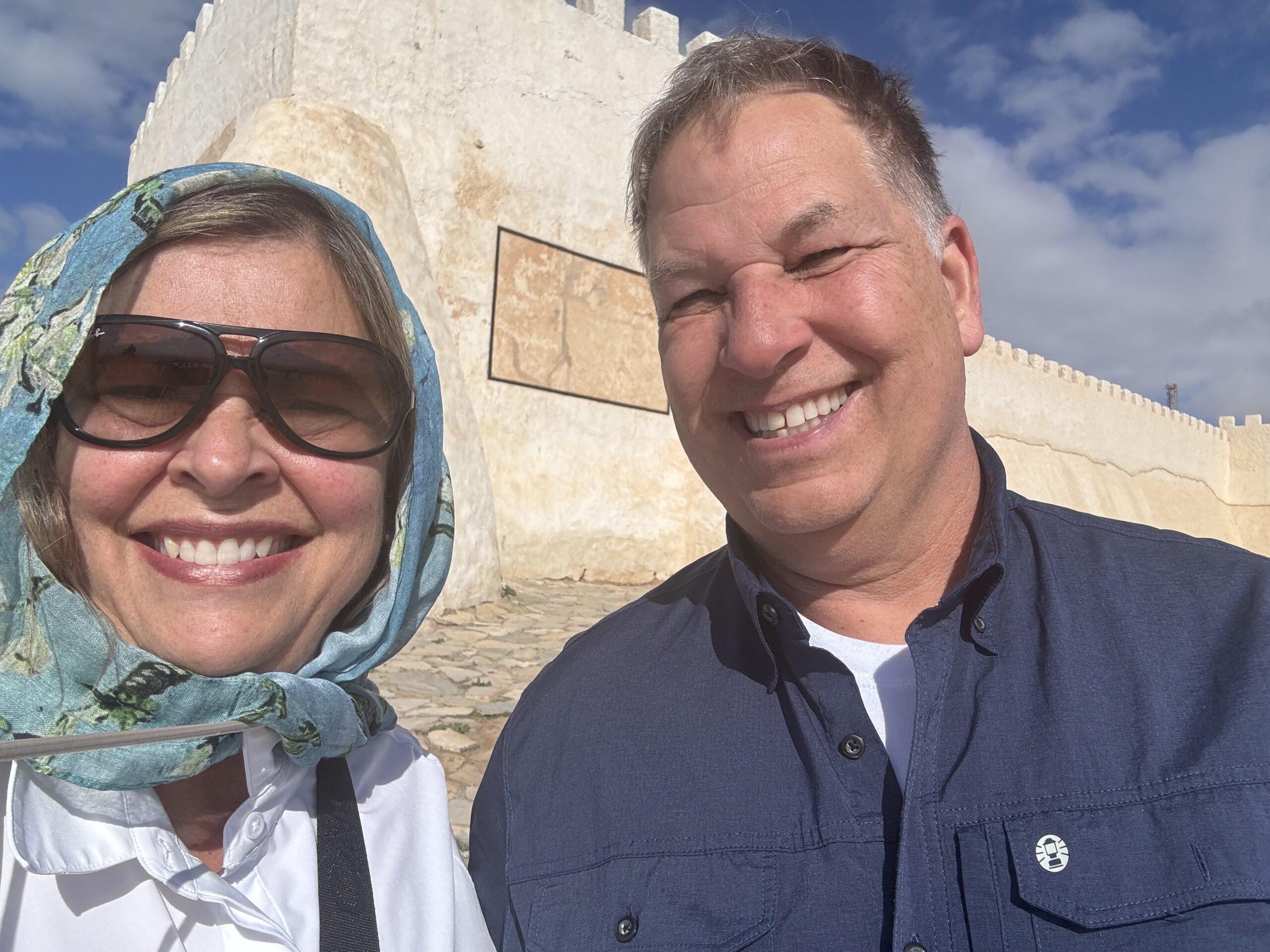
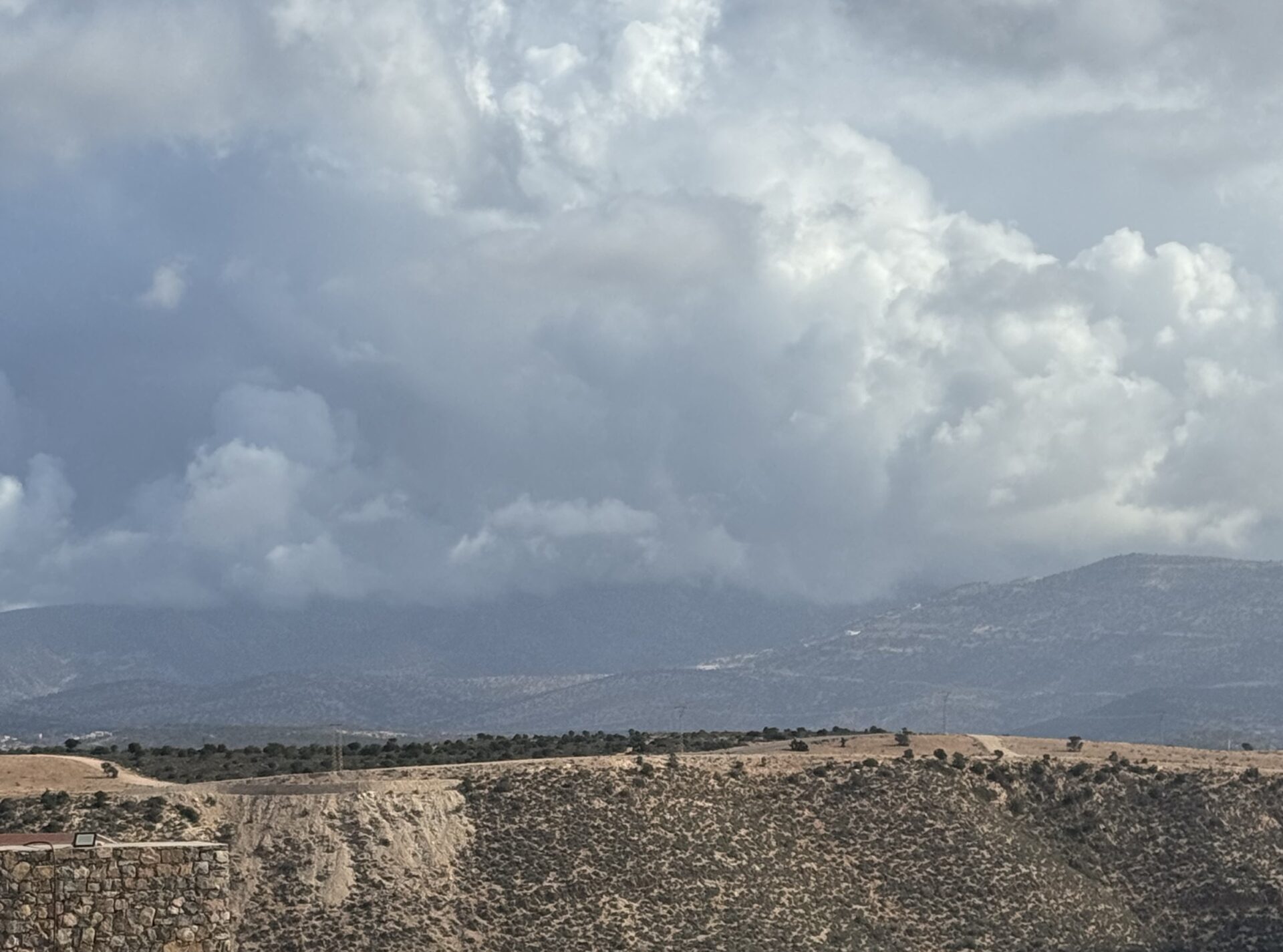
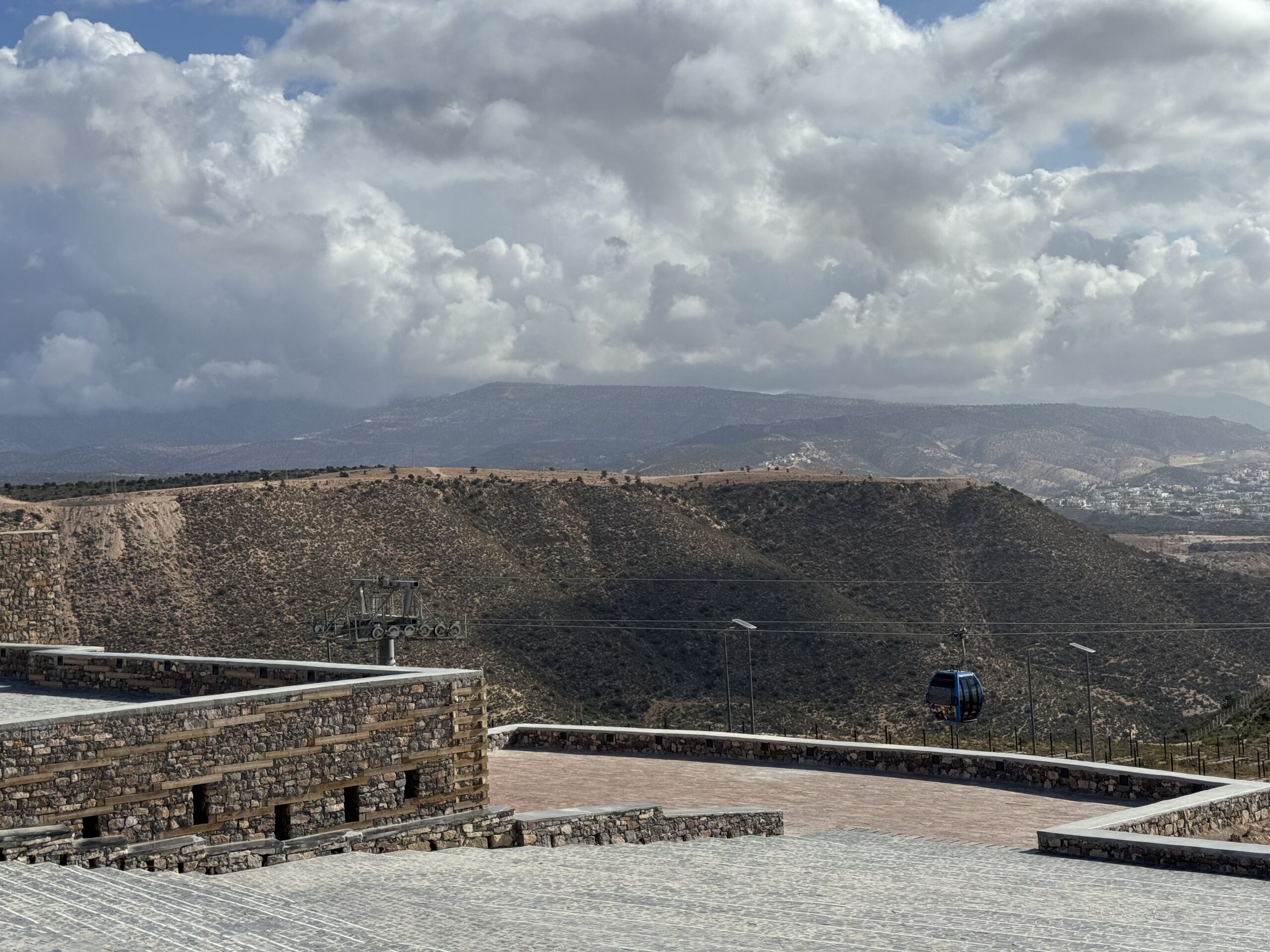
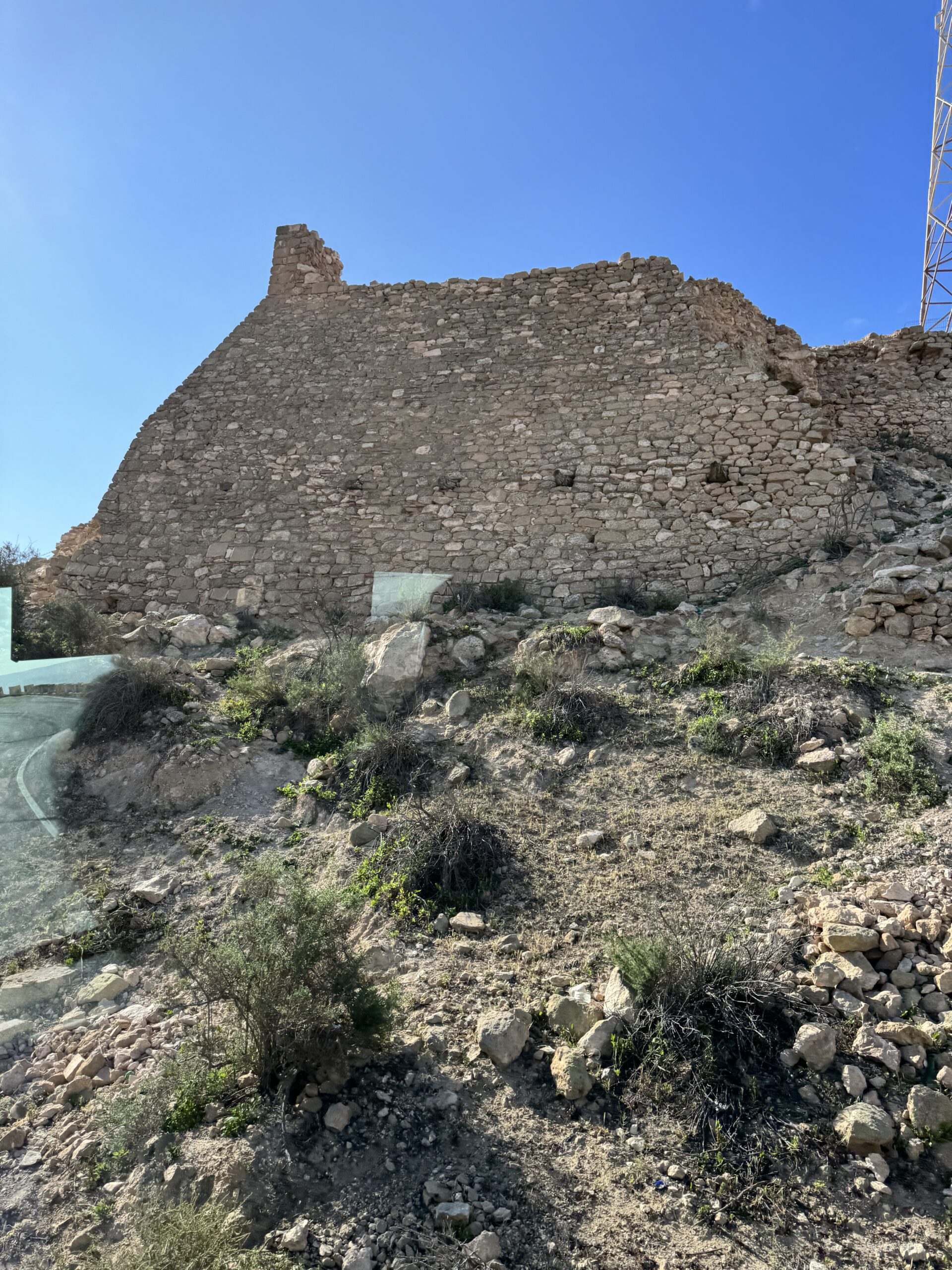
We began our day driving to the ancient Casbah above the town, winding our way to the top, to enjoy the views and see the ruins. We were told about the February, 1960 earthquake that killed 15,000 of the 35,000 inhabitants of the town. Our guide Magid was 5 years old at the time and his family survived as they were away visiting his grandparents. However, he lost his home and lived in a tent for over a year before they were given a container to live in. It would be a full three years before they could rebuild a proper house. We drove by the cemetery where all of those lost in the earthquake were buried, and we saw the location of the old town, which is now a public park.
Due to the earthquake, most buildings in Agadir have been built since 1960 and there is still a building boom going on. Everywhere we drove we saw new roads, schools, parks and homes being built. Agadir is the primary resort town for Morocco, and as such, it enjoys a high rate of government investment in the area. Morocco is a parliamentary monarchy government.
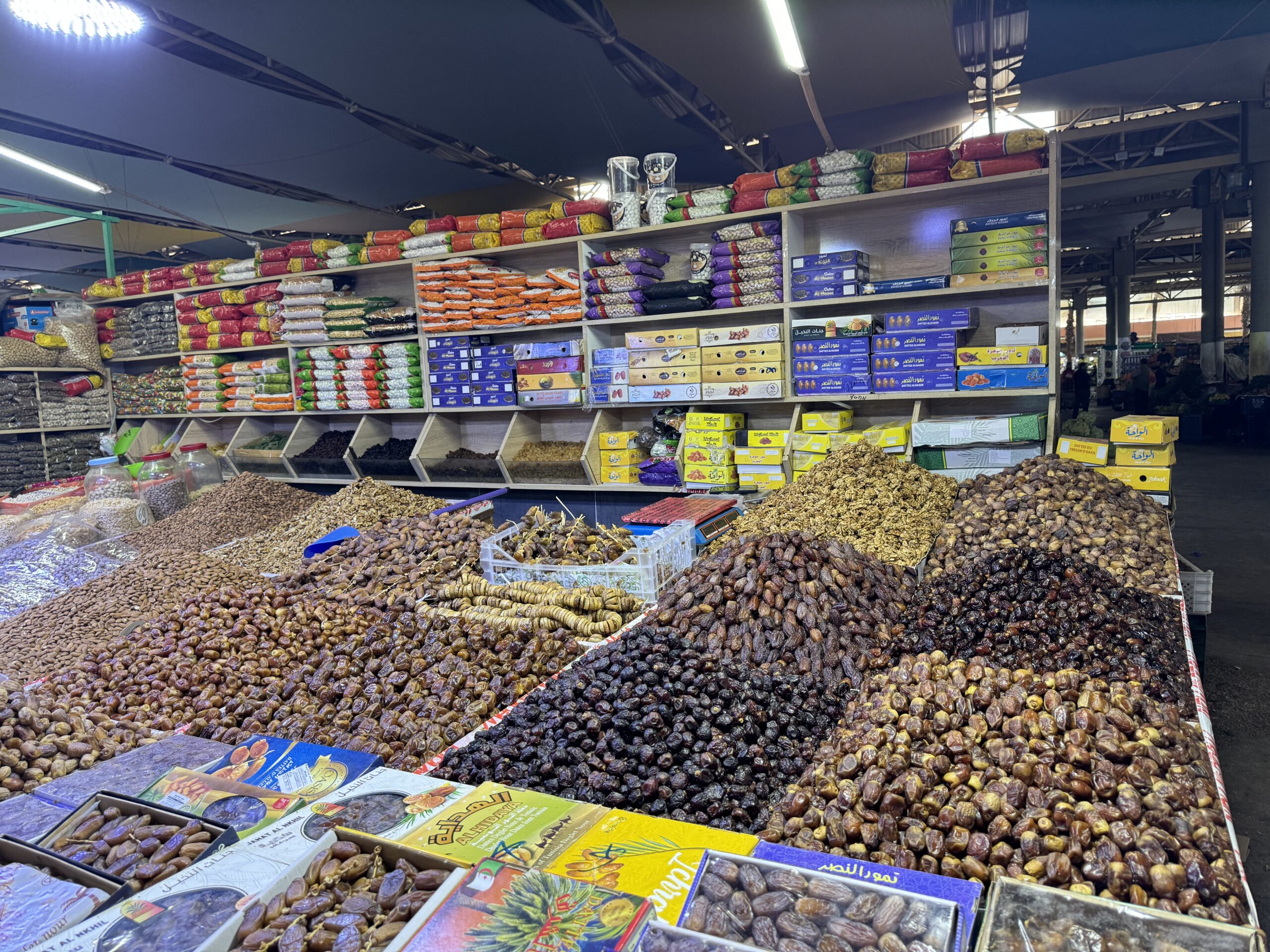
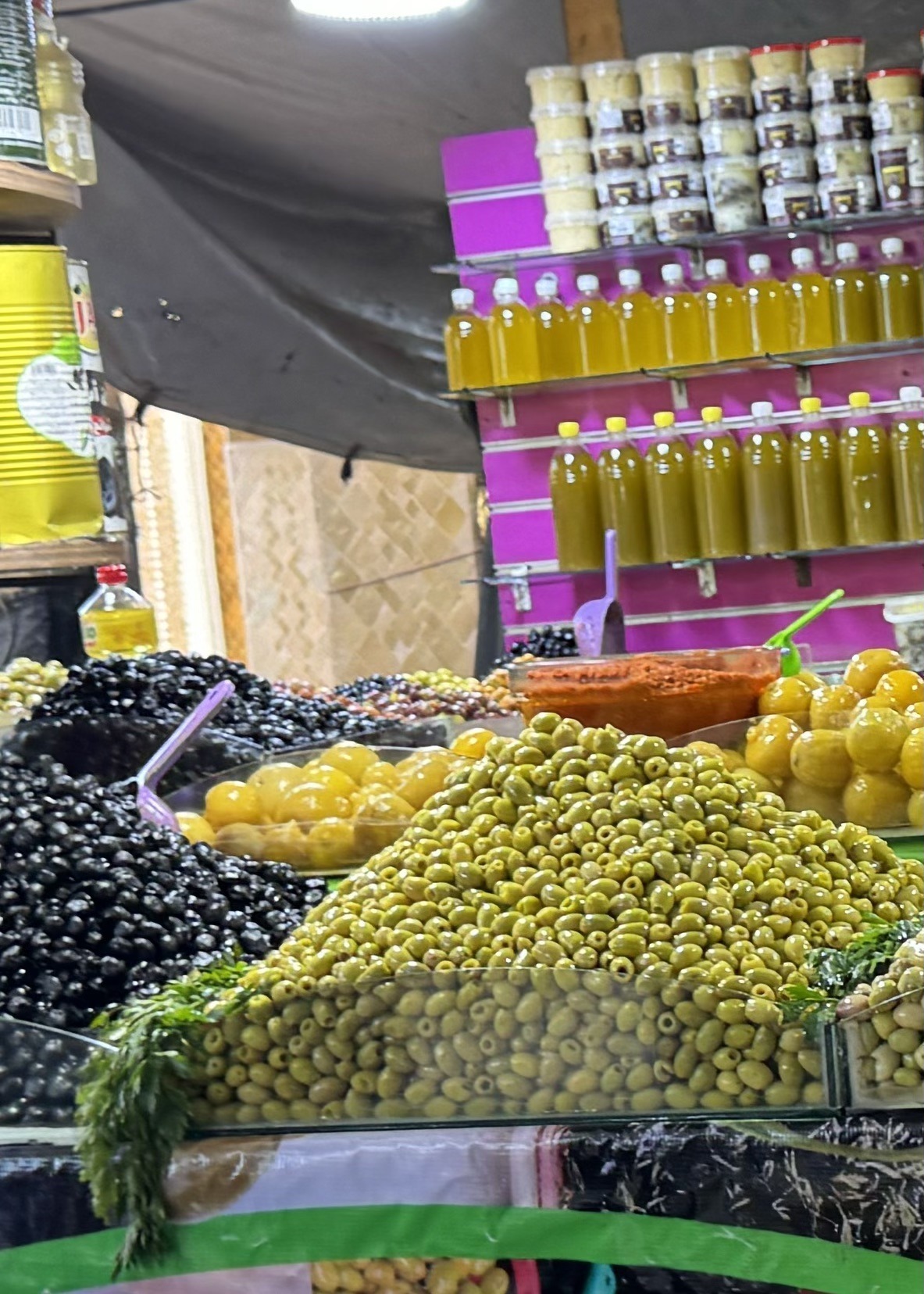
After the Casbah, we went to the biggest Souk in Agadir, the El Had. Considered to be the largest souk in Africa, there are over 3000 stalls, covering over 32 acres. There is fresh produce, furniture, home goods, spices and herbs, souvenirs, fish and meat, and clothing. As the guide said, if you need it, you can find it here. We took a tour with our guide, and then had some free time to explore and shop.
Next, we went to the Tighanimine Cooperative to learn about Argan oil production. We learned that argon trees can be found only in the area surrounding Agadir, in fact, nowhere else on earth. The trees are ancient and are not propagated but instead new trees are sprung from old trees by their root system. Argan nut harvesting has traditionally and historically been done by women and is back braking. The nuts must be picked up from the ground, as the tree has many long thorns. The cooperative was created 20 years ago to help women in the area have greater access to commercial markets, by pooling their produce and jointly investing in modern production equipment. This Free Trade organization assures quality argon products including cooking oils, cosmetics and medicinal oils and we were told that each woman shares in the profit-making. I was a little dubious about it, thinking this was a marketing ploy. After all, it was men that were taking the money at the store. However, after researching about the cooperative, I could not find any bad news or reviews so maybe the women are indeed benefitting from this coordinated effort?
We enjoyed a nice snack of argon oil, traditional nut pastes and a honey mixture, along with bread and sesame cookies, and the drink of Morocco, mint tea. Ladies from the cooperative performed traditional music and dance. One elderly woman caught my heart as she smiled and waved. I’ll never forget her beautiful face and I told her so.
Post Gallery
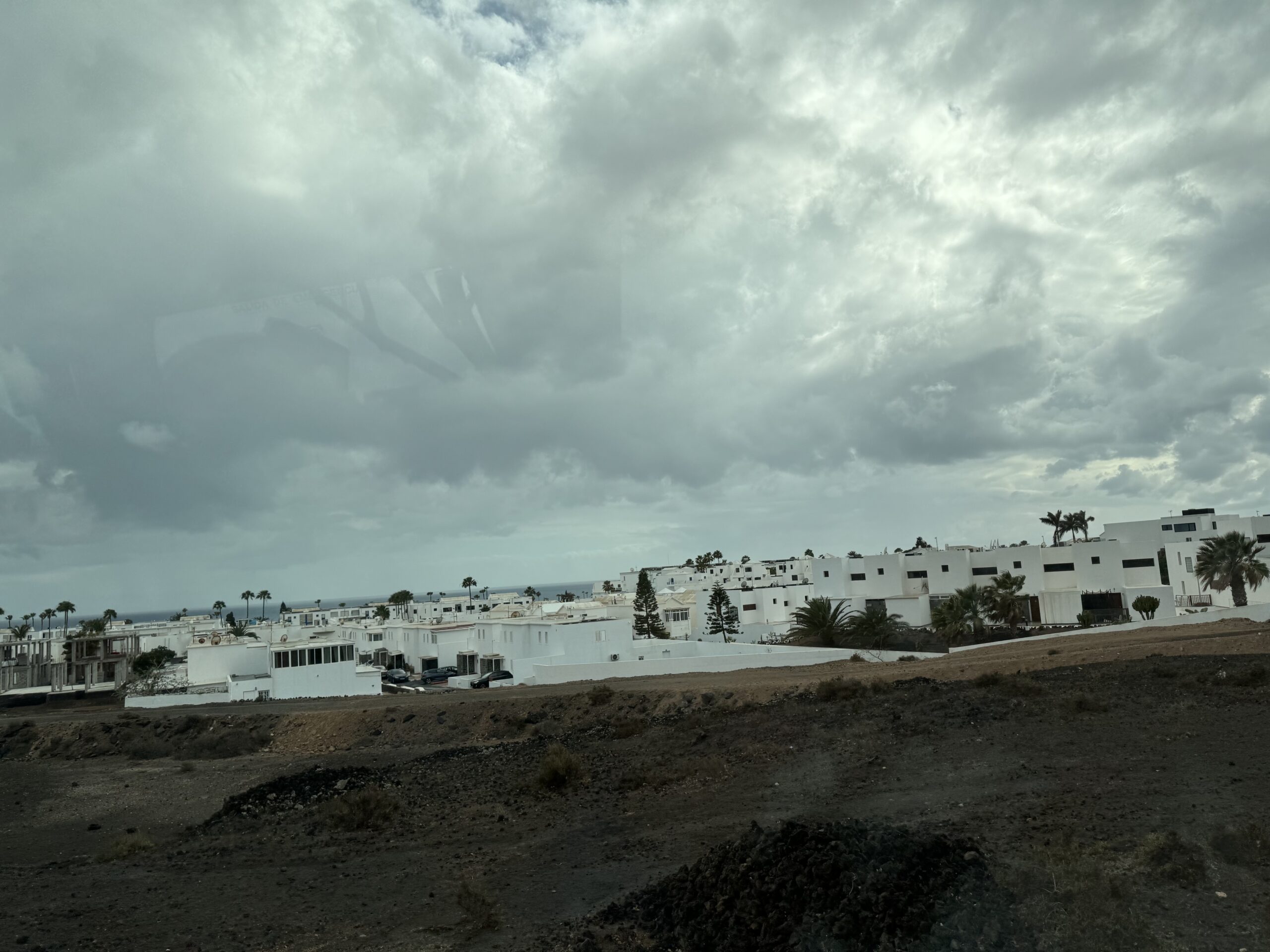
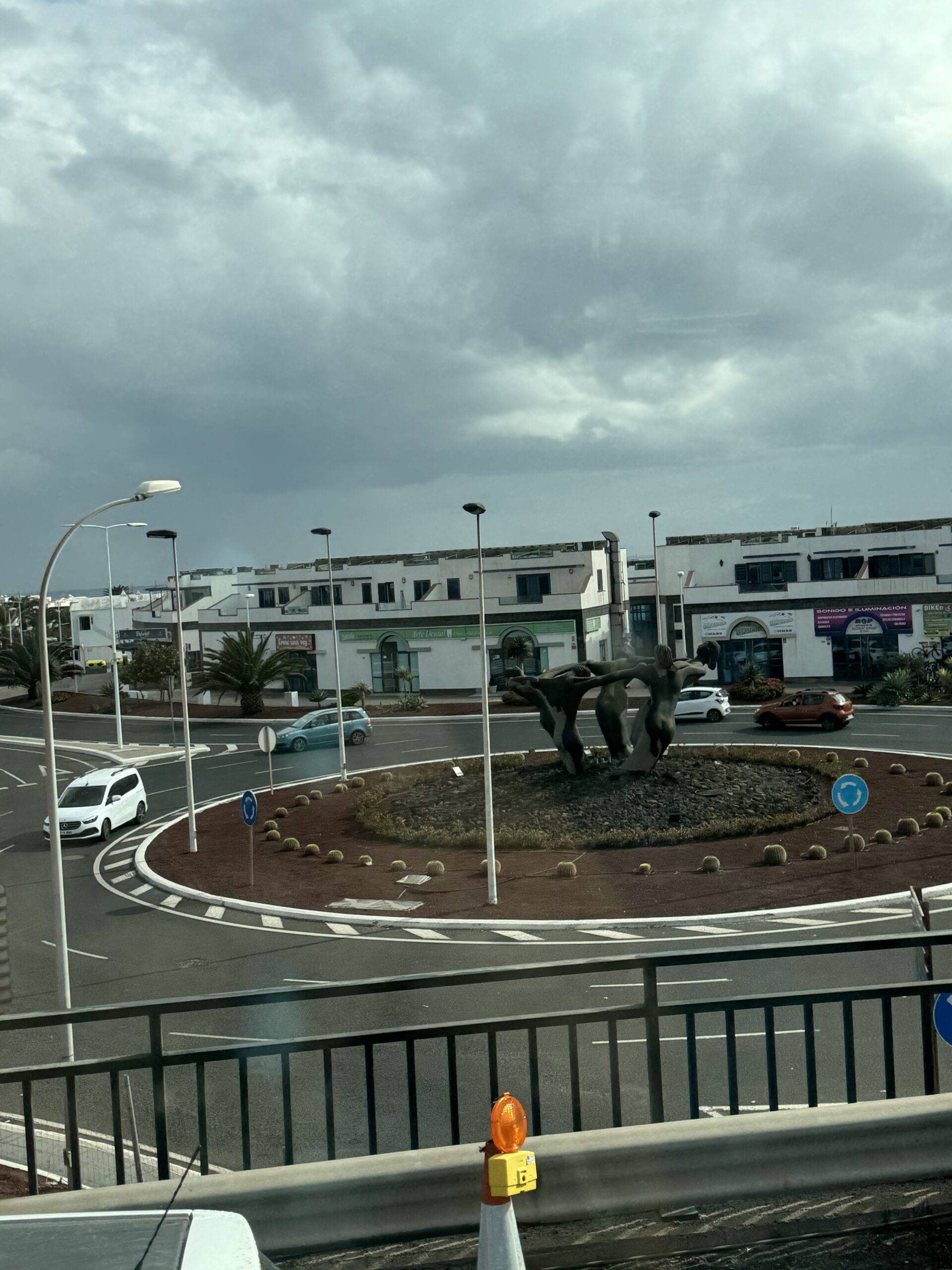
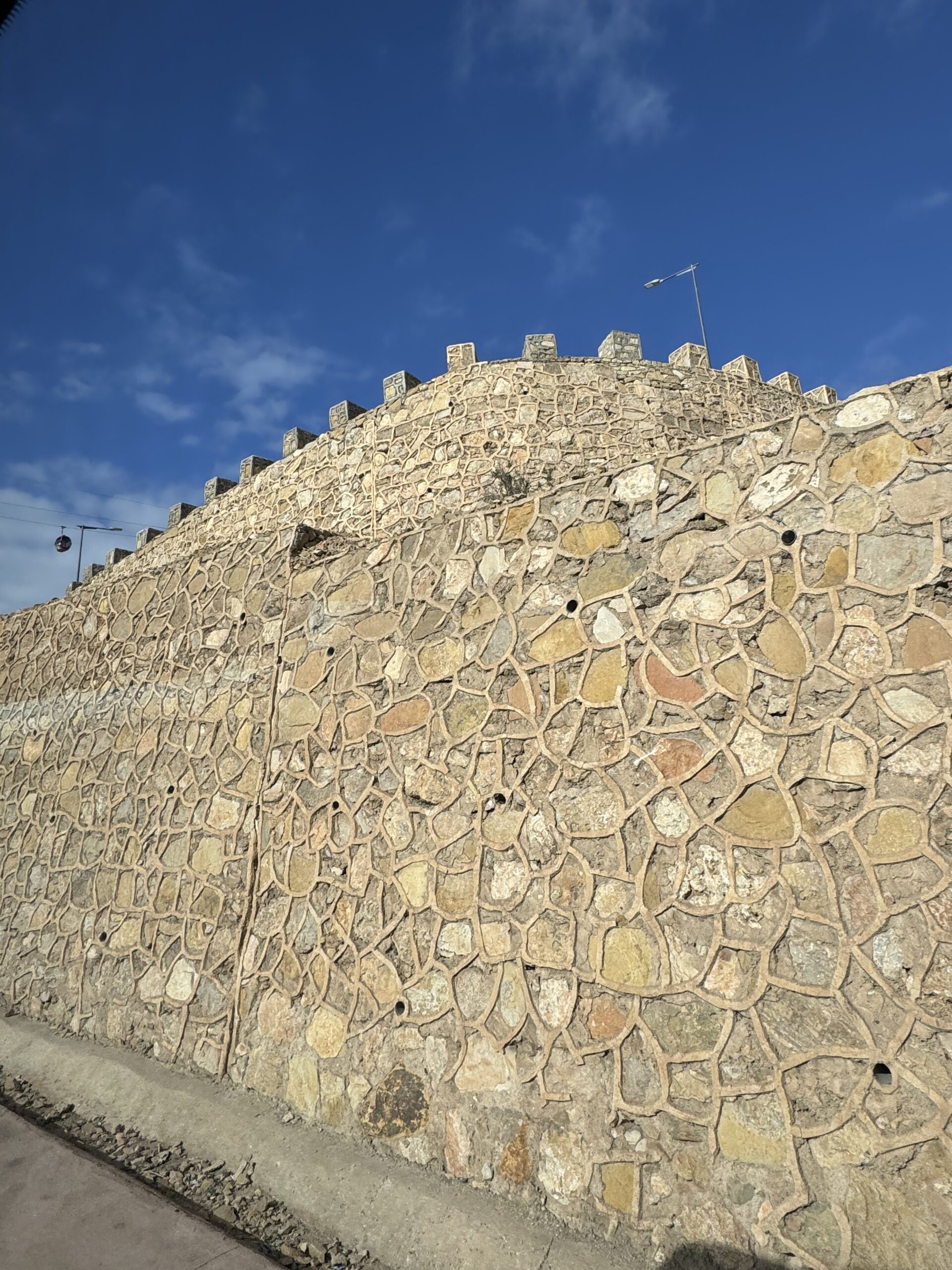
On the drive to the top of the Casbah.
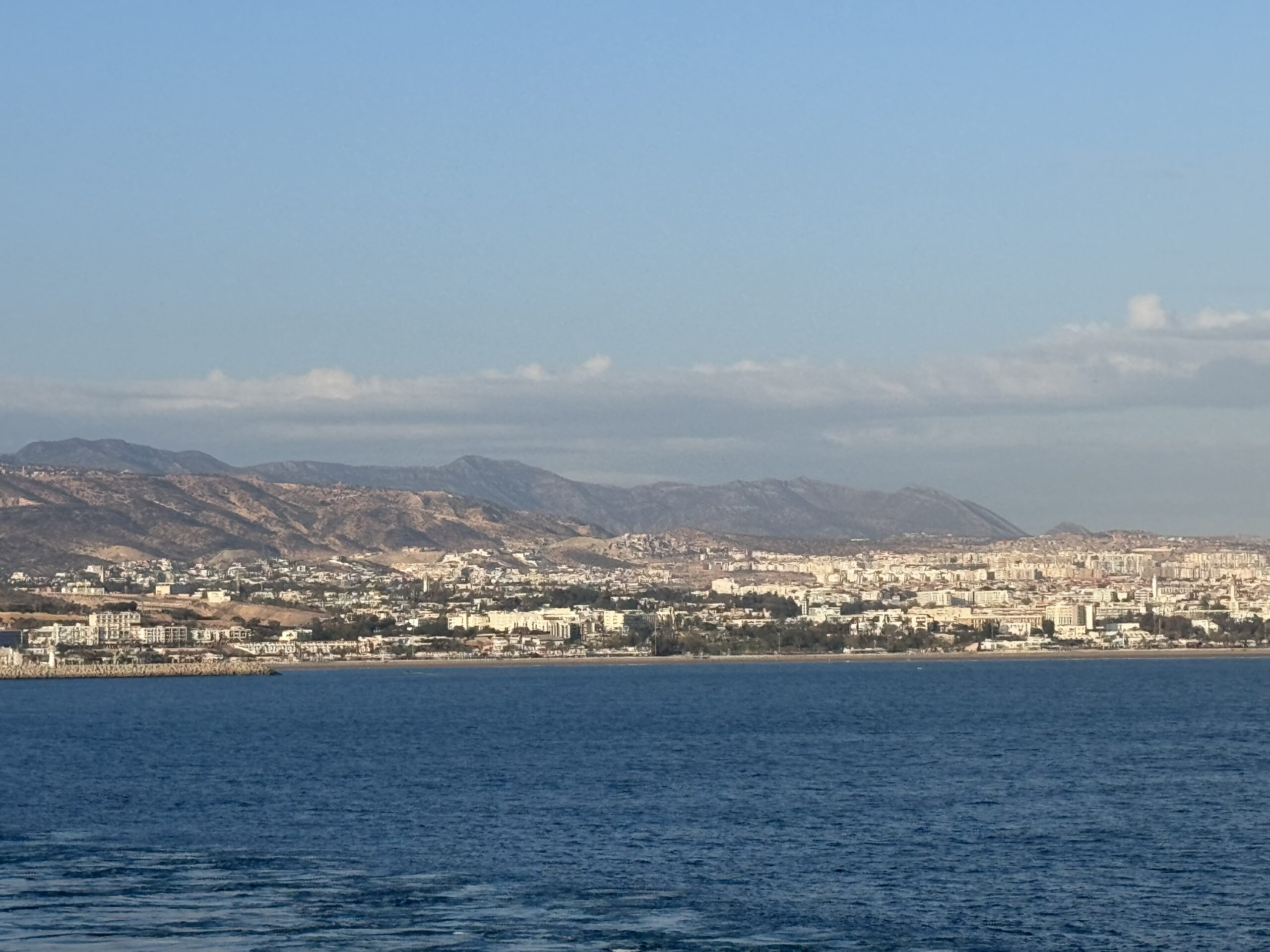
View of Agadir, from the ship.
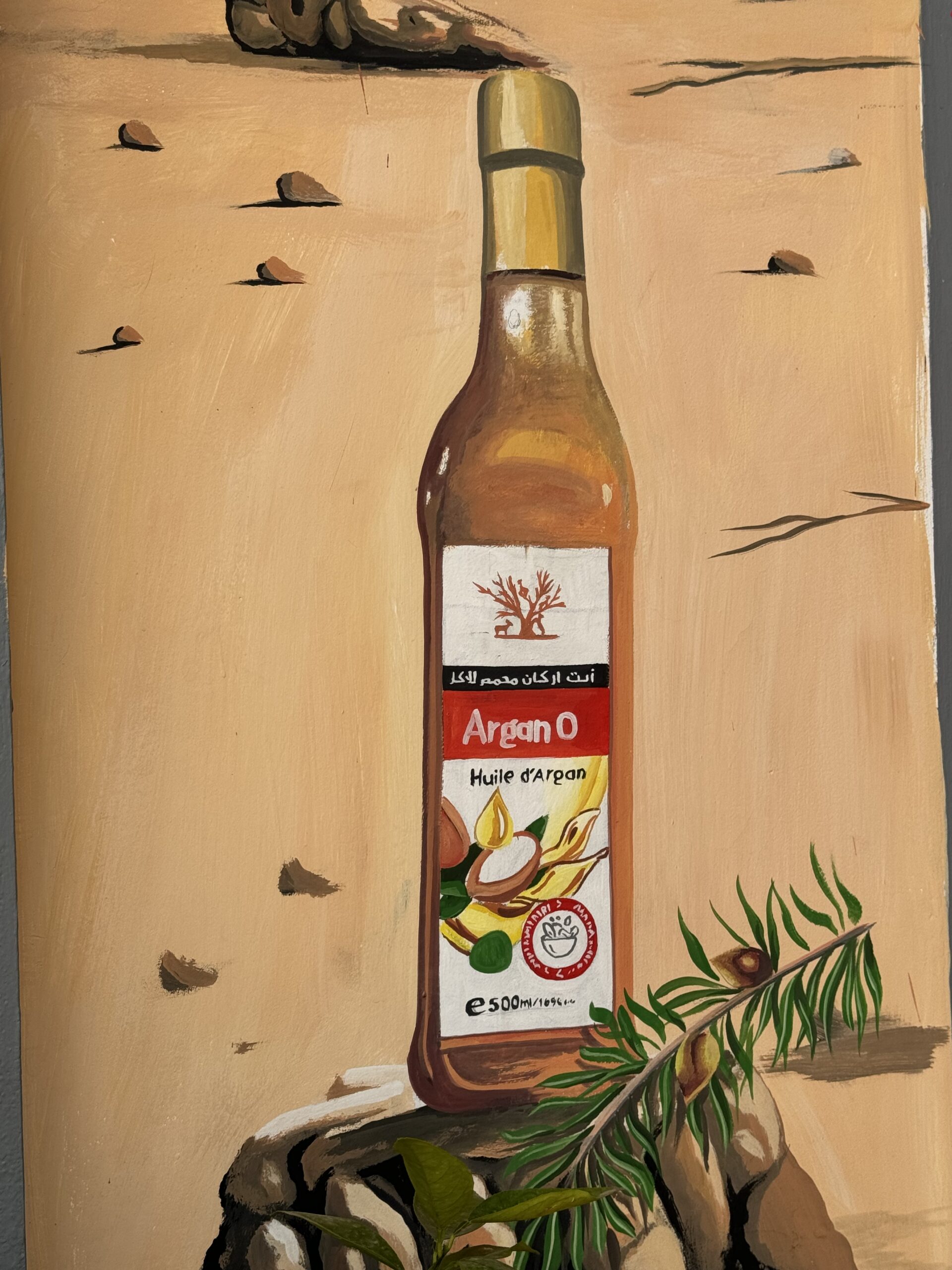
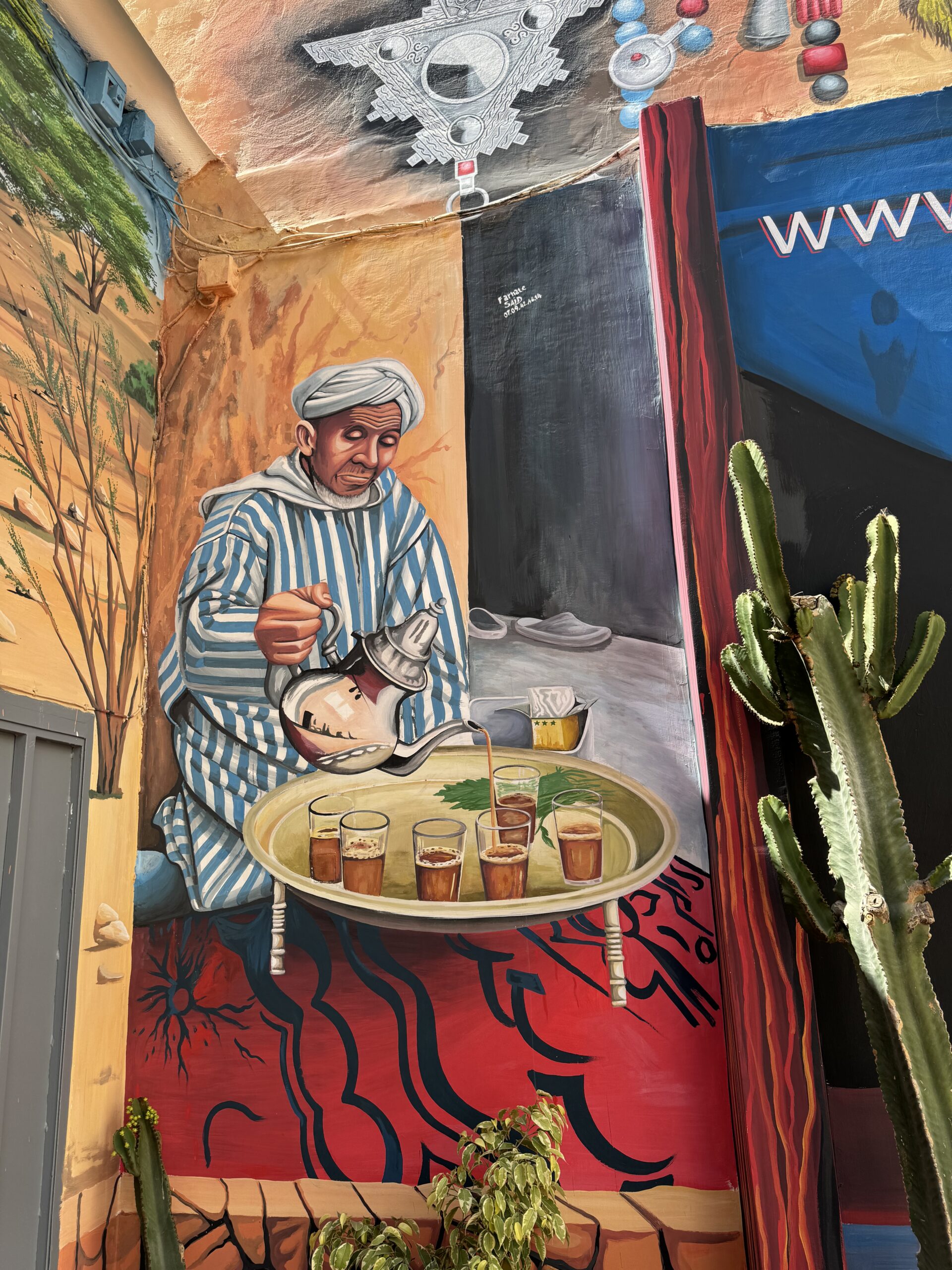
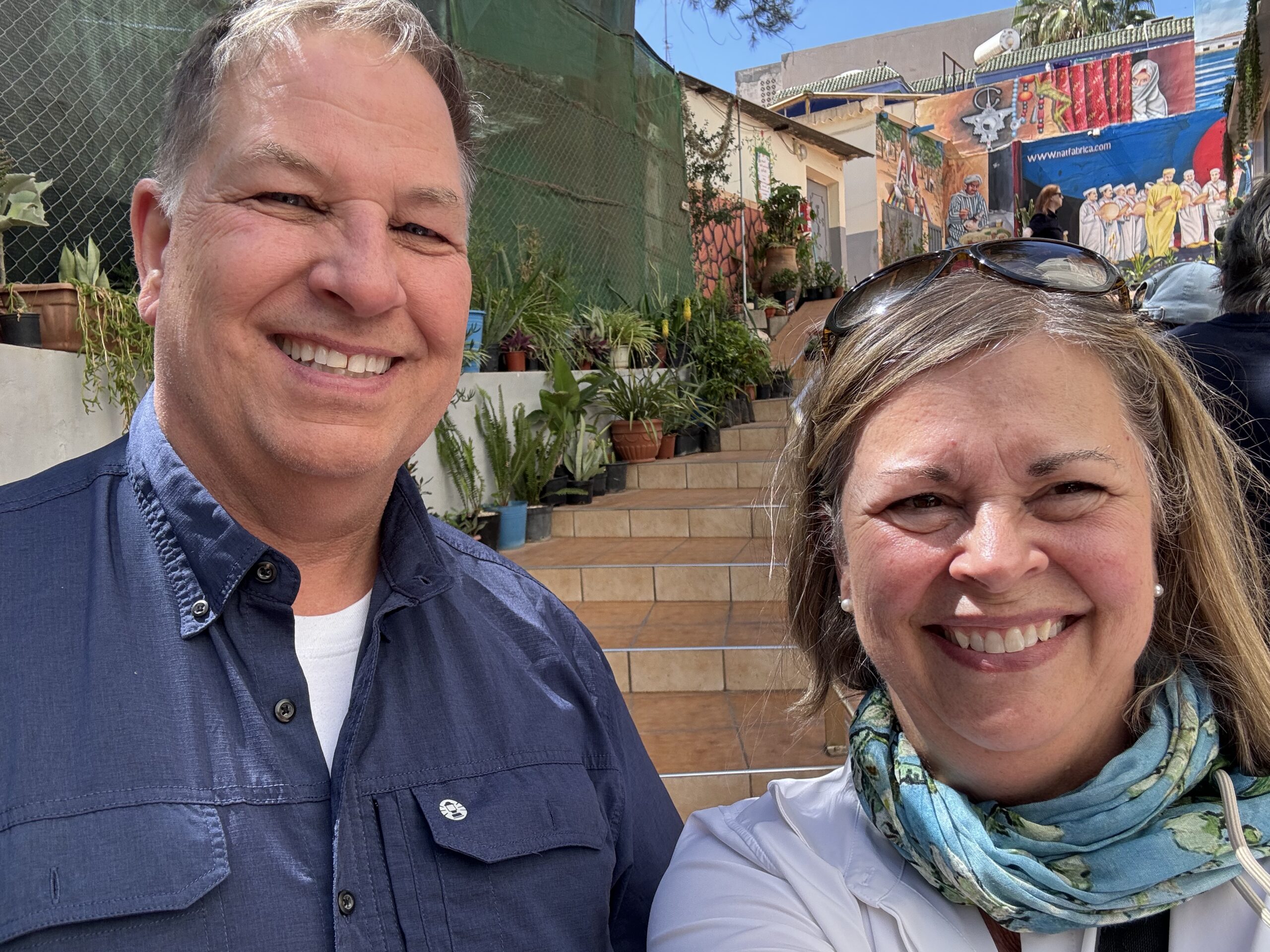
At the Nat Fabrica Argan store.
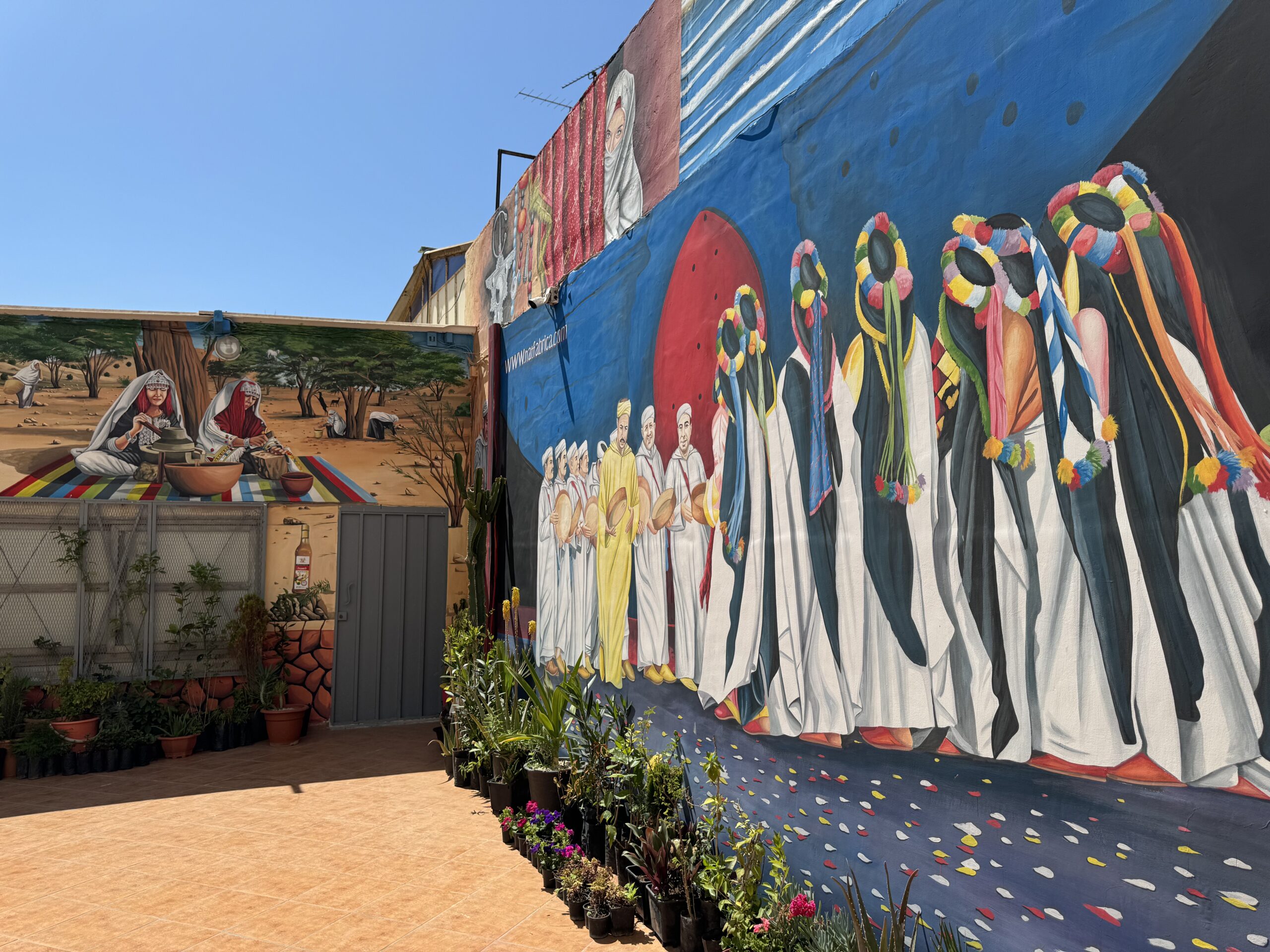
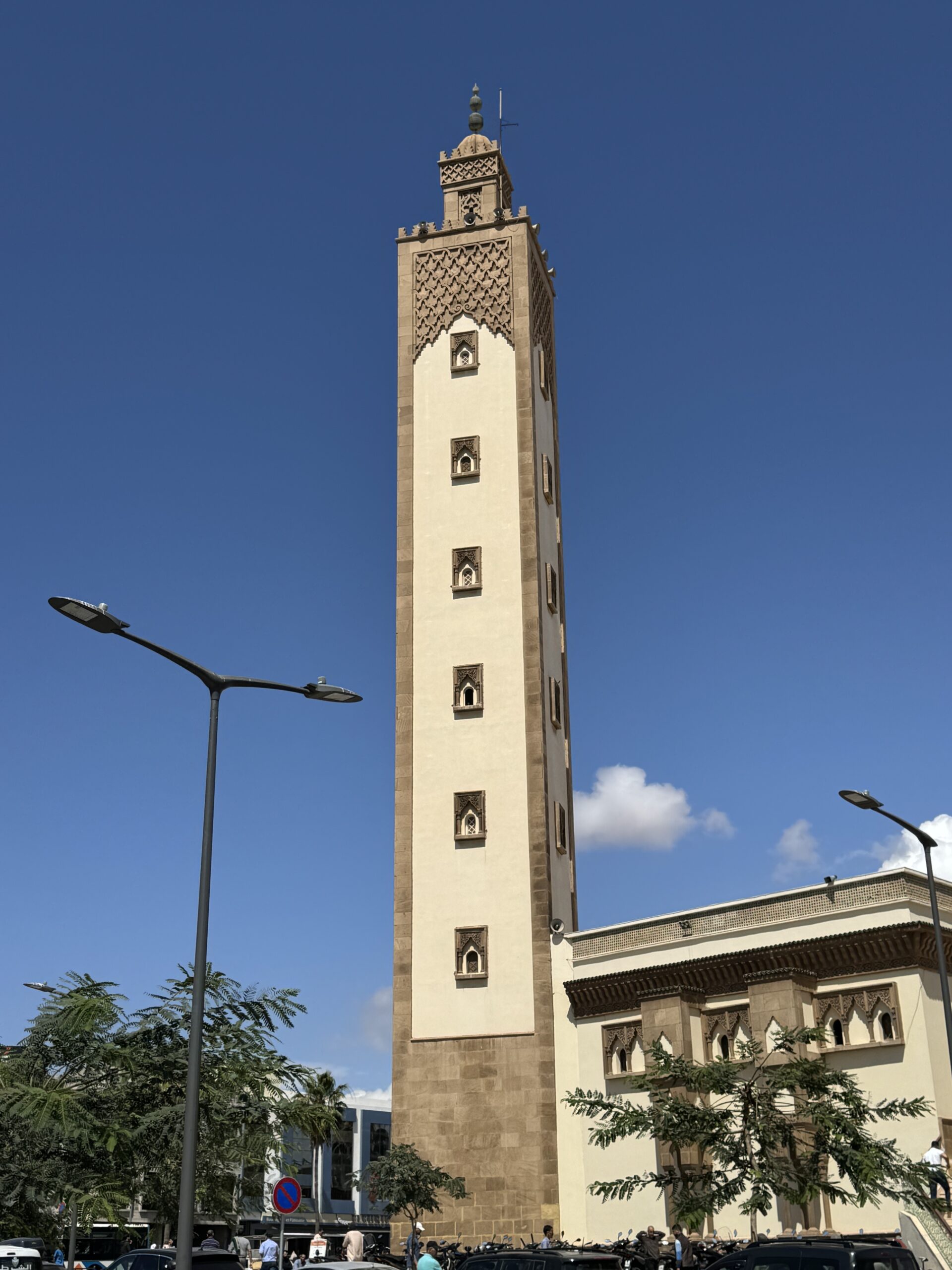
The Mohammed V Mosque
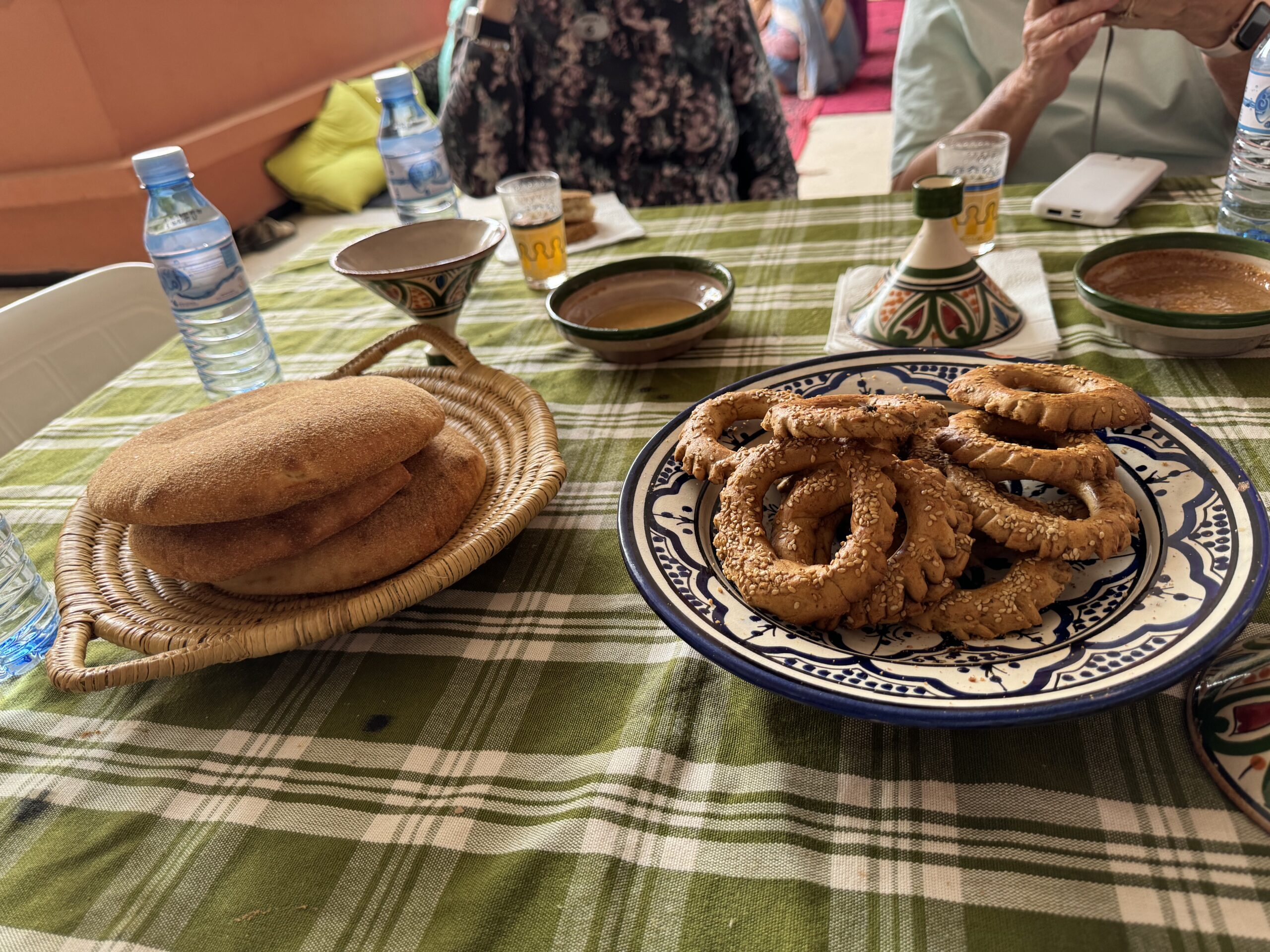
Our snack of bread, Sesame and Argan cookies, Argan oils and spreads.
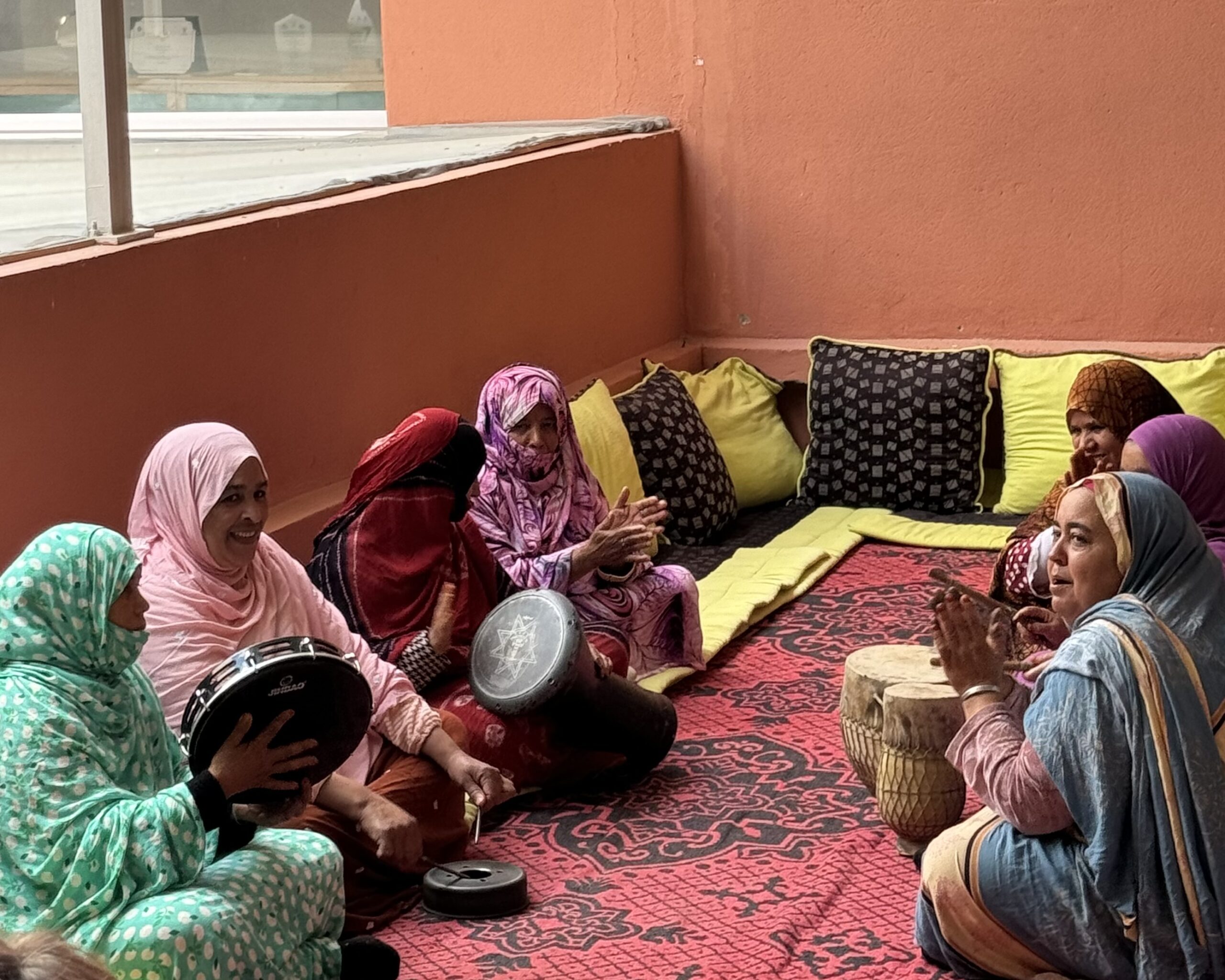
The ladies performing traditional Moroccan music.
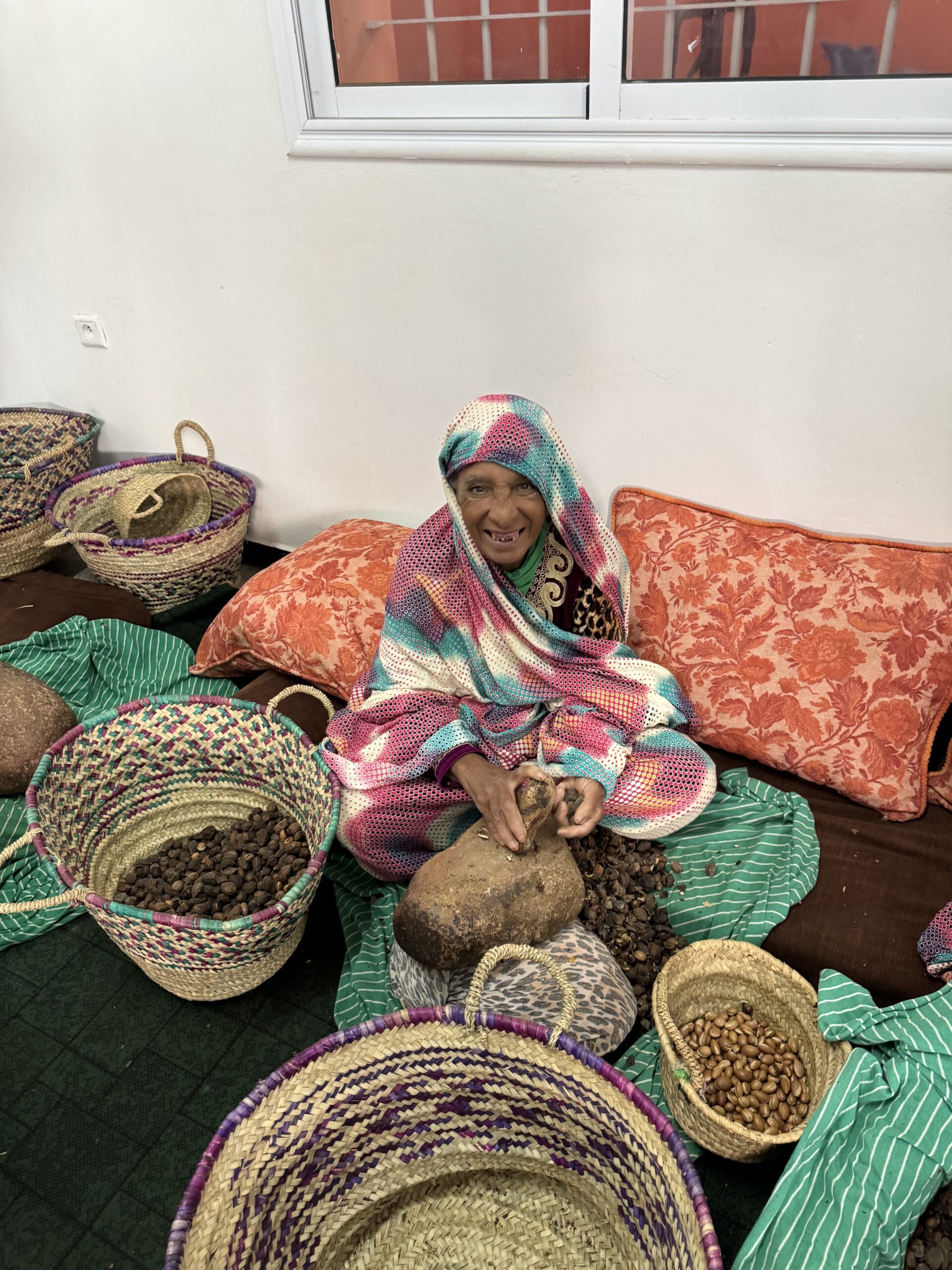
She captured my heart with her big smile.
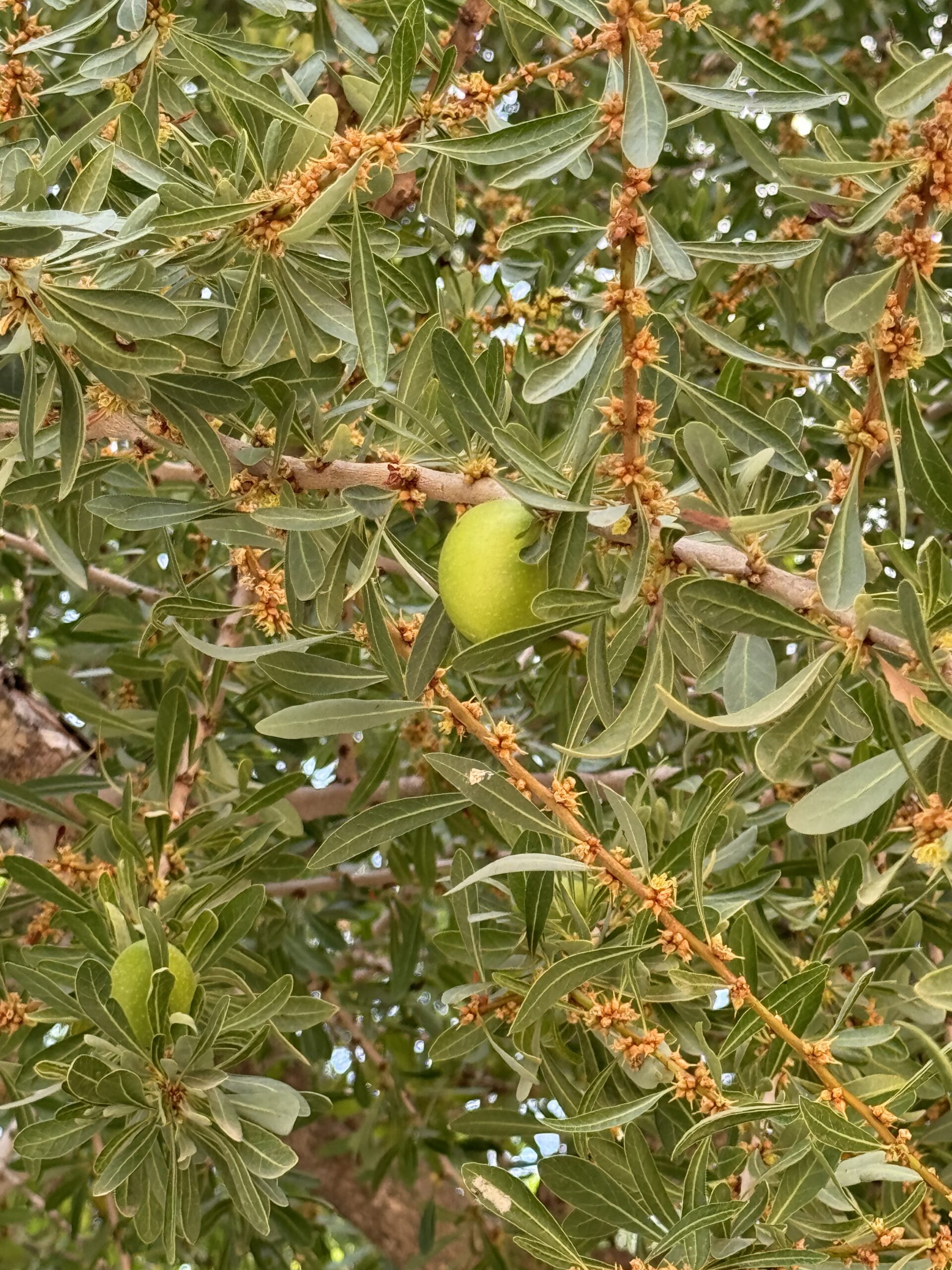
Argan nuts.
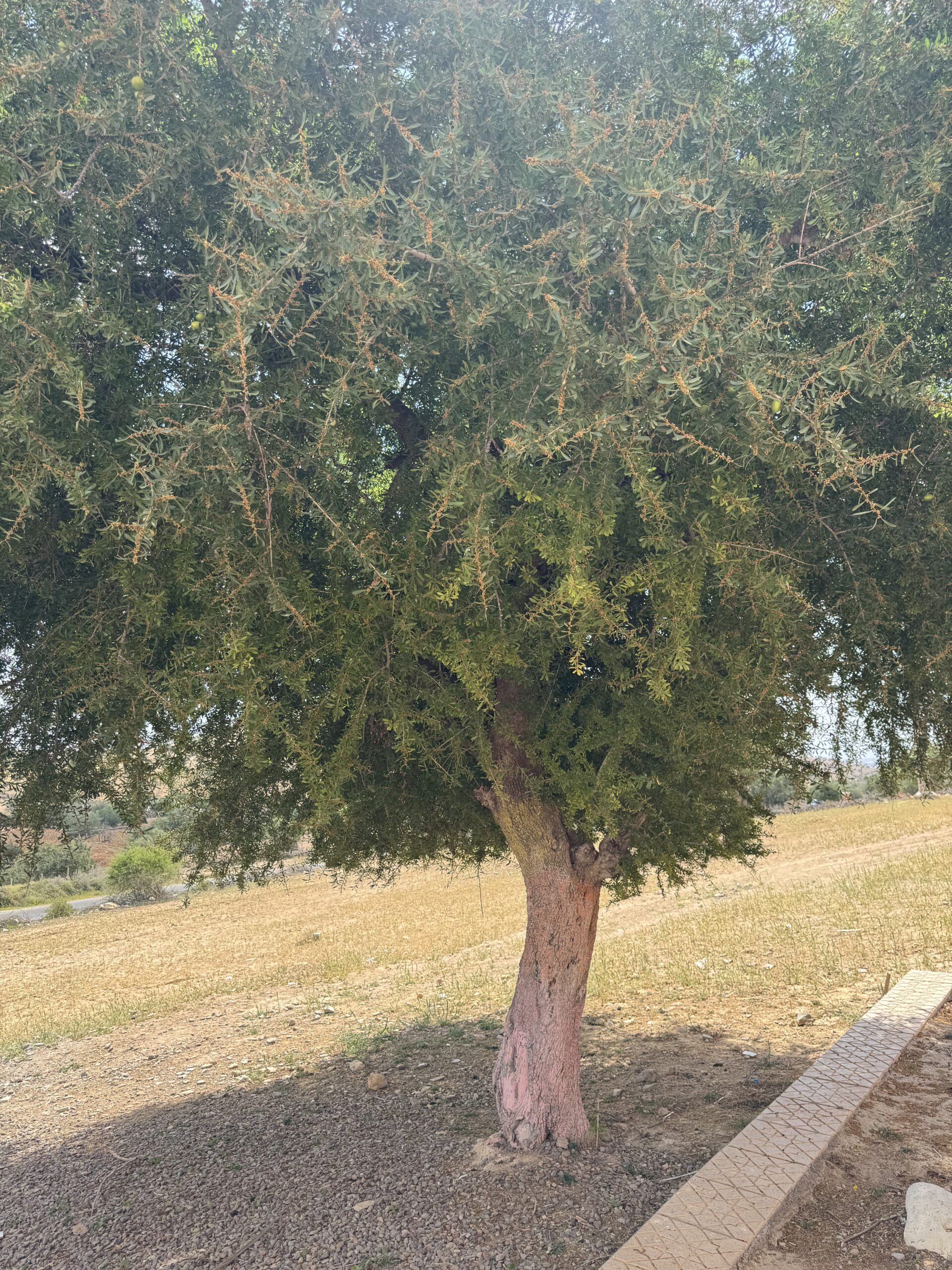
Argan tree.
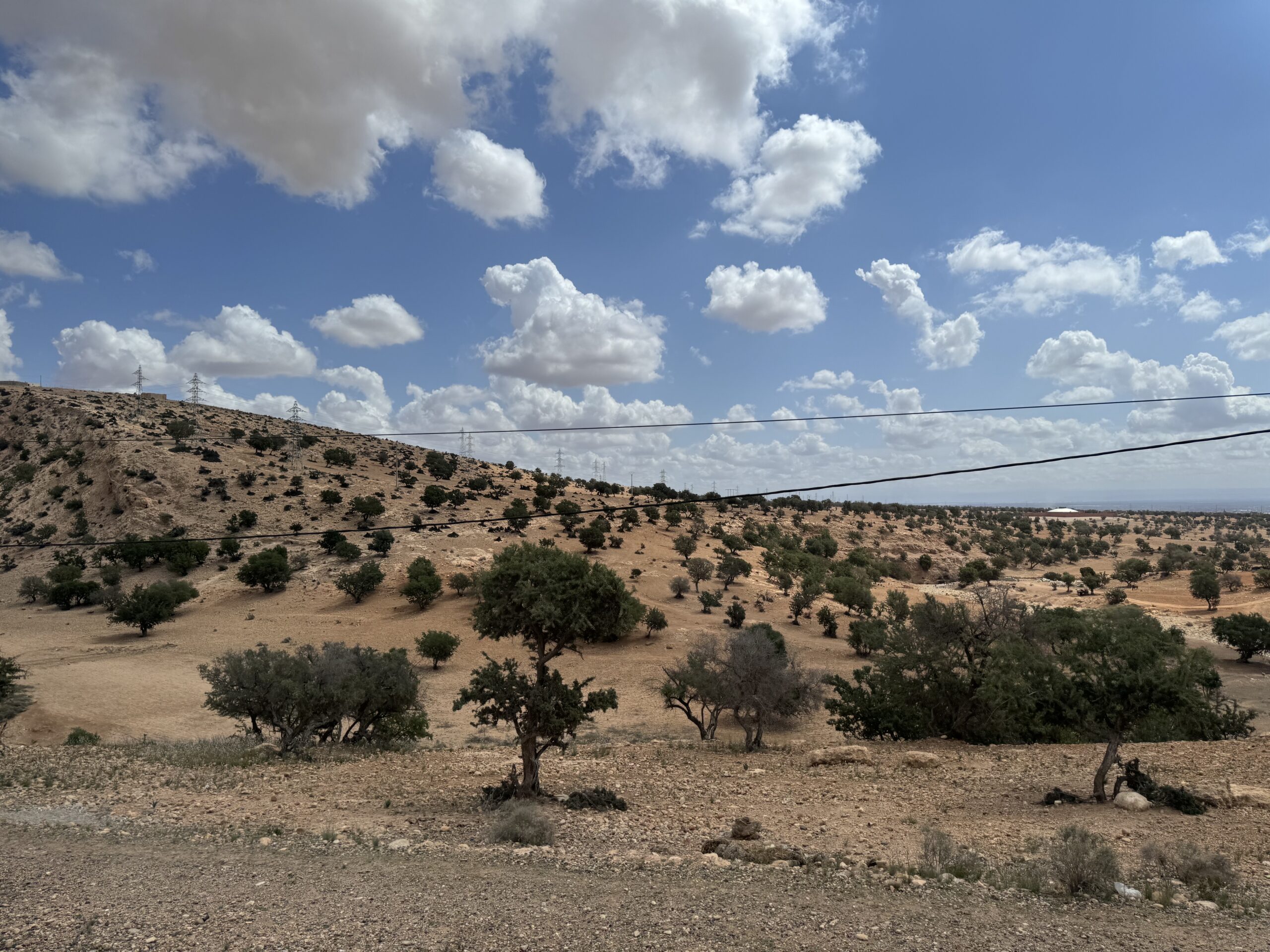
Argan tree grove.
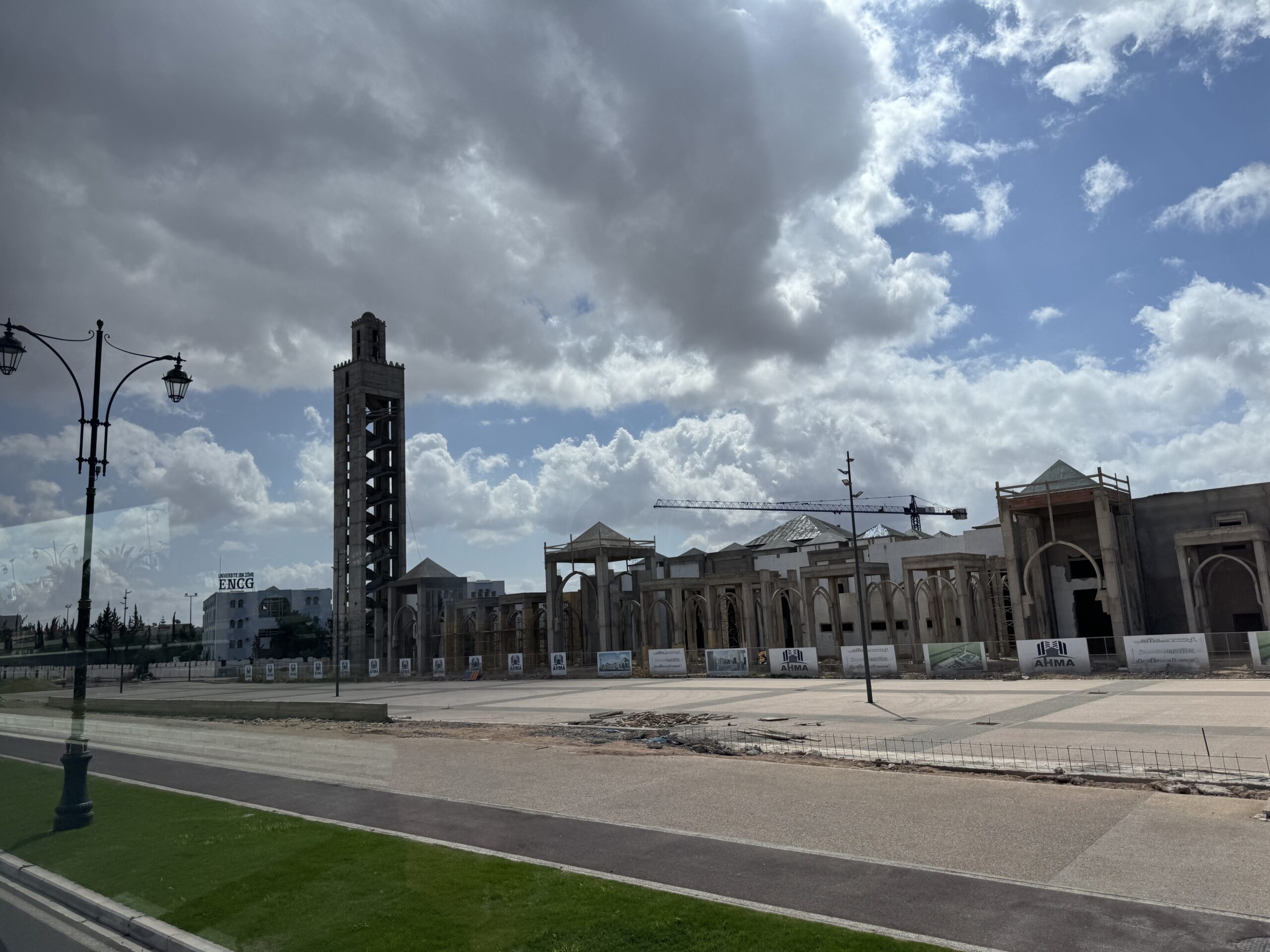
A new mosque being built.
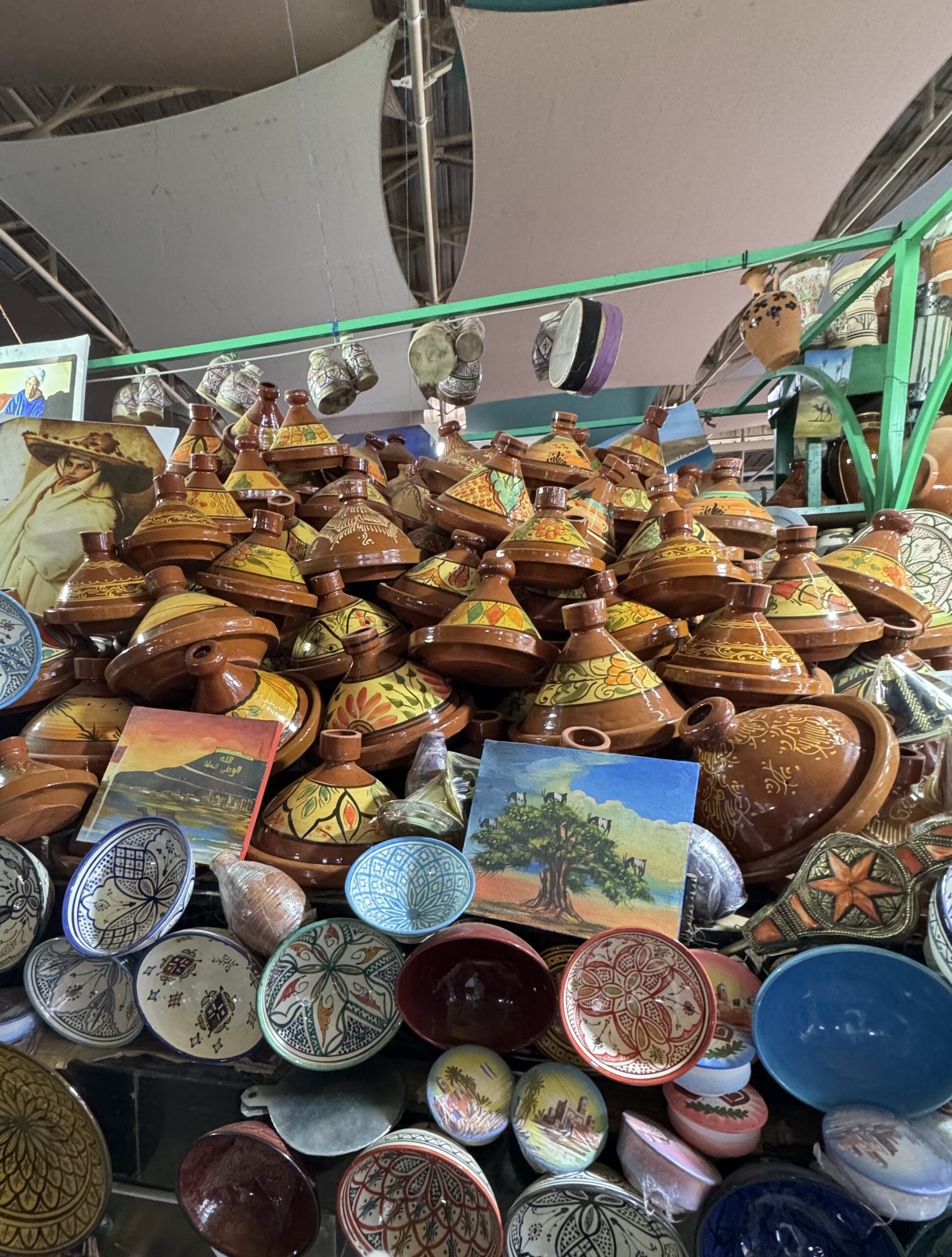
Pottery available in the El Had Souk.
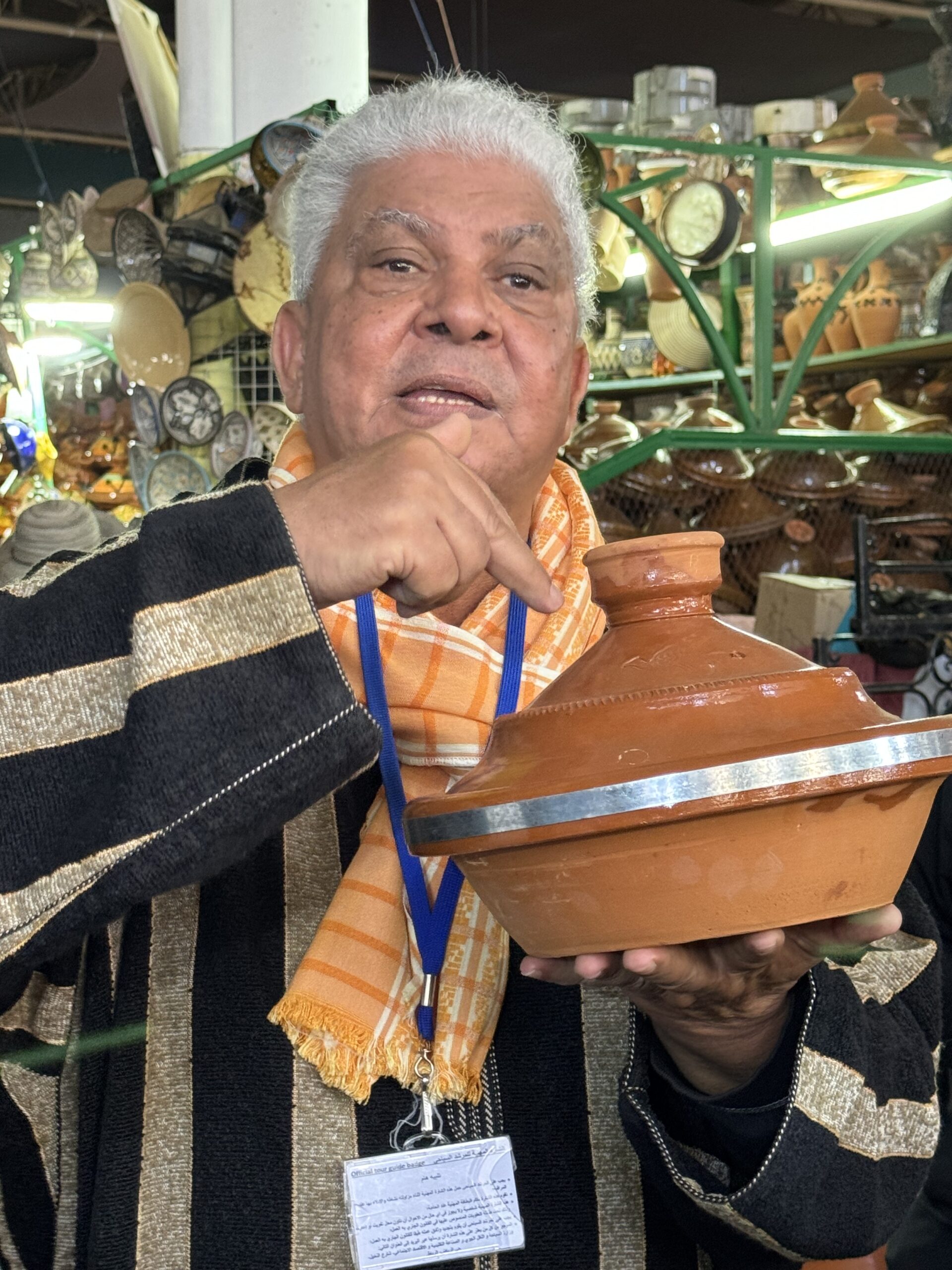
Magid, our guide, telling us about the taurine.
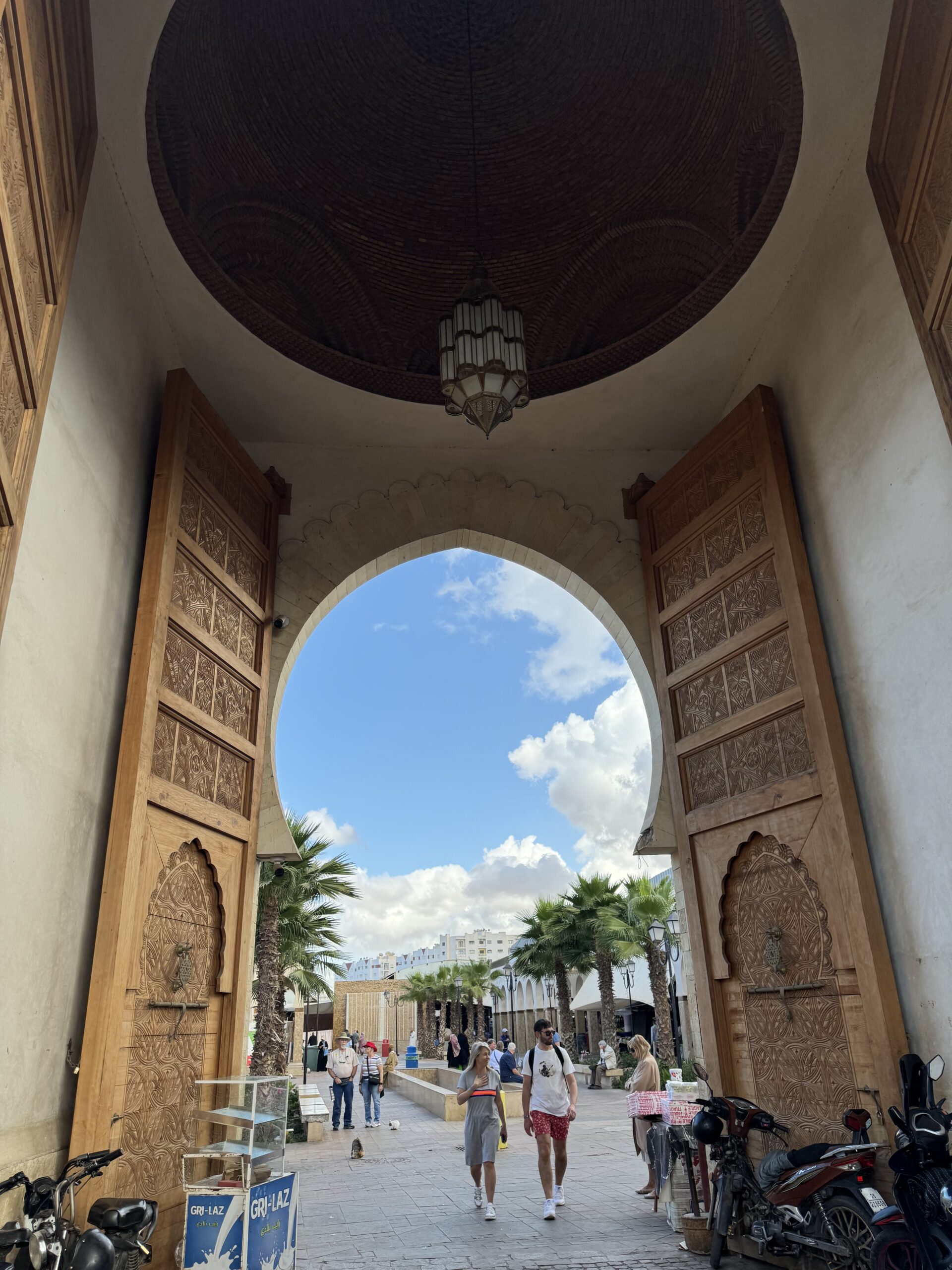
One of the many gates to the El Had Souk.
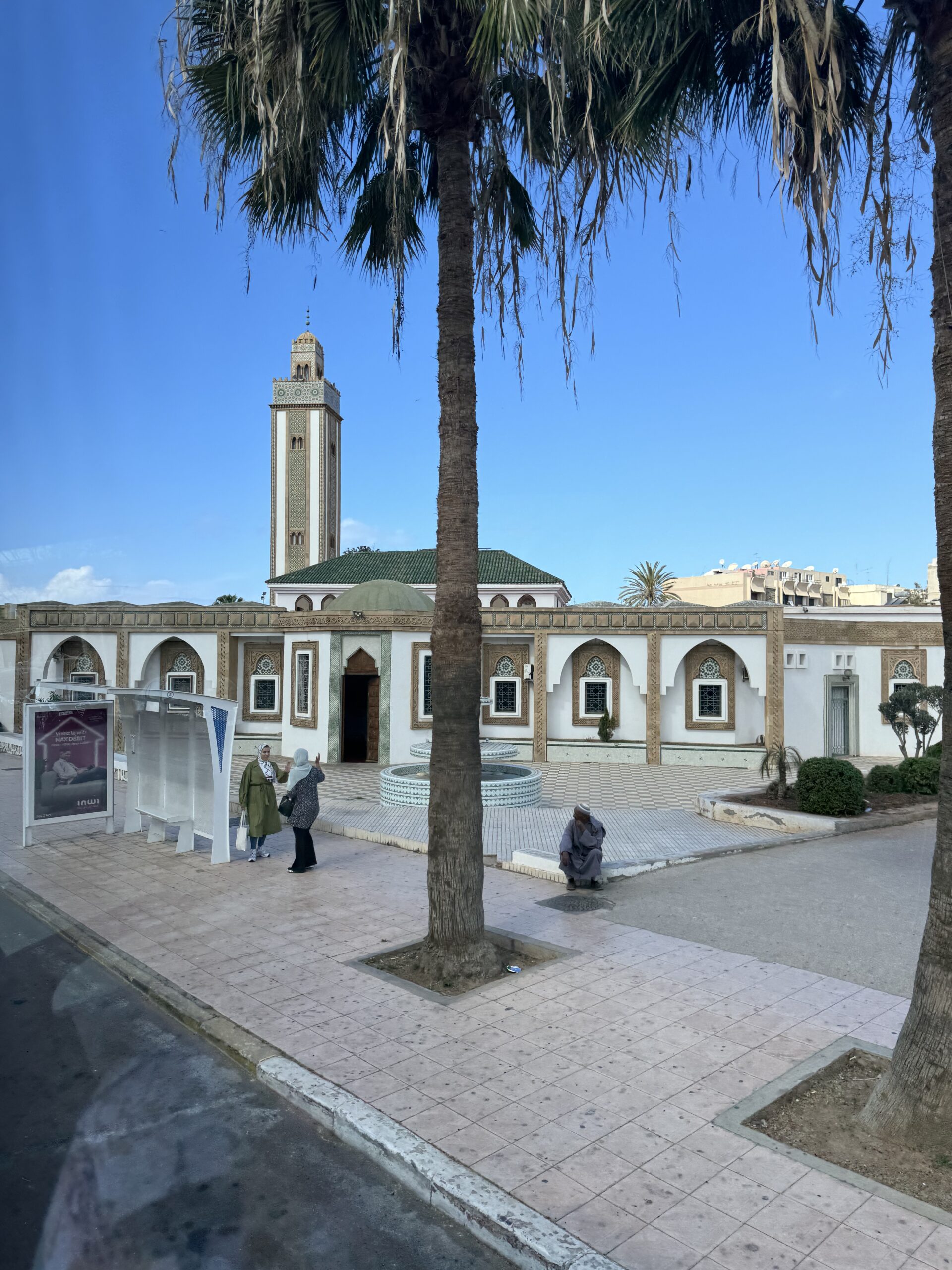
The Lebanon Mosque.
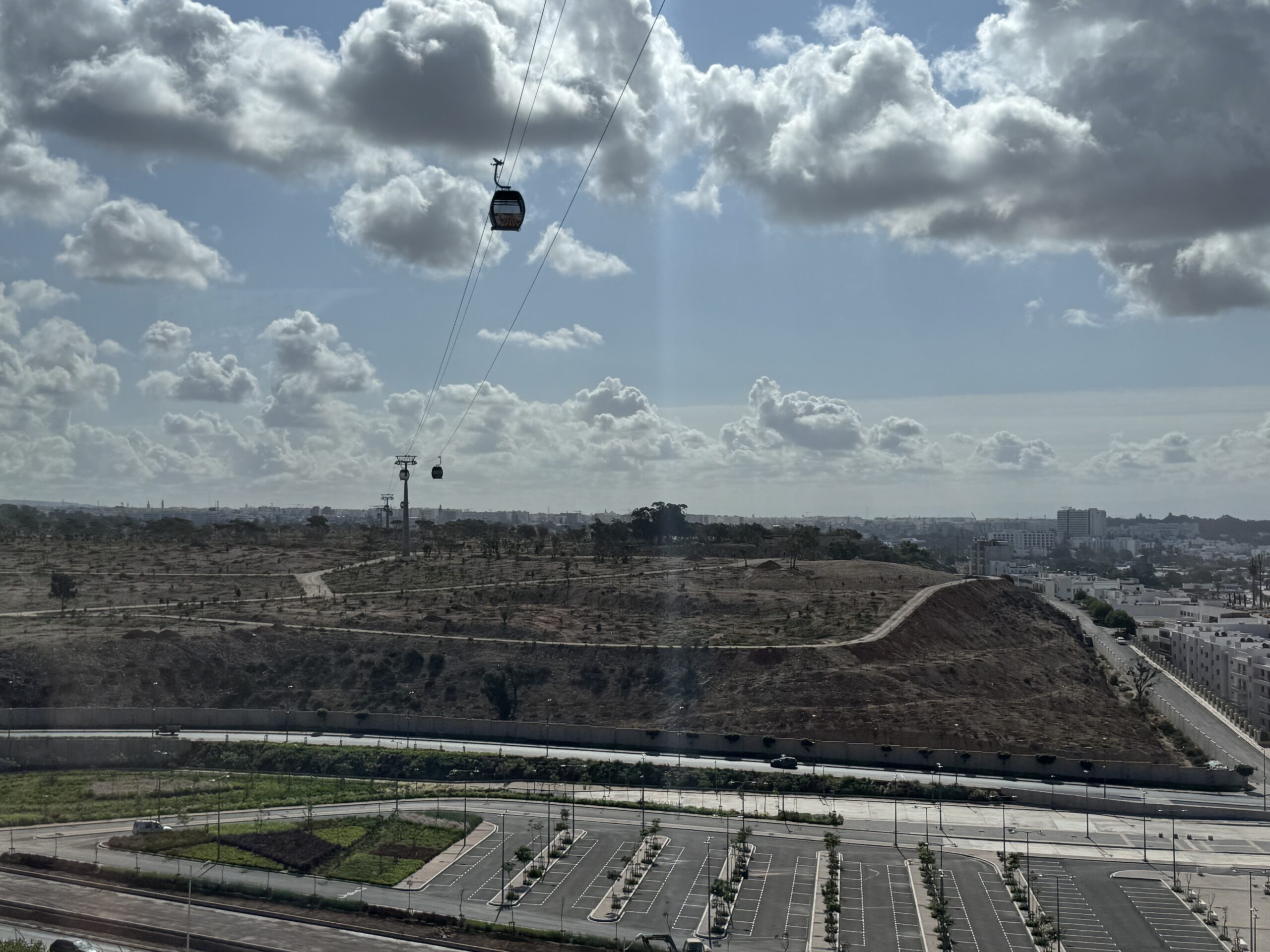
The area just past the parking lot is the park Jardin d'Ohlao, built on top of where the old city used to stand before the earthquake.
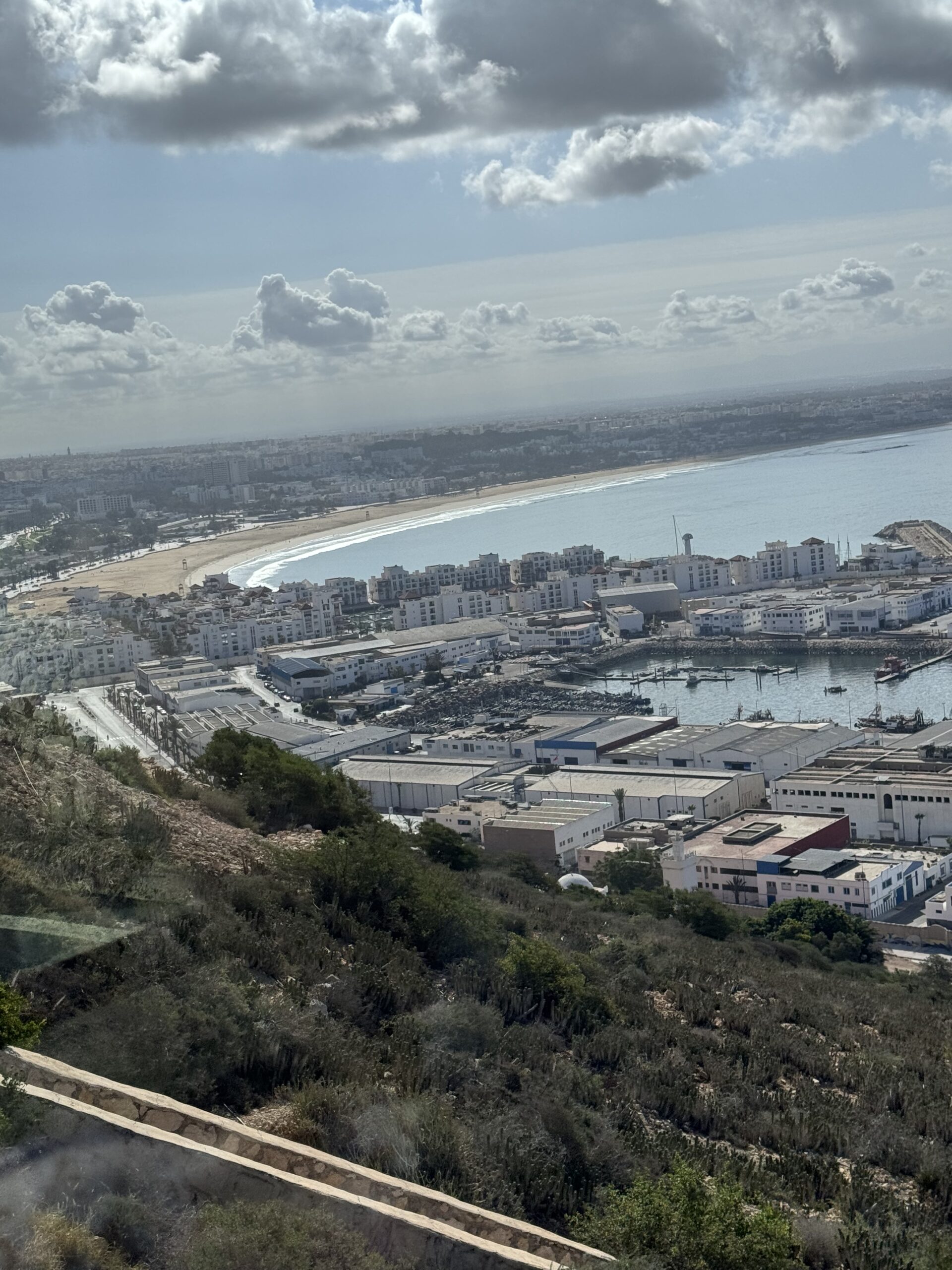
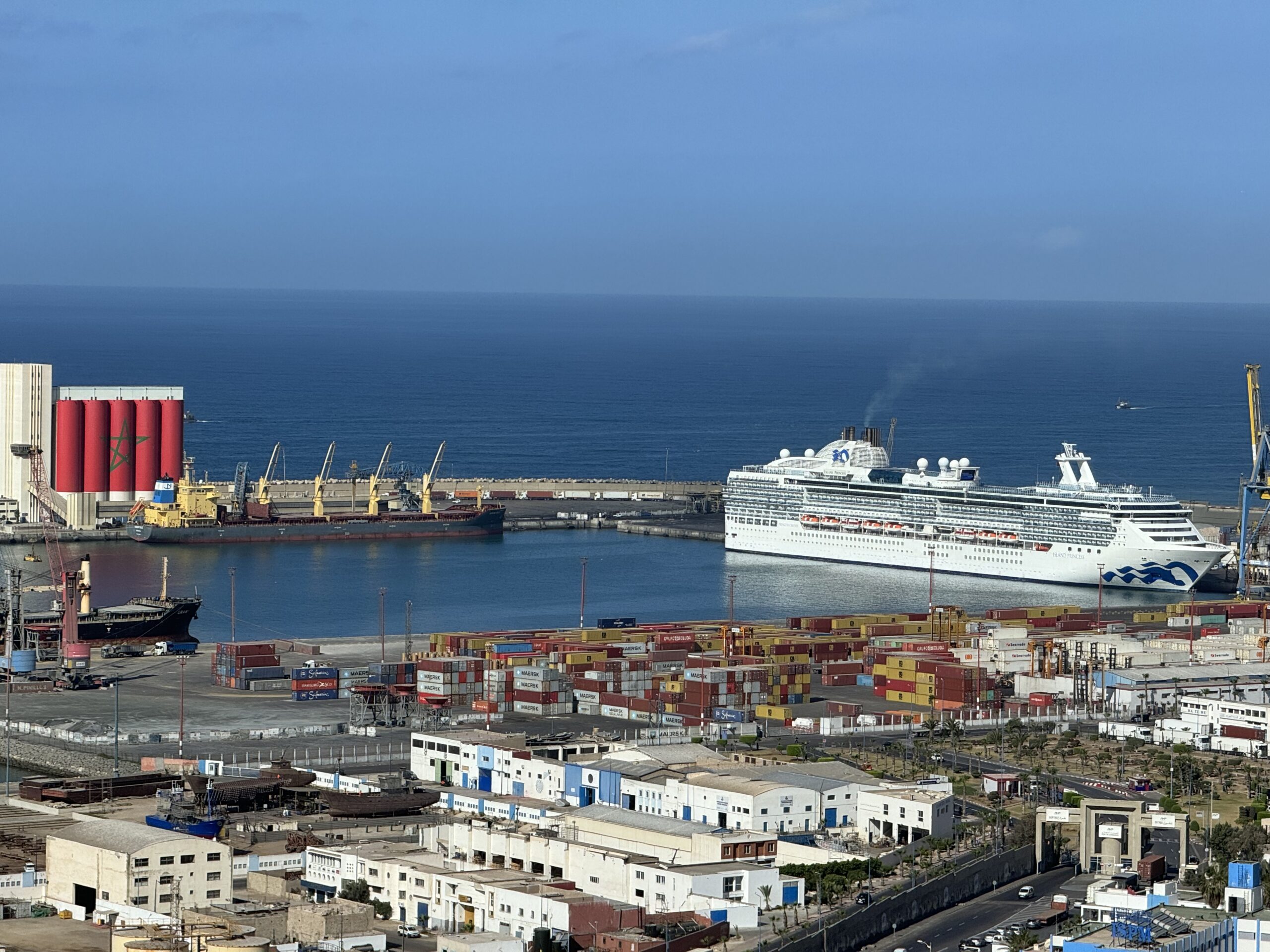
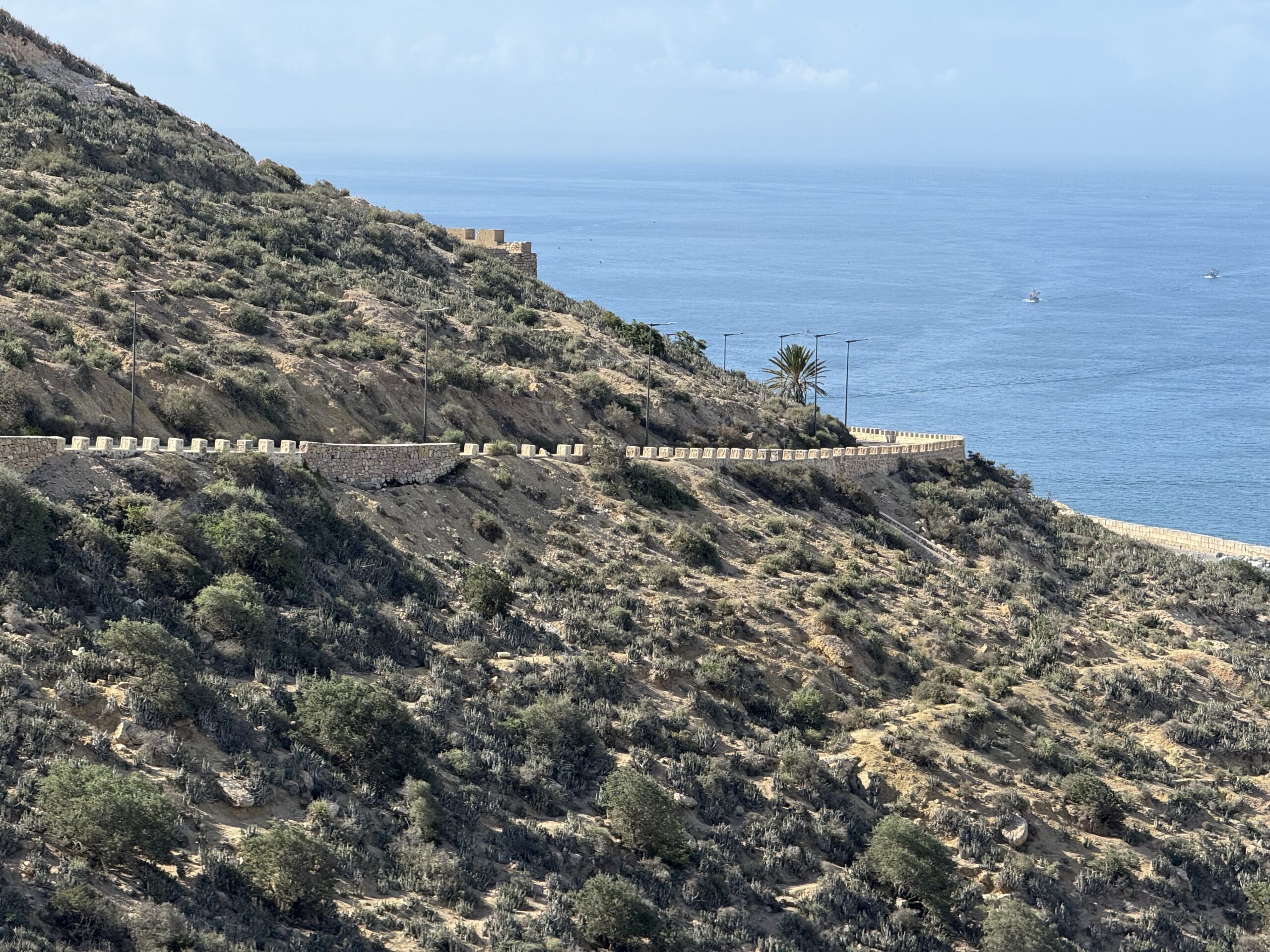
The road to the Casbah.
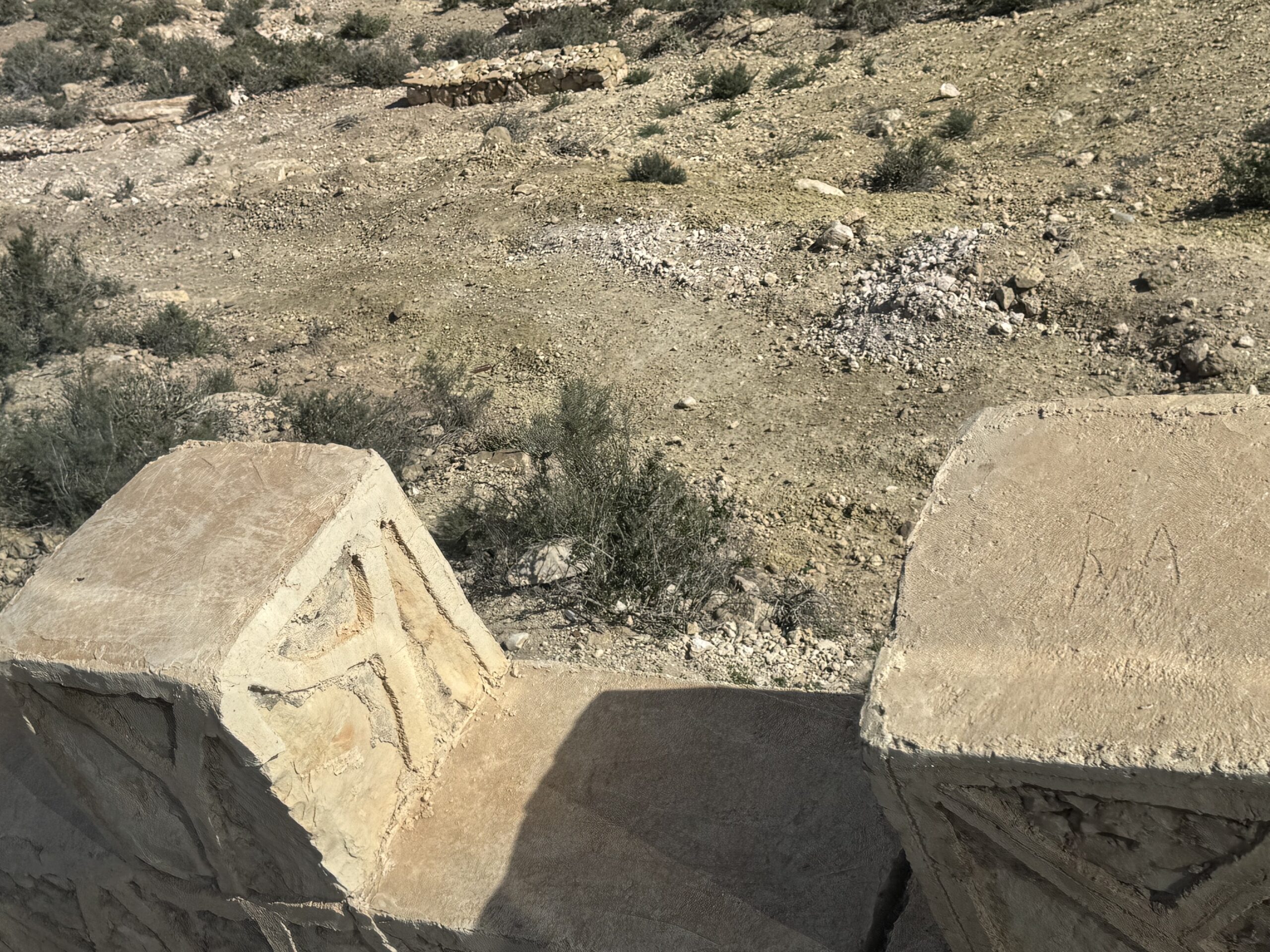
These columns formed the guardrail.
Love the culture, that tree has leaves like an olive tree. The markets must have been fascinating with fruits and spices. That’s a cool place to visit!