
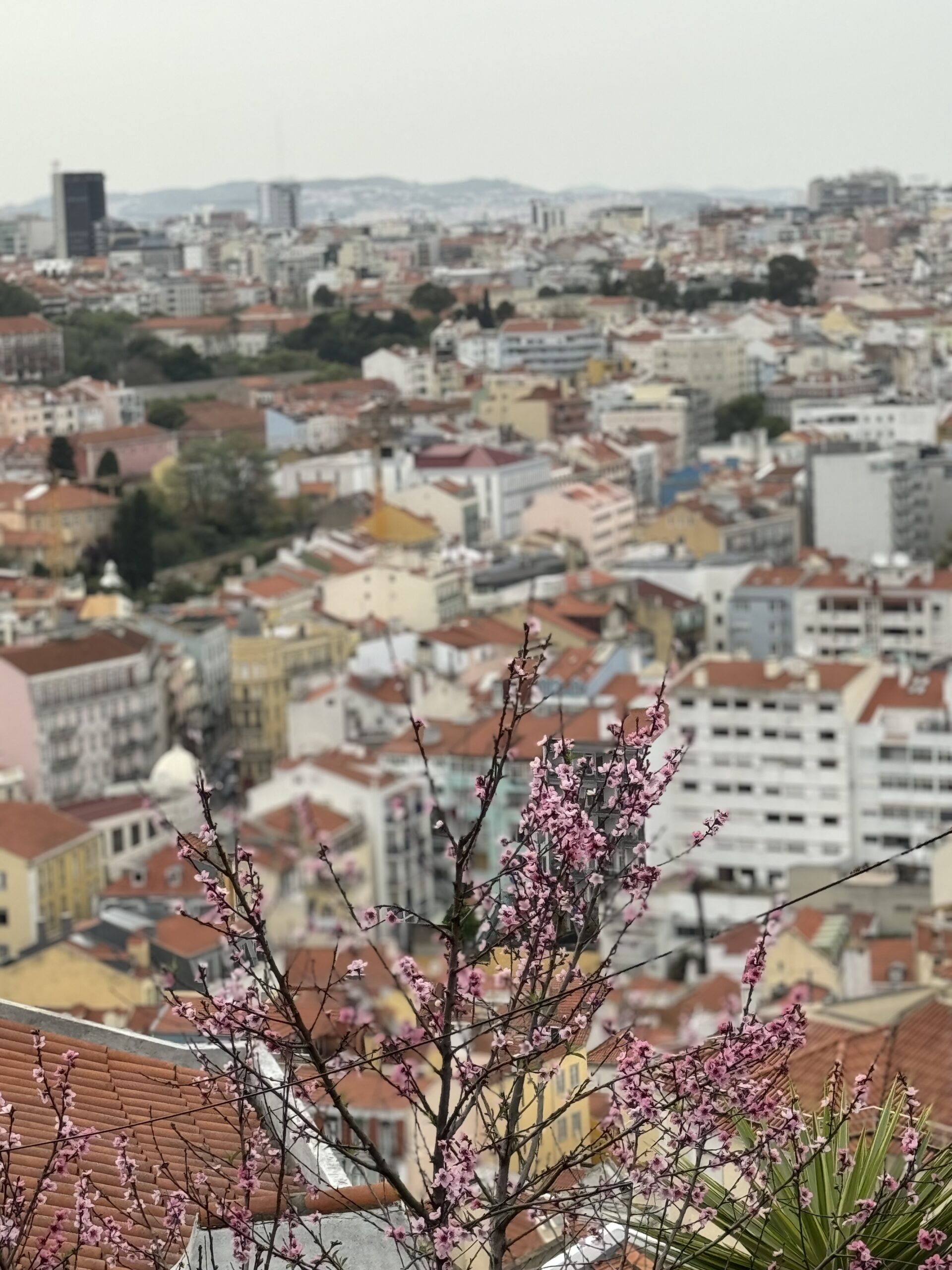
Lisbon, Portugal
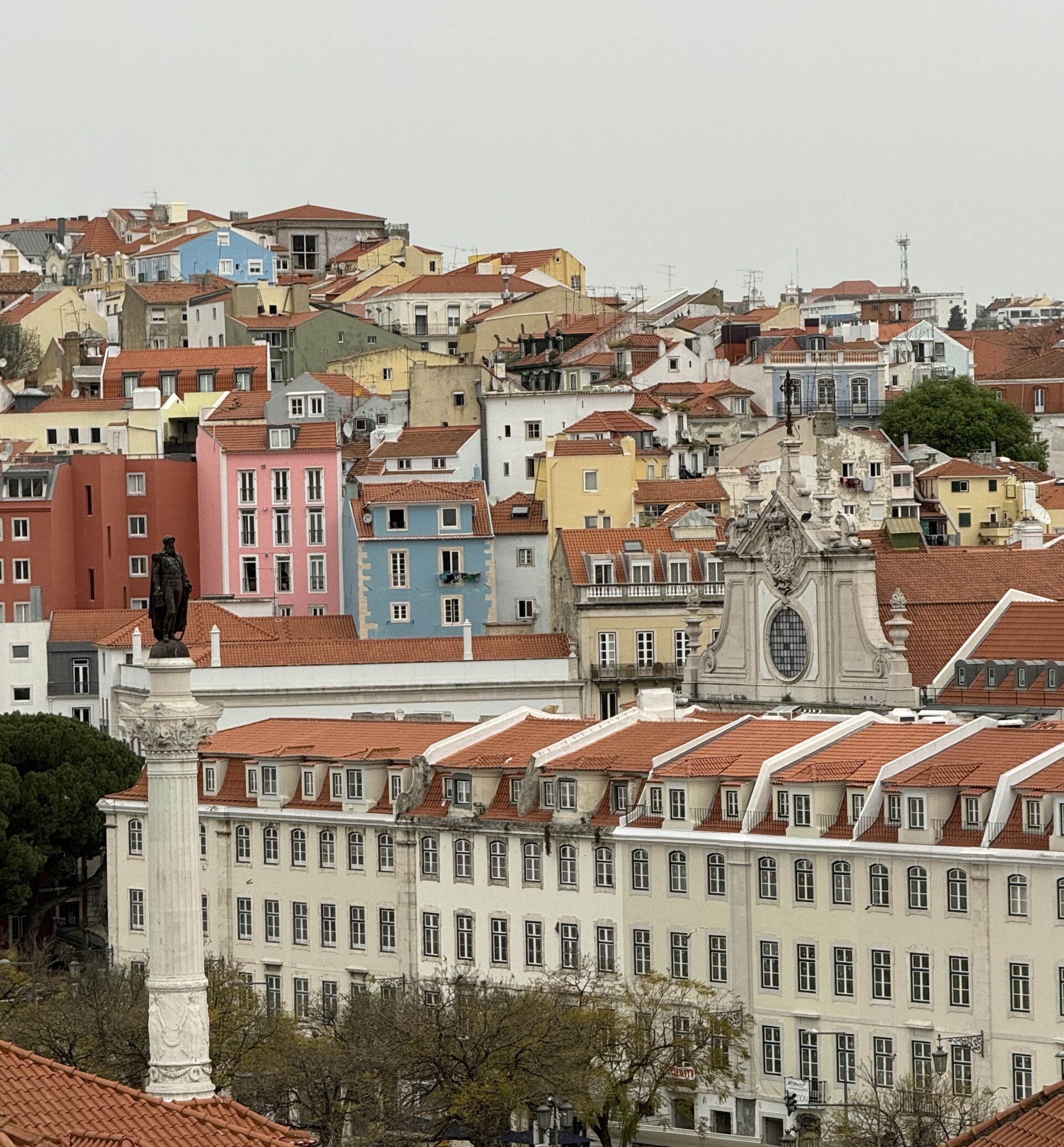
We made port in Lisbon at 8am and departed at 10pm and we enjoyed nearly every minute ashore. What a beautiful city this is, despite earthquakes, fires, tsunamis, revolutions and dictators. There is a gentle vibrancy and strength here, and though it was a Sunday, the streets were full of people strolling, shopping and enjoying outside cafes.
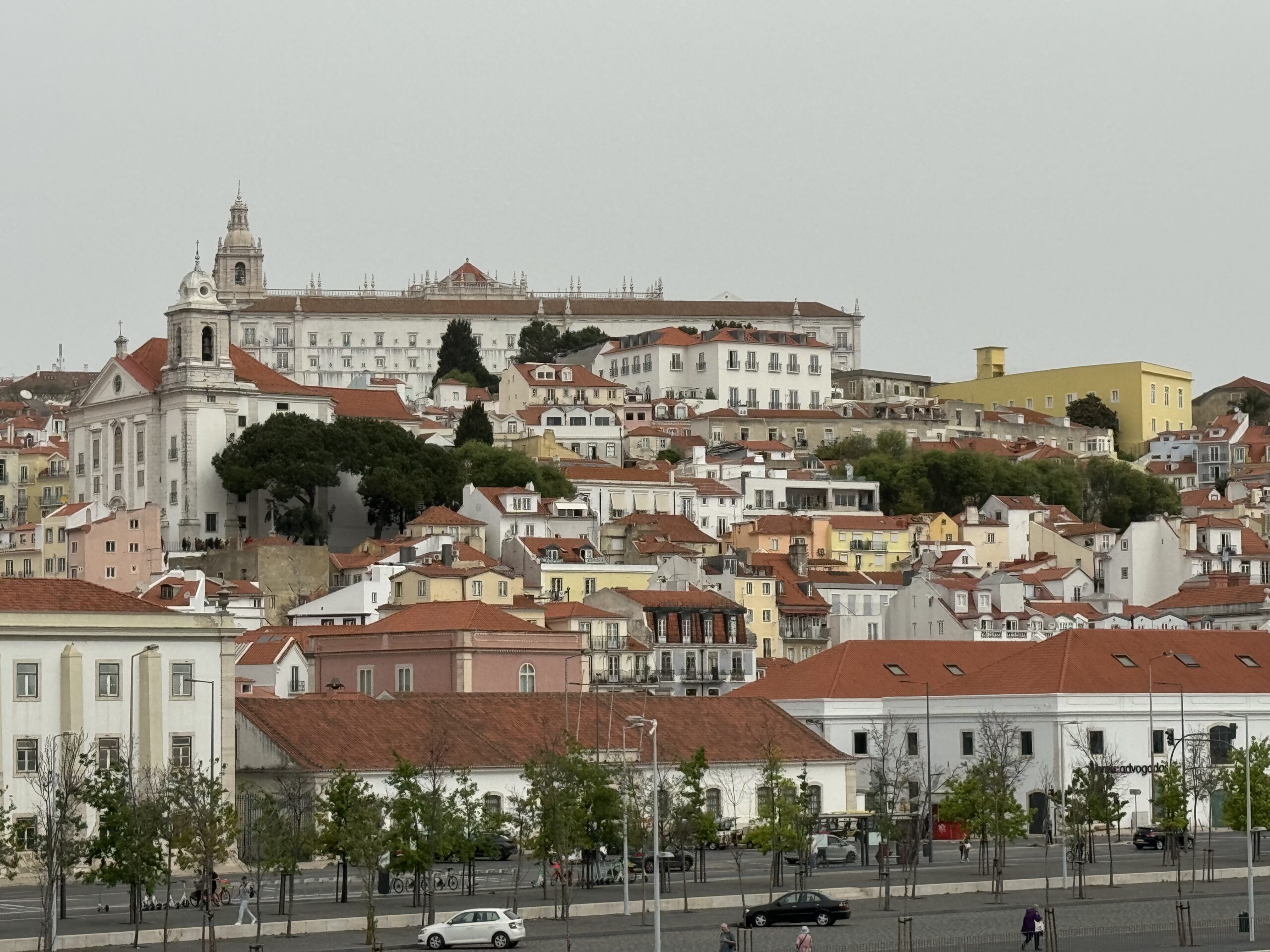
Our guide for today was Goncalo, born and raised in Lisbon. We have been thoroughly enjoying our Tours by Locals guides, as they bring a passion and spirit of entrepreneurship to their roles. Legend has it that Lisbon, just like Rome, was born among seven hills and our goal today was to see them. São Roque, São Jorge, São Vicente, Santo André, Santa Catarina, Chagas and Sant’Ana remain important points of the city. Lisbon is one of the oldest cities in the world and the second-oldest European capital city (after Athens), predating other modern European capitals by centuries. It was ruled by pre-Celtic tribes as early as 1000BC, and then was ruled by the Romans until 409AD. From that period until the 20th century, a host of other conquerors, from Arabs and Berbers to Muslims and Spanish, ruled the area.
During the Age of Discovery, from the 15th century to the 17th century, most of the Portuguese expeditions set out from Lisbon, including Vasco da Gama’s expedition to India in 1498. It’s been interesting as we’ve traveled around Africa how much of their history is linked to the Portuguese.
We learned about the devastating earthquake and the resulting tsunami that destroyed much of the original city in 1755. The architecture between the old and new parts of the city is distinct but equally beautiful.
Lisbon was the site of three revolutions in the 20th century. The first, the 1910 revolution, brought an end to the Portuguese monarchy and established the highly unstable and corrupt Portuguese First Republic. The 1926 revolution ended the first republic and firmly established the Estado Novo, or the Portuguese Second Republic, as the ruling regime.
The final revolution, the Carnation Revolution, came in 1974 and ended the Estado Novo regime and reformed the country to become as it is today, the Portuguese Third Republic. The Treaty of Lisbon, signed in 2007 on the steps of the Jerónimos Monastery, established the European Union.
After our tour, we met up with friends in the oldest district of Lisbon, the Alfama, for appetizers and then dinner. We enjoyed our sail away, looking at the lights of the city.
Recommended: Tours by Locals
Post Gallery
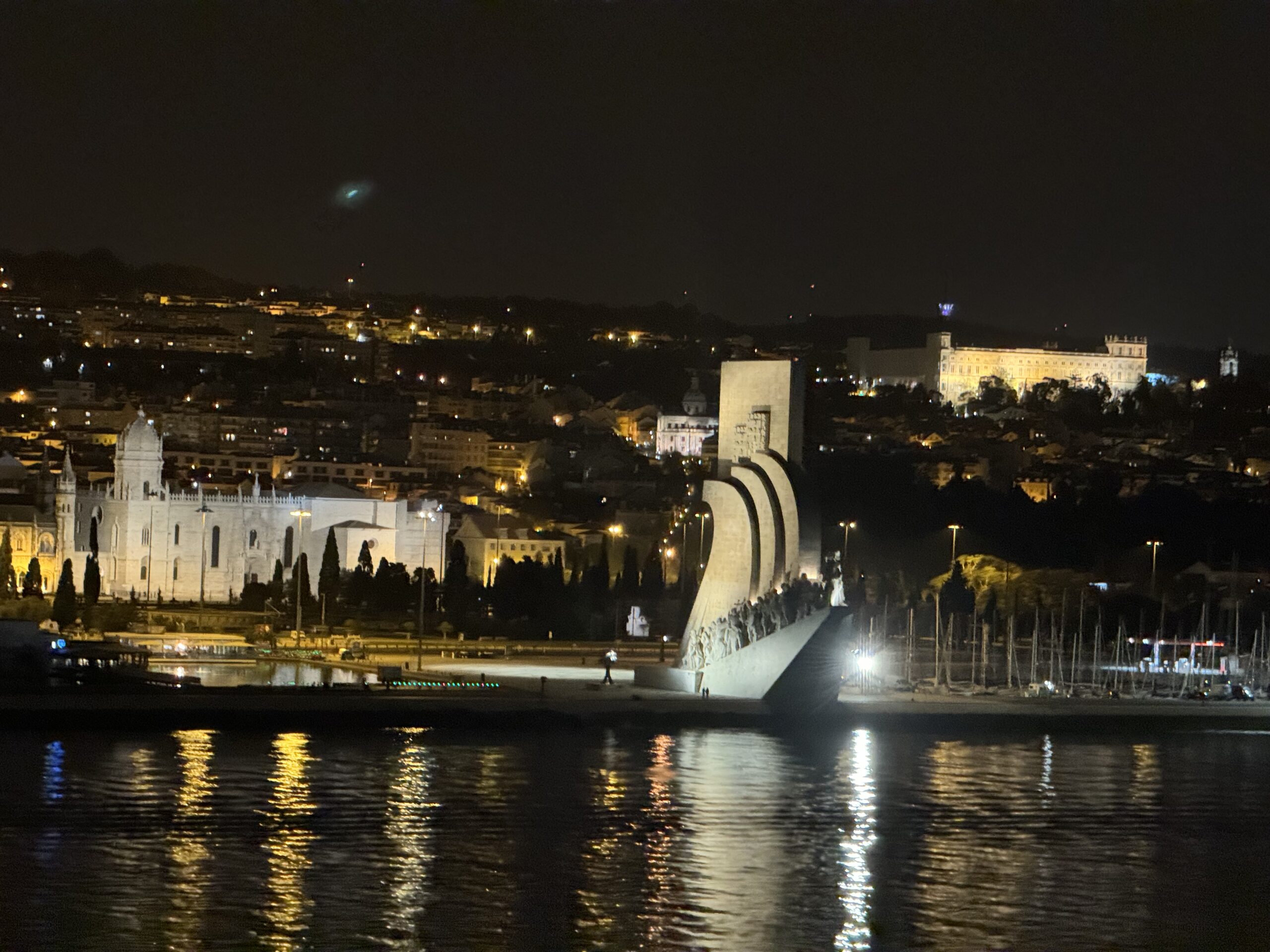
The Padrão dos Descobrimentos, with the Jeronimos Monastery in background left (where the Treaty of Lisbon was signed to form the European Union – EU) and the Palácio Nacional da Ajuda in background right.
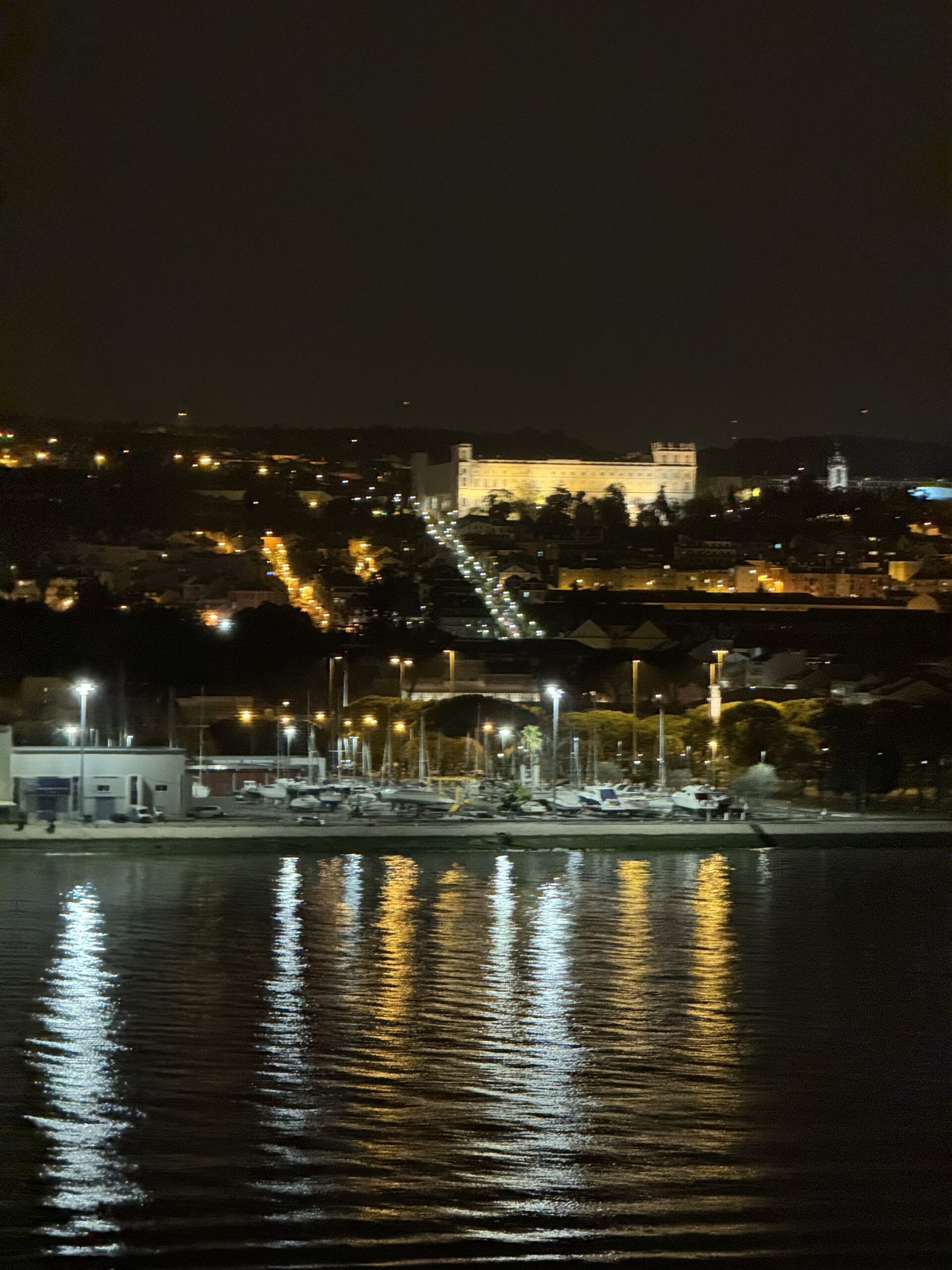
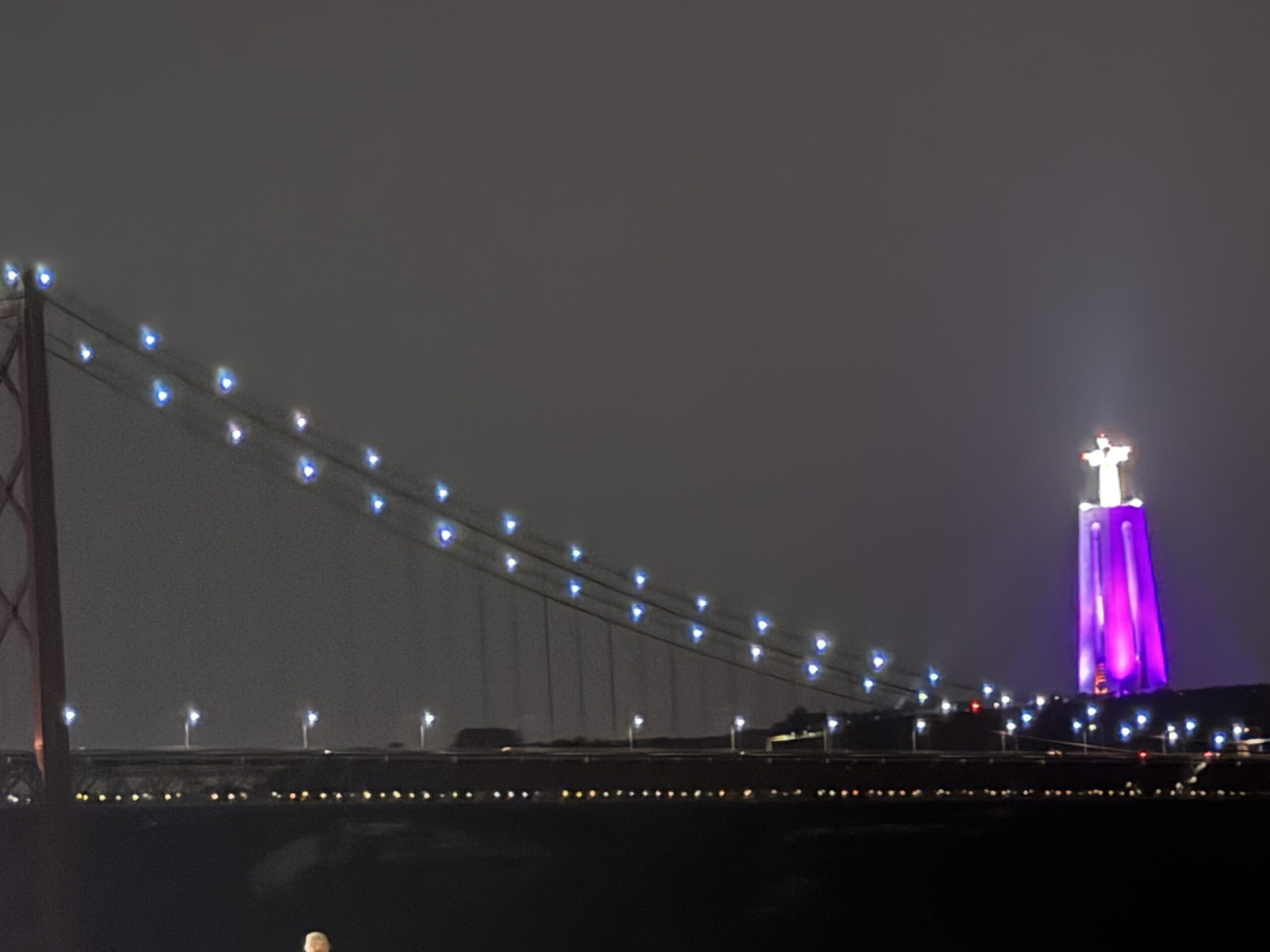
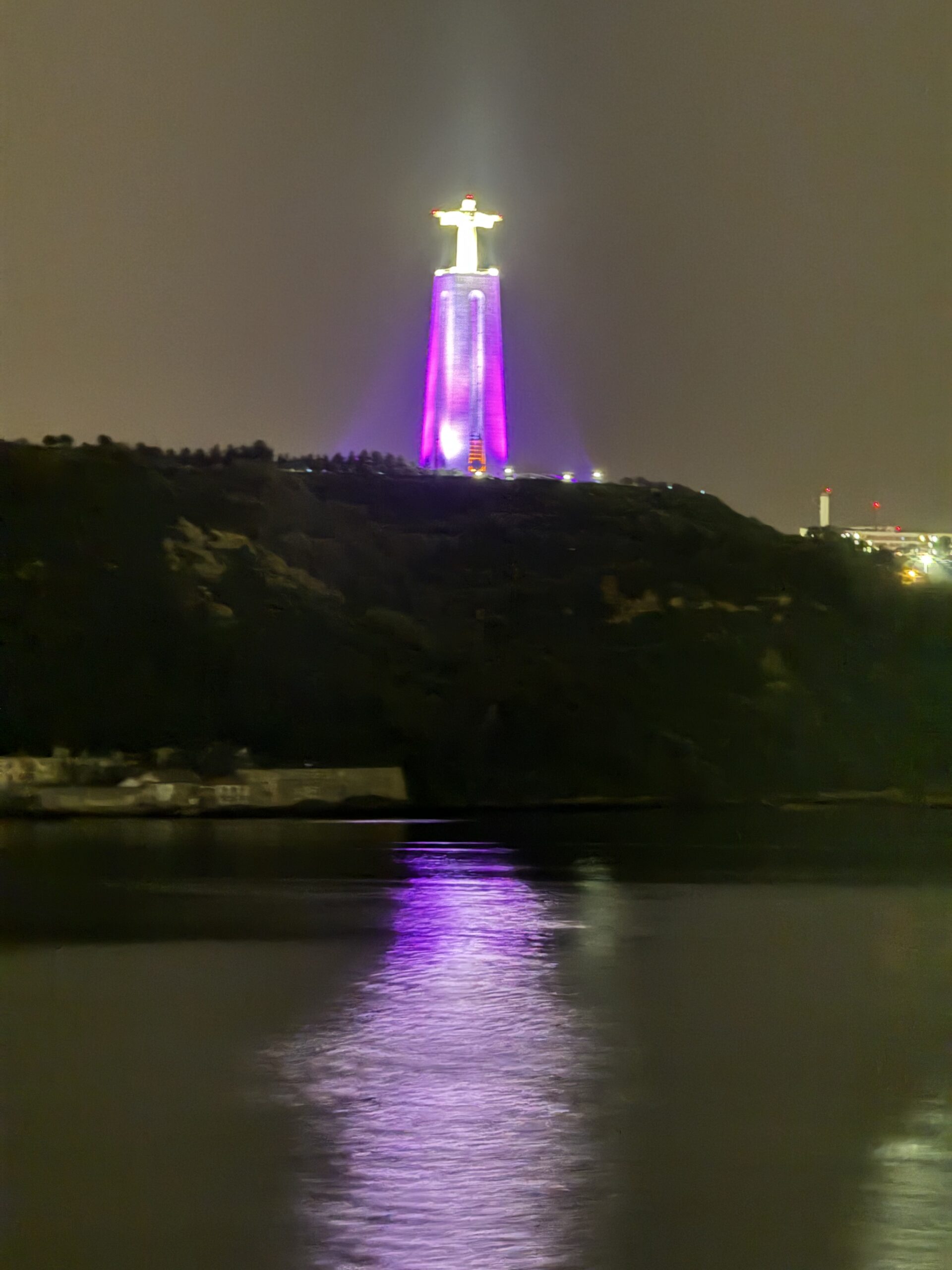
Sanctuary of Christ the King at night, from the river.
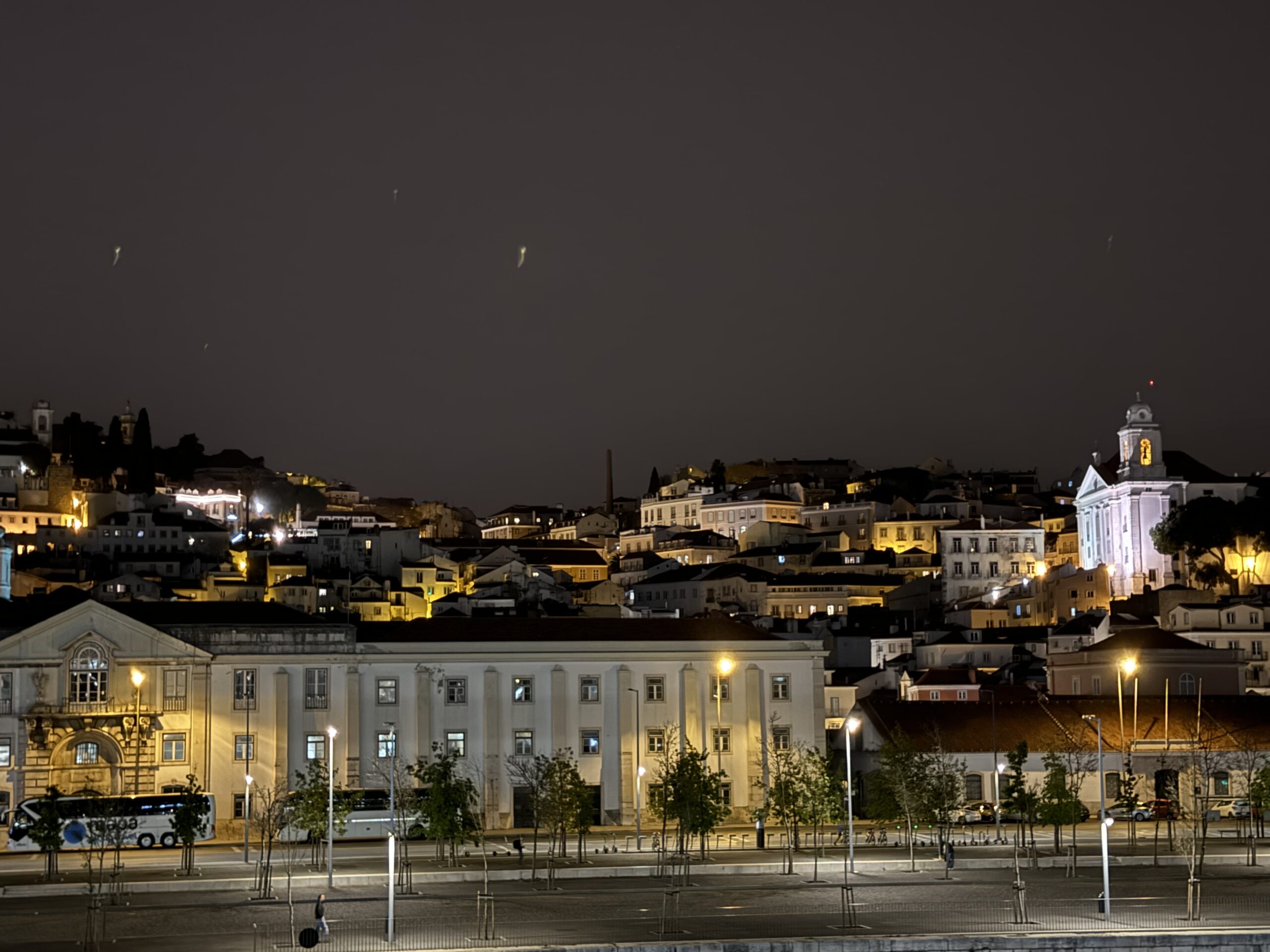
Lisbon at night.
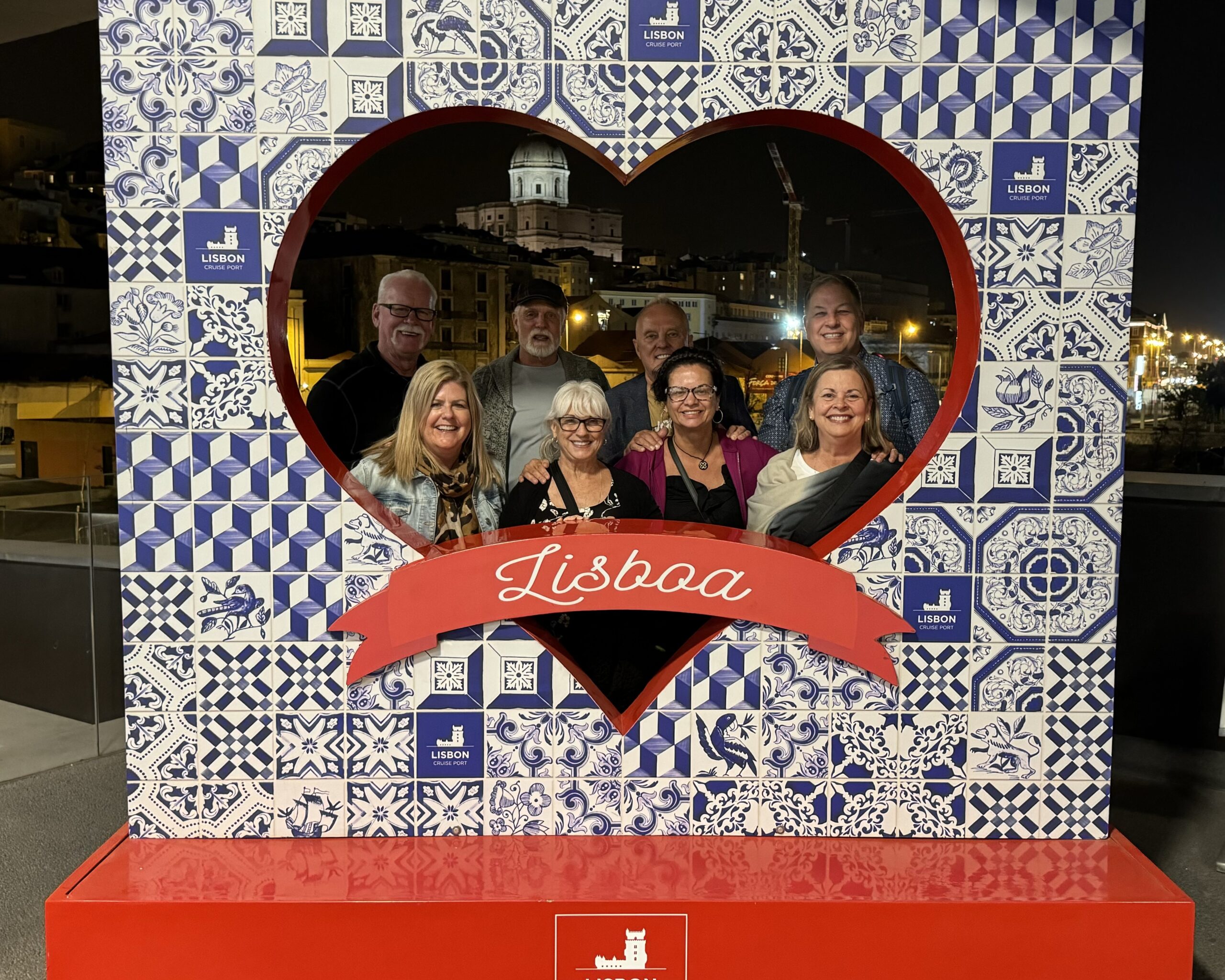
On our way back to the ship after dinner.
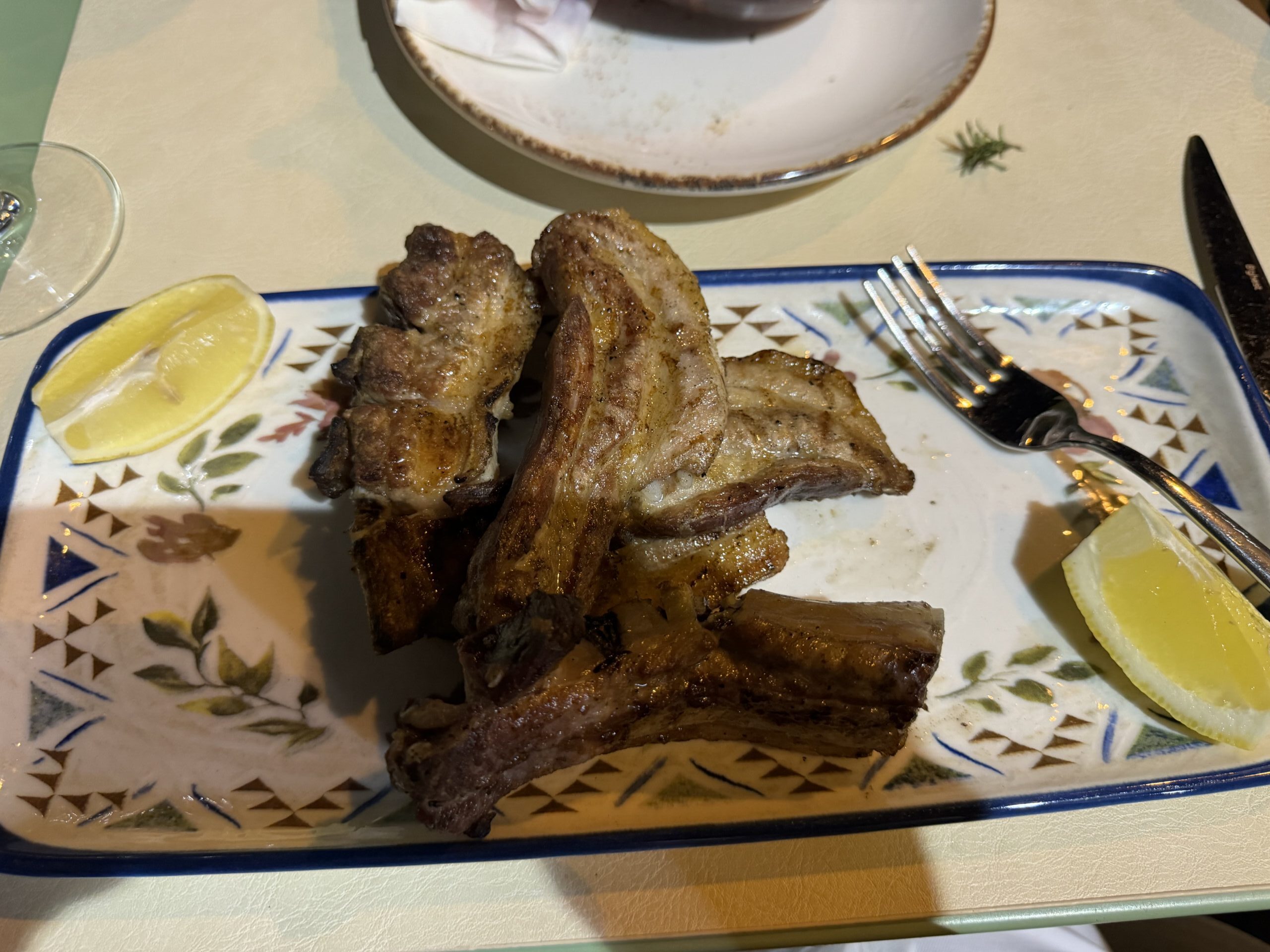
Dinner at Bica dos Cavalos. Sharon had short ribs.
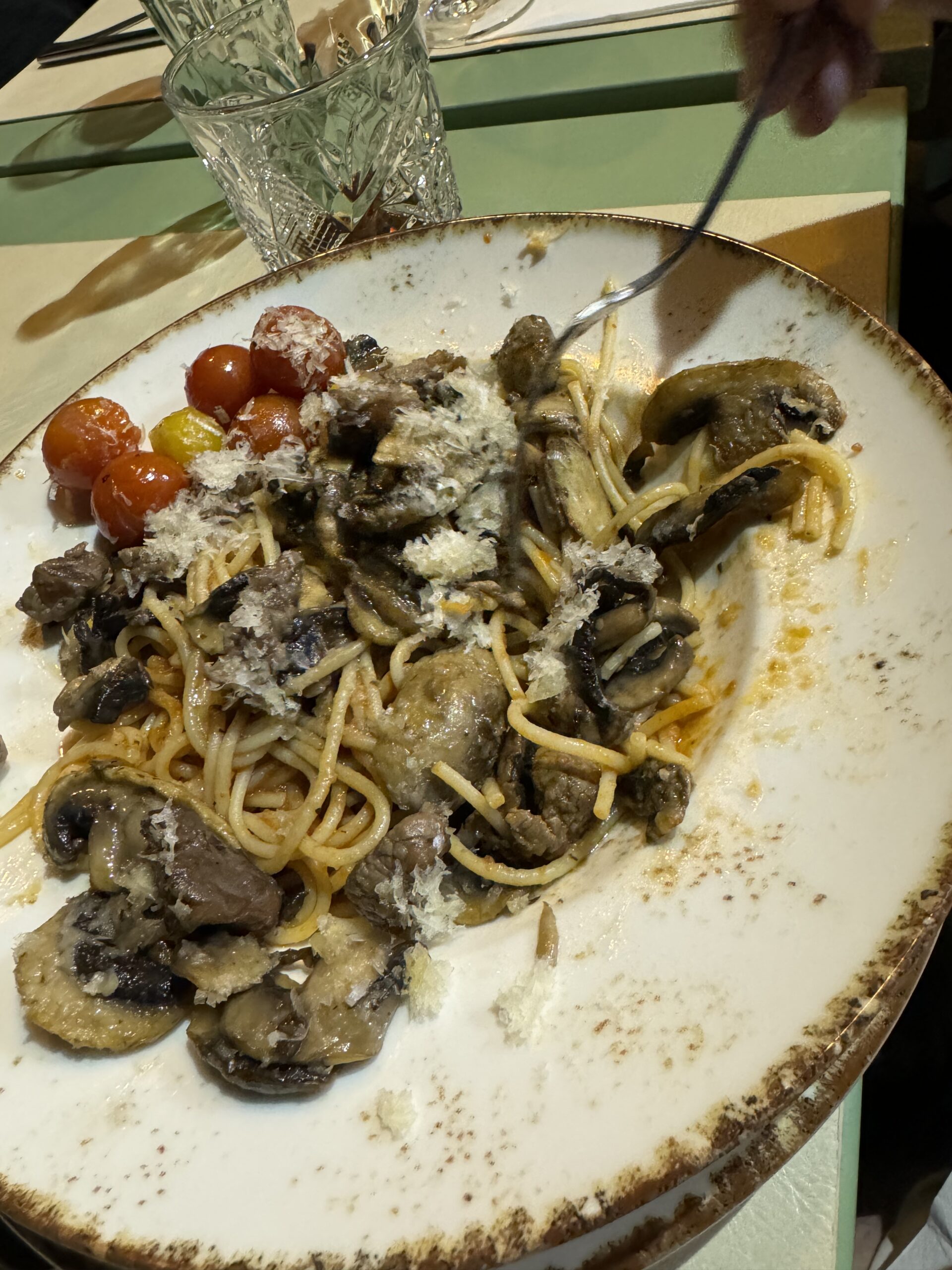
Marshall had "pasta cavalo bolognese" (with horse meat).
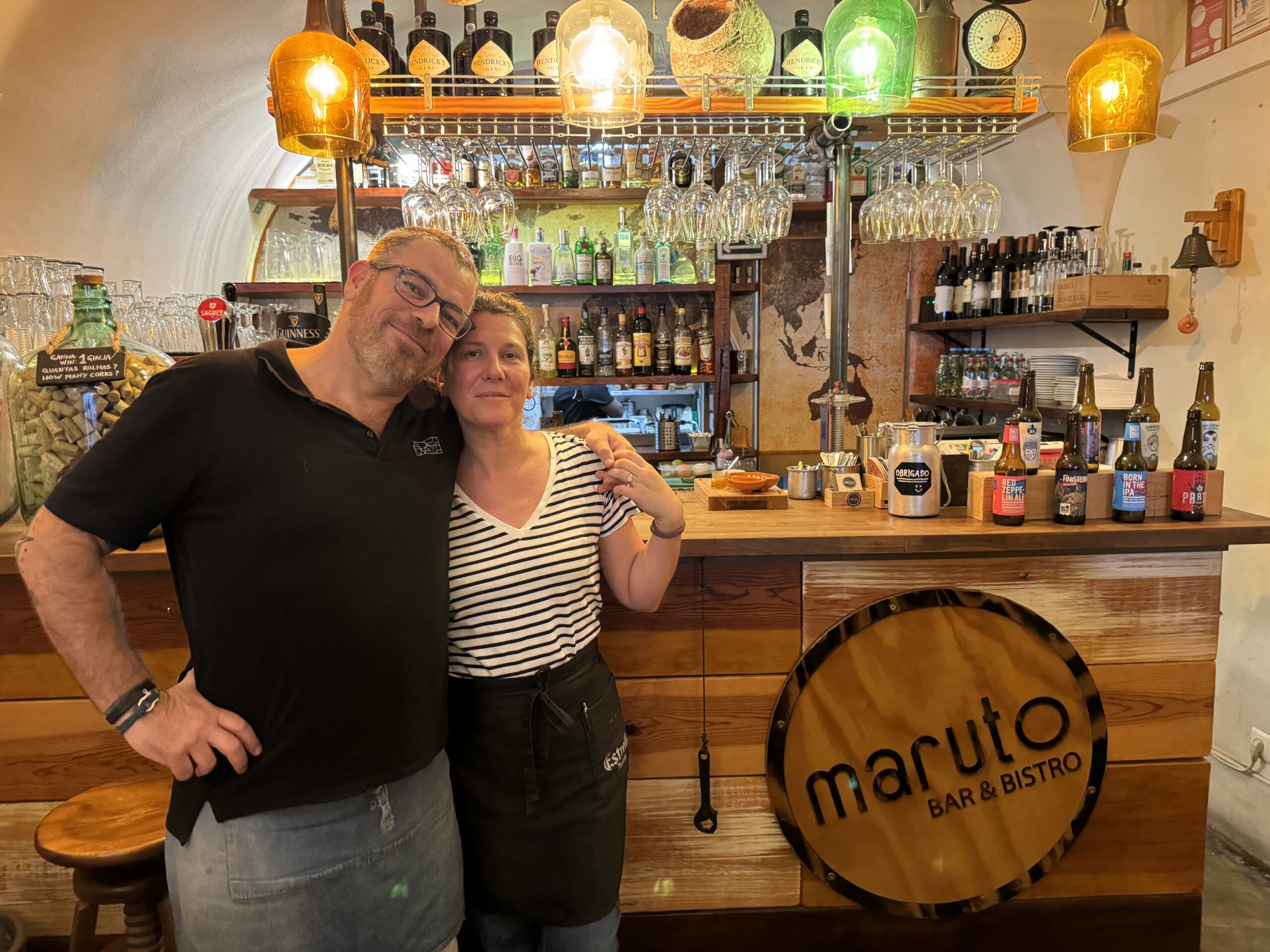
We had a nice Charcuterie board at Maruto.
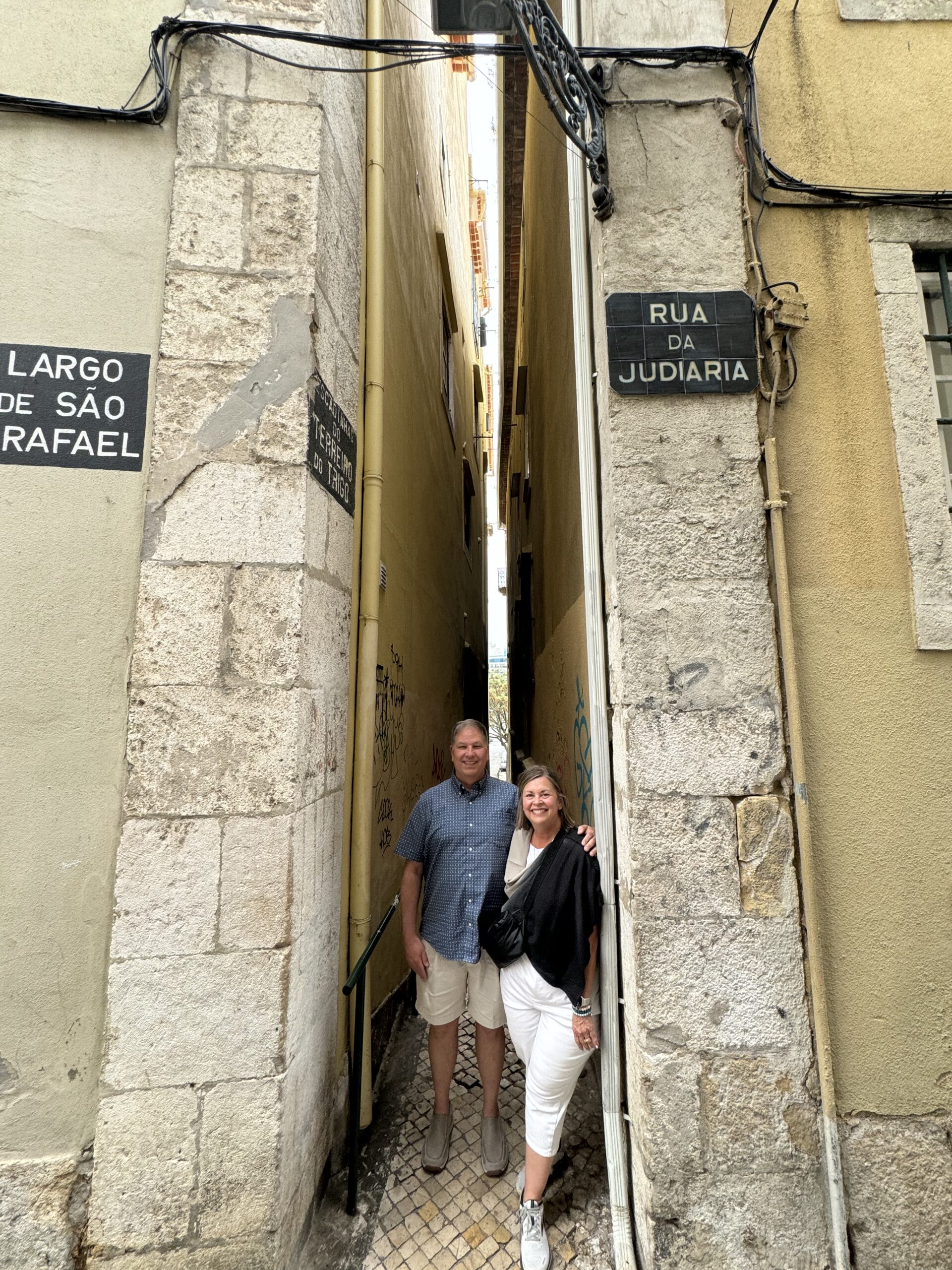
The most narrow street in Lisbon.
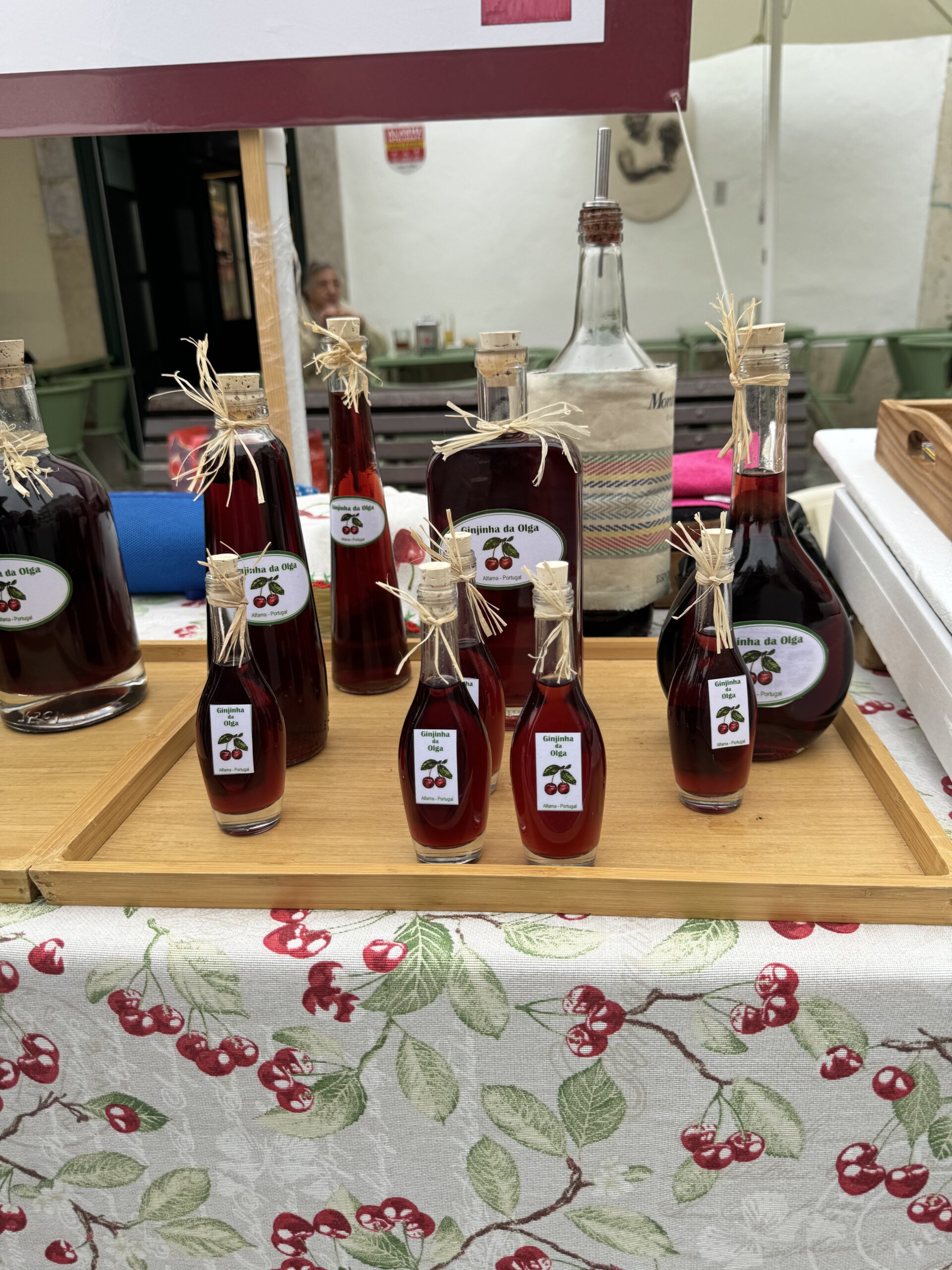
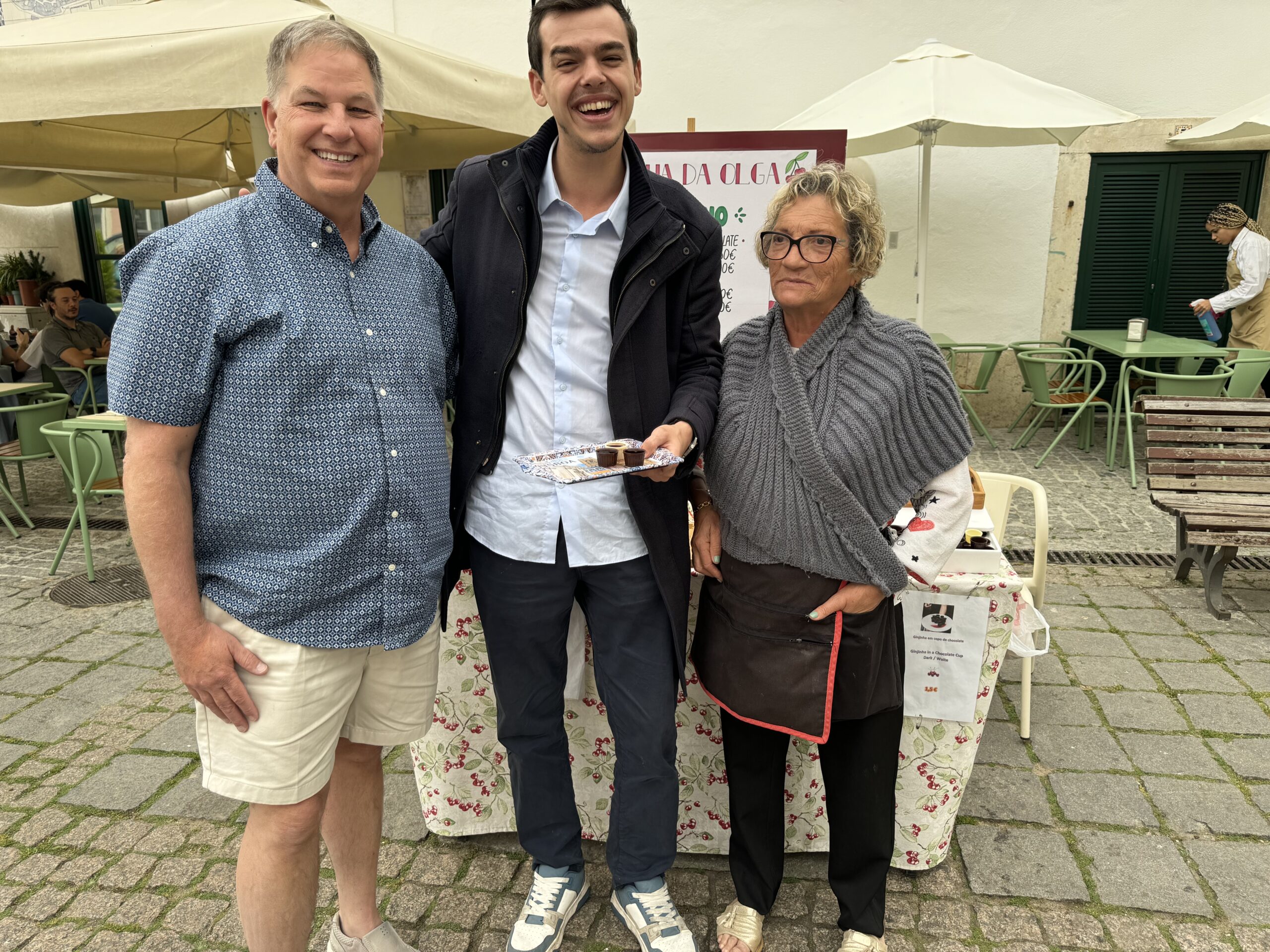
Tasting ginjinha, a portuguesa cherry liquor.
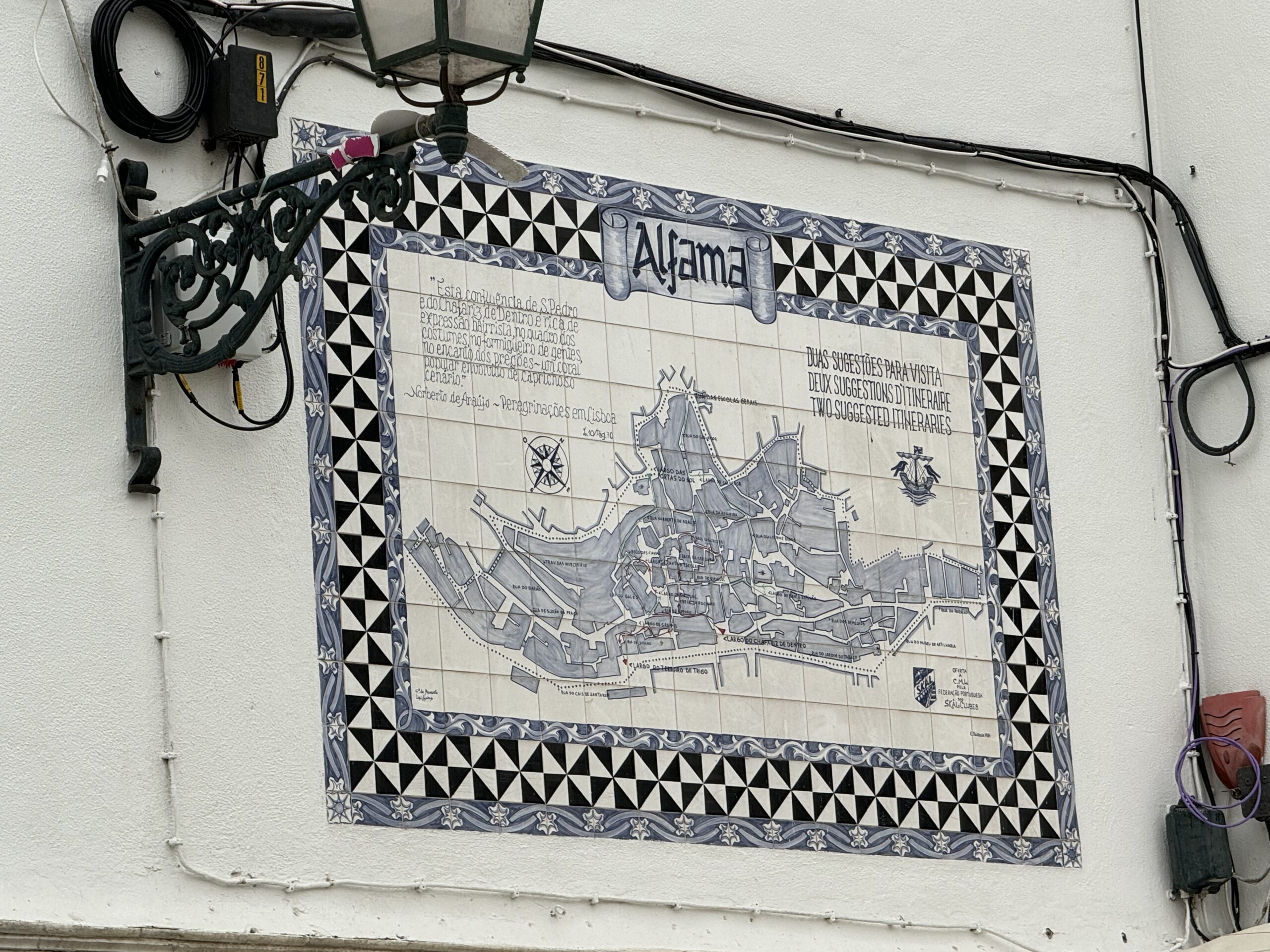
The Alfama section of Lisbon is the oldest surviving area, filled with shops, cafes and very narrow streets.
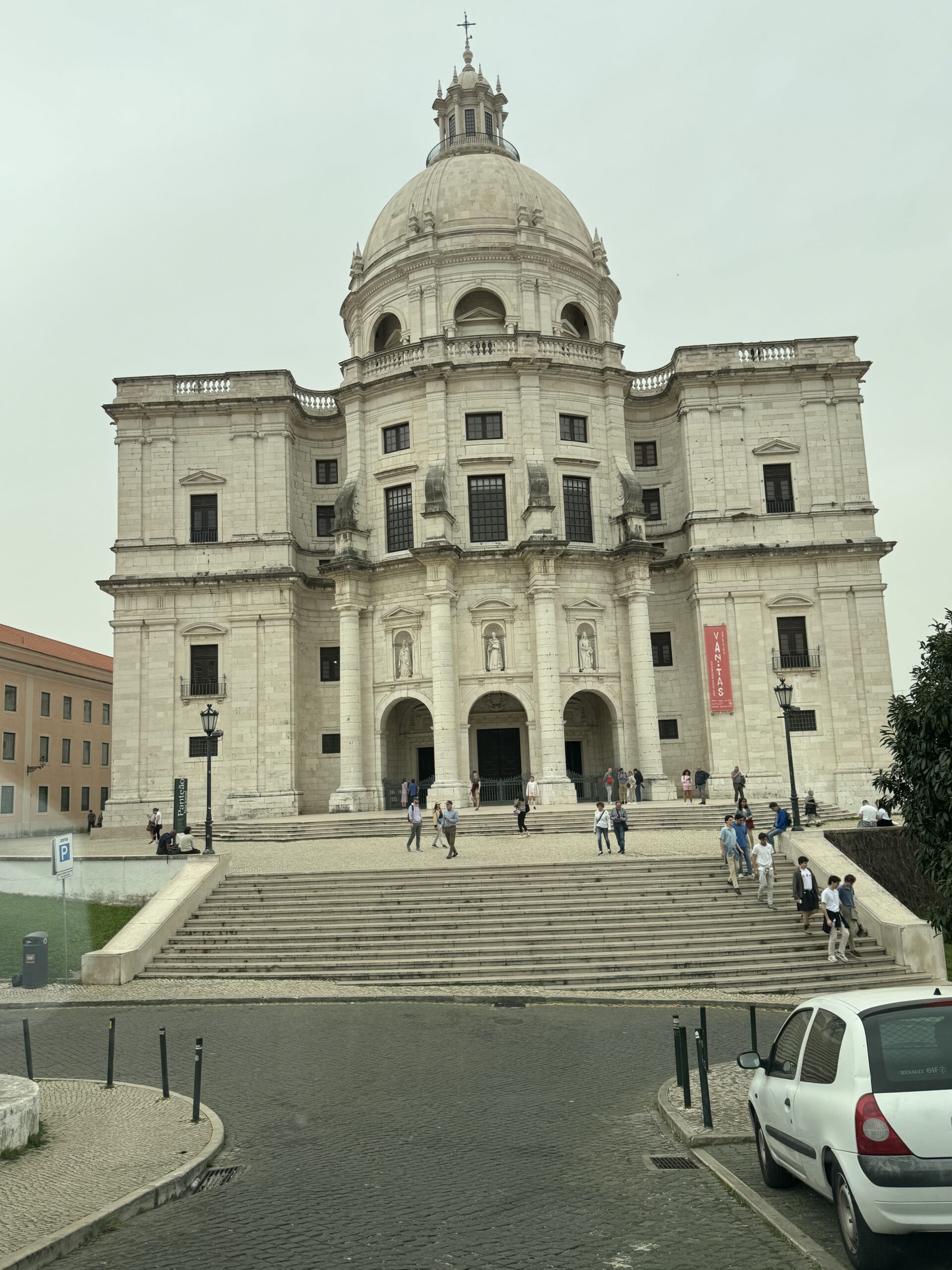
Panteo National, where all the famous Lisbonites are entombed.
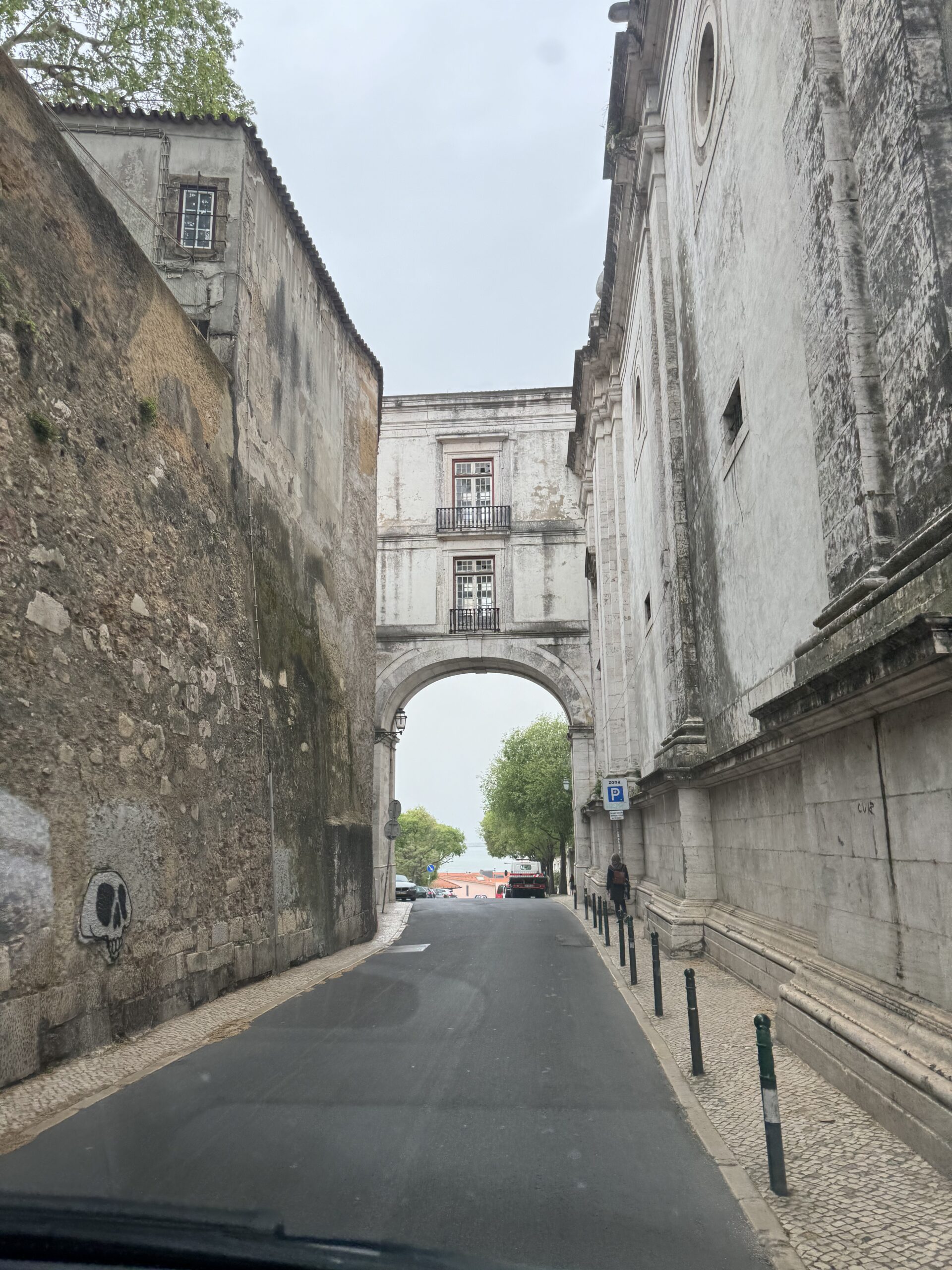
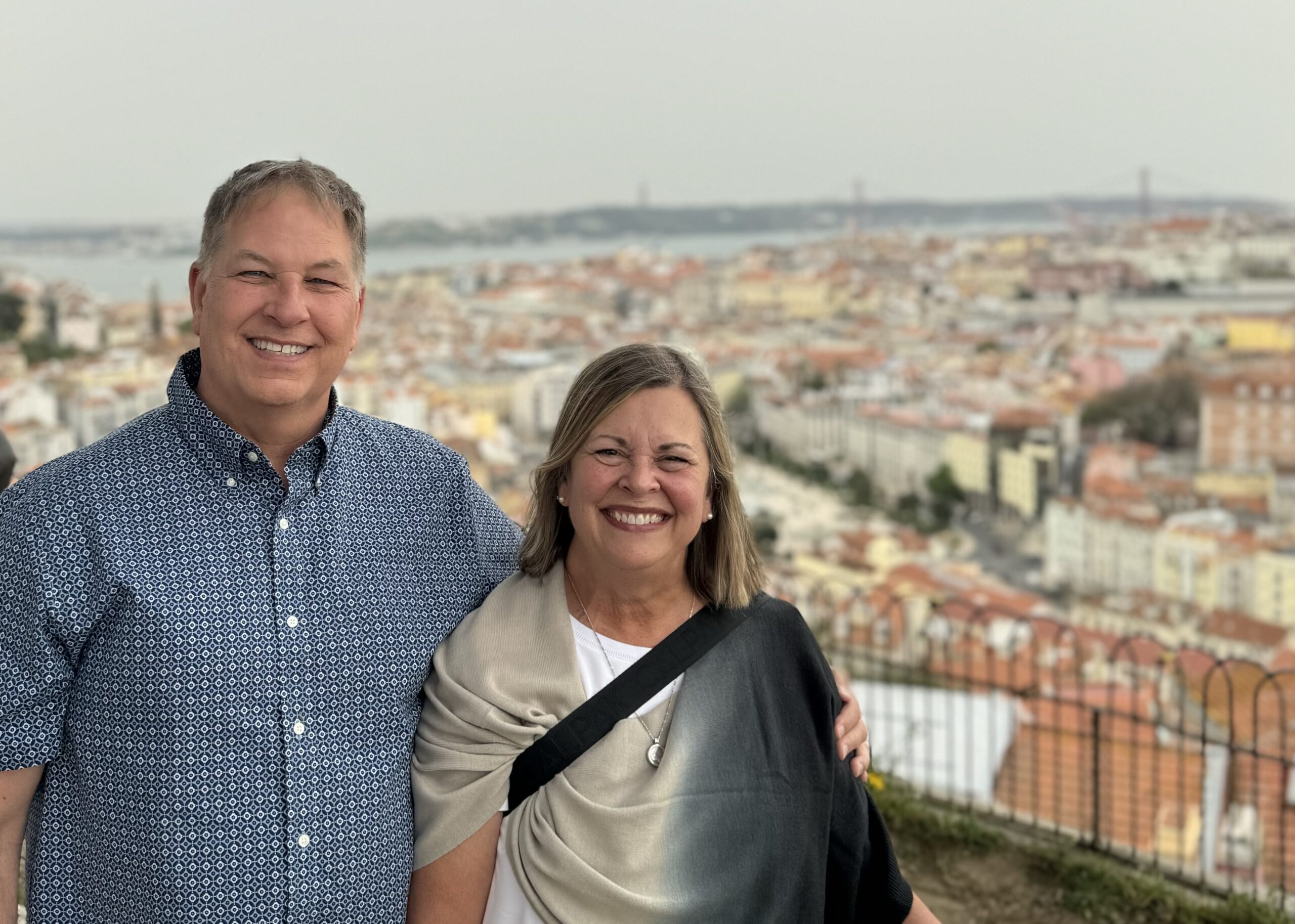
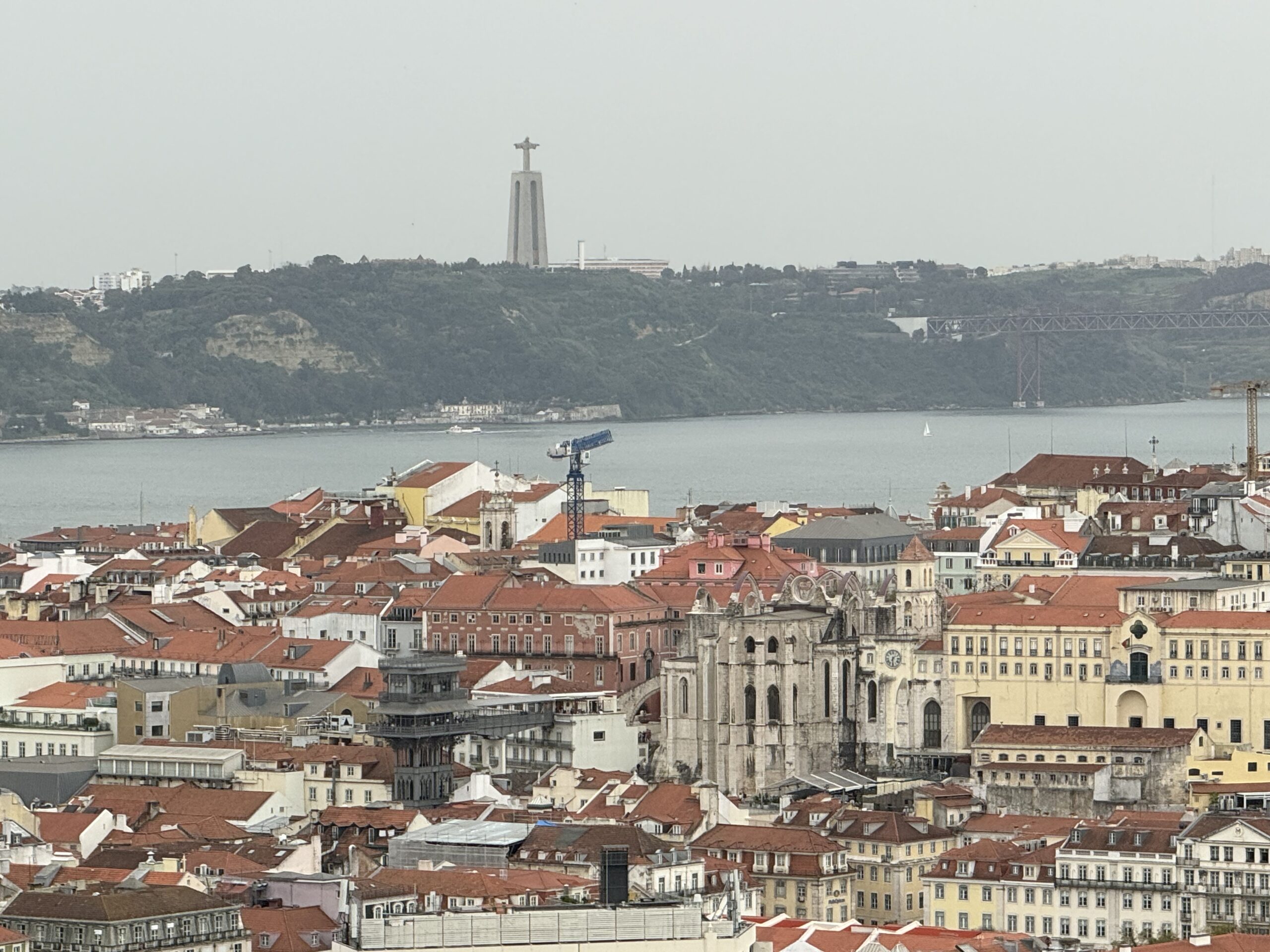
View with the Sanctuary of Christ the King in the background.
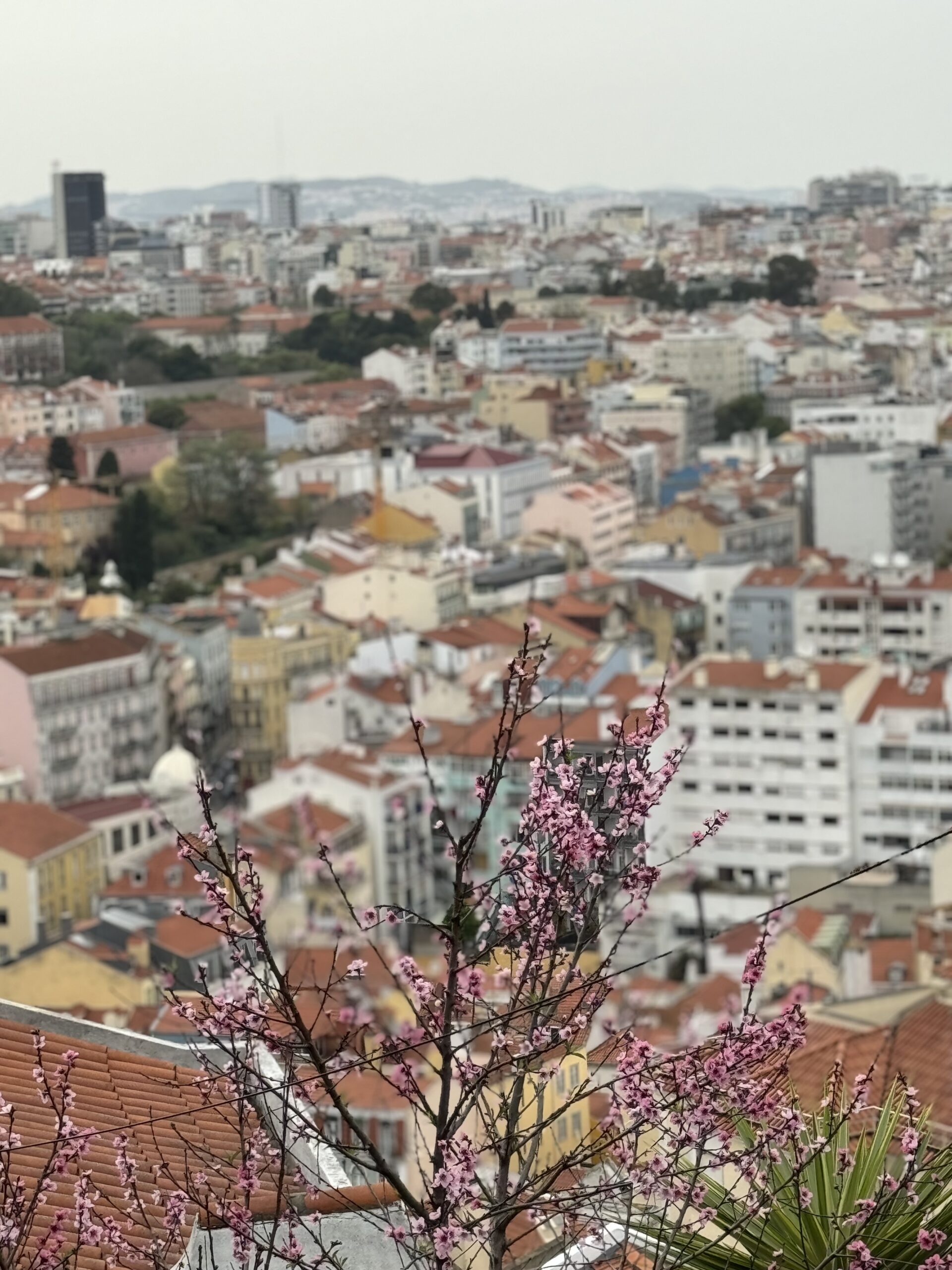
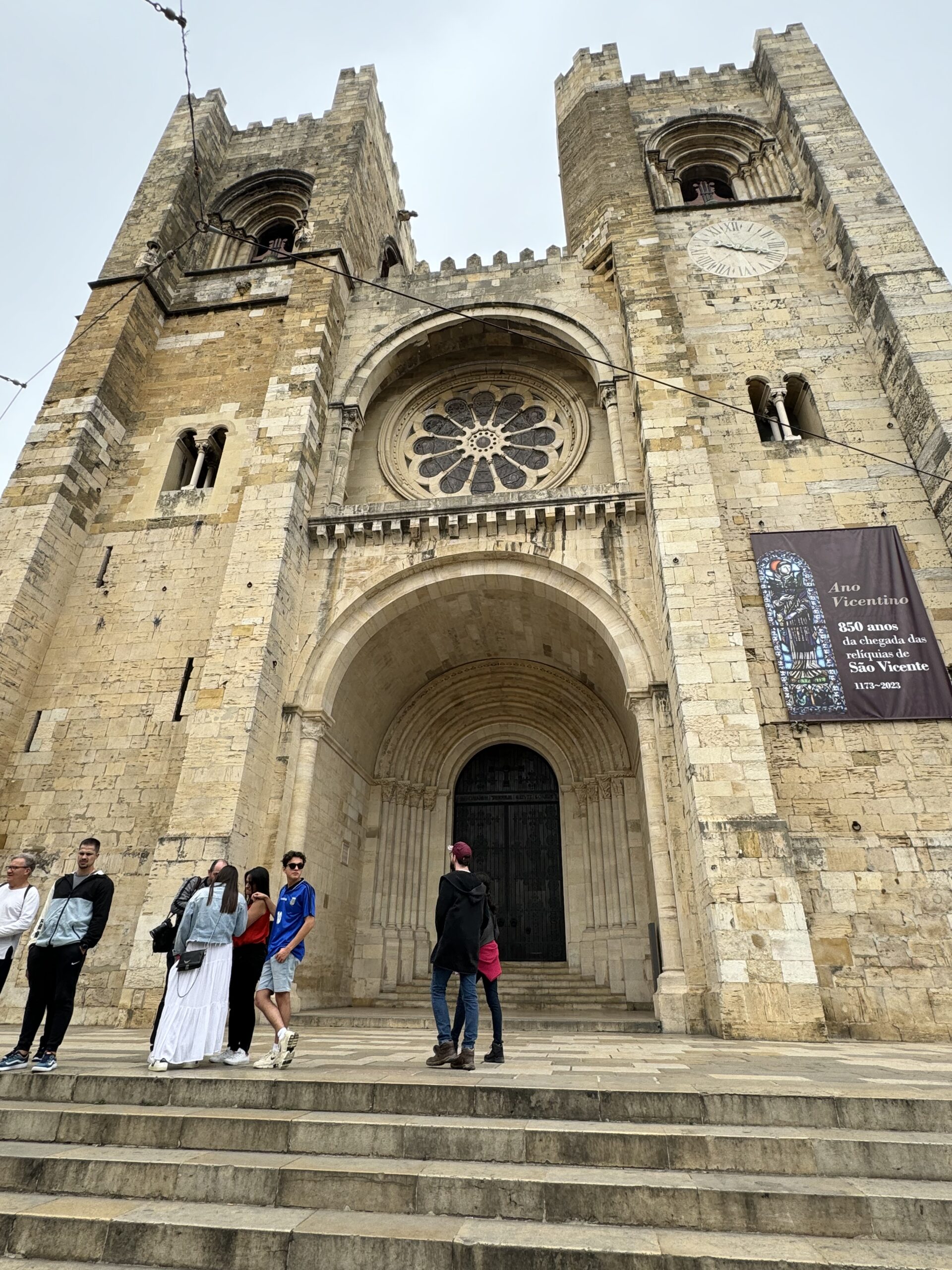
Sao Vincente cathedral.
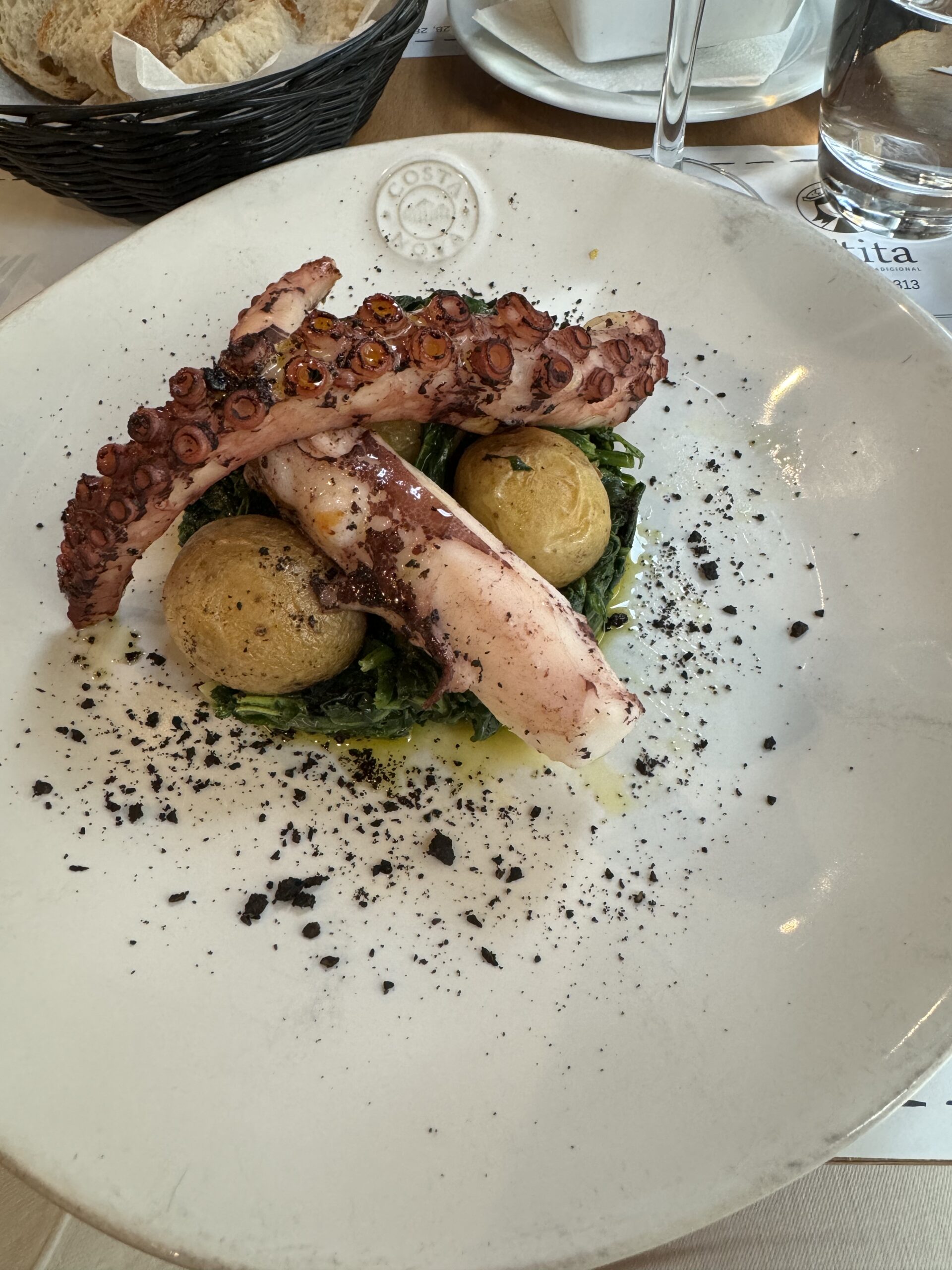
Sharon had grilled octopus. It was tasty!
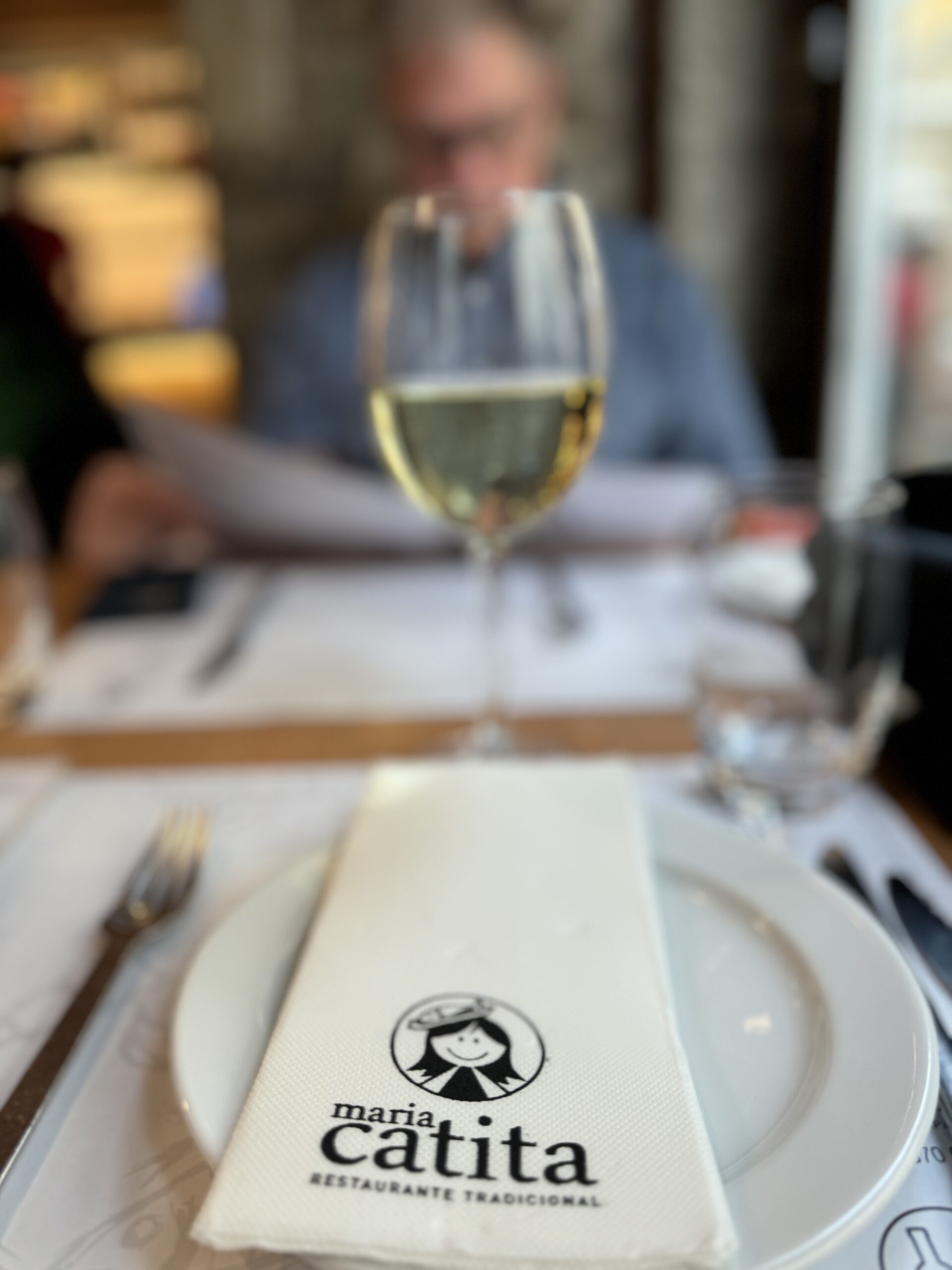
Our lunch spot, Maria Catita.
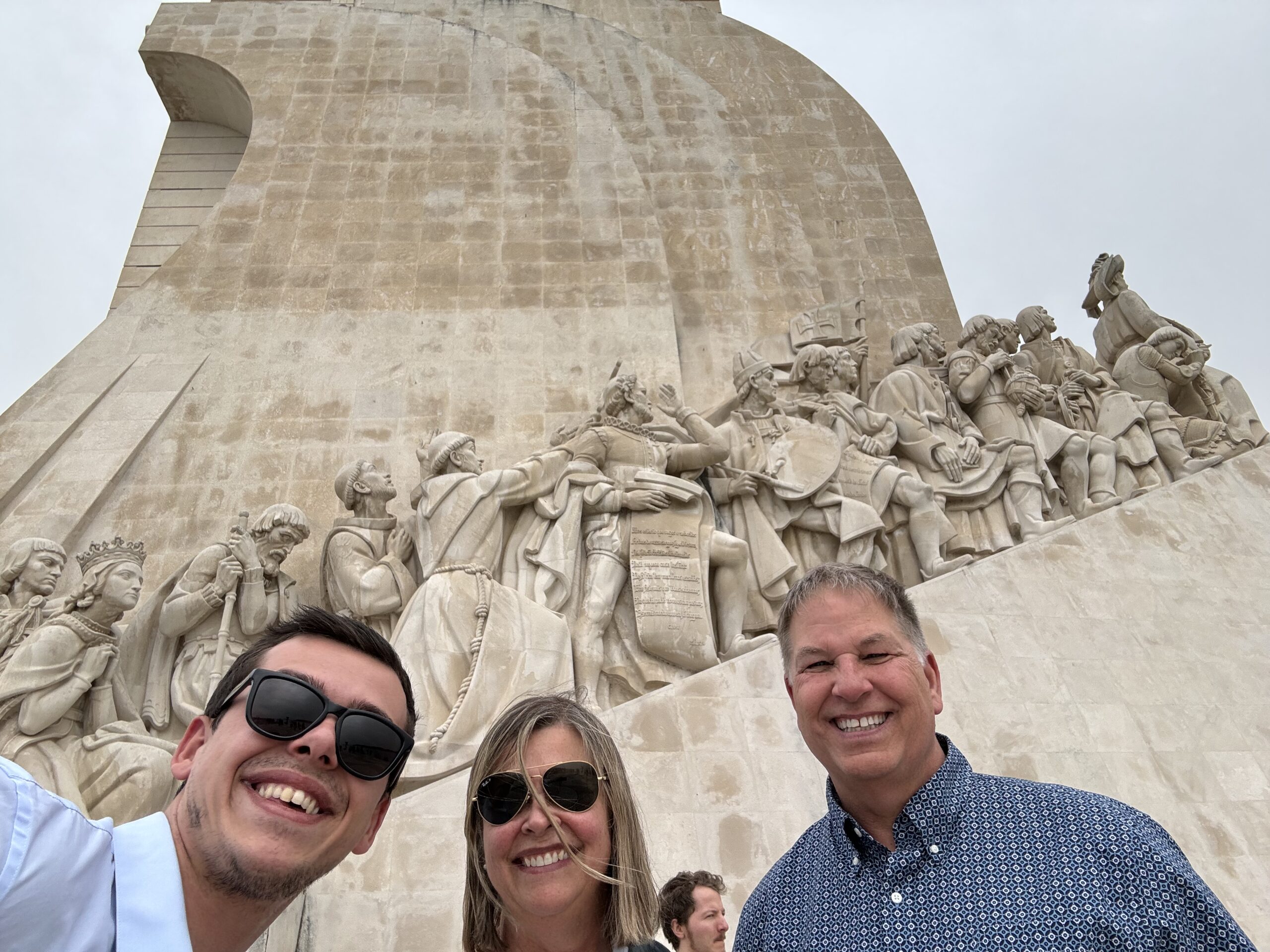
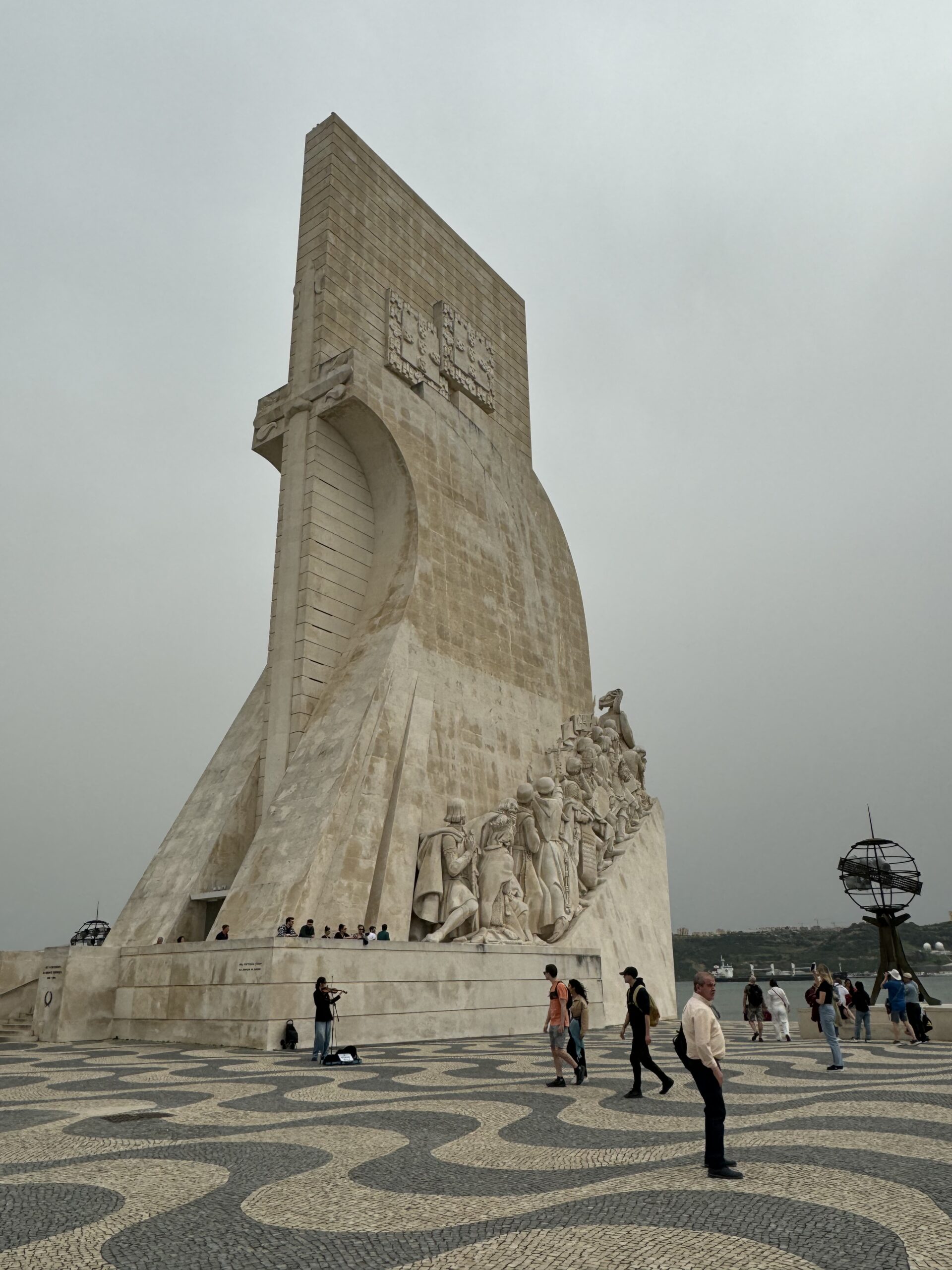
Padrao dos Descobrimentos, a statue built to commemorate the 500 year mark since the death of Henry the Navigator.
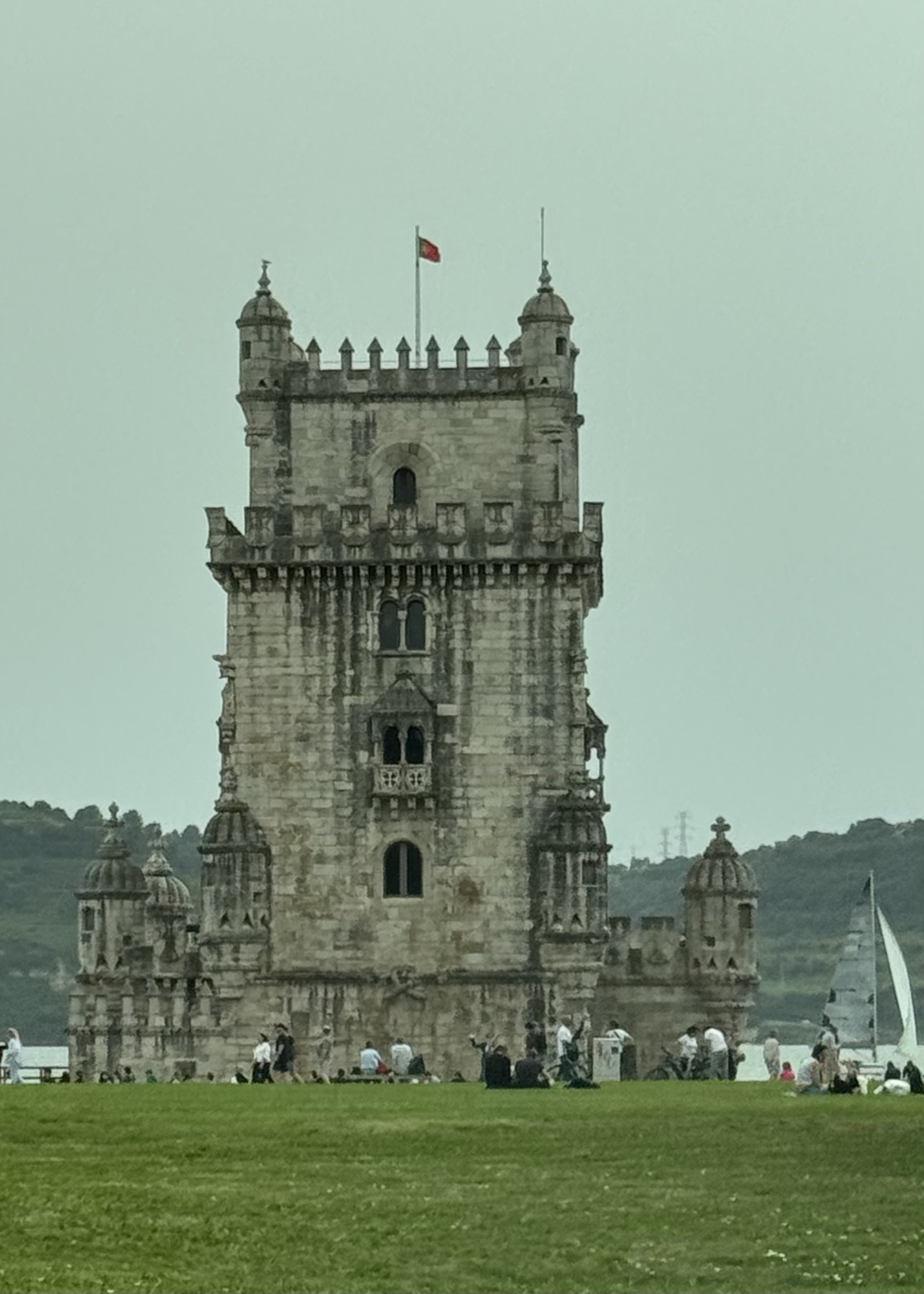
Belem Tower
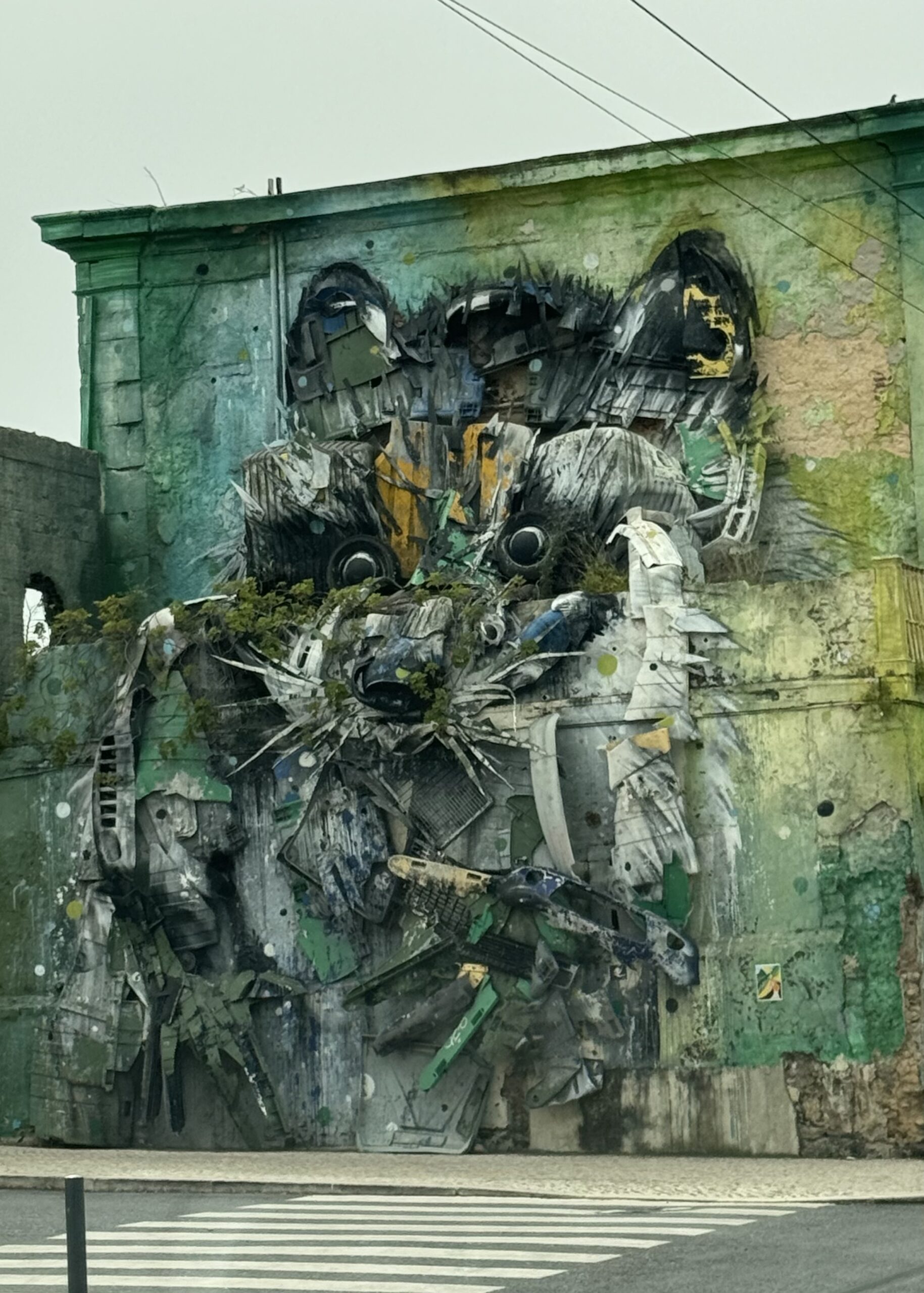
Another Artur Bordallo art installment, repurposing trash and cast aways.
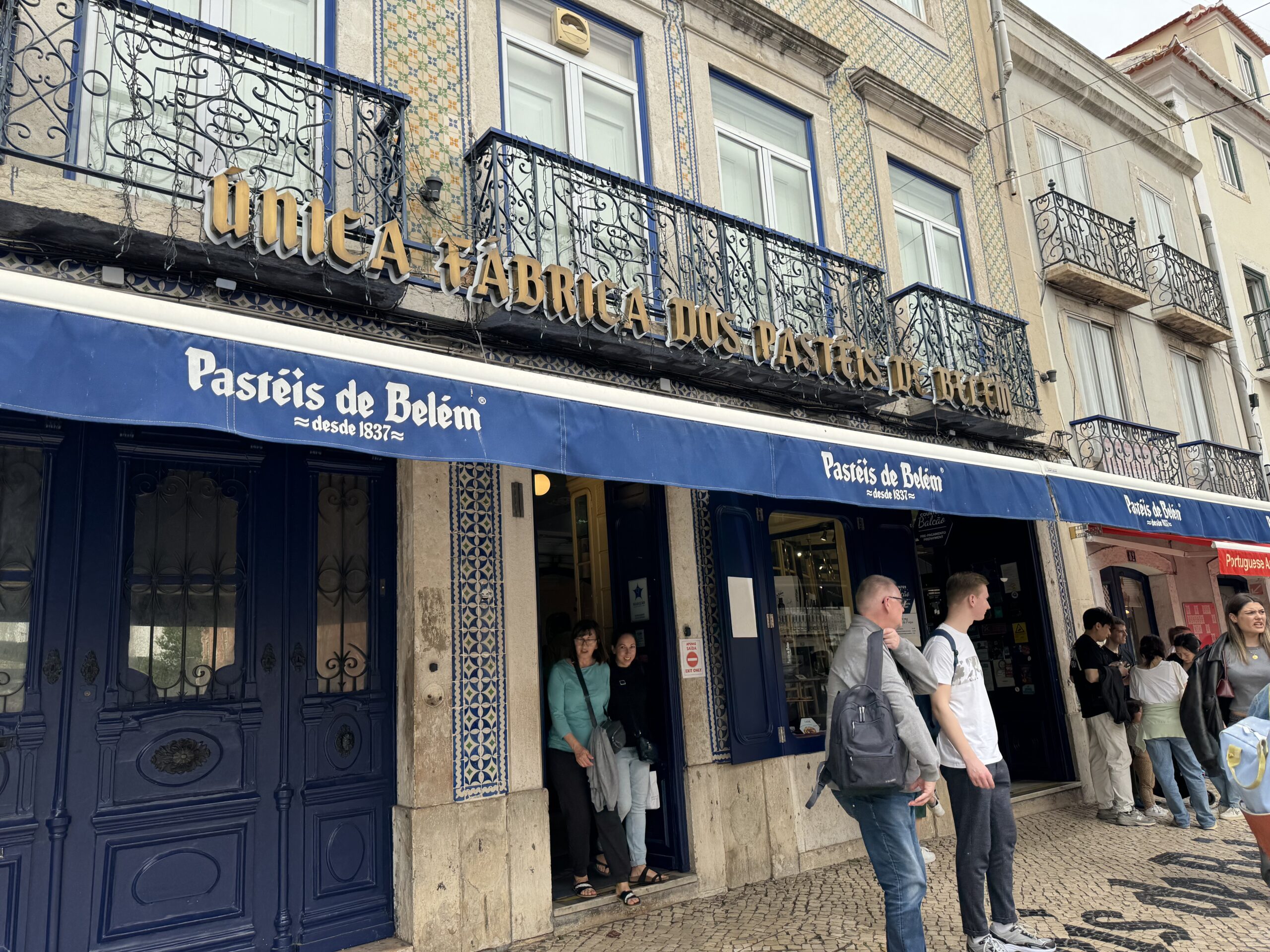
Pasteis de Belem, the original Portuguese pastry shop.
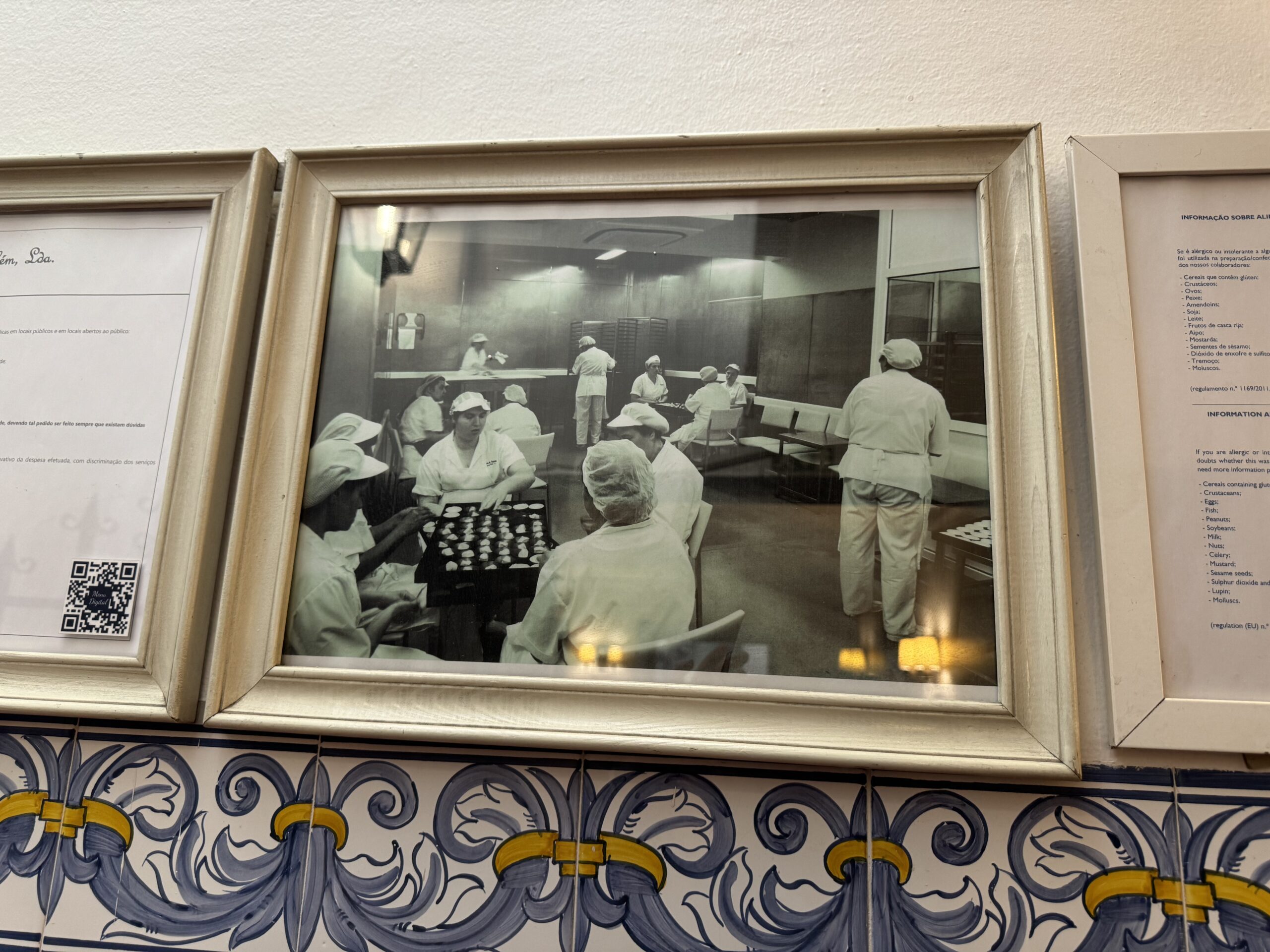
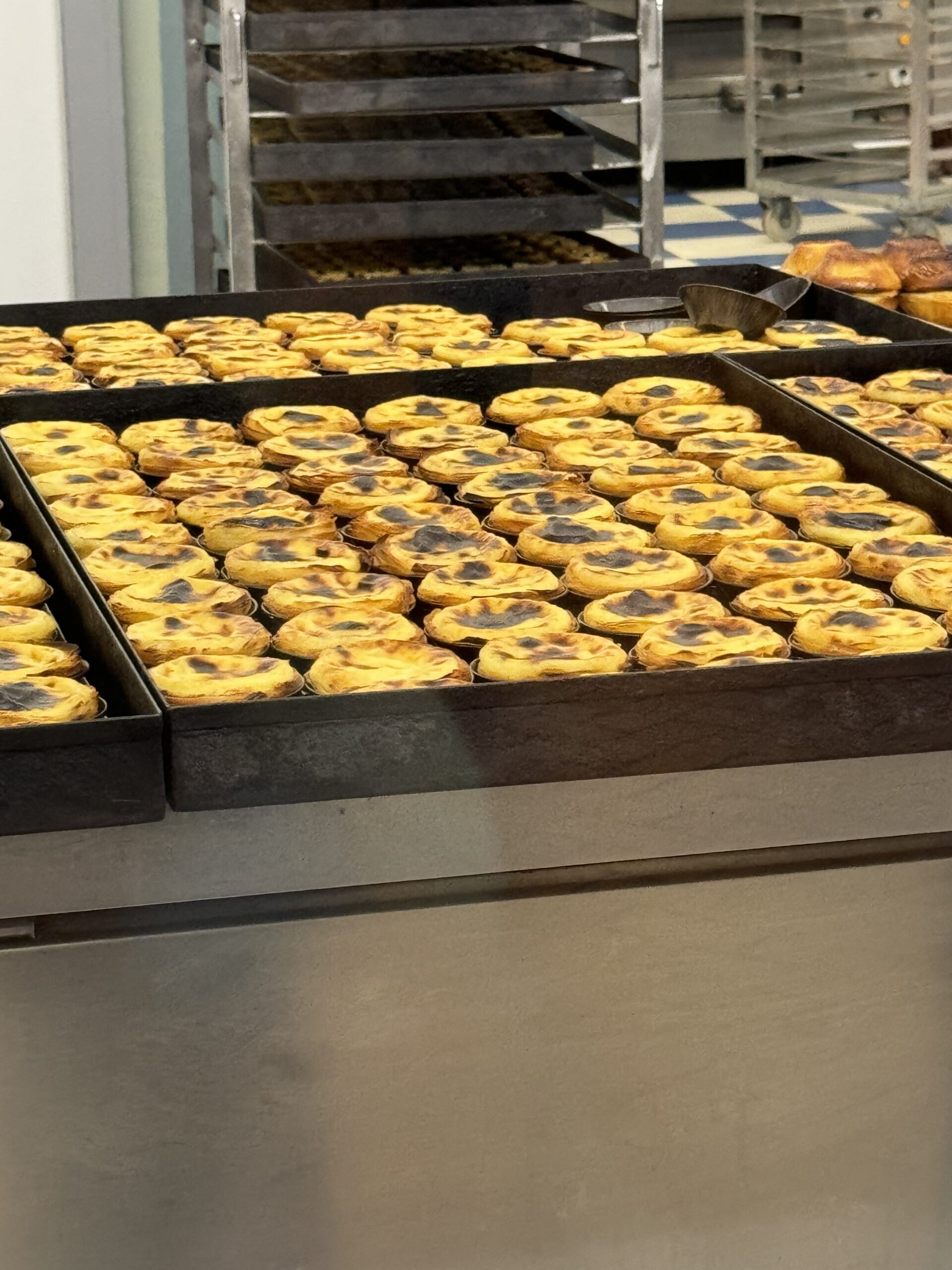
They are sooo good!!
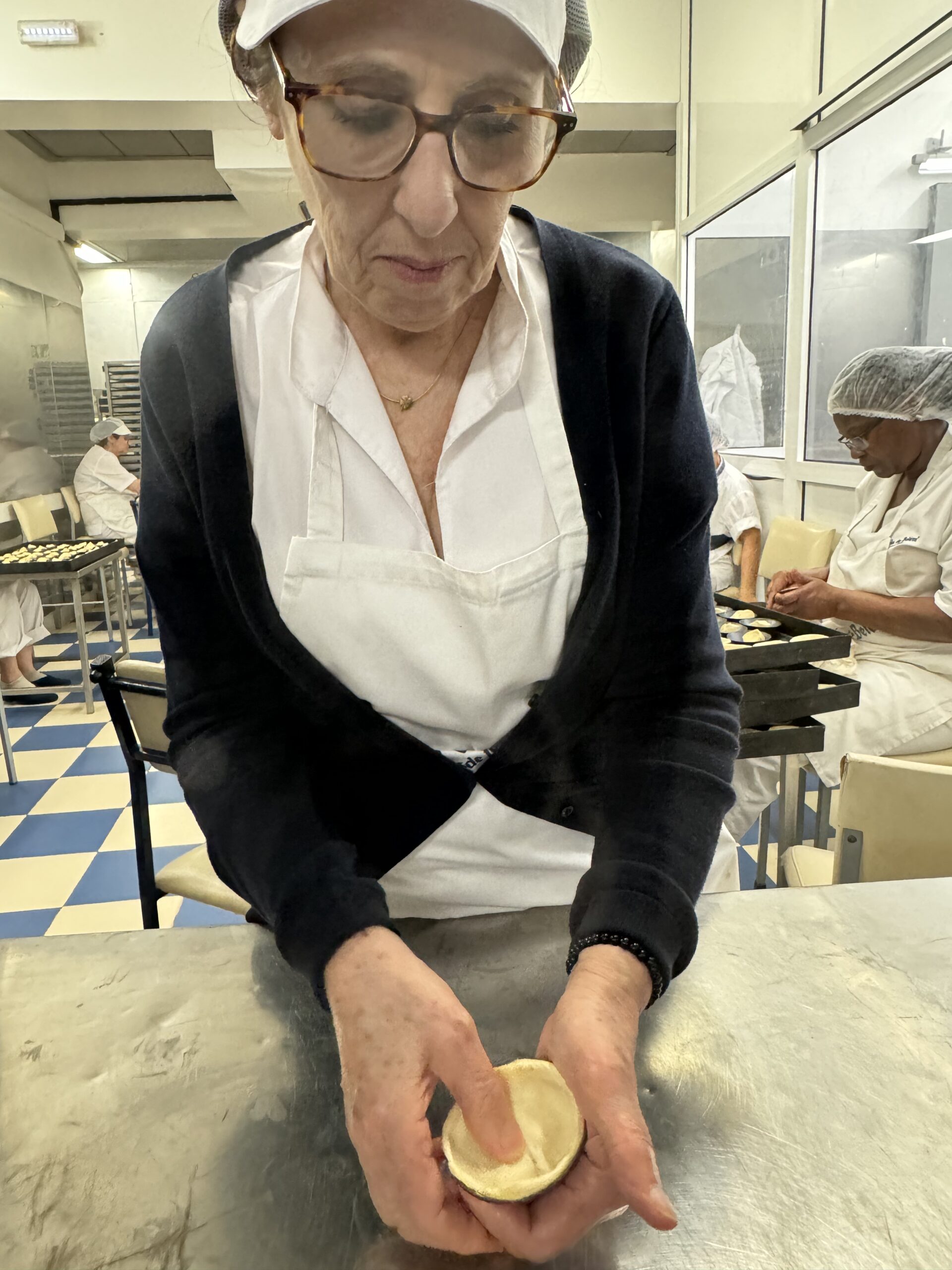
Each pastry is made by hand.
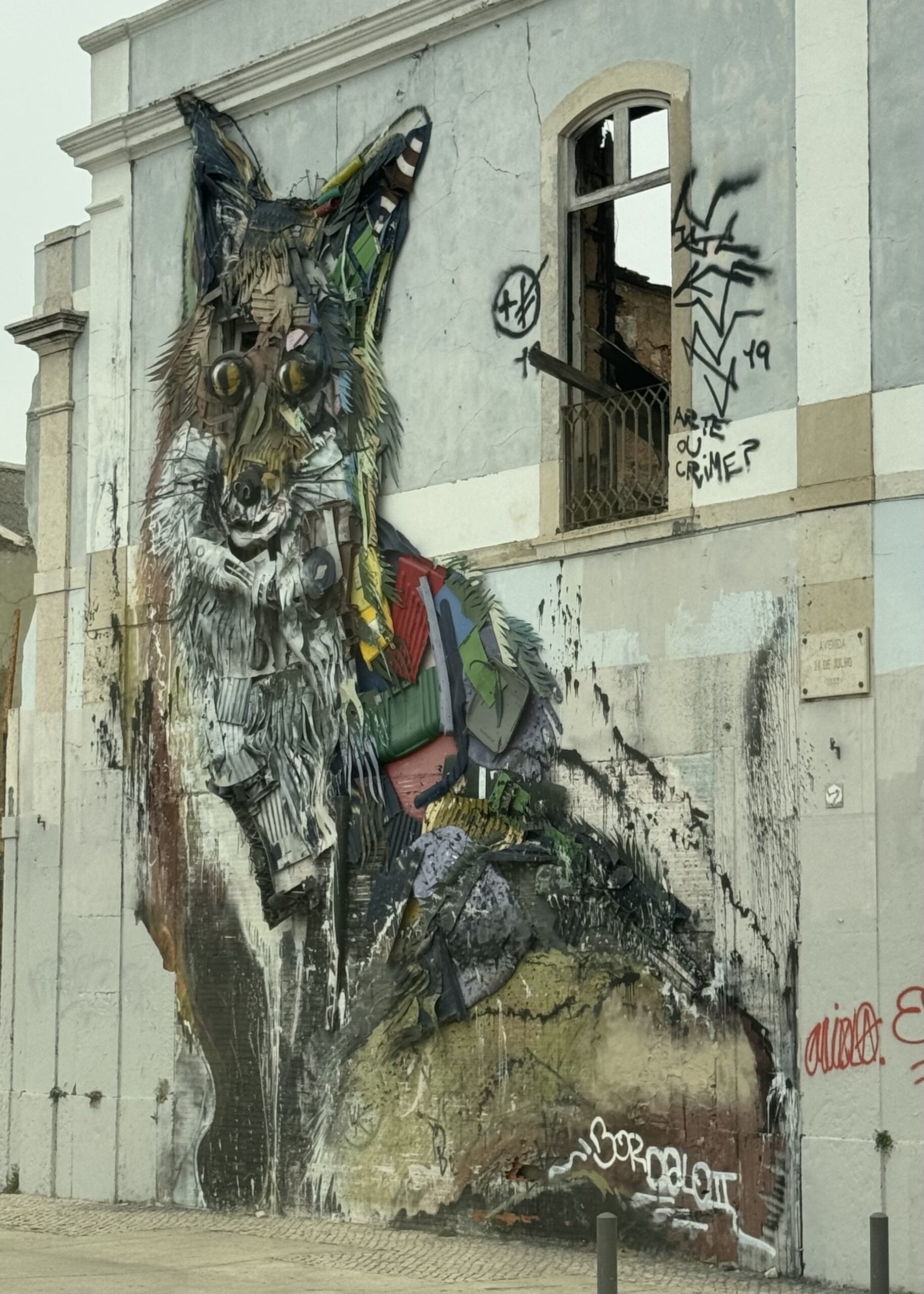
Street art by famed Arto Bordallo II.
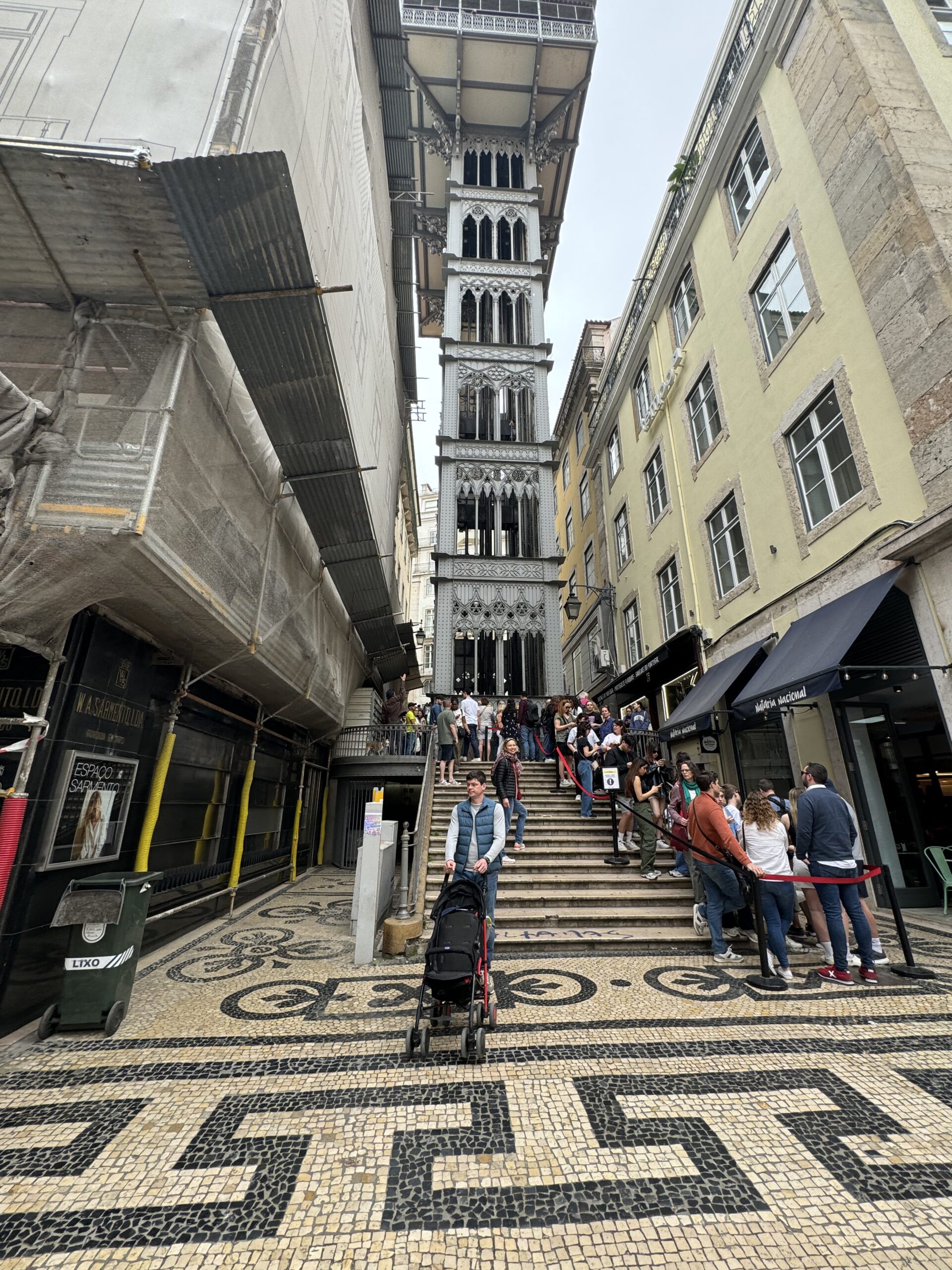
Another view of the Santa Justa lift.
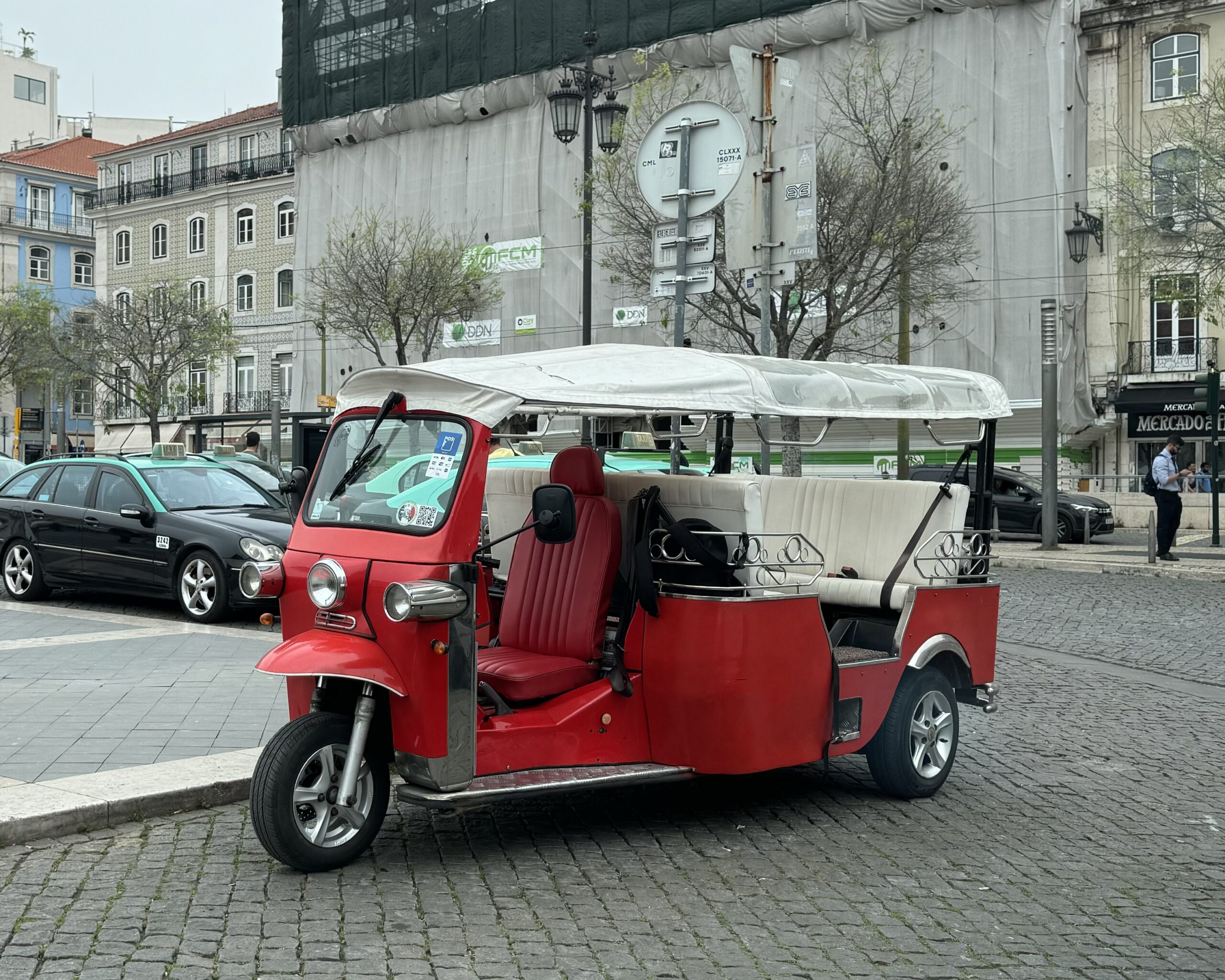
TukTuks are everywhere in Lisbon, as they can navigate the narrow streets.
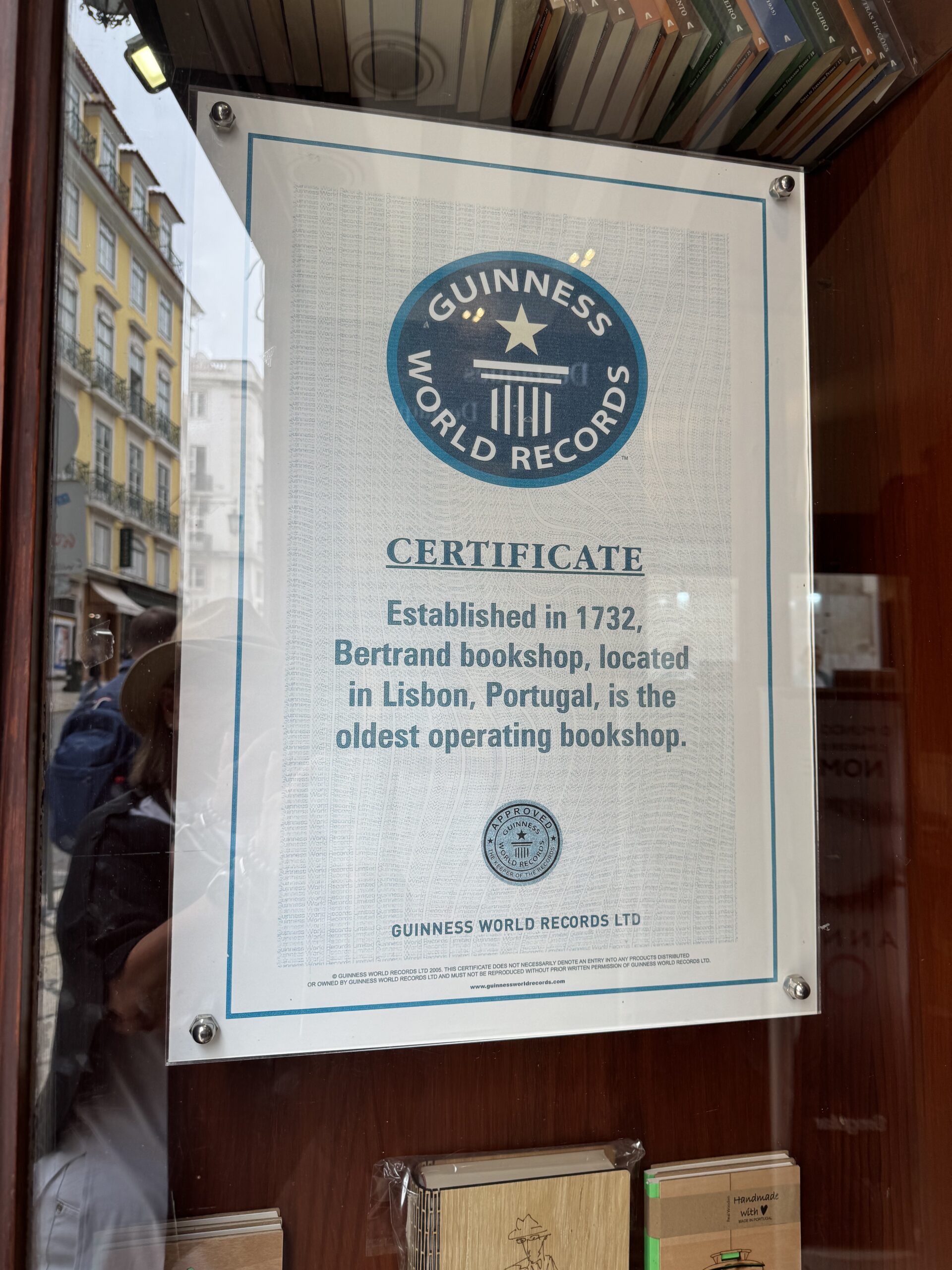
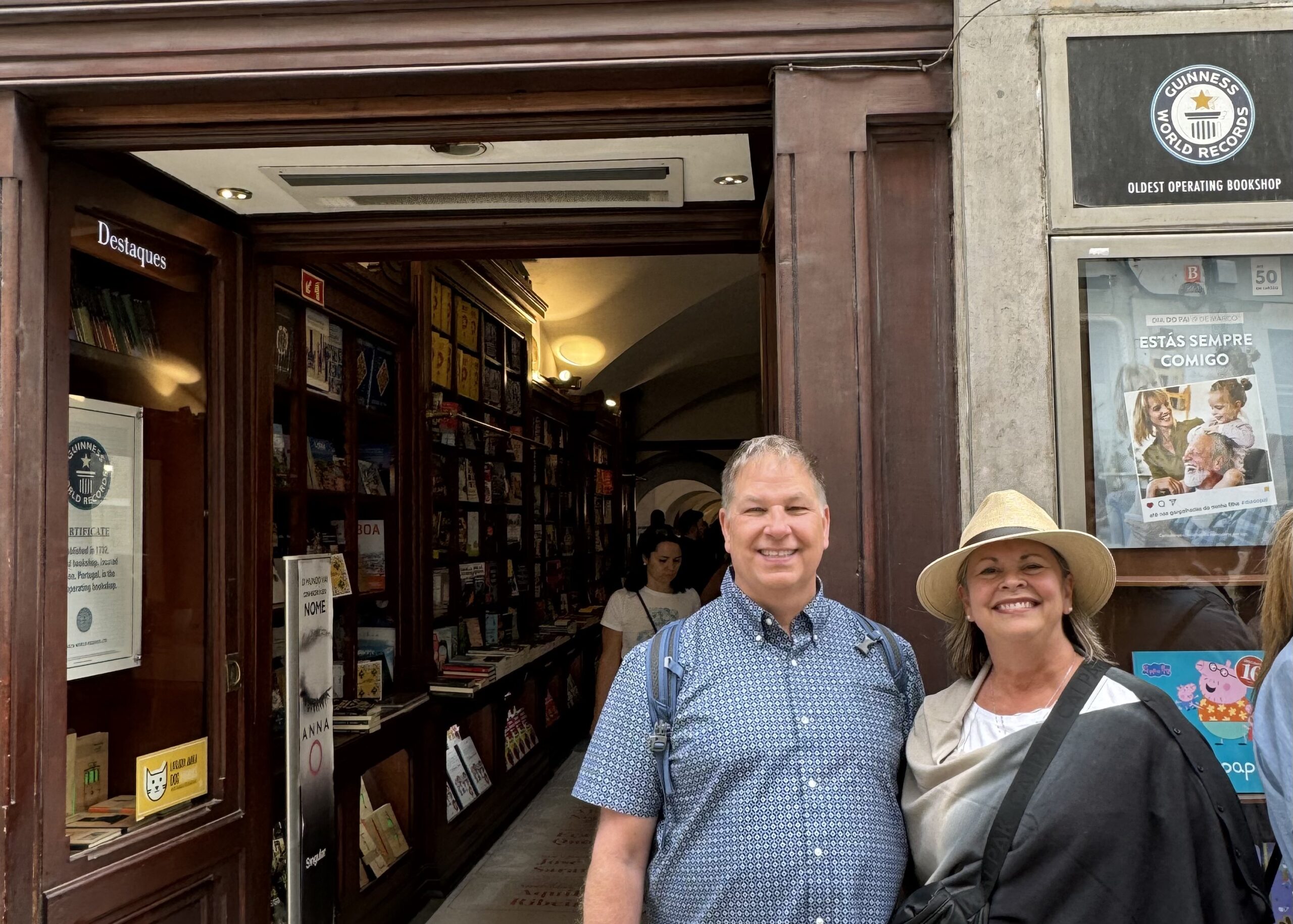
The Guinness World Records "Oldest Operating Bookstore".
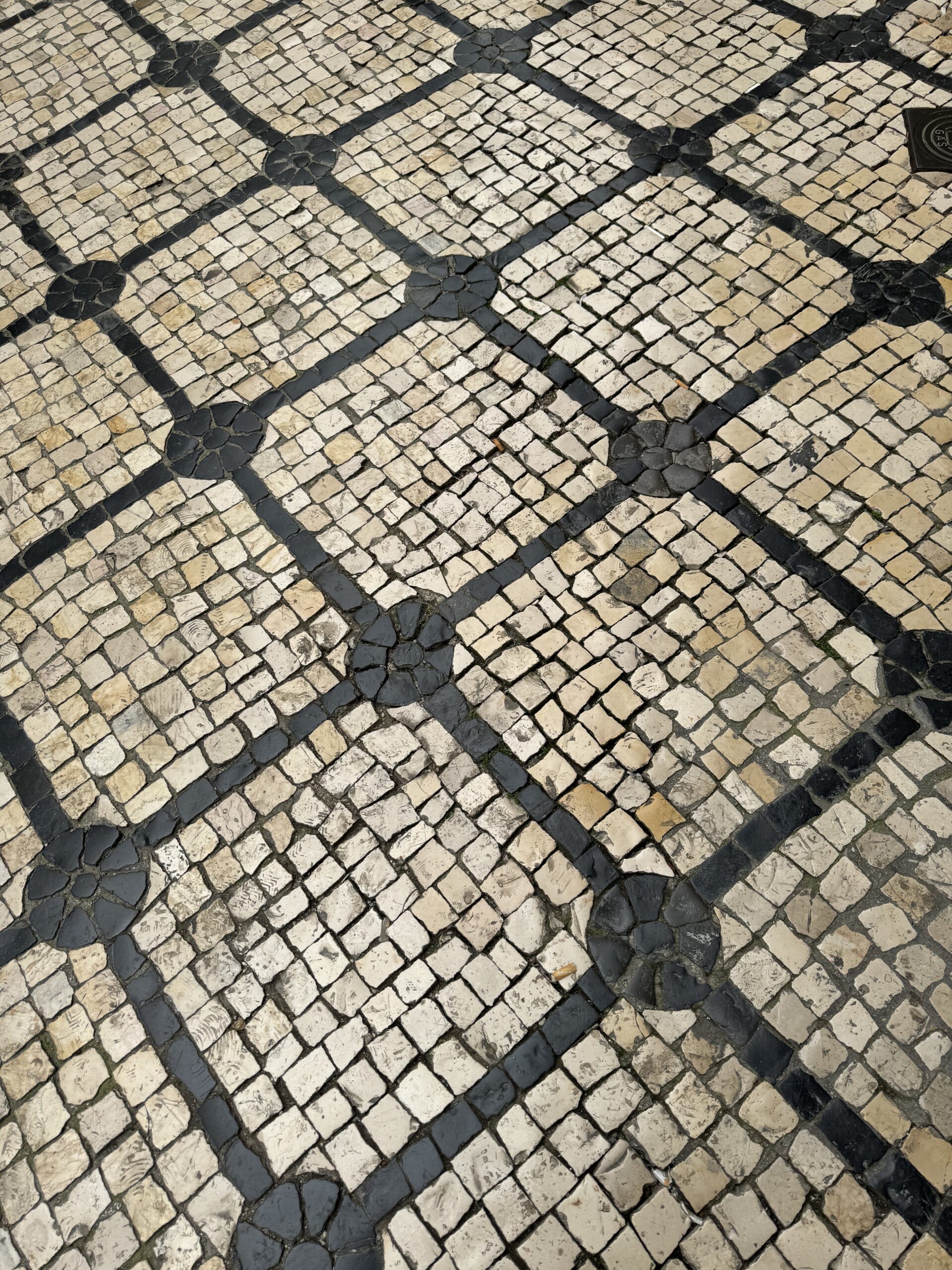
Everywhere in the city are these elaborate beautiful sidewalks.
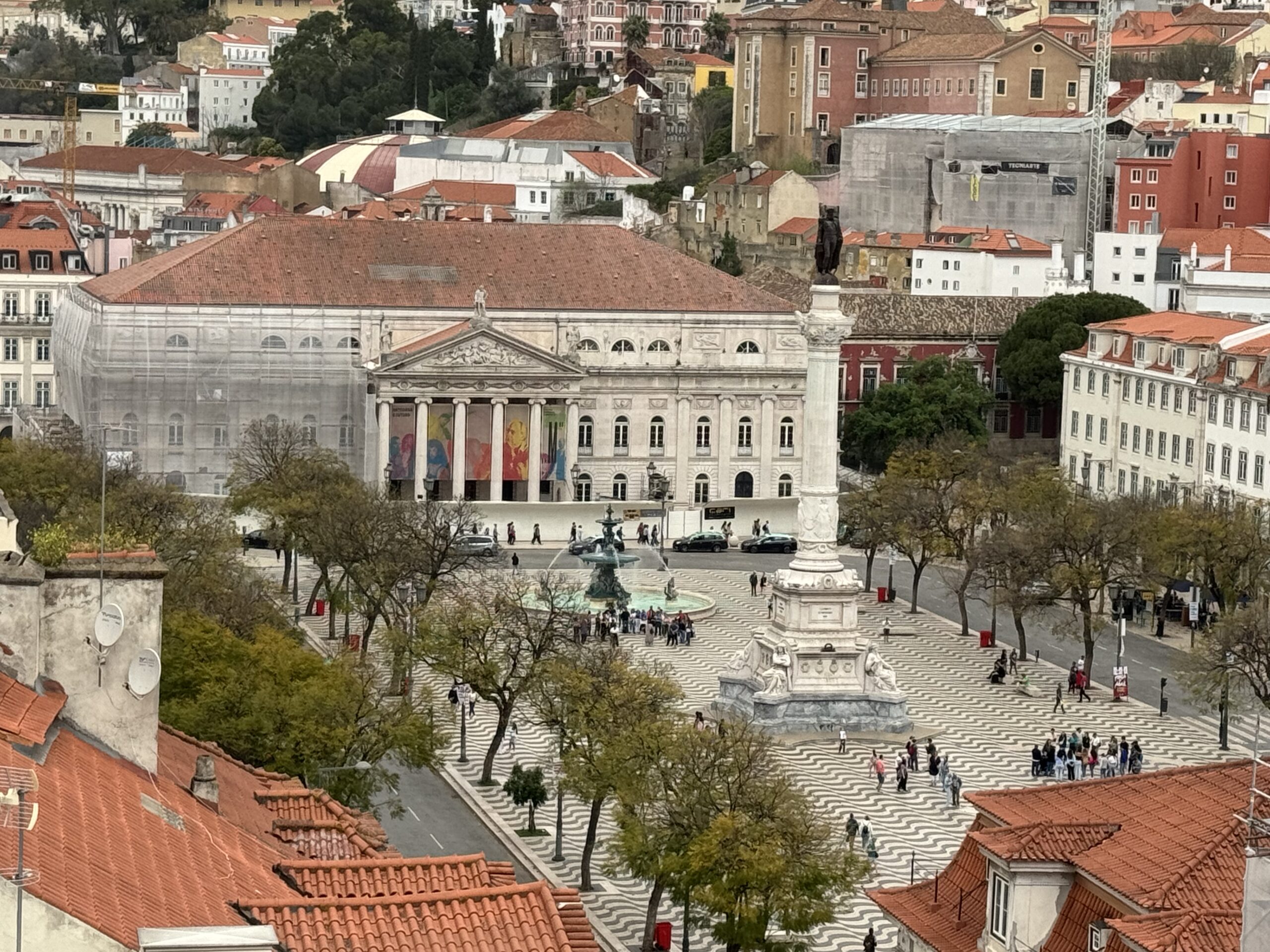
The Praça Dom Pedro IV square.
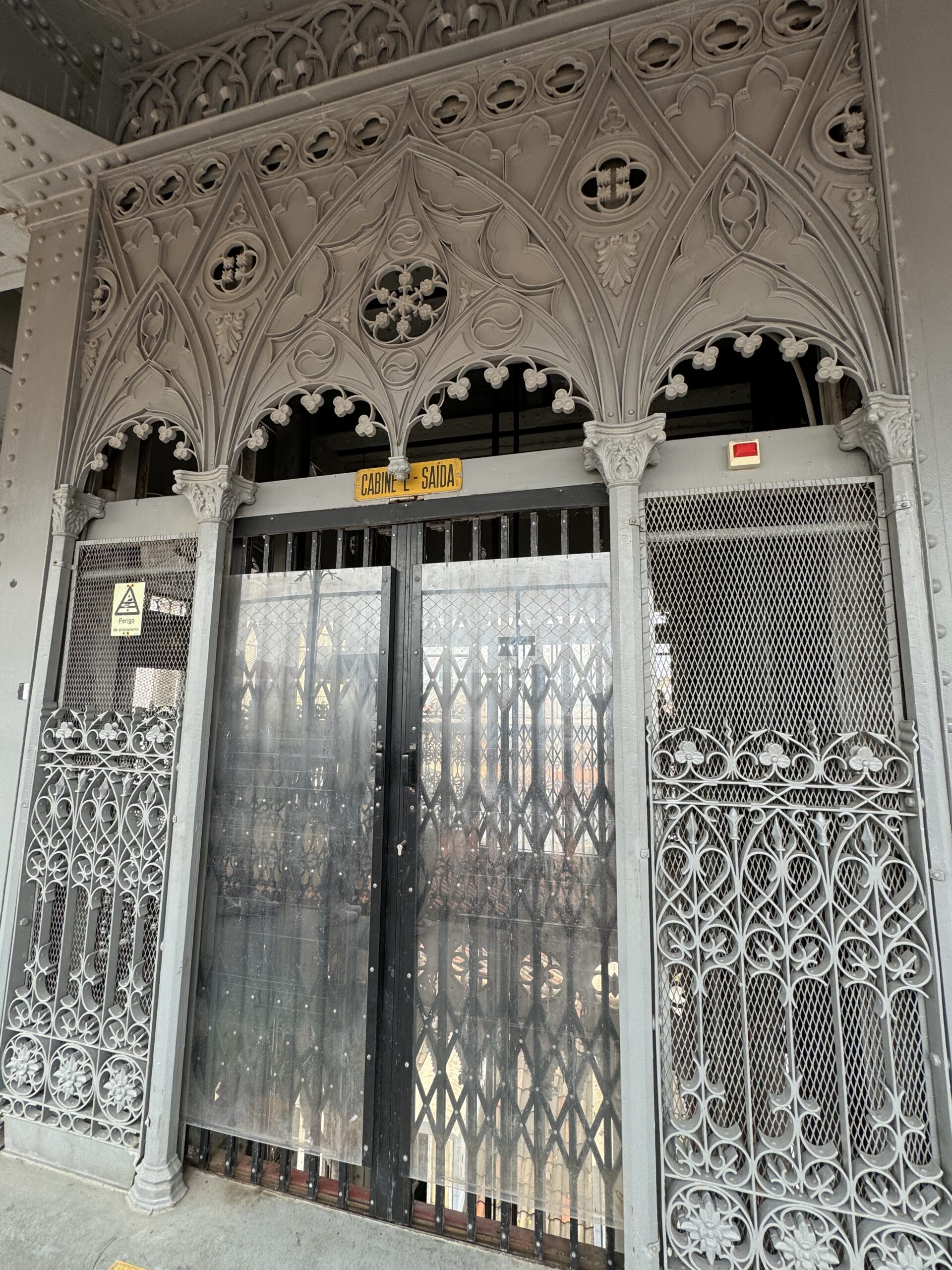
The Santa Justa lift, connecting different levels of the city.
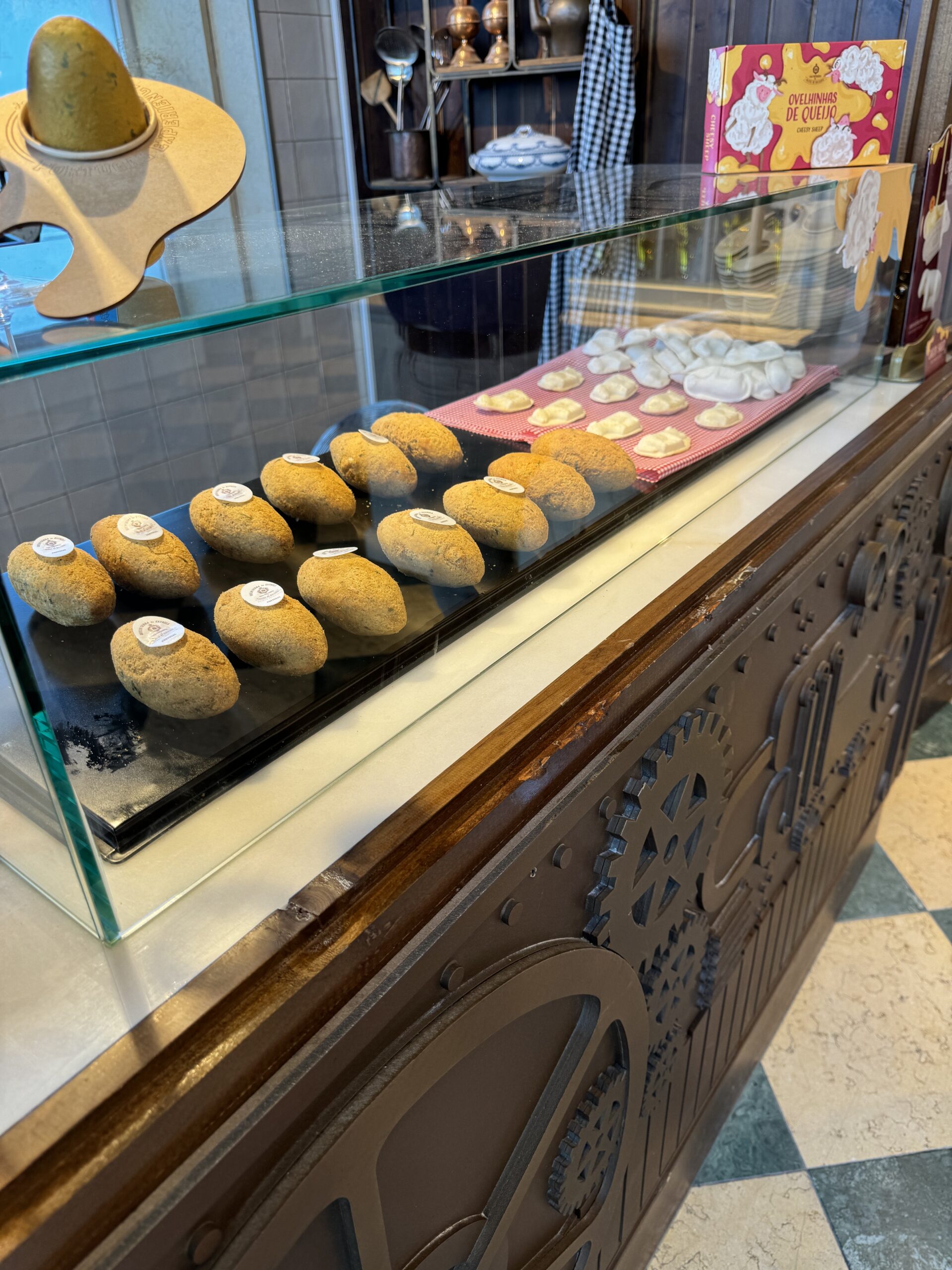
The famous Portuguese cod cakes.
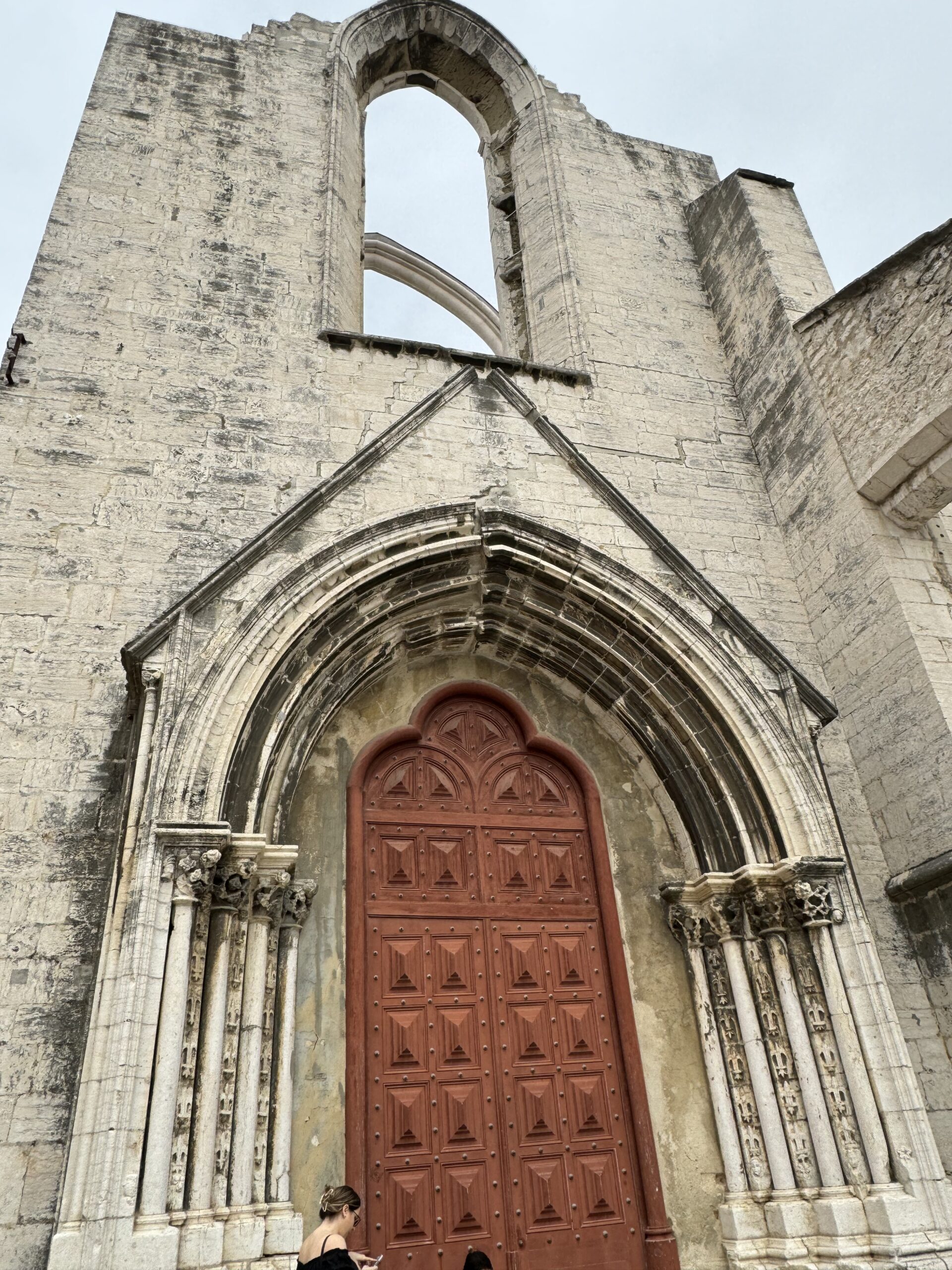
A monastery that was ruined in the earthquake of 1755 but has not been rebuilt. It was here the Carnation Revolution began in 1974. The reason they call it the Carnation Revolution is that a woman selling carnations in the square handed them out to the soldiers that were marching for freedom.
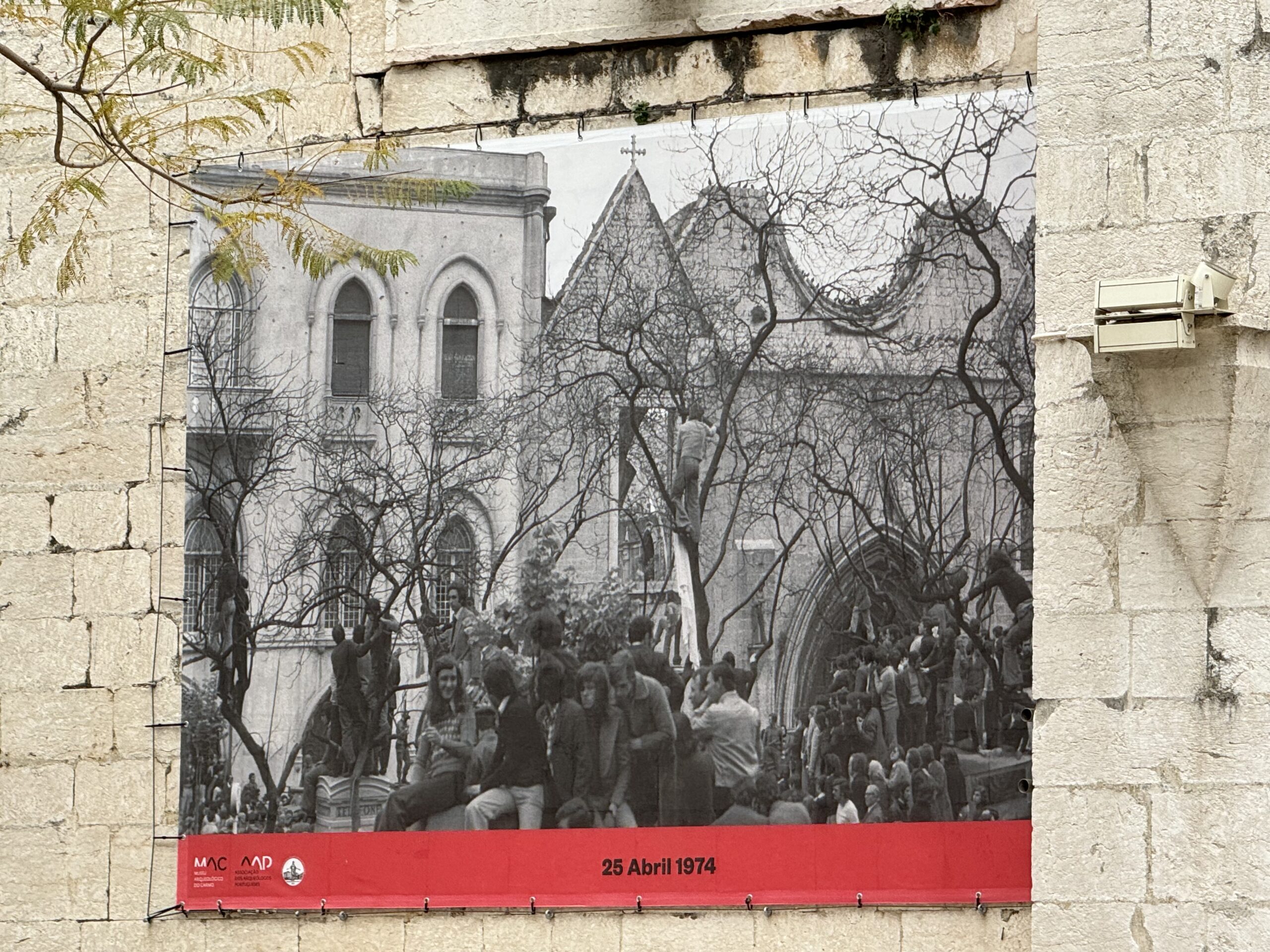
A sign hangs to commemorate the Carnation Revolution.
Love the sidewalks and streets being tile.
Horse meat???😱
I am in awe of how much you can pack in to each day. I am learning so much about each place you are visiting. I am just just slightly envious 😆