


Osaka for Kyoto, Japan
Today was one of the most complicated tour days we’ve ever tried to pull-off. There were a lot of moving parts, we were a group of 8, and we were trying to cram as much as we could into just 11 hours. The team did an amazing job and we were literally the 6th – 12th persons off of the ship at 7:20am. We cued in the taxi line and hailed two cabs, 4 in each, for the trip to the Osaka train station where we would catch the JR line to Kyoto.
Osaka, a port city of 2.75M, has a very modern look and a huge central station. Marsh attempted to purchase the tickets through a machine, but Ron found a ticket booth and they had better luck there. We found platform 9 and soon we were on the fast-train, which would take 29 minutes to go to Kyoto, 59 miles away. There, we met our guide Shuji, from Japan Guide Agency. He had arranged an 18-person but to take us to the sites we wanted to see, and have us back to the Kyoto Central Station by 5pm to catch the bullet train back to Osaka.
Our first stop was Fushimi Inari-Taisha Shrine, the primary Shinto shrine in Kyoto. Shinto is recognized as the indigenous religion of Japan, centered on the veneration of kami (spirits or gods) found in nature, rituals, and tradition. It is often described as a “way of life” or cultural tradition rather than a doctrine-based faith, focusing on purification, harmony, and gratitude rather than scripture or an afterlife.
Fushimi Inari Taisha is famous for over ten thousand vermilion torii gates, forming trails up Mount Inari. Founded in 711AD, it is dedicated to rice and business prosperity. We parked in the bus lot, a good 1.5 mile walk from the shrine, and had to stop twice to let speeding trains pass by. Eventually, we reached our first torii gate, and with surging crowds, we began our climb. We had no intention of seeing all 10,000 gates today, but we did see close to 400, as well as the shrines and adjoining buildings.
Next, we drove to the Gion district of Kyoto, famous for the four geisha associations, which train and employ the traditional geisha entertainers. In Kyoto, geisha are actually referred to as Geiko and Maiko. Maiko are girls, in training to become Geiko; a deeply strict and daunting multi-year process that sees 40% of trainees dropping out. Gion retains a number of old-style Japanese houses called Machiya, which roughly translates to “townhouse”, some of which function as Ochaya, or “teahouses”, where Geiko entertain guests at parties, involving singing, traditional dance performances, drinking games and conversation. Both Geiko and Maiko can be seen travelling throughout the district to attend parties, lessons and various other engagements. It was the middle of the day so we only saw one Geiko out and about.
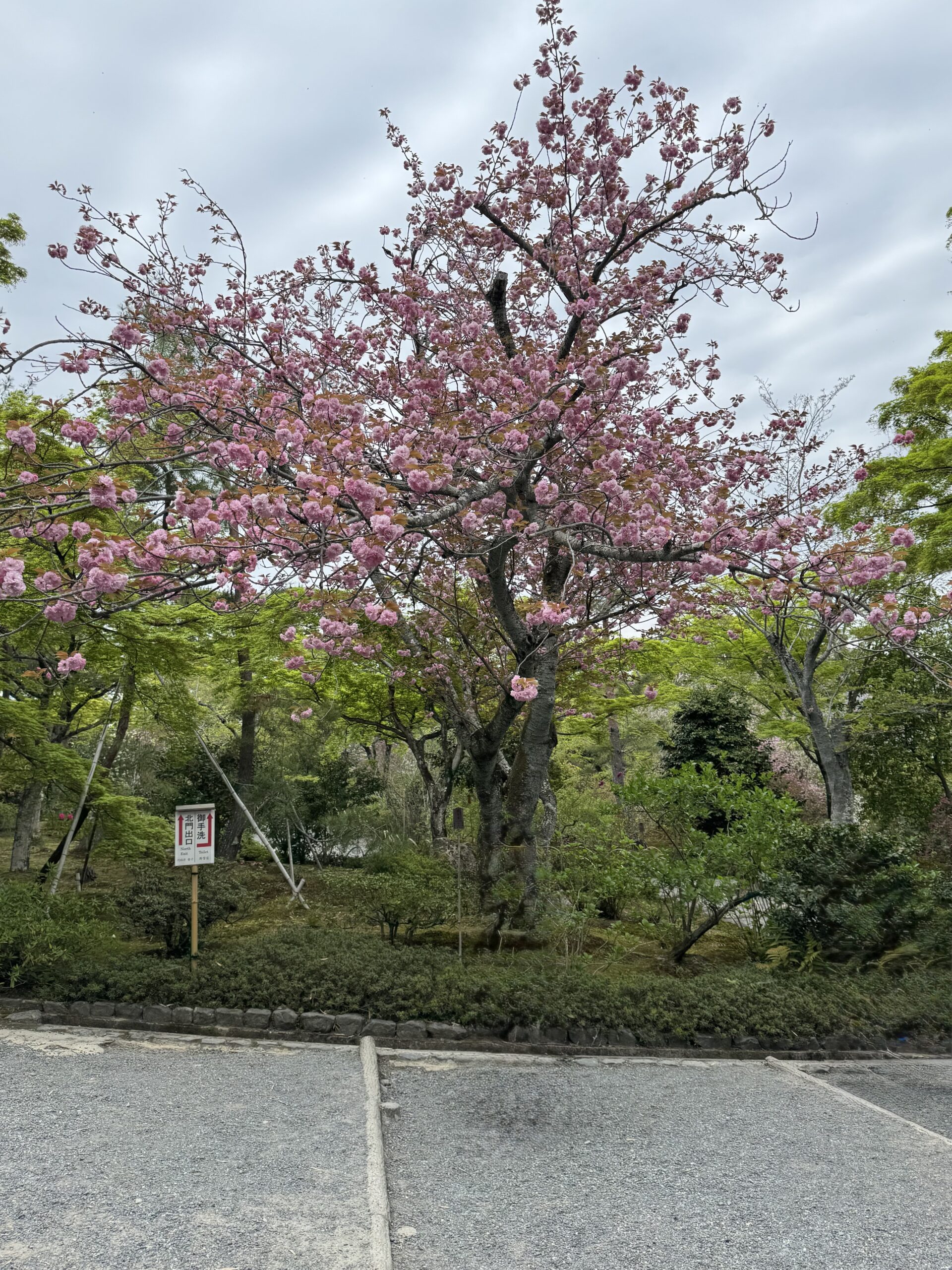
After lunch, we visited Arashiyama and the Bamboo Forest. Tenryu-ji Temple is the headline attraction in Arashiyama, a sprawling Zen temple with one of the finest gardens in Kyoto and wonderful mountain views. We walked through the gorgeous gardens on our way to the Bamboo Forest. Though there were way too many people, the azaleas, rhododendron and cherry blossoms were on full display, in front of the bamboo. There is a fairly daunting elevation change getting into the forest but once there, it is magical. This spot has been on Sharon’s bucket list for years and it did not disappoint.
Our final stop was the Kinkaku-ji Temple, also known as the Golden Pavilion. This has to be one of the most famous buildings in all of Japan and we marveled at the sheer perfection of the design and surrounding gardens. The approach is very flat and soon you are seeing the masterpiece. There are many vantage points around the lake, and as the pathway is one-way only, you follow along, stopping to admire and take photos before being swept along. The path winds past the pavilion, up a hill until you reach the last Shogun’s tea house, which provides a bird’s eye view of the pavilion below.
Thankfully, we did not encounter any bad traffic and we returned to the train station before 5pm. Our guide complimented us on our punctuality throughout the day and helped us purchase the tickets for the bullet train. Japan’s Shinkansen (bullet train) network is a world-renowned, high-speed rail system operating at up to 186 mph with exceptional punctuality and safety, and connecting major cities like Tokyo, Kyoto, and Hiroshima. We reached only 176 mph during our 10-minute ride back to Osaka. The only little bump we felt was when we passed another bullet train and the air pressure caused a little swoosh. Otherwise, it was a smooth and thrilling ride and we wished it had lasted longer.
We grabbed two cabs to get back to the ship and were back onboard by 6:15pm, long before our required 8:30p all-aboard. In the evening, we enjoyed the lights during the sail-away. It was an exhausting day but our little travel team performed well. Kyoto has so many wonderful cultural places to visit and we were lucky to have seen five of them.
Tomorrow: Sea Day
Post Gallery


Kyoto Central Station

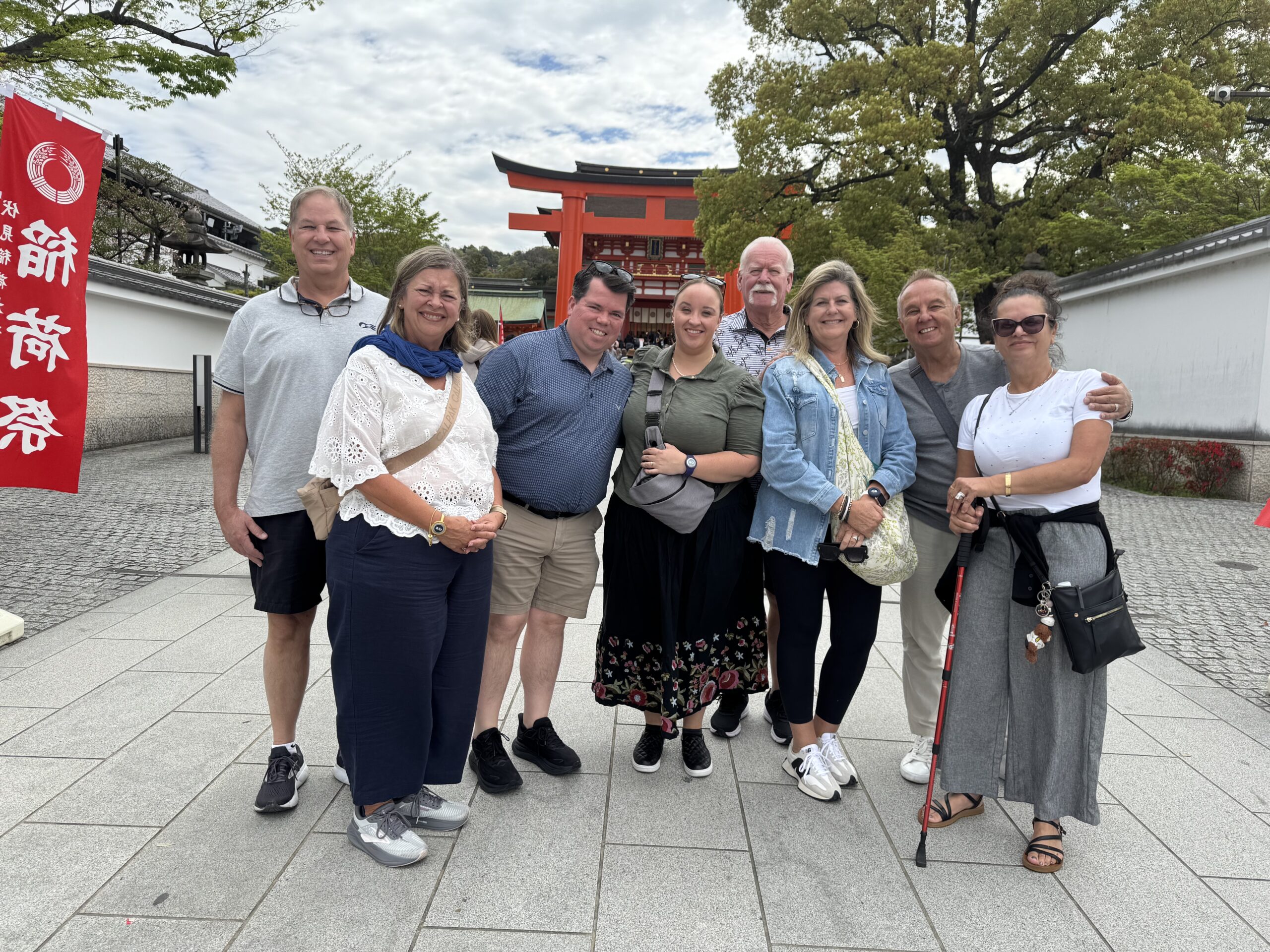


Fushimi Inari-Taisha Shrine, Kyoto, Japan

Fushimi Inari-Taisha Shrine, Kyoto, Japan


Standing amongst the vermilion torii gates.


Gion District, Kyoto, Japan


Gion District, Kyoto, Japan


Marshall pointing to the names of Geiko who live at this Machiya.


Gion District

The calendar of classes for the Maiko today.


The Apple Store, Kyoto

Tenryu-ji Temple, Kyoto

Arashiyama, Kyoto


Arashiyama

Arashiyama, Kyoto


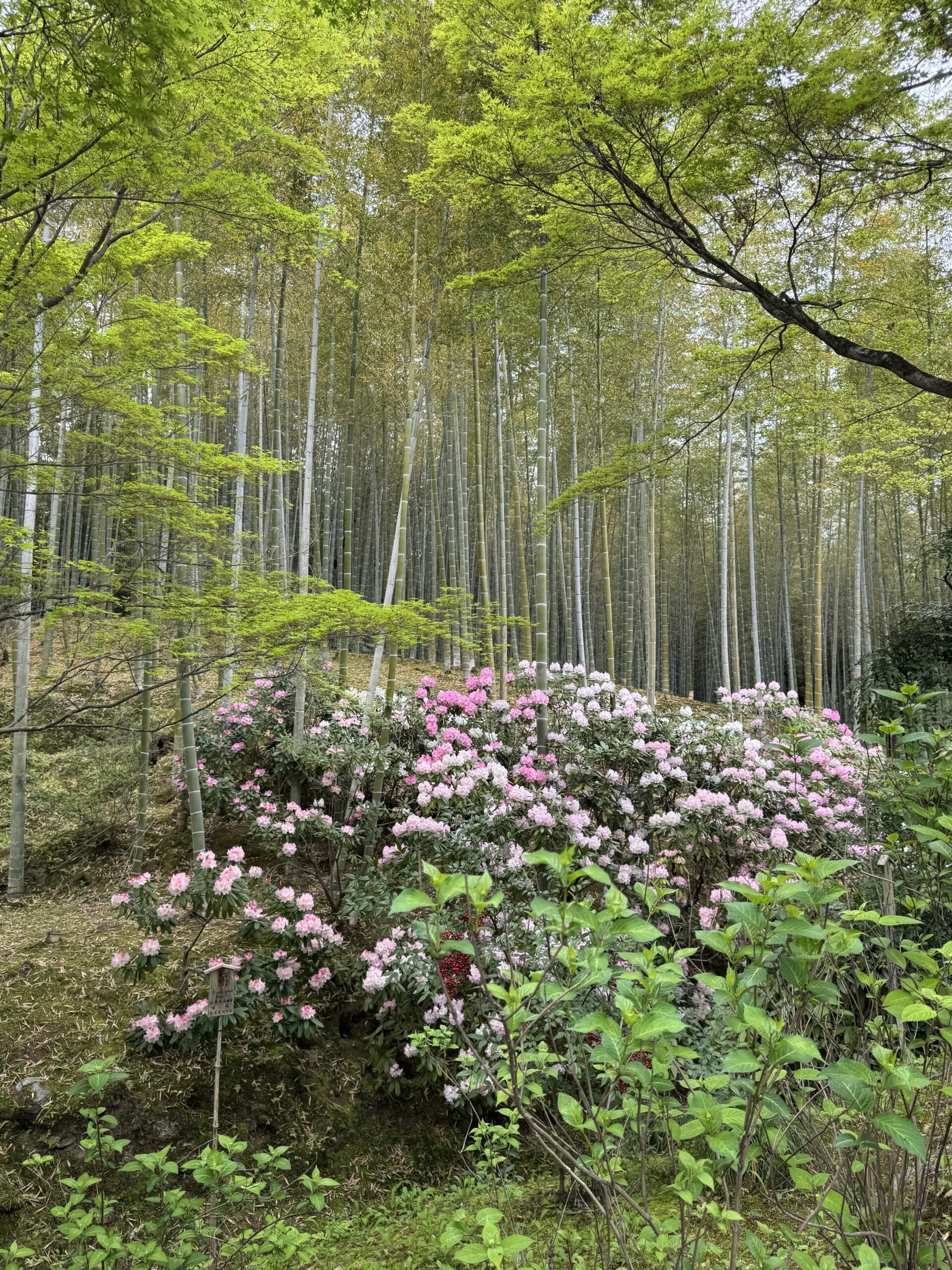

Bamboo Forest, with Kevin and Kathryn.

Bamboo grows up to 1.5 inches an hour.


Kinkaku-ji Temple, also known as the Golden Pavilion.

The original building, built in 1397, burned down in 1950 and was rebuilt in 1955.


Ron operating the big bell.


Here comes our ride!!

Waiting for the Shinkansen.
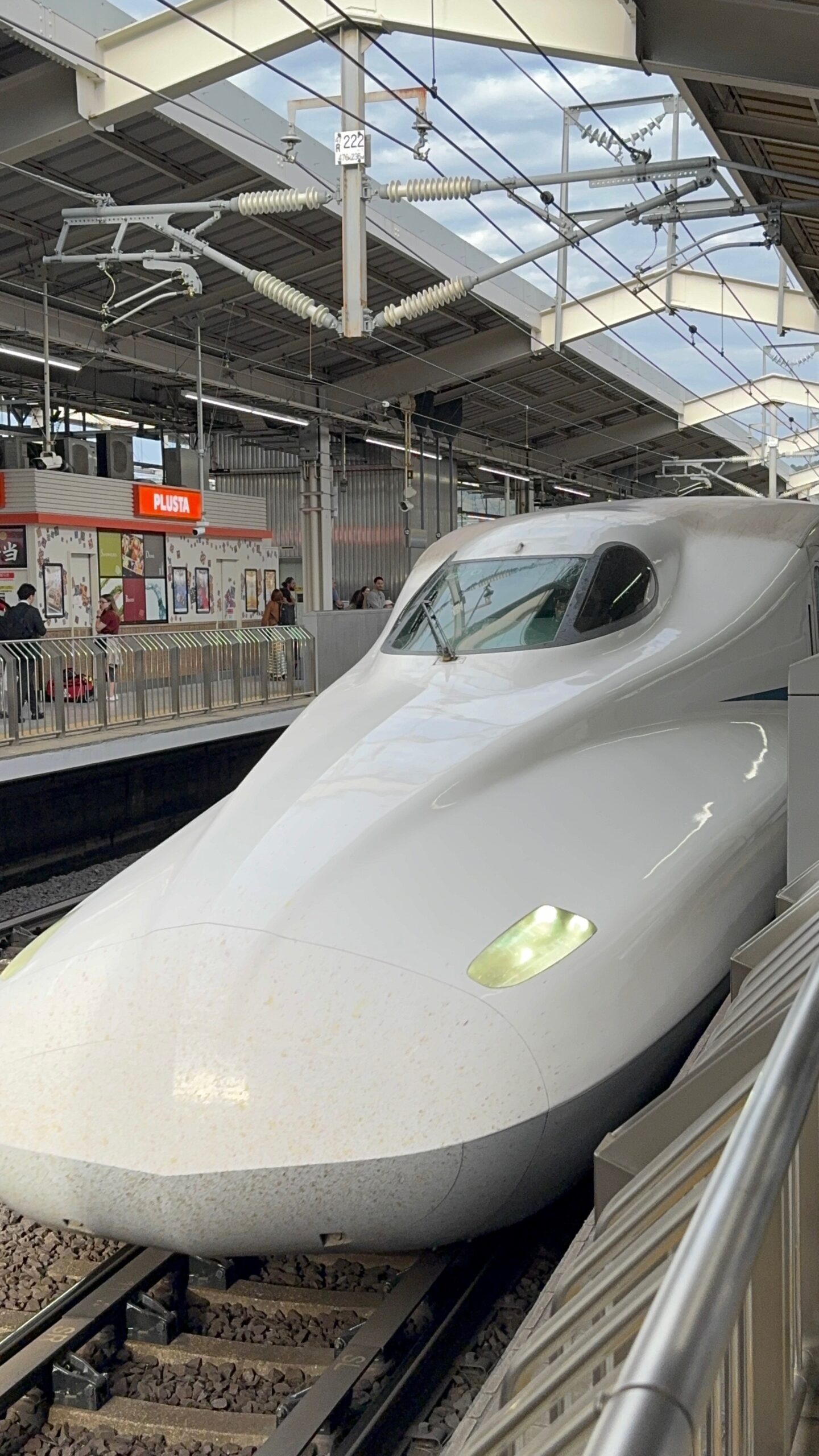

Marshall clocked our speed.

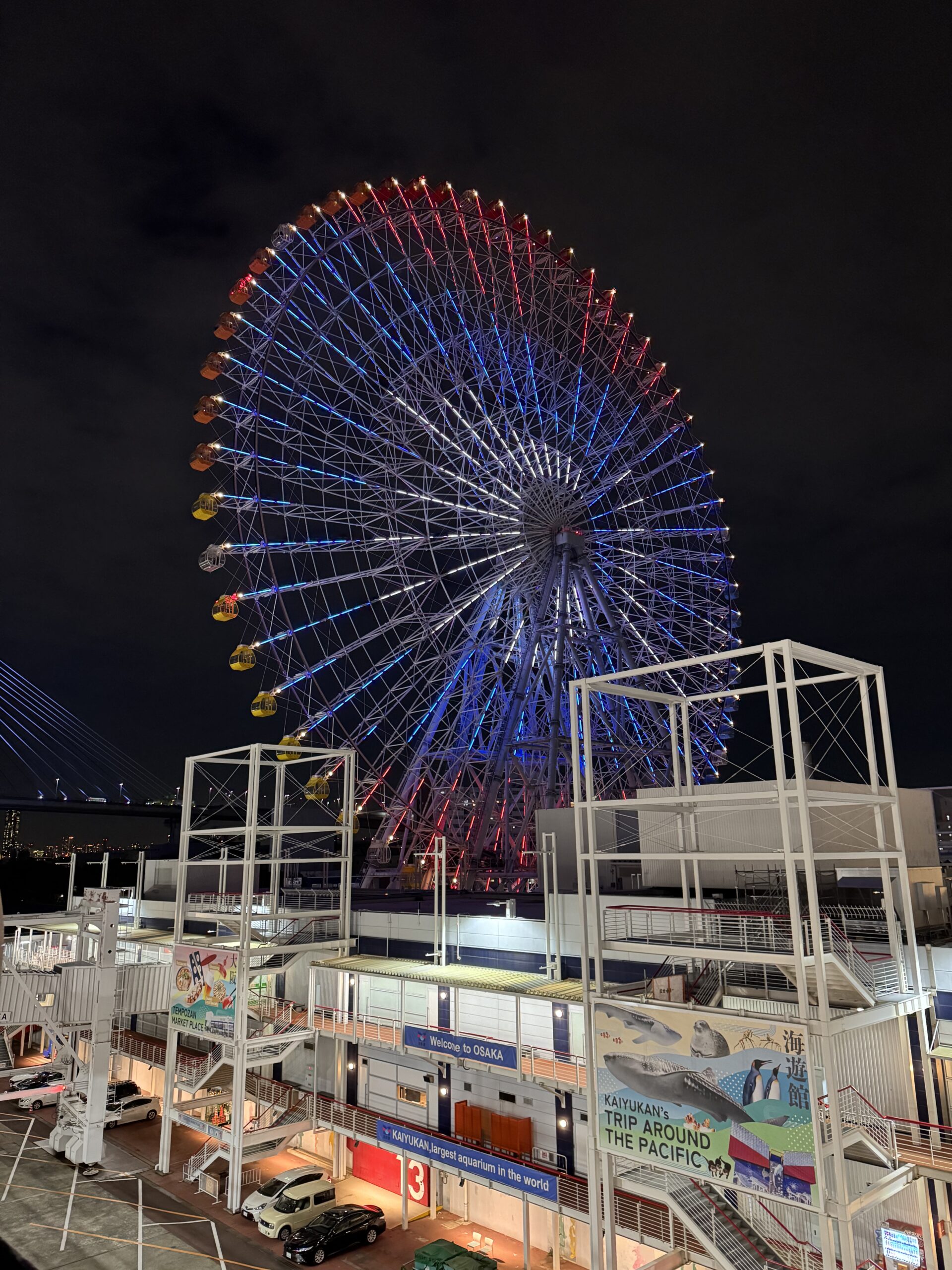
The ferris wheel next to the port made for a nice light show.


Waving goodbye, using cell phones.


Best post so far!!!
Hi Sharon,
I’m Nitza Lowenstein, the guest lecturer on cruise ships. I gave the talk on the mysteries of the Pacific Ocean. I’ve been following you ever since I discovered your blog and website after reading your incredible post about the Pacific Ocean, which was inspired by my lecture onboard.
I wanted to take a moment to congratulate you on your remarkable and unique journey. The undertaking you’ve embarked on is truly monumental, and you’ve done an outstanding job. Having visited many of the places you’ve been to, I can deeply appreciate the effort you’ve put into sharing each destination, along with the thoughtful introductions and stunning photos. You and your husband are real explorers, and your work is extraordinary.
Please continue your world journey with the same curiosity and joy. Thank you for sharing it with all of us!
Warmly,
Nitza
Hello Nitza and thank you for your kind note and encouragement. We attended most of your lectures while you were on the Coral and we enjoyed them immensely. We look forward to our paths crossing again! Till then, be well and keep sharing your knowledge and observations with the world. You are a gift! – Sharon