
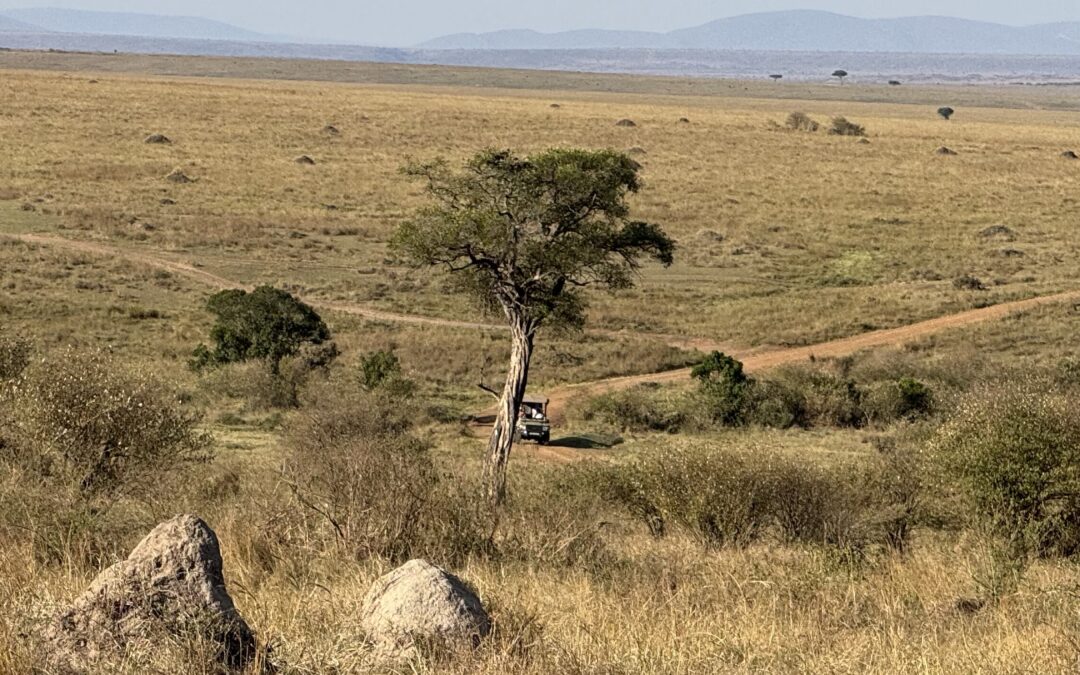
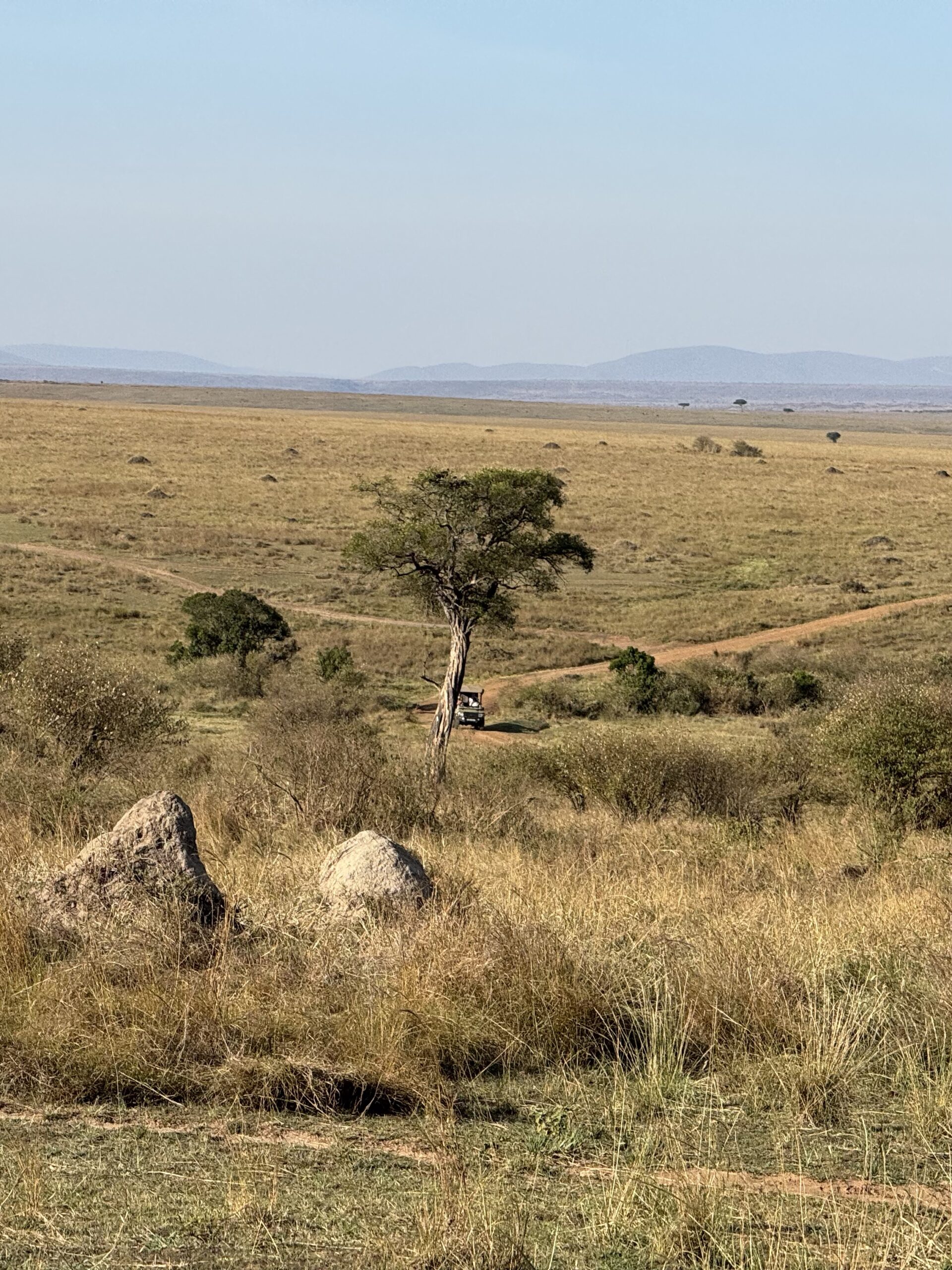
Maasai Mara National Reserve

We were in the land cruiser and headed out at 7:00am in the Maasai Mara National Reserve. The temps were cool enough to need jackets and the air was fresh. We hadn’t gone far when we came upon two of “the Big 5” –the Cape Buffalo and a Rhinoceros. If you are not familiar with the term – The Big Five — lion, leopard, elephant, buffalo, and rhino — they earned their name from hunters who considered them the toughest to track on foot. Today, they’re the ultimate safari sighting.
The Maasai Mara National Reserve sits in southwestern Kenya, about 170 miles west of Nairobi, right up against the Tanzanian border where it becomes the northern edge of the sprawling Mara-Serengeti ecosystem. The name comes from the Maasai people, who’ve called this land home for generations, and “Mara” itself means “spotted” — a nod to the acacia trees and scrubby bushes dotting the endless grassland.
Today the reserve covers about 580 square miles. Over 140,000 people make the trip here every year, and it’s easy to see why. The landscape is that classic open savannah — rolling grassland, scattered acacia, wide-open sky — and it’s the stage for the Great Wildebeest Migration, when massive herds of wildebeest, zebra, and gazelle pour across from the Serengeti chasing the rains. It’s also one of the best places on the continent to spot big cats, with some of the highest lion and leopard densities anywhere in Africa.
On our wanderings today, we also saw two dead wildebeest, one likely dead from natural causes and the other killed by a lion. Both were fresh and being consumed. We also saw thousands of wildebeest and zebras running across the landscape towards the Mara river – which usually signals a crossing. We headed that direction with breakneck speed – albeit over very rough terrain – and found a spot along the river with dozens of other jeeps. We waited and waited and waited– the herds amassed like they were going to cross – and then suddenly they reversed direction and ran away from the river. We assumed the front scouts saw something, likely a crocodile, and called the crossing off. It was still thrilling to see so many animals at one time.
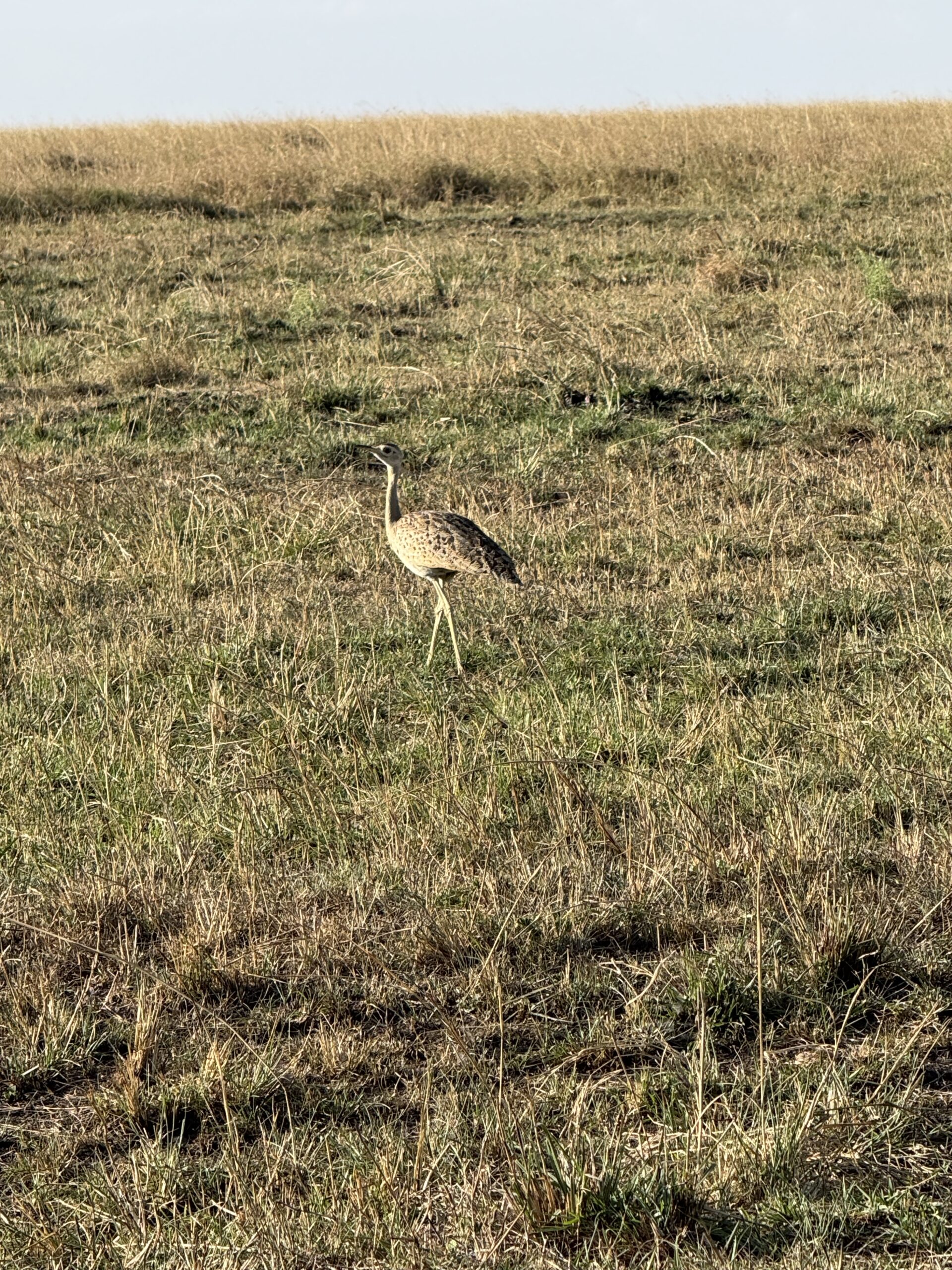
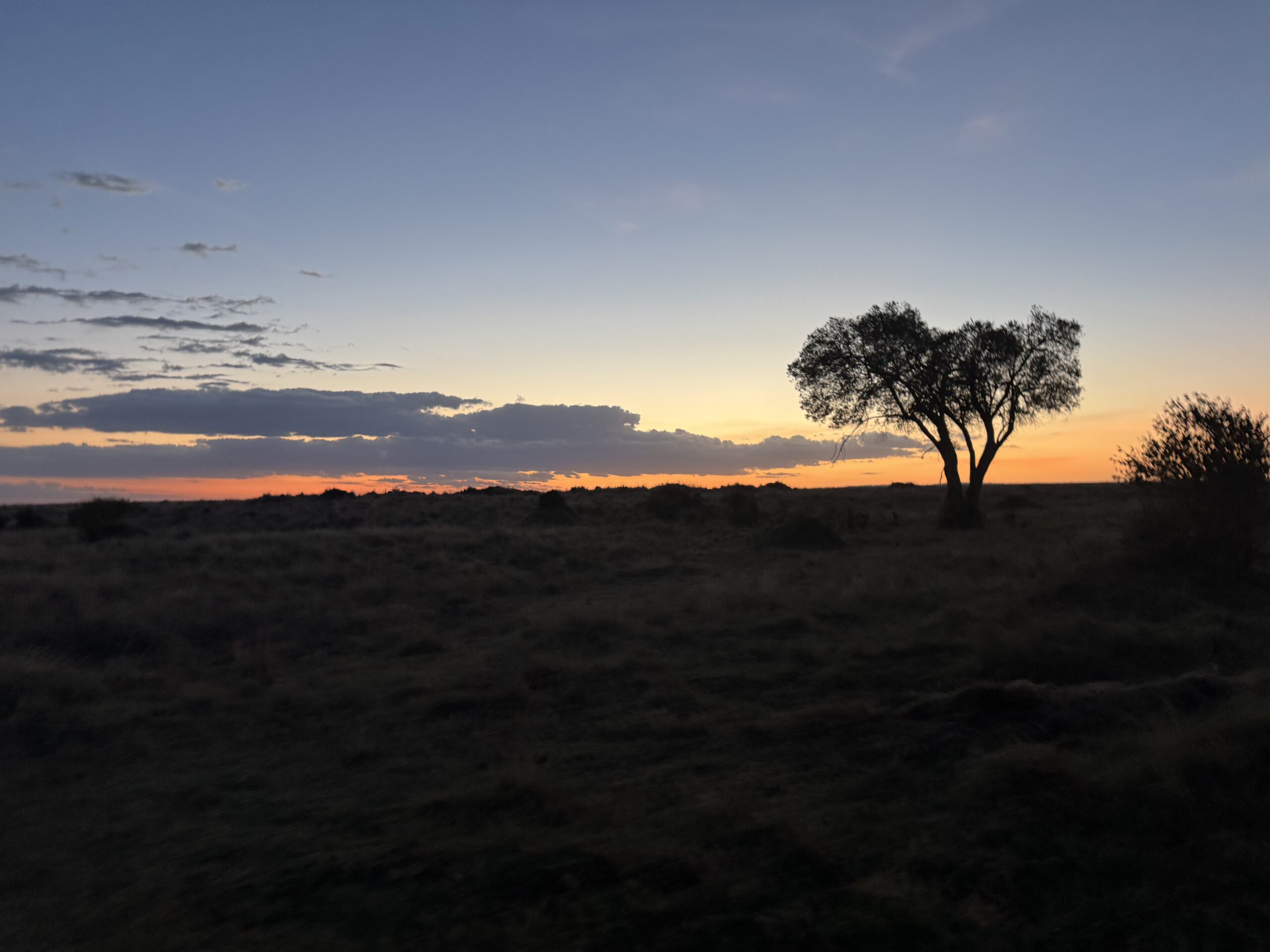
After a couple hour break in the afternoon, we went back out on safari around 4:30, when the animals are more active. It was a terrific drive, seeing elephants, a cheetah, various birds and many of the “regulars”. We crossed a tributary of the Mara River, twice, which was fun. Our guide and driver Ken is very skilled at finding game and birds, and driving the Land Cruiser. The sunset was particularly beautiful as we made our way home across the savannah.
Tomorrow: Maasai Mara National Reserve
Post Gallery
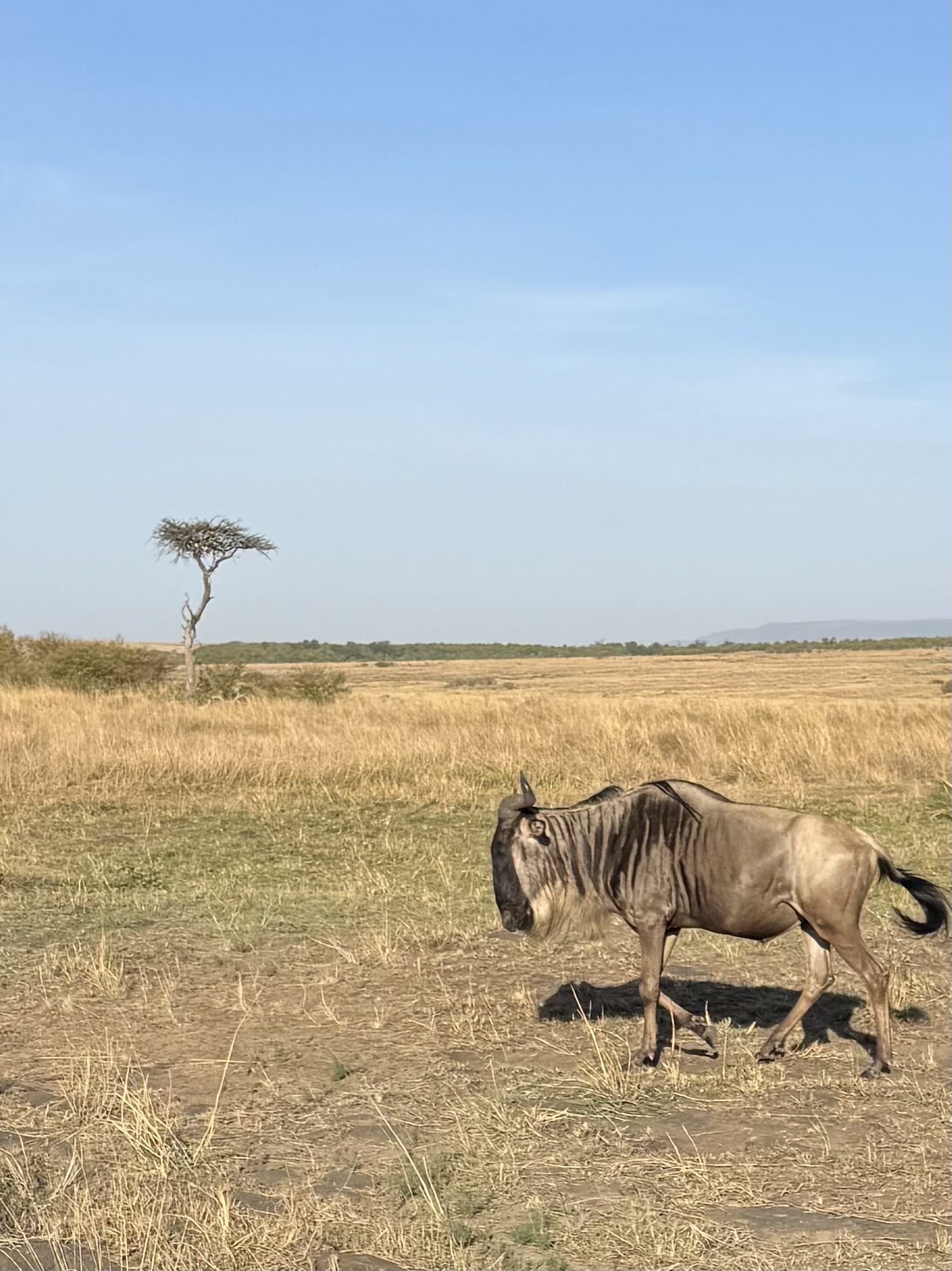
A lone Wildebeest
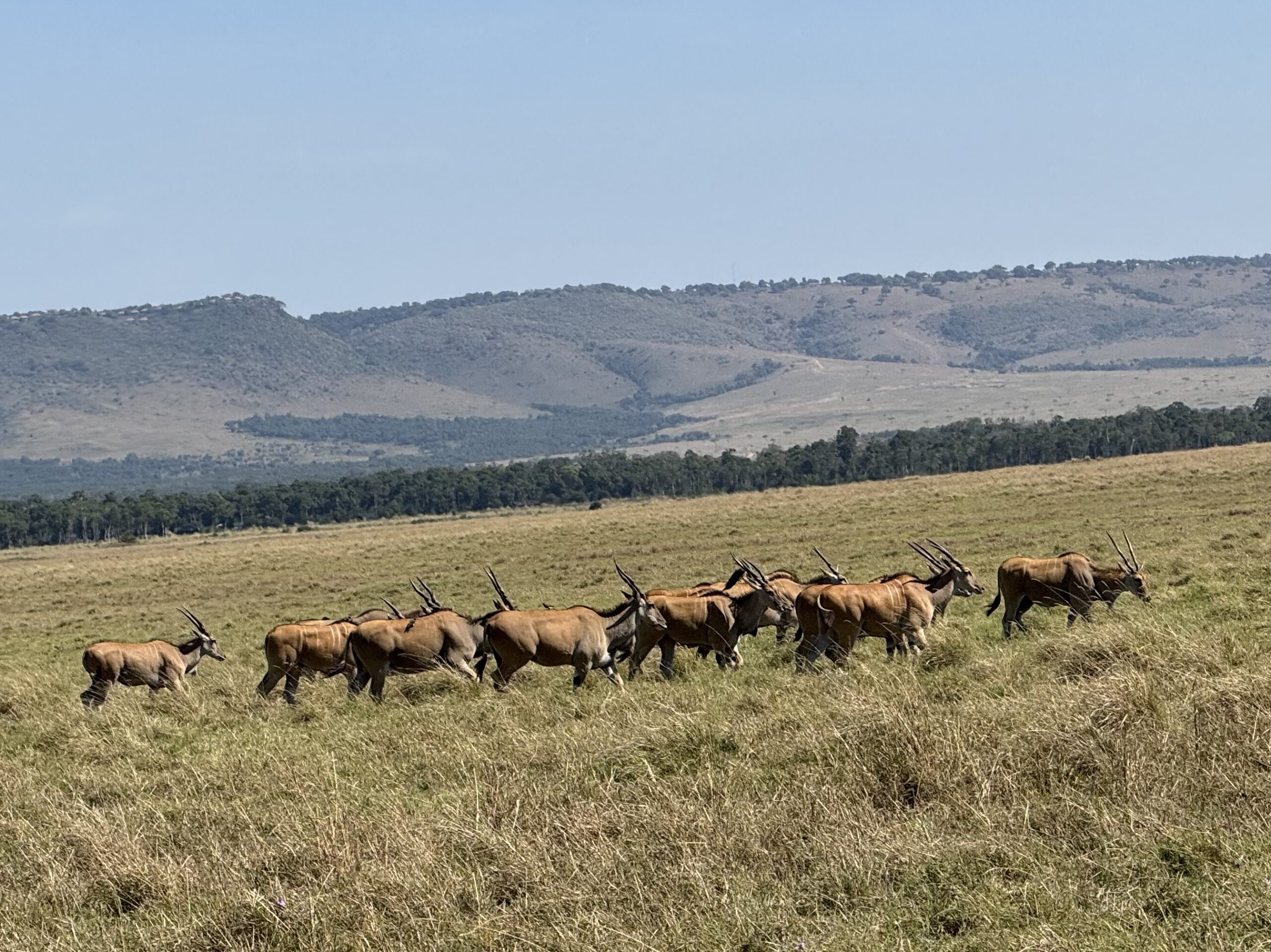
A herd of Elan.
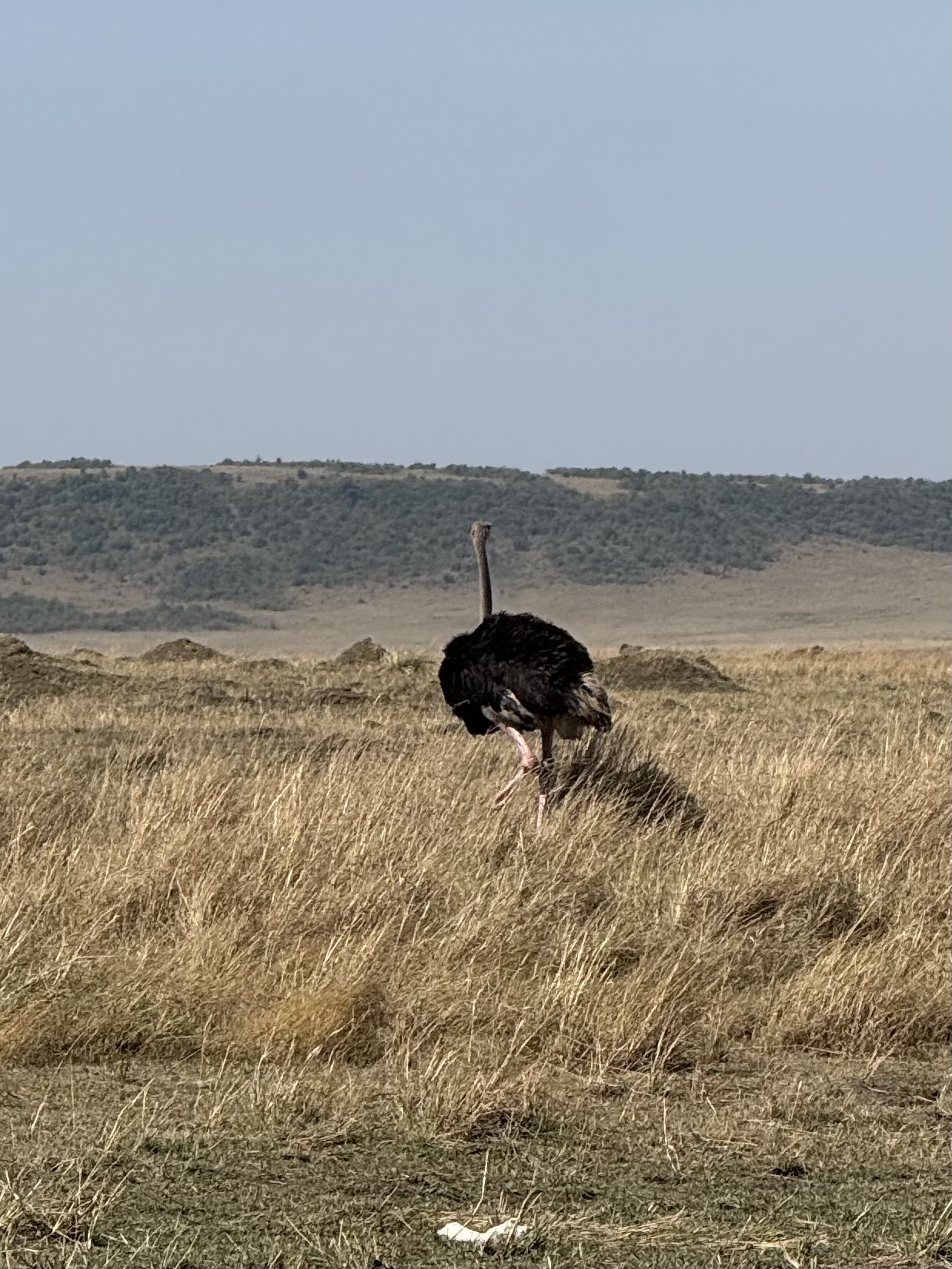
Another ostrich!!
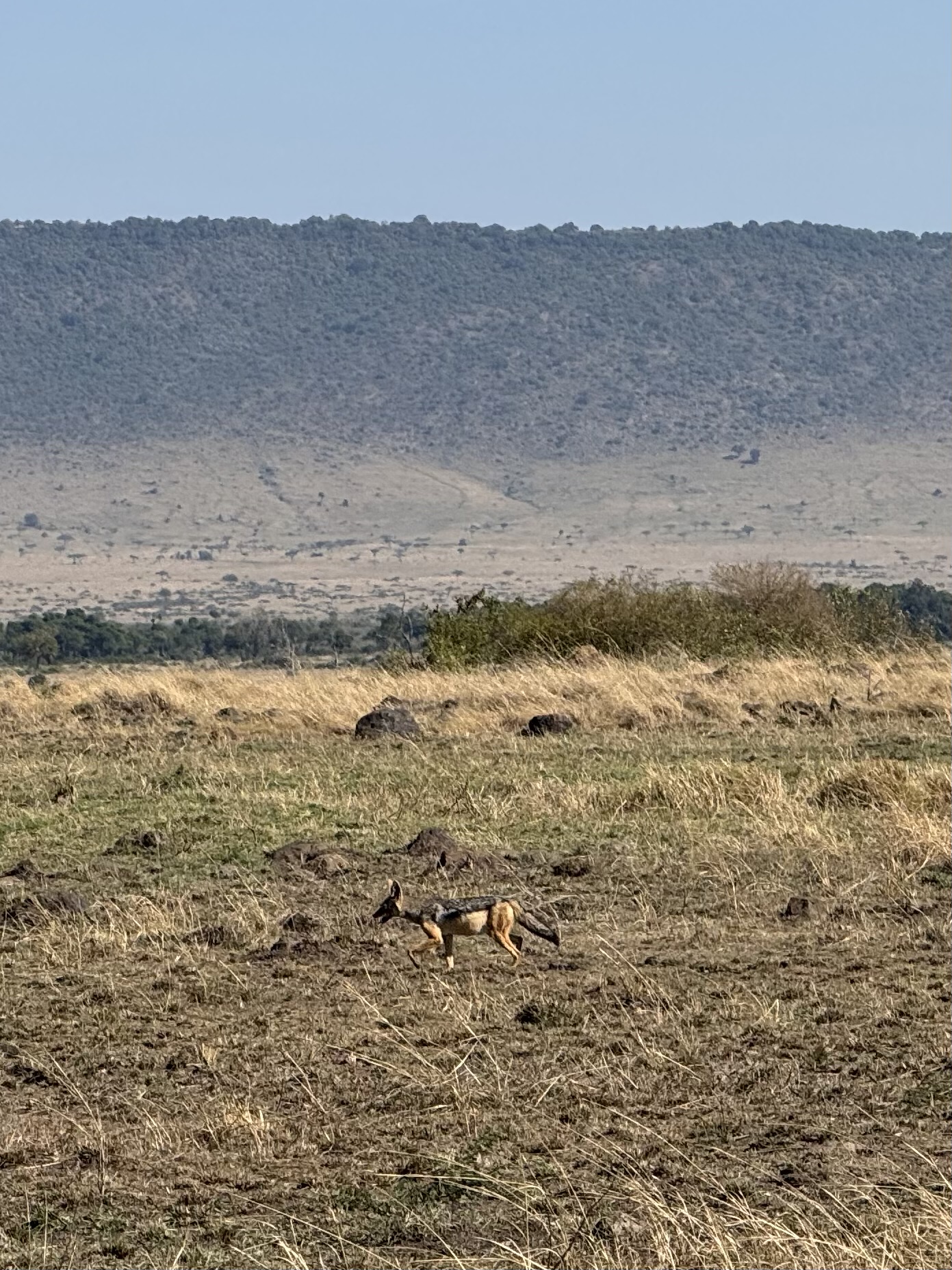
A spotted Hyena
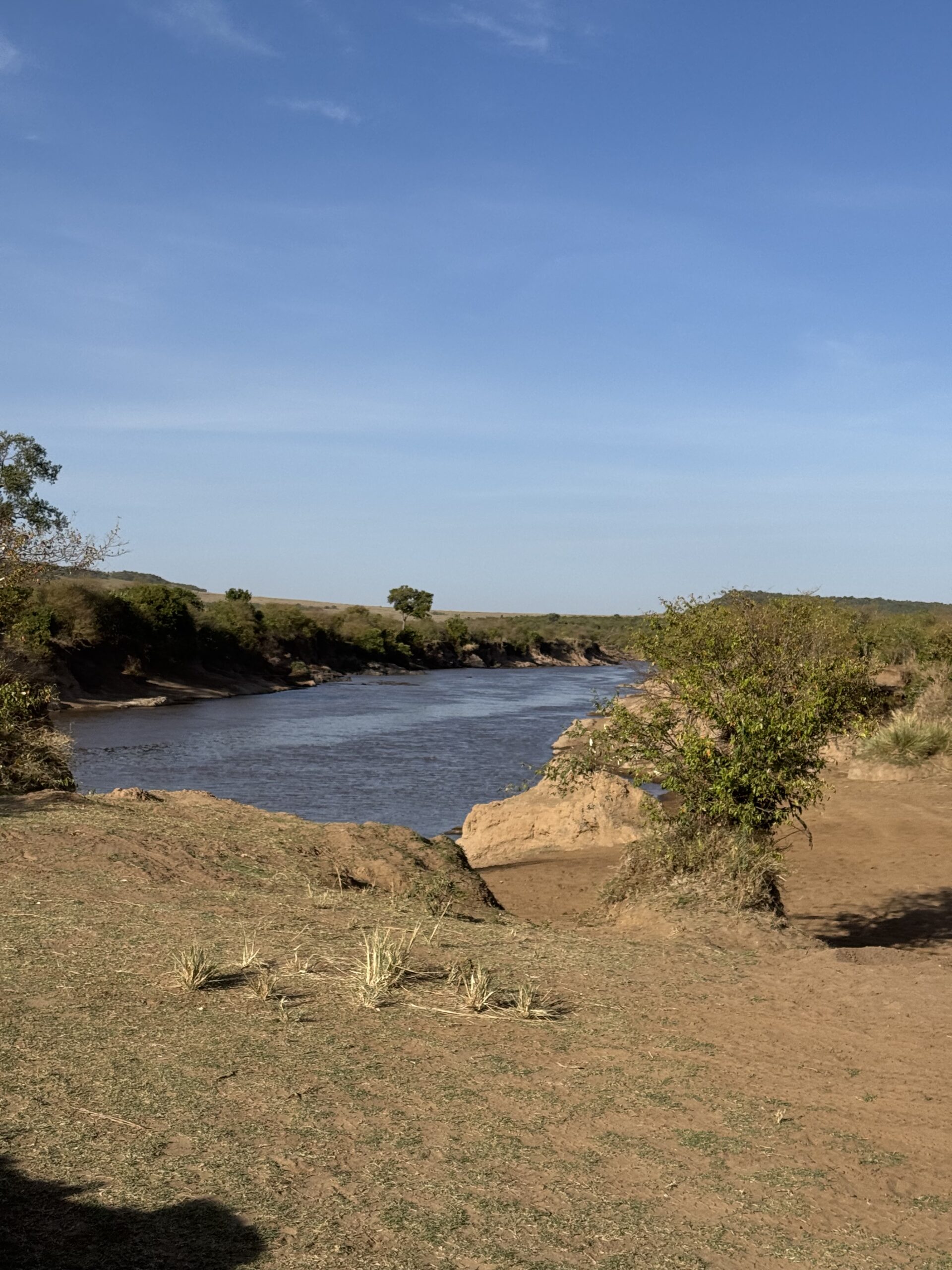
The Mara River
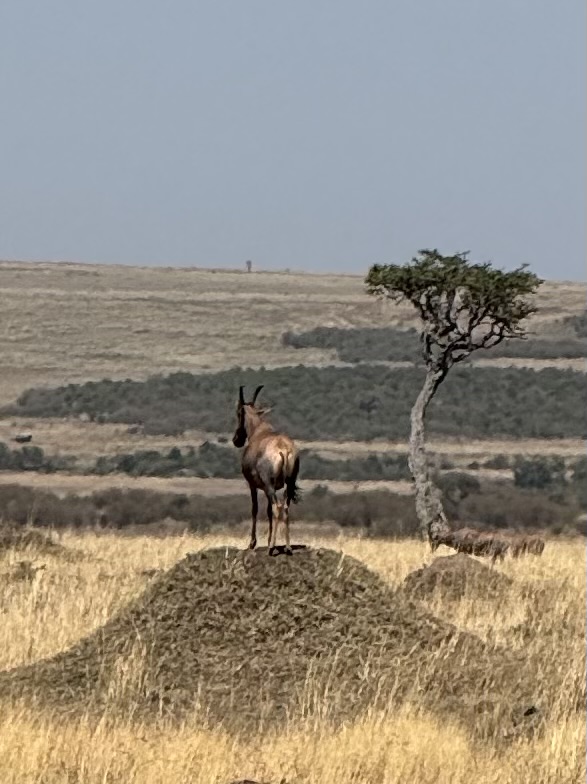
A Topi, standing on a termite mound.
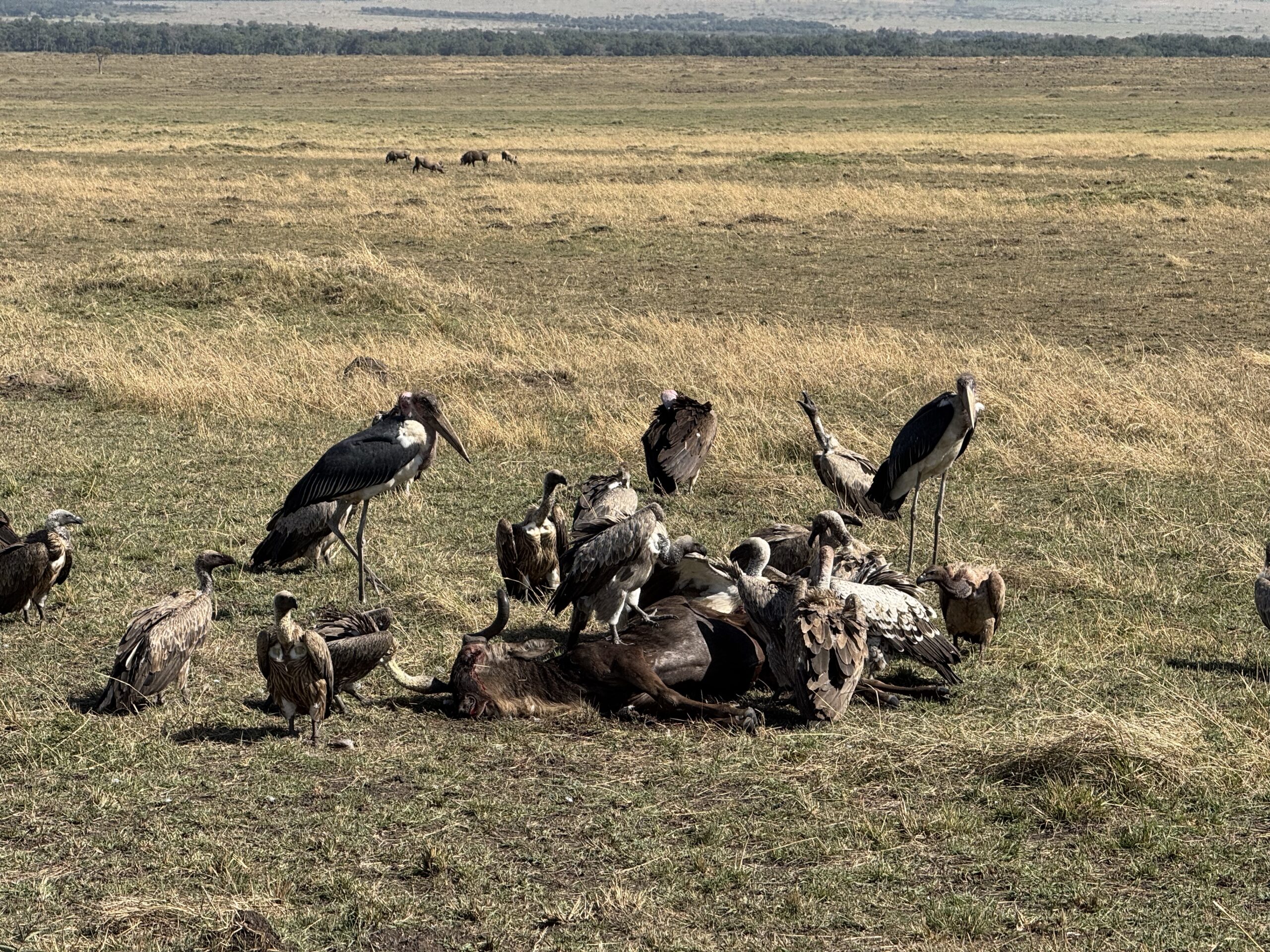
The Lappet Faced Vulture, the Hooded Vulture and the Marabou Stark, feeding on a dead Wildebeest.
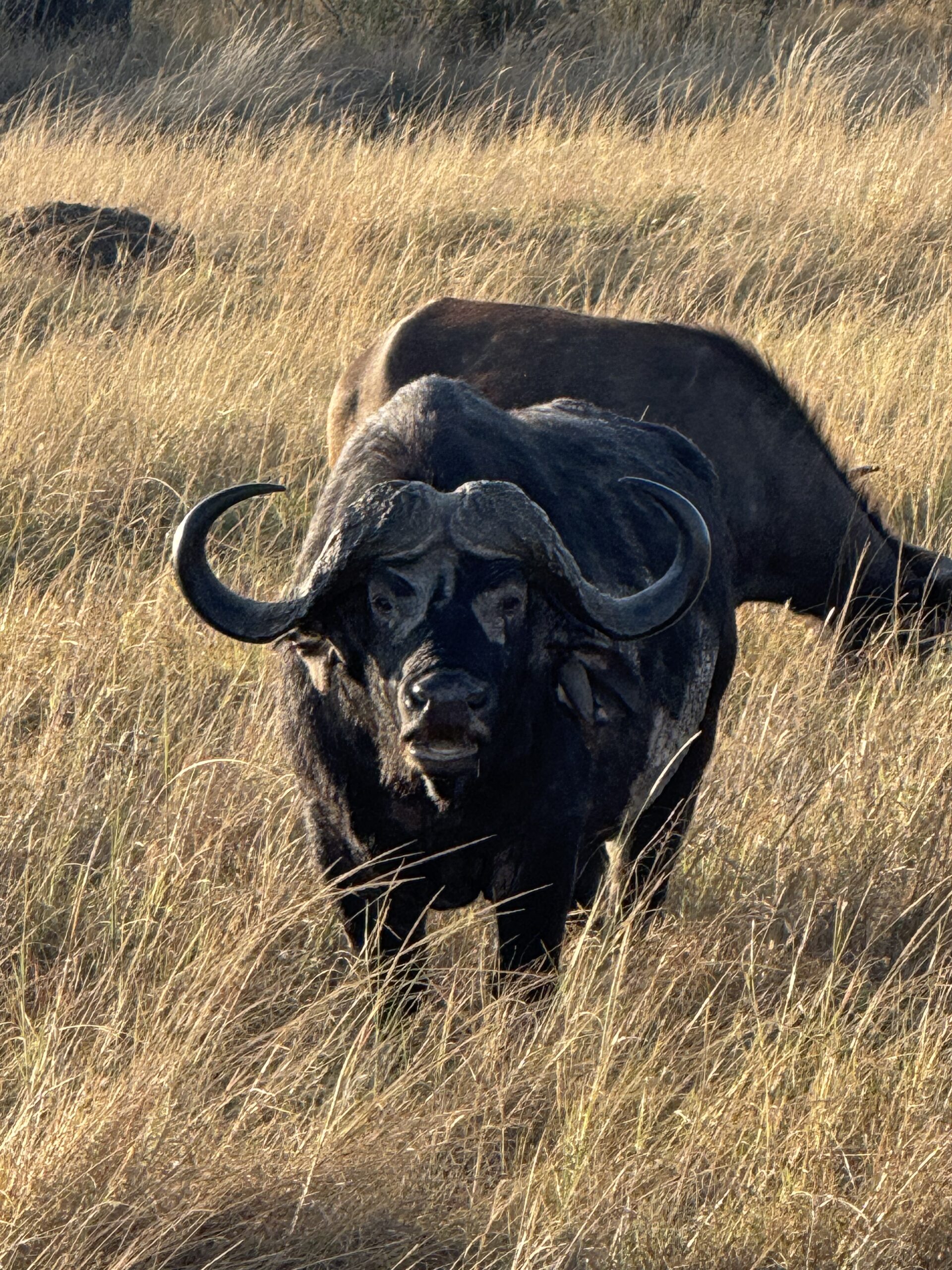
Cape buffalo -- one of the "Big Five"
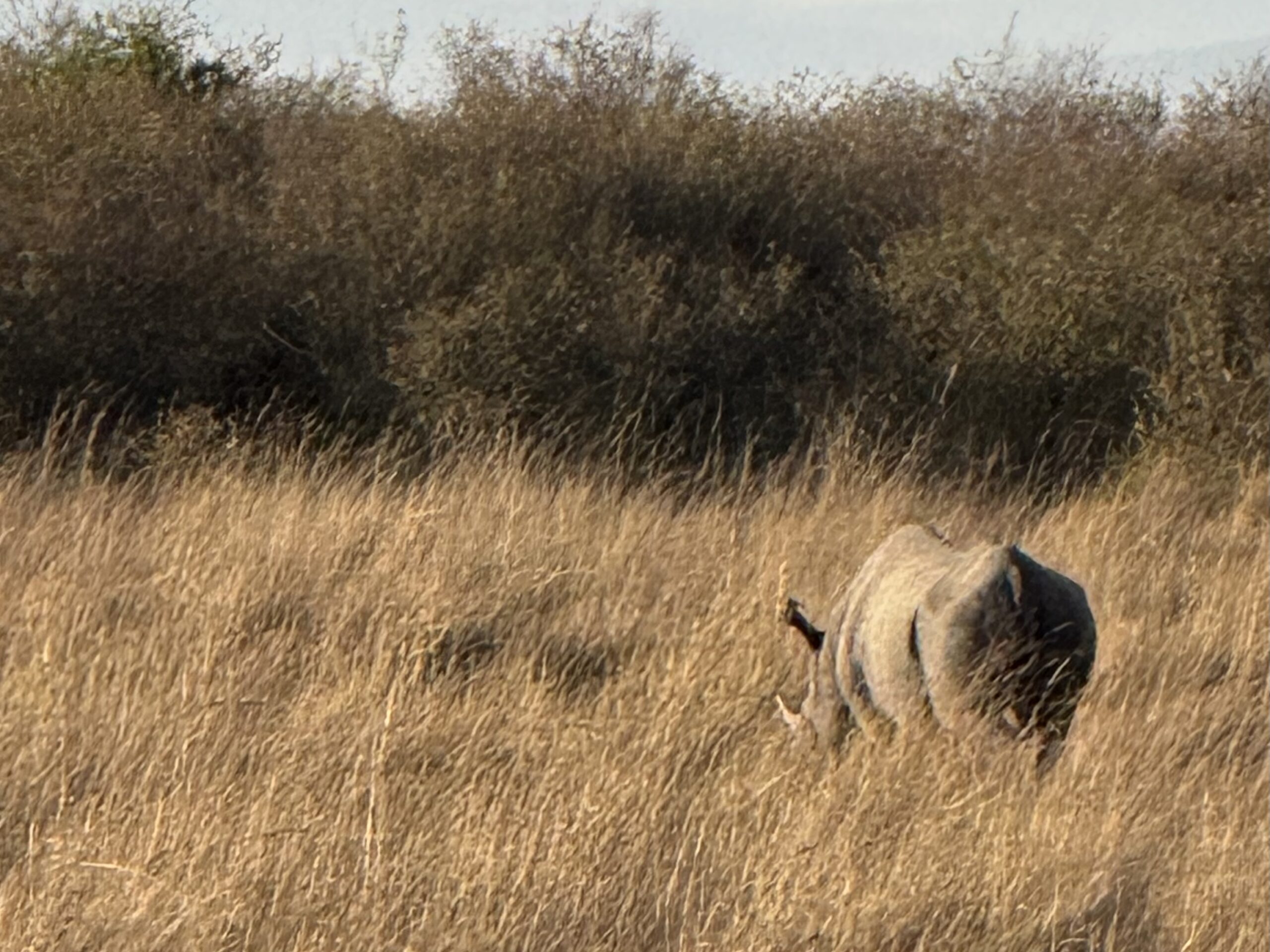
Rhinoceros, another of the "Big Five".
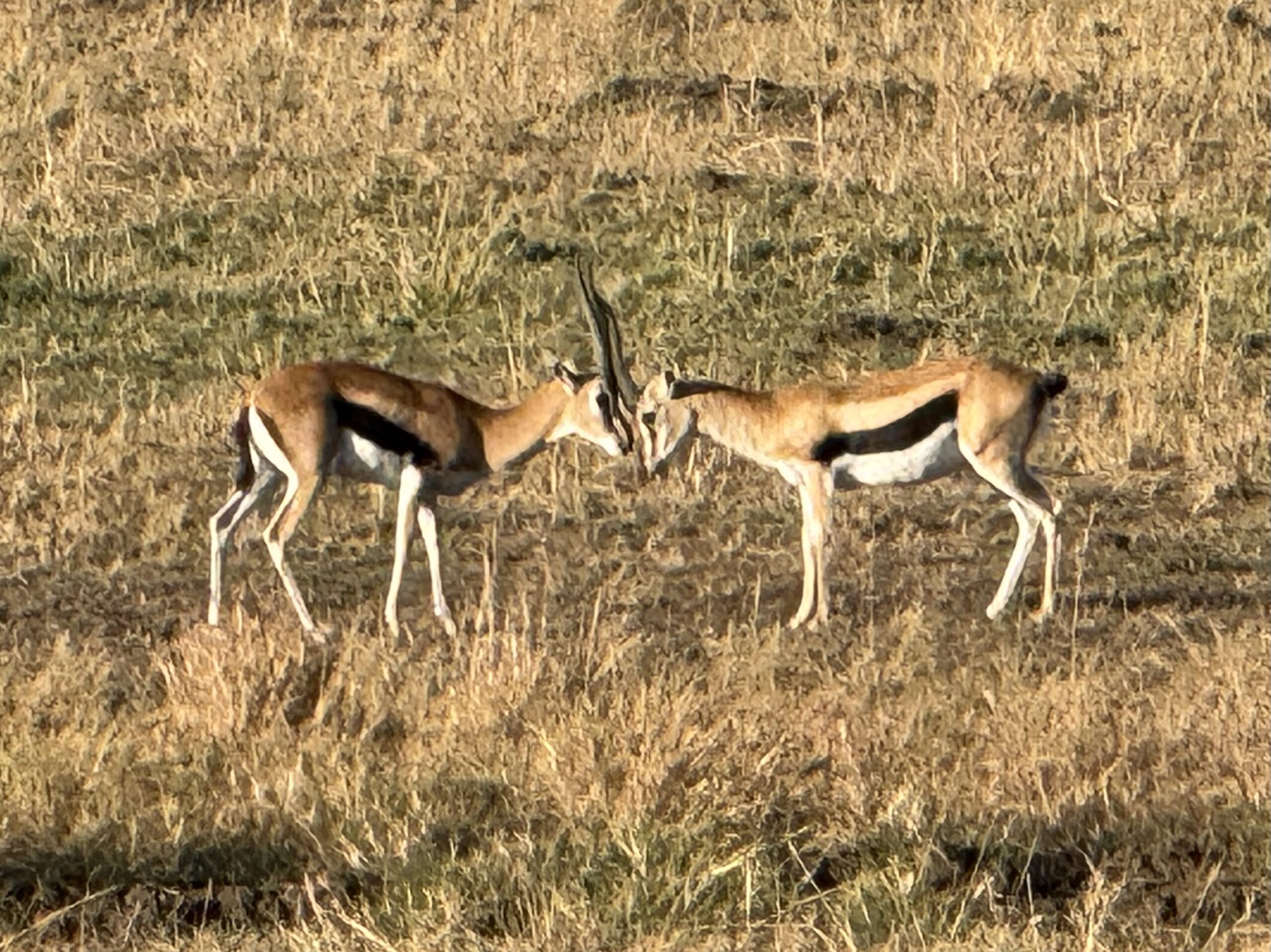
Thompson's Gazelles playing hard.
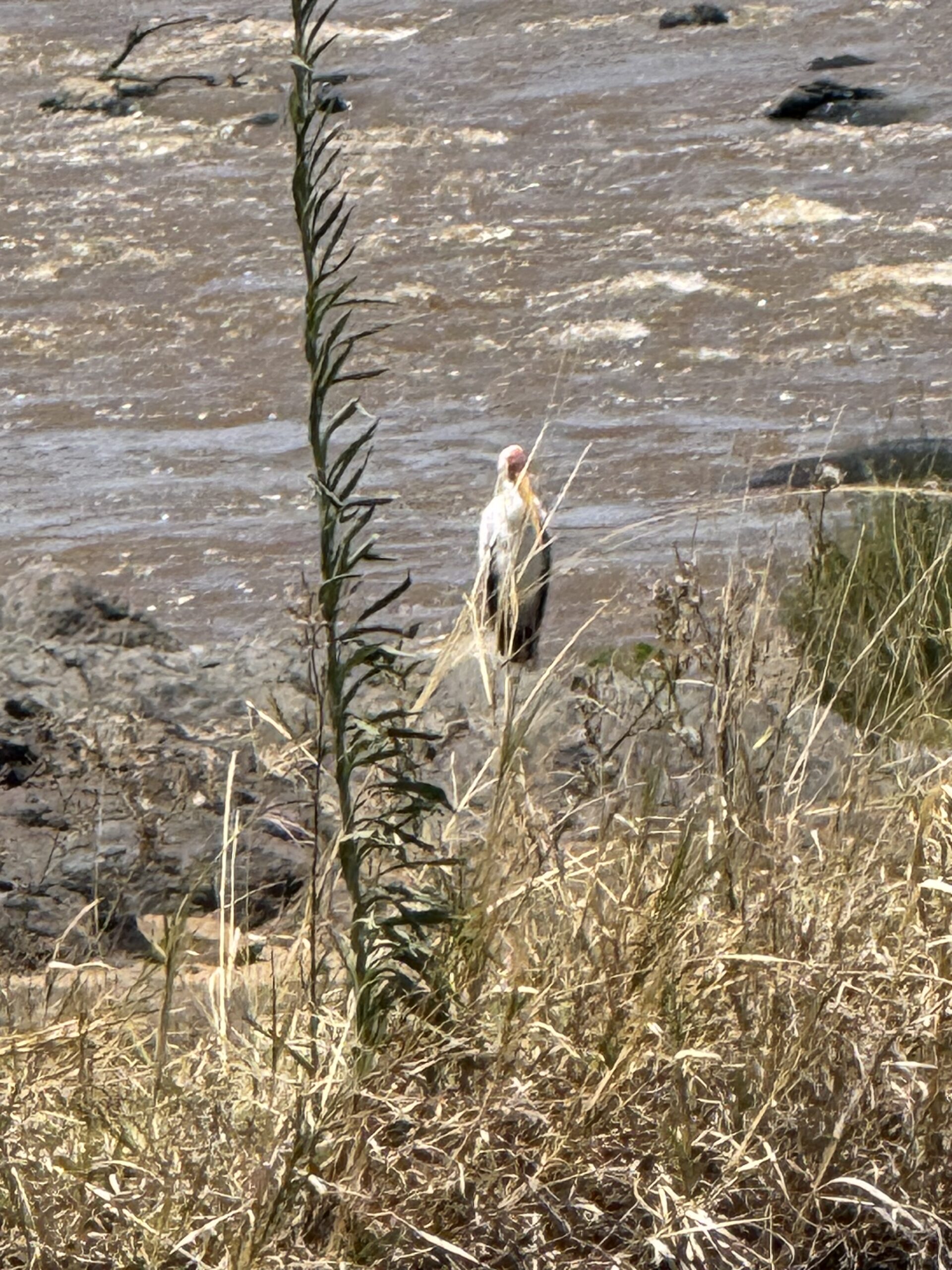
Maribou Stork next to the Mara River.
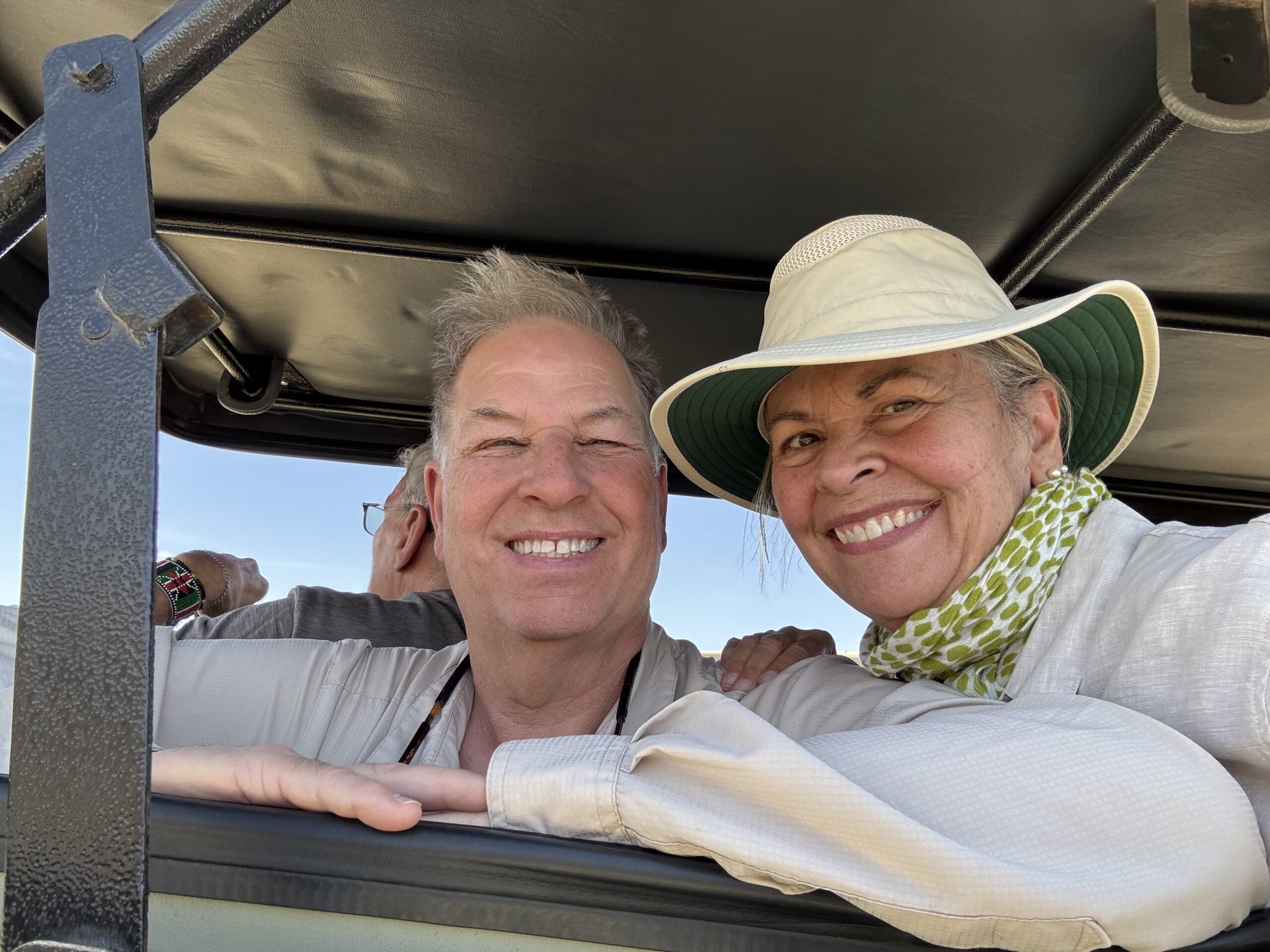
Two kids, on a safari.
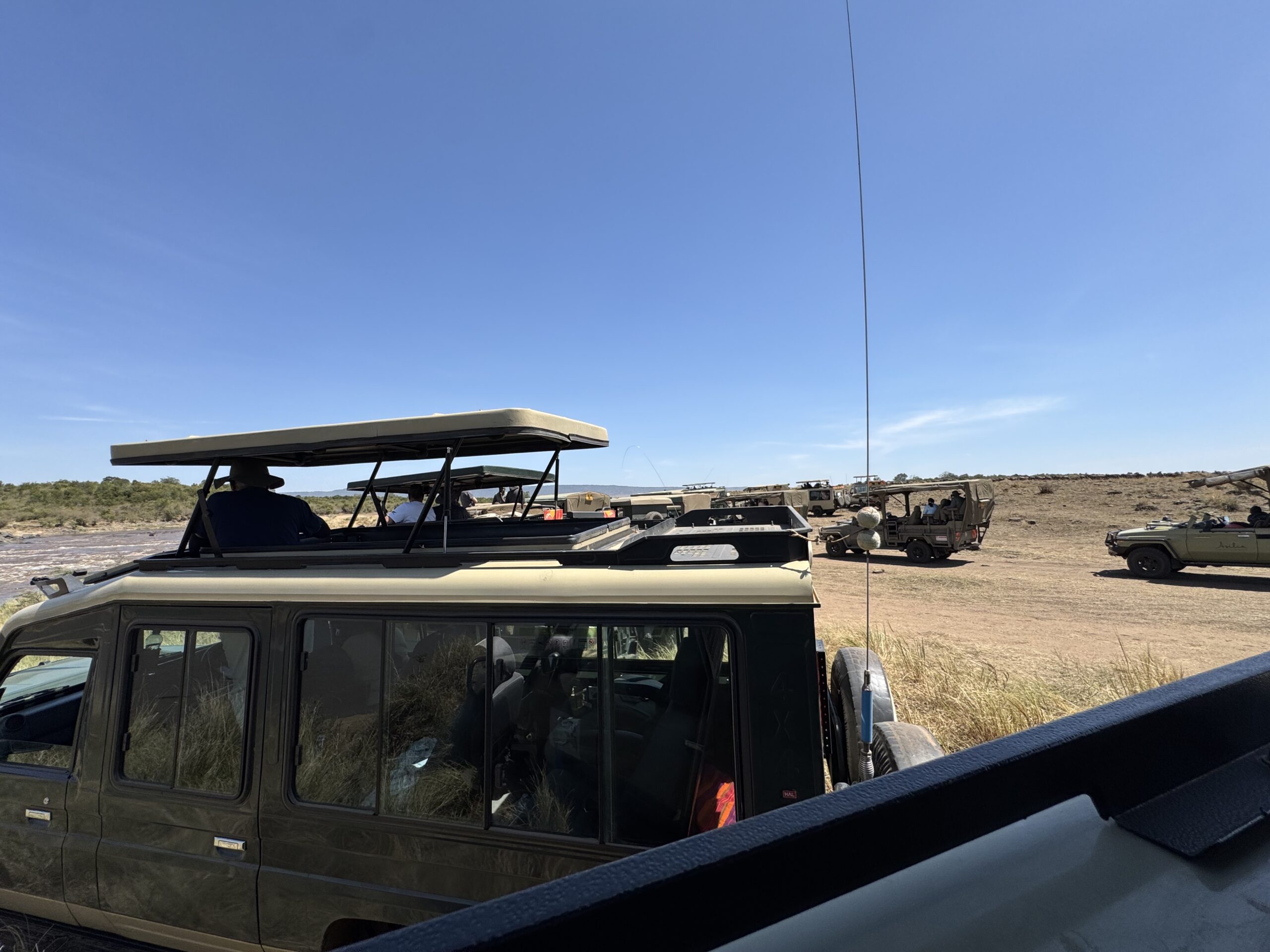
We are one of many jeeps, watching for "the crossing".
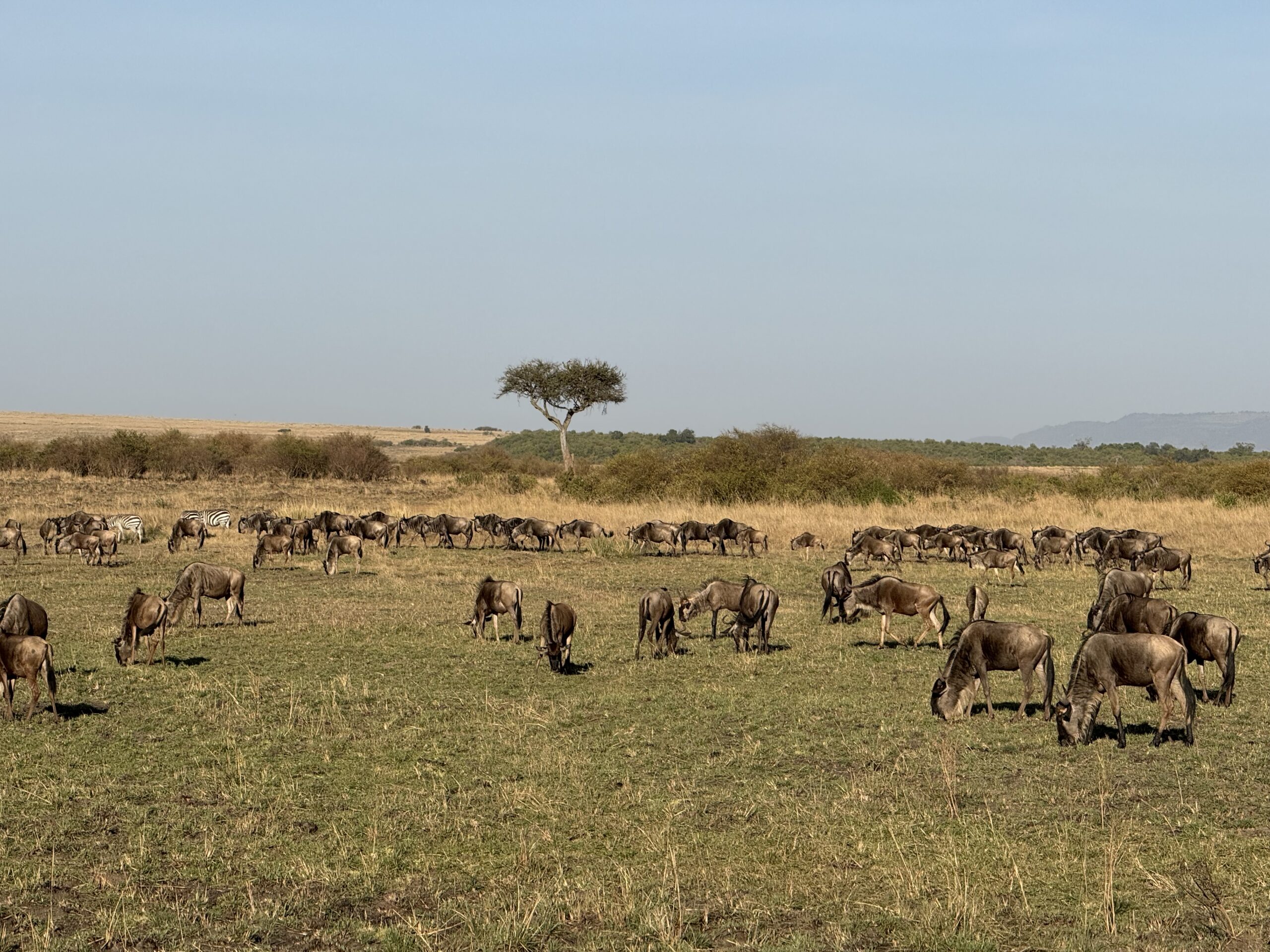
Wildebeest milling around.
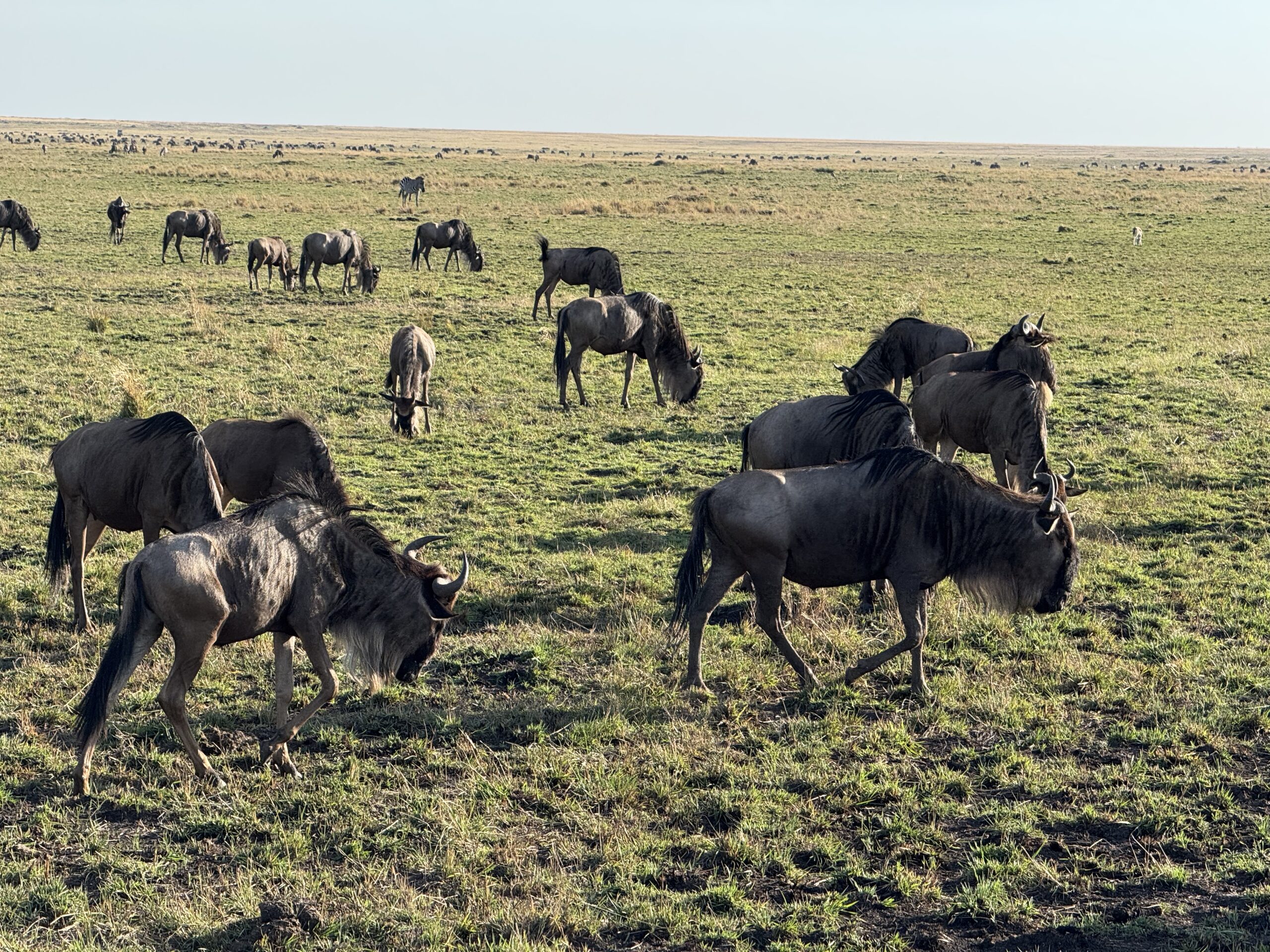
Wildebeest not on the move.
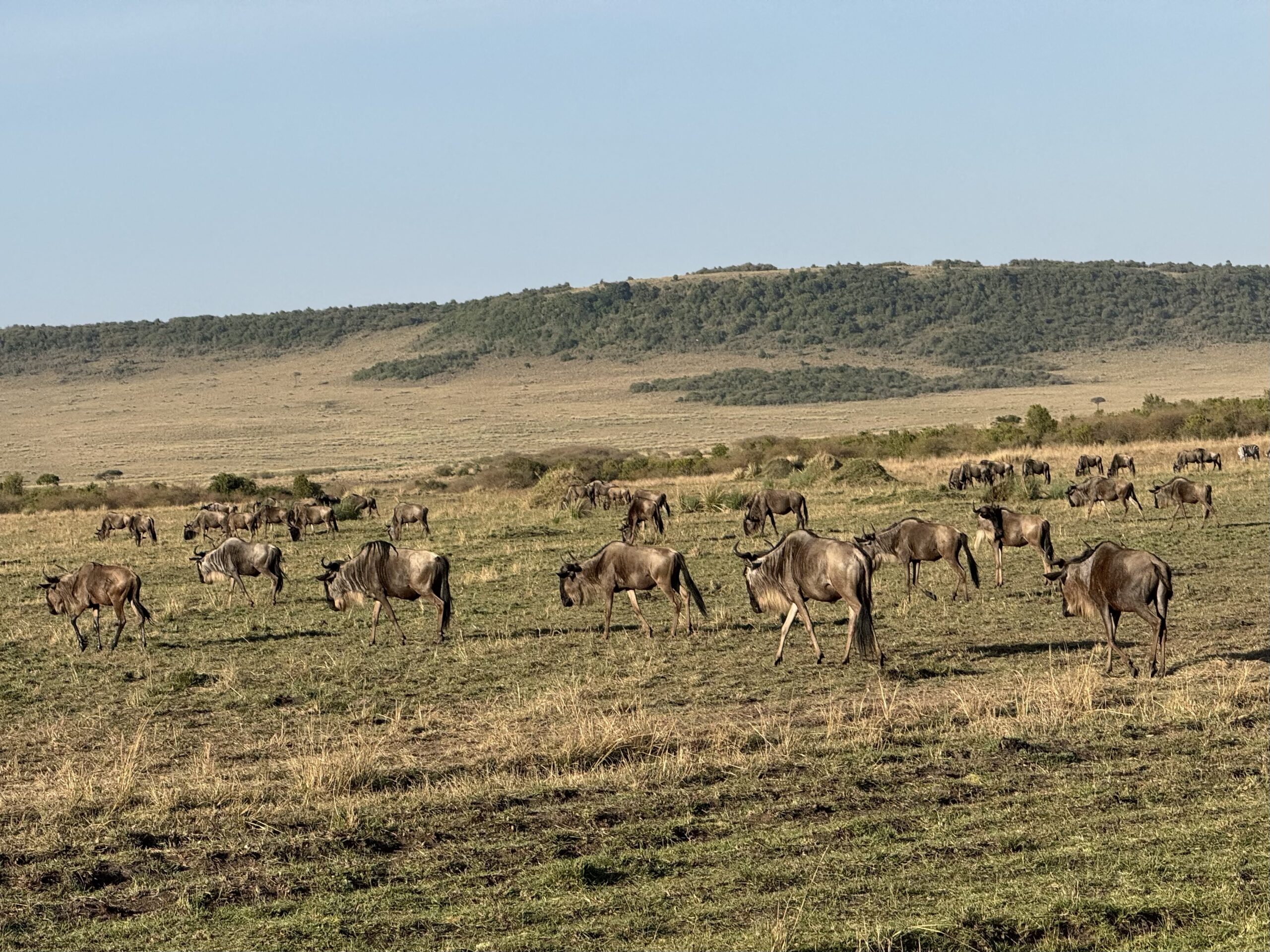
Wildebeest on the move.
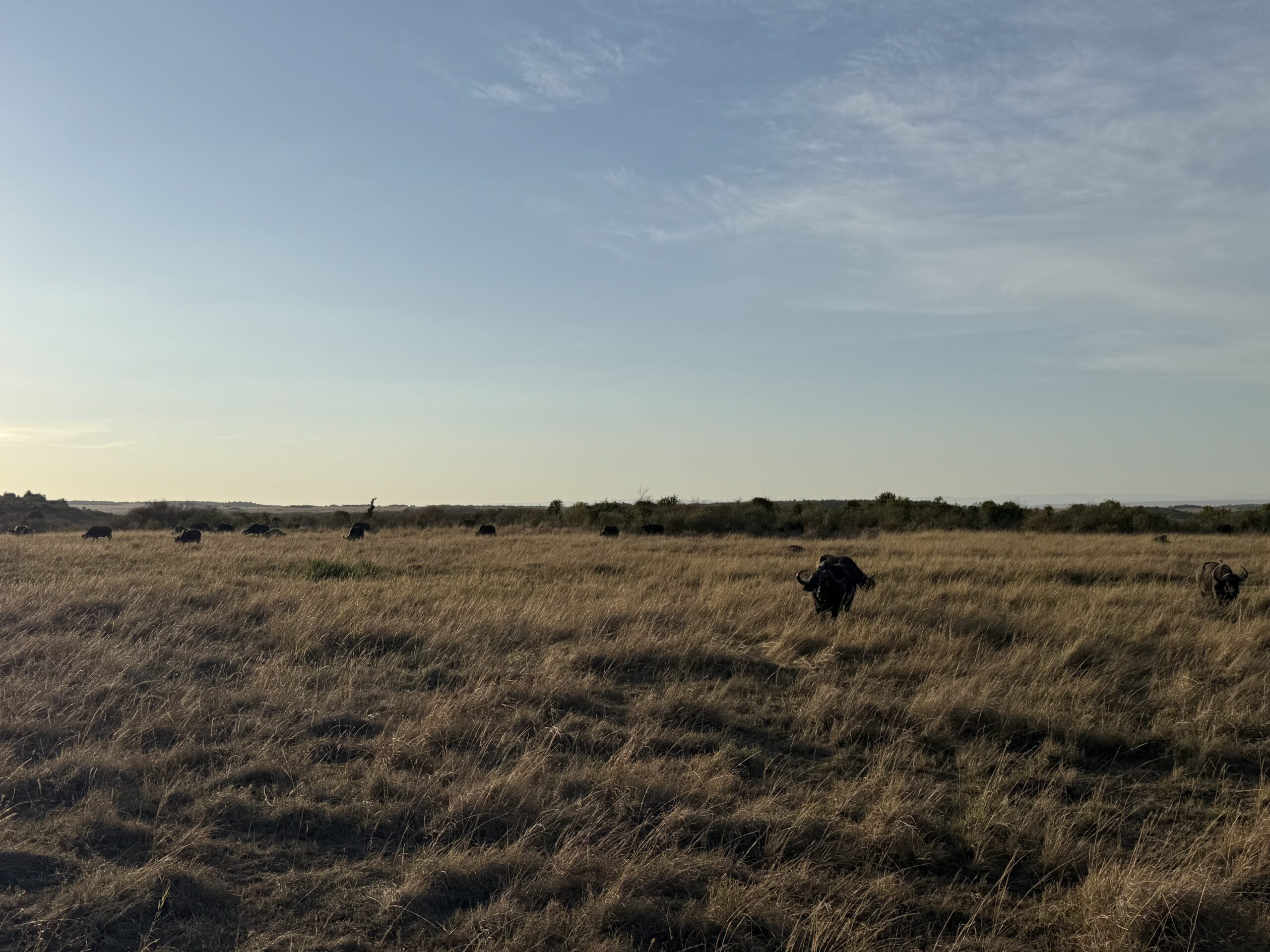
Herd of Cape Buffalo.
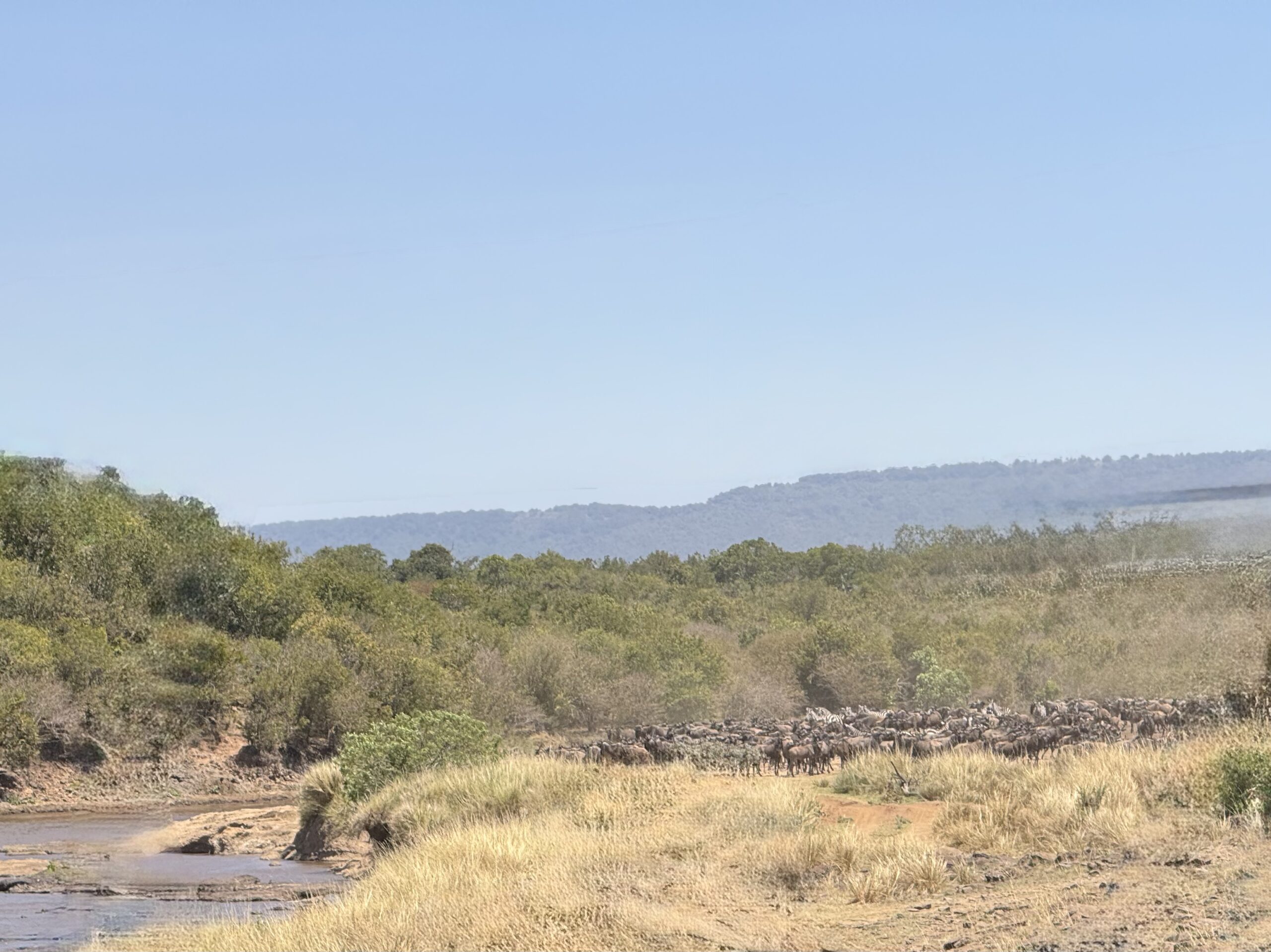
Thinking about crossing the river.
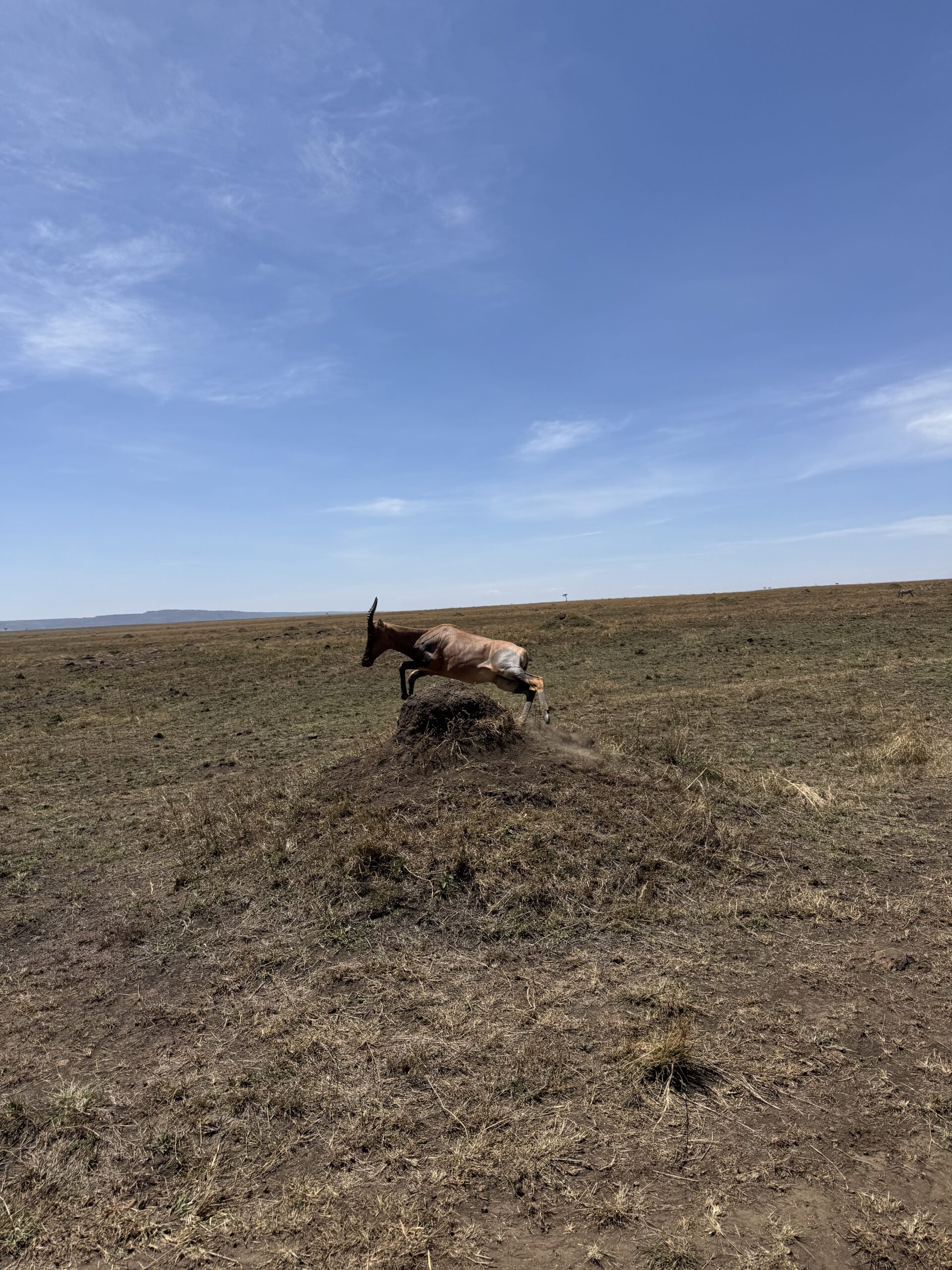
We scared this Topi off the mound!
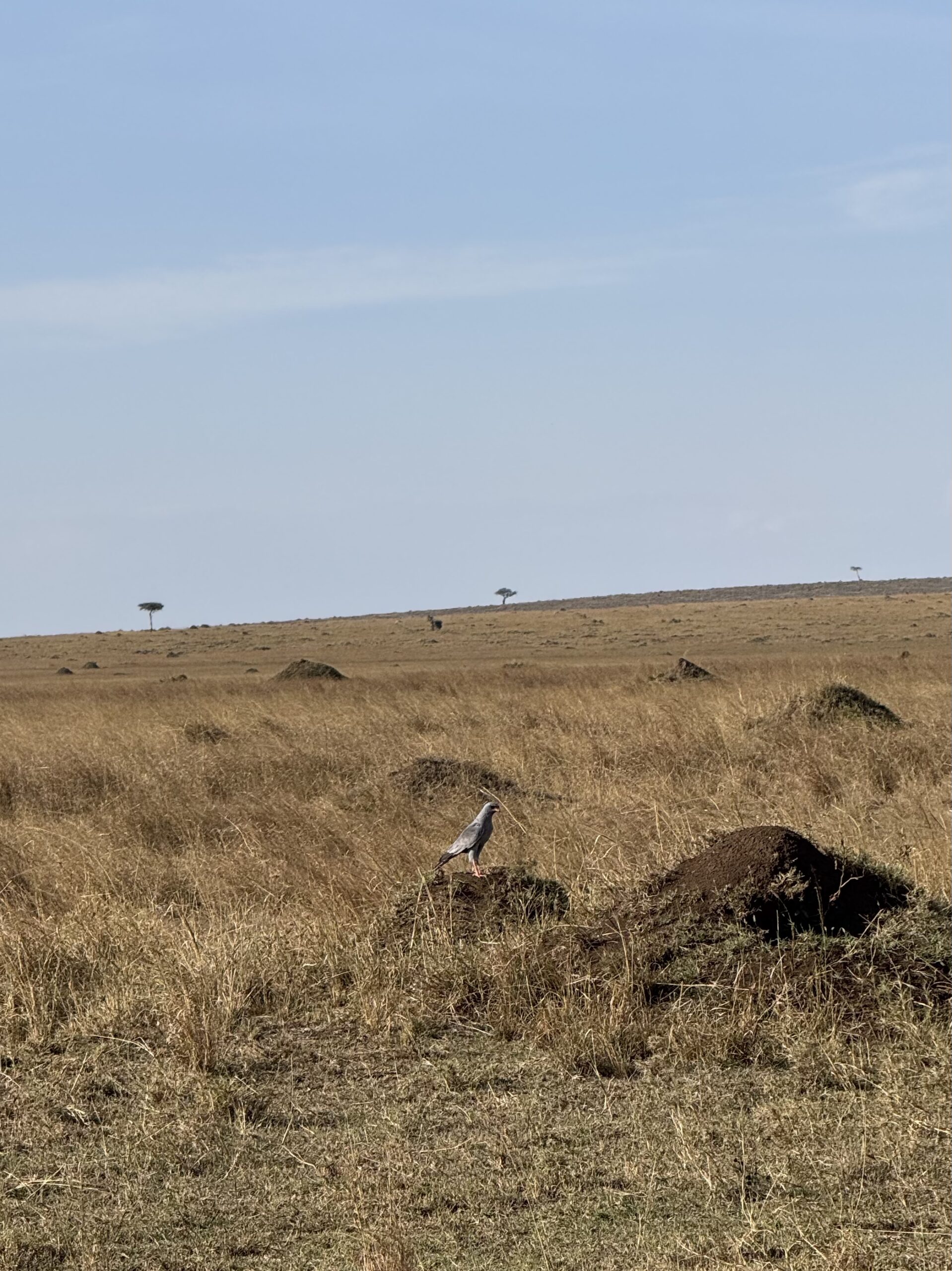
Goshawk
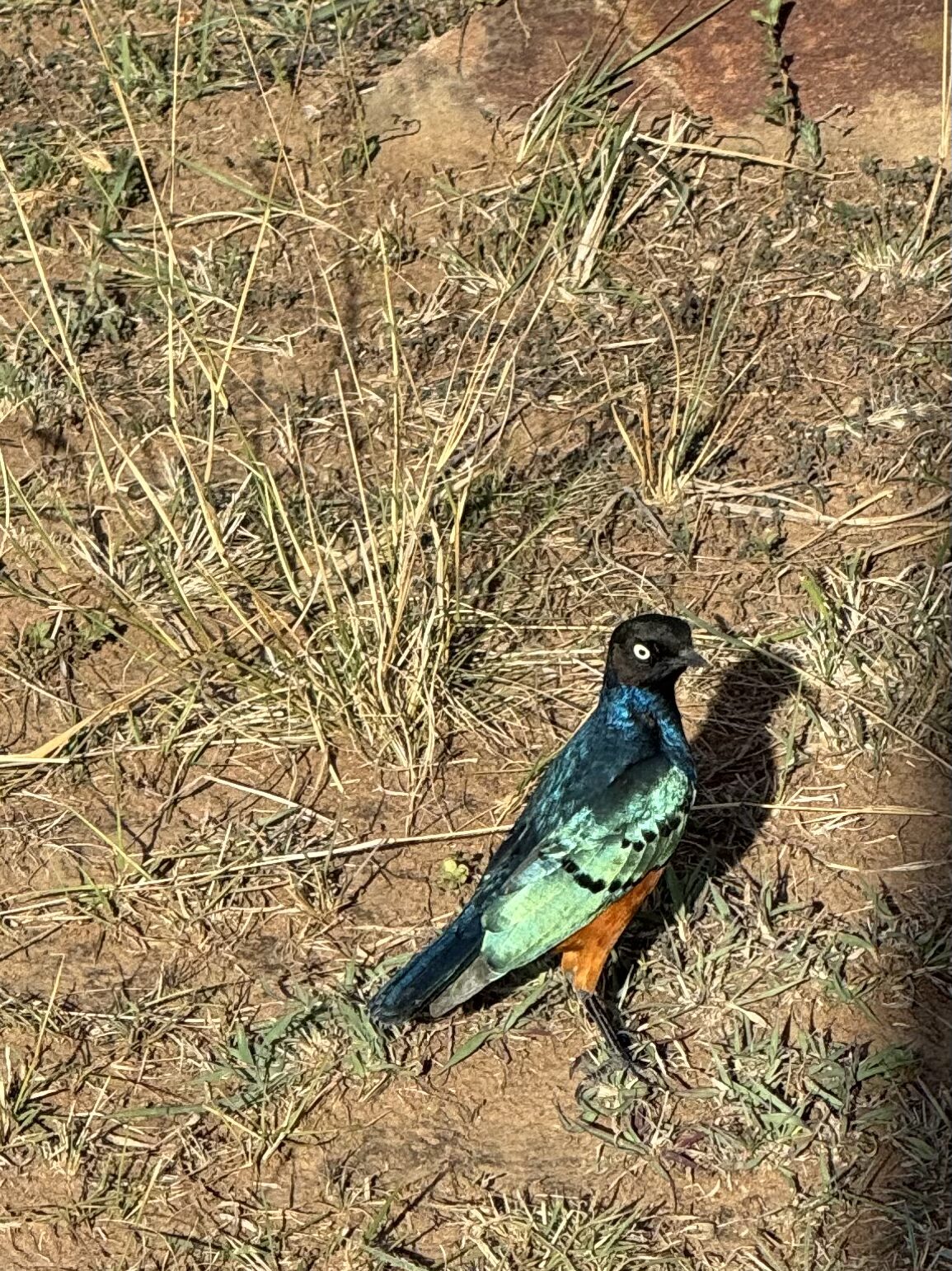
Starling Superb
Maasai Mara National Reserve
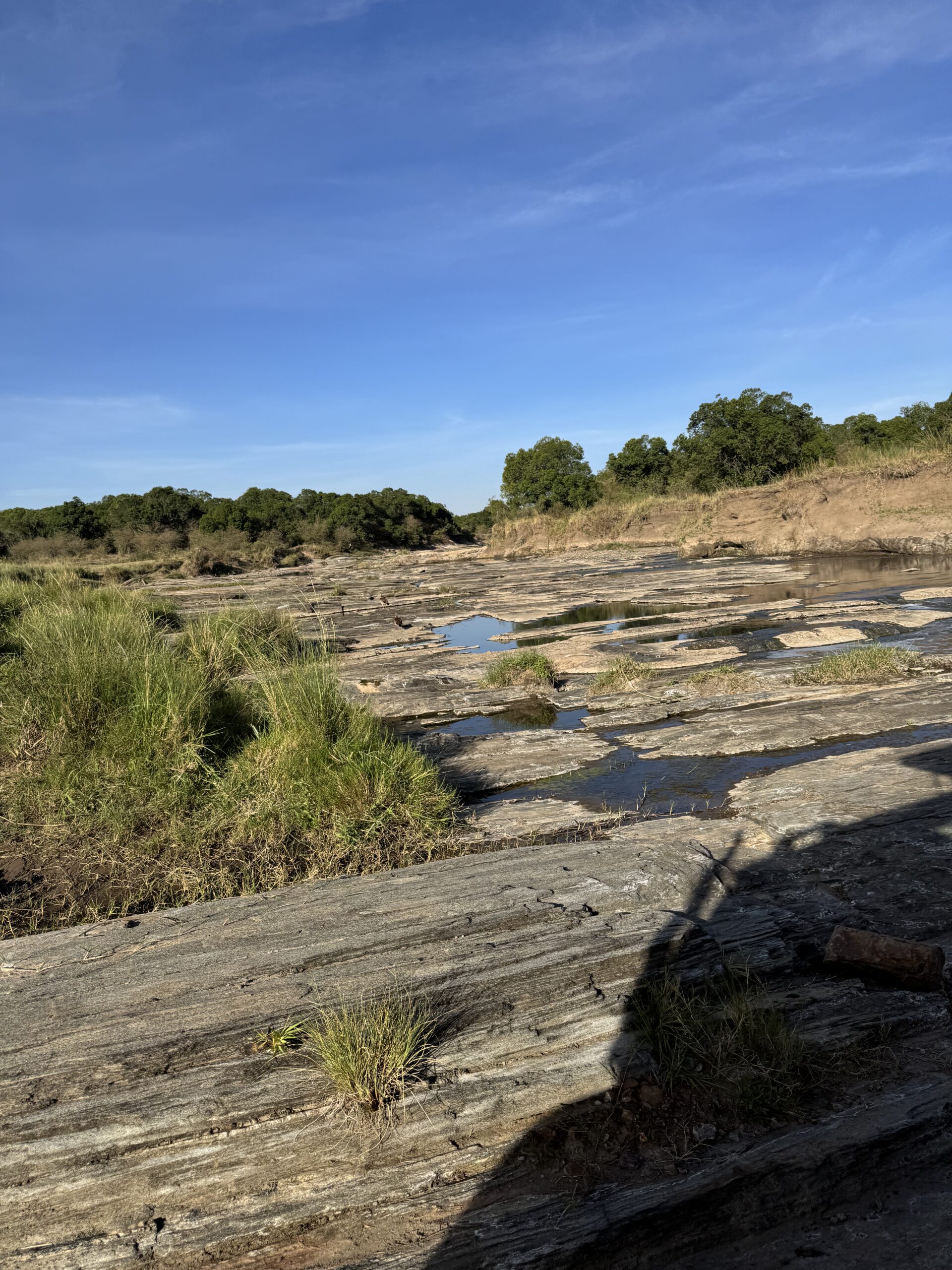
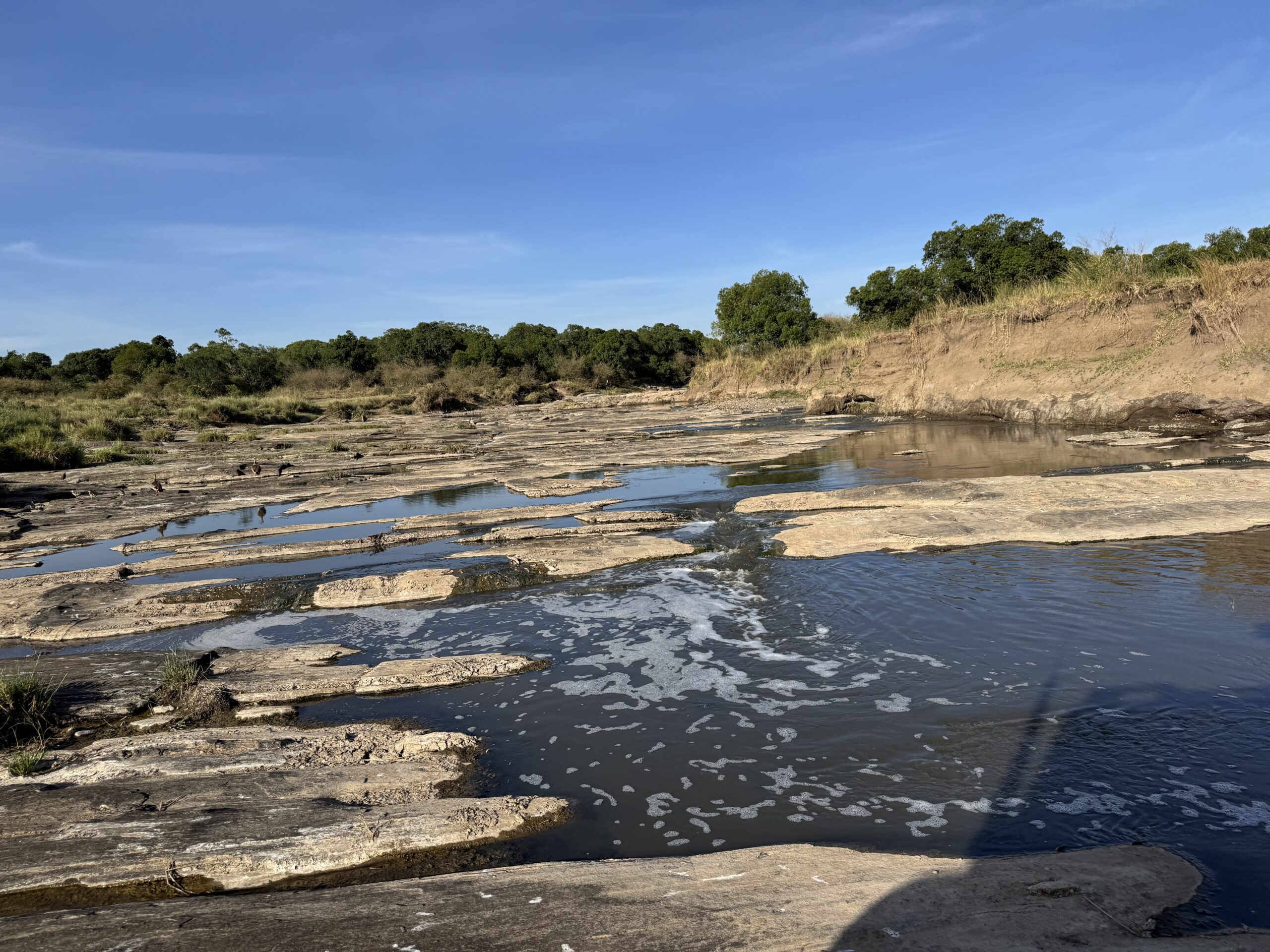
Crossing a tributary of the Mara River.
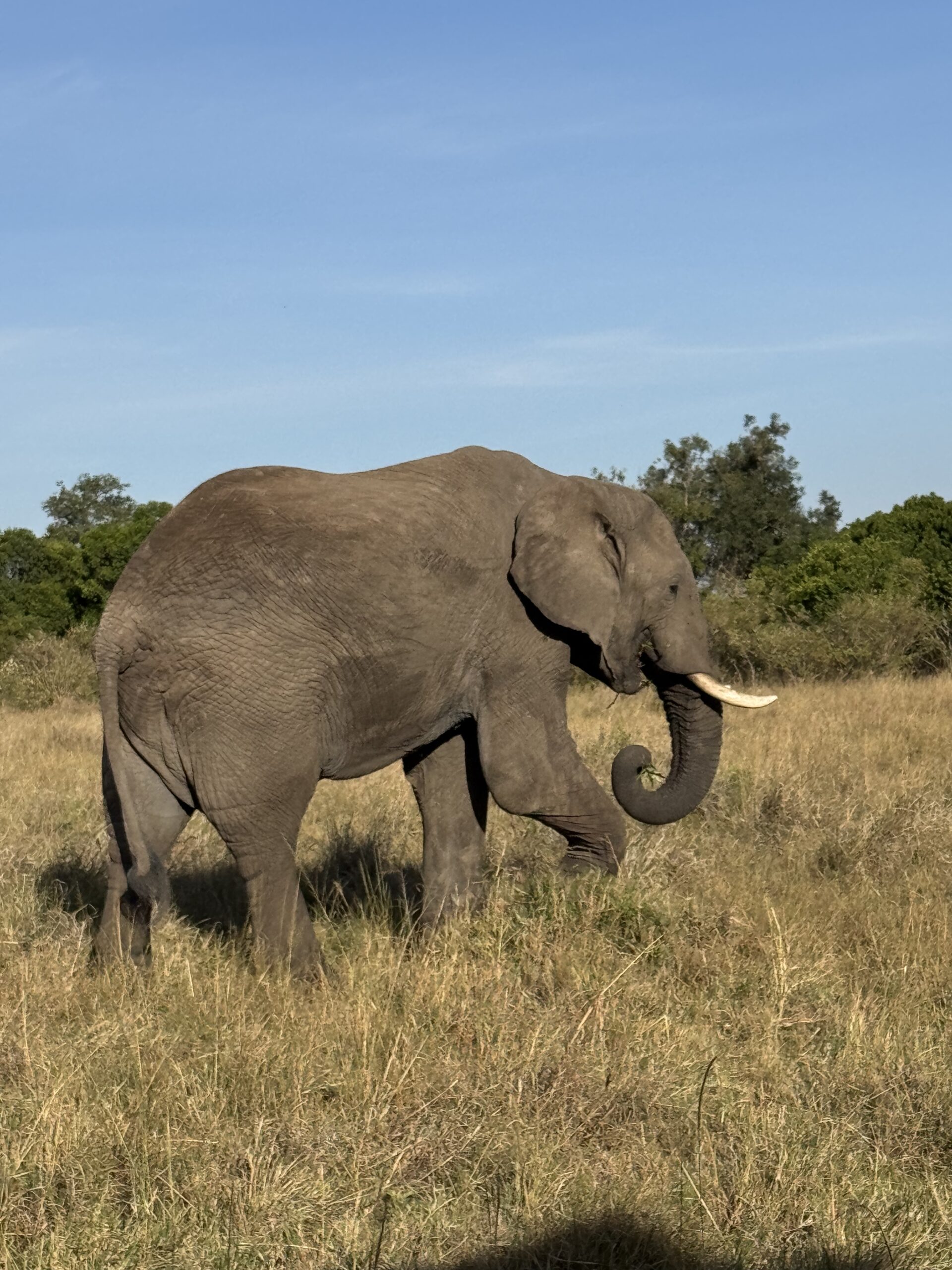
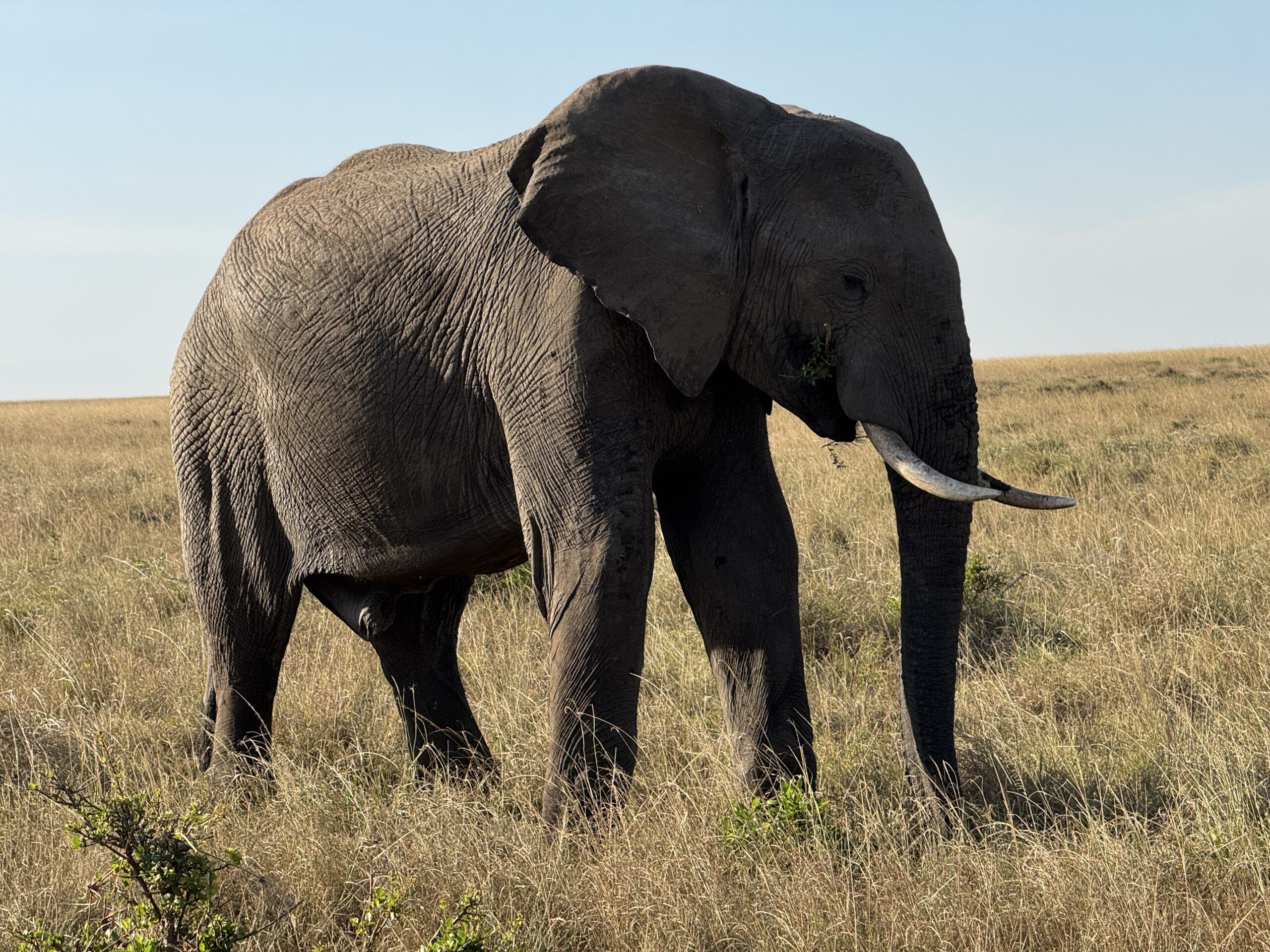
African Elephant - one of the "Big Five".
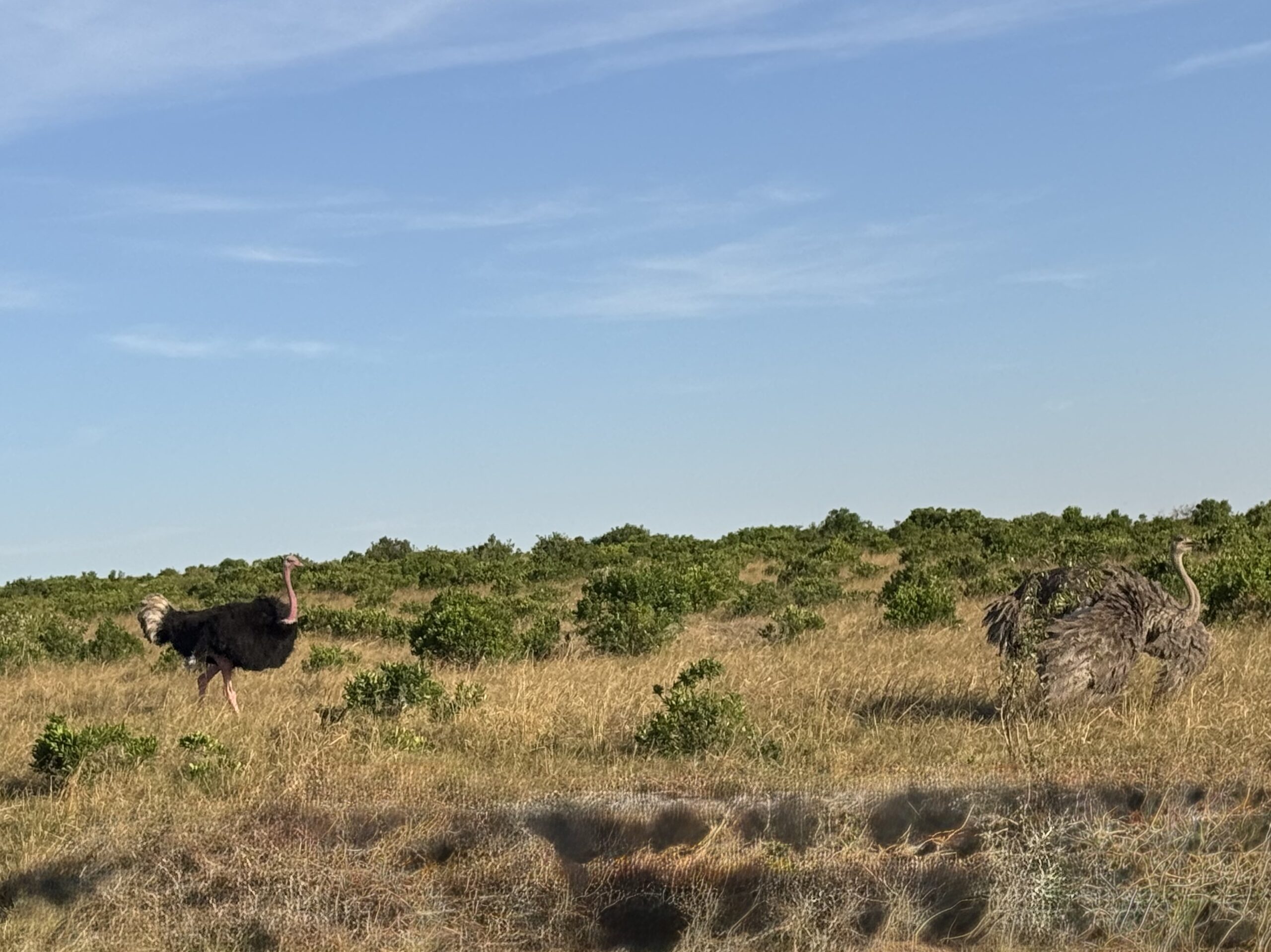
A male ostrich pursuing a female.
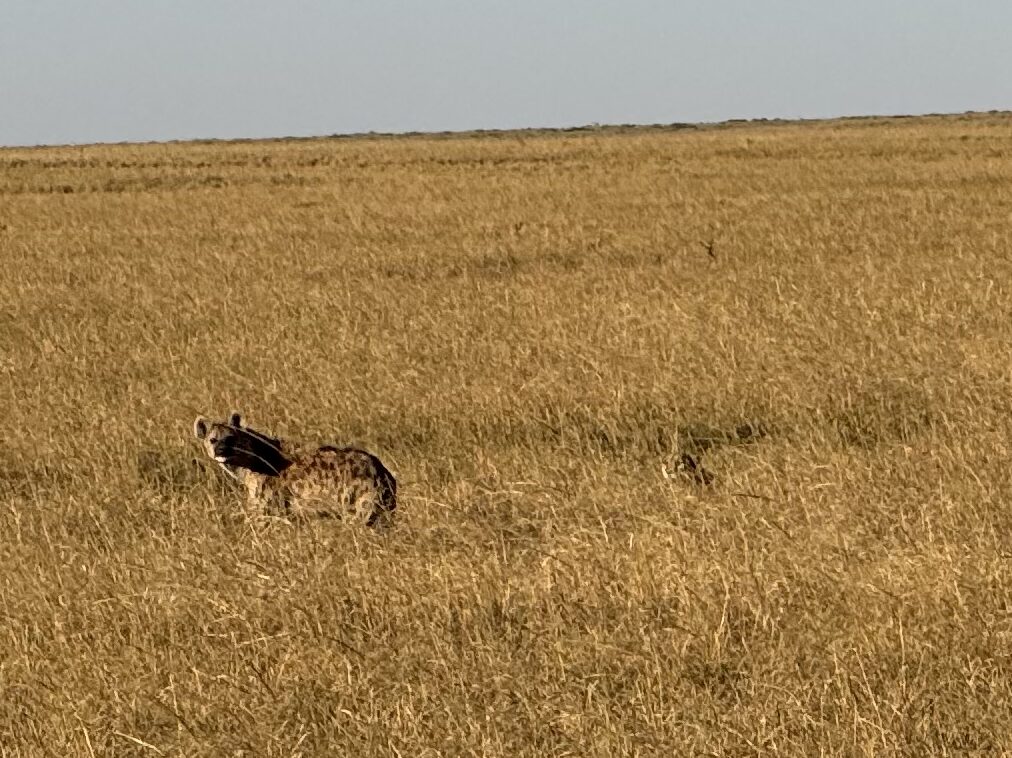
A spotted hyena, next to a Cheetah.
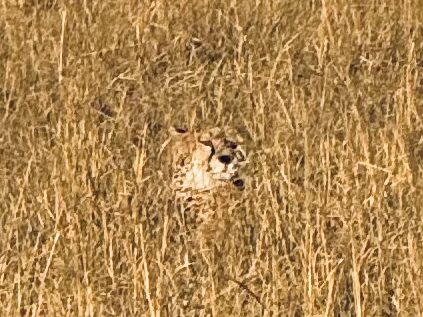
Cheetah - relaxing in the grass.
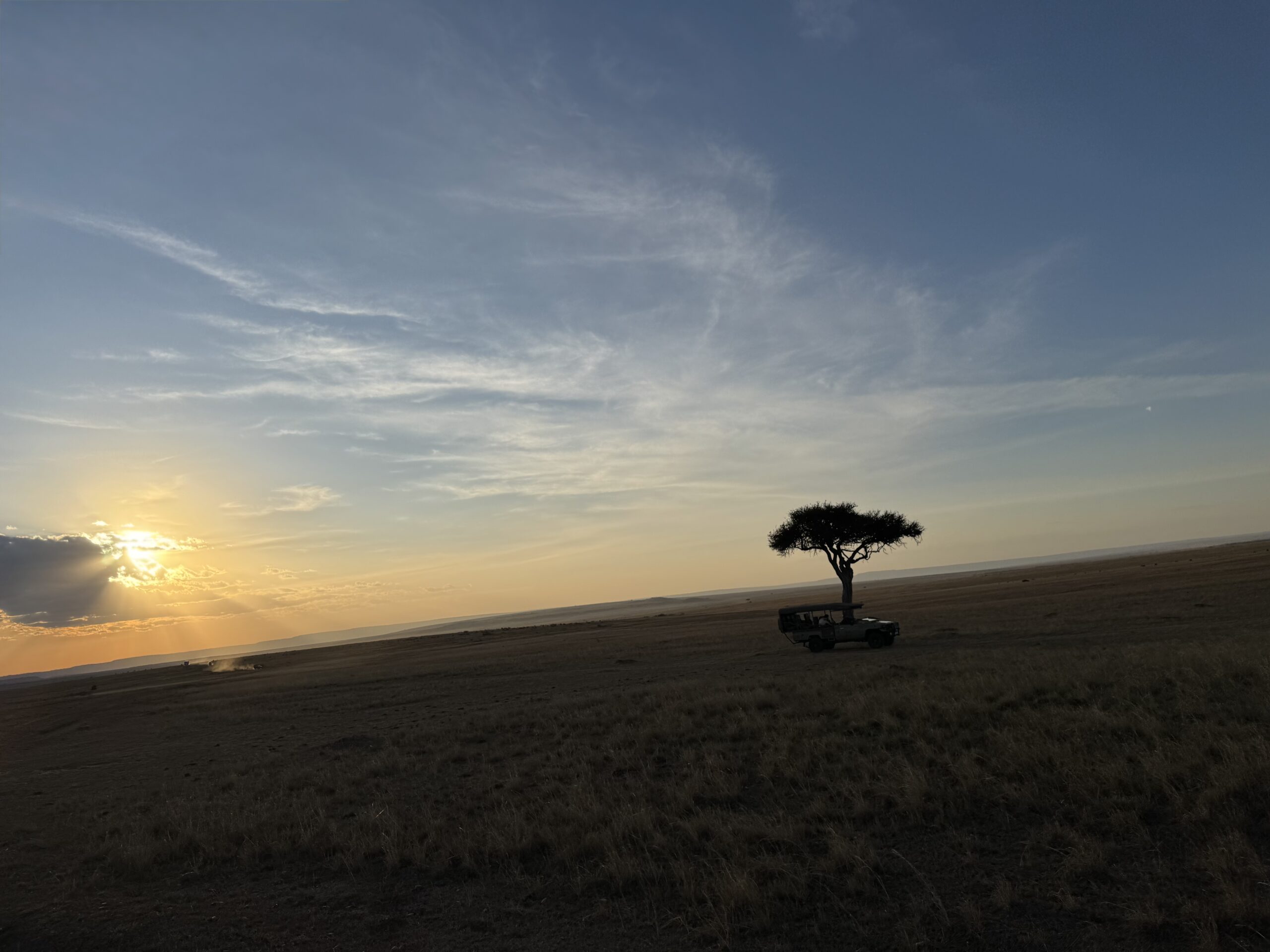
Maasai Mara National Reserve
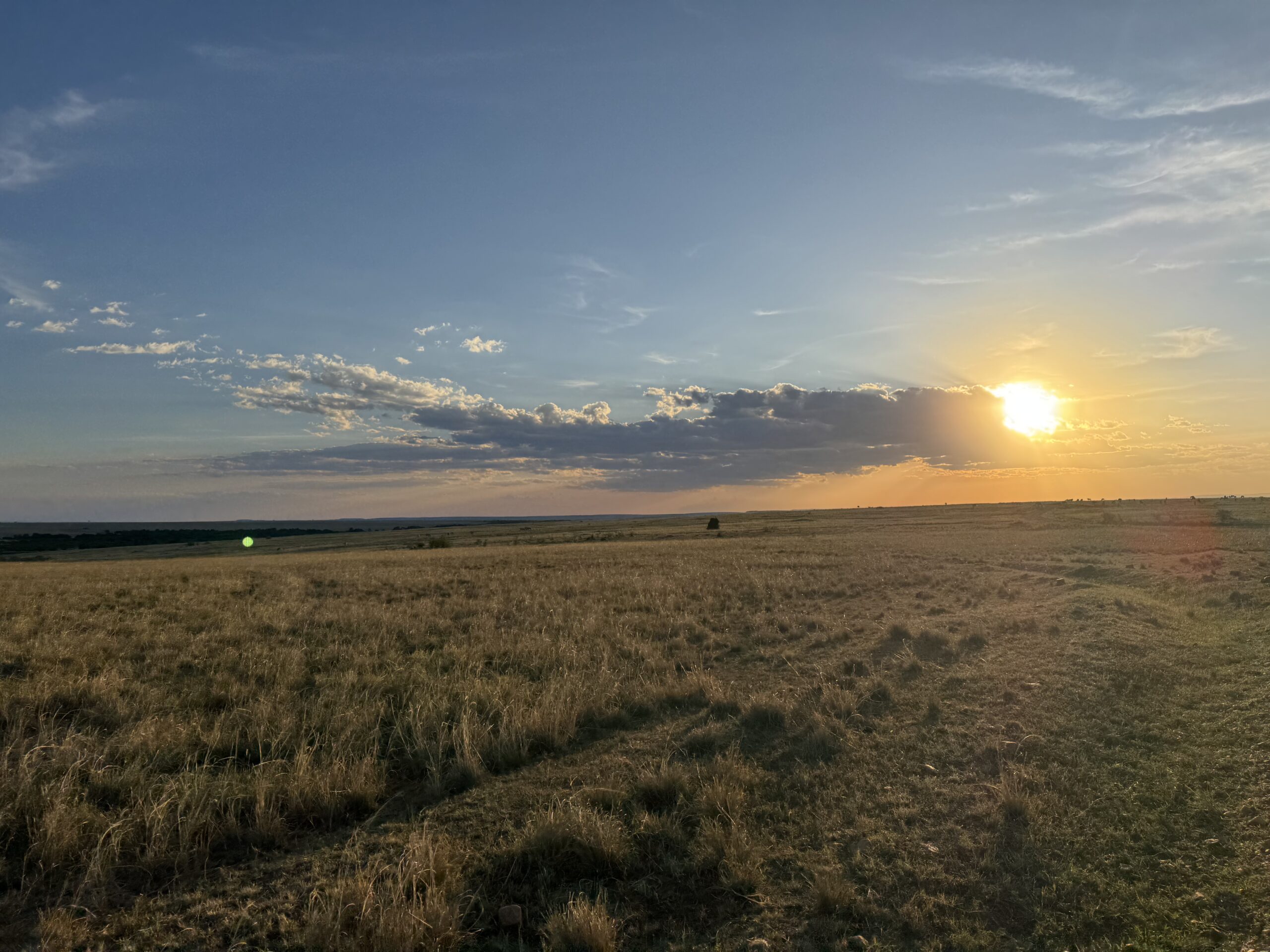
Maasai Mara National Reserve
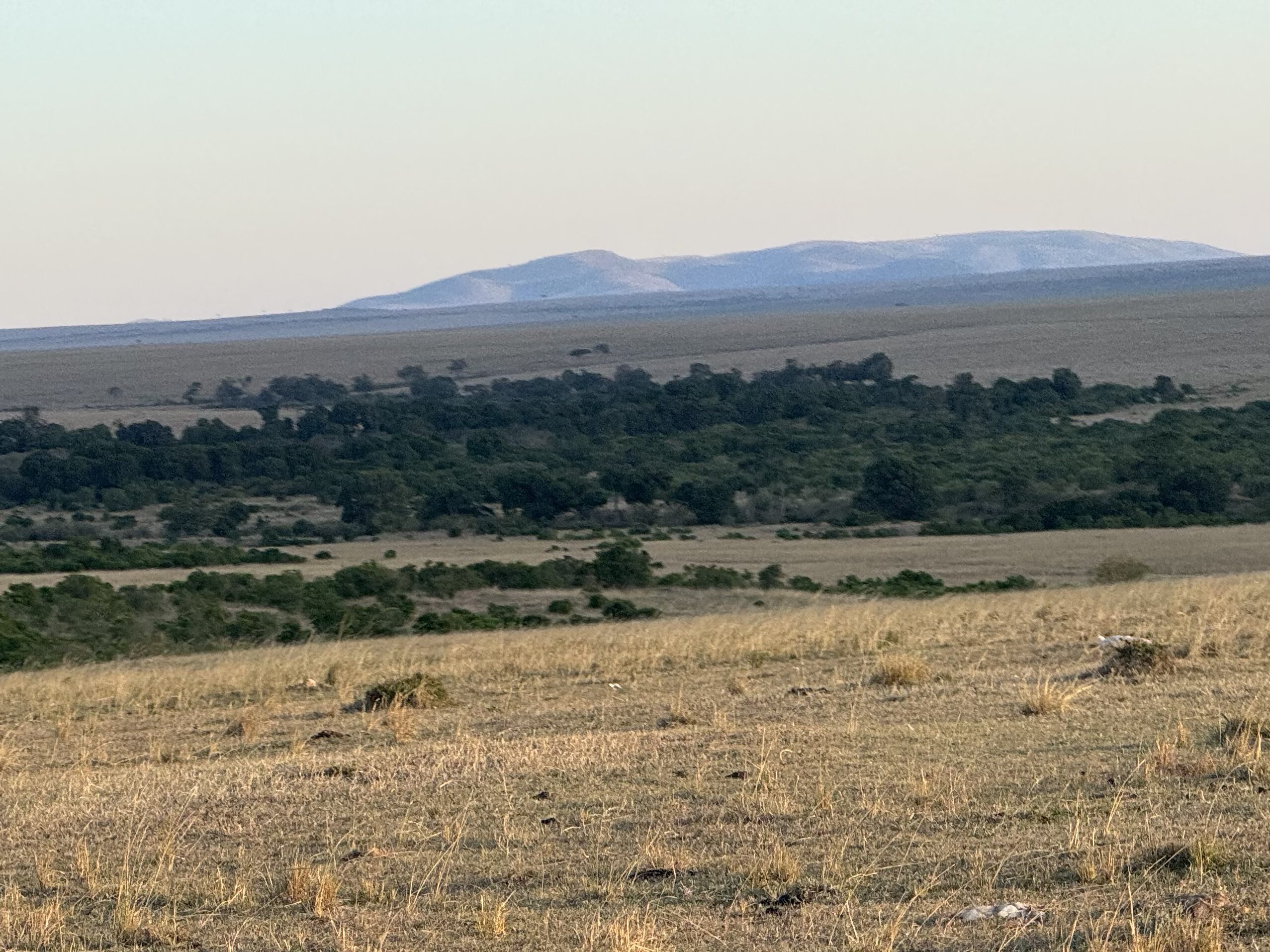
Maasai Mara National Reserve
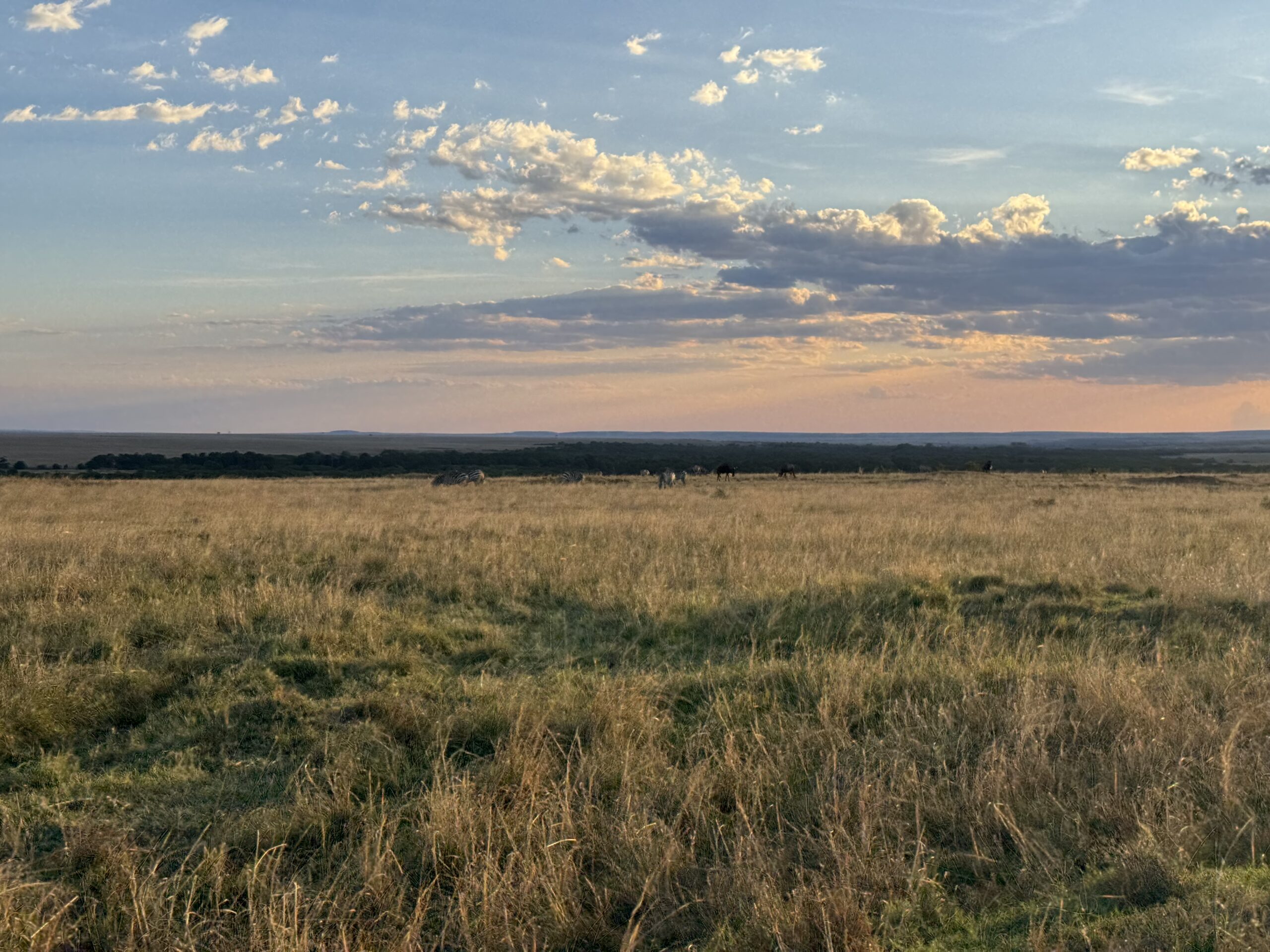
Maasai Mara National Reserve
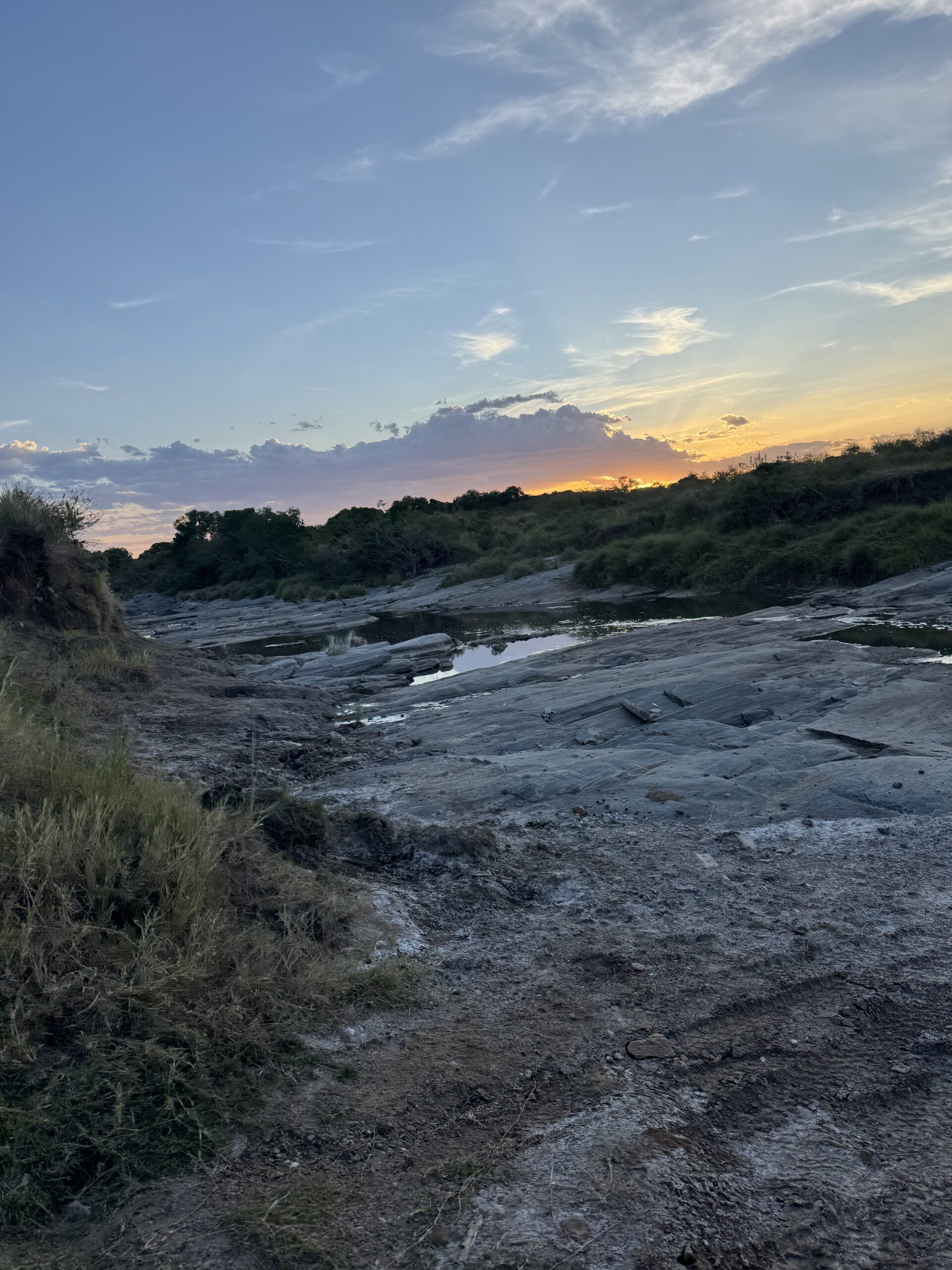
Crossing a tributary of the Mara River.
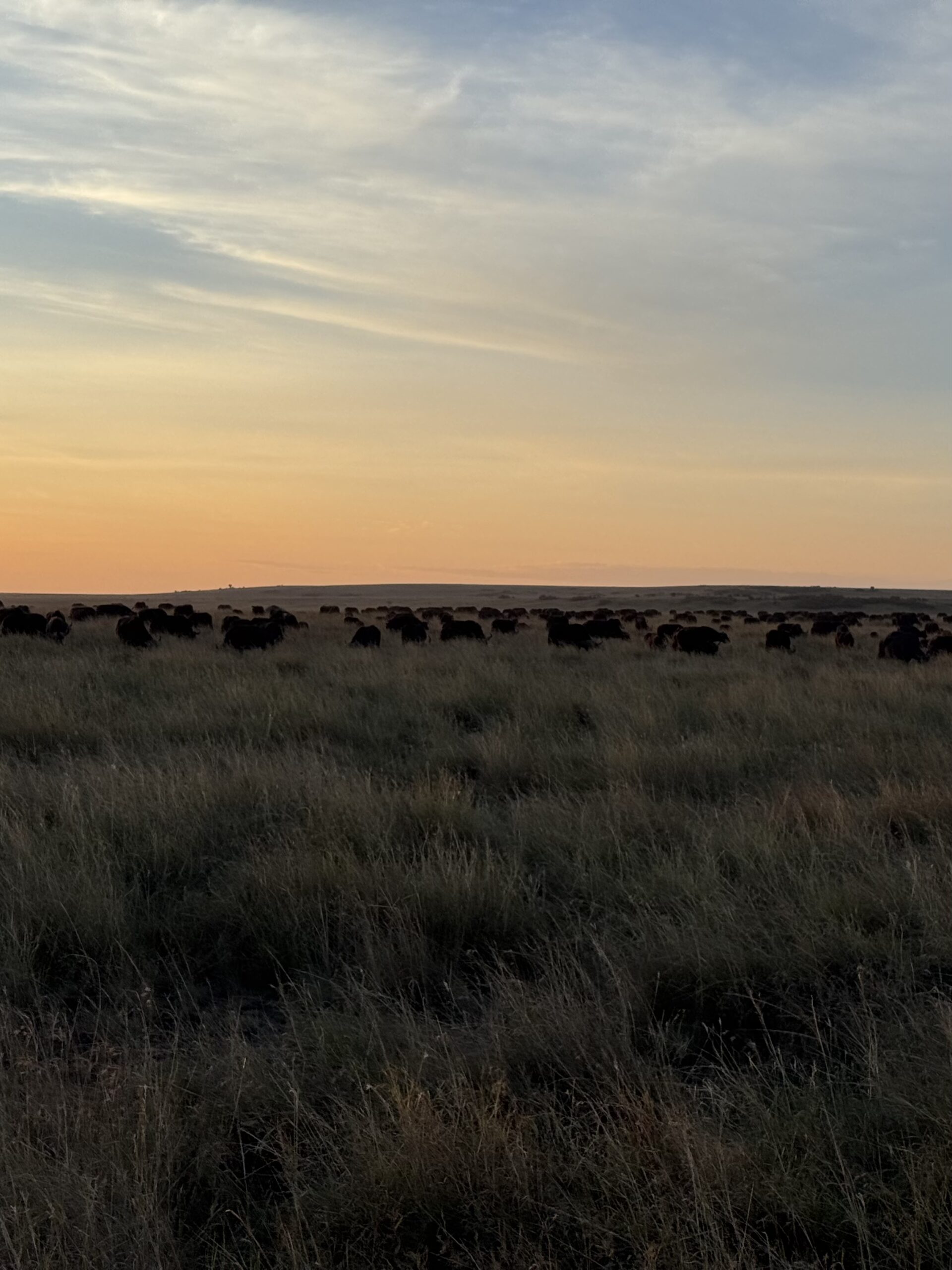
Herd of Cape Buffalo.
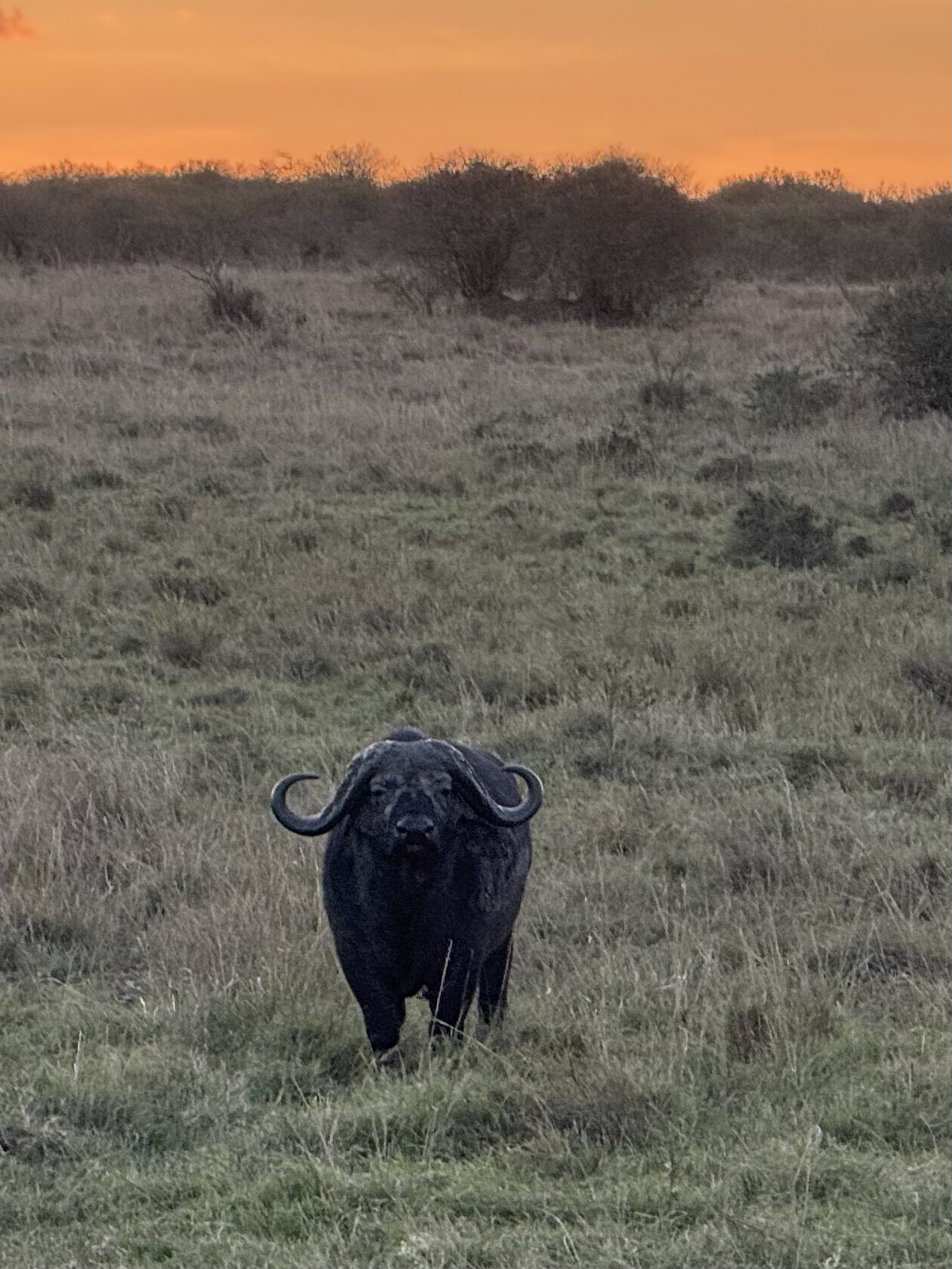
A male Cape Buffalo, at sunset.
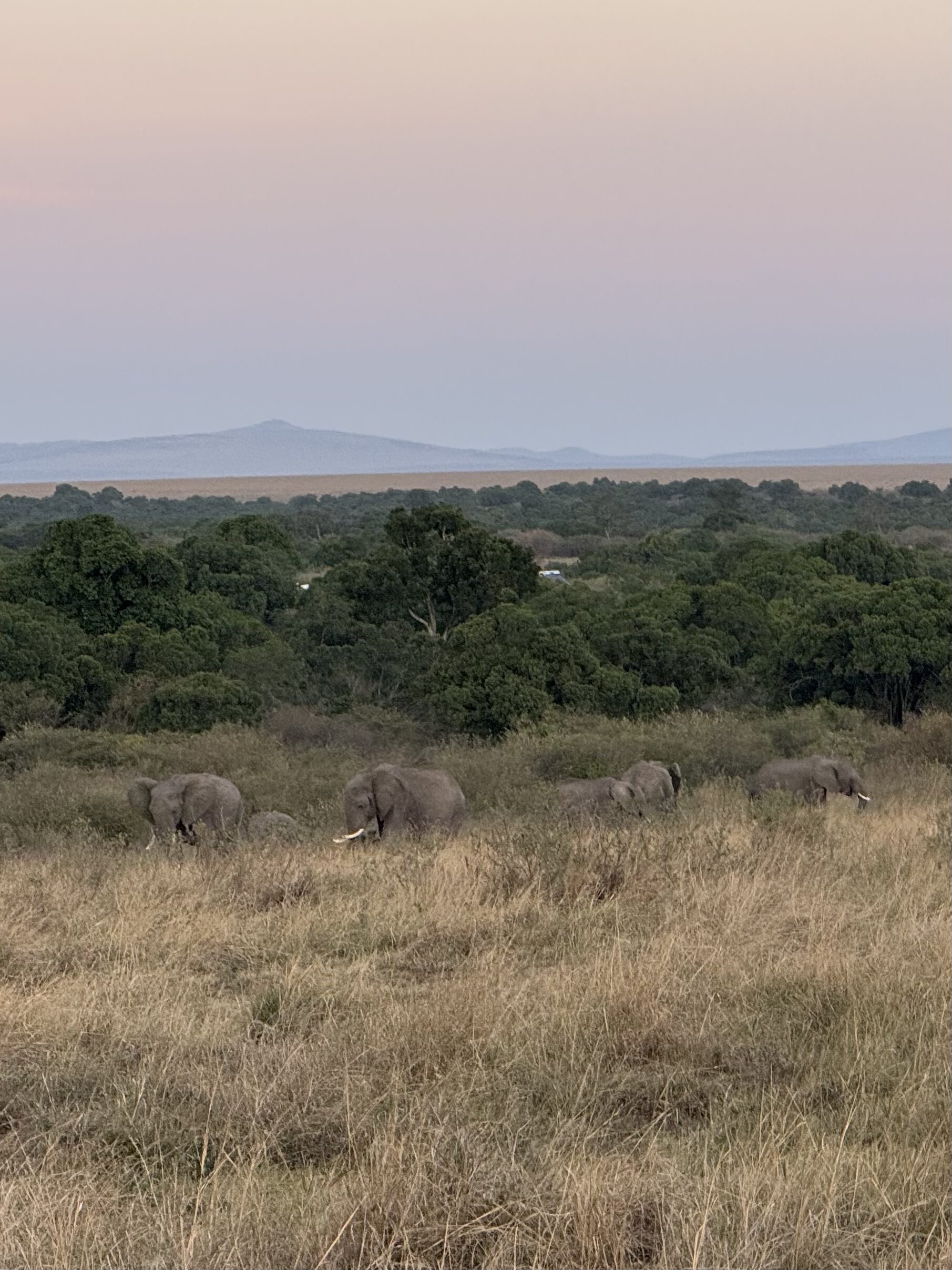
An Elephant pride. There were a total of eight in this one.
Great pictures. Looks like u are having a wonderful time. ❤️
Love the wild beast pics, especially of the “Two Kids”
Looks like an unbelievable experience for “two kids”!