


Dublin, Ireland
This morning, we arrived to the Dublin Bay and loaded onto our tender boats for a 30-minute ride into Dun Loaghaire then boarded a coach for a 30-minute ride to Dublin. We learned that Dun Loaghaire is considered one of the wealthiest suburbs of Dublin, with average home prices at 650,000 EUR, compared to the average of 350,000 EUR for the rest of Dublin.
Dublin, with a population today of just shy of 2.4M, was founded by the Gaels in the 6th century, followed by the Vikings in the 13th century. After independence from the United Kingdom in 1922, Dublin became the capital of the Republic of Ireland to the south, and Northern Ireland remained a part of the United Kingdom, with Belfast as its capital. I found a diagram that might help explain.
Speaking of the island of Ireland, we learned that it had its highest population of 8.4 M in 1841. With 1M deaths during the Irish famine, and another 1M immigrating to North America, the population of the island still has not returned to that number. We had a wonderful tour guide who really knew her history.
We visited St. Patrick’s Cathedral, founded in 1191, and learned about its controversial history spanning several decades and several religions. Initially a Catholic church, it became protestant and part of the Anglican church in 1537 during the English Reformation. Today it is considered the national cathedral of the country.
After our tour, we enjoyed lunch at Kennedy’s Pub, did a bit of shopping, and returned to the tender port via Dublin’s very efficient public train system, DART.
Tommorow: Belfast and Killenchy, Northern Ireland
Post Gallery

River Liffey, Dublin, Ireland.

Graphic of the relationships between the British Isles.

Tender boat after being detached from Regal Princess, and the pilot boat watching that all went well.

On the tender boat for 30 min ride to port.
The residence of the Prime Minister of the Republic of Ireland.
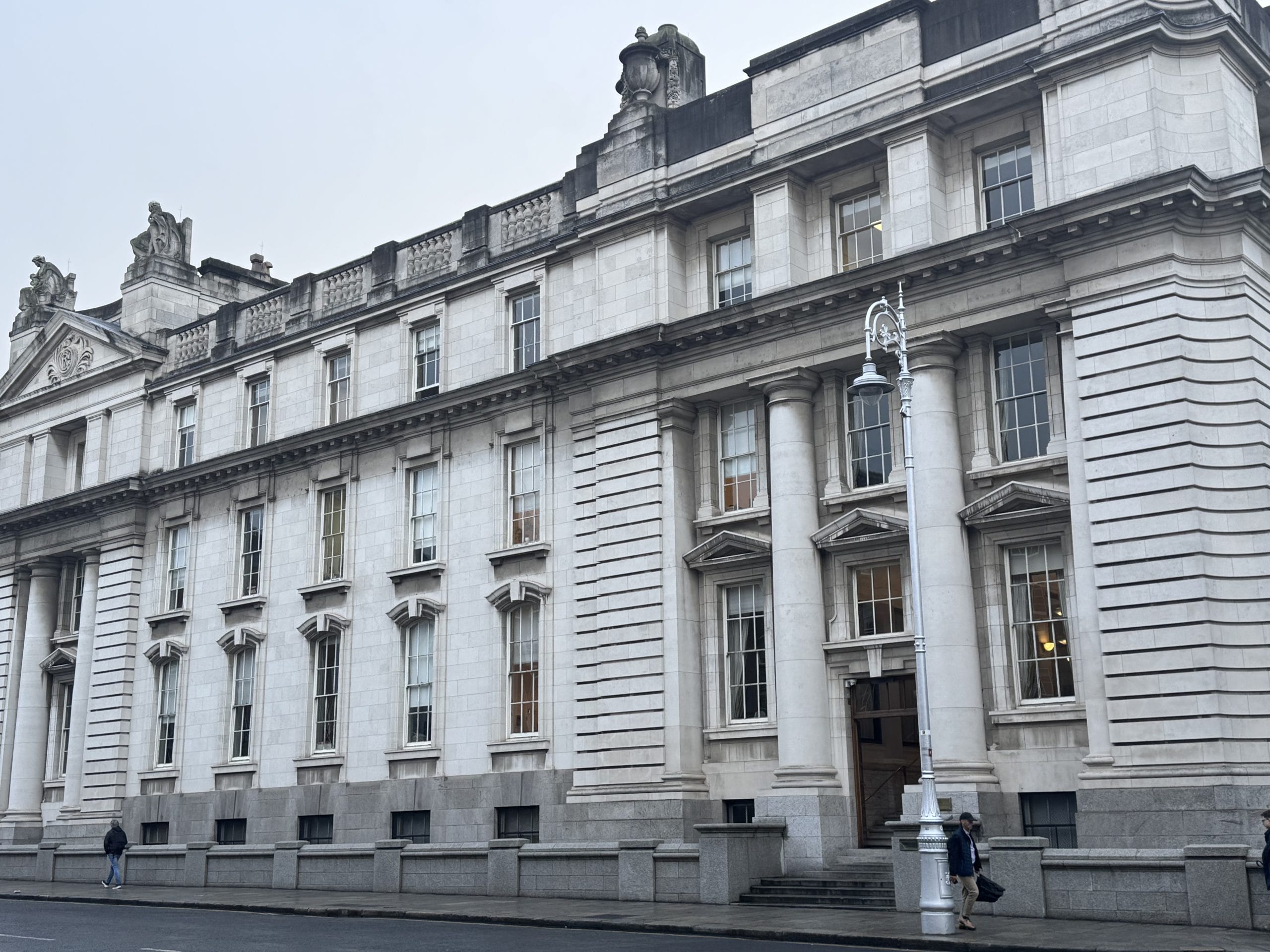
The "White House" of Ireland.

Love the flowers!


Dublin, Ireland

The River Liffey, Dublin, Ireland.


St Patrick's Cathedral, Dublin, Ireland

St Patrick's Cathedral, Dublin, Ireland

Floors of St Patrick's Cathedral, Dublin, Ireland

Trinity College

Our first Guinness, at Kennedy's.

Fish and chips, with mushy peas and mint, at Kennedy's Pub, Dublin.


Sharon hanging with Oscar Wilde
Love the mosaic and colorful floors! Continue making memories and enjoy being all together!