
Abu Simbel, Egypt
When we woke up this morning, we had no idea what sights we would see and how it would it come to pass that we could see them at all. The temples at Abu Simbel, each spectacular, have a modern-day story that is as impressive as the temples themselves. Today we would break-away from the AmaWaterways group and take a private tour across the Sahara Desert, south to Abu Simbel.
We climbed into our snug van for the three-hour trip, mostly on a two-lane road. The van included Marsh and me, Peter, Patti, Kurt and Robert, our guide Heba and two drivers. We learned from Heba that the government requires there to be two drivers…one for the trip there, and one for the trip back. I can only imagine this is because it takes great concentration to drive this road. Trucks and buses, passing each other, across a desert. The mirages were everywhere you looked and there were very few places to stop for refreshment. Our drivers were skilled and though there were a couple dicey moments, they navigated it all without fuss.
Nearing Abu Simbel, you begin to sense the vastness of Lake Nasser, created by damning up the Nile River. Lake Nasser, built from 1960-1970, it is one of the largest manmade lakes in the world at just over 2000 square miles. Creation of the High Damn and subsequent lake displaced nearly 60,000 Nubians and was considered controversial at the time. Today, the damn provides the necessary electricity for Cairo and all of the Nile basin.
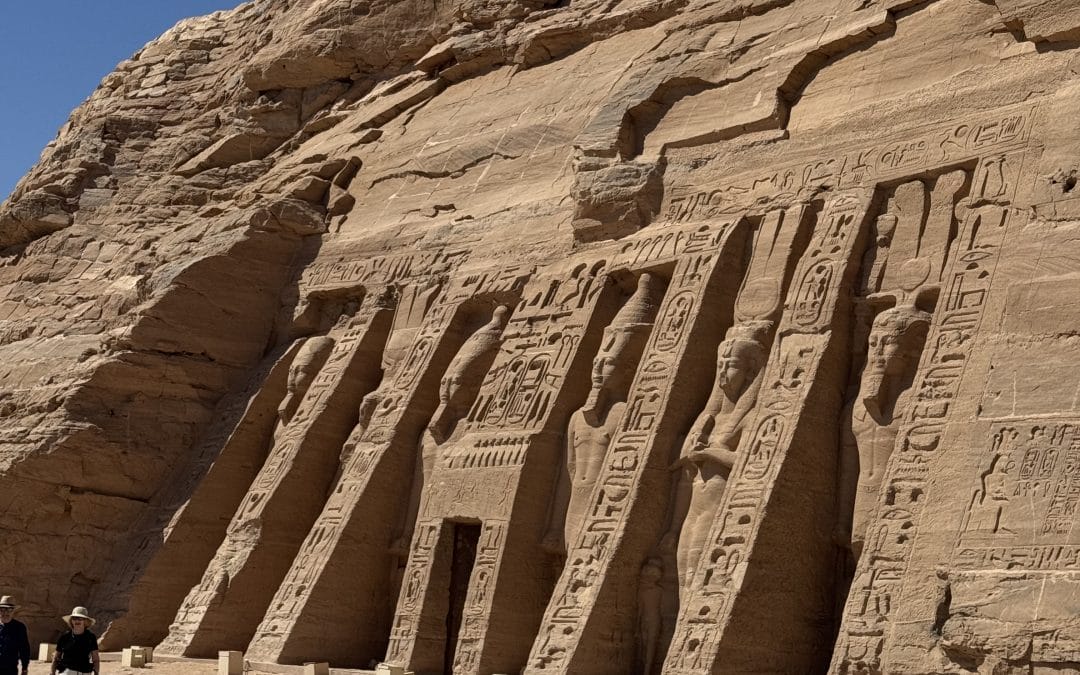
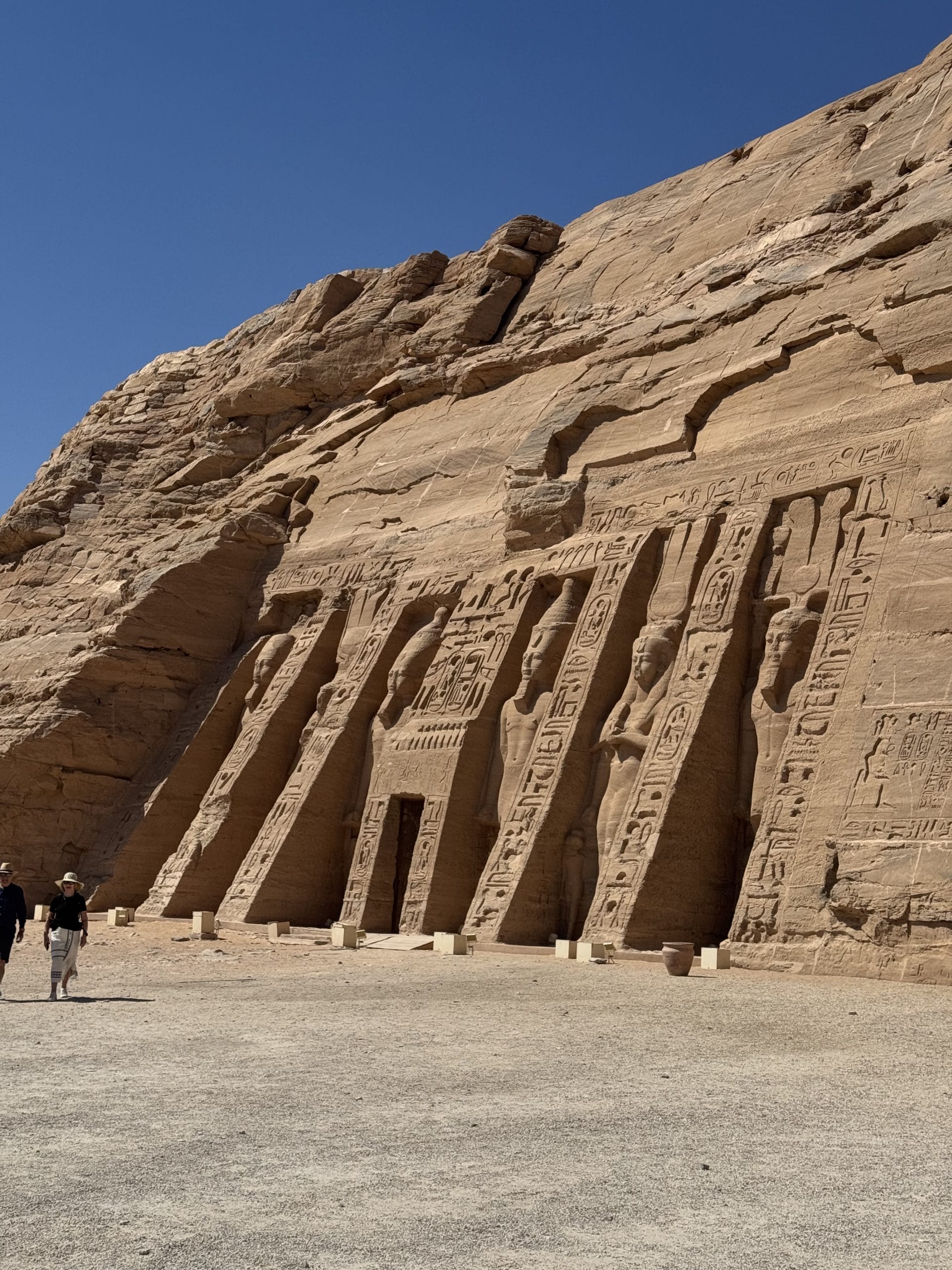
The other controversial element of the lake construction was how many ancient temples would go underwater once the lake was full. A decision was made to save two important temples: the Great Temple of Ramesses II and the Small Temple of Hathor and Nefertari, which we were going to see today. Both temples were dis-mantled, in an engineering miracle, hauled to higher ground, and put back together again. This multi-national project, which involved fundraising by Jackie Kennedy, helped to save these historical treasures. A UNESCO World Heritage Site, the temples were originally built in the 13th century BC, and were resettled in their new home between 1964-1968.
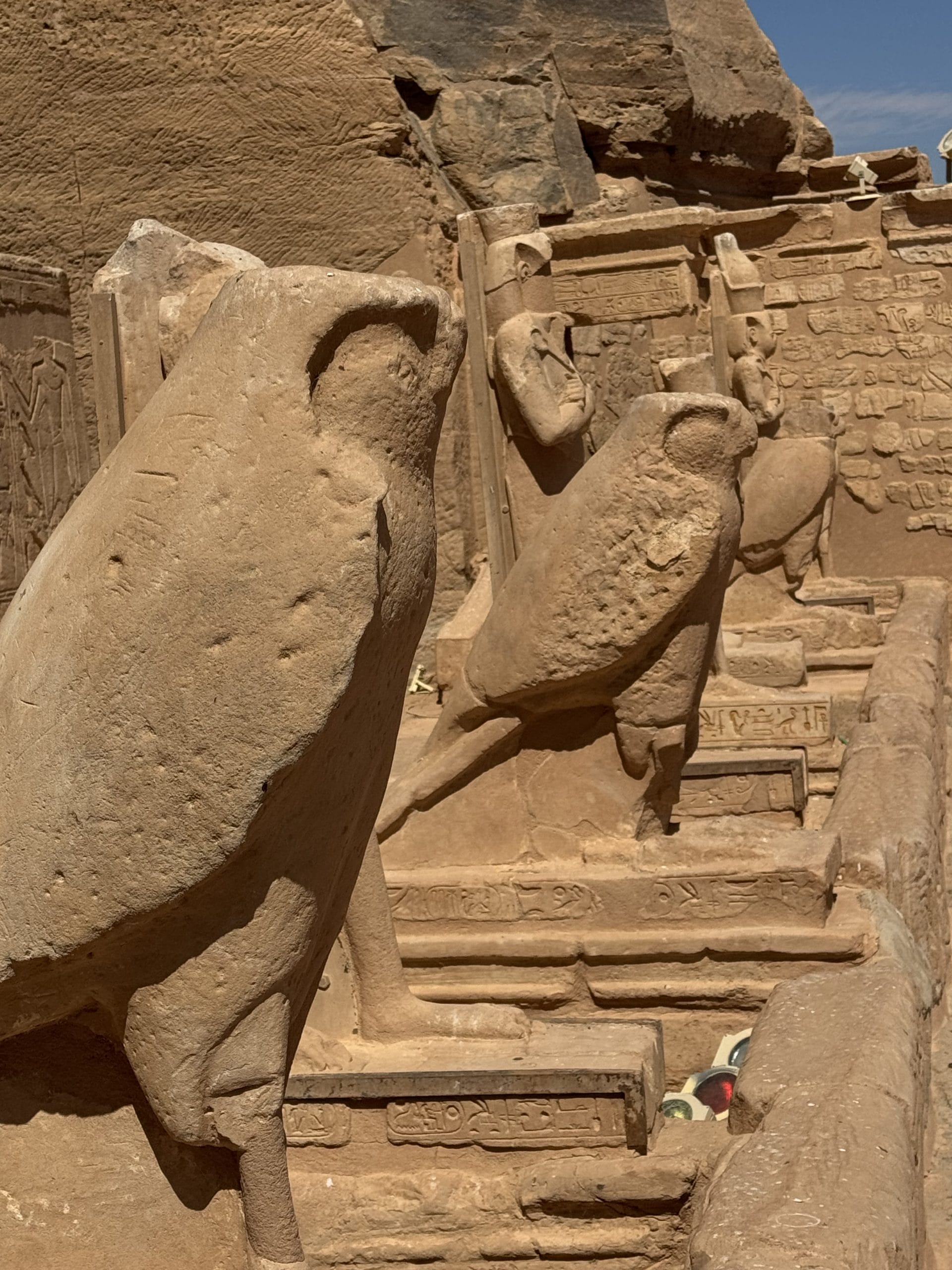
The larger of the two, the Ramses II Temple was built during his reign to honor three Gods; Ra-Horakhty, Ptah and Amun, Egypt’s three state deities of the time, and features four large statues of Ramesses II in the facade. It is believed he wanted to show that he considered himself equal to a God. Ramses II lived a big life; he had 8 wives, over 150 children and ruled for over 69 years. During his reign, he constructed many temples.
Next to the Ramses II Temple, he also built a second temple, to honor the God Hathor and his beloved wife, Queen Nefertiti. Remarkably, this is one of very few instances in Egyptian art where the statues of the king and his consort have equal size. This temple is also unique as most of the reliefs inside are “calm and peaceful”. Music, flowers, and child-birth are common themes.
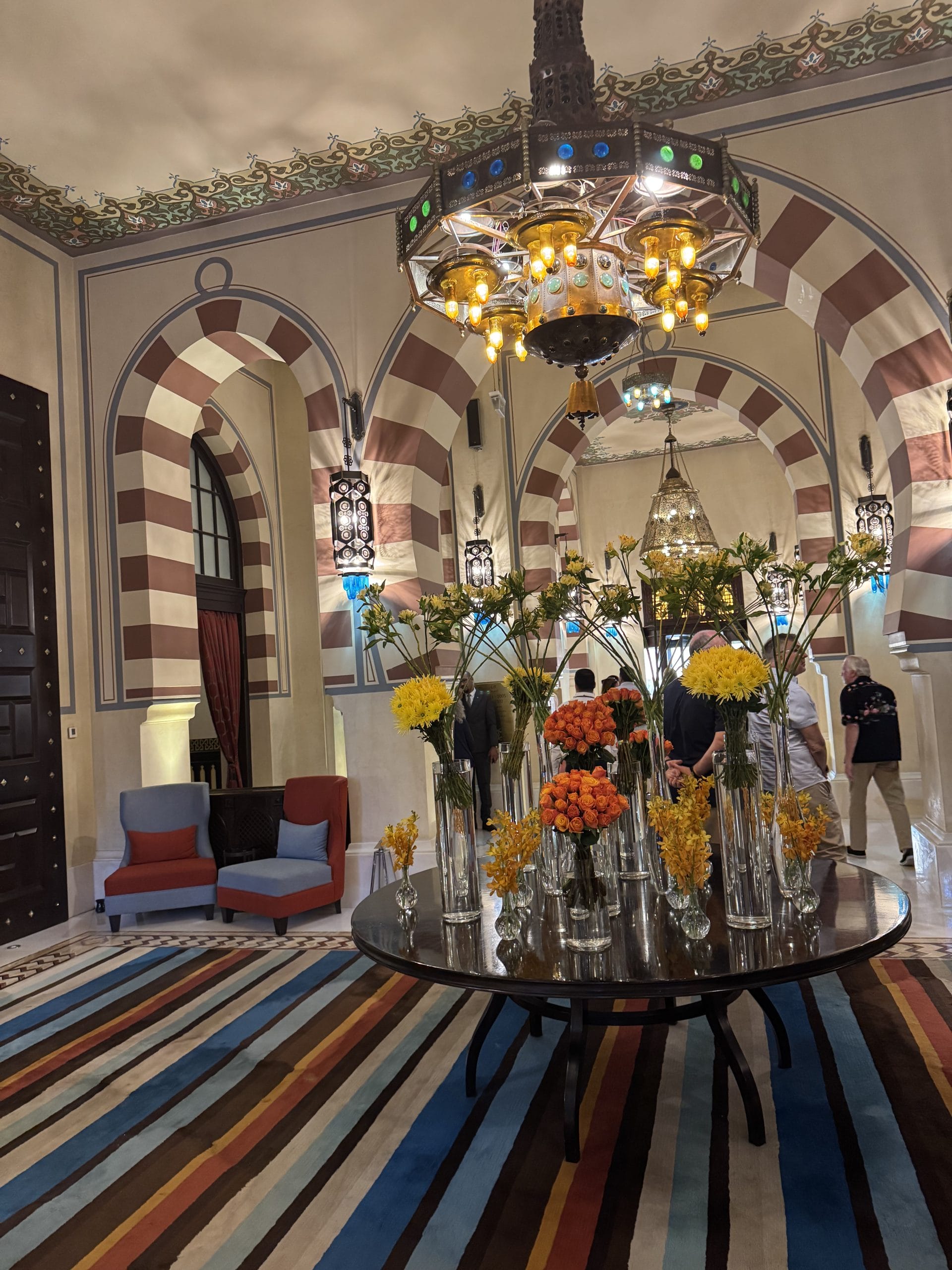
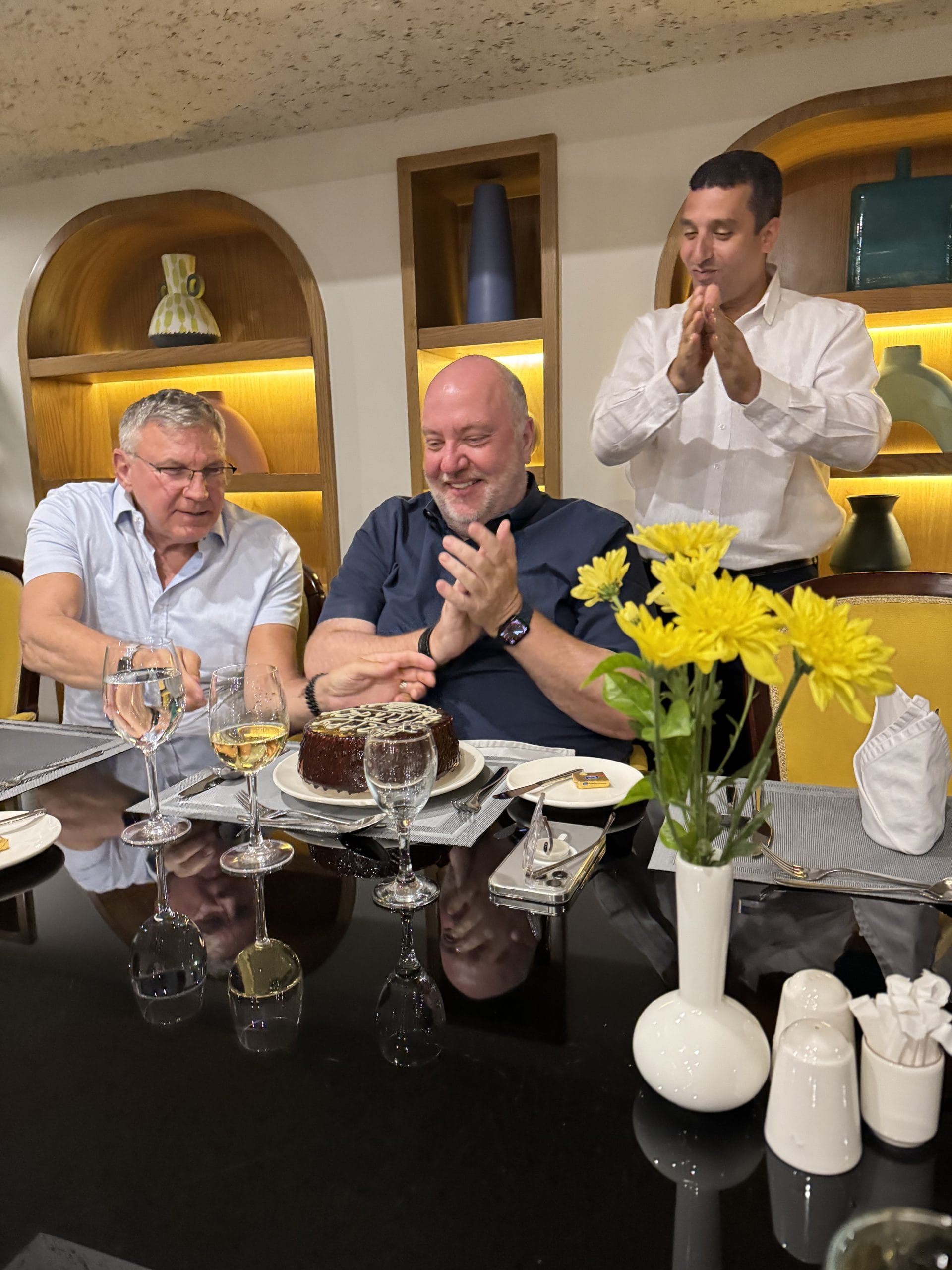
After our 3-hour return trip to Aswan, we rejoined our AmaWaterways group for a visit to the famous Old Cataract Hotel for a late high-tea. The sun setting and the hotel setting were amazing. Later back on board the ship, we were entertained by Nubian musicians and dancers. And then we celebrated Peter’s birthday!
Tomorrow: Philae Temple, Nubian Village, Great Temple of Kom Ombo
Post Gallery
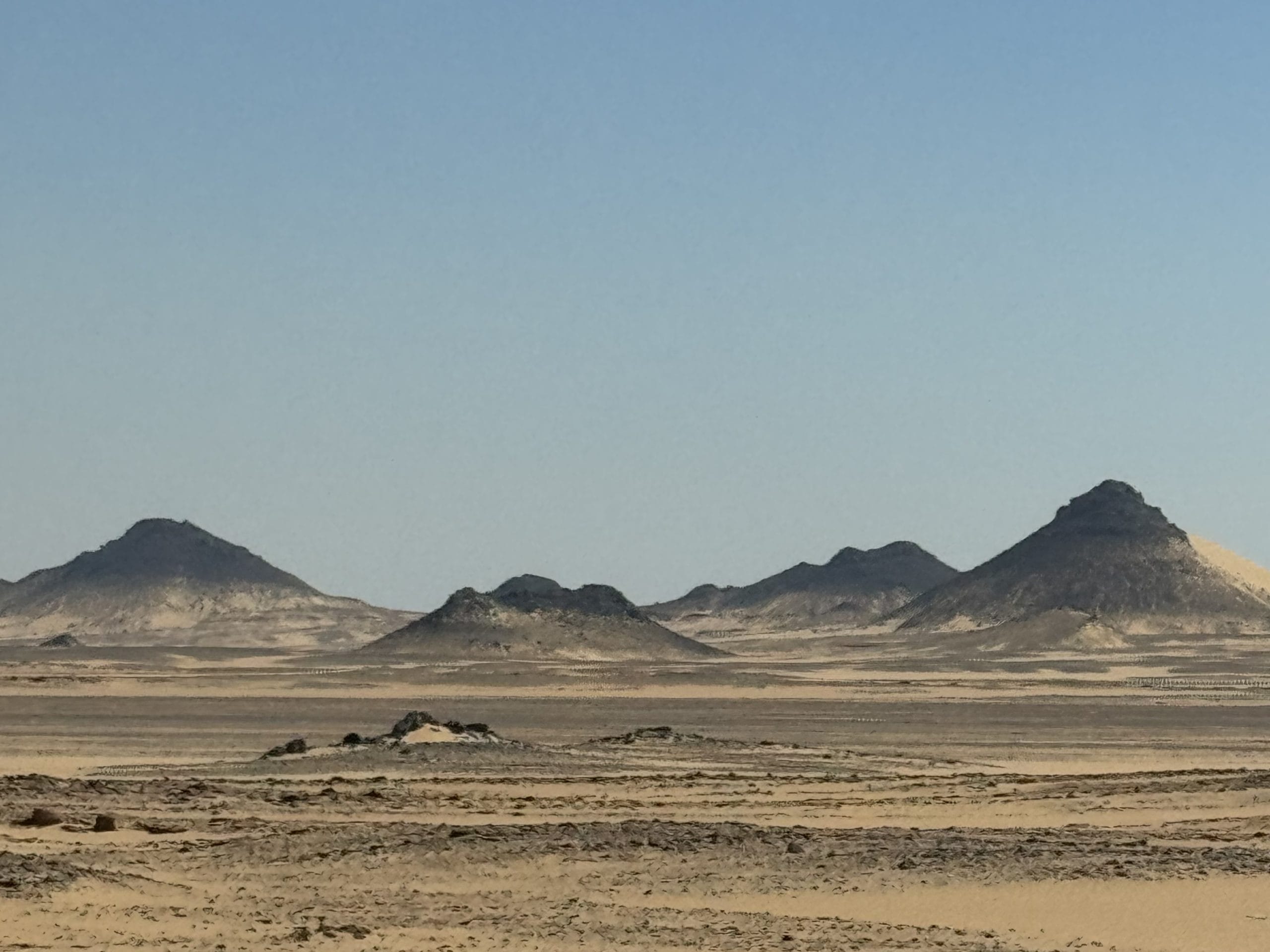
More images from the Sahara.
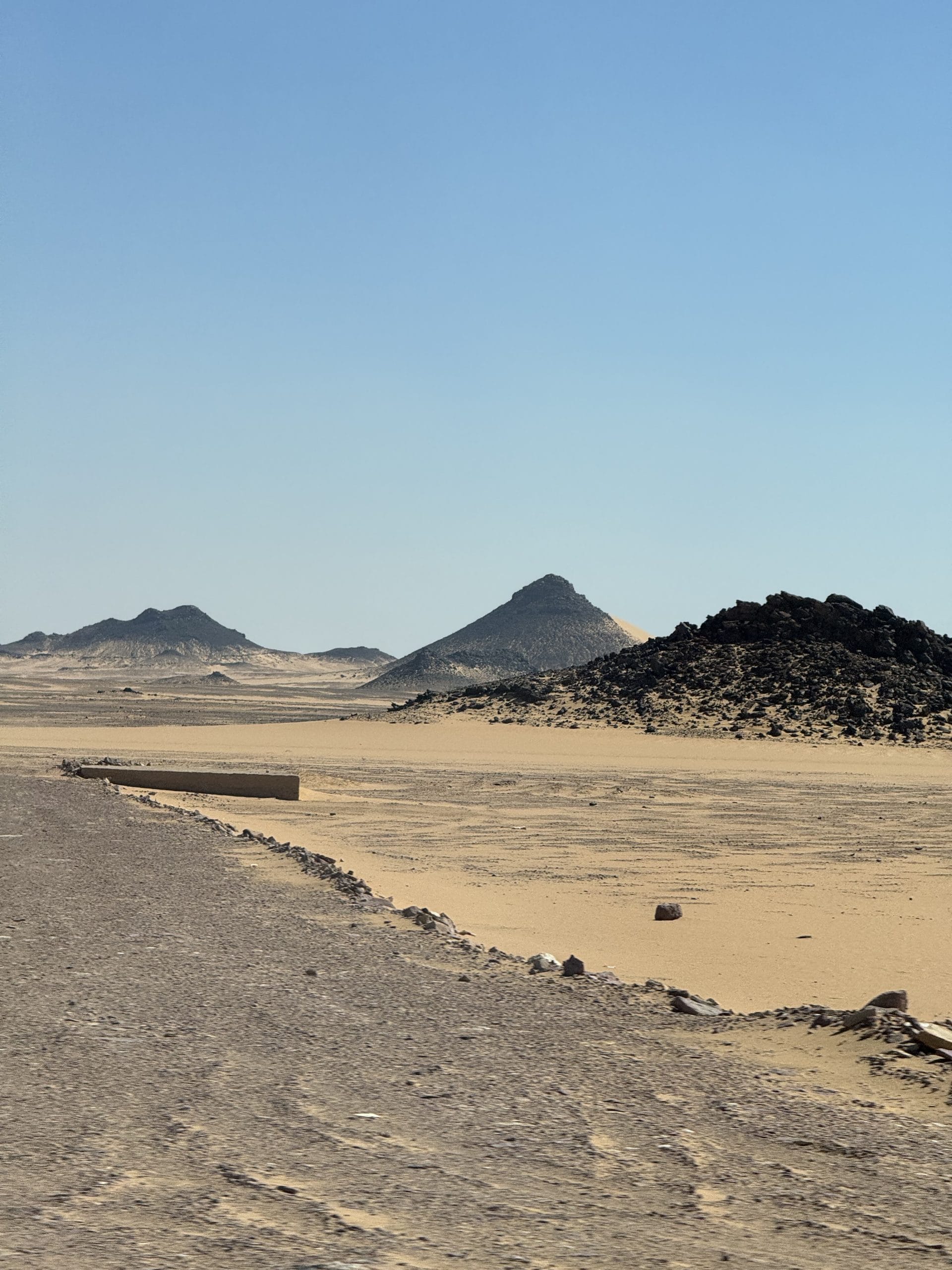
The Sahara desert on way to Abu Simbel.
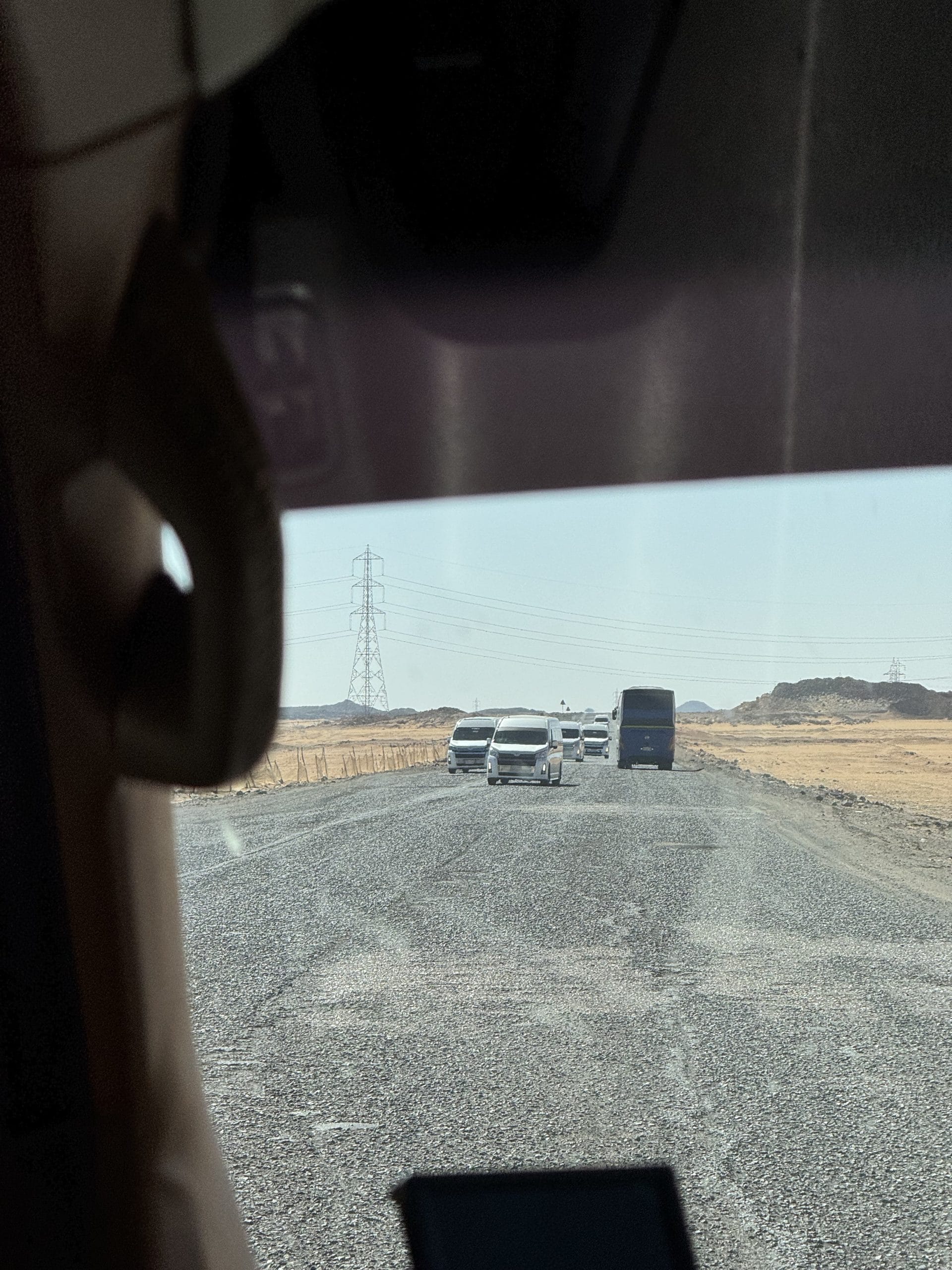
There did not appear to be lanes that were adhered to.
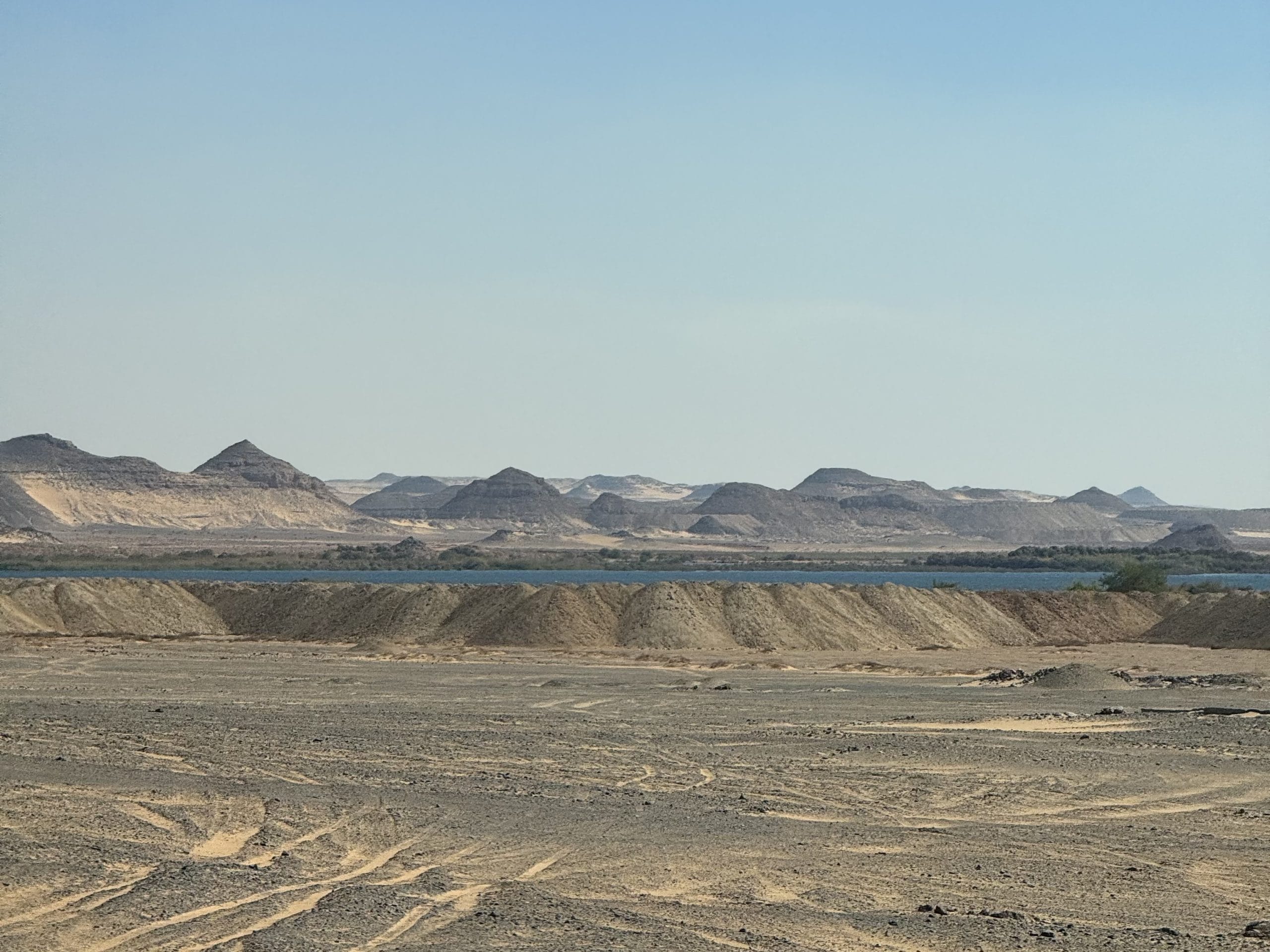
First look at Lake Nasser.
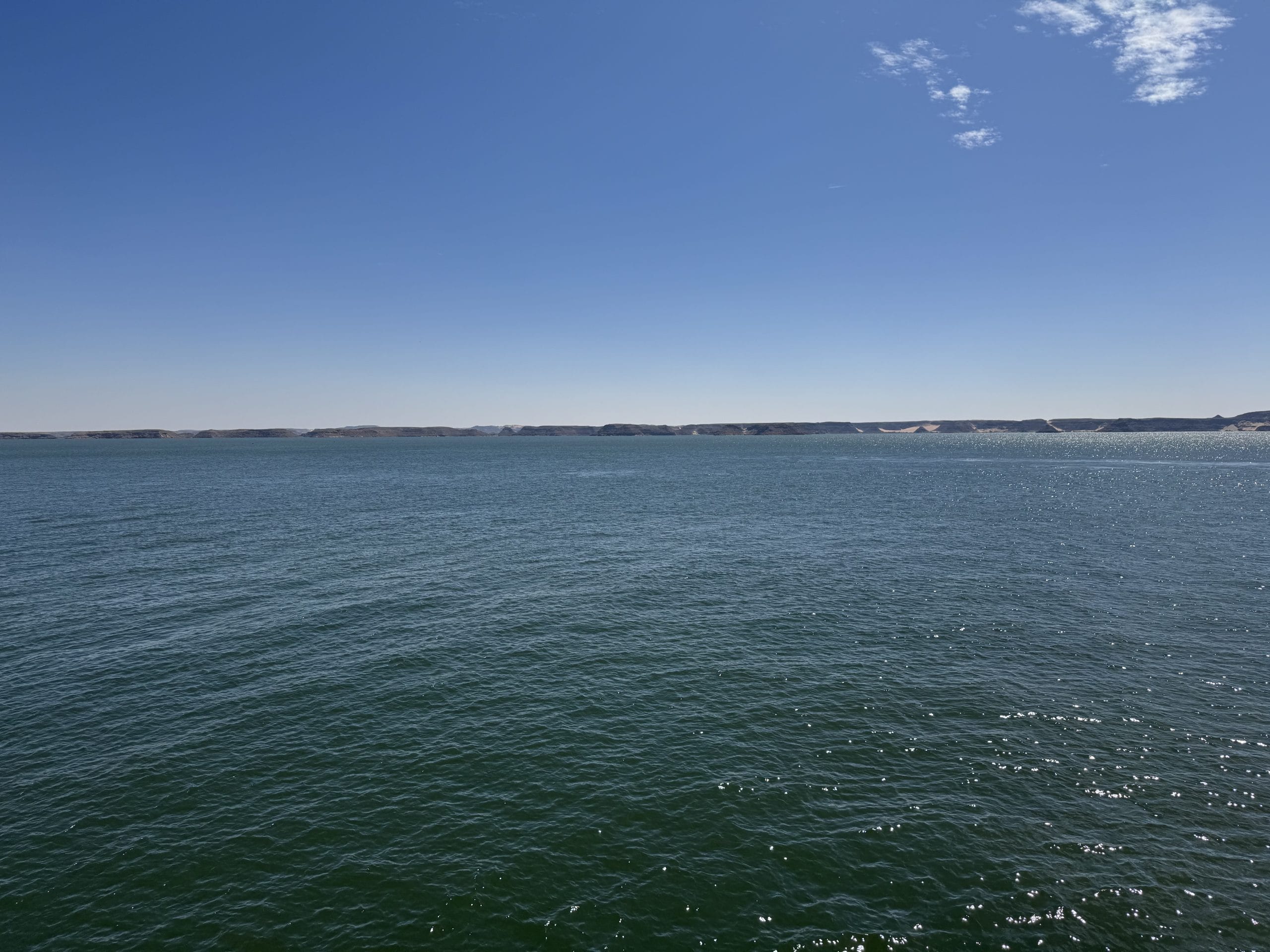
Lake Nasser
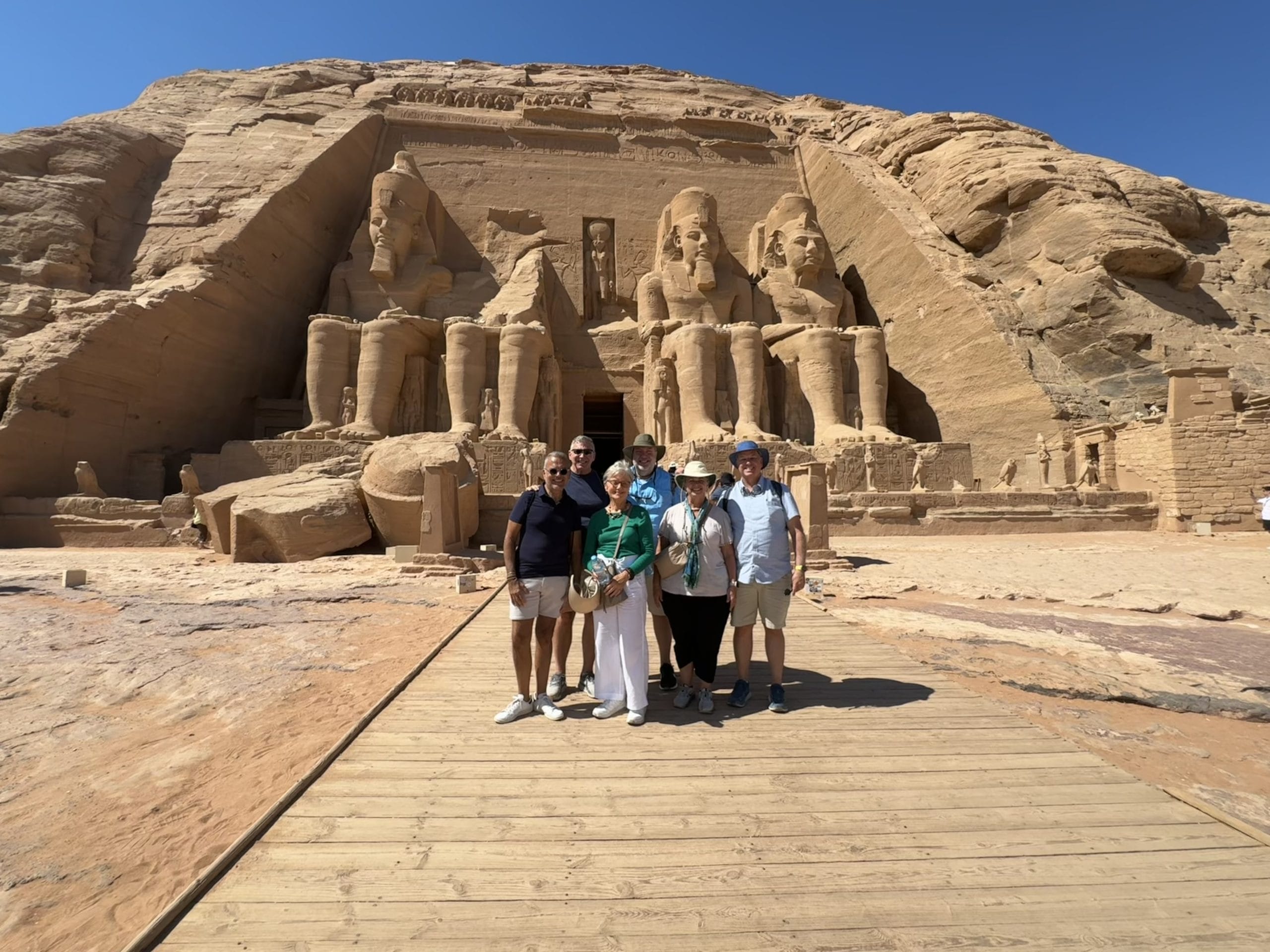
Outside Ramses II Temple
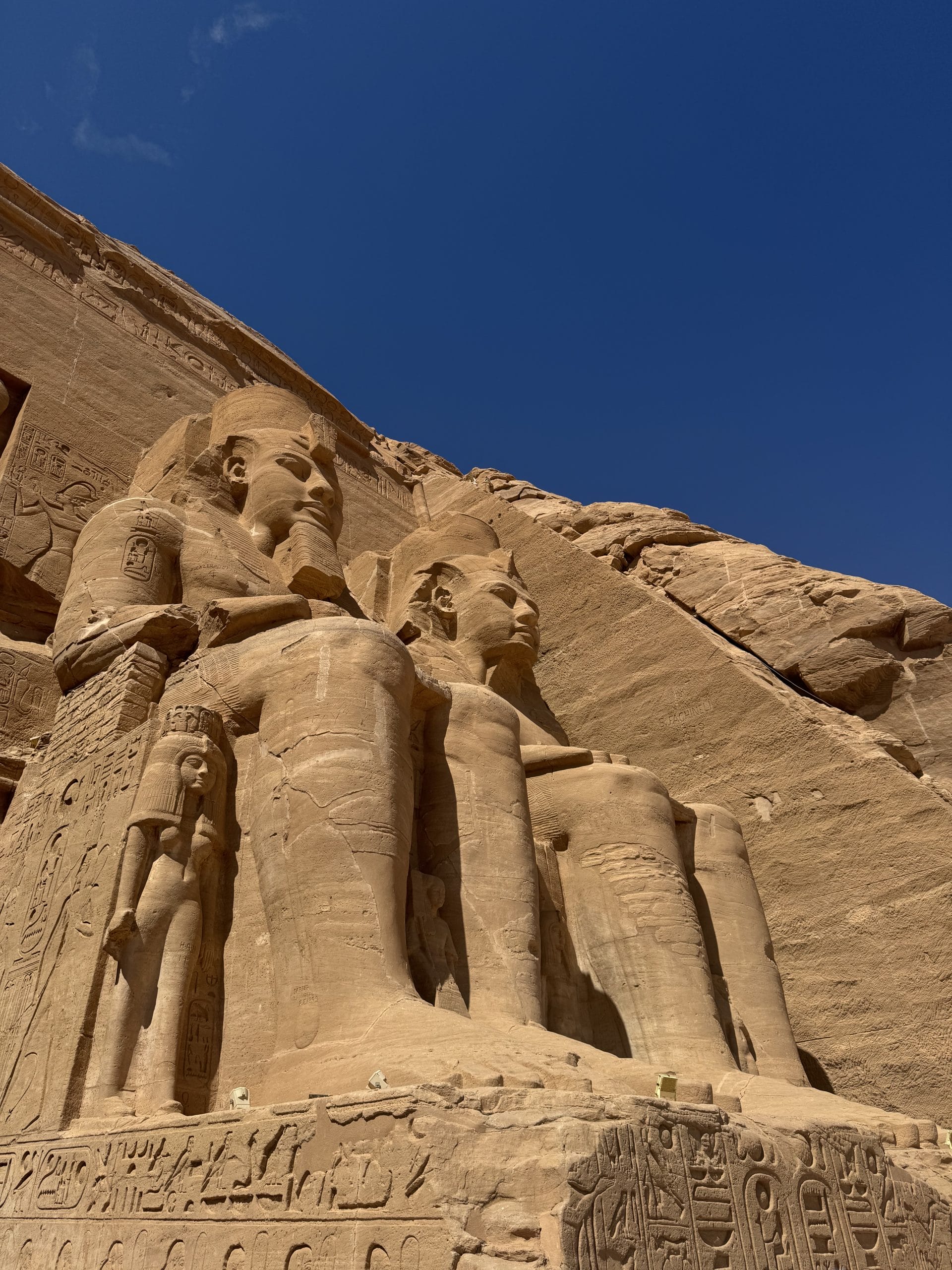
Ramses II Temple
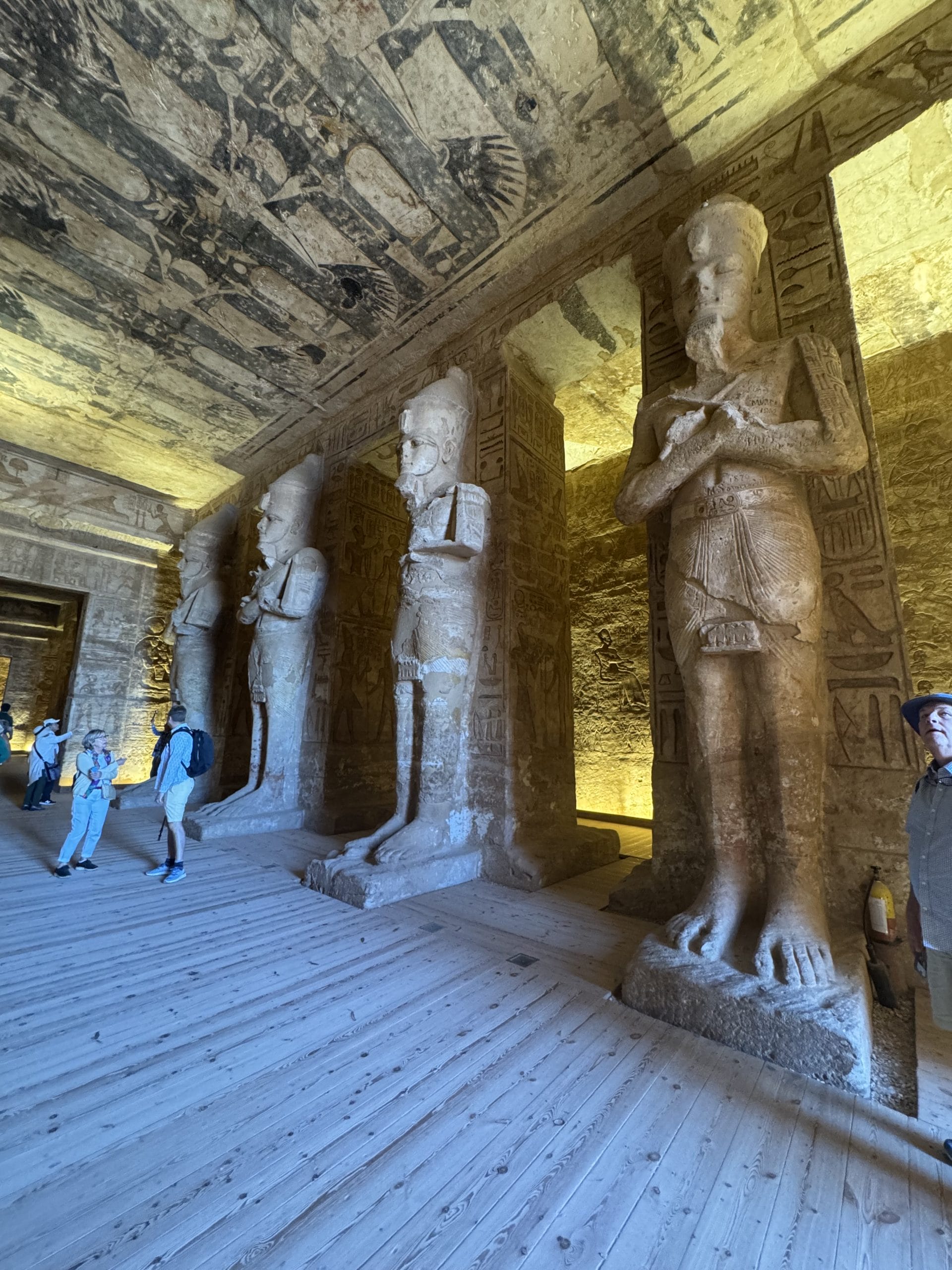
Oh,Ramses!! I can't imagine you with TikTok!!
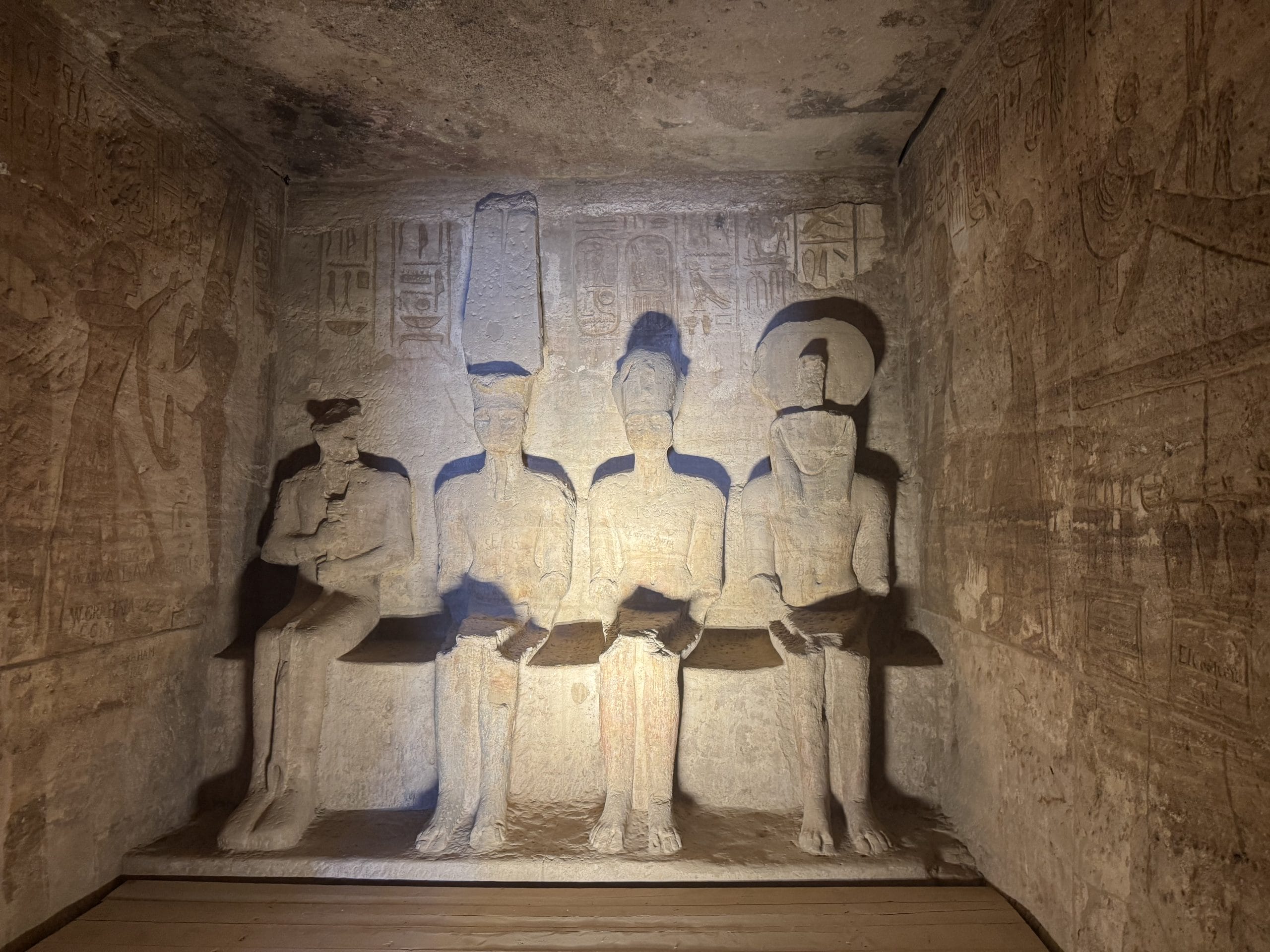
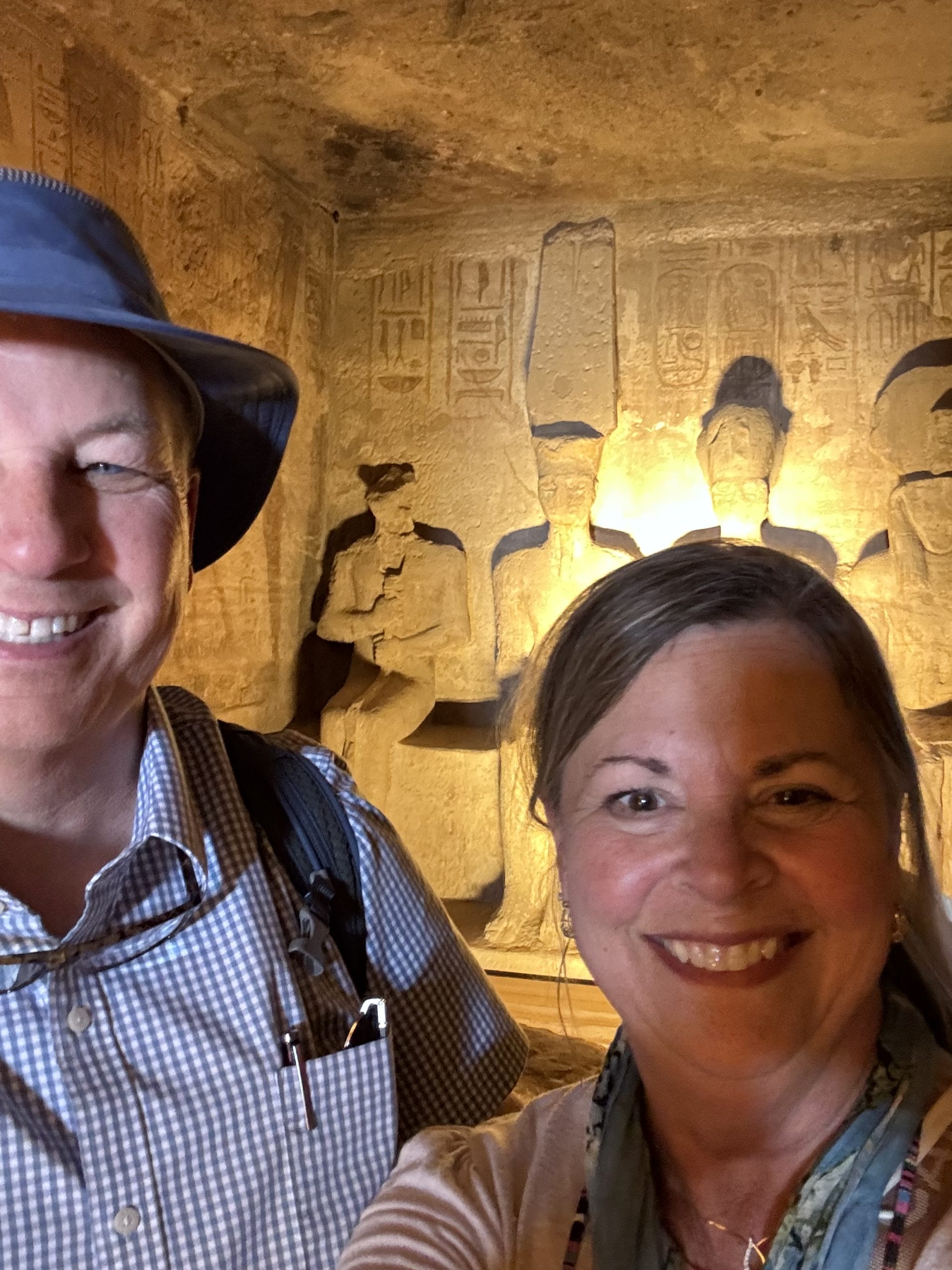
Marsh, a God, Ramses II, Sharon, two more Gods.
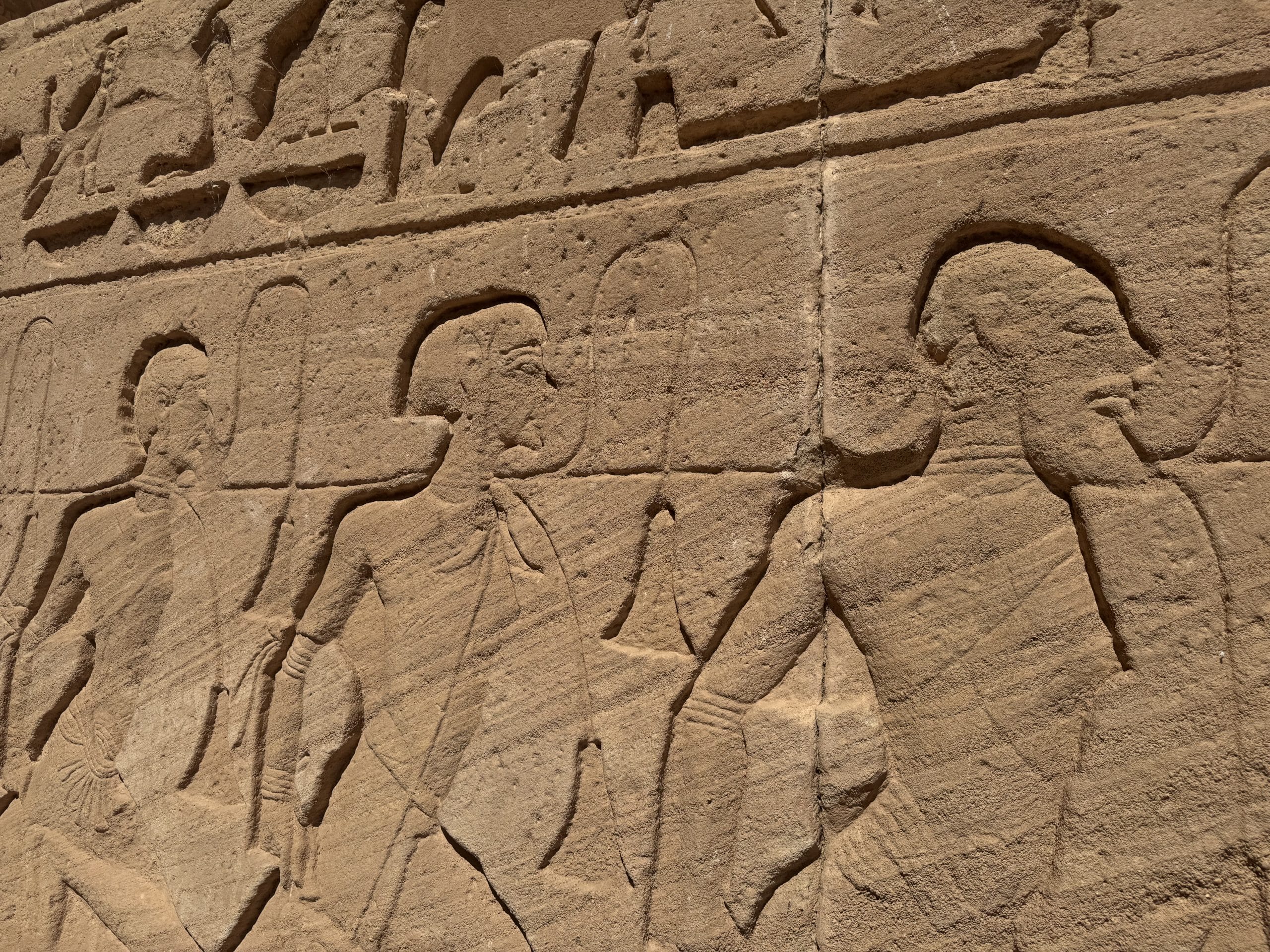
Asiatics
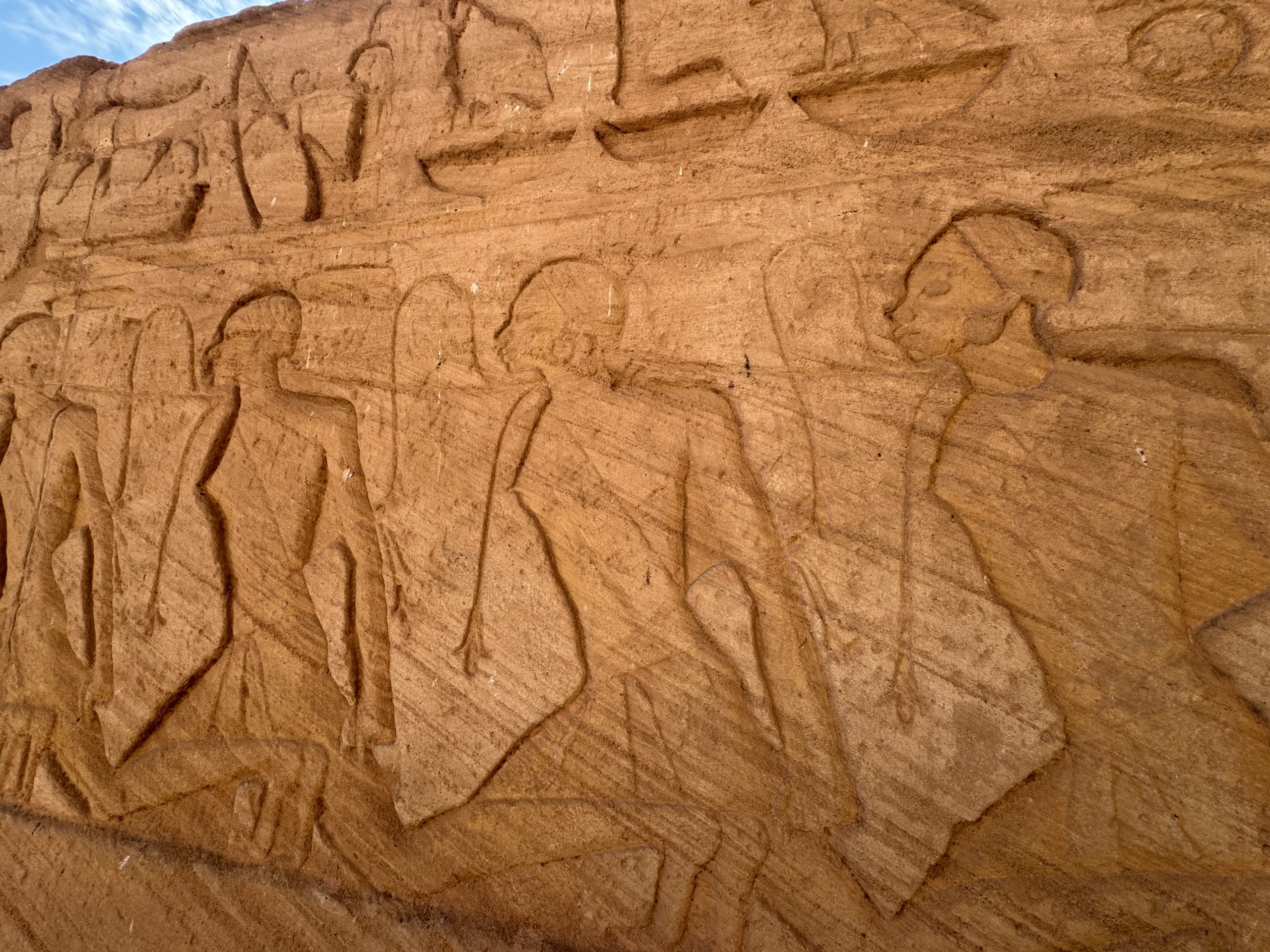
Nubians
Outside Nefartiti Temple
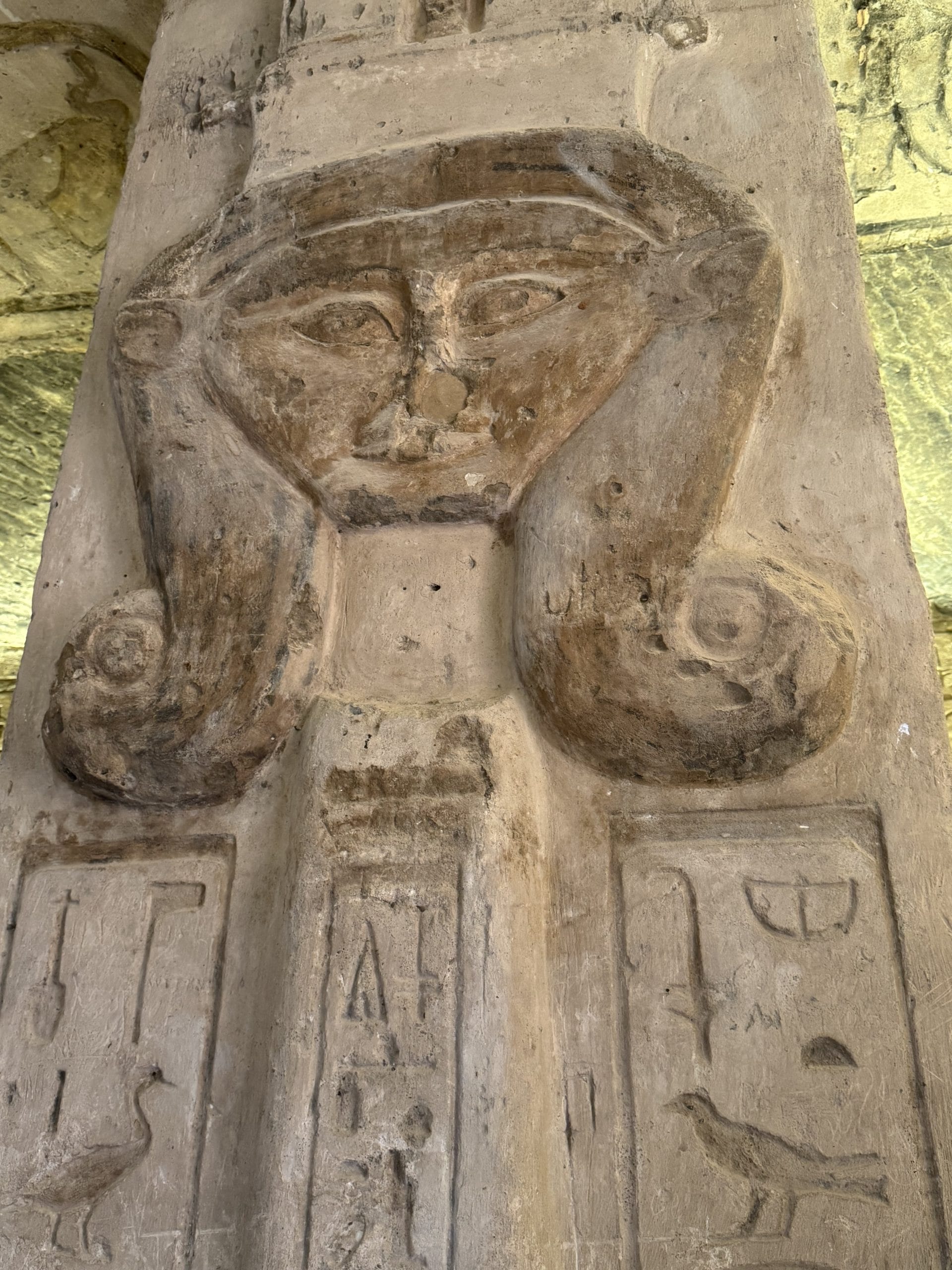
Queen Nefartiti
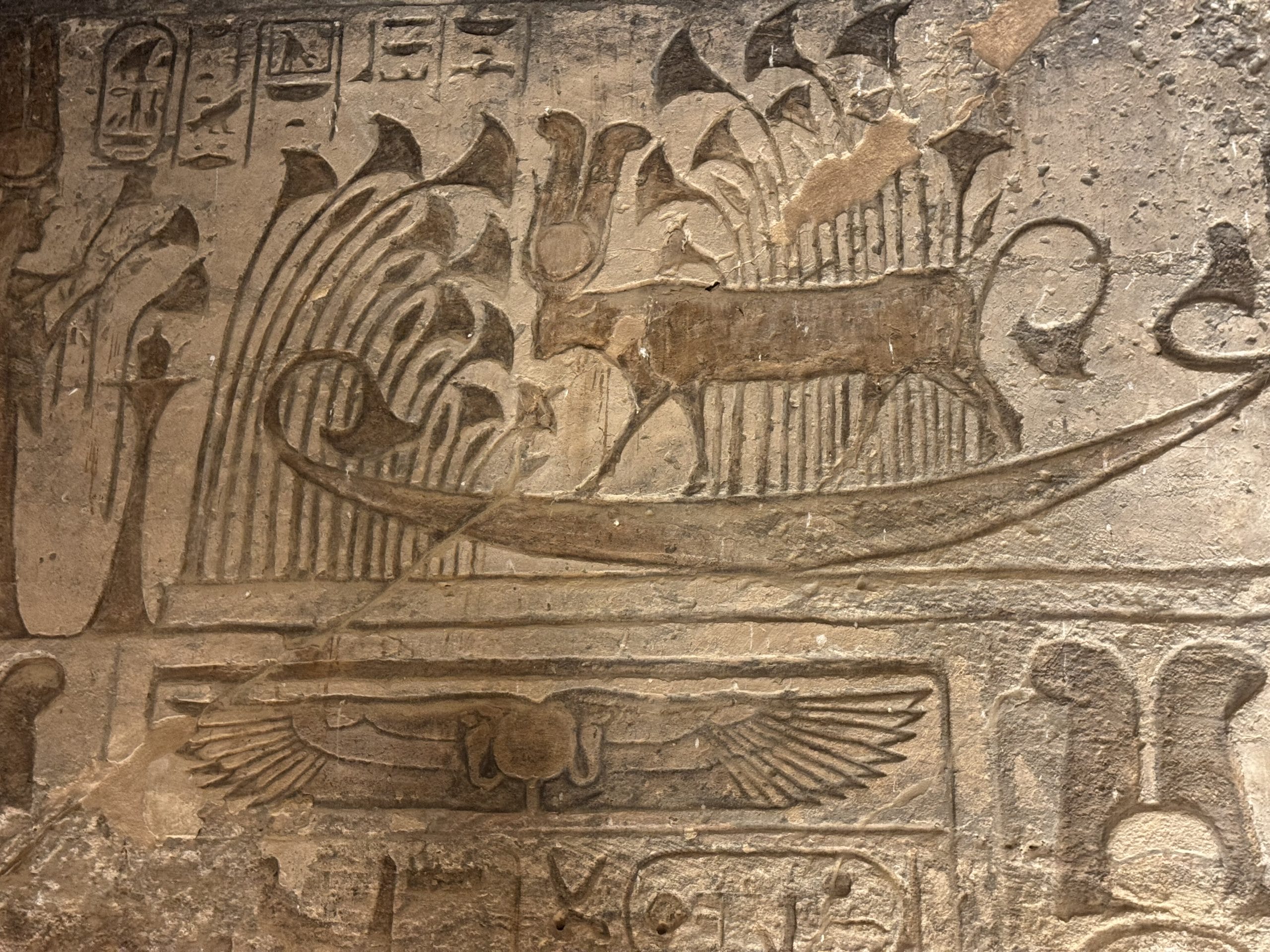
Inside Nefertiti's Tmple
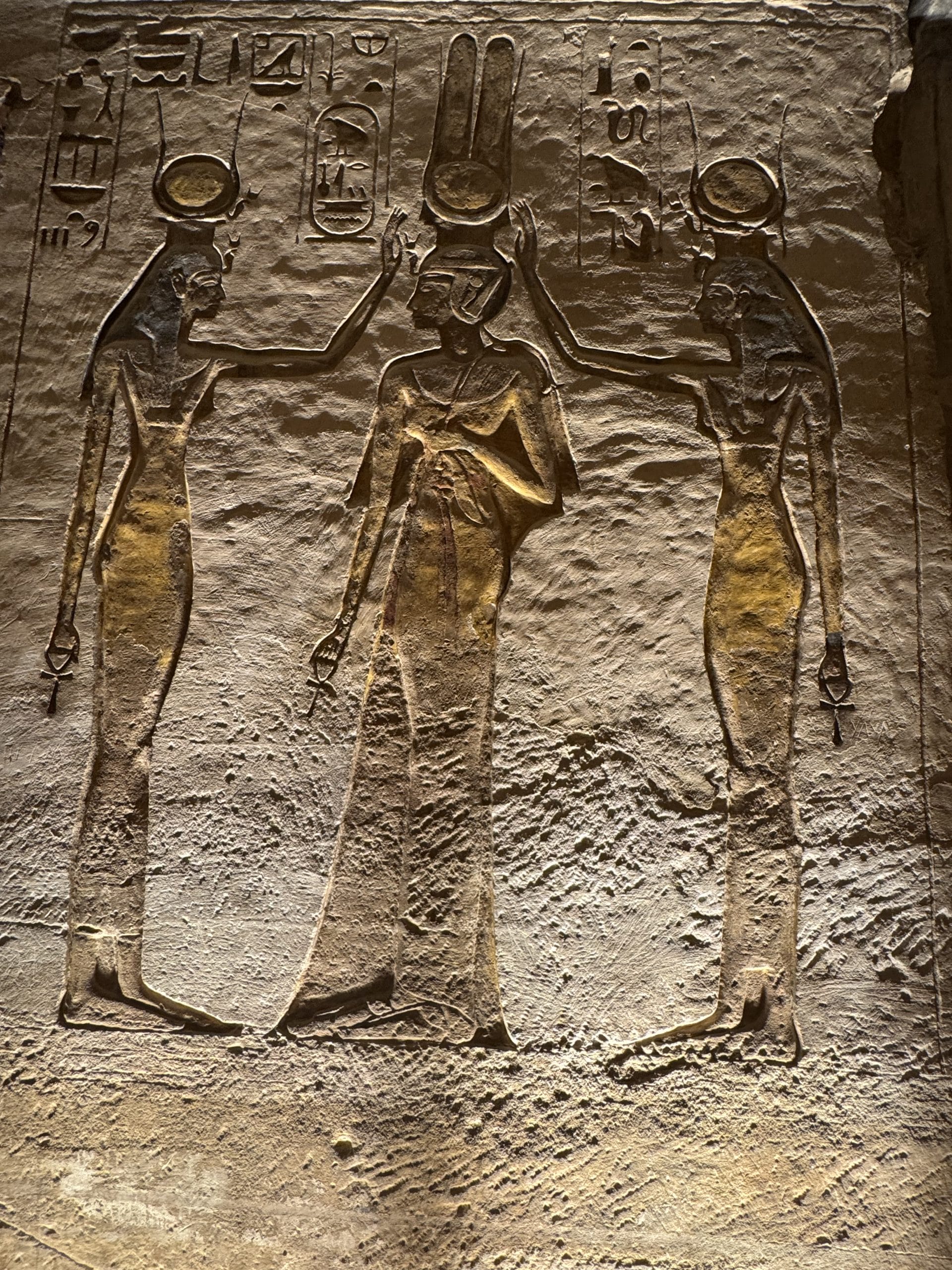
Queen Nefertiti and her ladies.
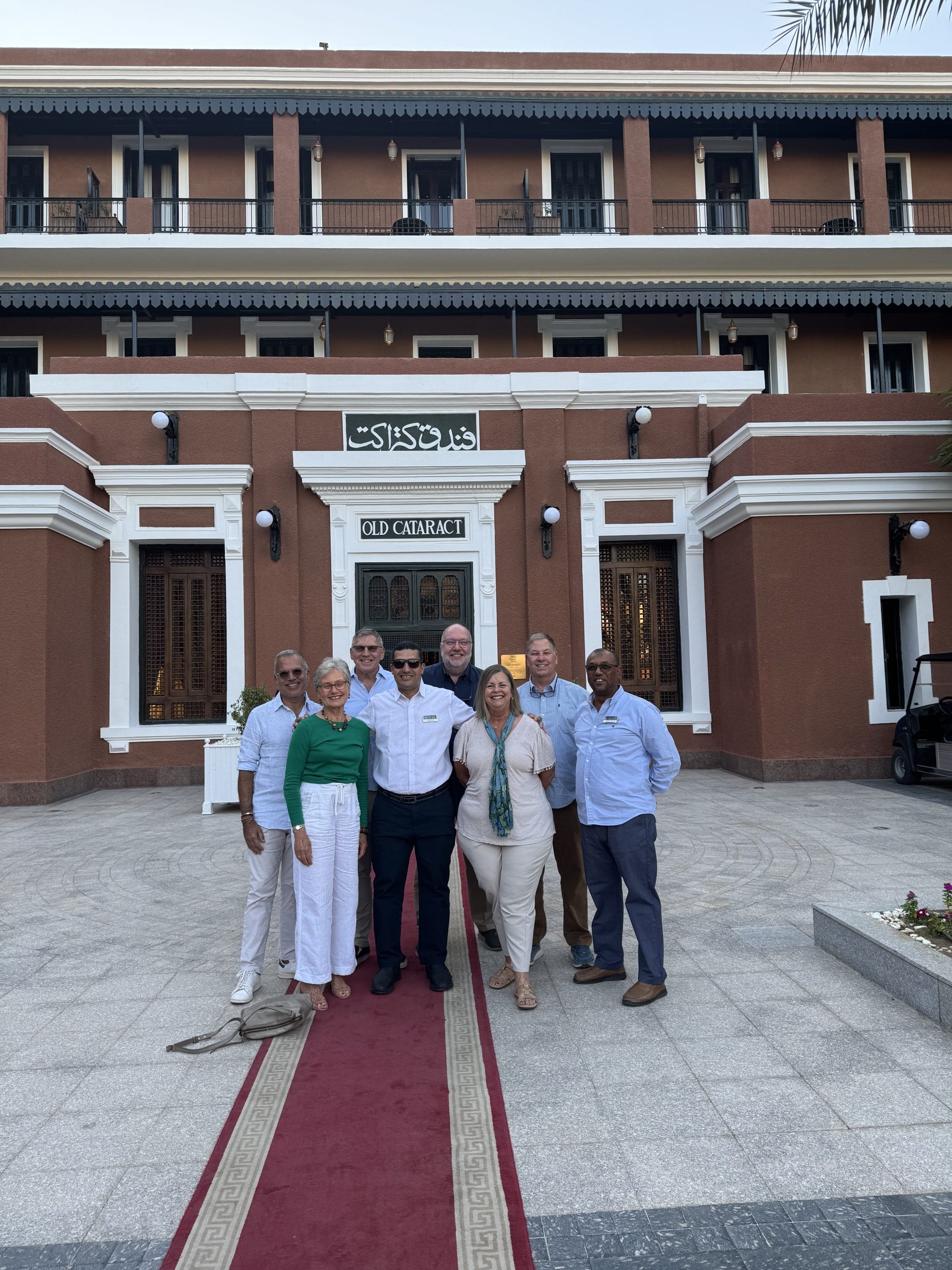
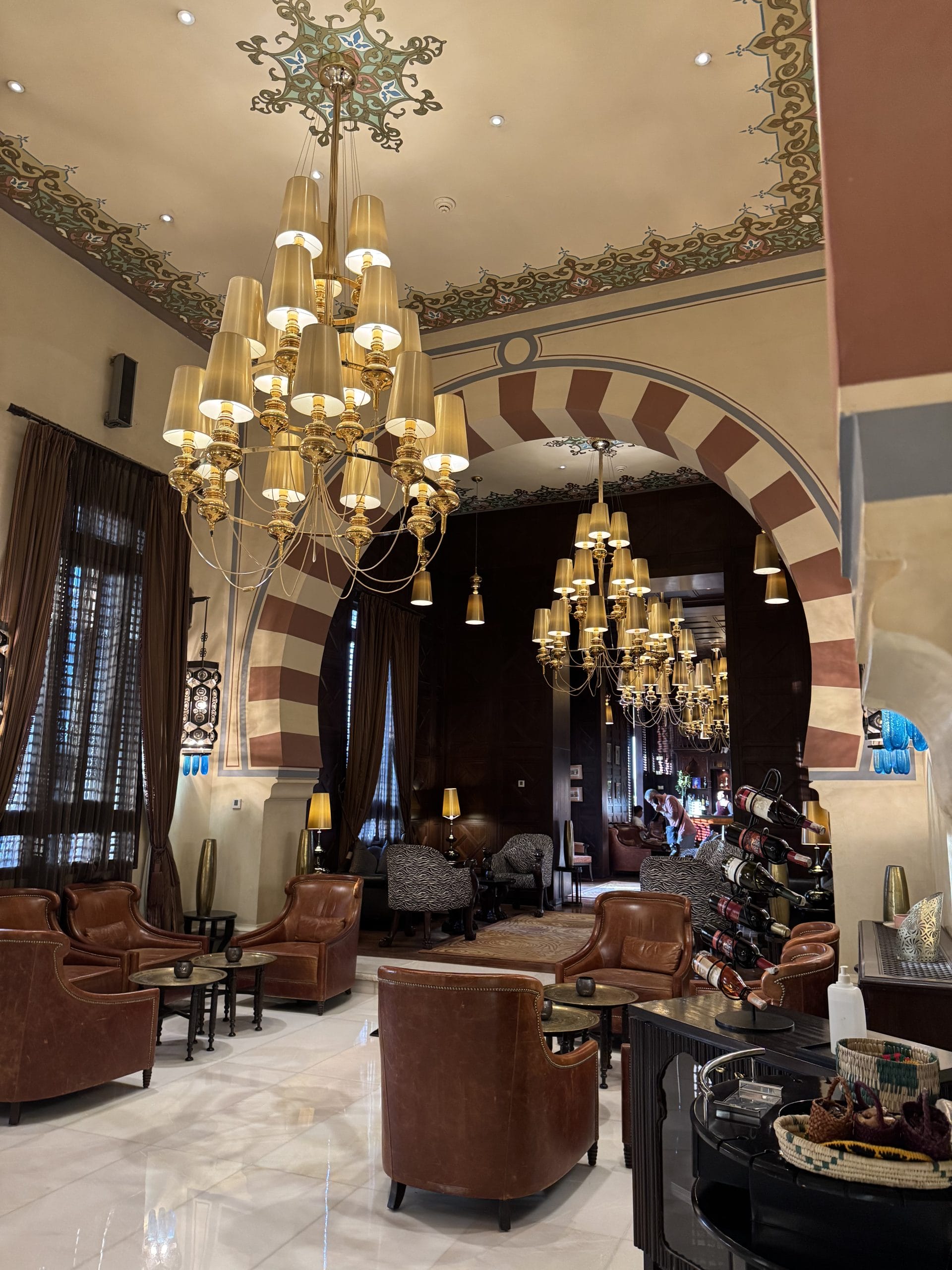
Old Cataract Hotel
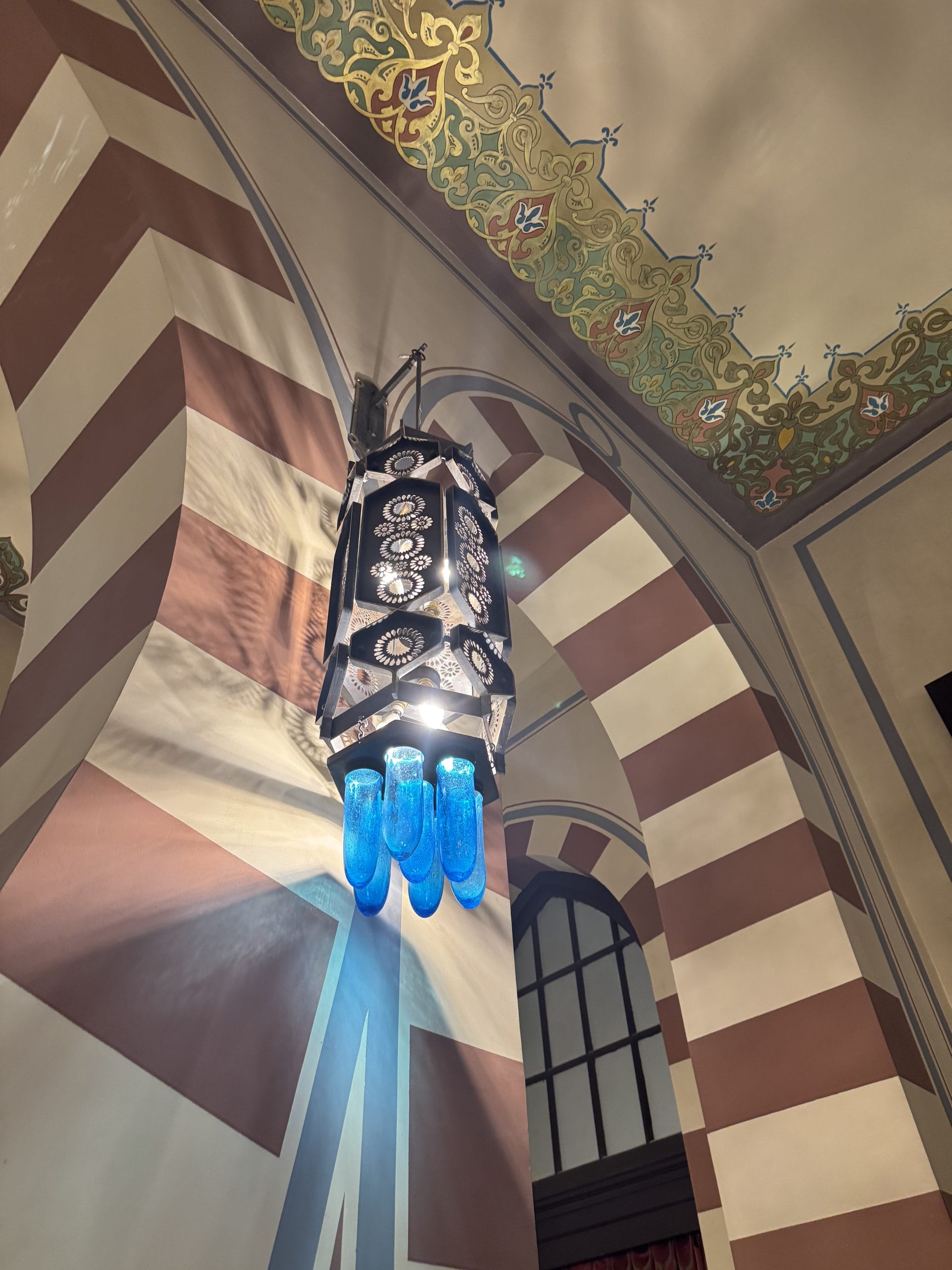
Arches and lighting at Old Cataract Hotel
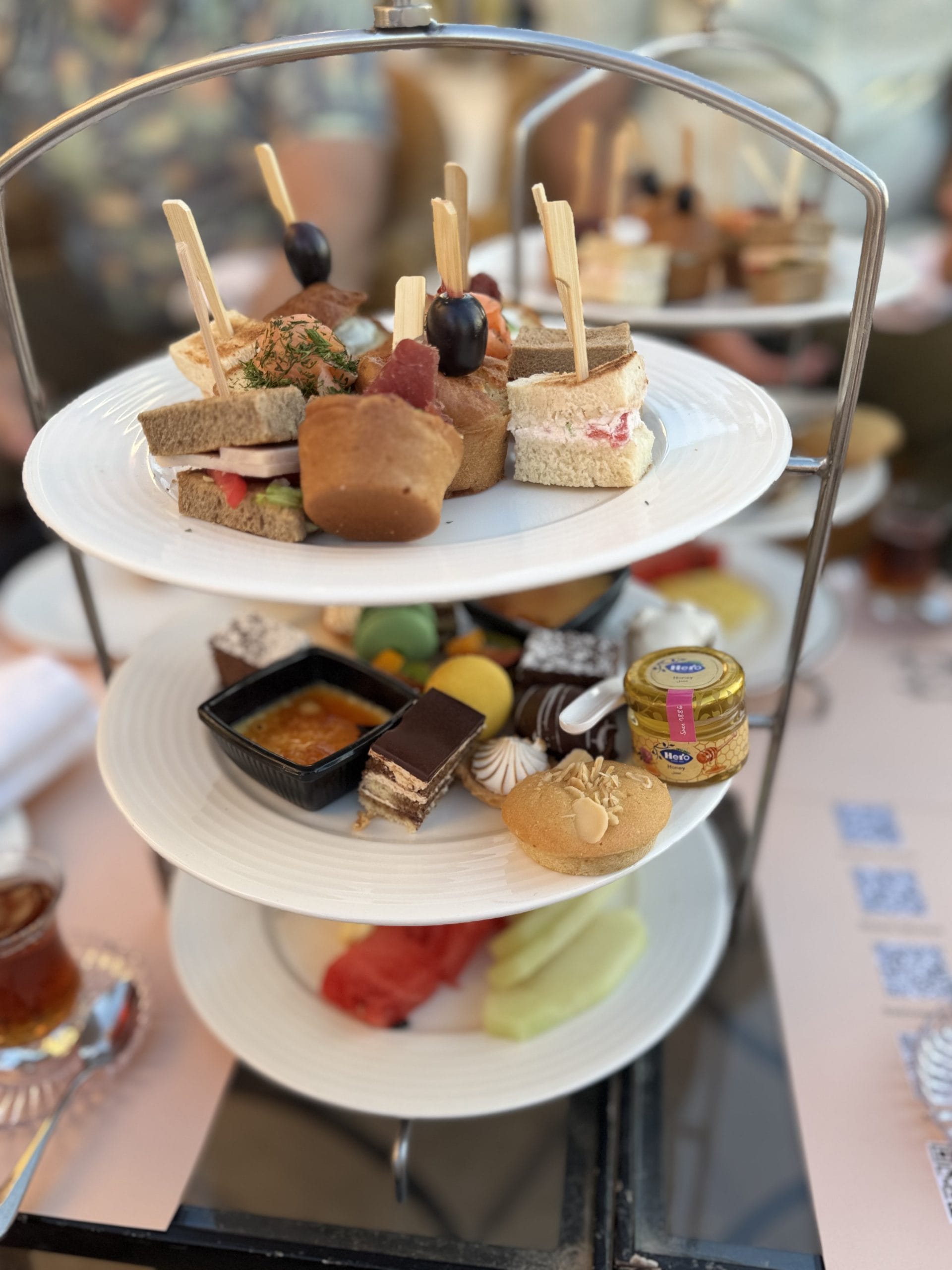
Our High Tea treats!
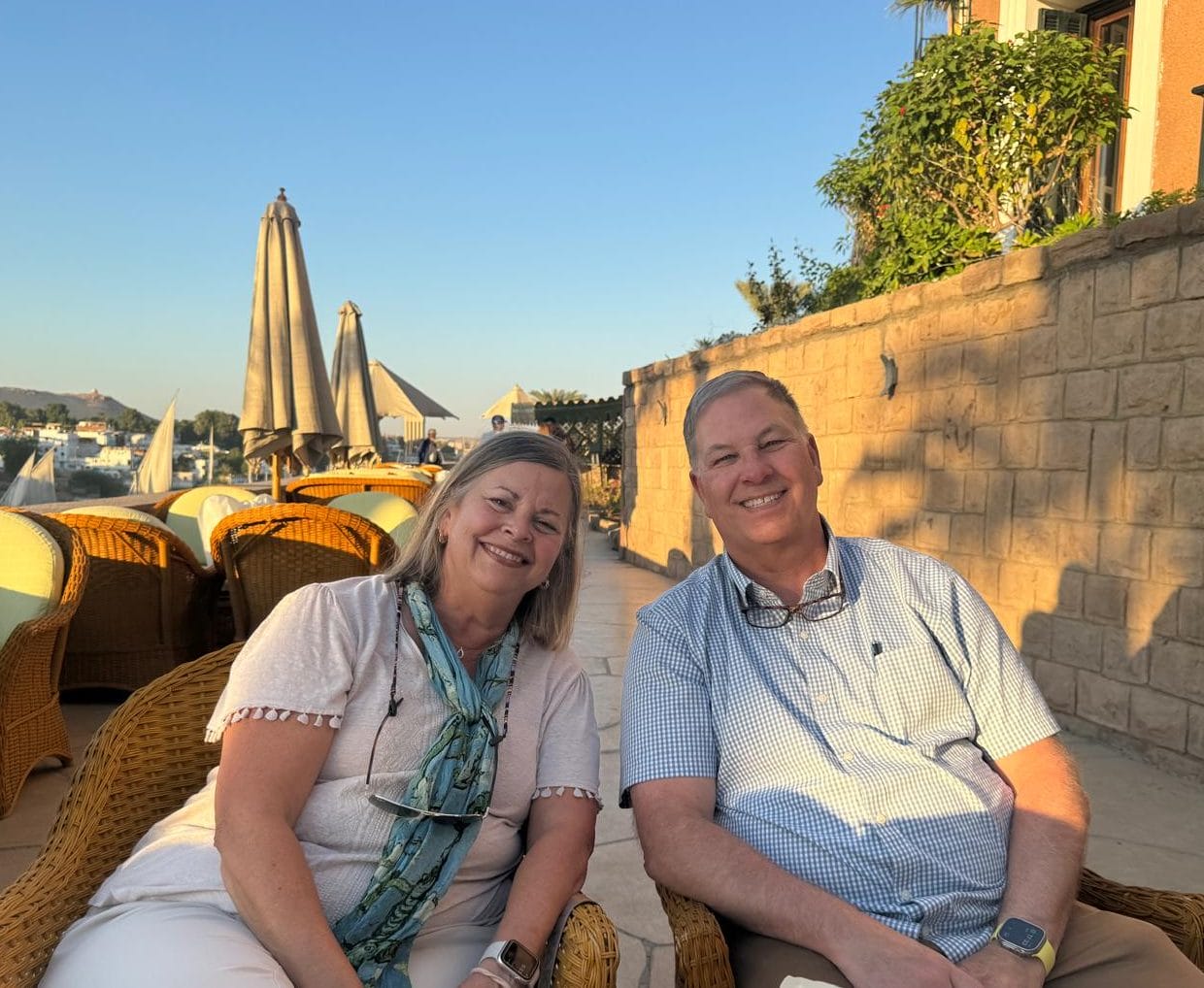
At the Old Cataract Hotel
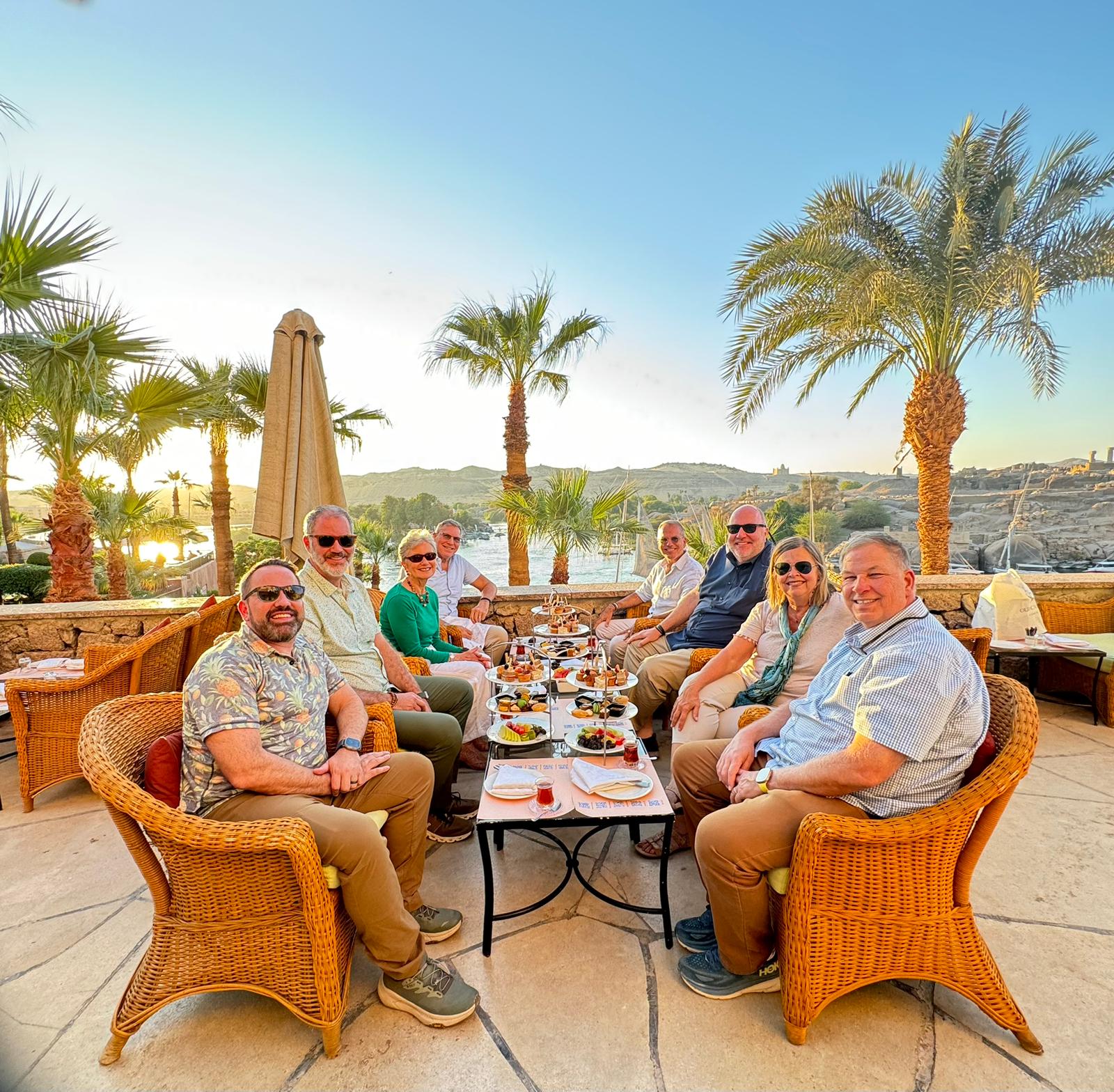
High Tea at the Old Cataract Hotel
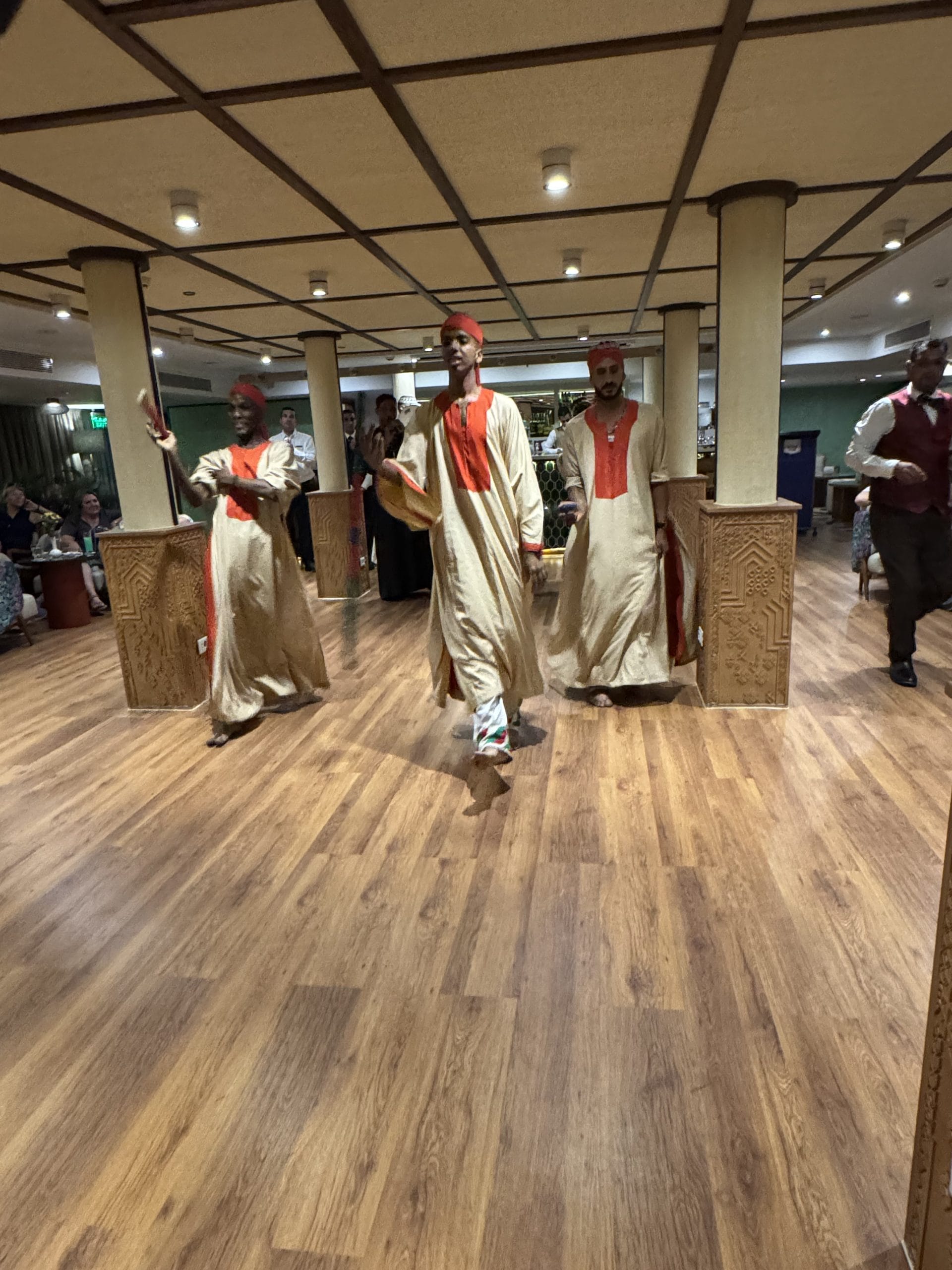
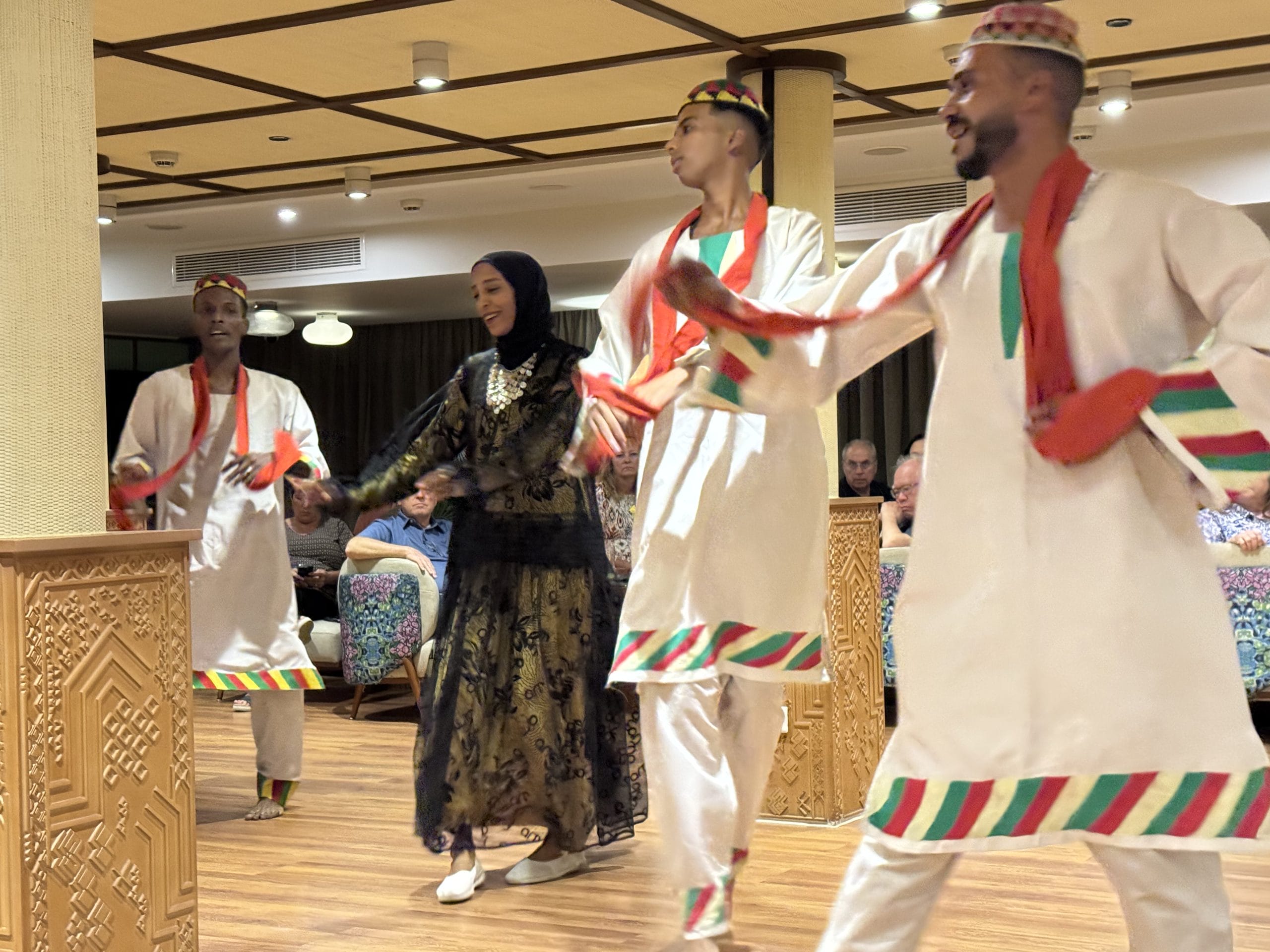
Nubian dancers
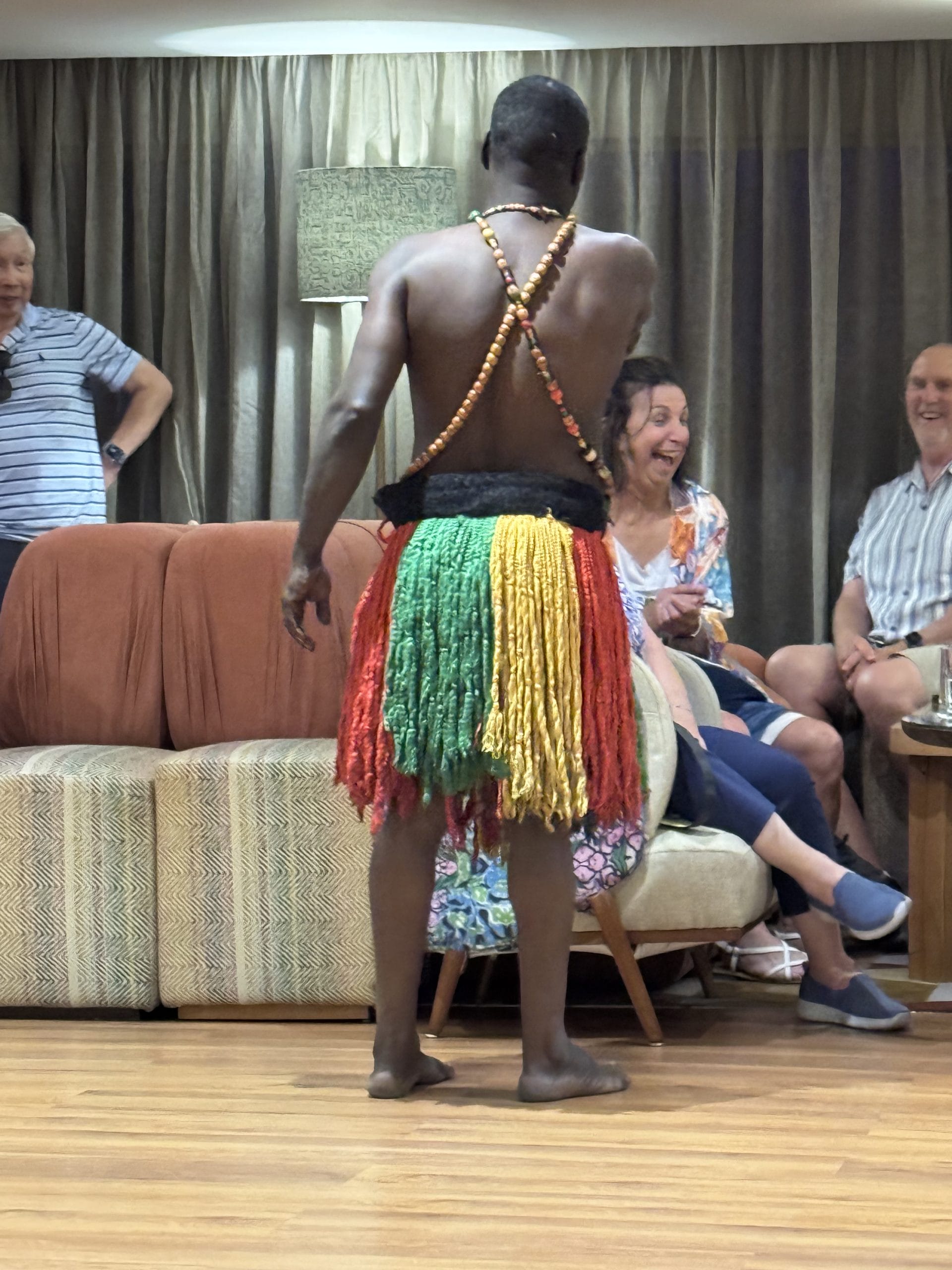
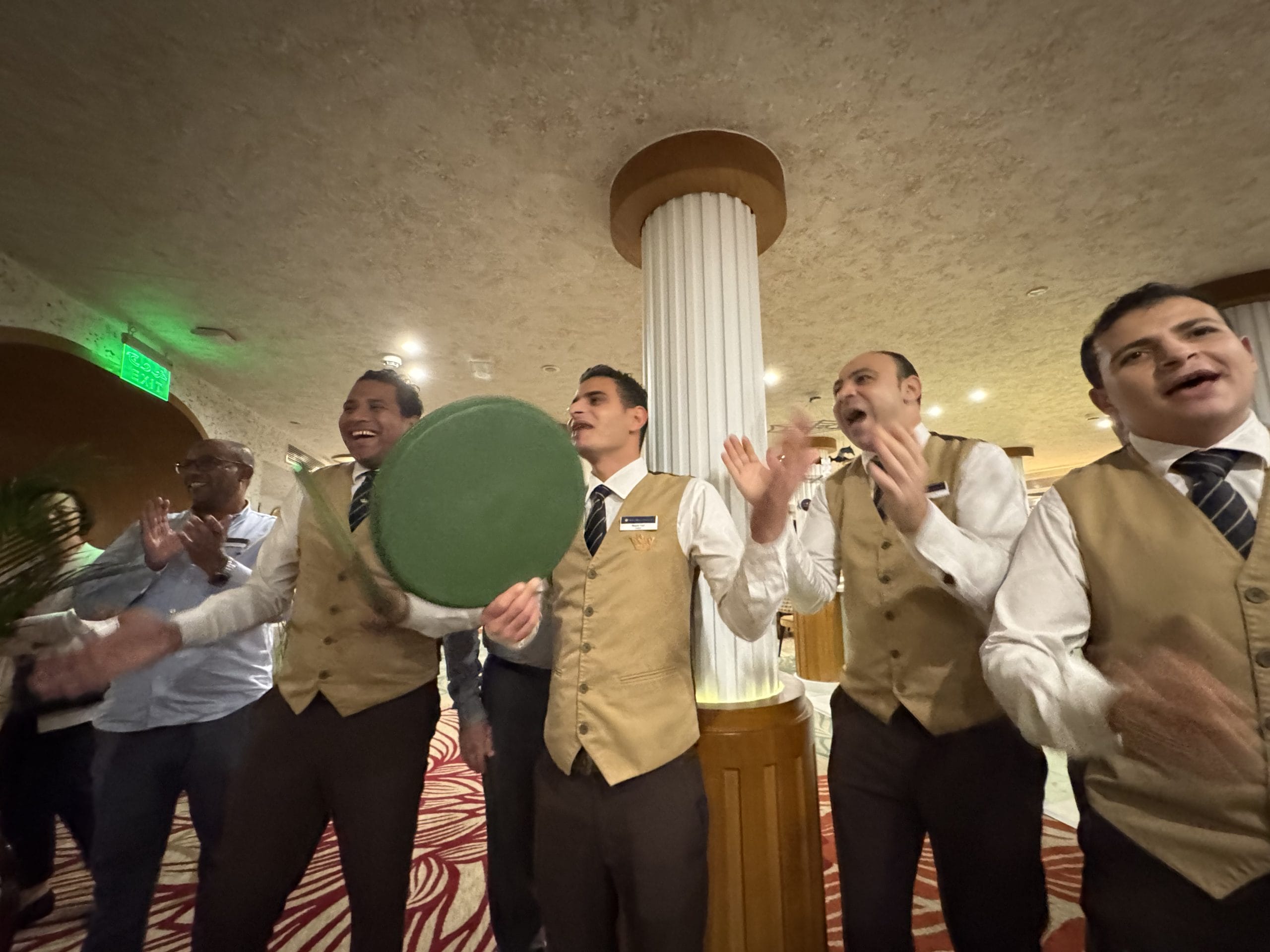
The waiters all sang the traditional Egyptian birthday song.
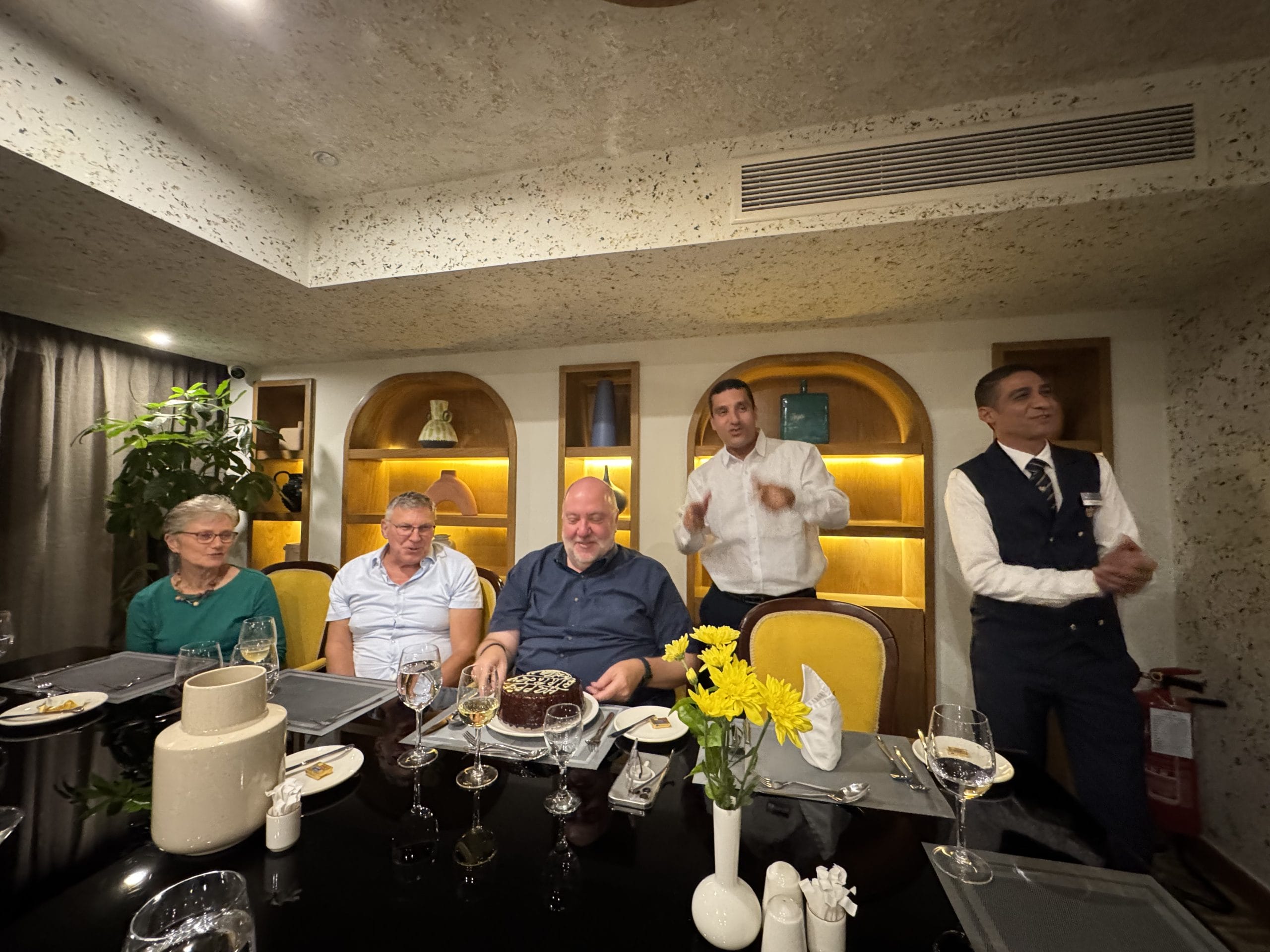
Celebrating Peter's birthday!
In history, what do these artifacts date?