
Lake Manyara
We were headed to Lake Manyara this morning and did not have far to travel, so we enjoyed a late start of 8:30am. It was foggy outside, so the descent from the crater rim was slow, with not much to look at. Along our route, we stopped at two souvenir/art shops that offered goods made by the Maasai. We picked up a couple of wooden bowls, with intricate patterns representing zebra and giraffe markings.
Our guide Zamoo briefed us on what to expect at Lake Manyara National Park, one of the smallest parks in Tanzania, covering an area of 125 sq mi including about 89 sq mi lake surface. The lake is shallow (10 ft deep) and alkaline, at an altitude of 3,150 ft, formed in a depression in the Great Rift Valley System.
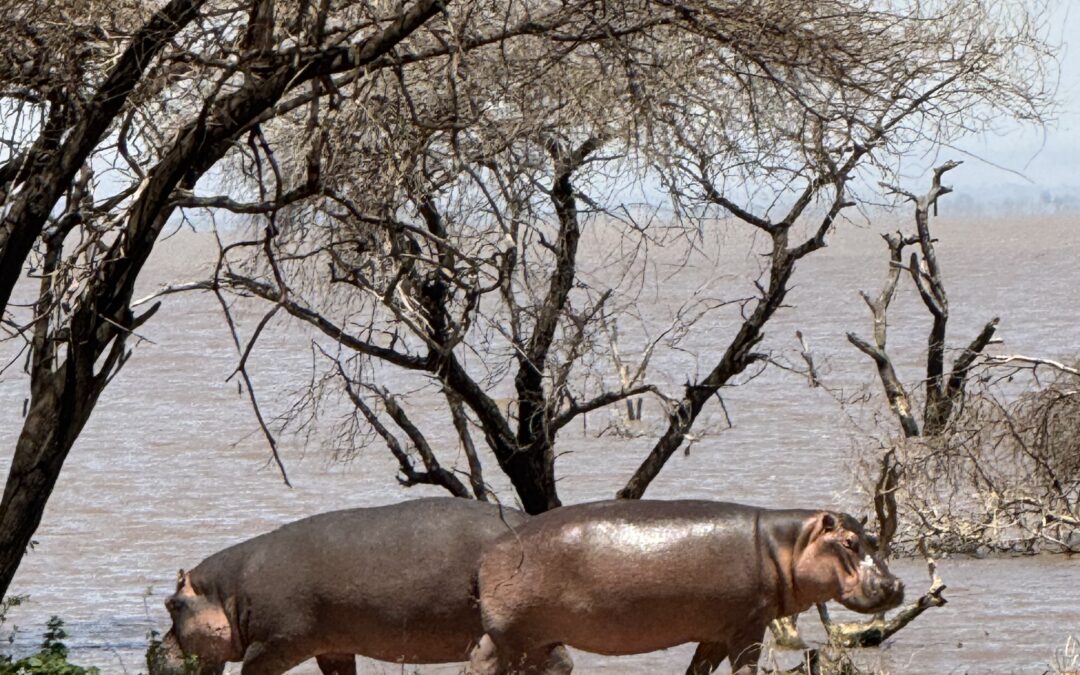
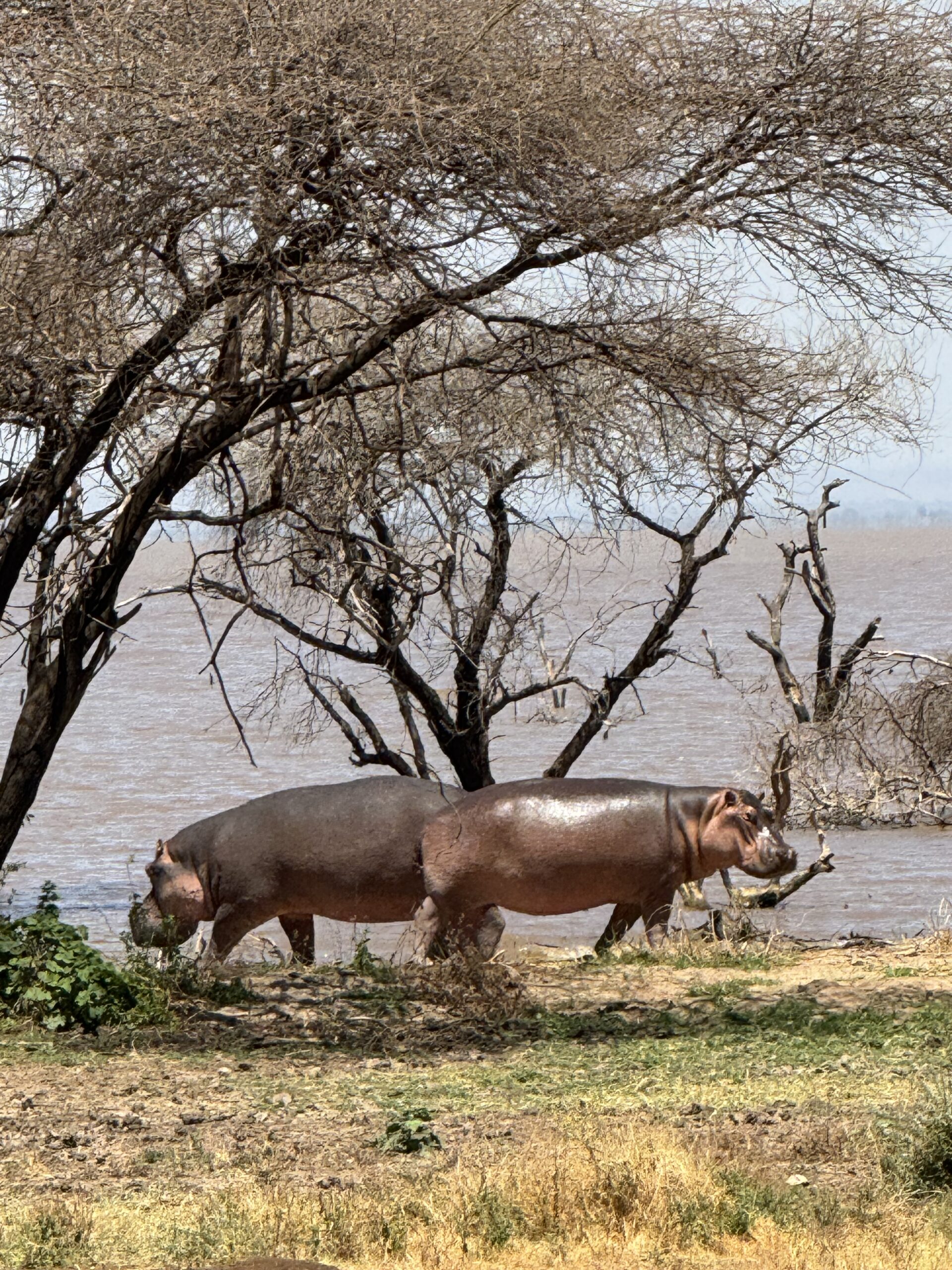
We enjoyed seeing some new bird species, elephants, hippos, baboons and monkeys. We also observed African buffalo and several types of gazelles. The game drive today was different as there were many more trees for the animals to hide behind. We had our lunch in the park and then drove to Karutu, the hometown of Zamoo. Near there was our lodging for the night, Mawe Mawe Lodge, which resides on the worst road we’ve been on this trip.
We thought this a good time to give a little background on Tanzania. Like Kenya, Tanzania sits in East Africa’s Great Lakes region, and shares a similarly dramatic landscape. The country’s northeast is mountainous and densely forested, home to Mount Kilimanjaro — Africa’s highest peak and the tallest free-standing mountain in the world. With a population of roughly 72.6 million, Tanzania ranks among the 20 most populous countries on Earth. In land area, it’s about 40% larger than Texas, covering 364,900 square miles, putting it in the same range as Venezuela.
The capital, Dodoma, is home to a unitary, dominant-party presidential republic, with a President, Vice President, Prime Minister, Speaker, and National Assembly sharing power. Swahili and English serve as the country’s primary languages, though more than 100 languages are spoken across its many ethnic communities.
Tanzania is majority Christian (63%), with a substantial Muslim population (34%) and a smaller share practicing traditional African religions tied to ethnic customs (about 2.7%). Poverty and malnutrition remain serious challenges: an estimated two-thirds of Tanzanians live below the poverty line, and USAID data shows 16% of children underweight and 34% affected by stunted growth — a situation the Global Hunger Index has previously classified as “alarming.”
Economically, Tanzania leans on three core industries. Agriculture is the backbone, employing roughly two-fifths of the population and driving exports of coffee, cotton, and cashews. Mining is a fast-growing contributor, with gold as the country’s most valuable export alongside diamonds, tanzanite, and other gemstones found nowhere else in the world. And tourism rounds out the top three, fueled by the Serengeti’s great migration, Kilimanjaro’s climbers, and the beaches of Zanzibar — making travel one of Tanzania’s most important sources of foreign revenue.
In the evening, we had a nice dinner and were escorted back to our cabin by our Maasai guardian.
Tomorrow: Visit a Maasai Village and Arusha
Post Gallery
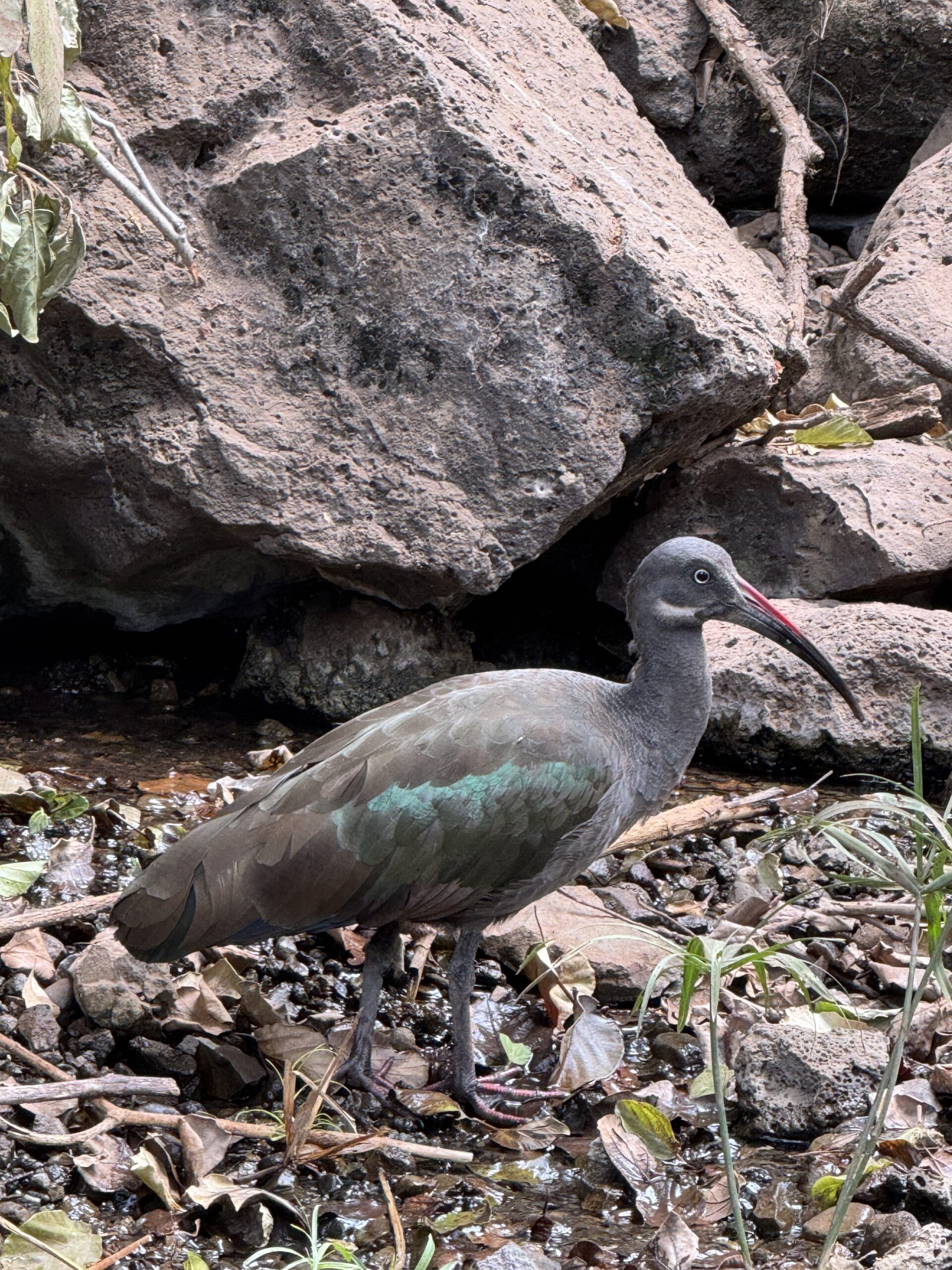
Glossy Ibis
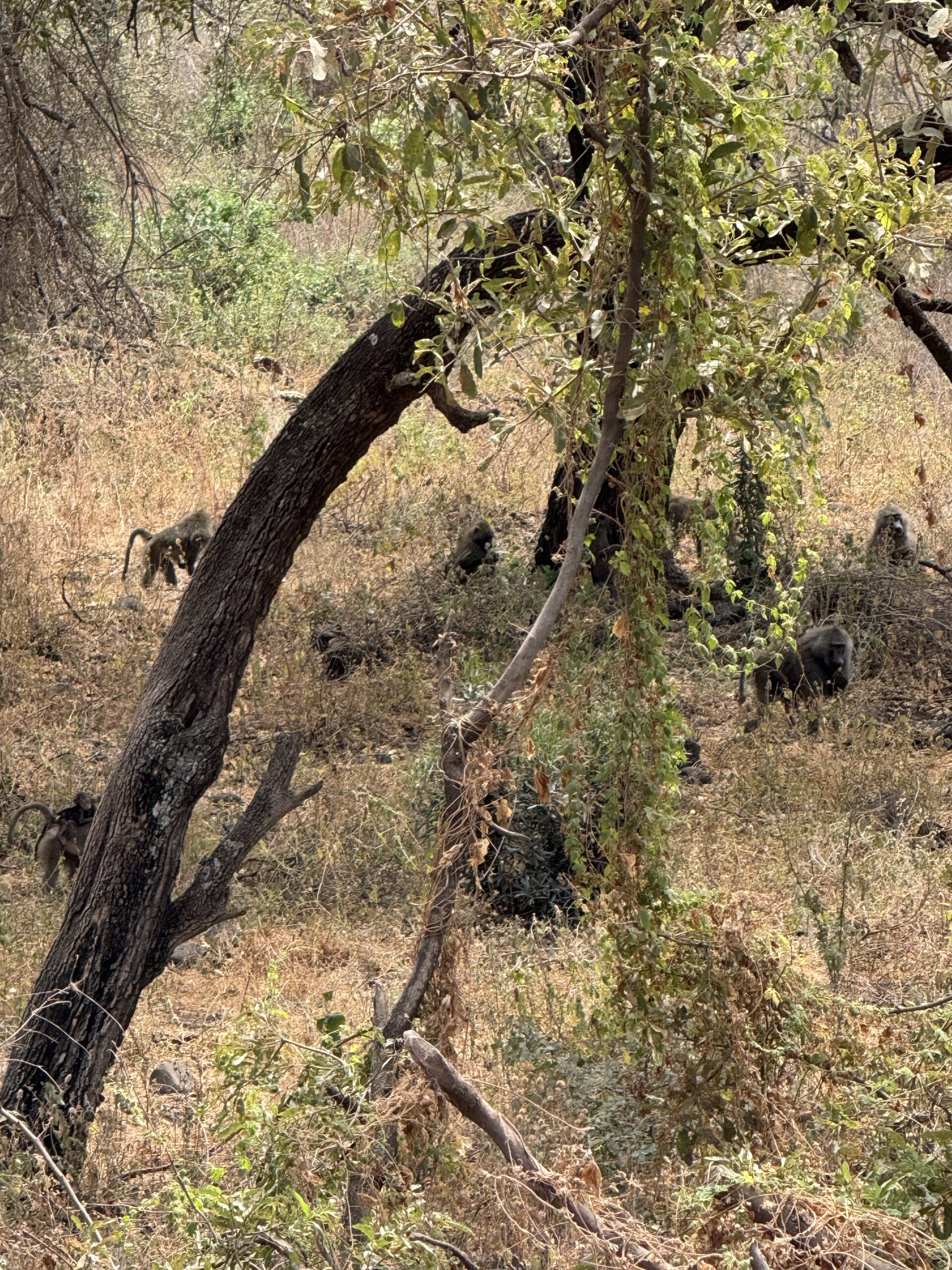
Sooo many baboons!
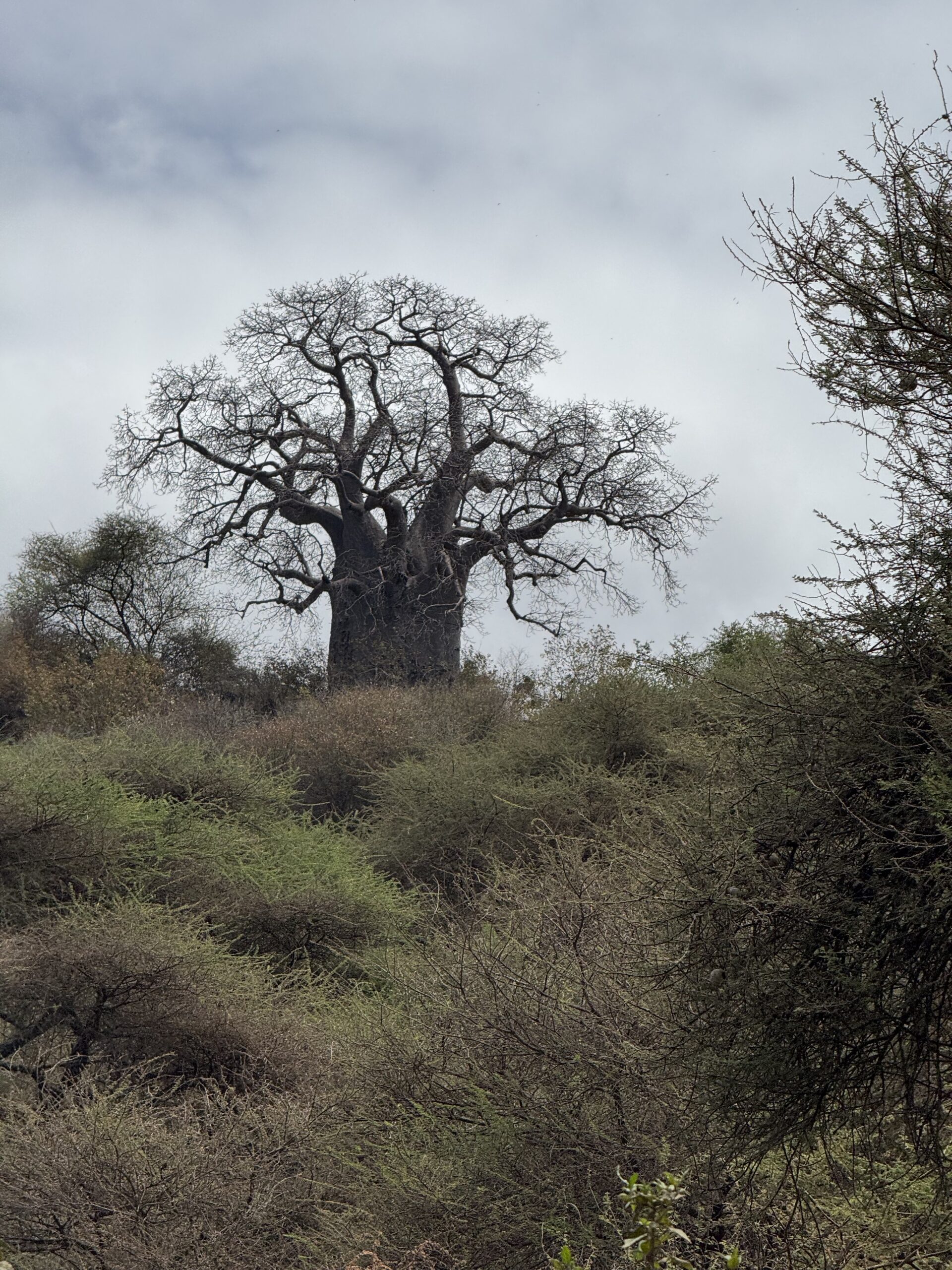
The baobab tree (often called the balboa tree by mistake) is an iconic, long-living African tree known as the "Tree of Life" for its ability to store thousands of liters of water in its massive trunk. It will gain back it's leaves during the wet season.
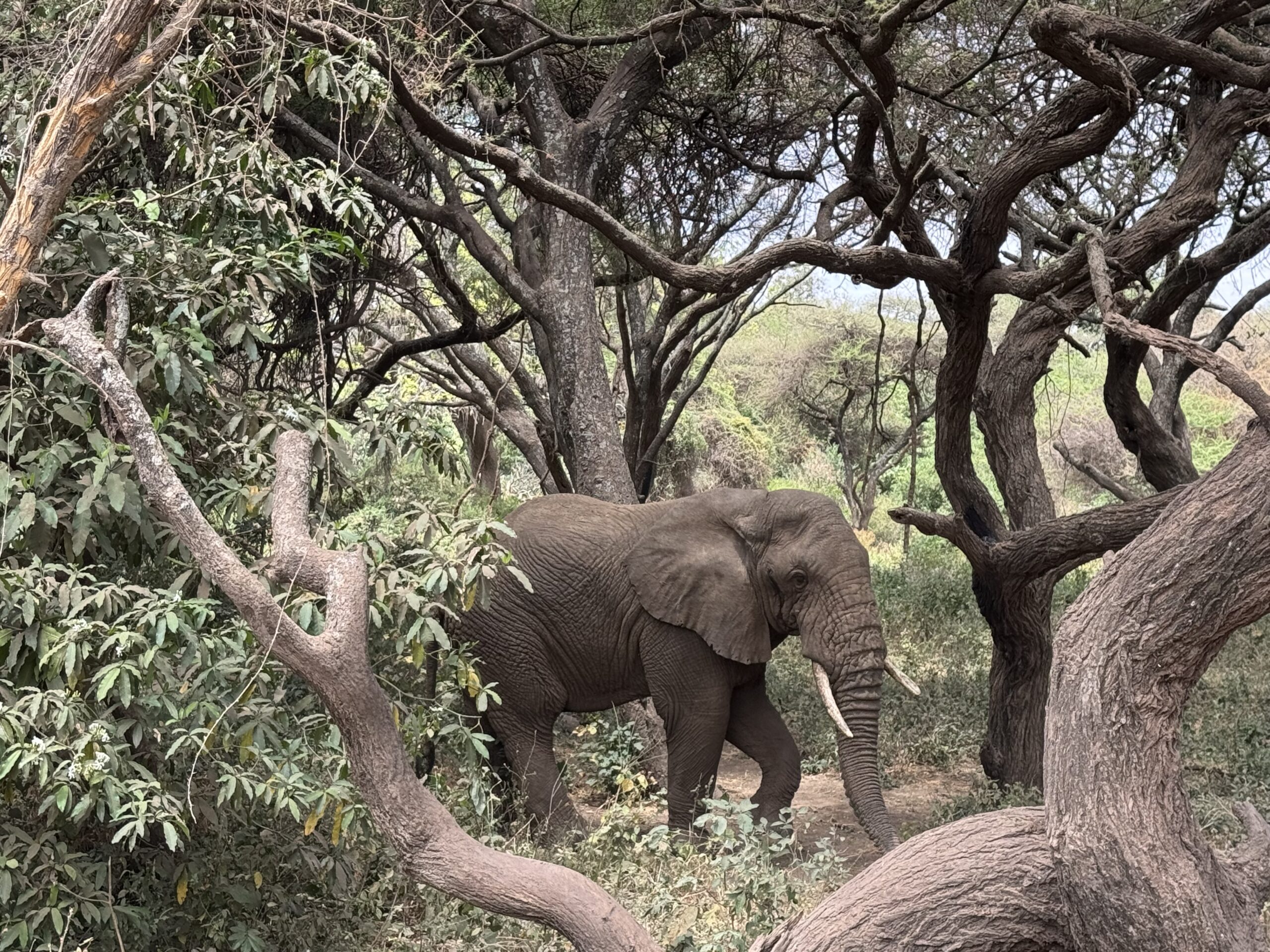
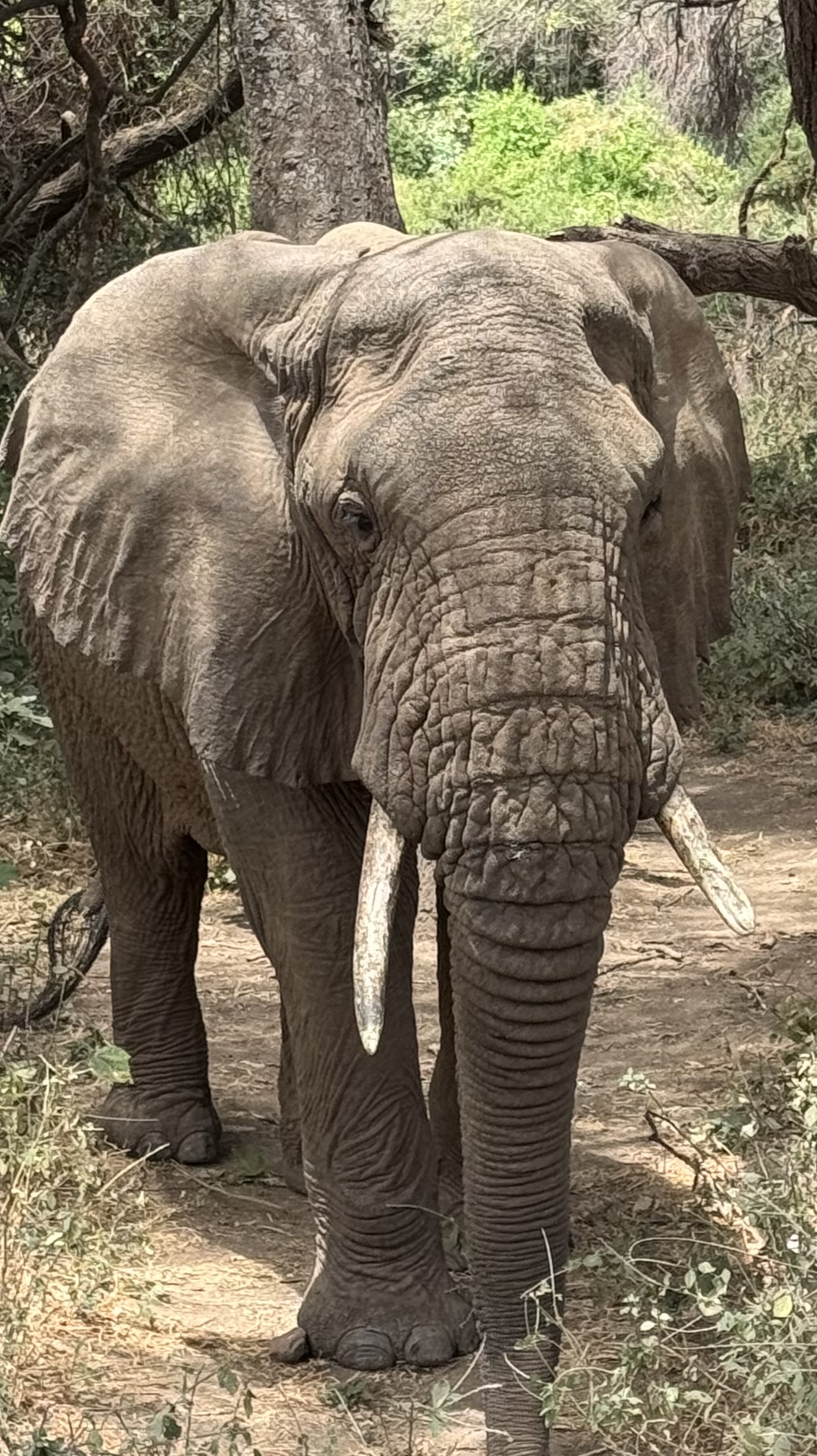
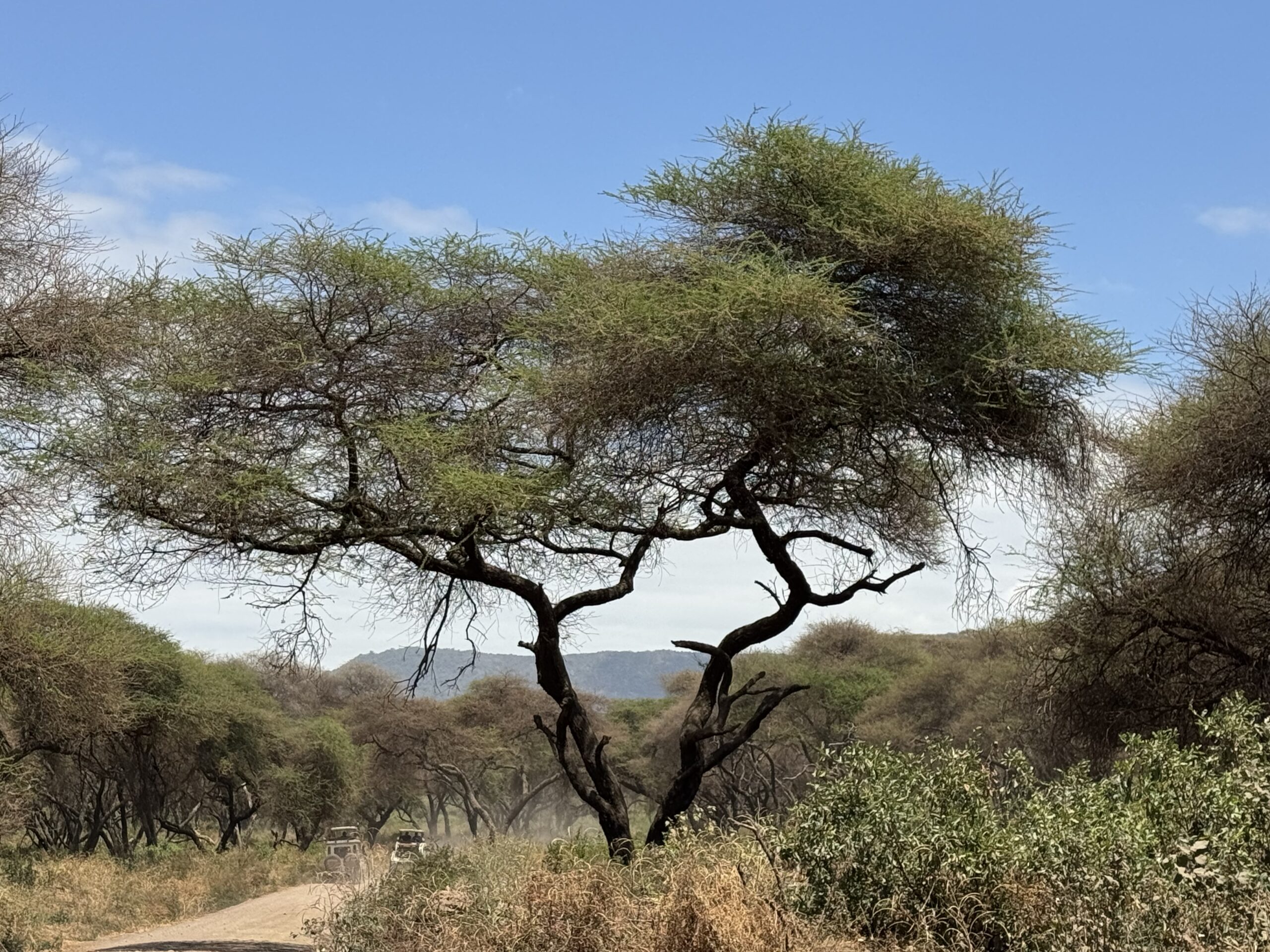
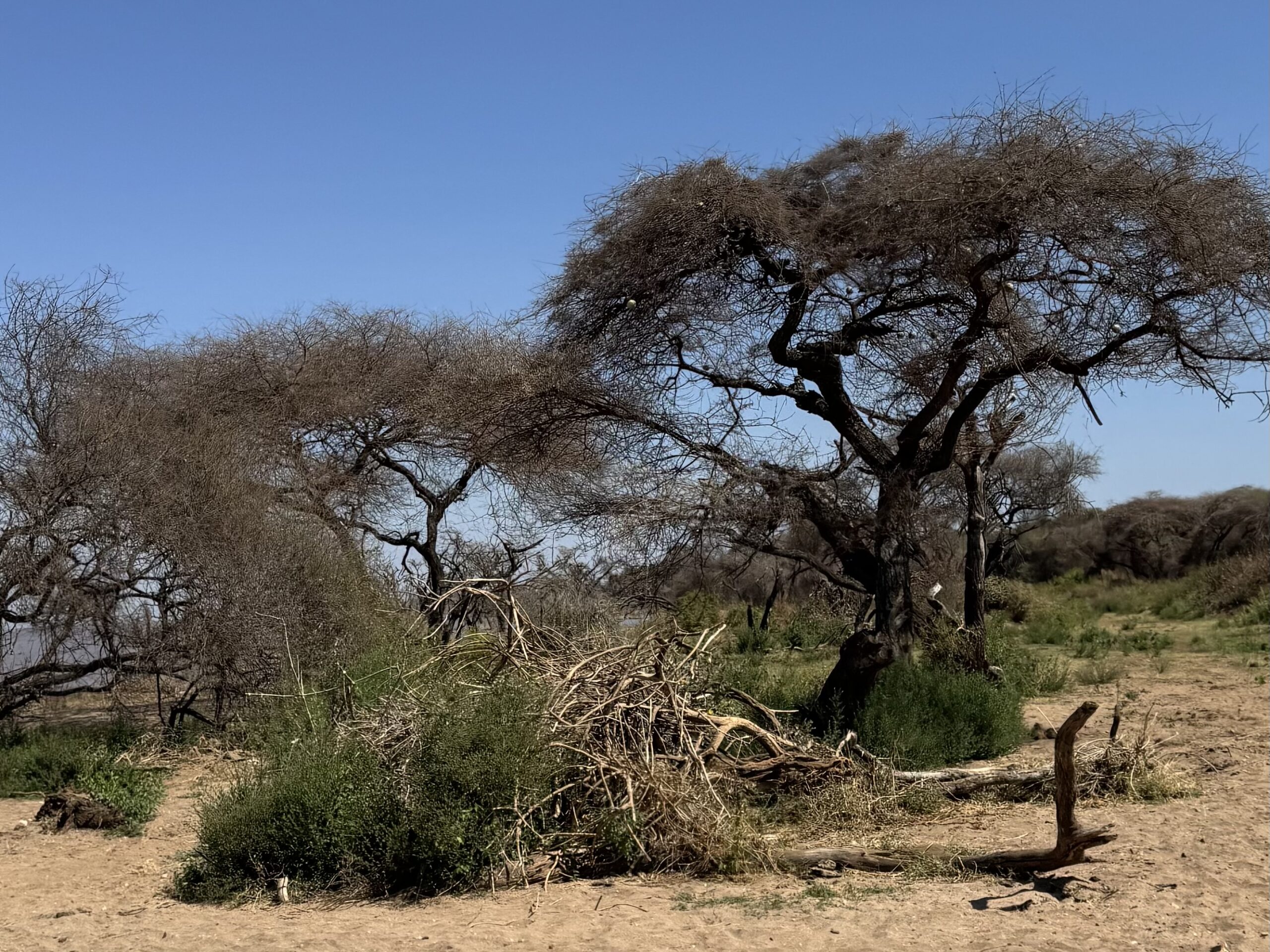
Acacia tree.
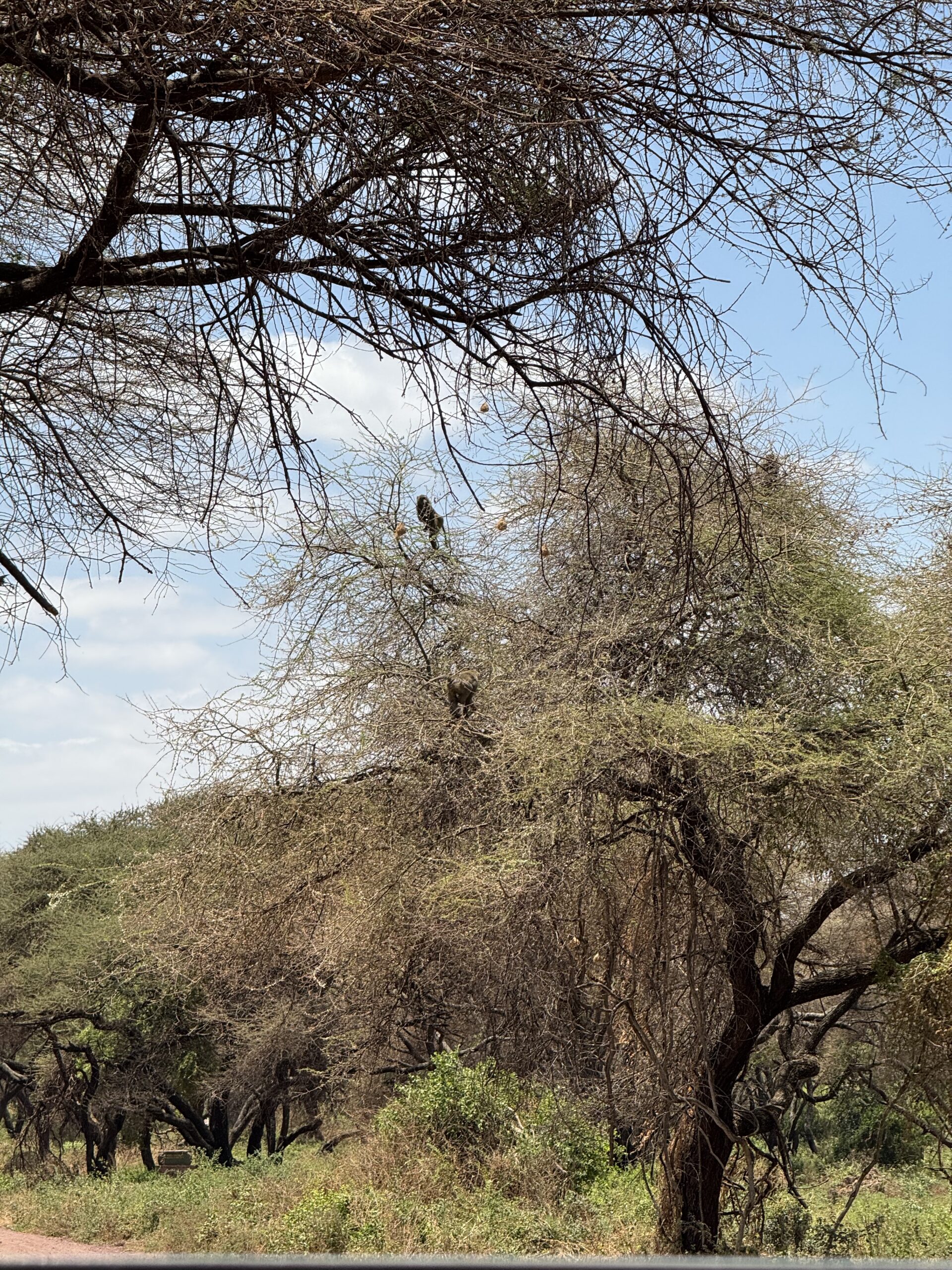
Monkey's high in the tree.
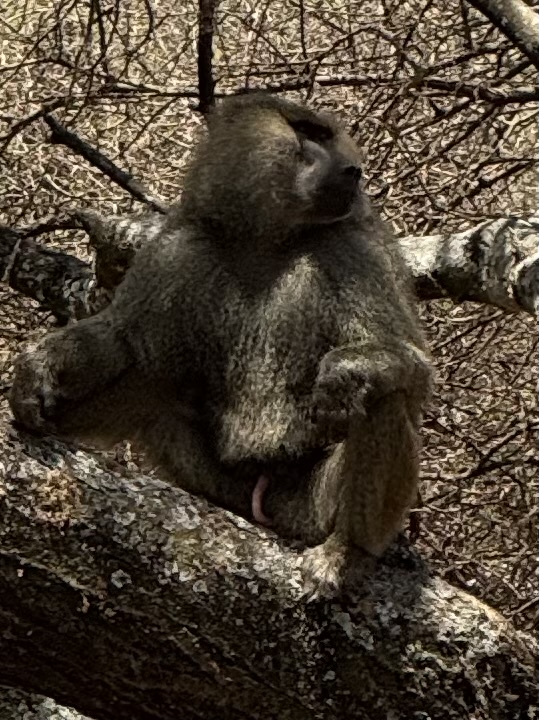
A male baboon.
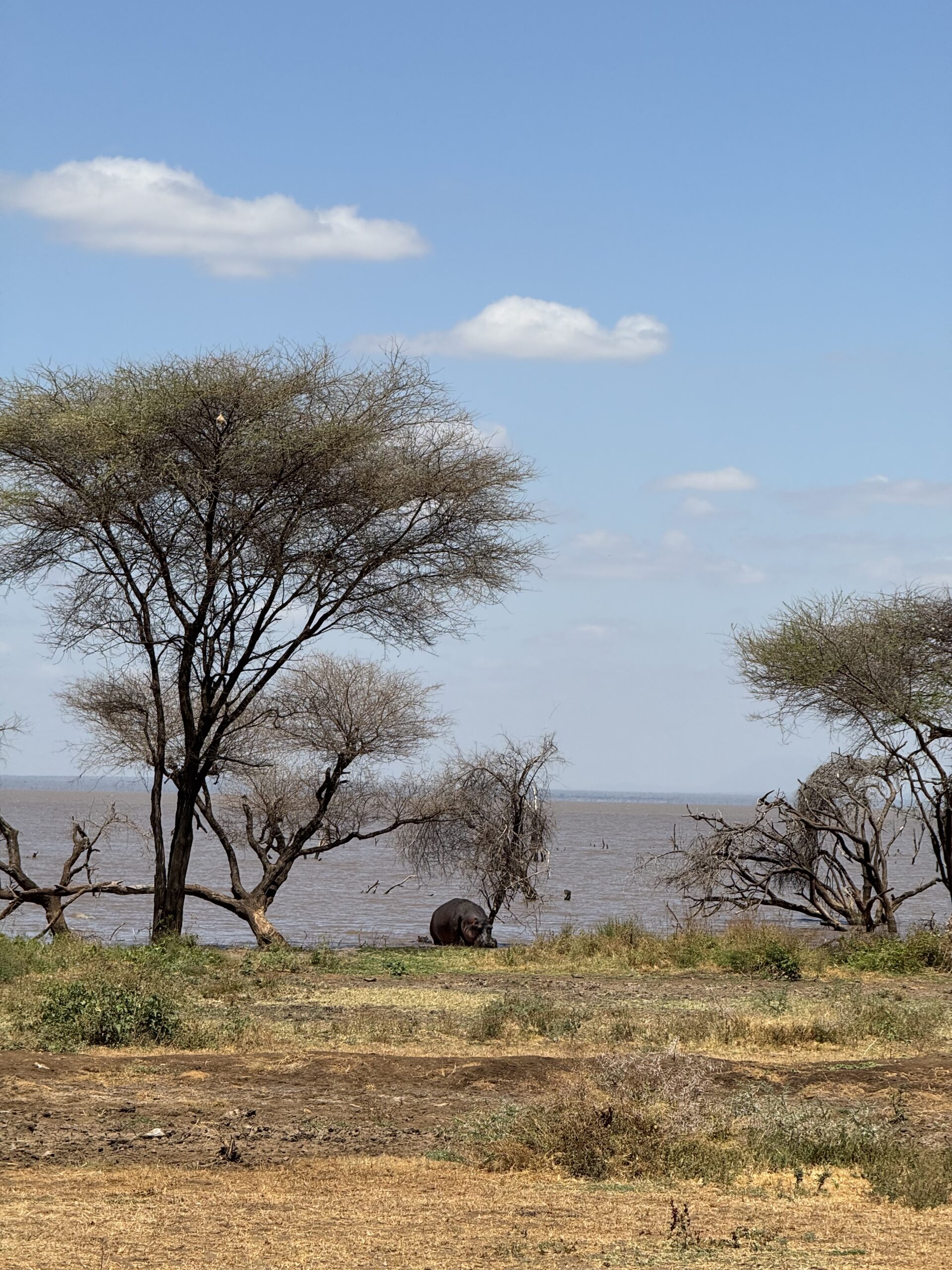
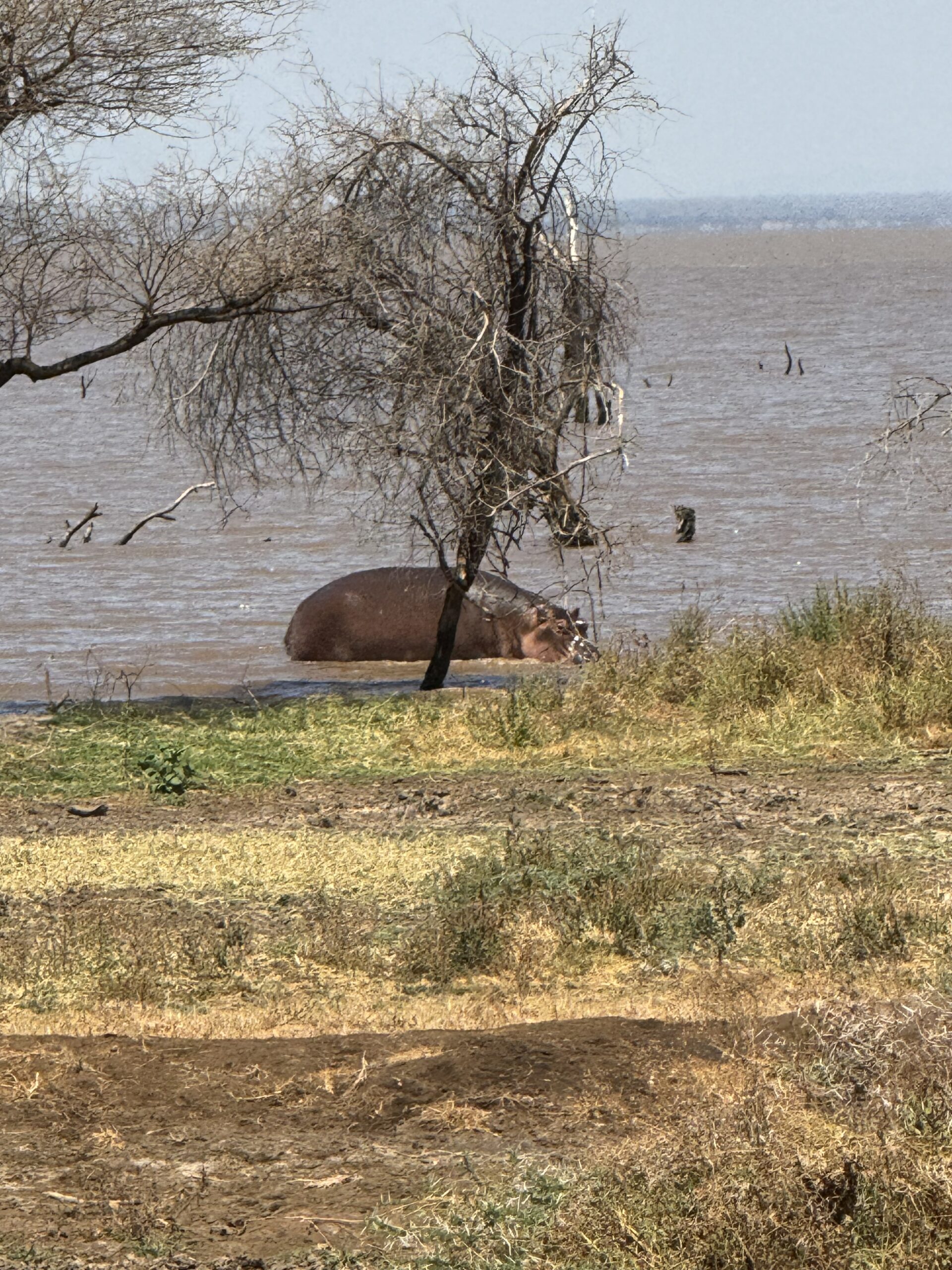
There were four hippos, including a baby, in this family.
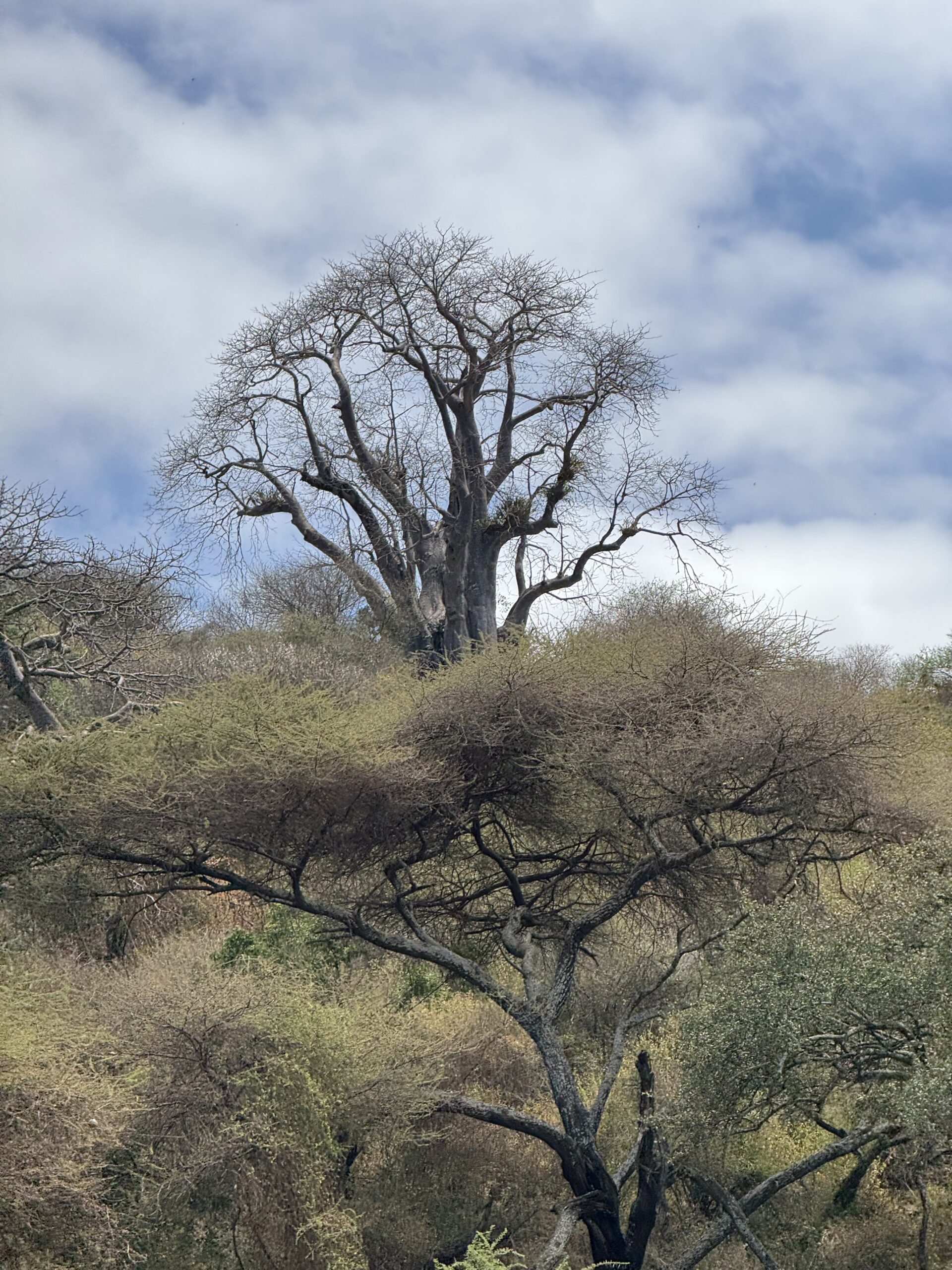
Another Baobab tree in the background.
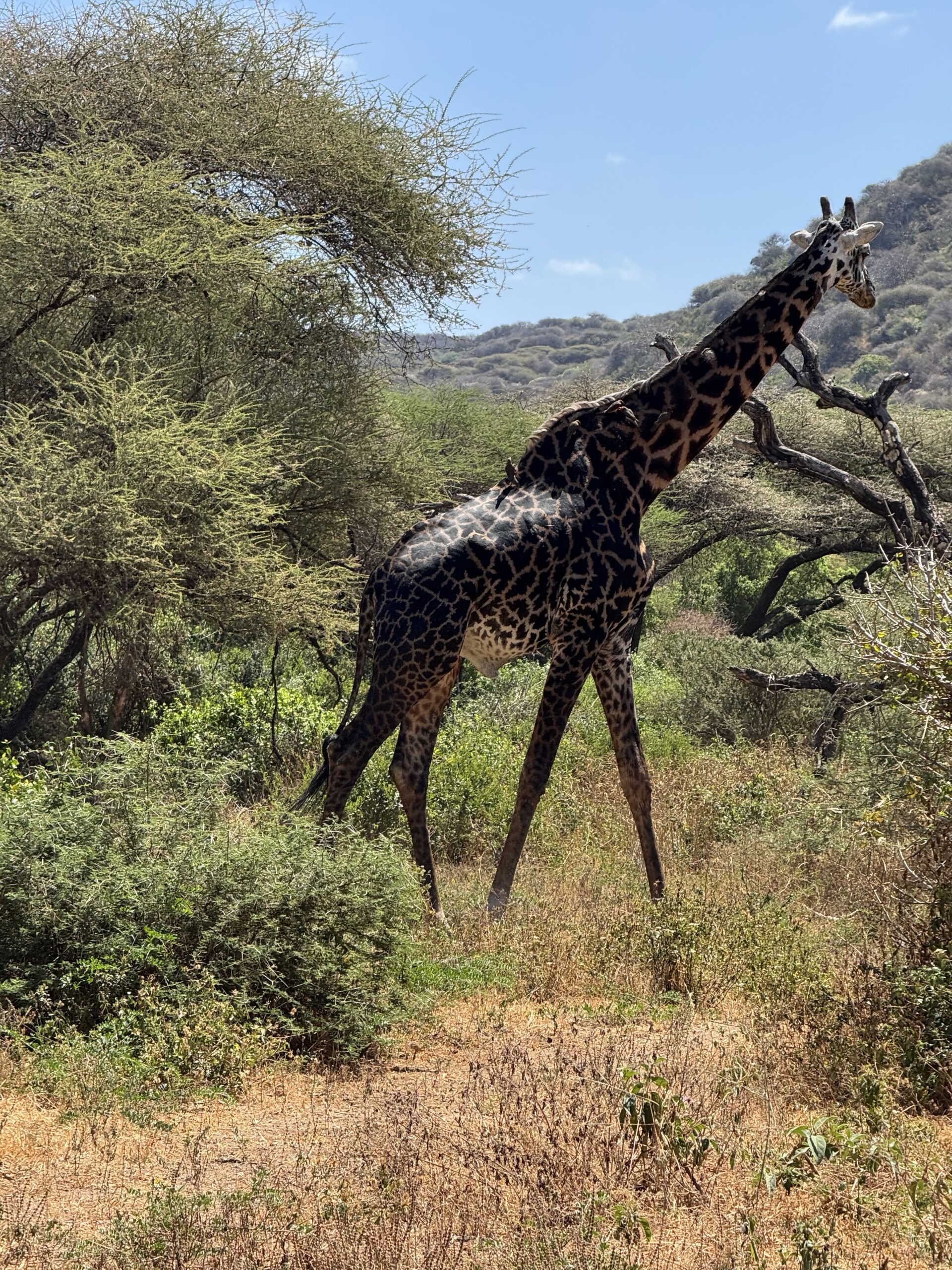
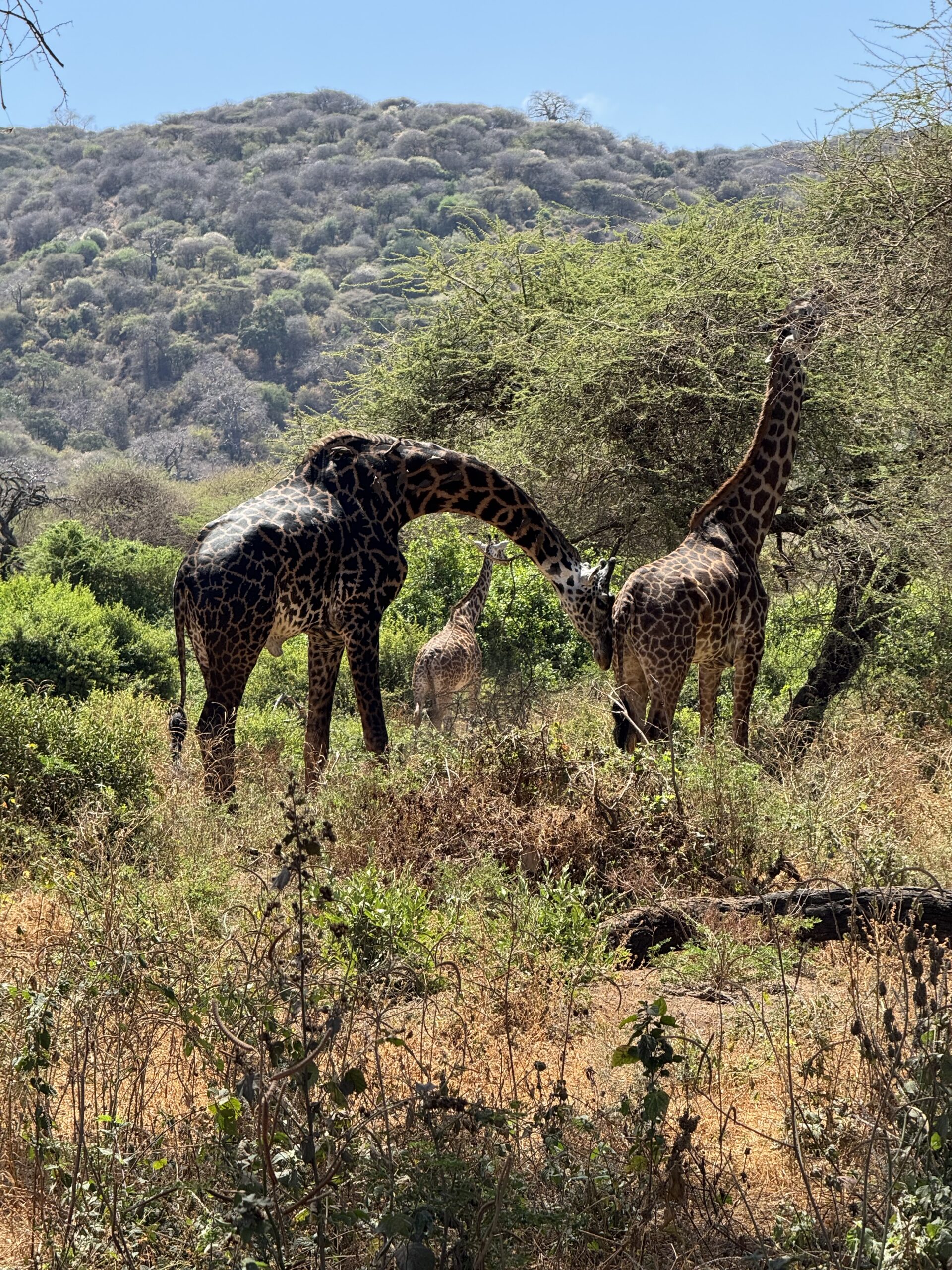
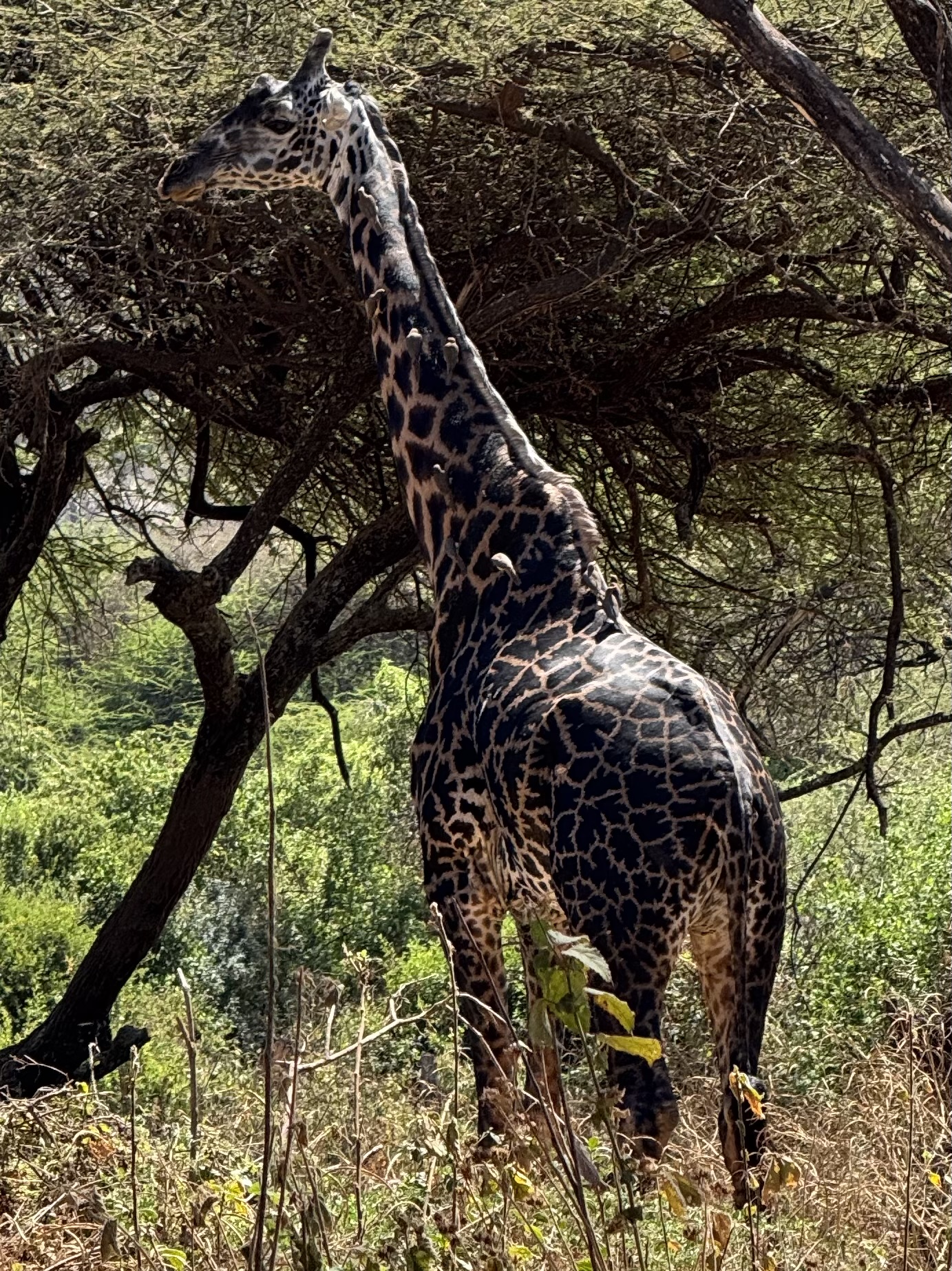
How many birds are on this male giraffe, picking for bugs?
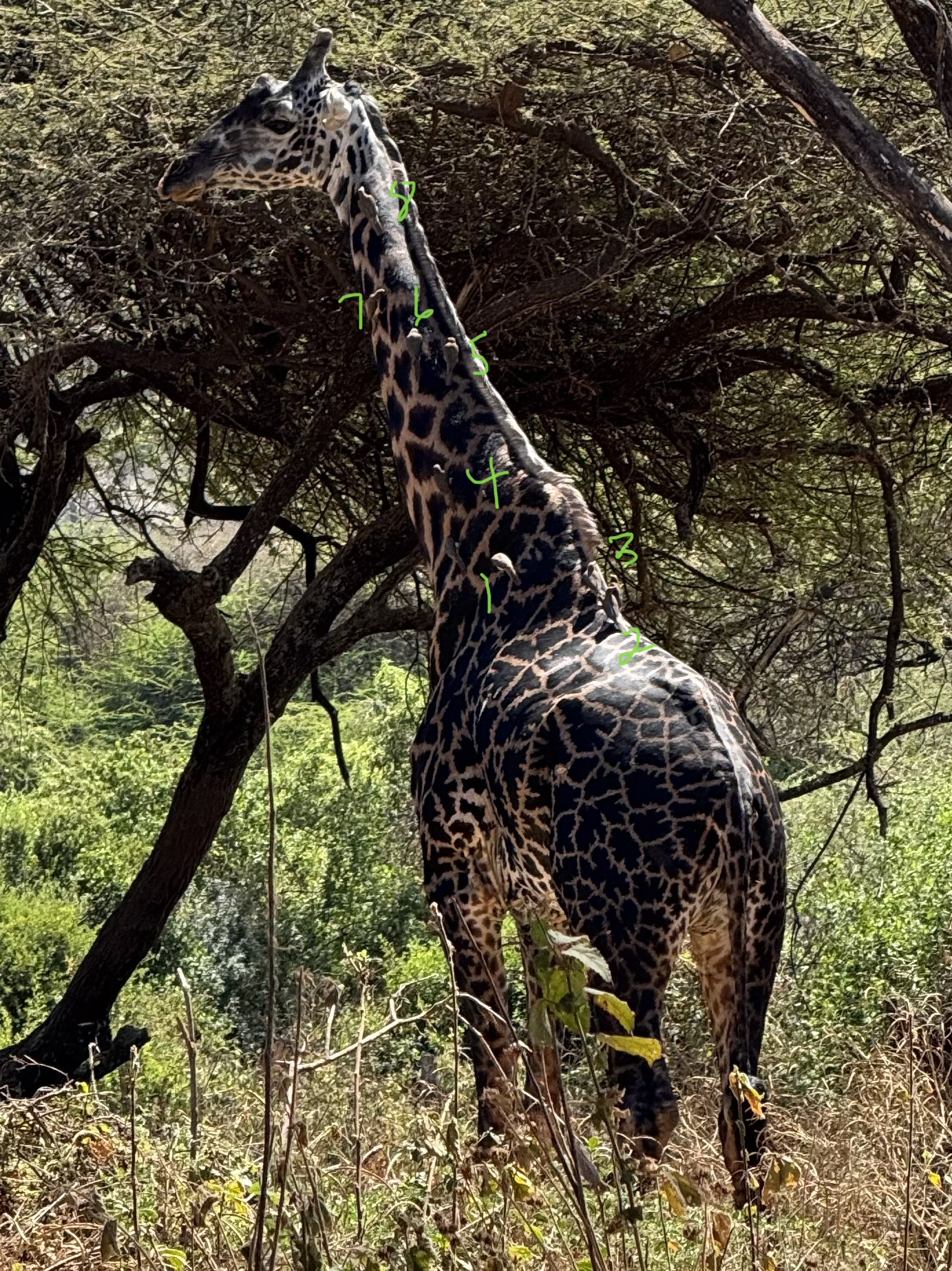
We counted 8!!
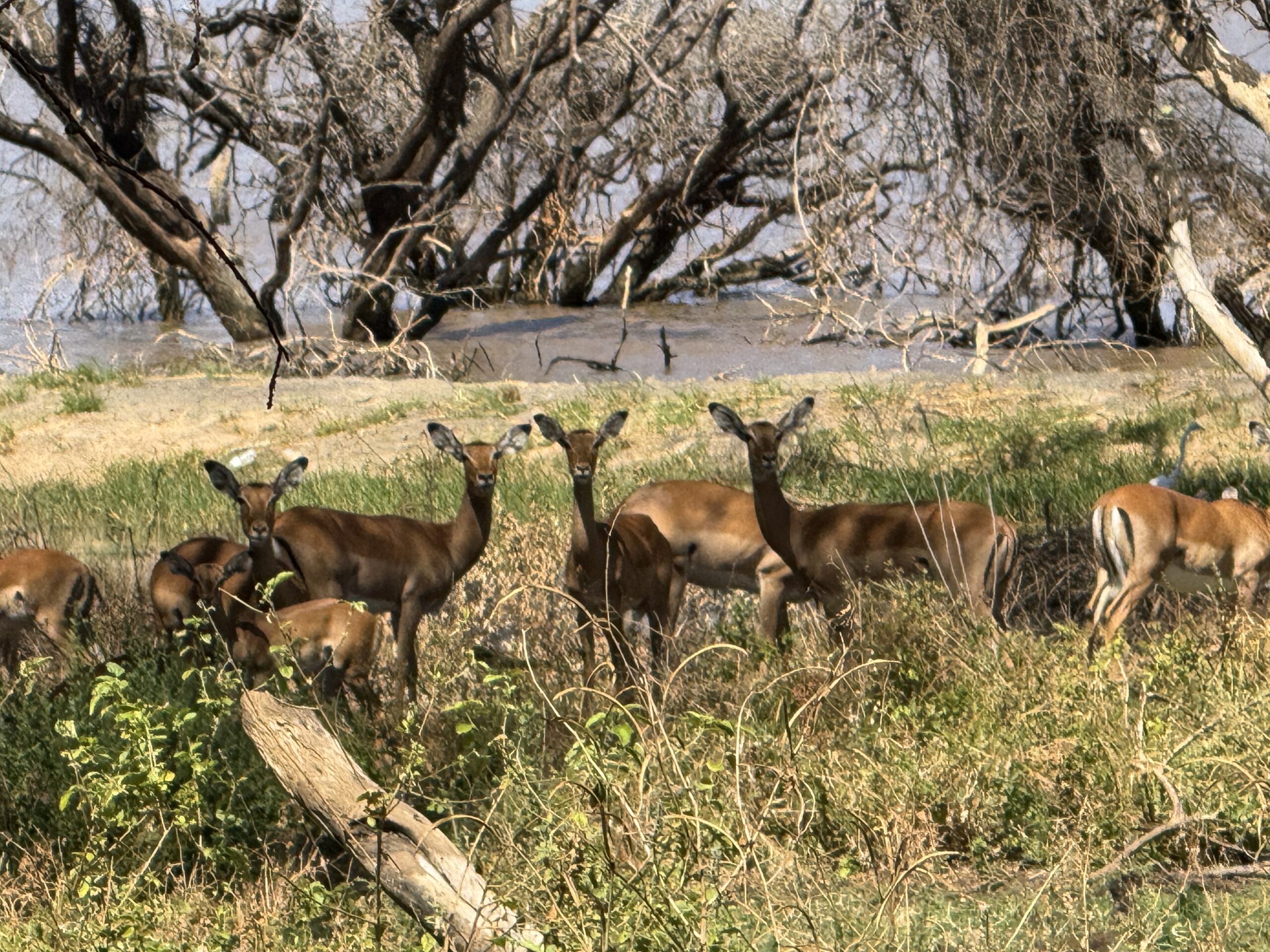
This photo of gazelles reminded us of the multitude of white-tailed deer that we get in our yard in Dublin, OH!
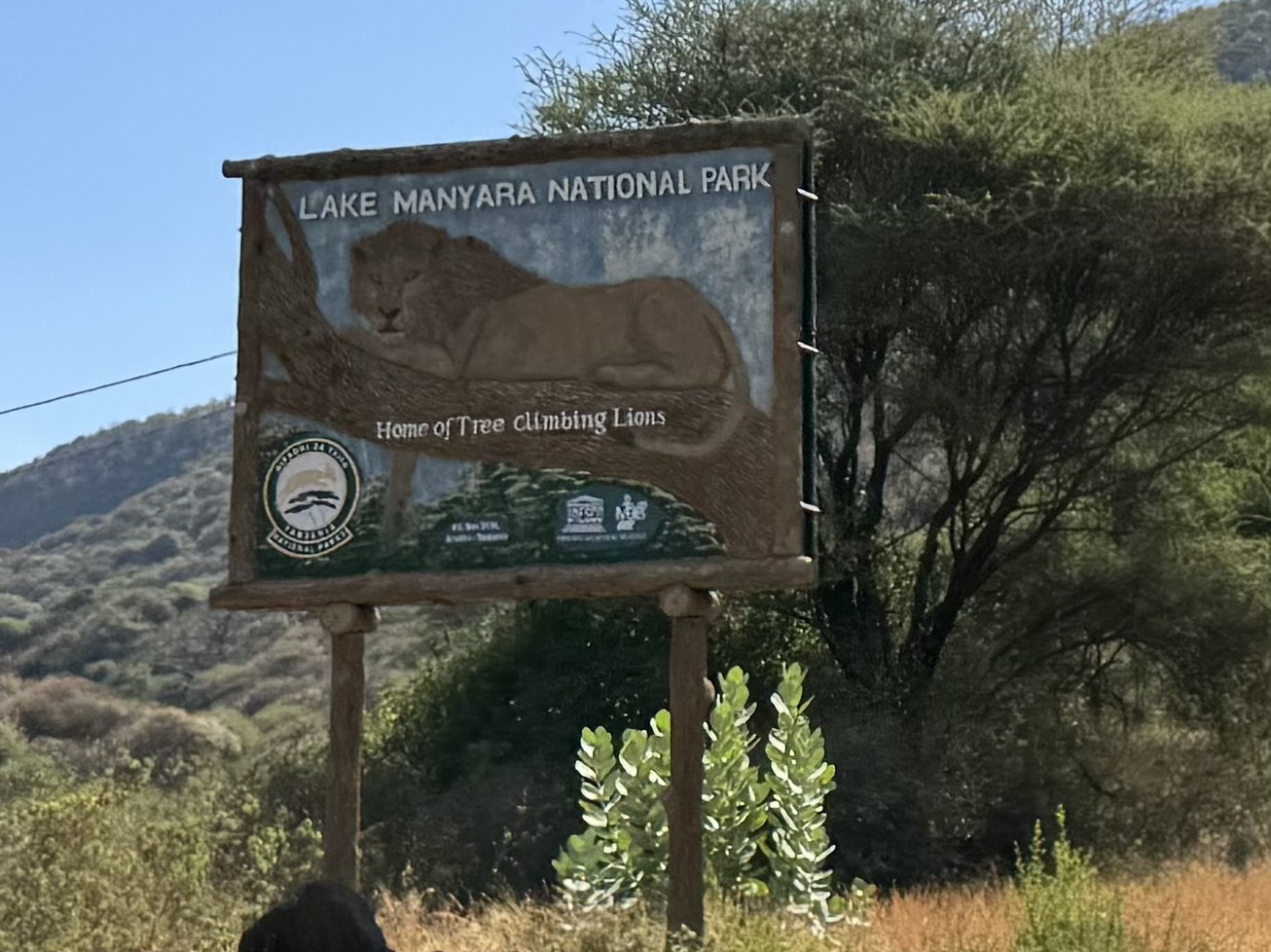
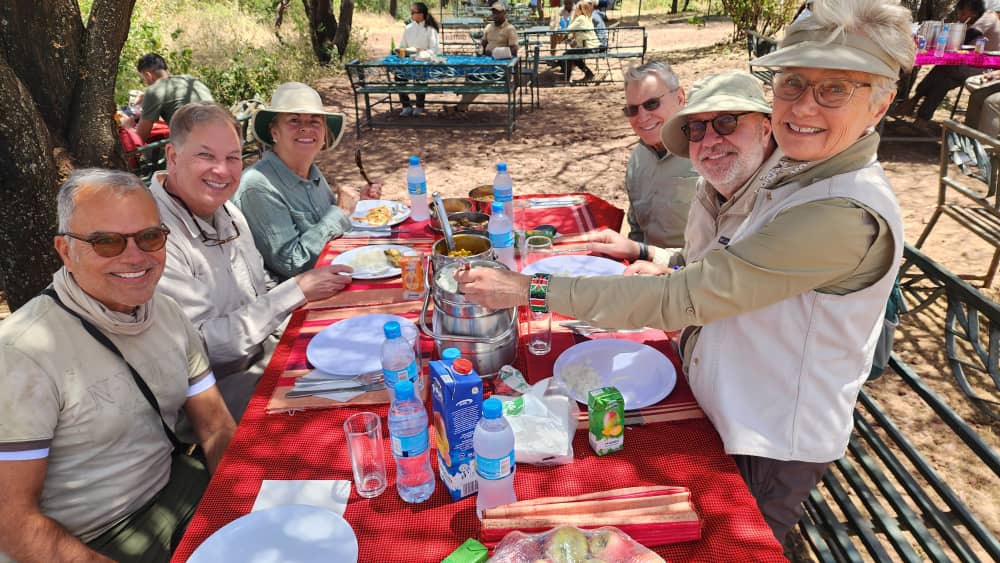
Lunch at Lake Manyara National Park.
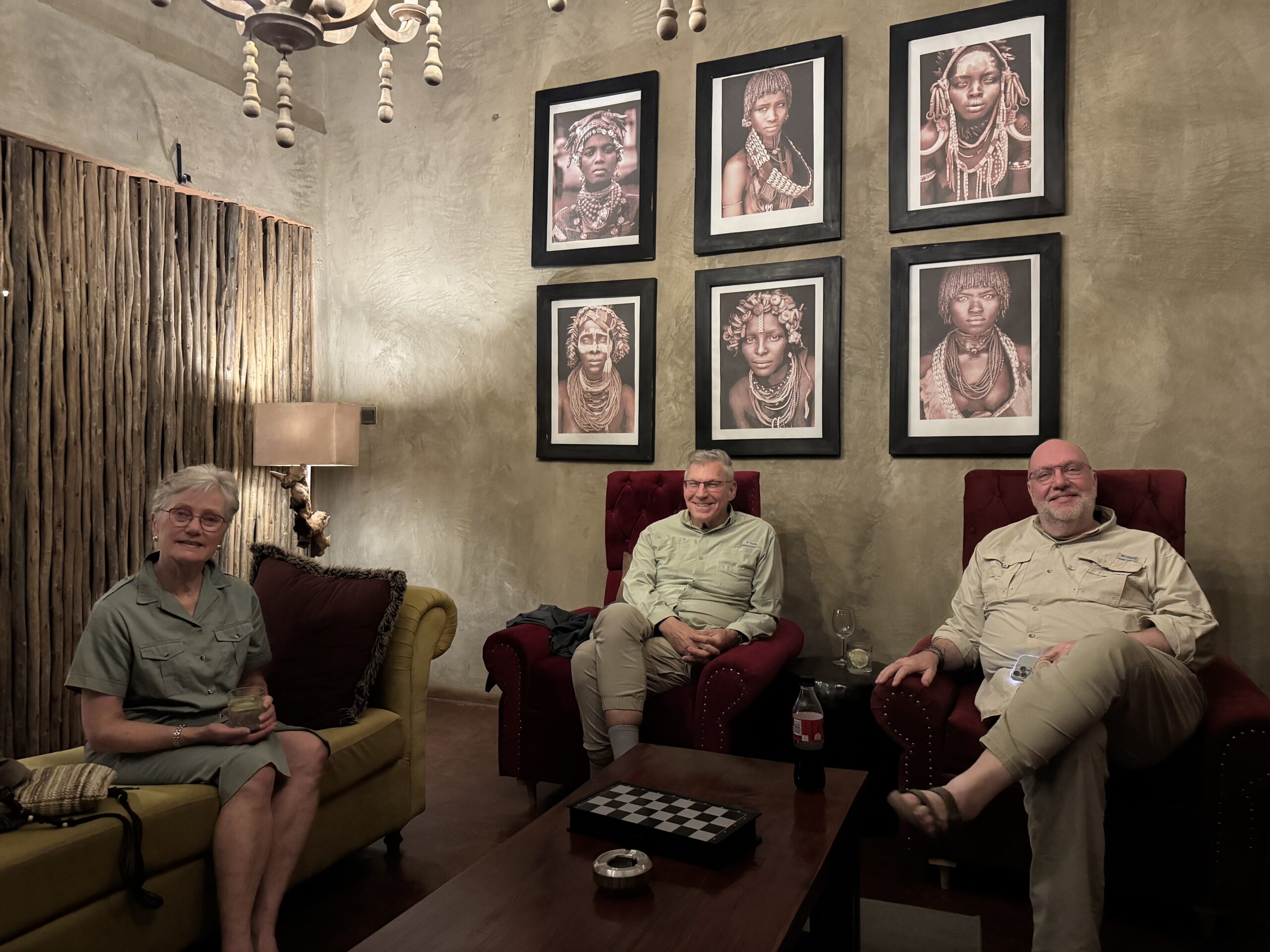
Enjoying a cocktail before dinner; Patti, Kurt and Peter.
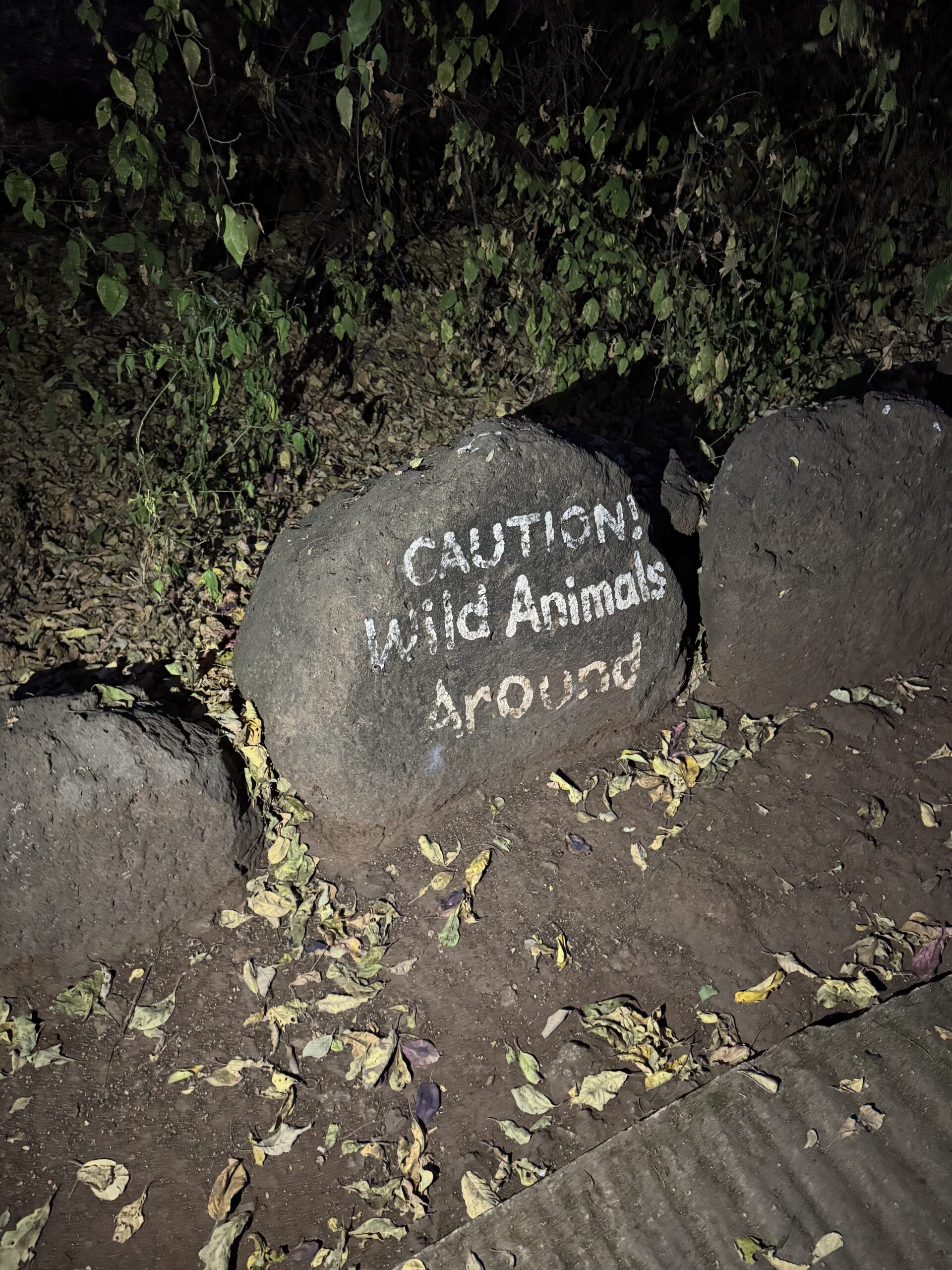
Along the path to our cabin.
Gotta love me some ibis! They are tropical birds also seen in Florida! Love the up front photo of the elephant and the “tree of life.”
I love elephants and you got some wonderful photos