
Madrid, the Capital.
We met our guide for today in central Madrid. Peter found Pepe through Tours by Locals and we set off on a 4-hour walking tour. First impressions of Madrid are that it is a gorgeous and easy to walk city. Wide sidewalks, and convenient and frequent crosswalks, make navigating very easy. Pepe provided a bit of historical background, explaining the origin of the name “Madrid” is debated, but the most widely accepted theory traces it to the Arabic name Majrit (or Mayrit), meaning “place of many streams” or “water channel”. This name refers to the abundant water sources, including the Manzanares river and groundwater, in the area where the city was founded by the Moors in the 9th century.
Madrid was founded in the 9th century by Mohammed I and the Moors, and was conquered by the Christians during the Crusades in1083. It became the capital of Spain in 1561, declared by King Phillip II. Today the metropolis has a population of 6.8M and is the banking and financial center of Spain.
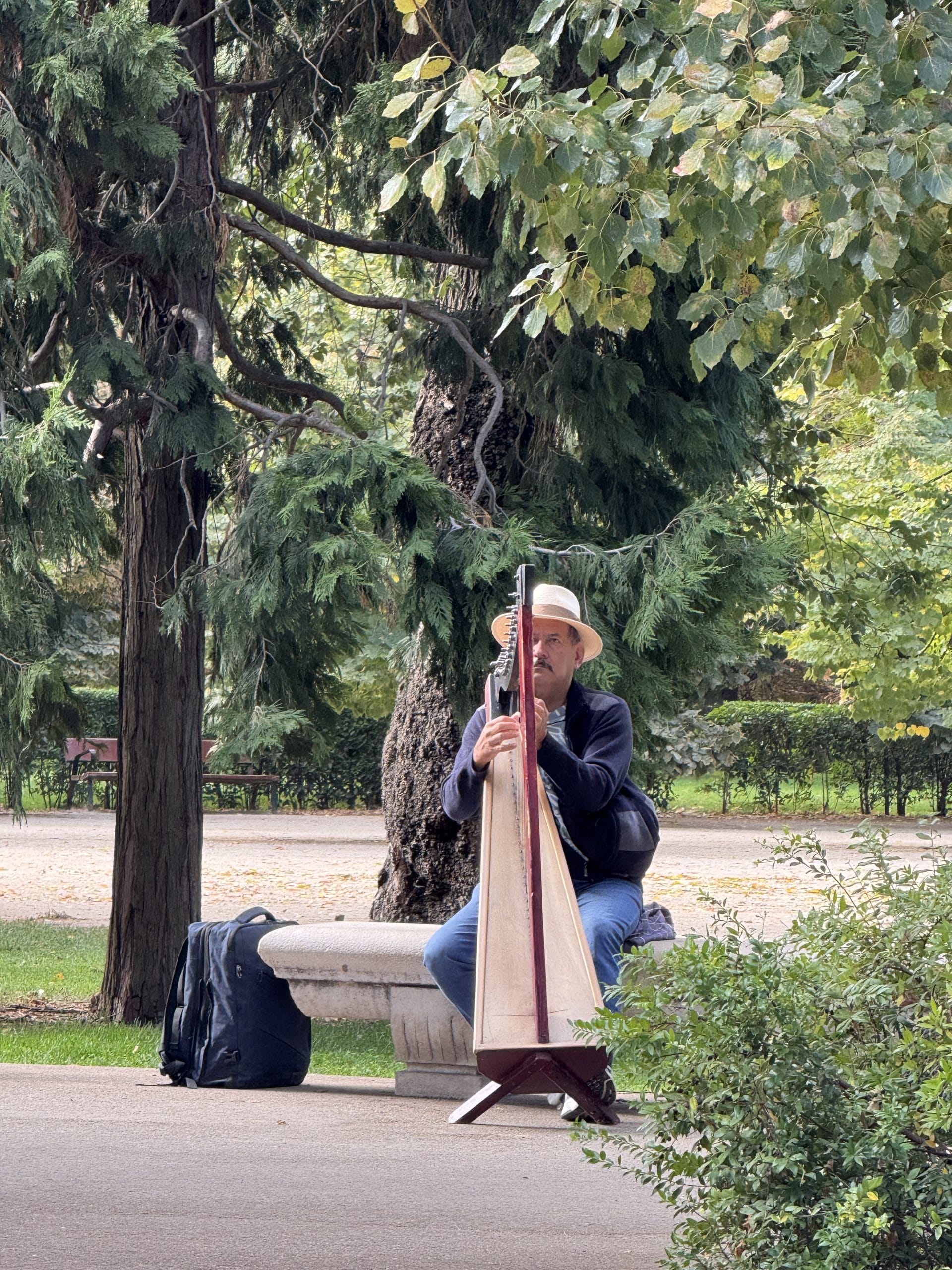
Our first stop was the Puerto de Alcala, the original gateway to the city when it was a walled city. We moved up the hill to the beautiful Parque de El Retiro, a 350-acre park in the center of the city. It originally was a park for royalty only, for hunting purposes, but became a public park in 1869. Musicians were playing, people were rowing boats on the lake, and school children were on a field trip; it was very pleasant.
We learned that the king and nobility were big fans of game hunting and fighting. There were holding pens for lions, tigers and such, until they were released as targets, or to be pitted against each other and wagered on. We were happy to move on from this discussion. Next, we viewed the Palacio de Cristol, which is currently being renovated so we were not able to go inside. This monstrosity was built by the monarchy in 1887, to house rare plants, including the beloved orchid brought from the farthest Spanish colony, the Philippine Islands.
There were many other stops, too many to remember the details. We all agreed that Pepe had a mission to cram as many sights and facts as he could into four hours. The pace was fast.
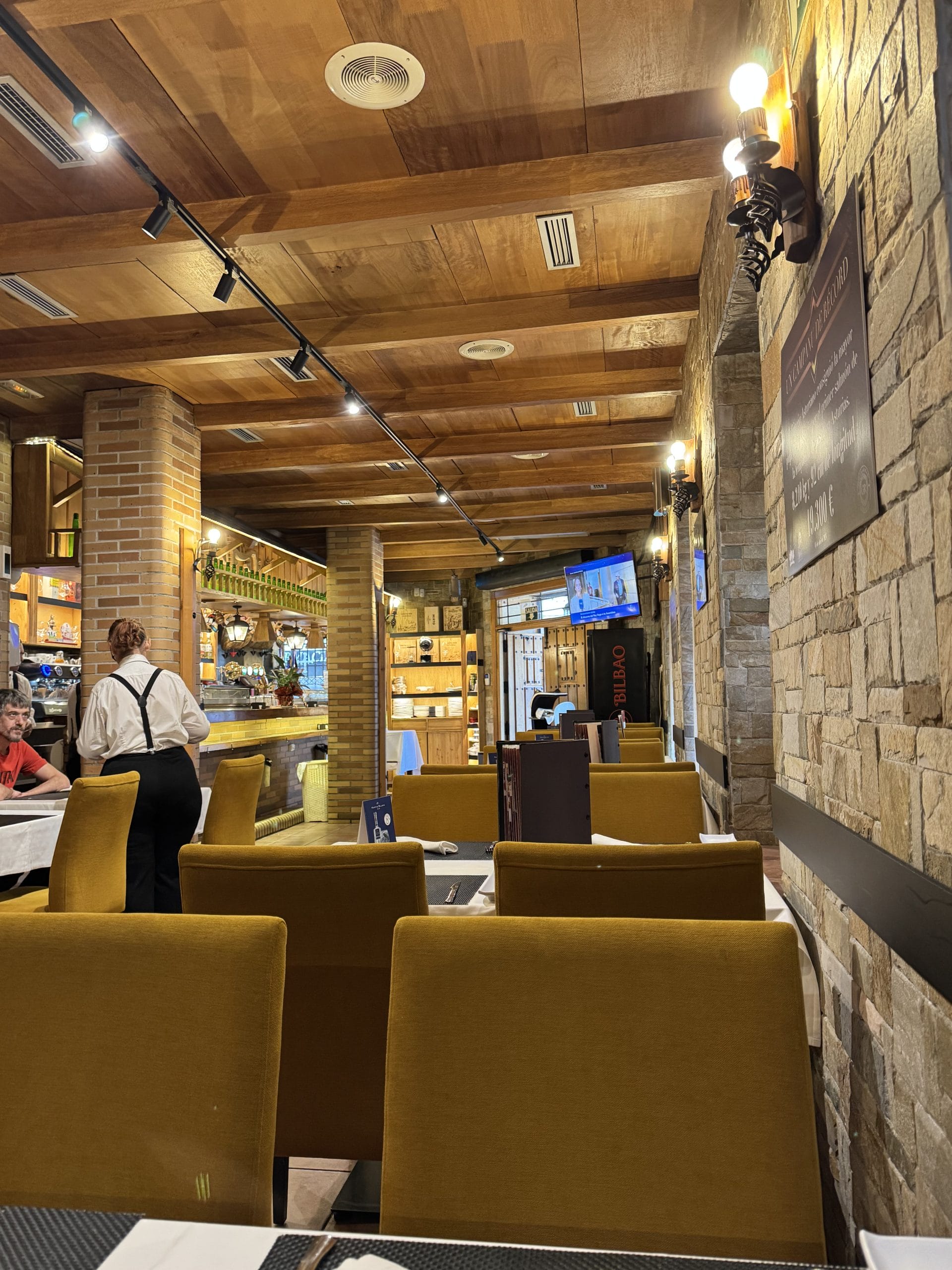
For lunch, we dined at a restaurant that he recommended. It was in a residential neighborhood, not touristy at all, and we enjoyed a nice long lunch, which started at 2:30pm. Pepe explained why the Spanish eat late. During dictator Franco’s reign, he forbade women from working outside of the home. To make up for that loss of income in families, the husbands had to take on part-time work. This meant that men would work from early morning to mid-afternoon at their “primary jobs” and then go home for lunch and siesta, before they’d start their part-time jobs that often went until 9pm. Then the family would eat dinner together late at night. That tradition continues today with lunch between 2 – 4pm, then dinner between 9pm – 12am. We’re trying to adjust.
Tomorrow: Salamanca, Spain
Post Gallery
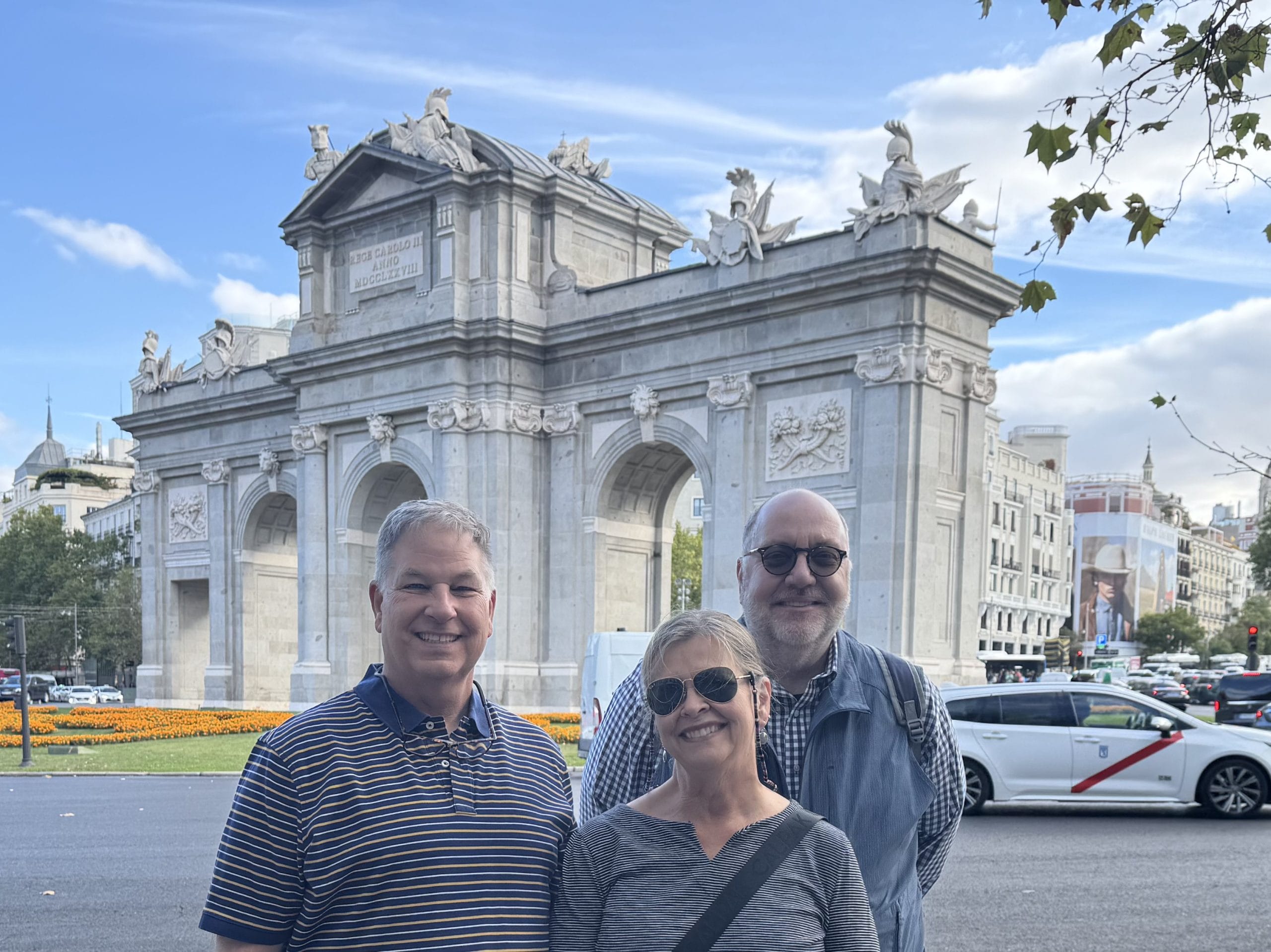
Puerto de Alcala, the gate to the original walled city of Madrid.
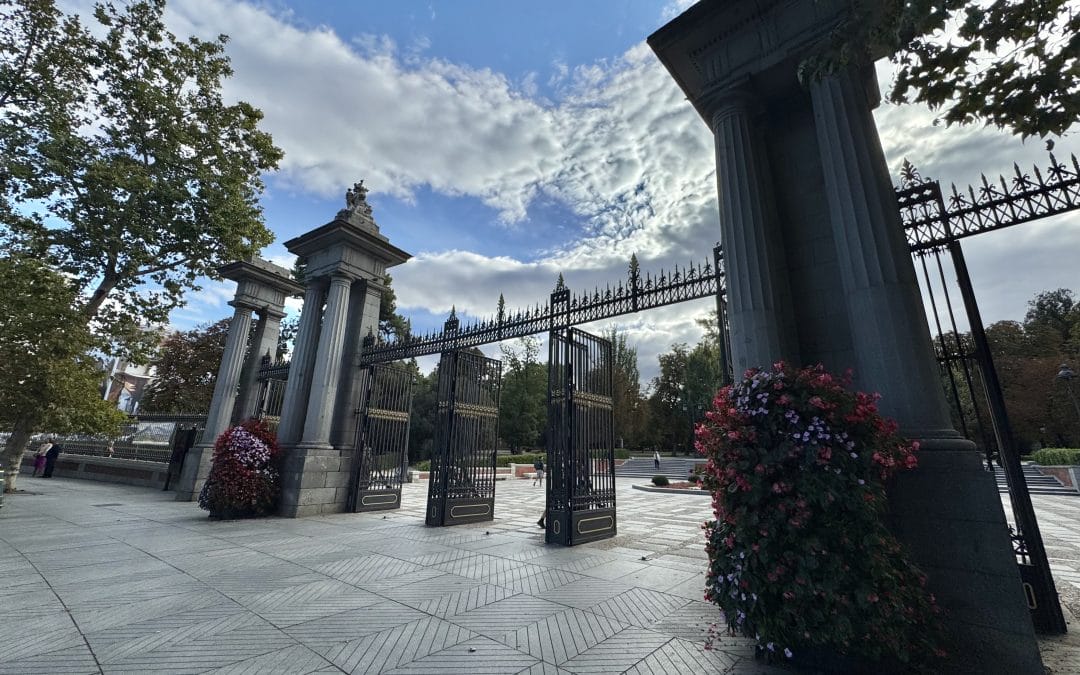
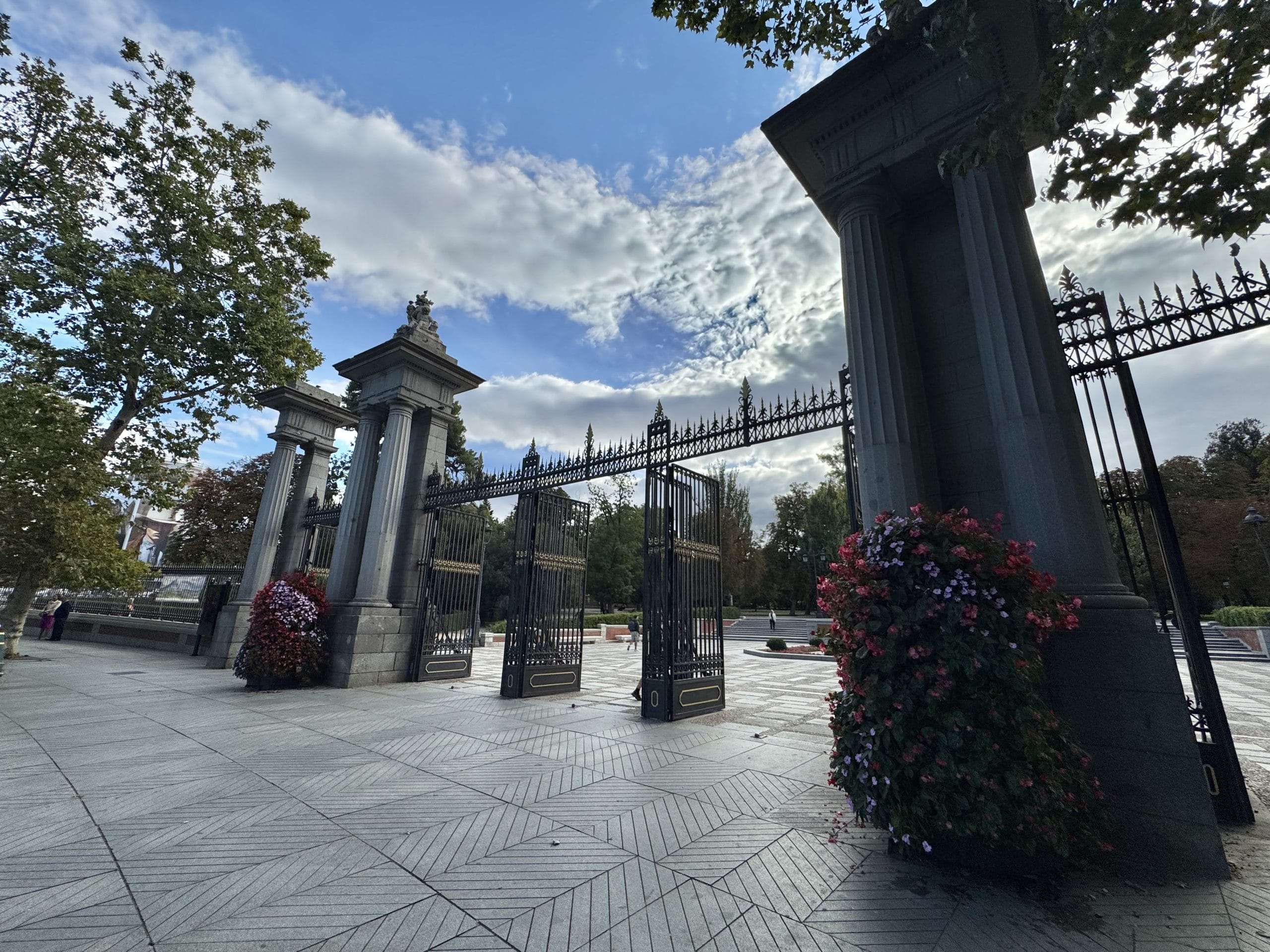
Gates to the Parque de El Retiro.
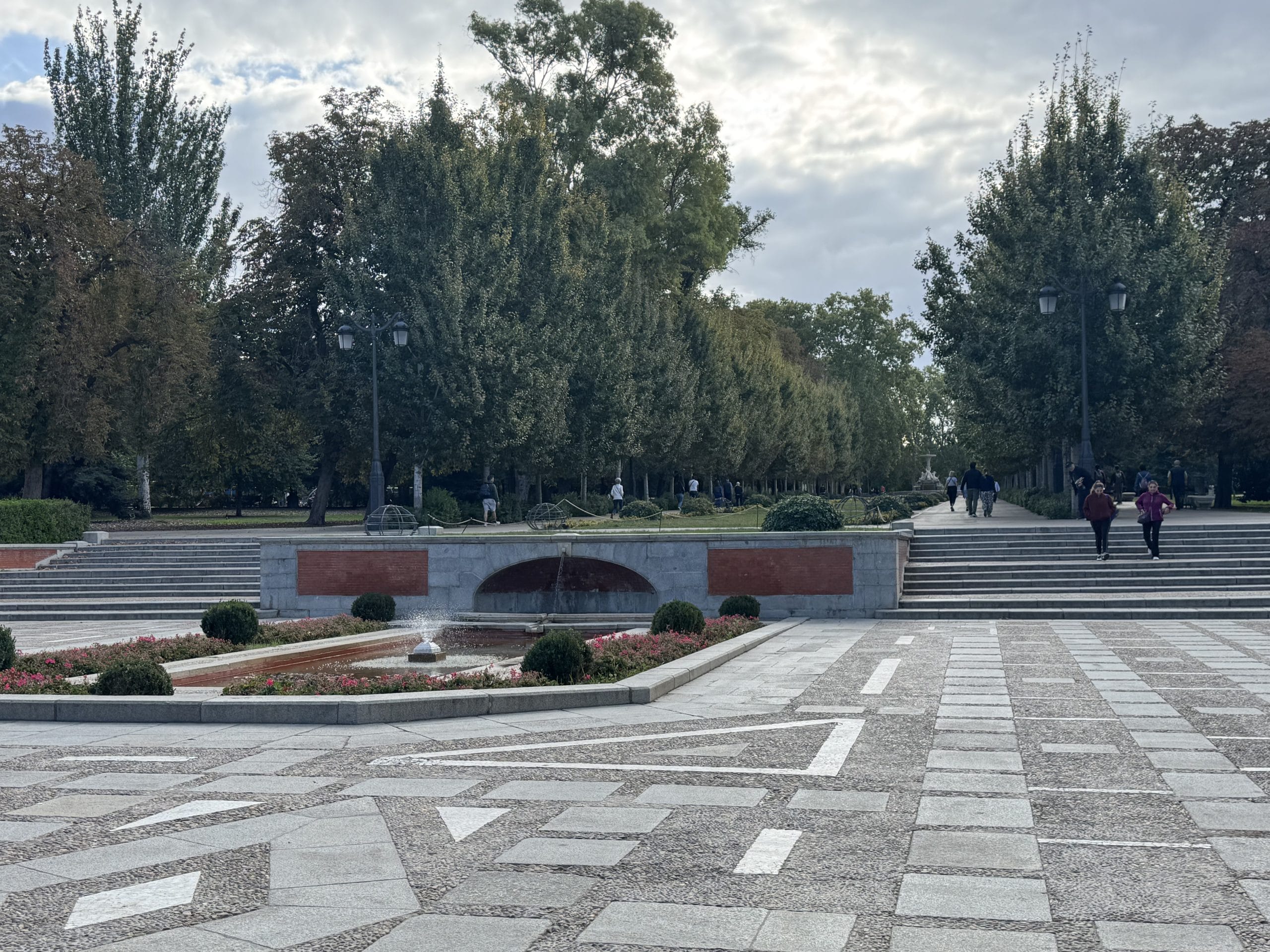
Parque de El Retiro is a beautiful, 350-acre park in the city center.
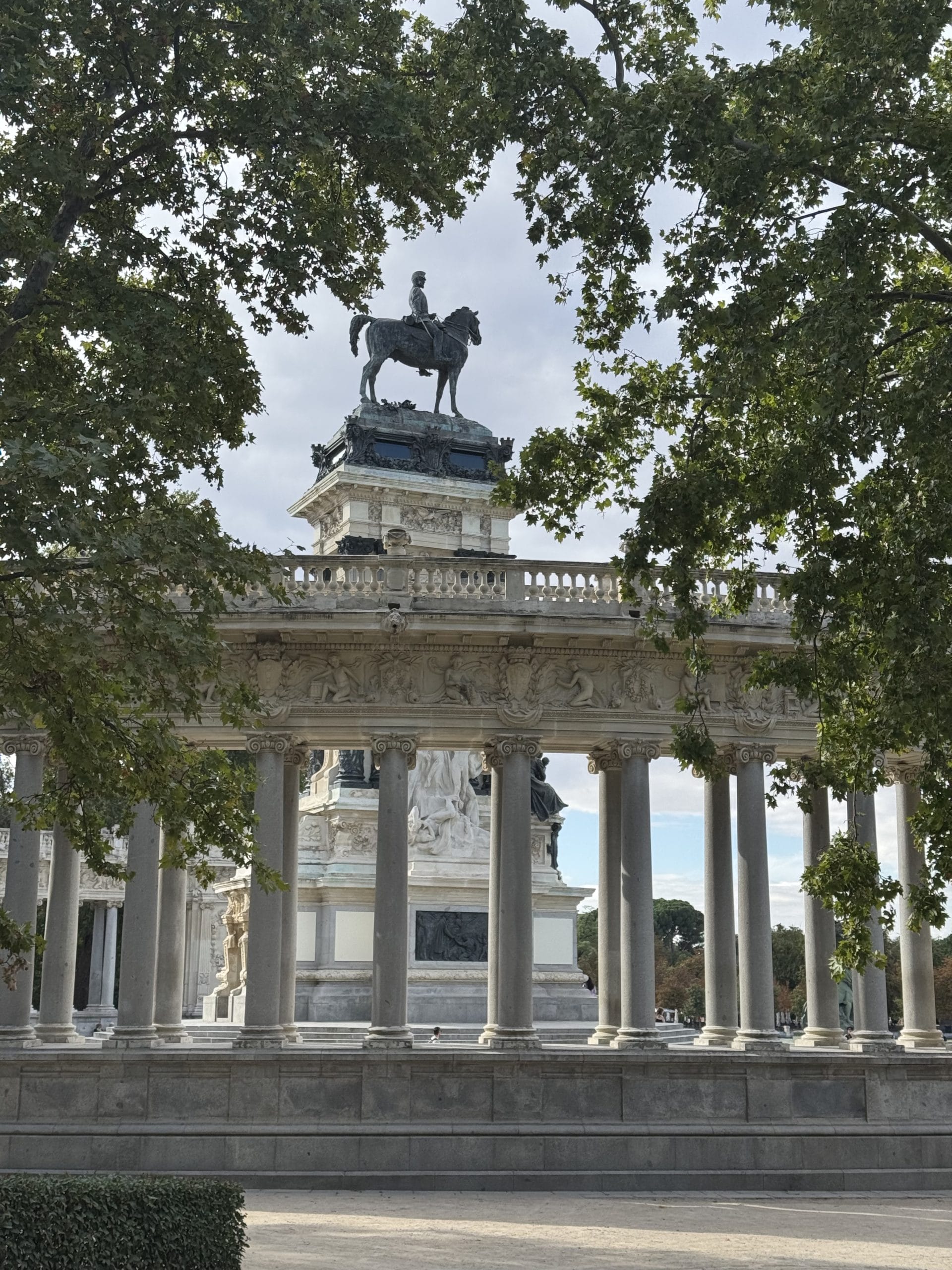
Monument to Alfonso XII, credited with creating the park.
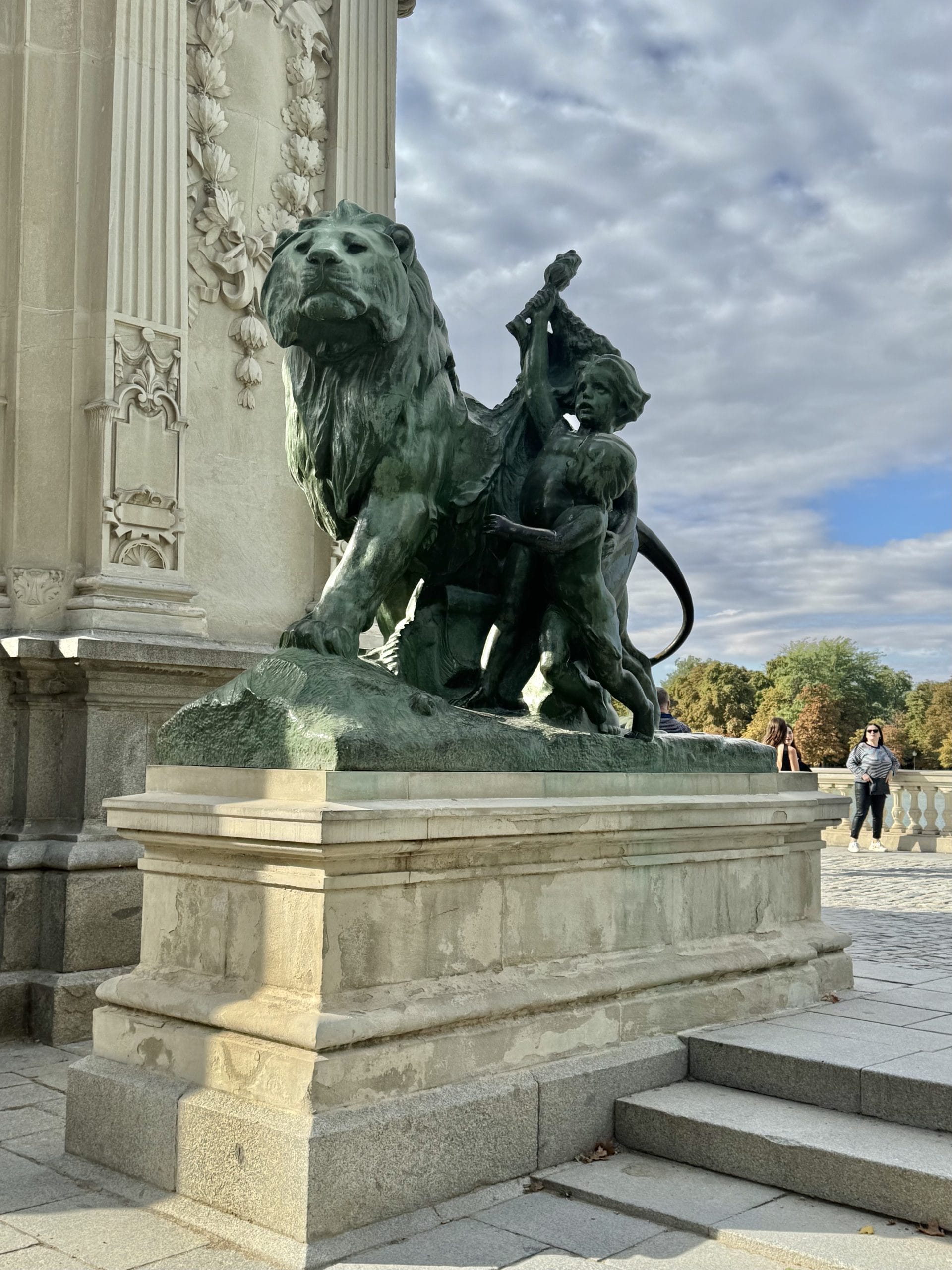
There are 8 bronze lions around, all created from old cannons.
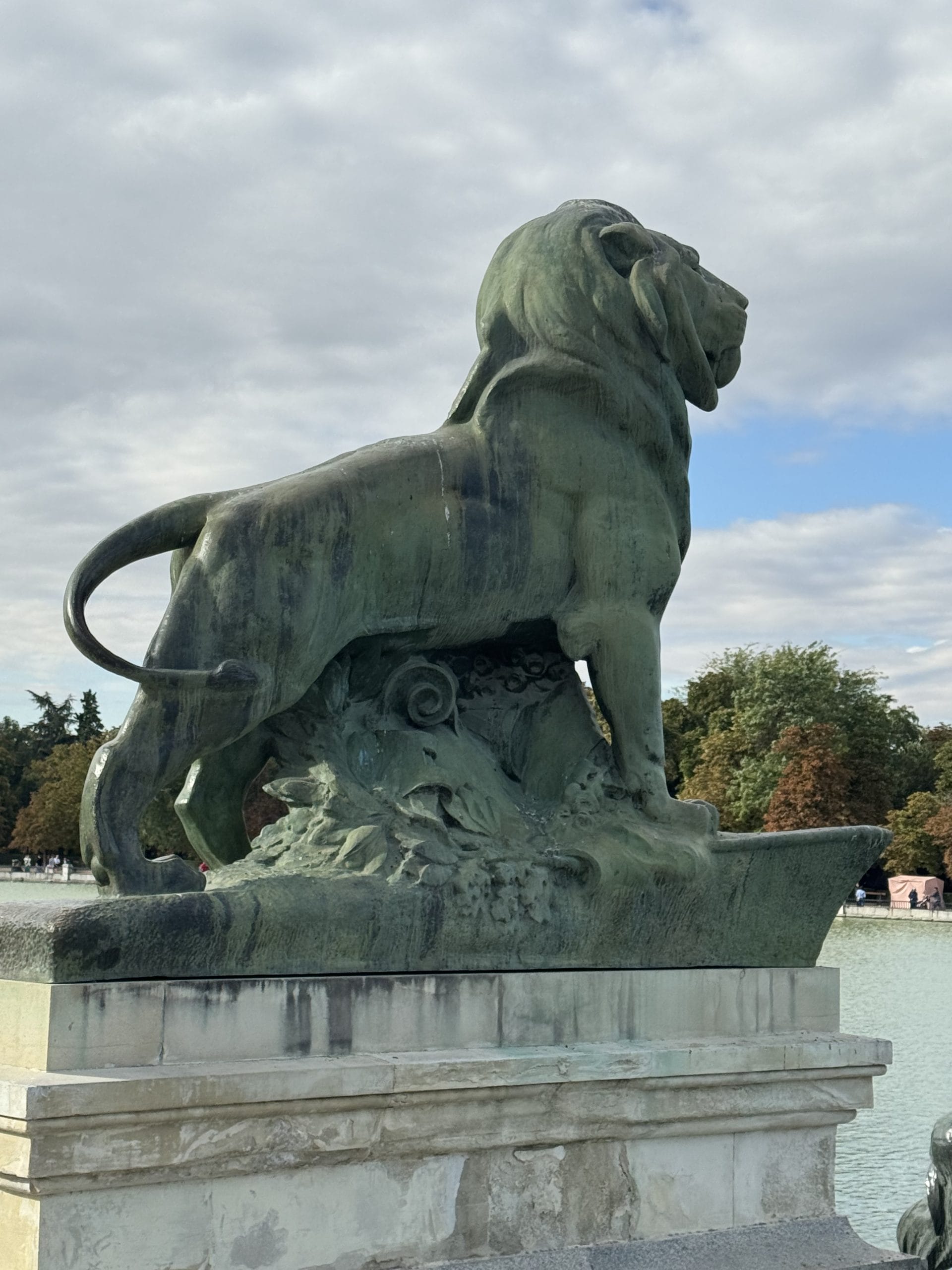
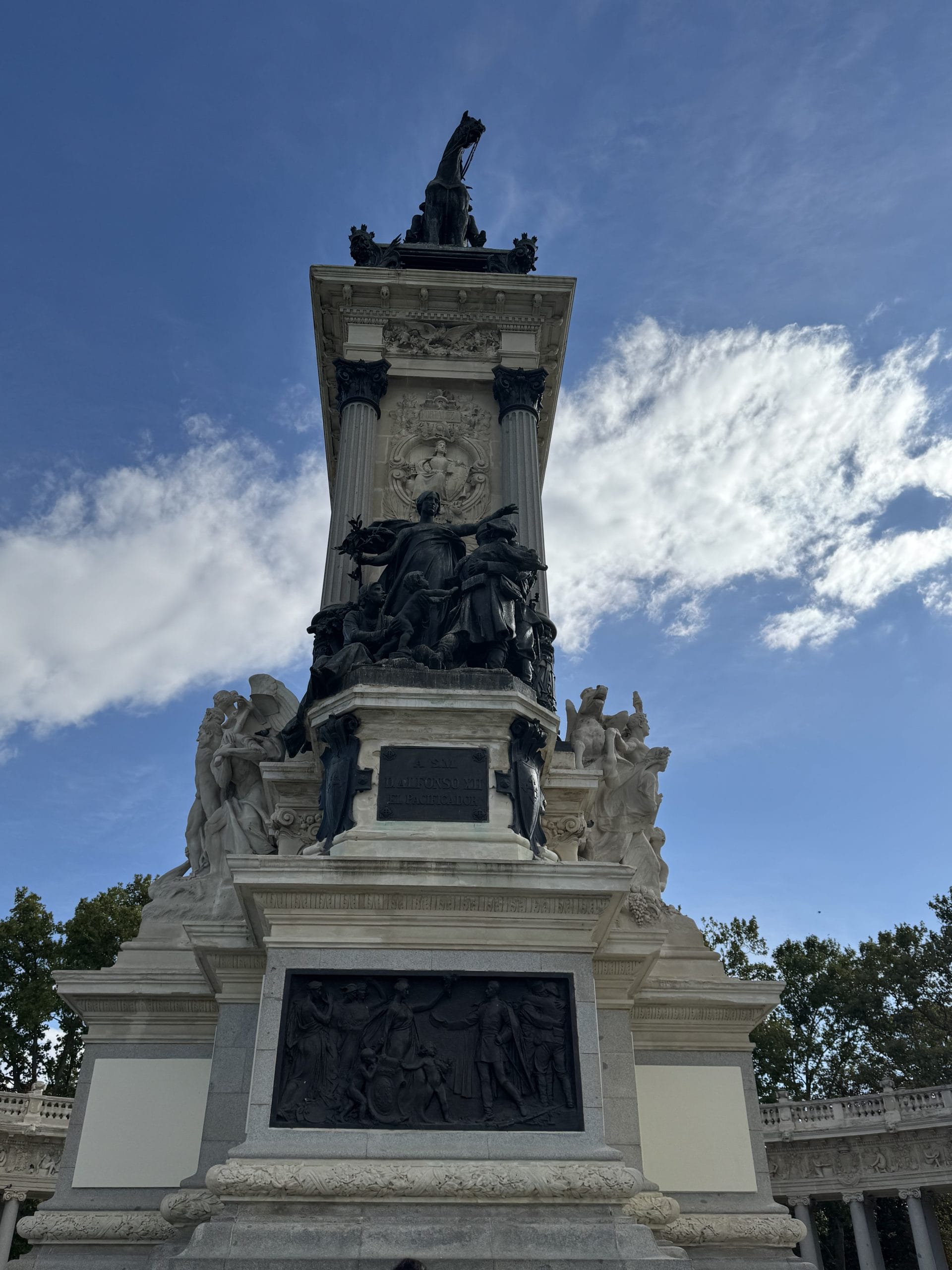
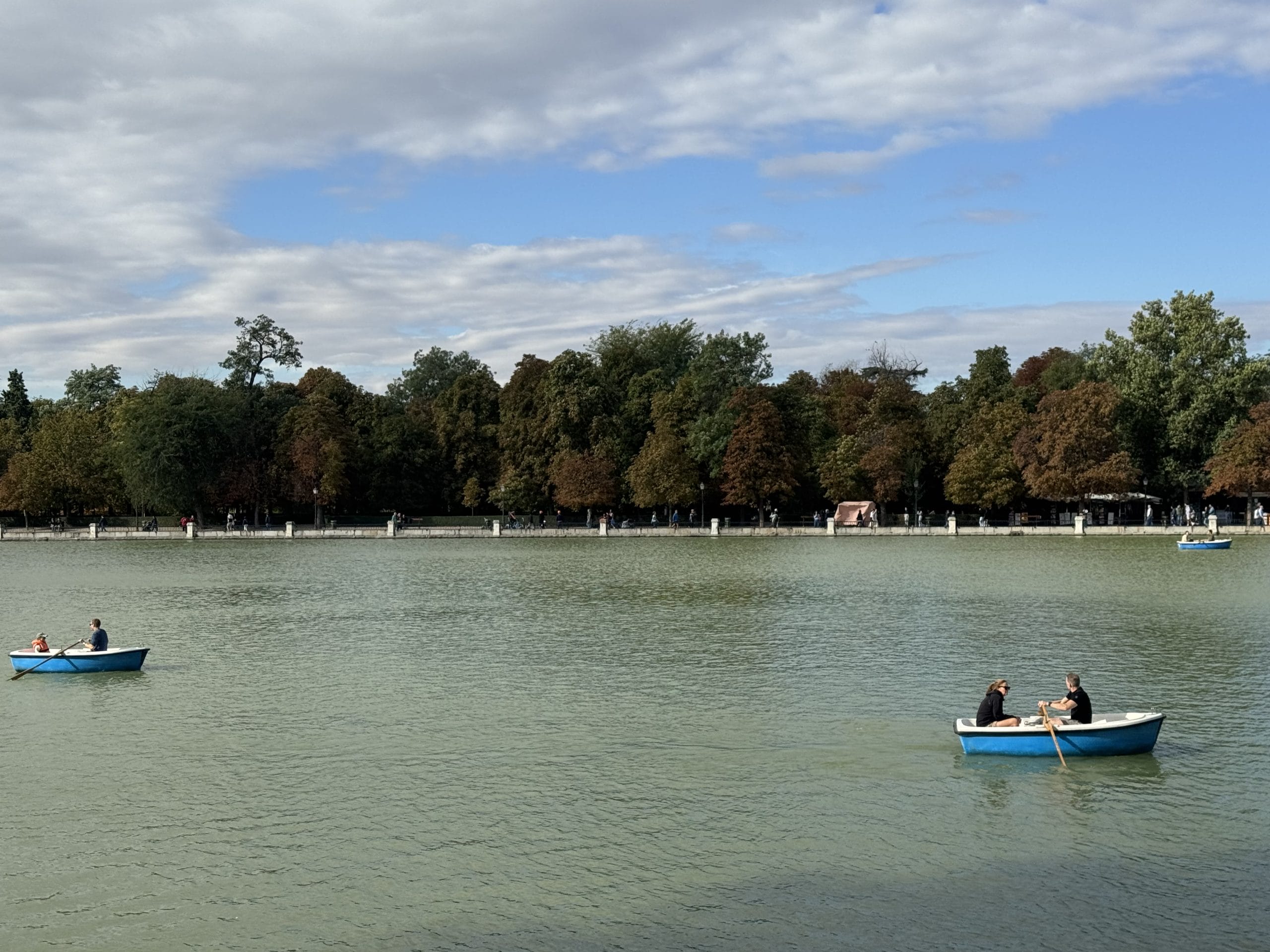
The Great Pond where you can rent a rowboat.
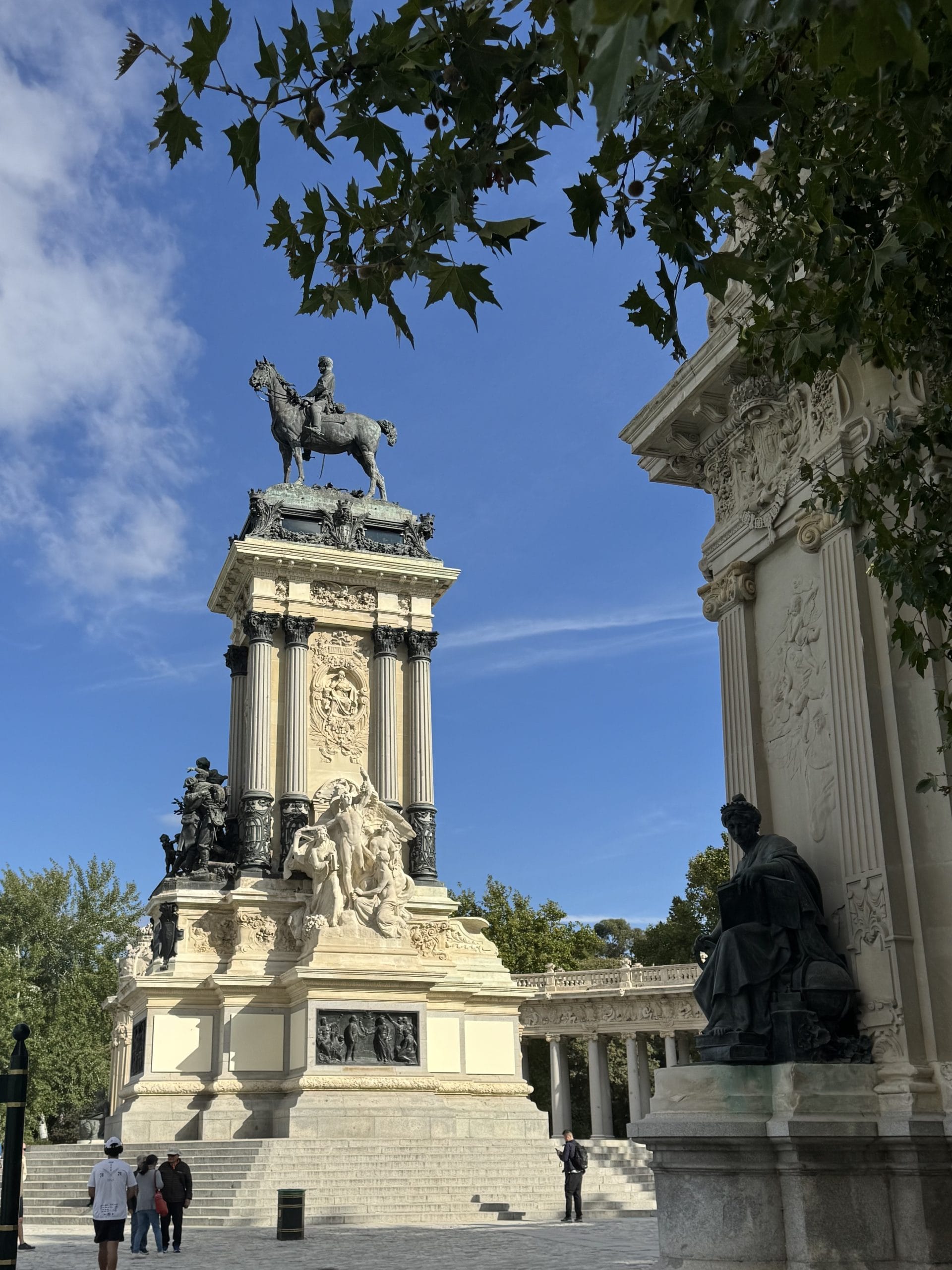
Another view of Alfonso XII.
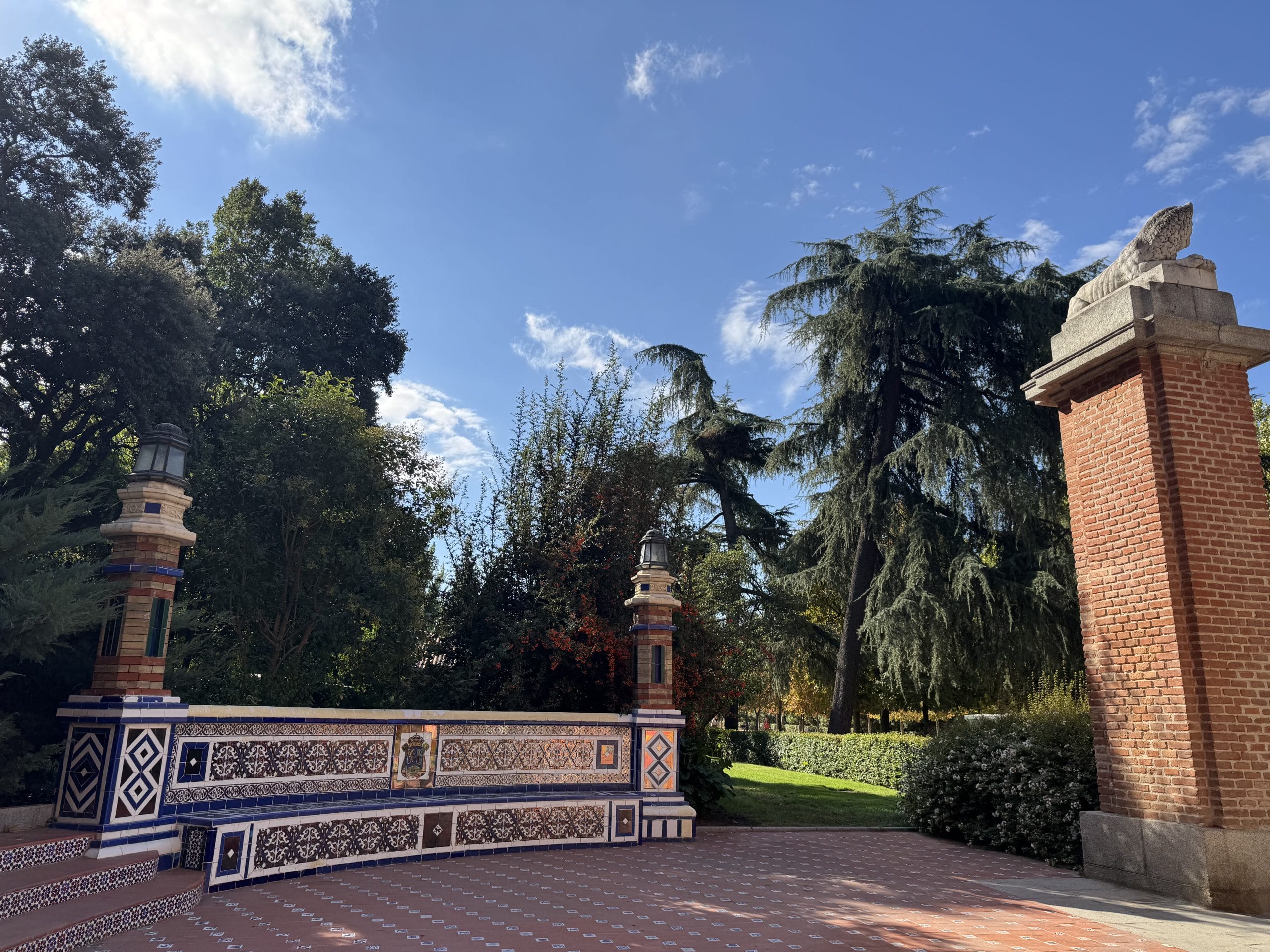
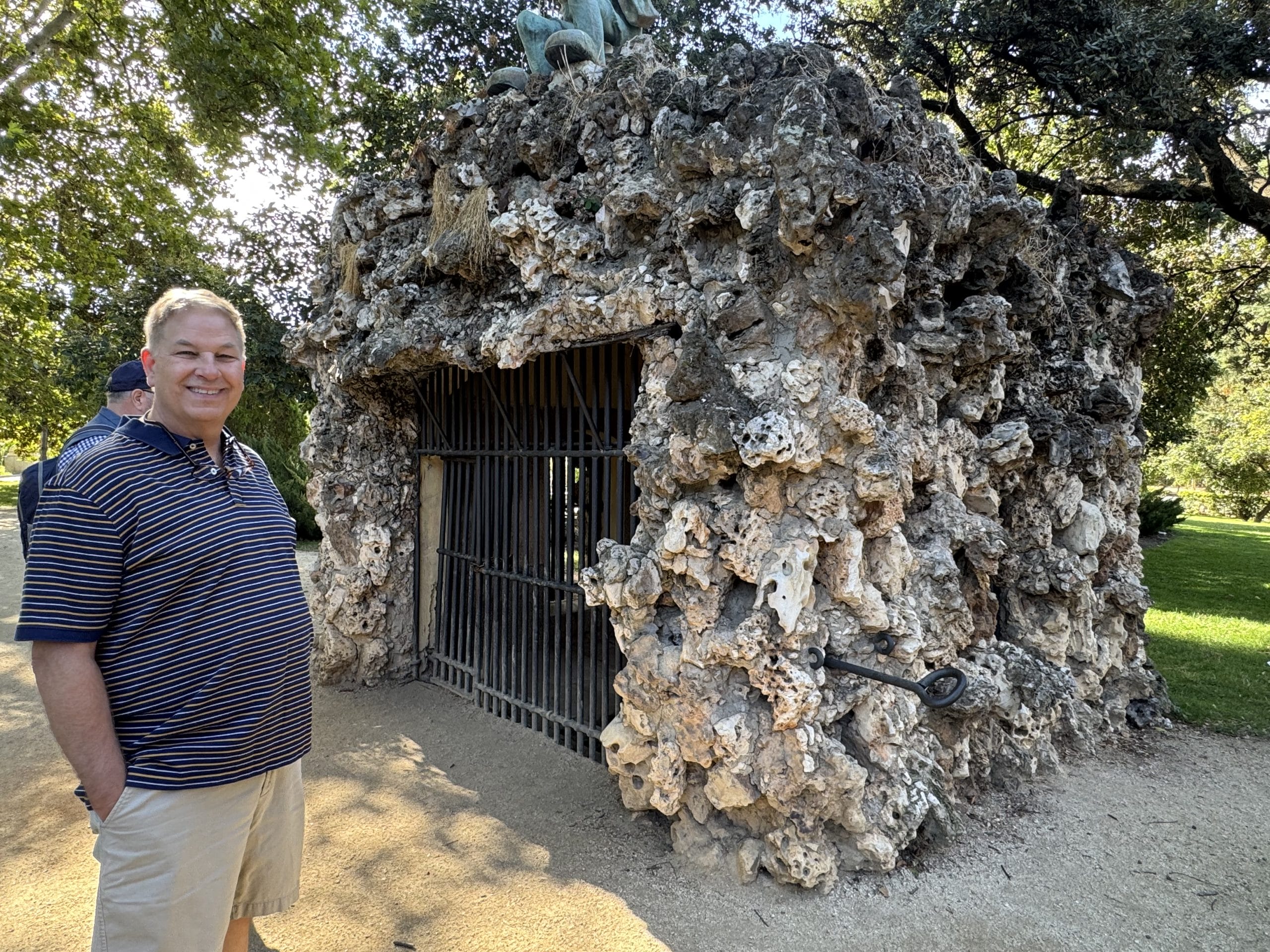
Where past kings kept their wild animals.
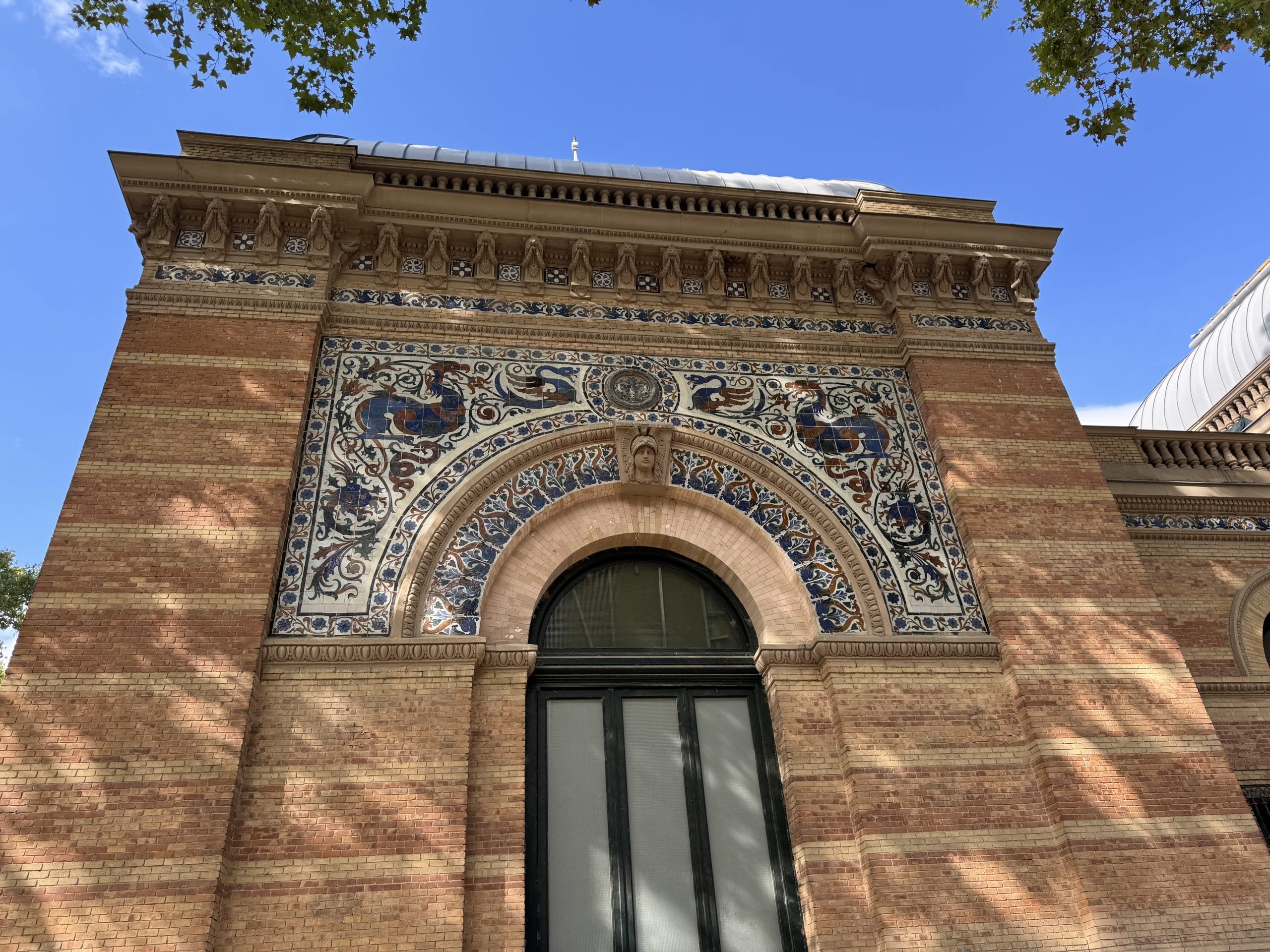
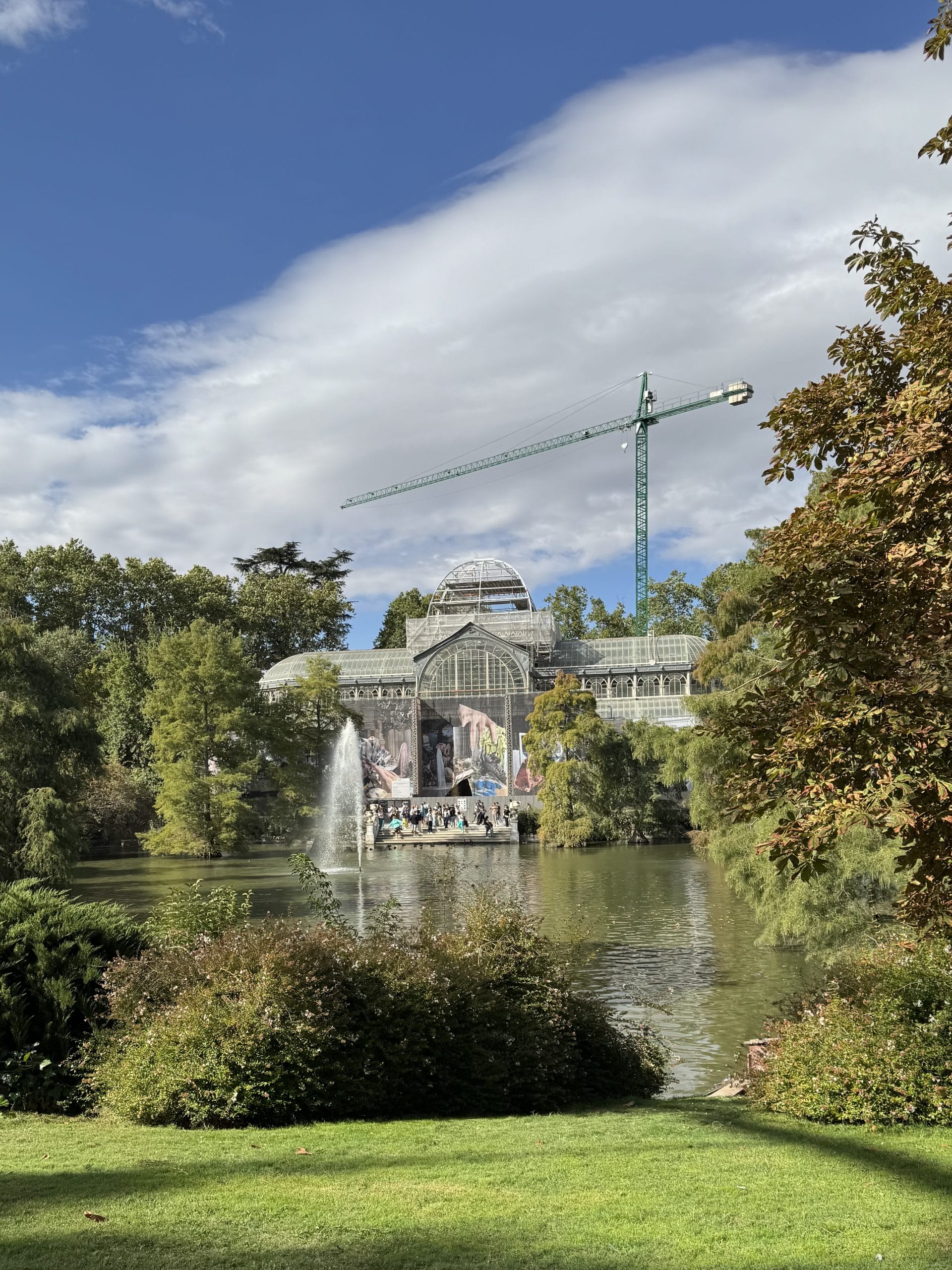
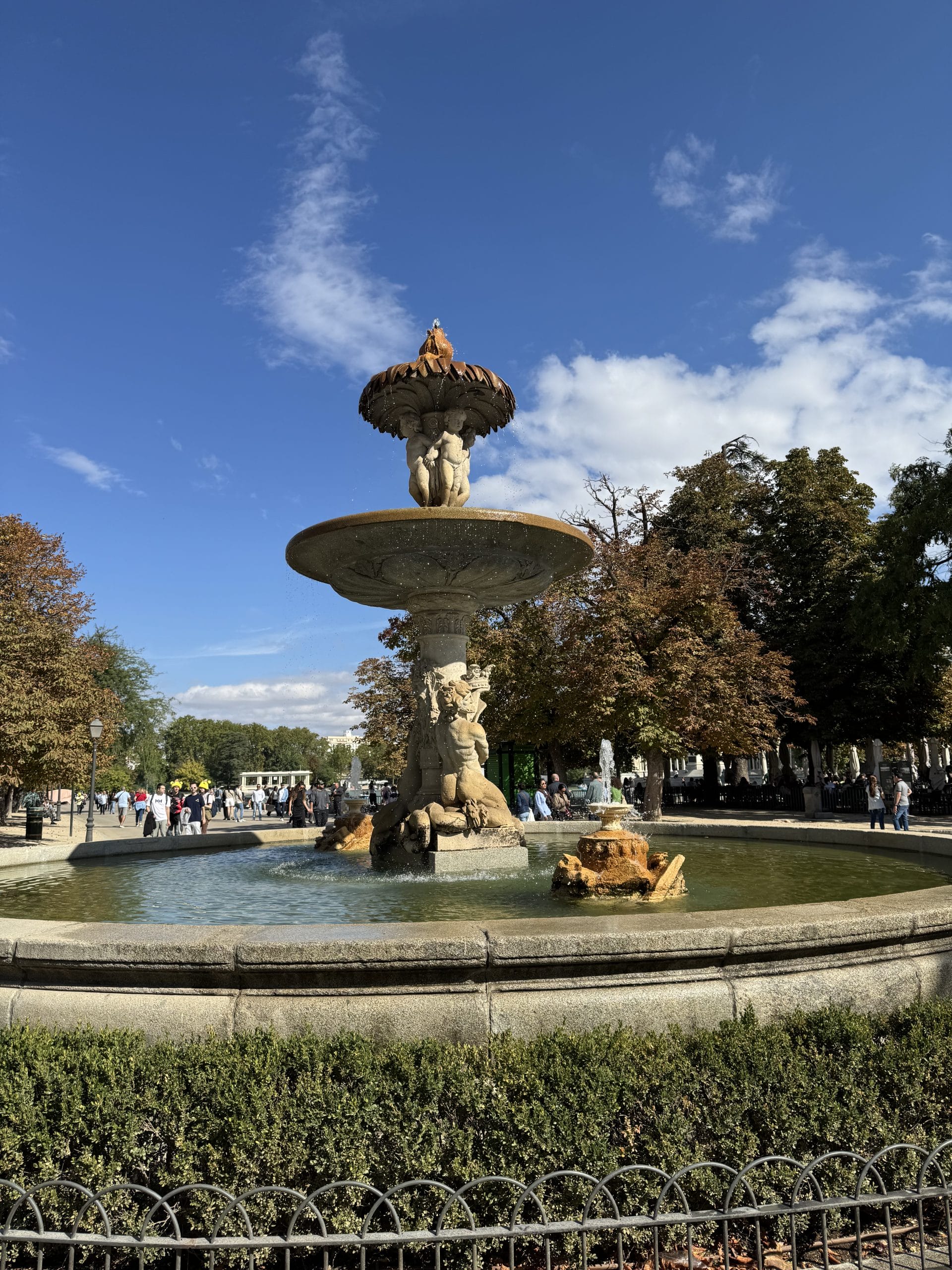
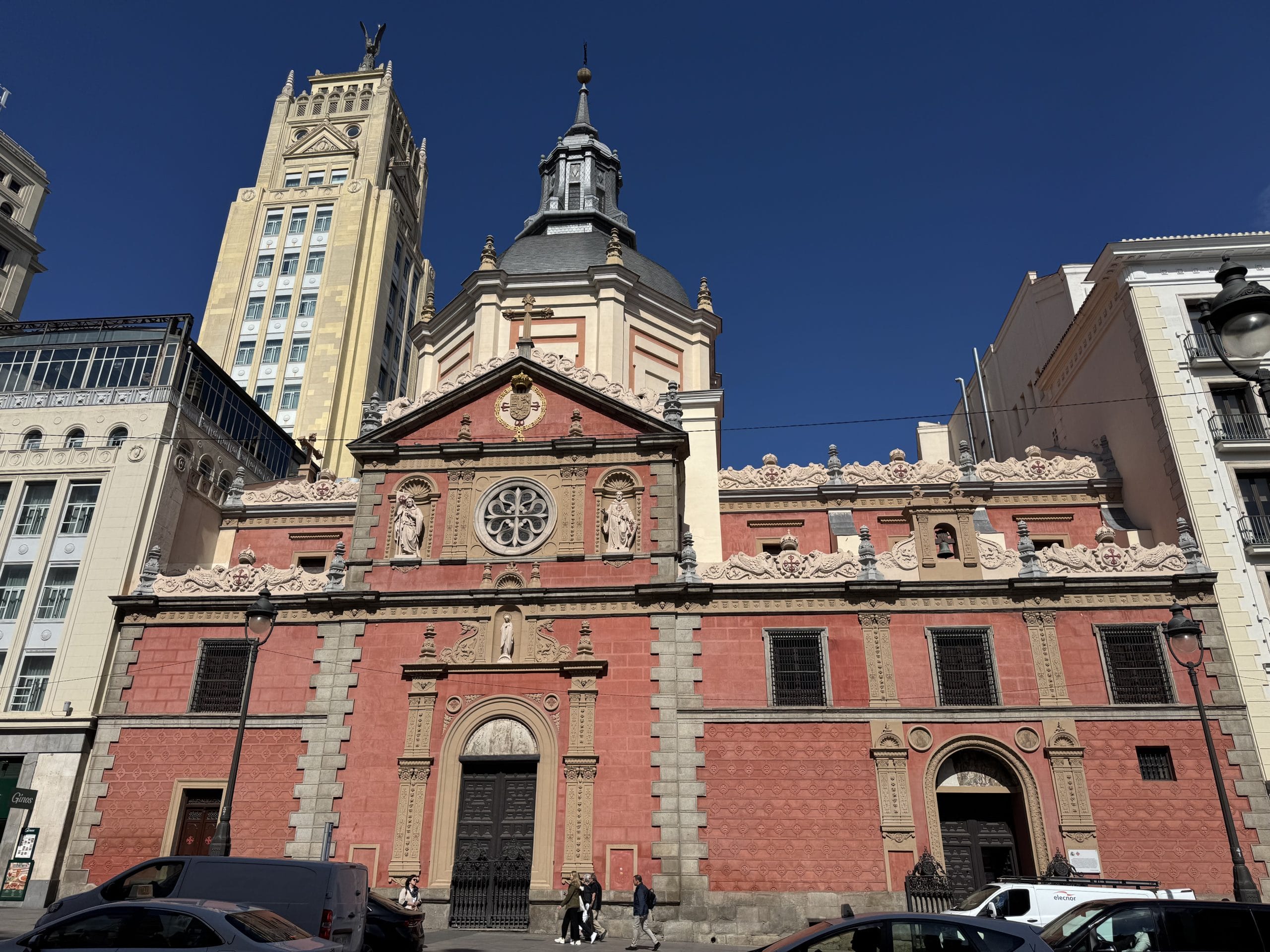
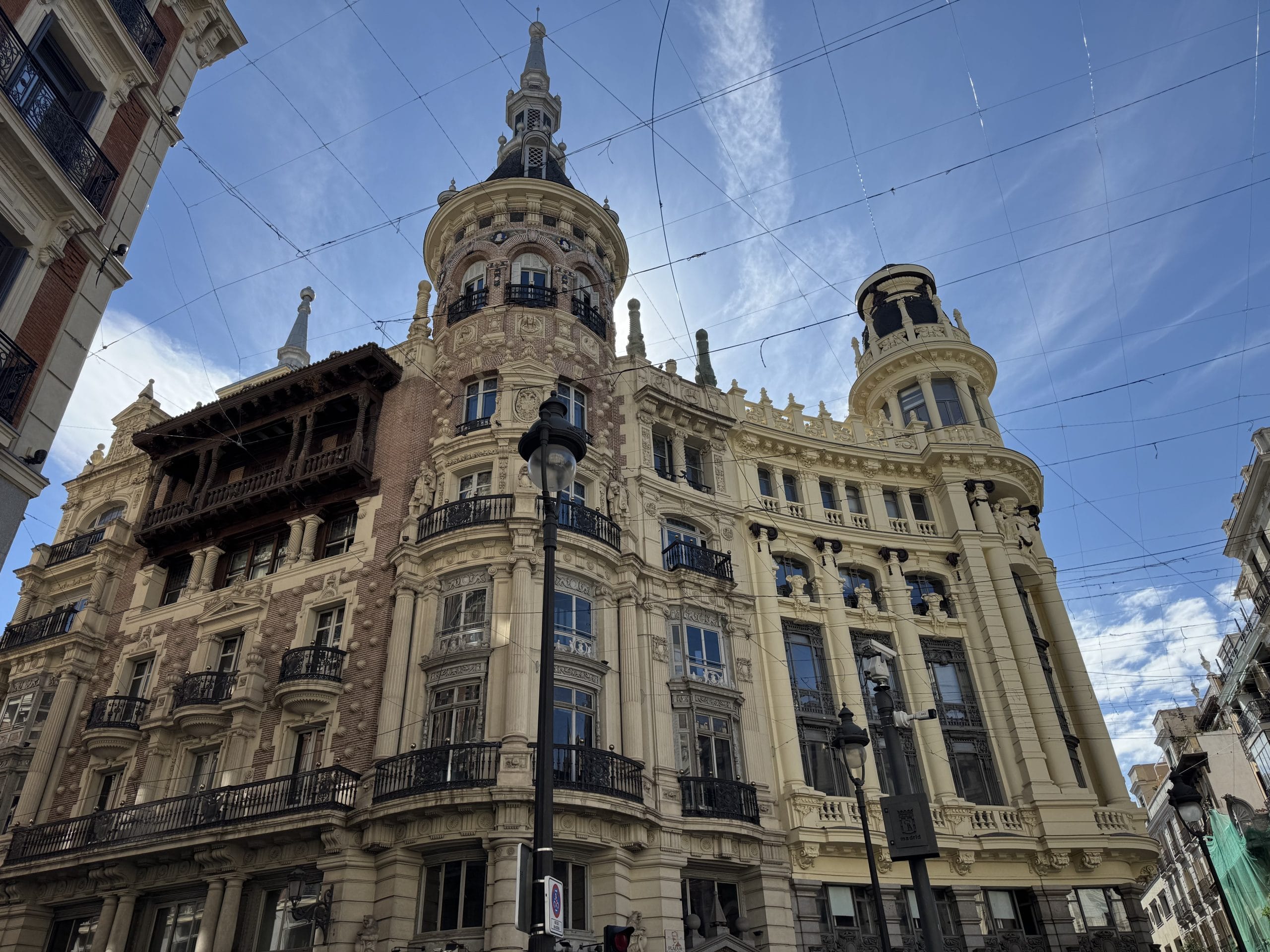
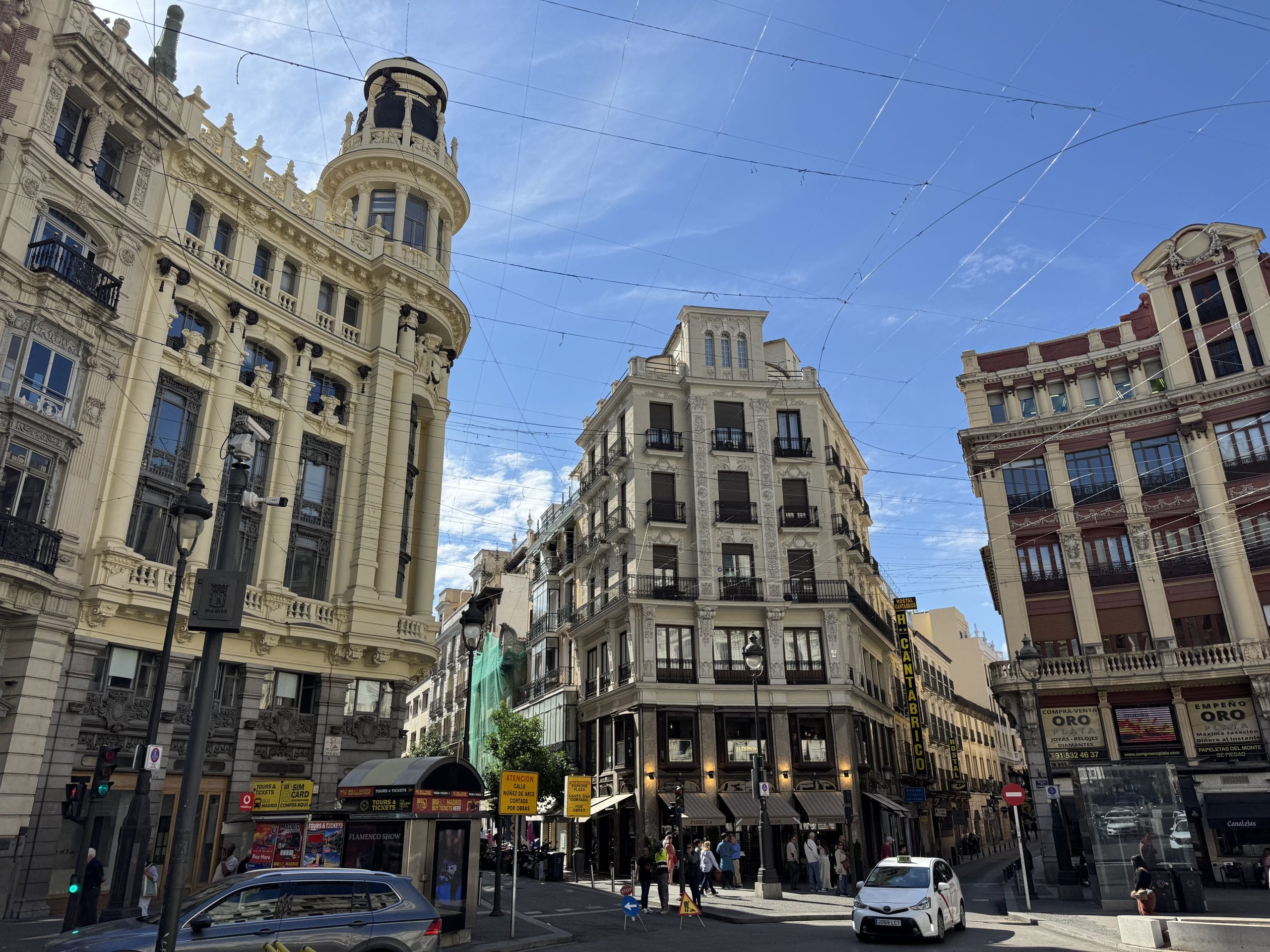
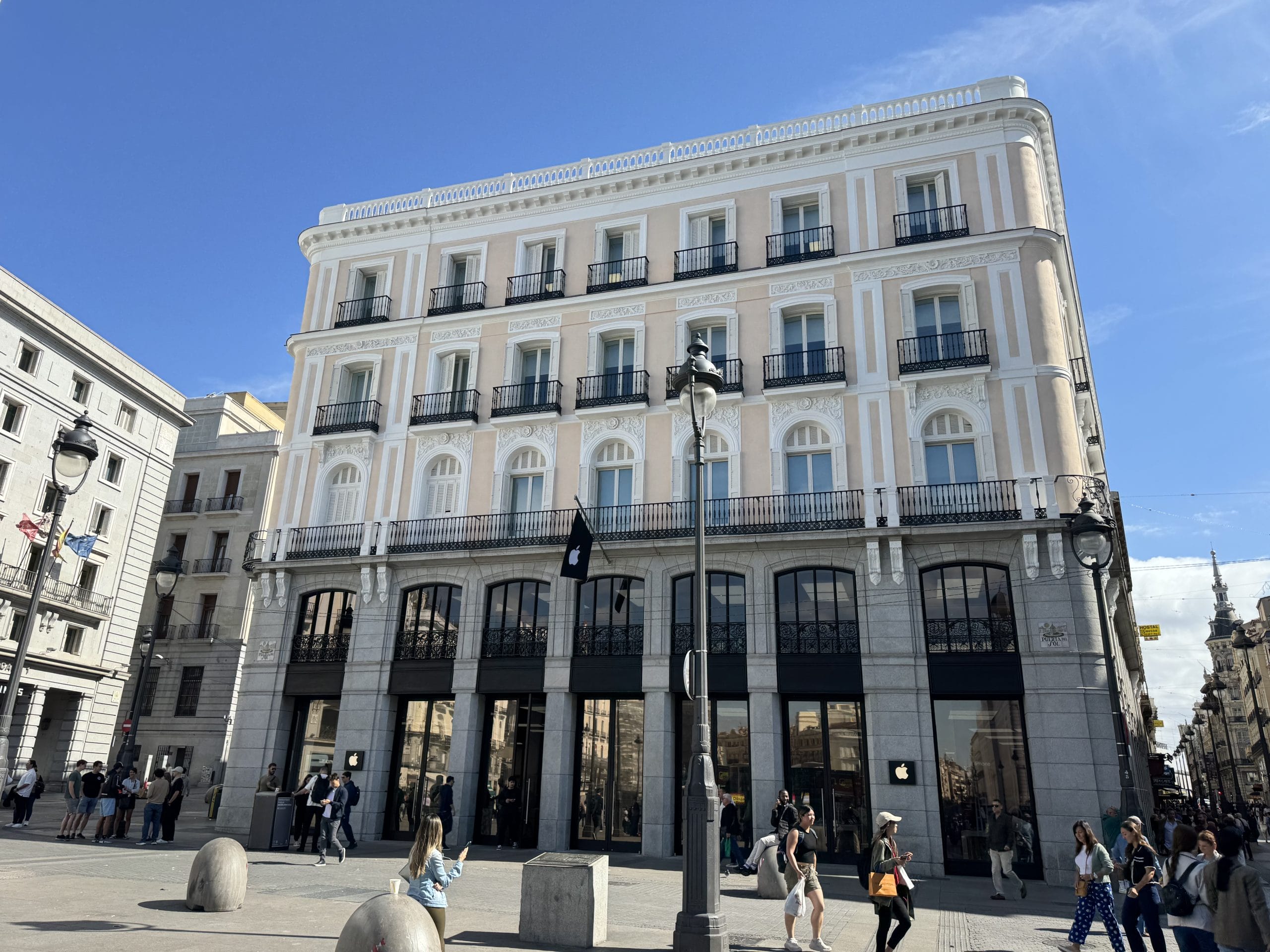
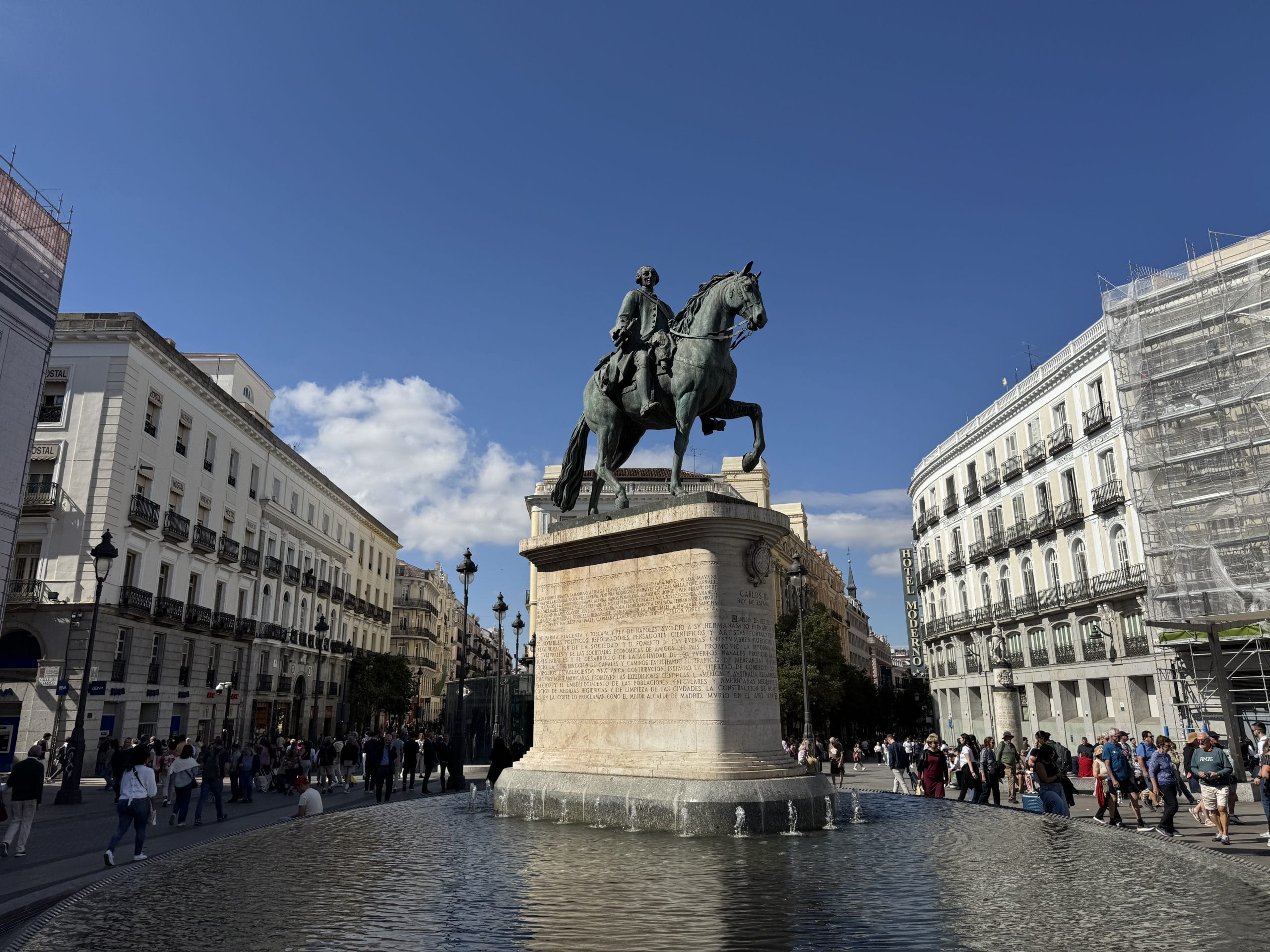
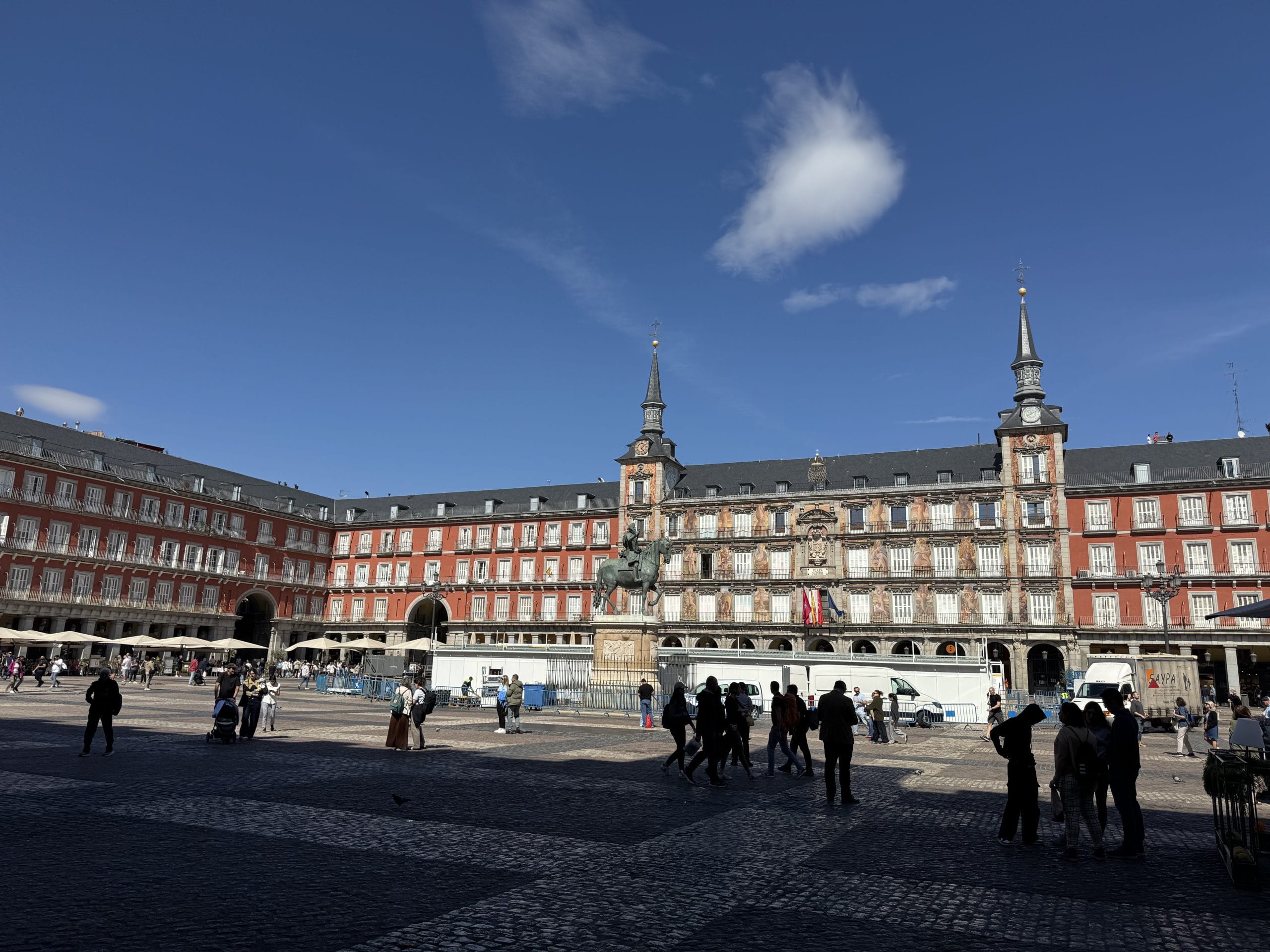
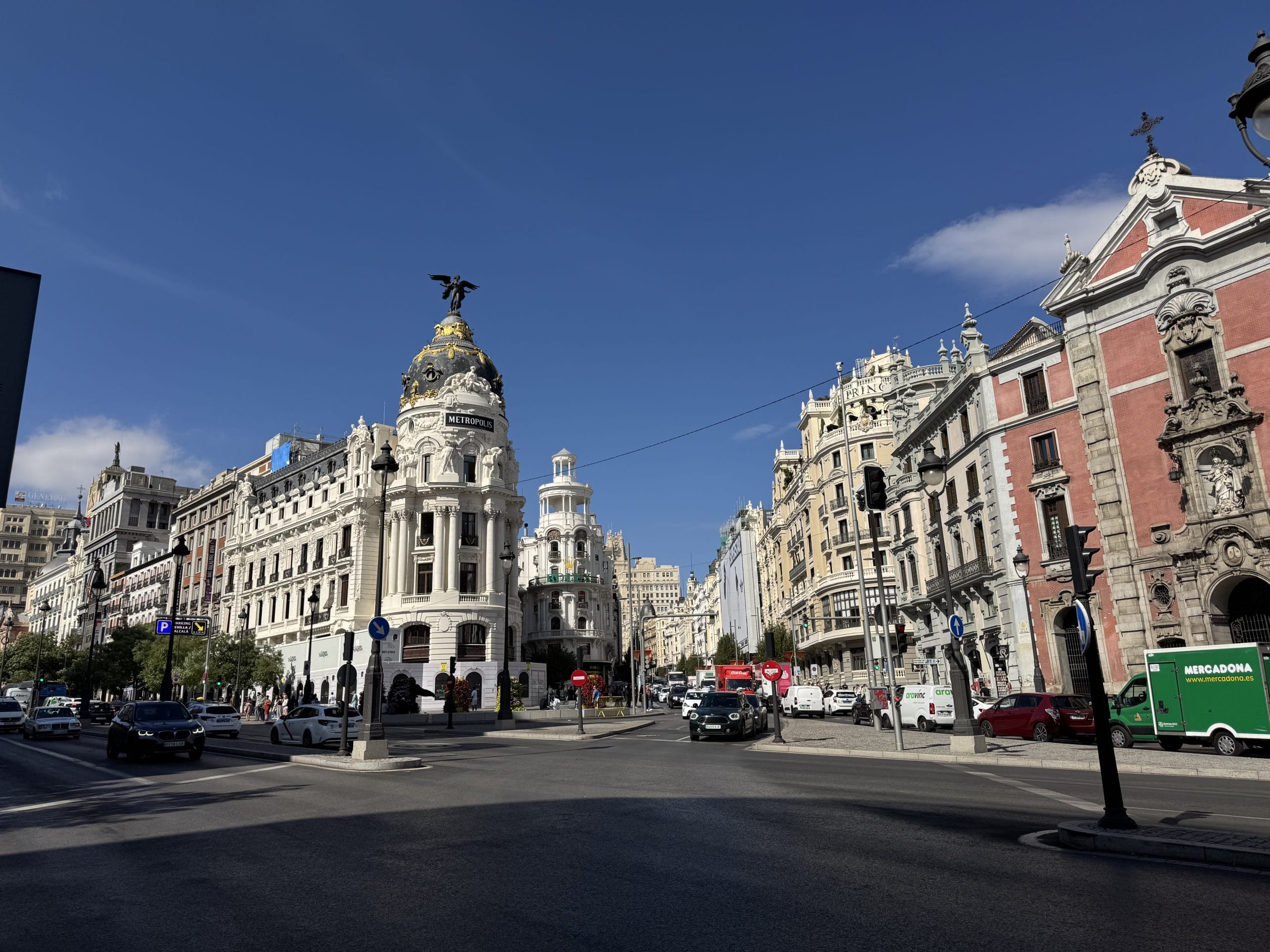
Gorgeous architecture, Madrid, Spain.
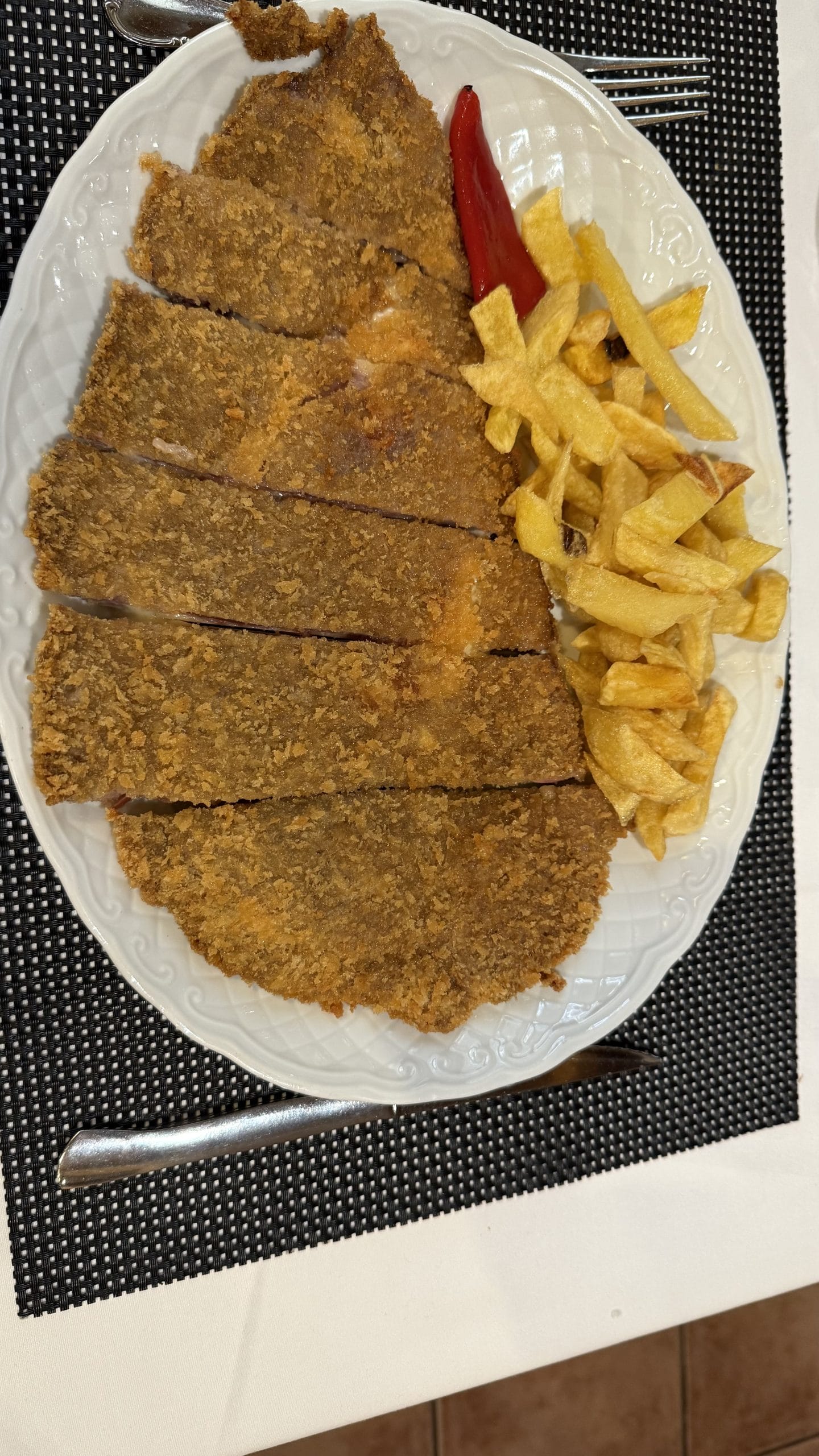
The Spanish version of schnitzel; veal, ham and cheese, breaded and pan fried.
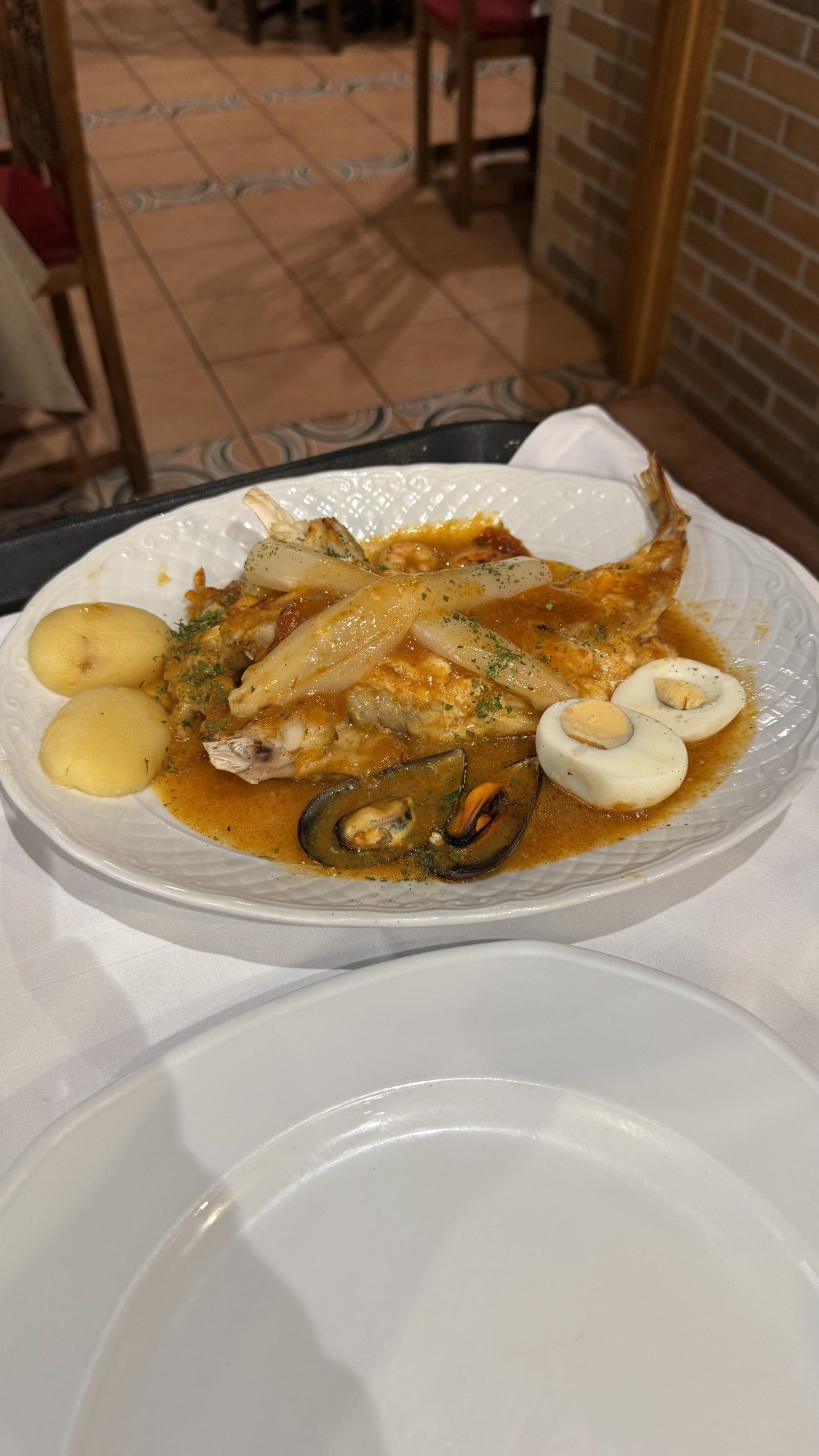
Sharon had a fish entree, with white asparagus potatoes, and eggs in a delicious sauce.
One of your photos looks like the Franklin Park Conservatory. What amazes me is that this country is truly old. Rich history, lots of tales and beautiful terrain.
You guys look FABULOUS !!!