
Cairo, Egypt
Cairo, at 22 million people is the largest city in the Middle East and 12th largest in the world. It is associated with ancient Egypt, as the Giza pyramid complex and the ancient cities of Memphis and Heliopolis are located within. The city dates to 641AD and has long been the center of the region’s political and cultural life. With its location at the junction of the Nile Valley and the Nile Delta regions, it played an important part in trade routes between north Africa, the Sinai Peninsula and beyond.
Egypt, with 100 million inhabitants, is the 14th most populated country in the world. Cairo is the nations capital. Having been initially ruled by the Ottoman Empire, and then the British Empire, it gained independence in 1922 as a monarchy. Following the 1952 Revolution, Egypt declared itself a semi-presidential republic, had a brief merger with Syria, and has had several conflicts with Israel, resulting in the Camp David Accords in 1978.
Most of the country’s inhabitants live along the Nile River delta, as most of the country land mass is arid desert. We will see some of that desert when we travel from Aswan to Abu Simbel on October 31.
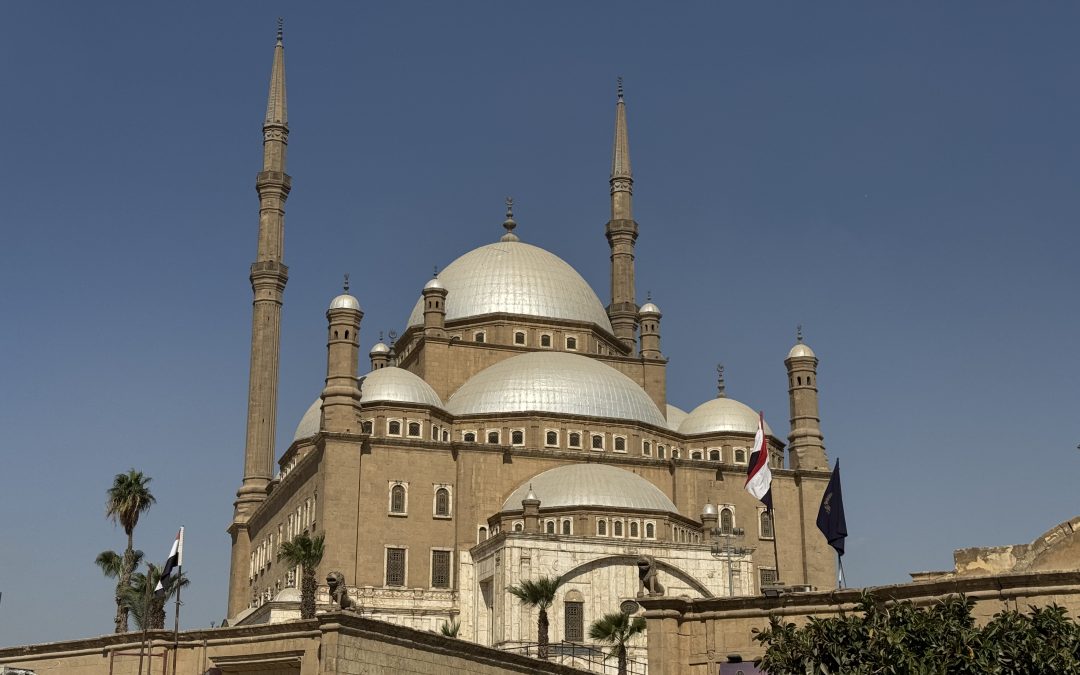
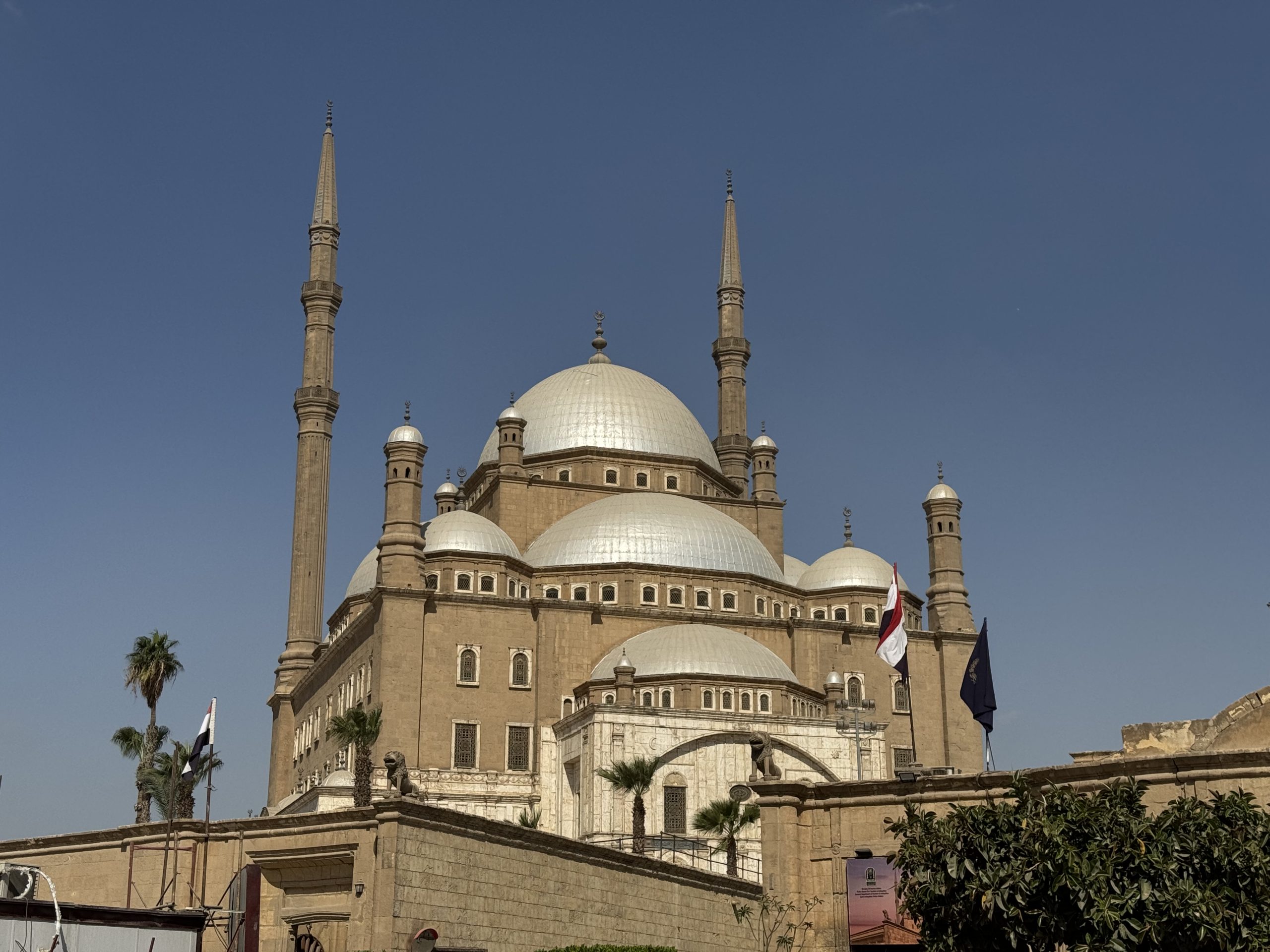
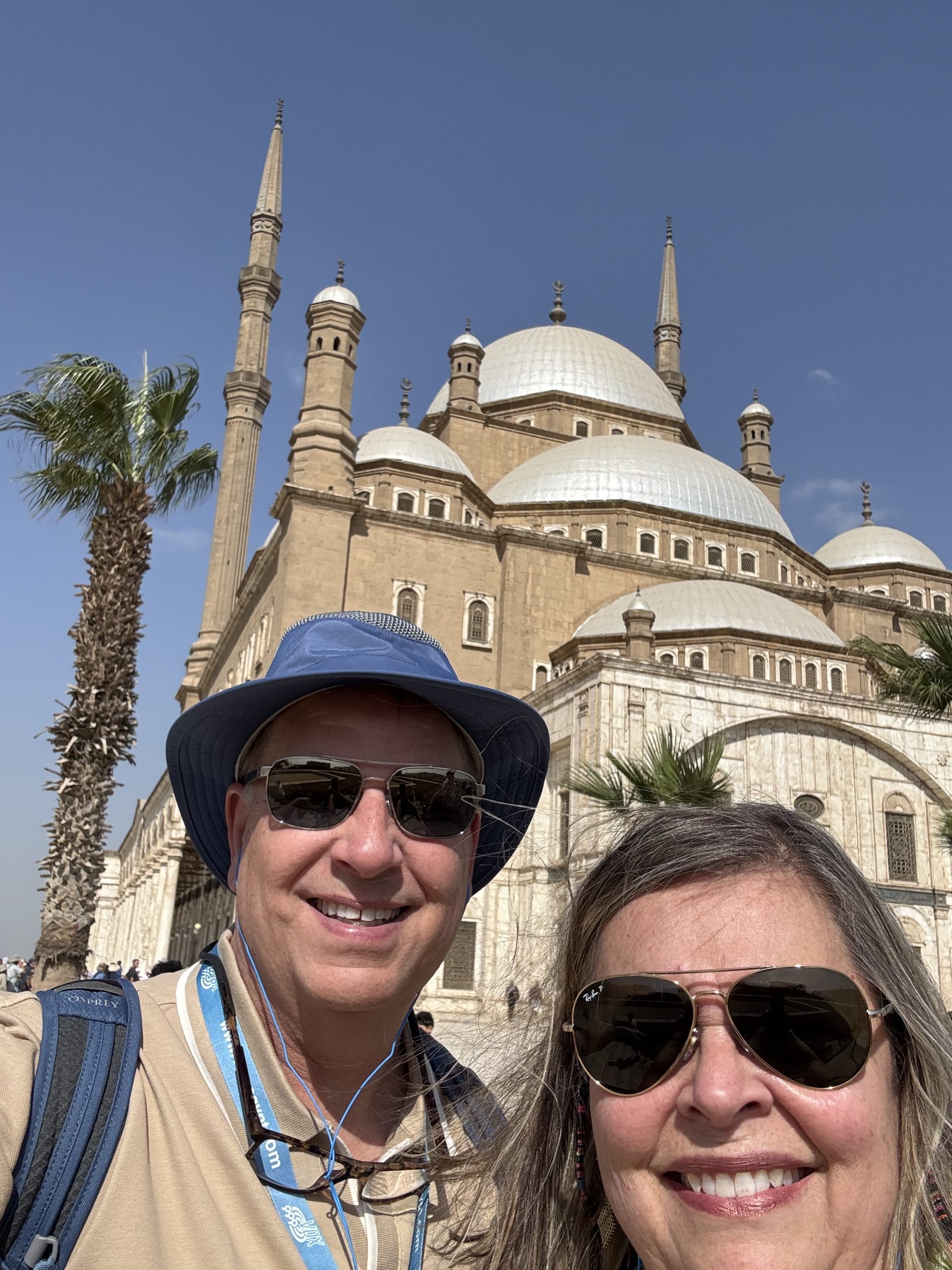
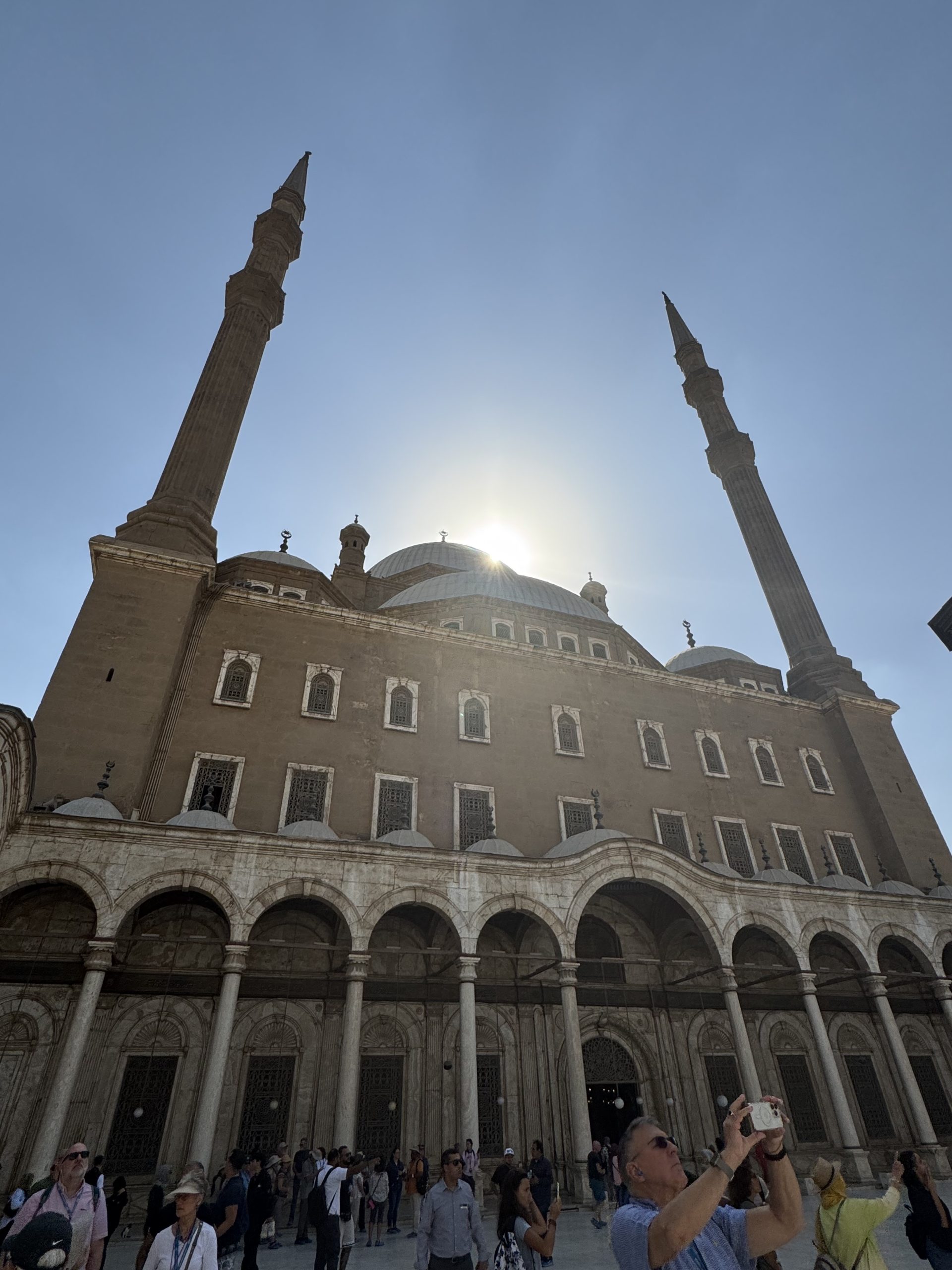
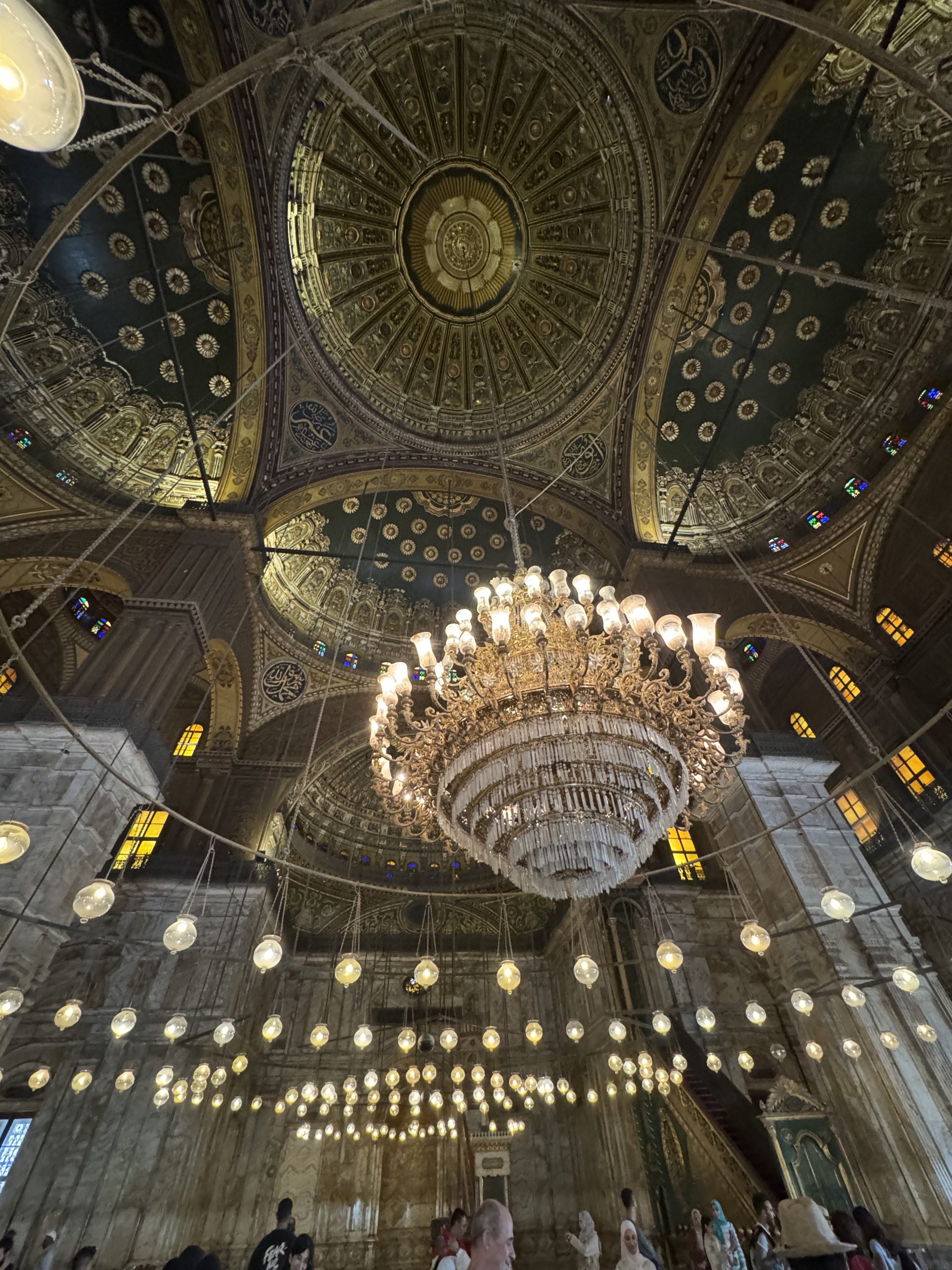
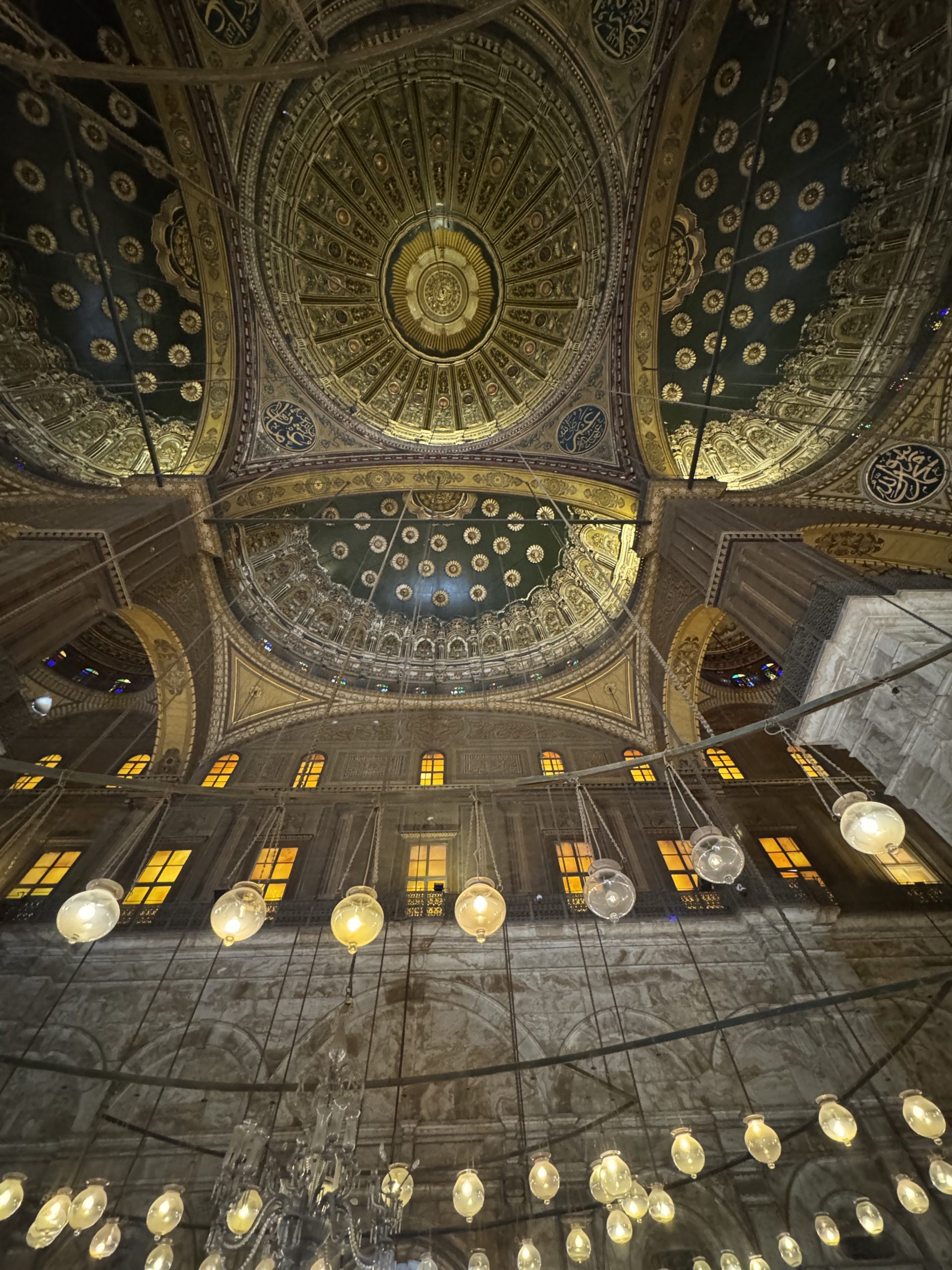
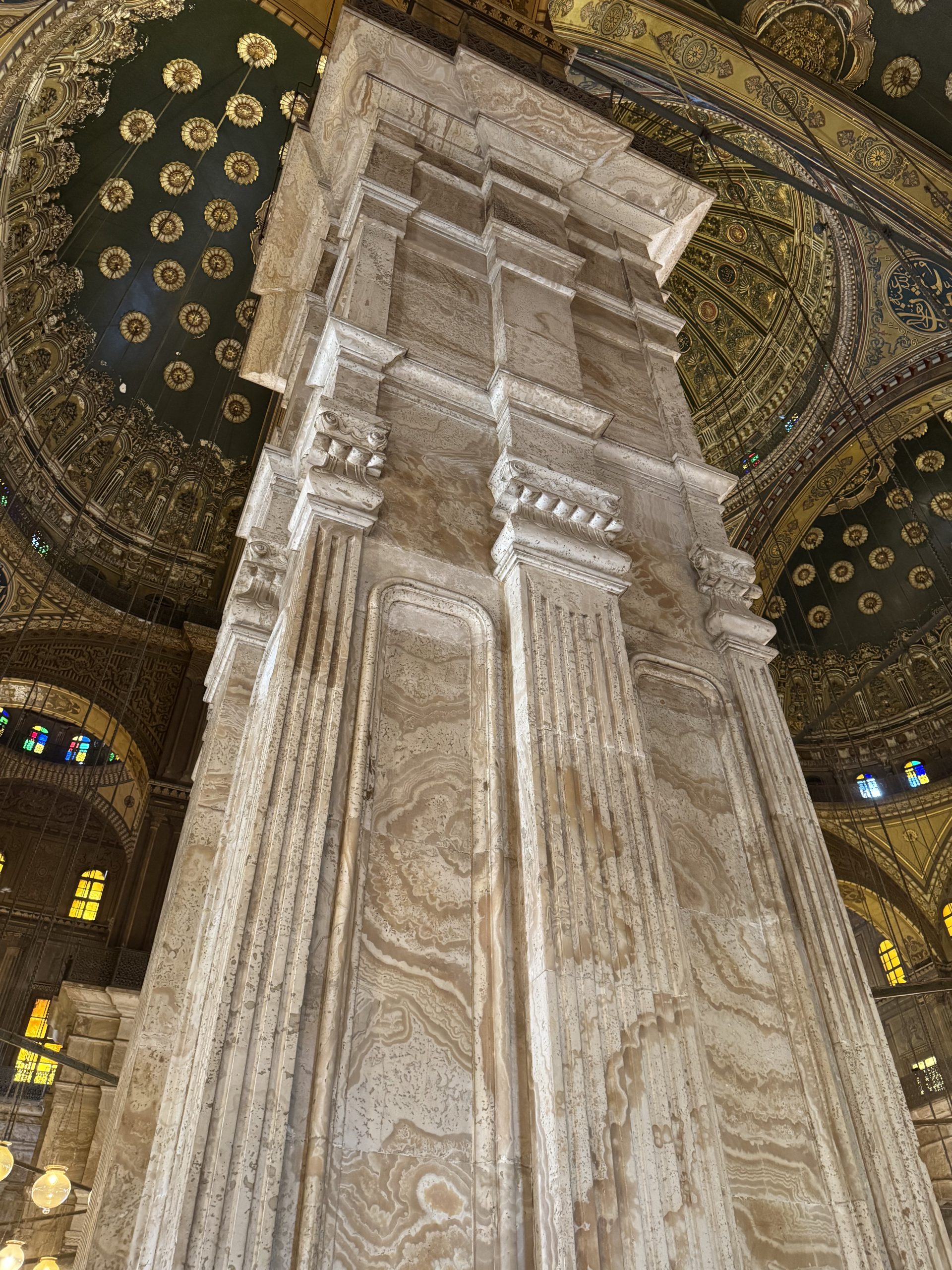
During our first day in Cairo, we visited the Alabaster Mosque, also known as the Mohammad Ali Mosque, the burial site of the Ottoman Albanian viceroy and governor who became the de facto ruler of Egypt from 1805 to 1848, and is widely considered the founder of modern Egypt. Mohammad Ali built the mosque in honor of his dead son, and to be the family resting place. Today it remains one of the largest mosques in Egypt. Built between 1830 and 1848, it underwent a major restoration that was completed in 1939.
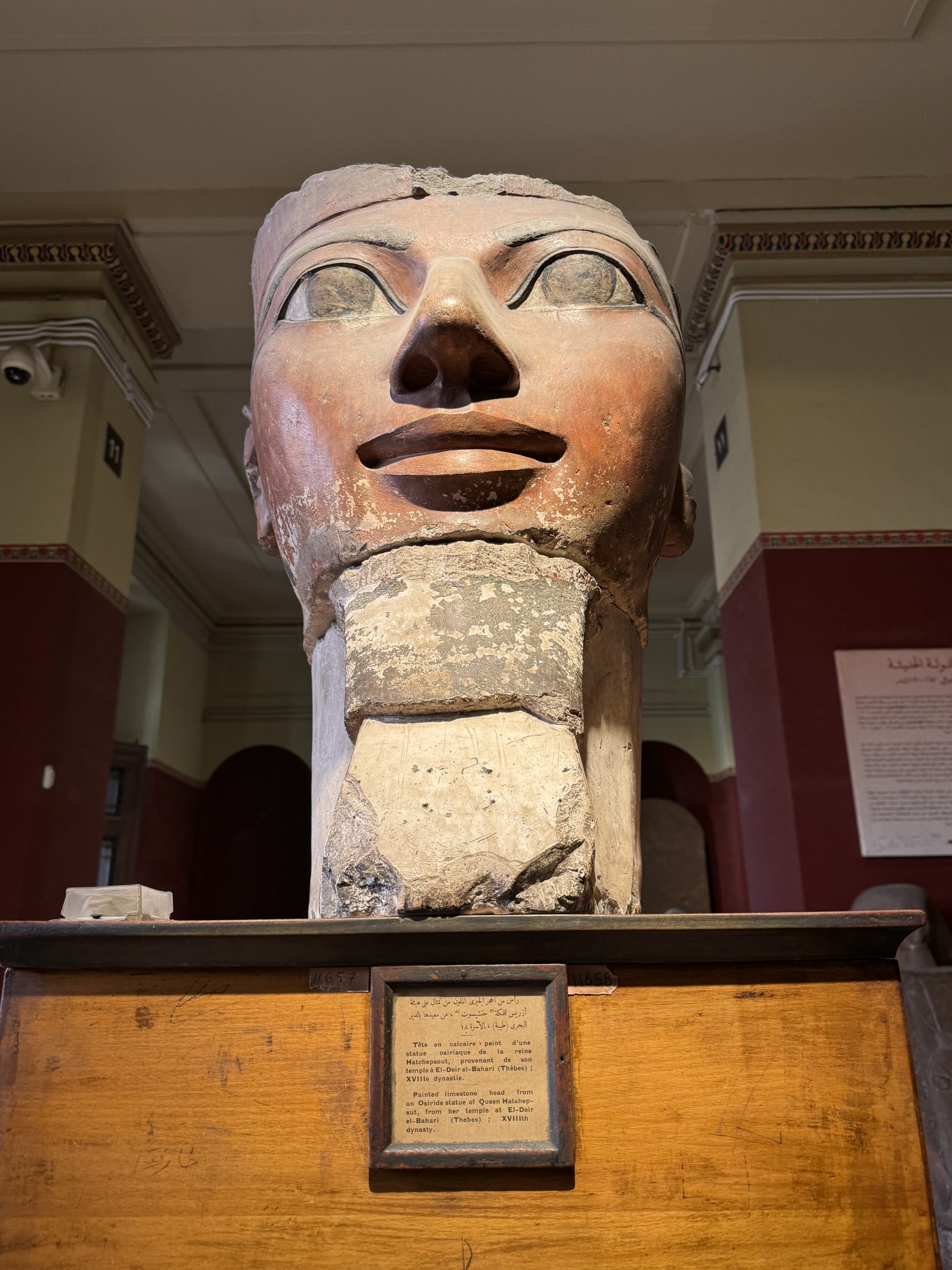
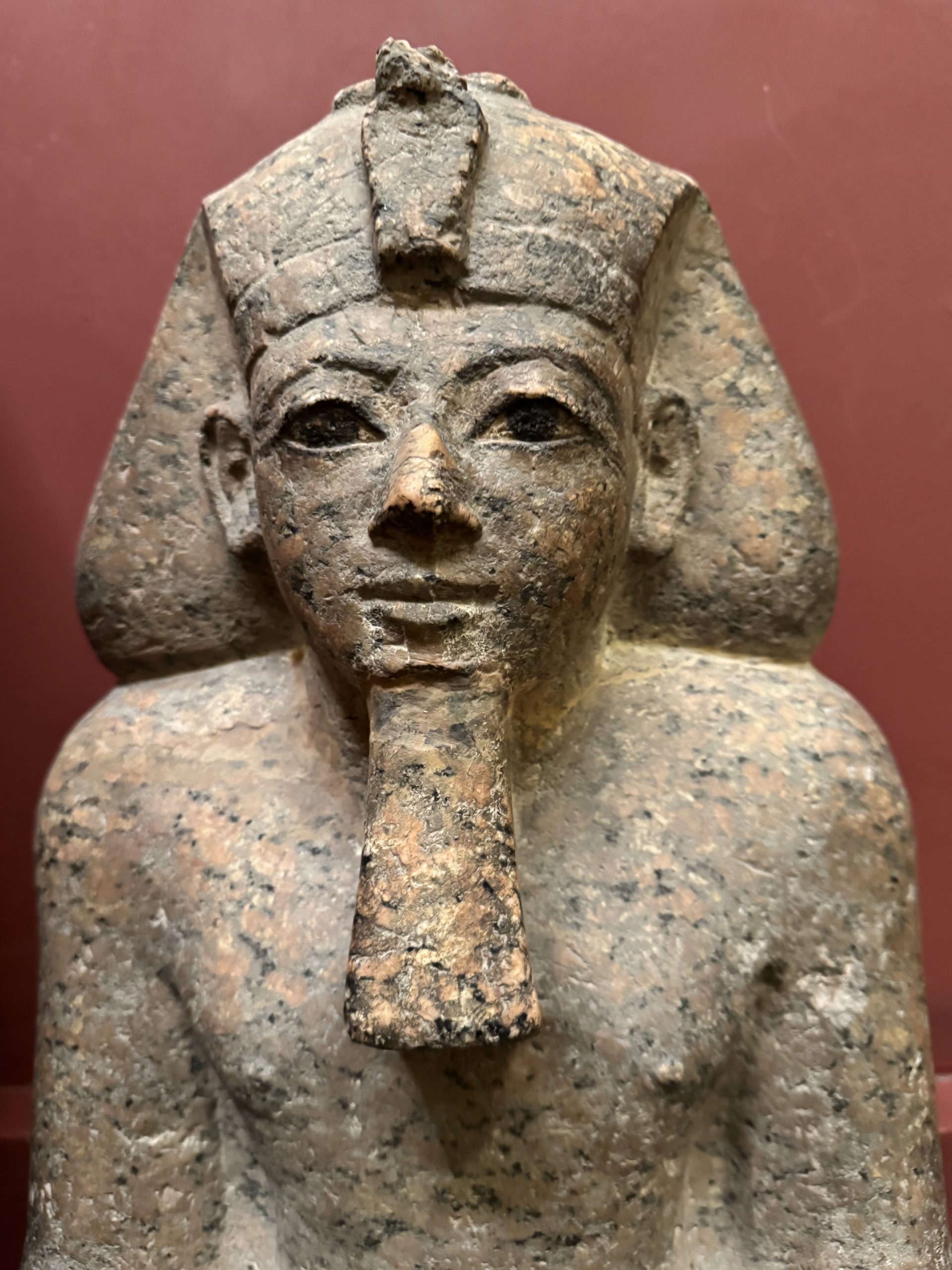
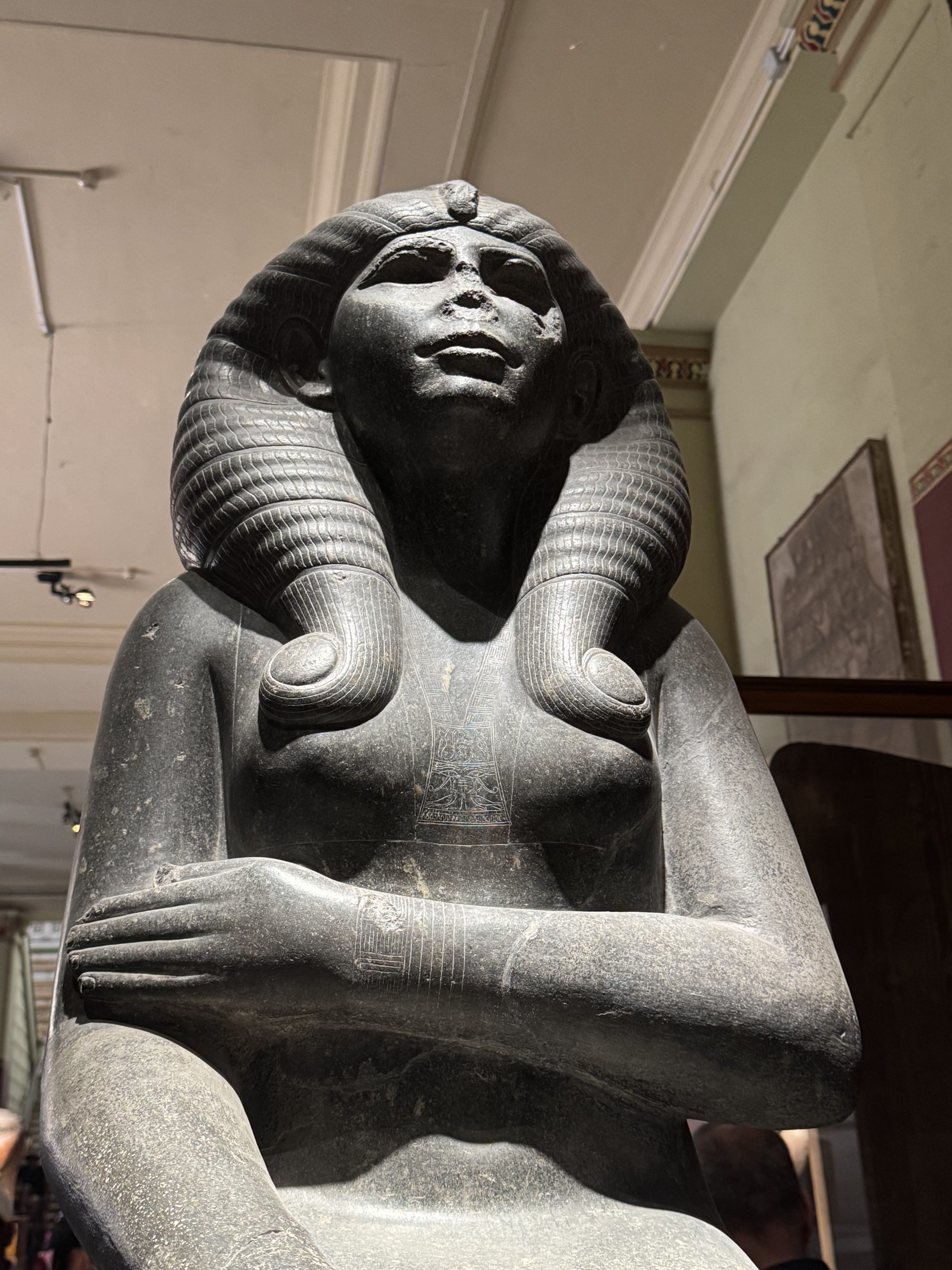
In the afternoon, we visited the Egyptian Museum, conveniently located right next door to our hotel. The antiquities were many…too many to comprehend. While many have already left the museum for the new Grand Egyptian Museum (The GEM), the “good stuff” as our guide and Egyptologist Abdul said is still in the older museum, waiting for the very last transfer to the GEM before the Grand Opening. The older museum will continue to operate once the GEM is open, showcasing antiquities that have been in storage for lack of display space.
A side note: “Mummy Tummy” continues to plague our group, though it started in Jordon! Ha! It’s one end or the other and despite meds, regulation is an issue. No time to rest though, with one of the biggest days on our schedule coming tomorrow.
Tomorrow: The Ancient Capital of Memphis, Sakkara and King Zoser’s Step Pyramid, and the Giza Pyramid Complex with the Great Sphinx.
Post Gallery
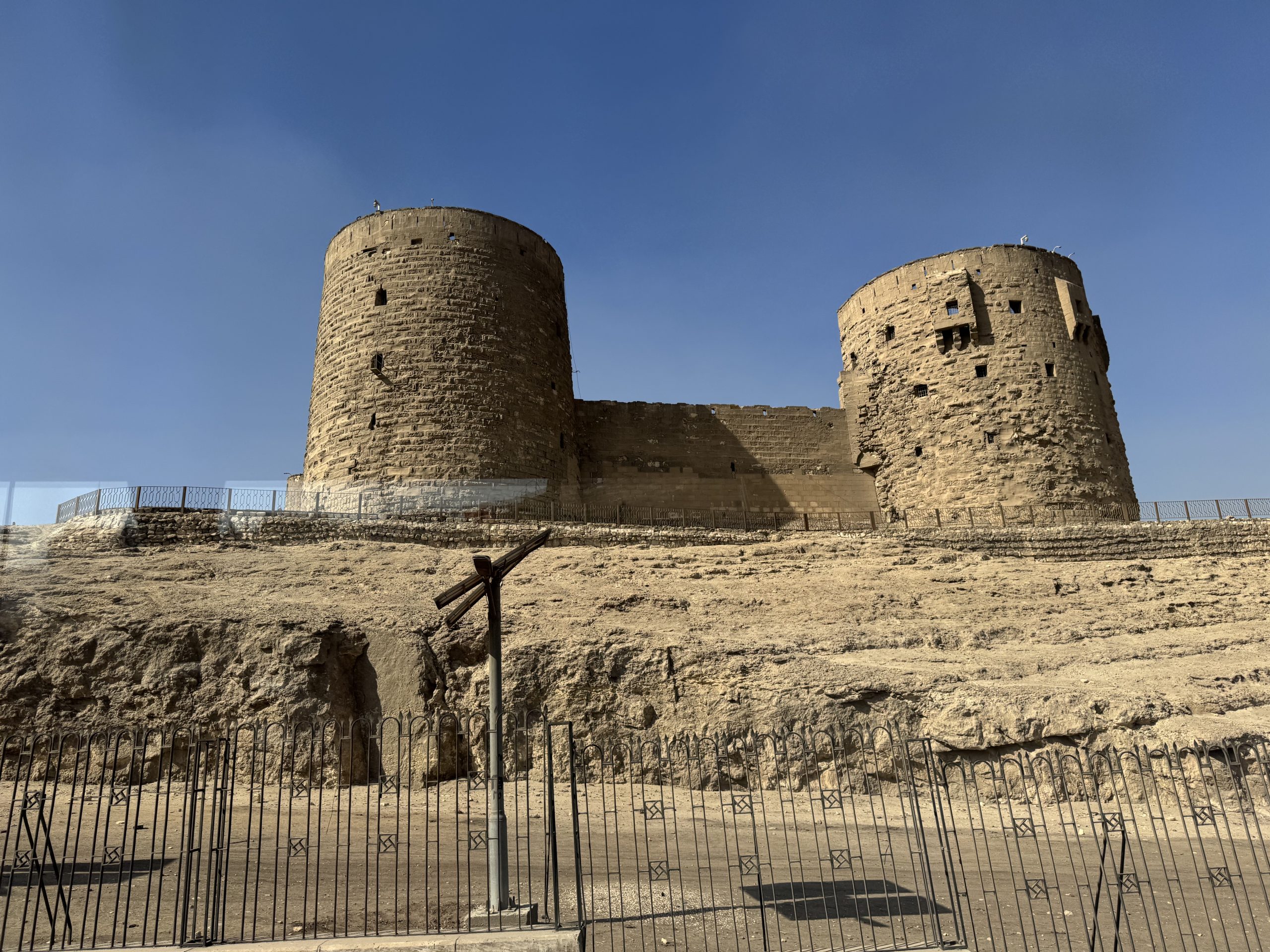
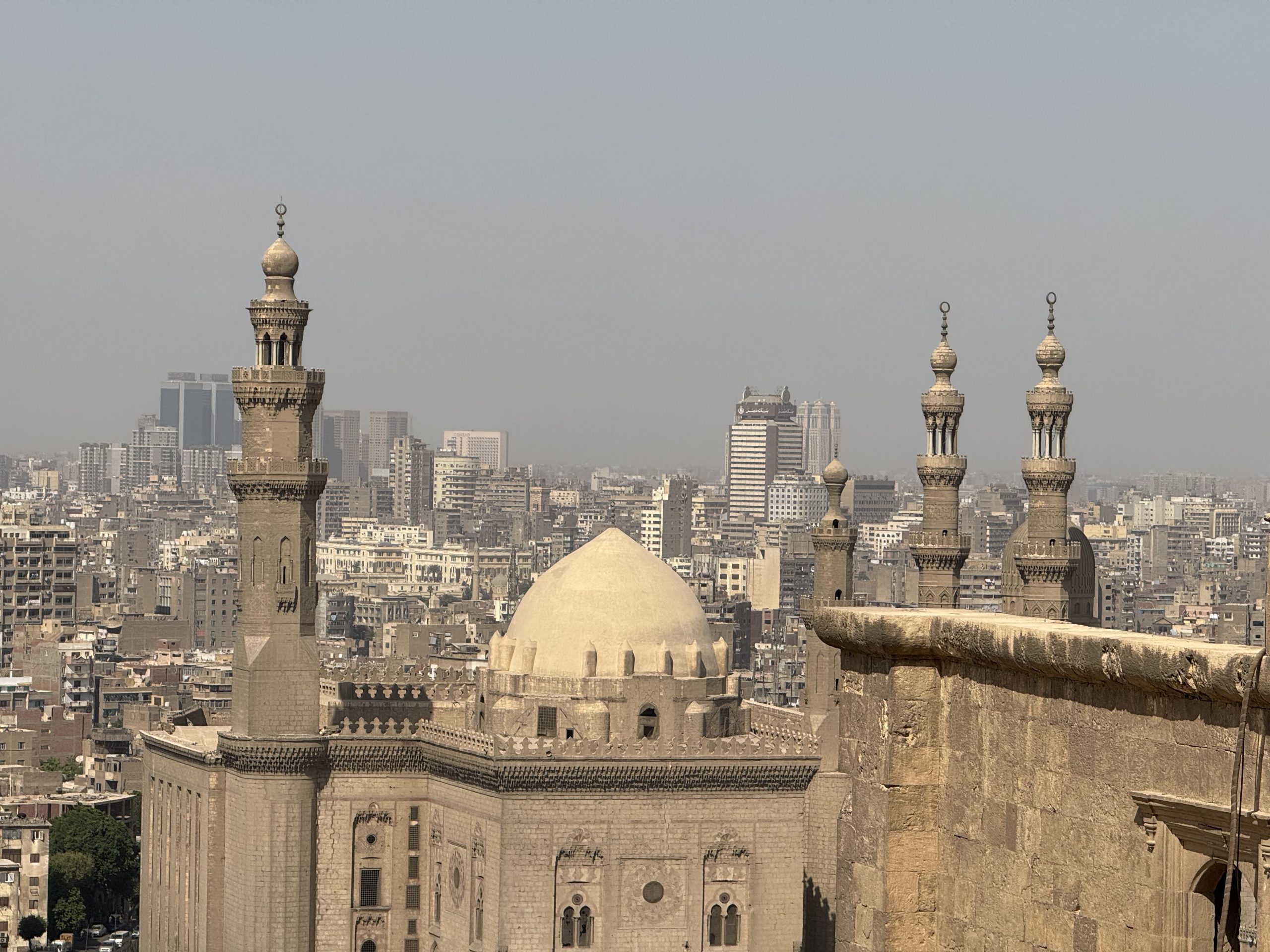
The walls of the Citadel.
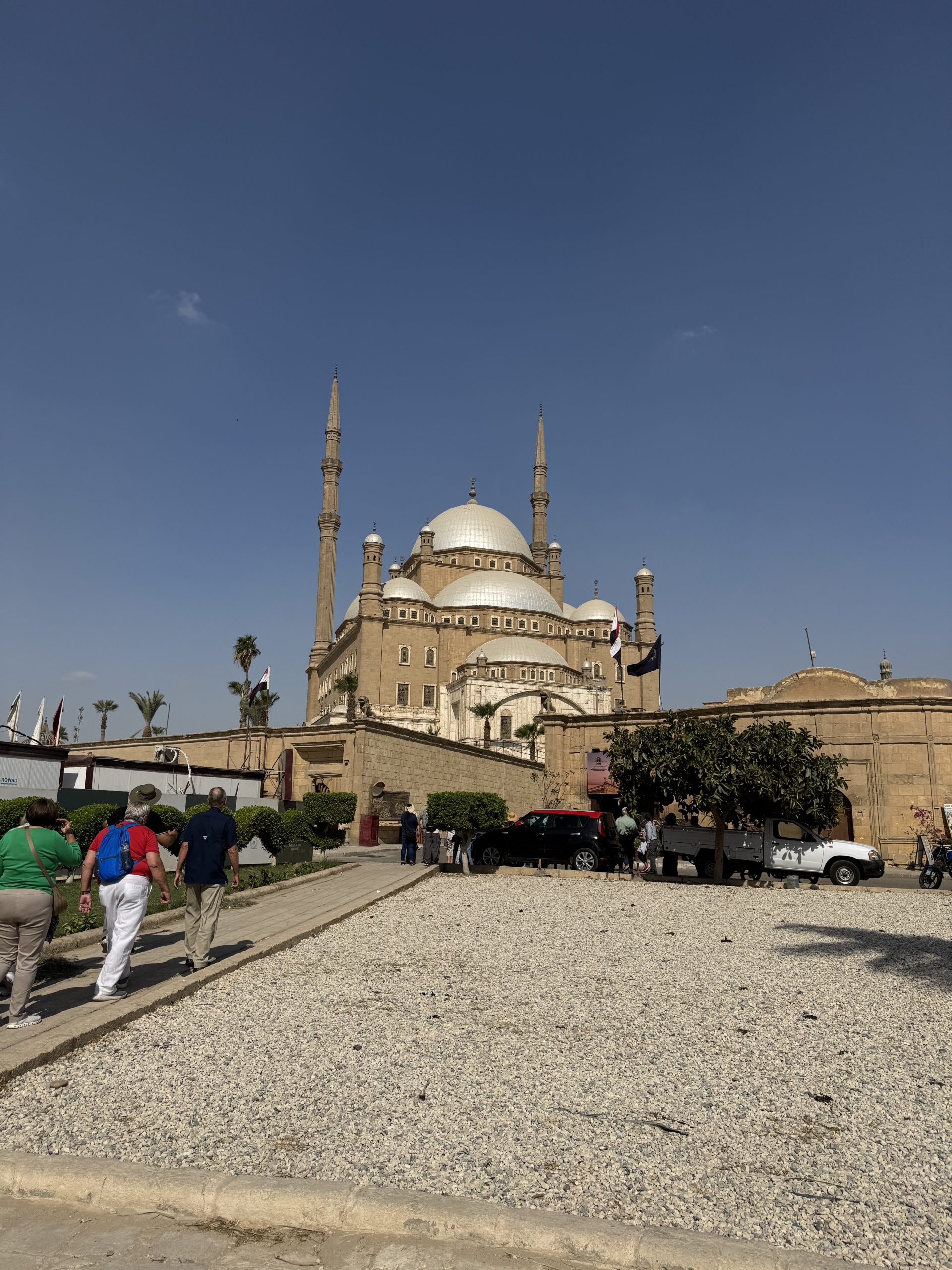
First site of the Alabaster Mosque.
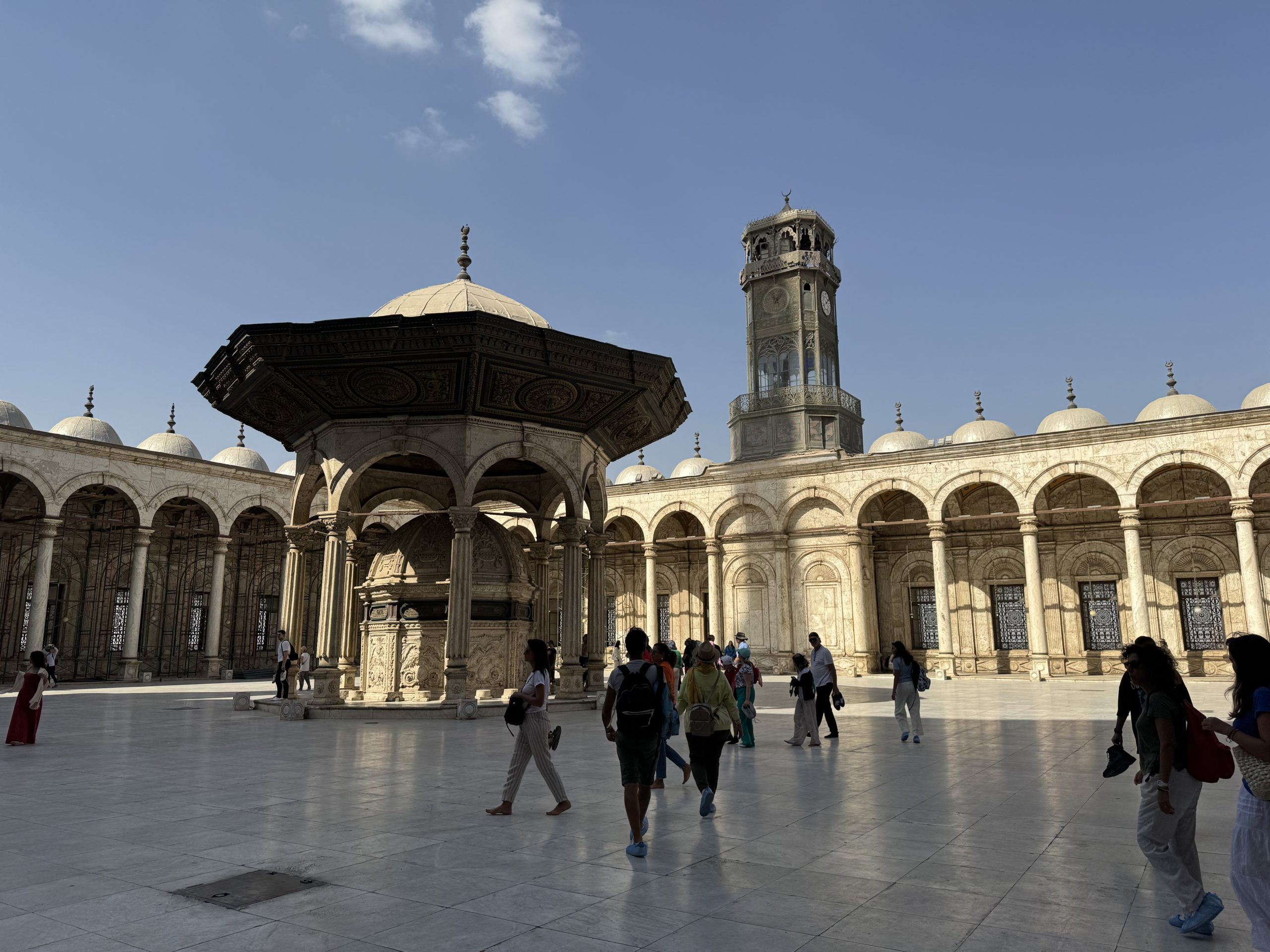
The courtyard of the Mohamed Ali Mosque.
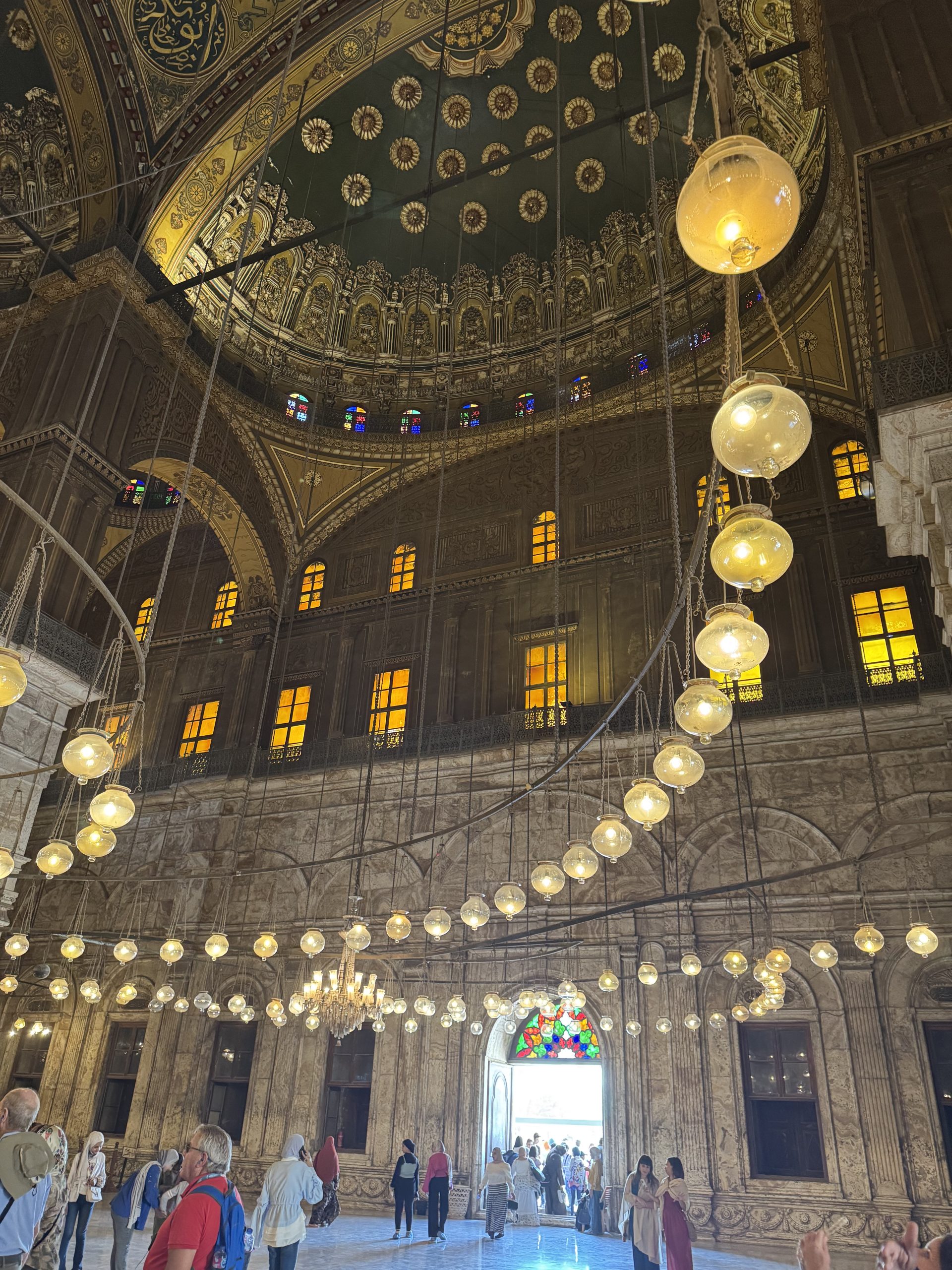
Inside the Alabaster Mosque.
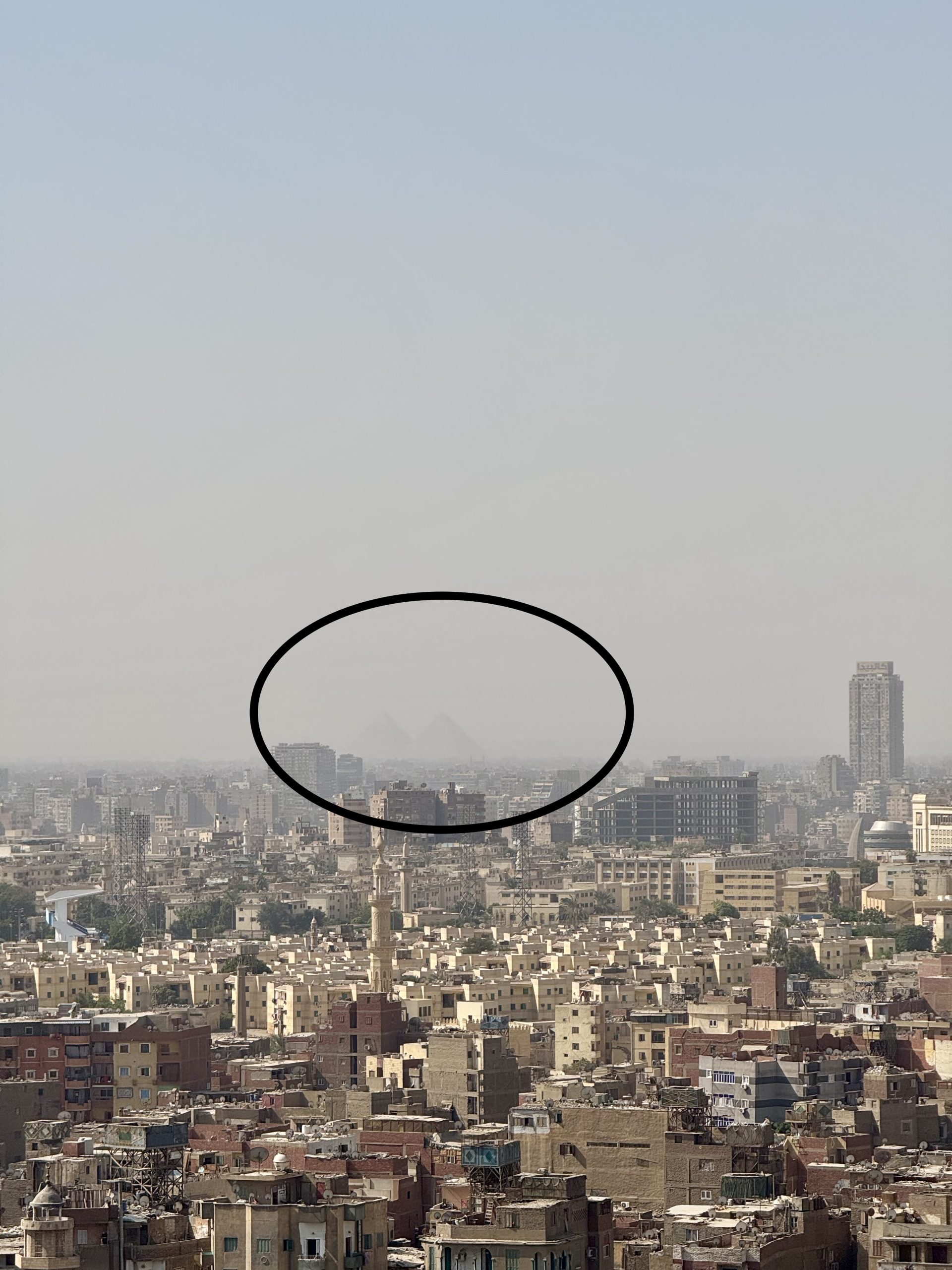
Our first sightings of the Pyramids, though a very smoggy day.
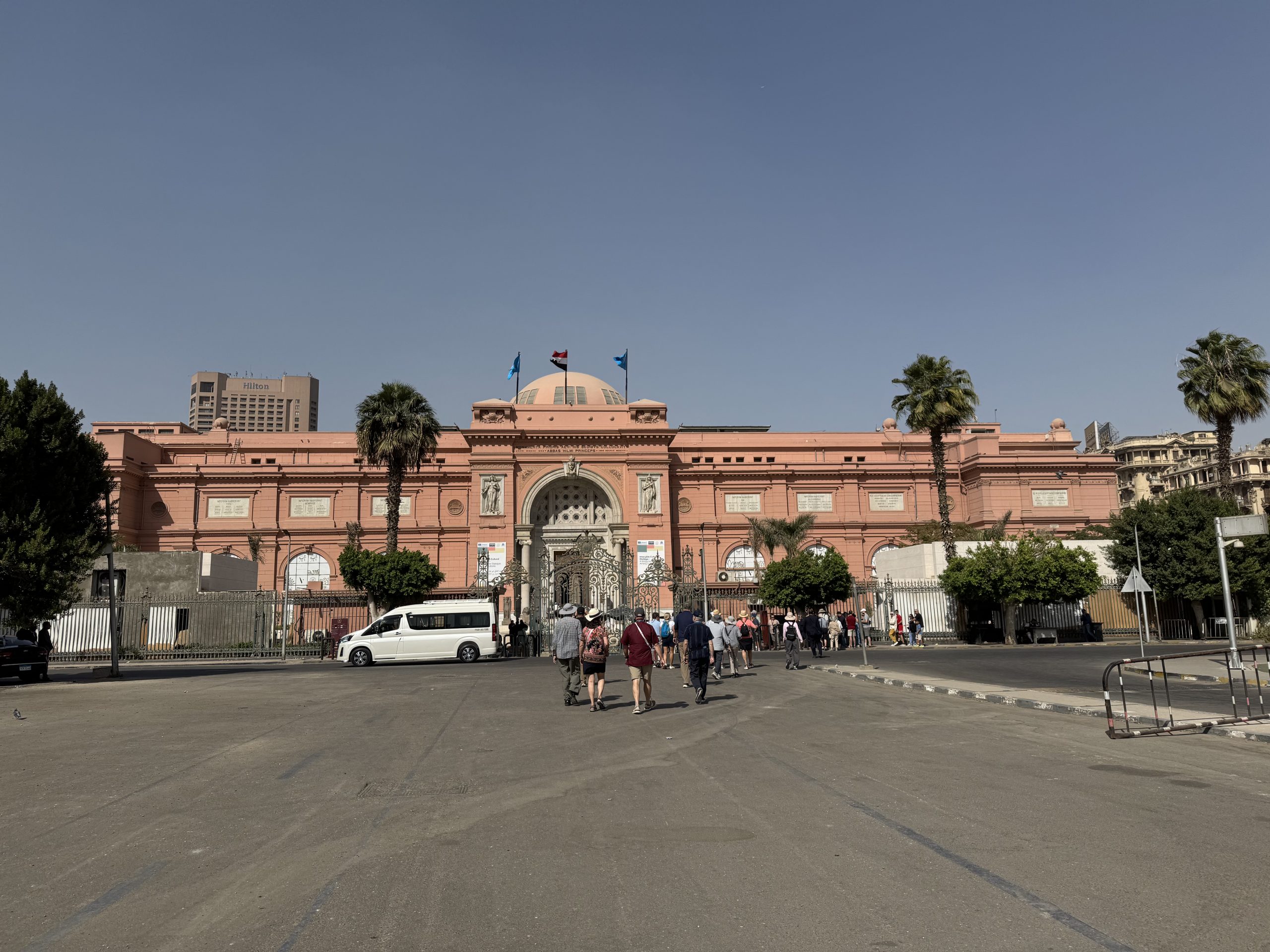
Walking to the Egyptian Museum took 5 minutes.
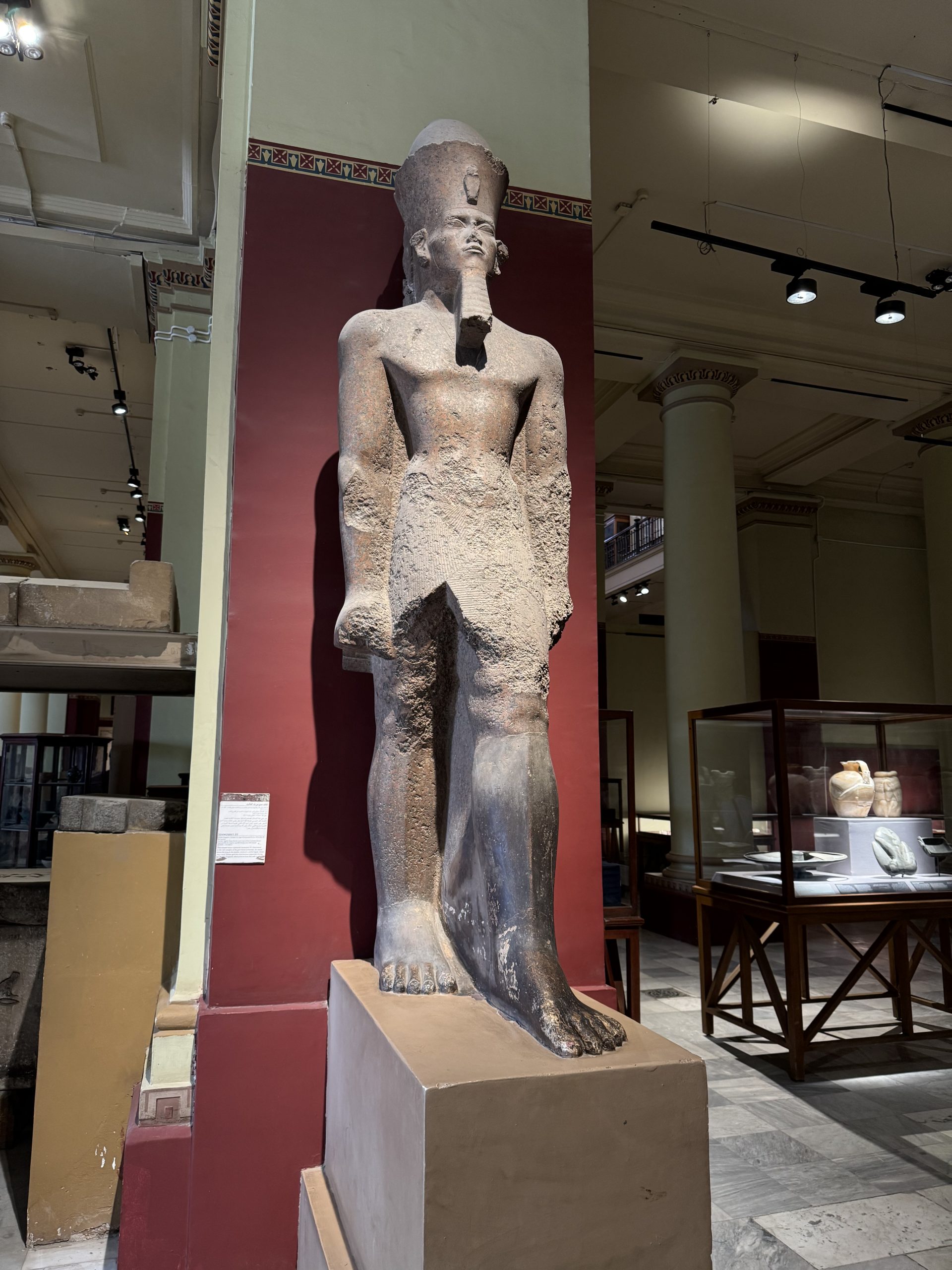
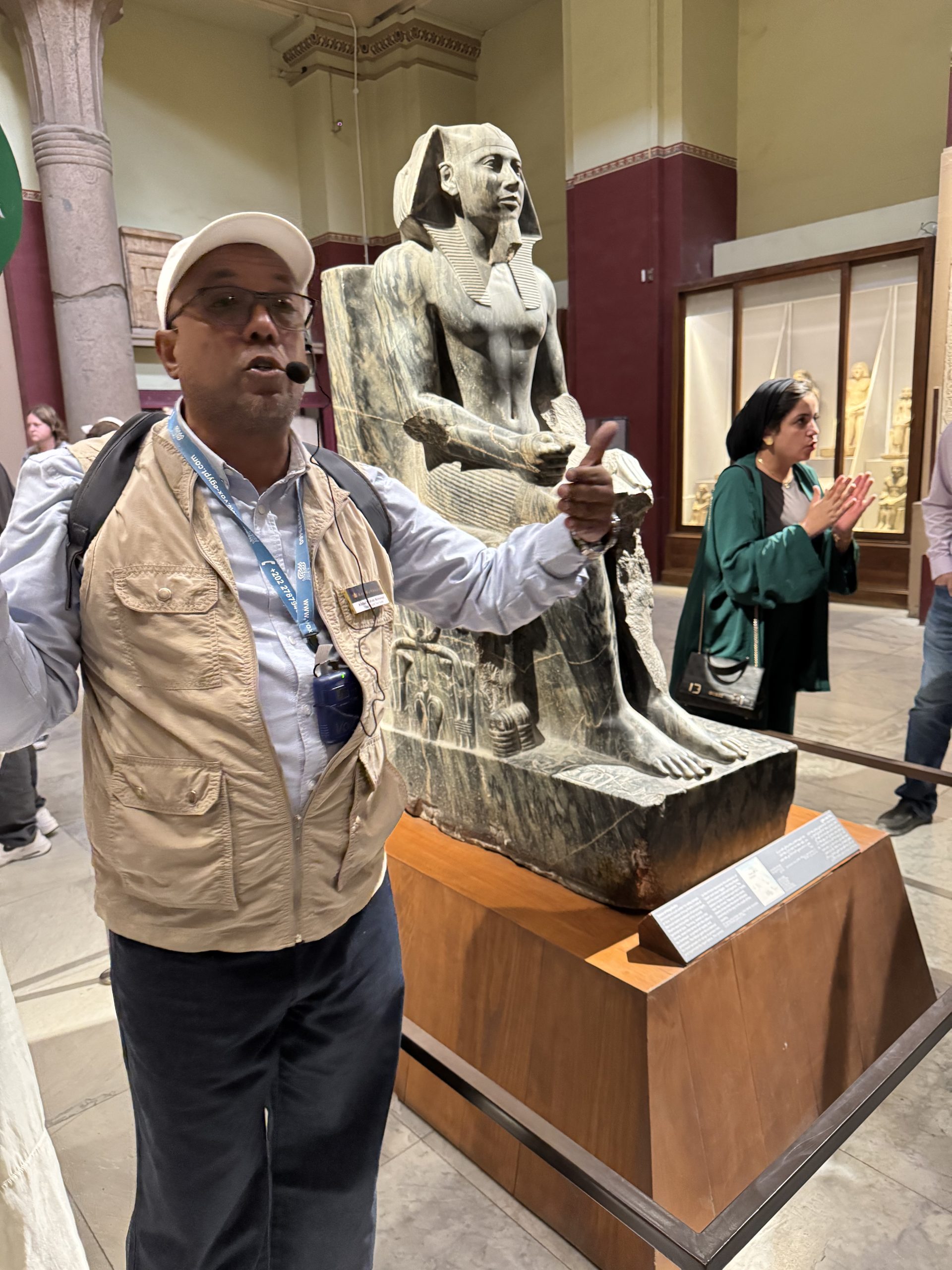
We learned that Egyptian statues depicting life and health are always in this stance, with the left foot forward.
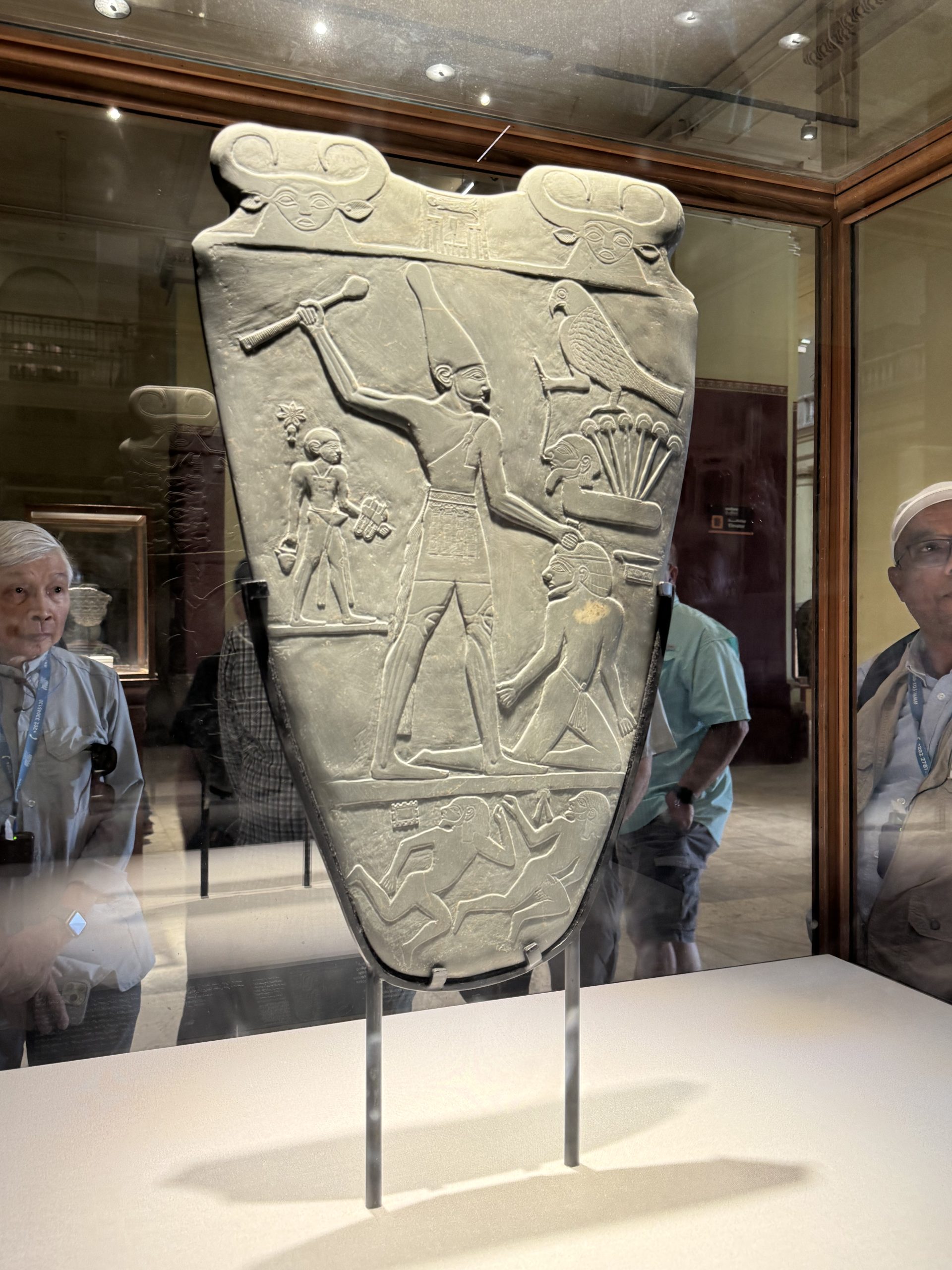
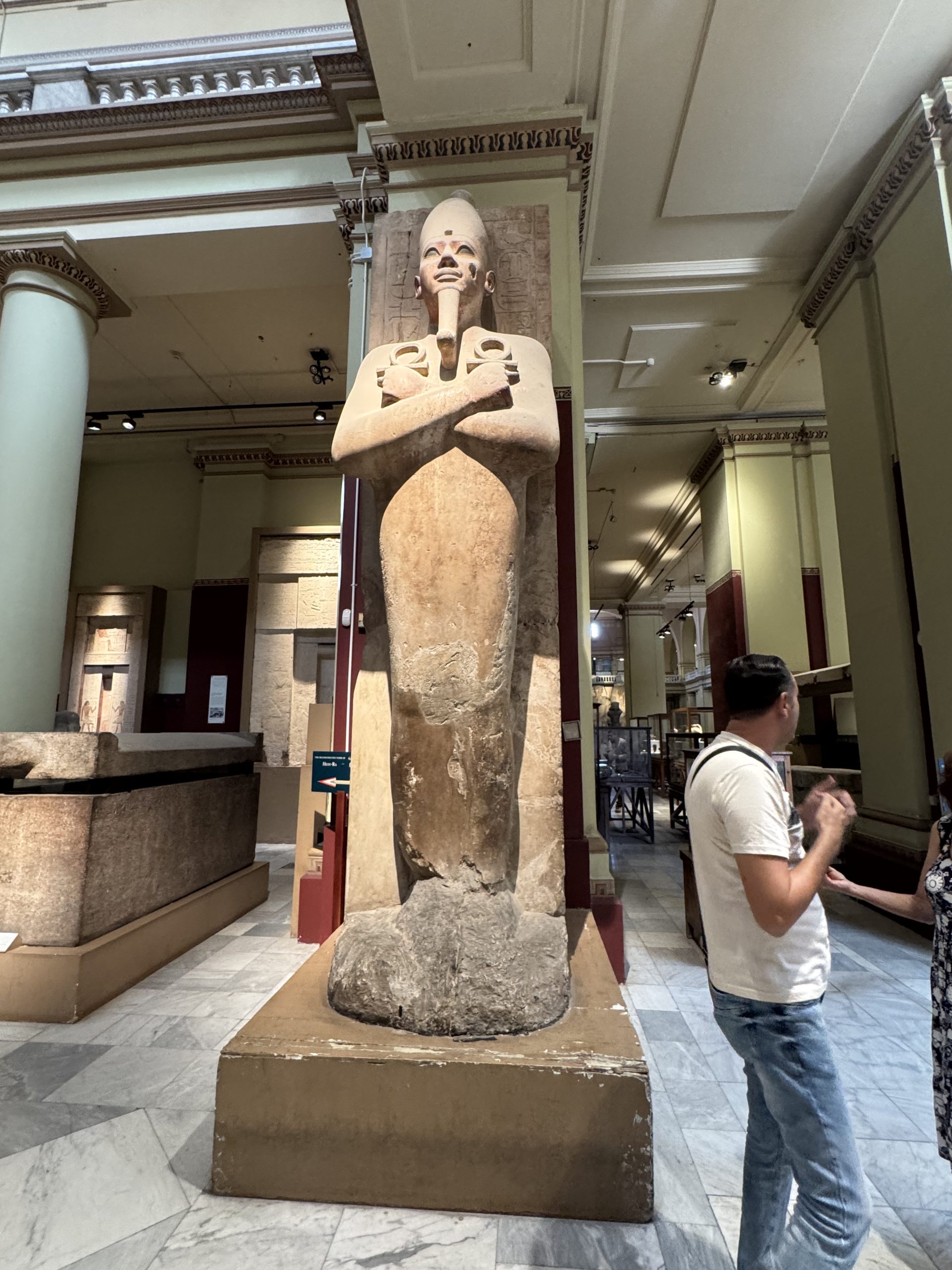
This is the "death" pose common in Egyptian symbolism. Feet together, with arms crossed over the chest.
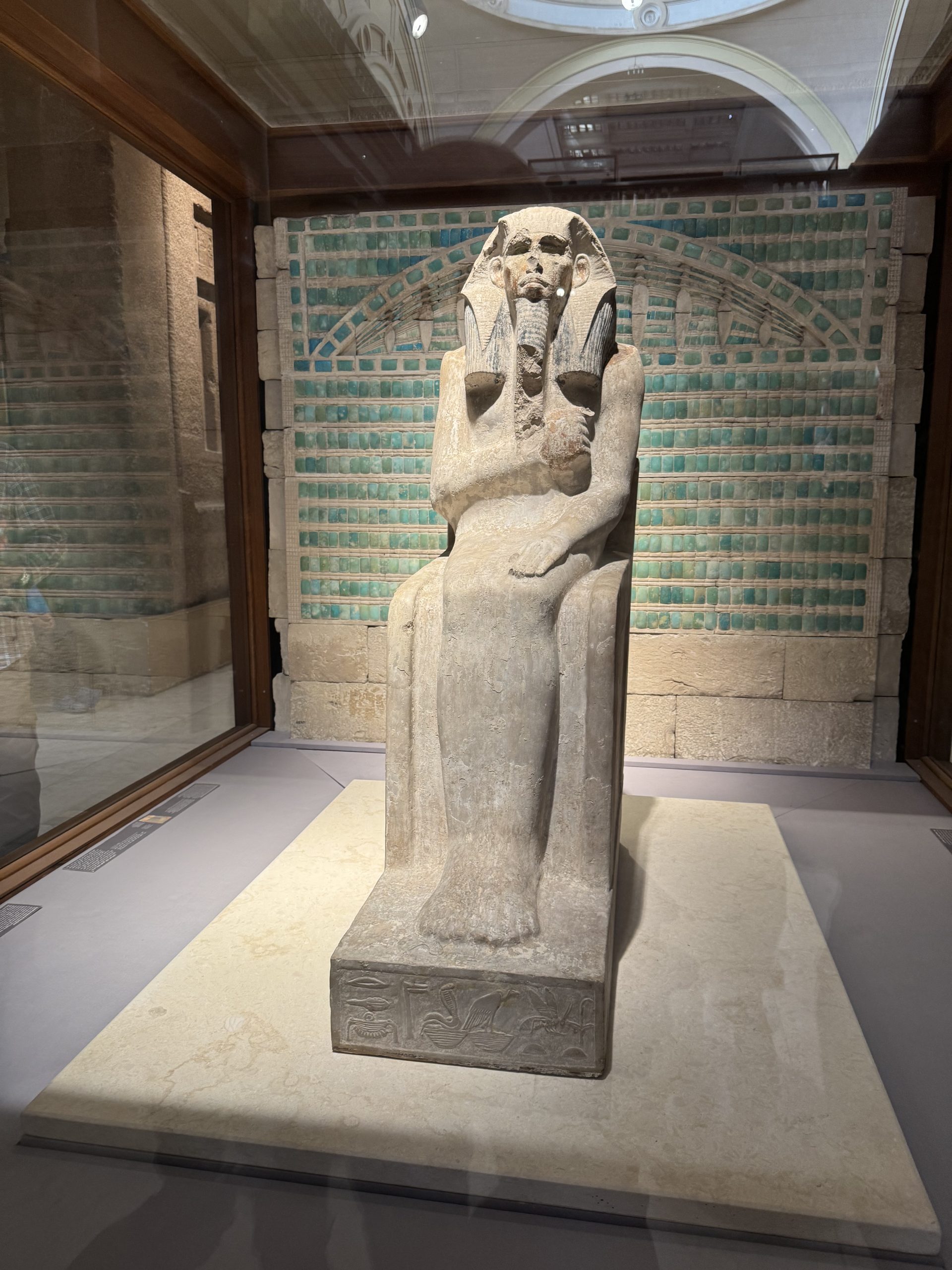
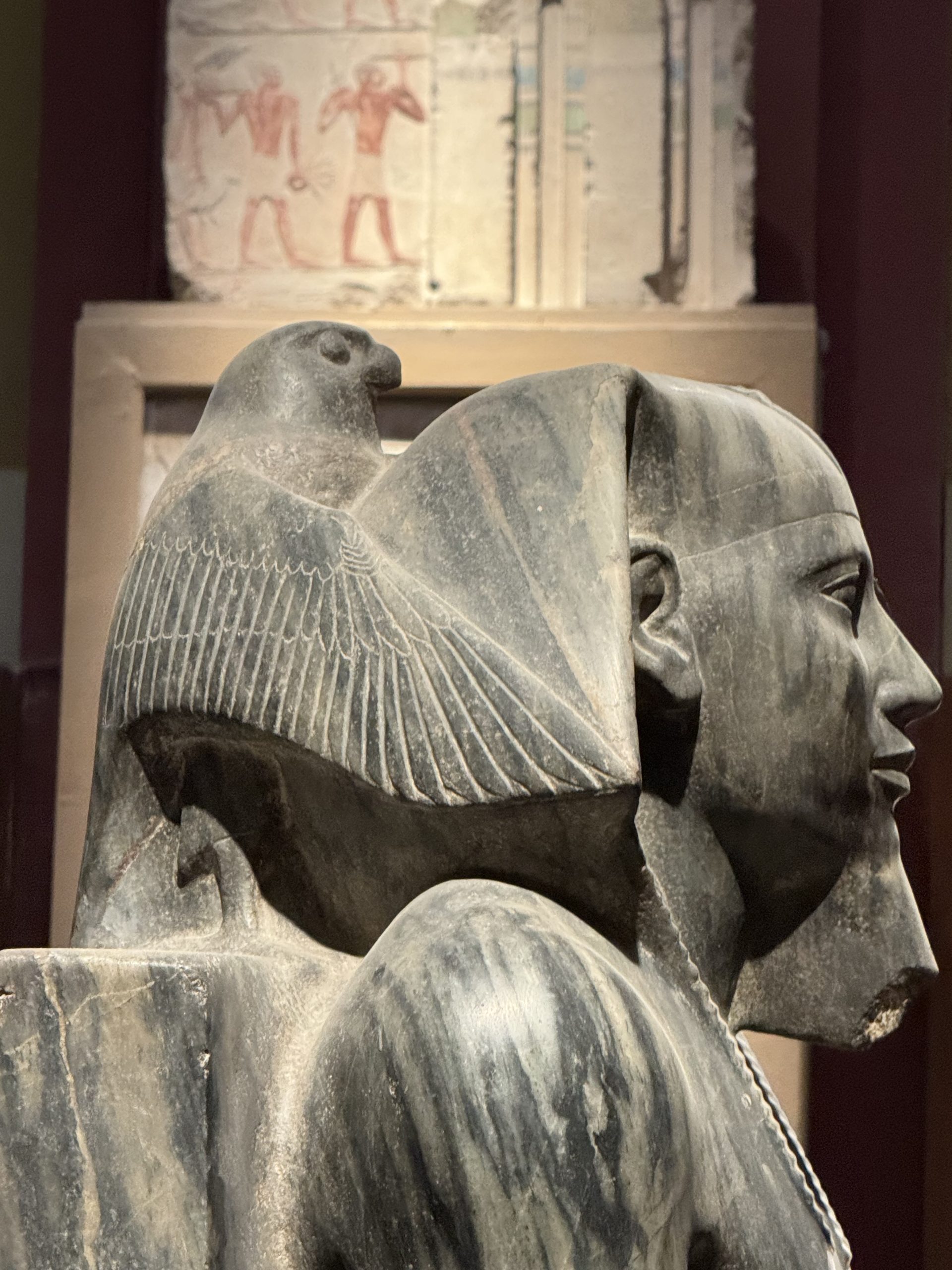
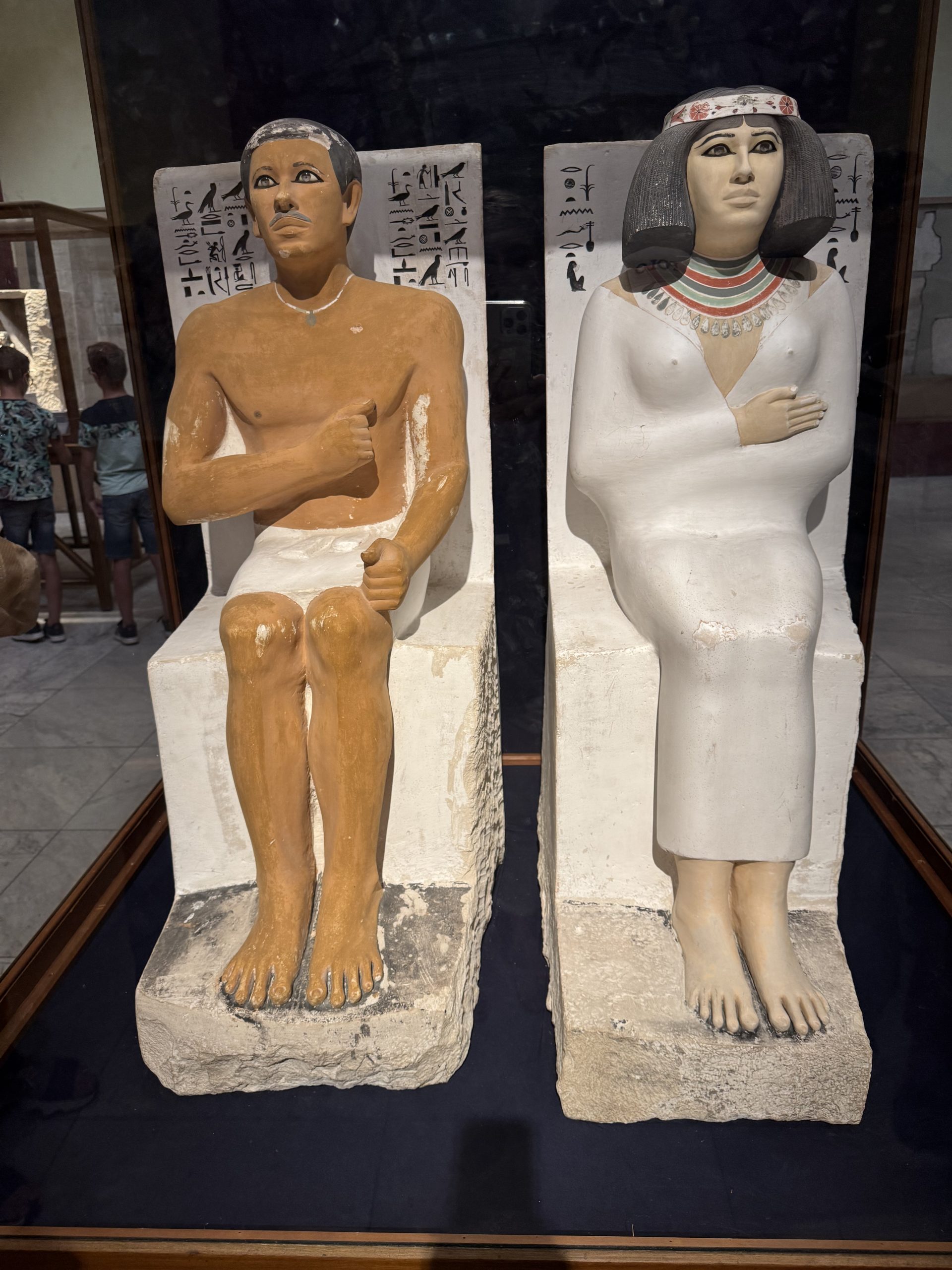
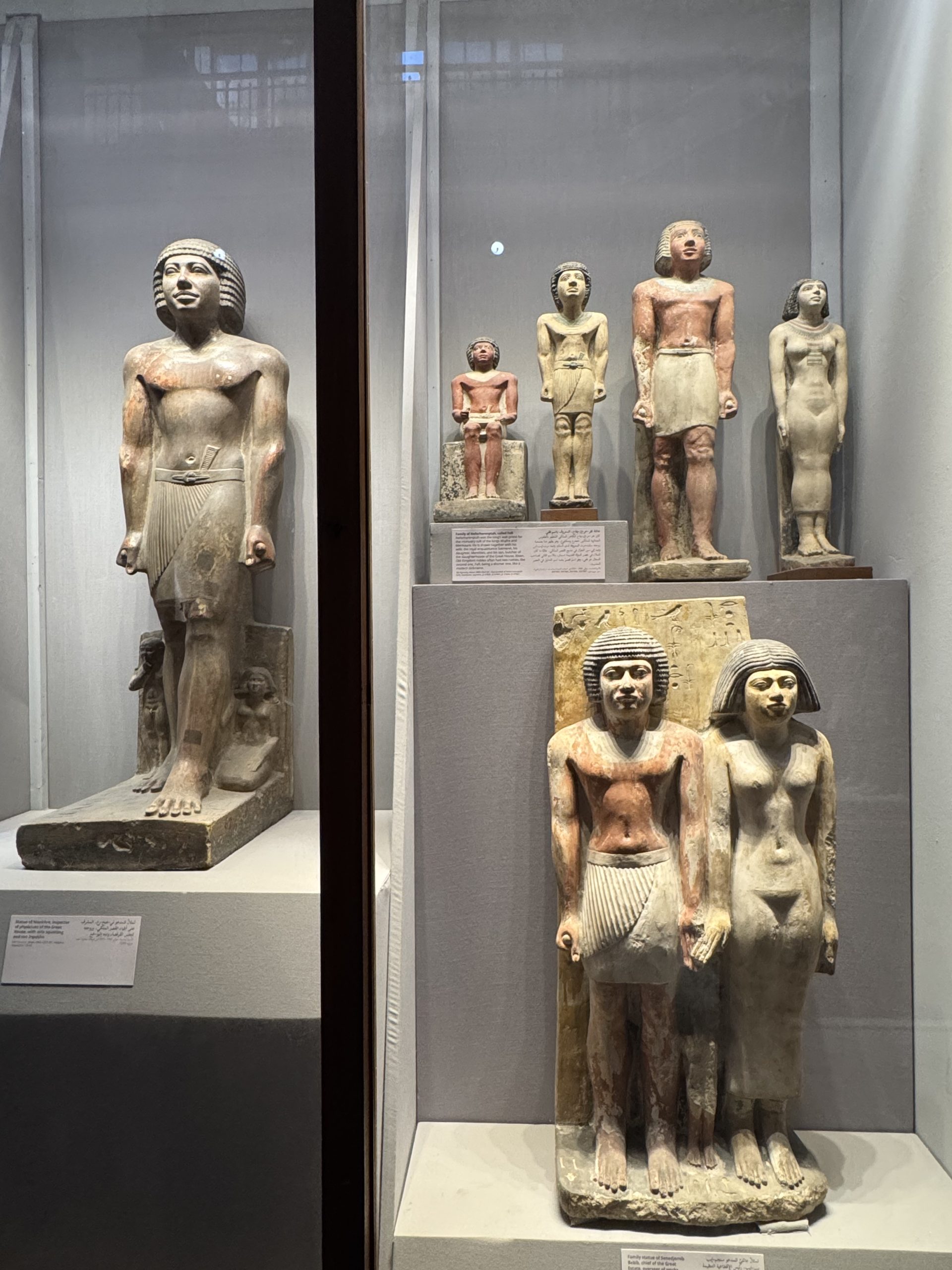
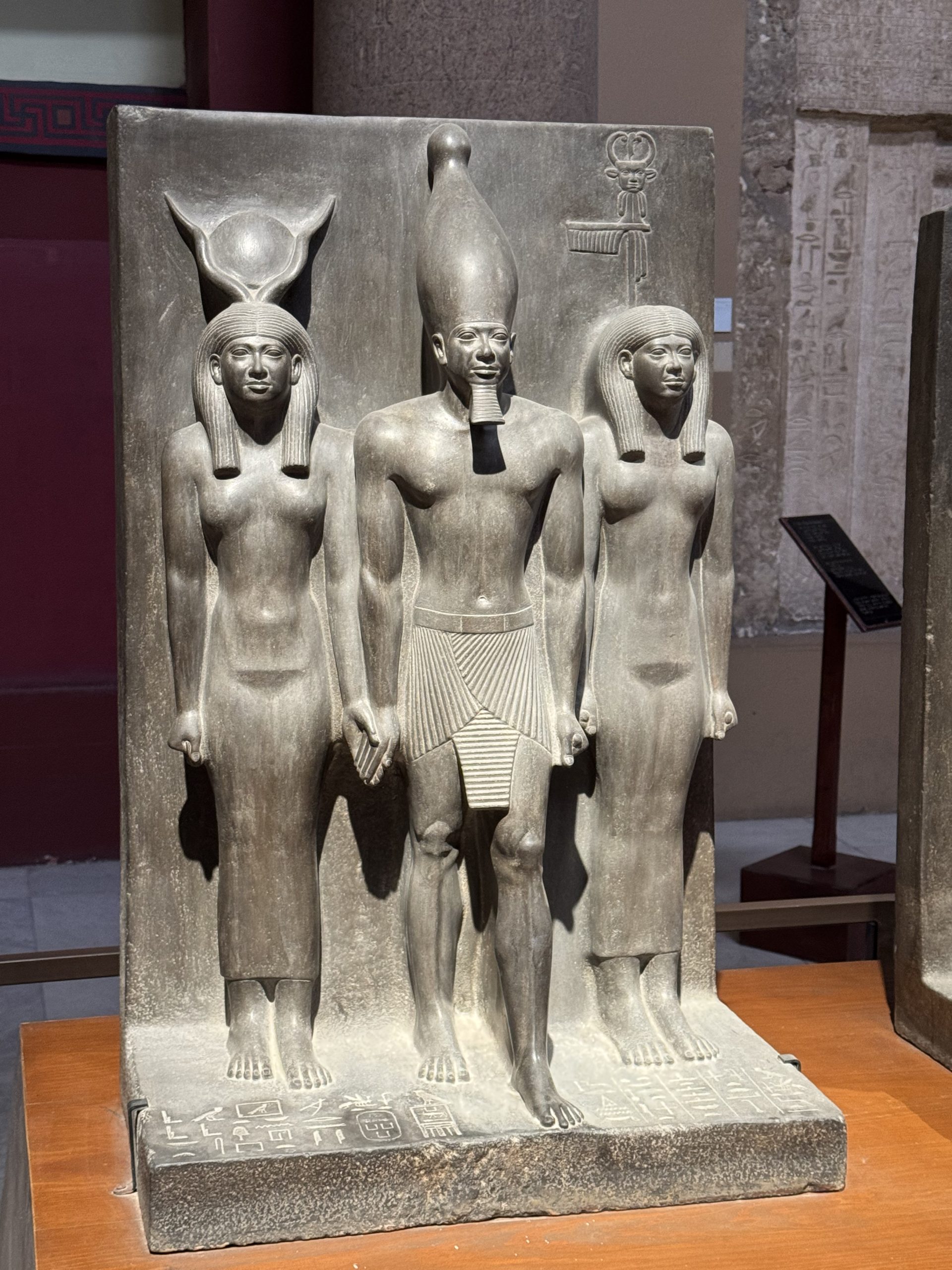
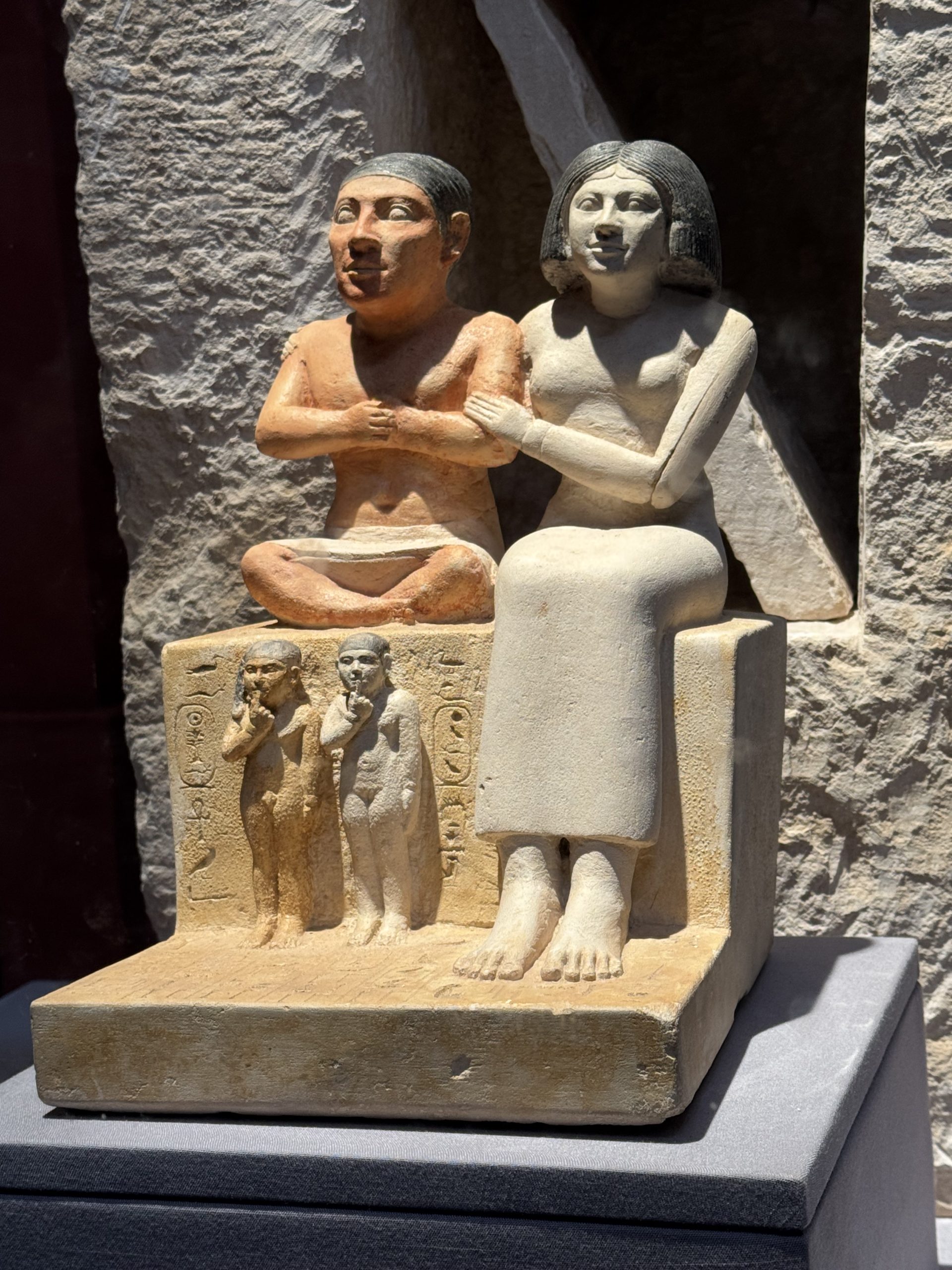
This couple showed a unique set of features. He is dwarf so they depicted them seated. She is smiling. And they are showing affection towards each other.
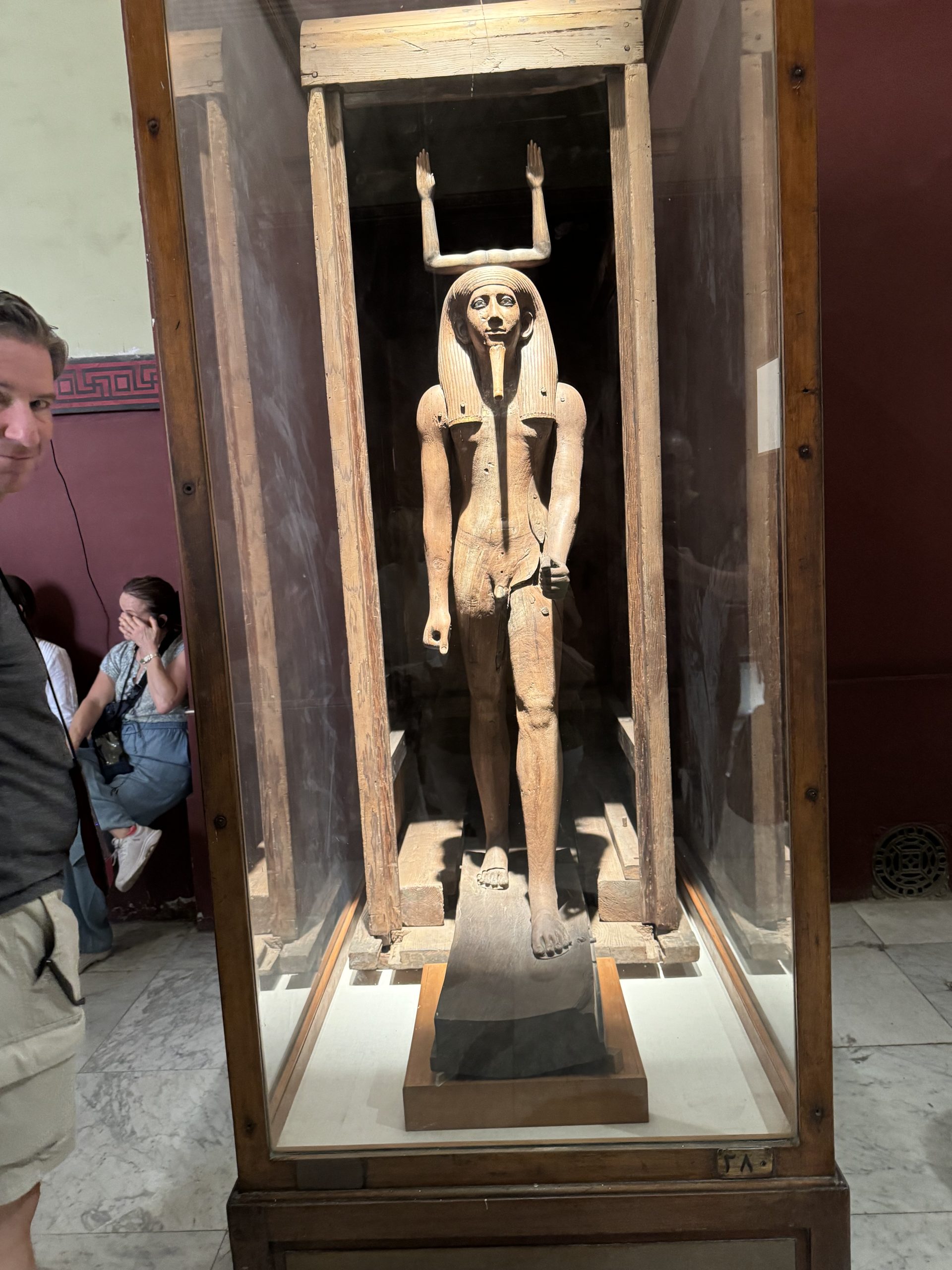
Left foot forward! Which is even how modern military march, with left foot first. Left, right! Left,right!
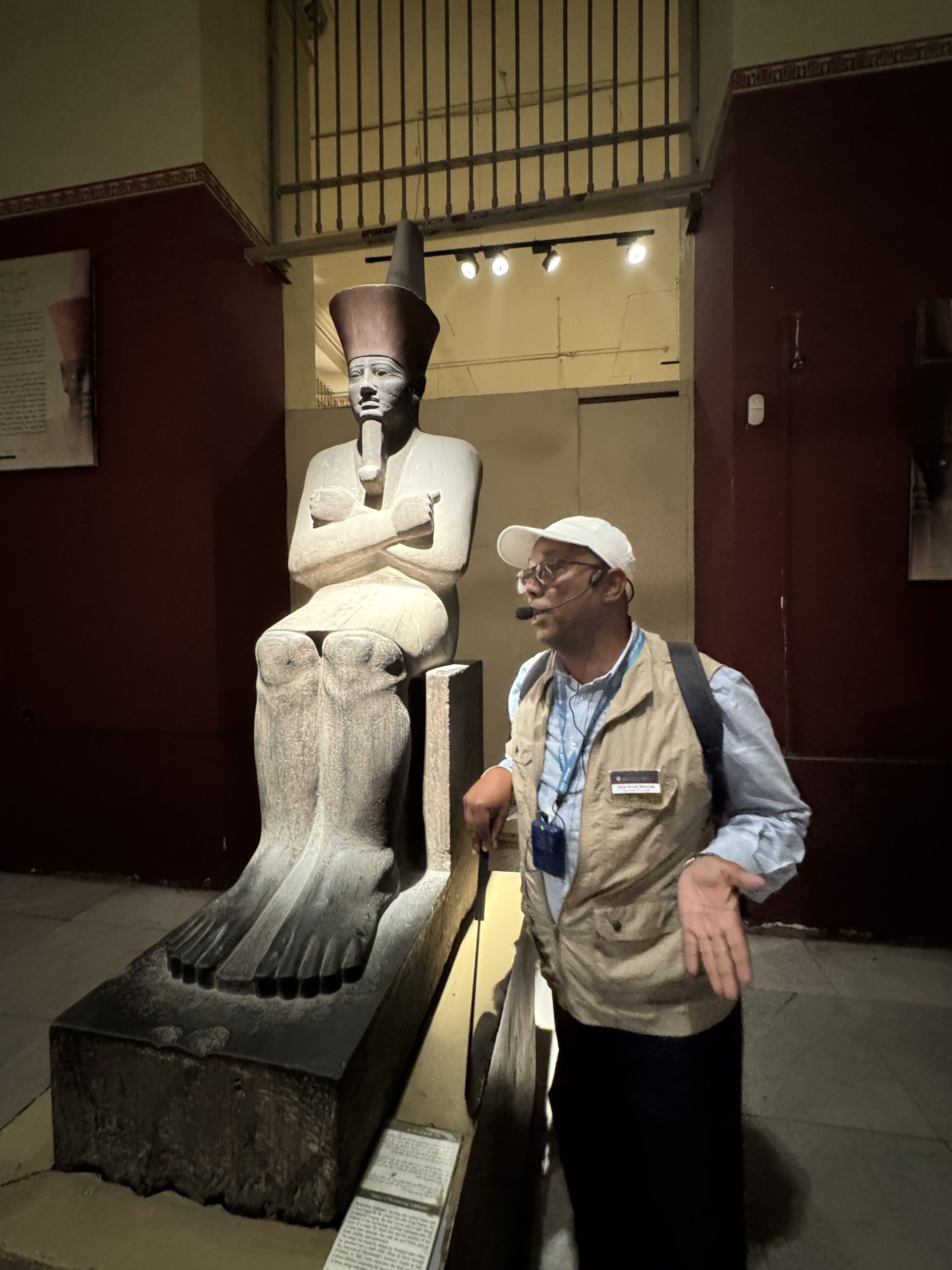
Abdul, our guide, is an educated Egyptologist and boy does he have a passion for the subject!
Great pictures. Brings back a lot of memories. Looks like you are having a great trip.
Wonderful pictures. Thanks for taking us along on u trip.
What an awesome place. And the history has to be fascinating!