
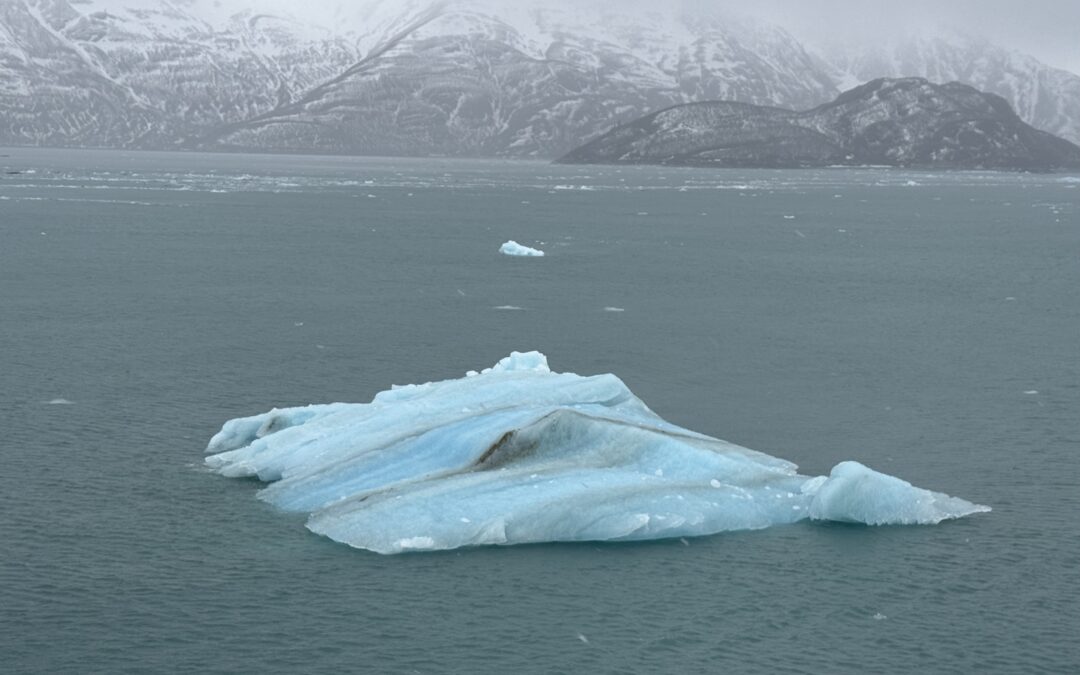
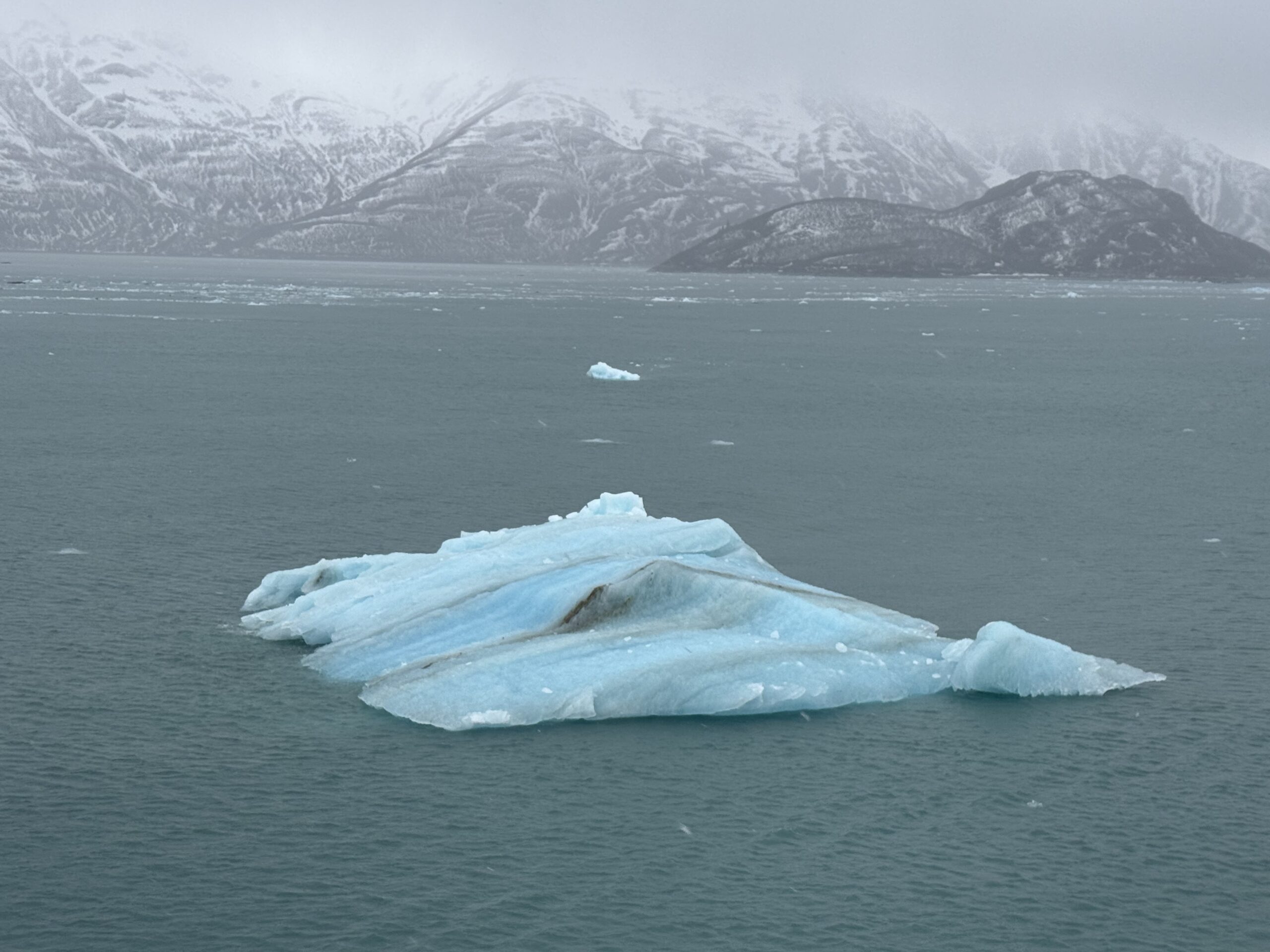
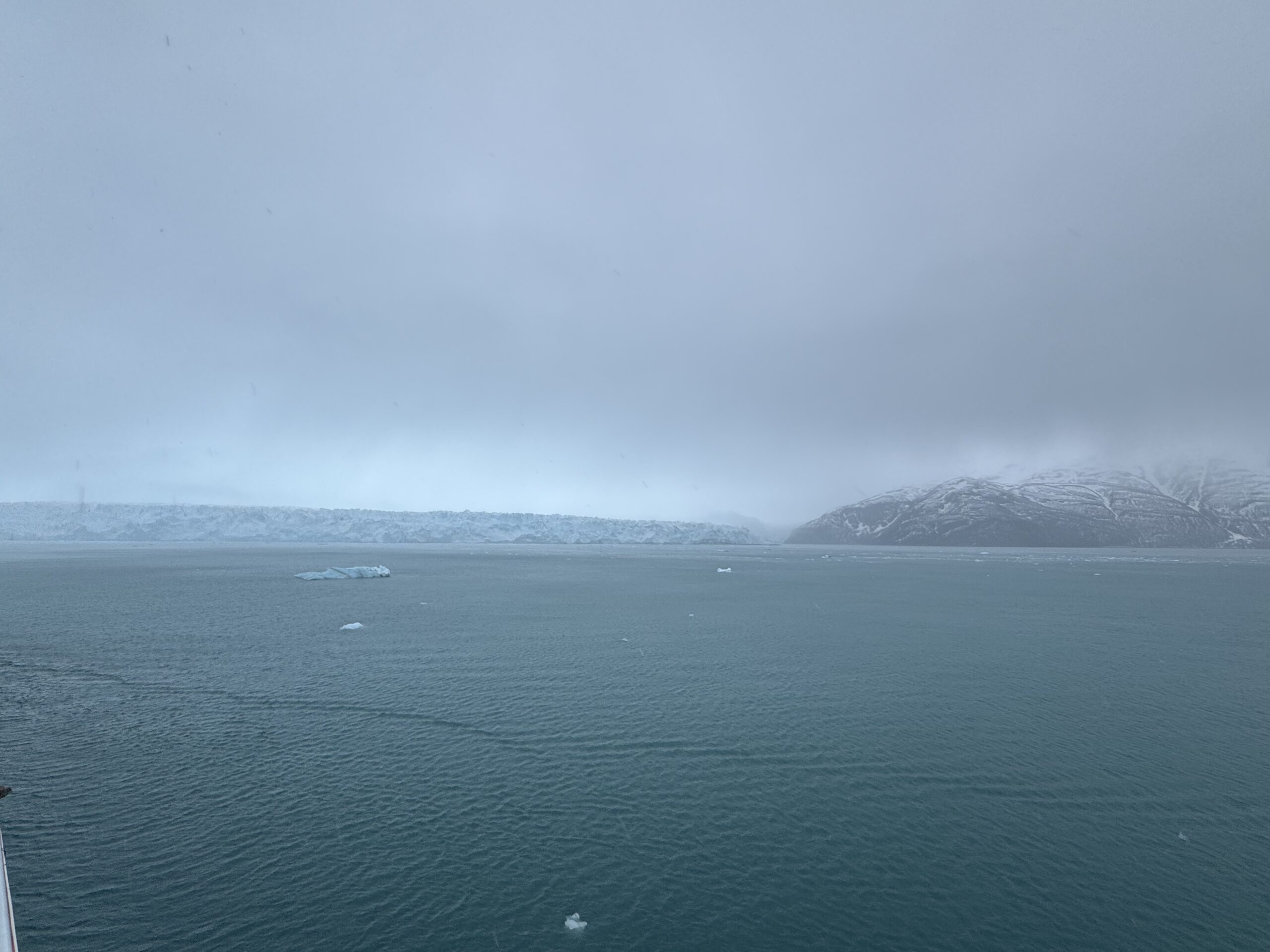
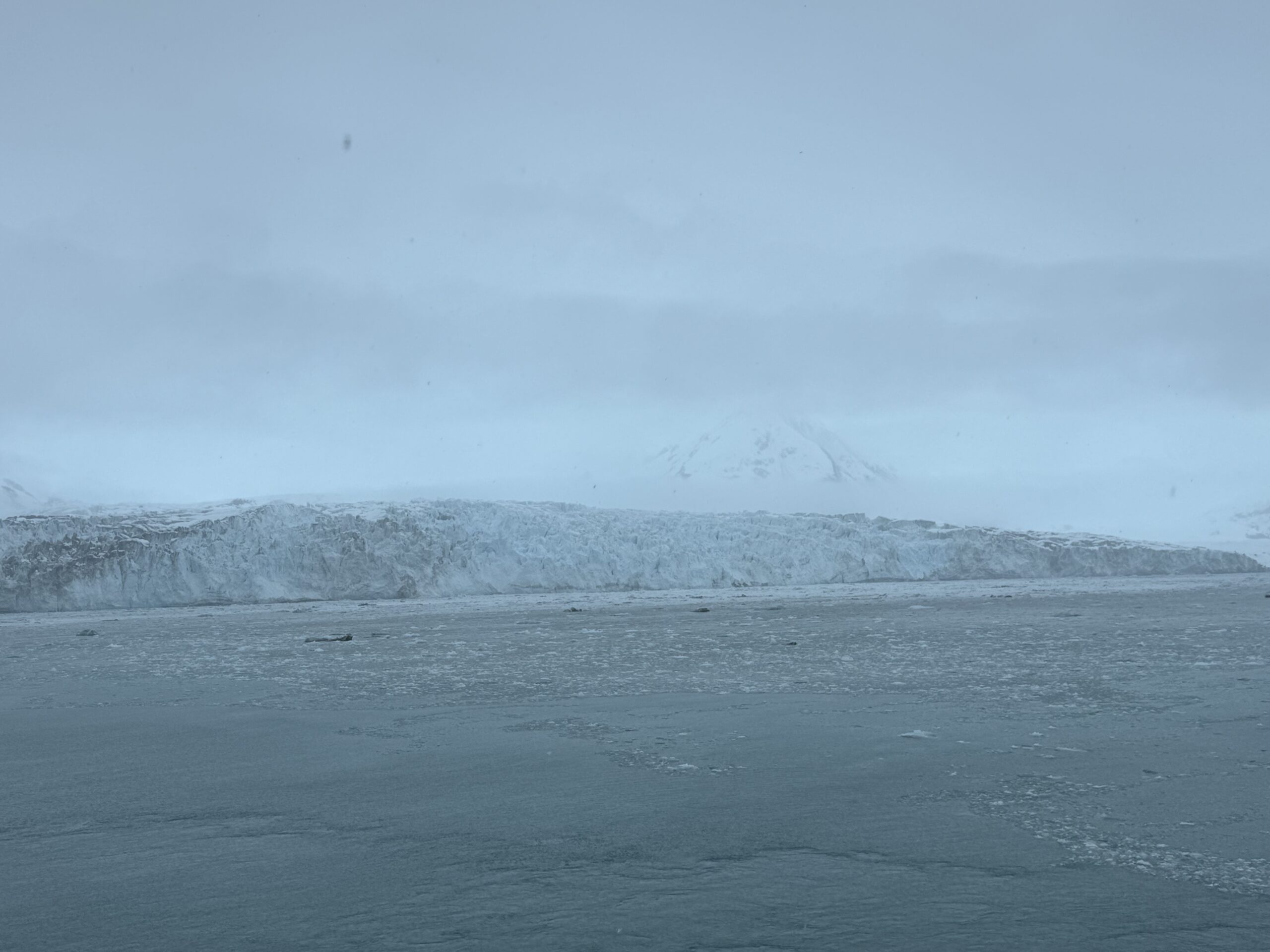
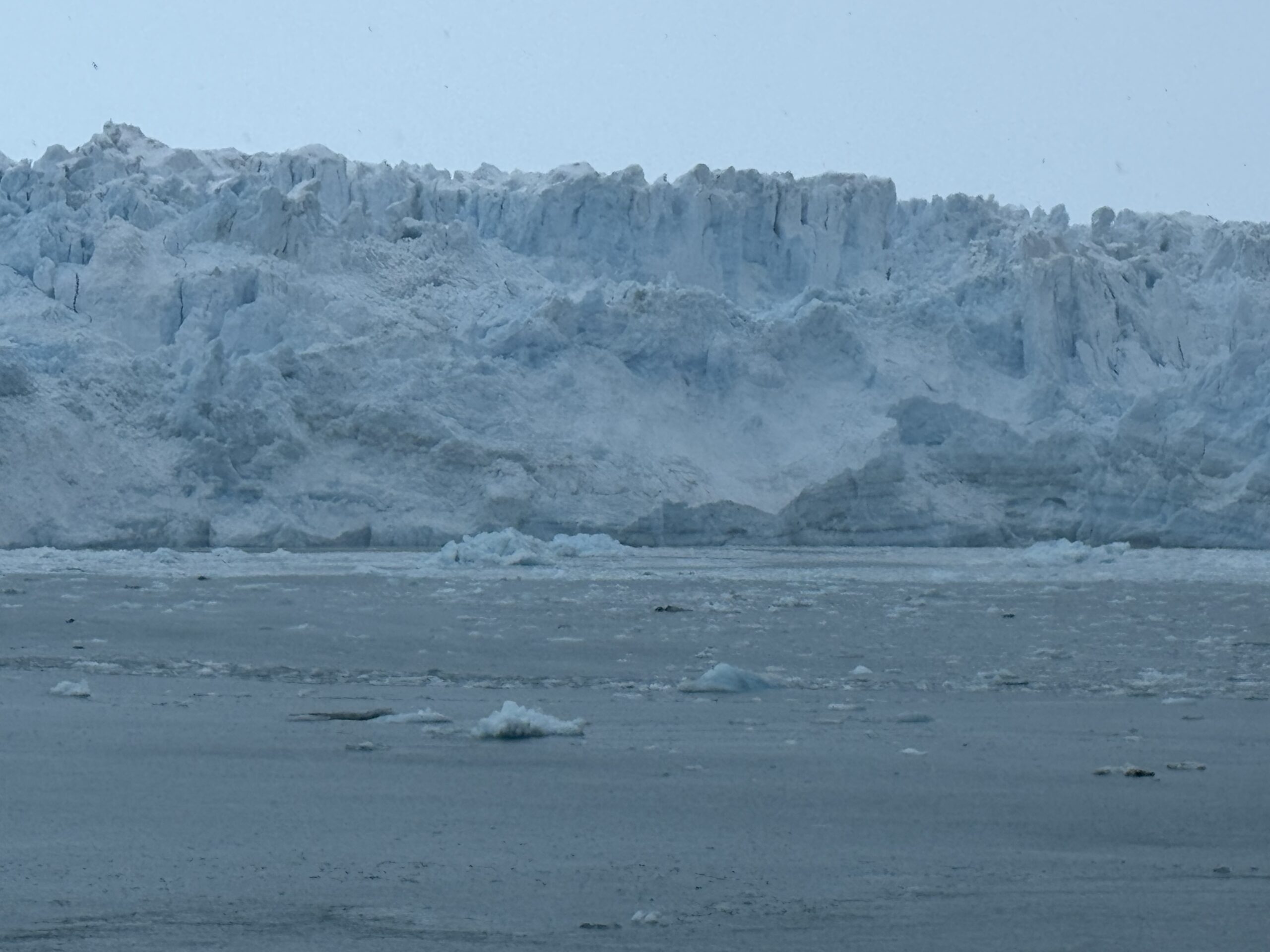
Hubbard Glacier, Alaska
Before entering the bay, we boarded a US National Park Service ranger to provide commentary throughout the tour of Hubbard. While the weather was cold, foggy and with freezing rain, her enthusiasm was contagious and she helped us see the beauty of seeing Alaska at this time of year.
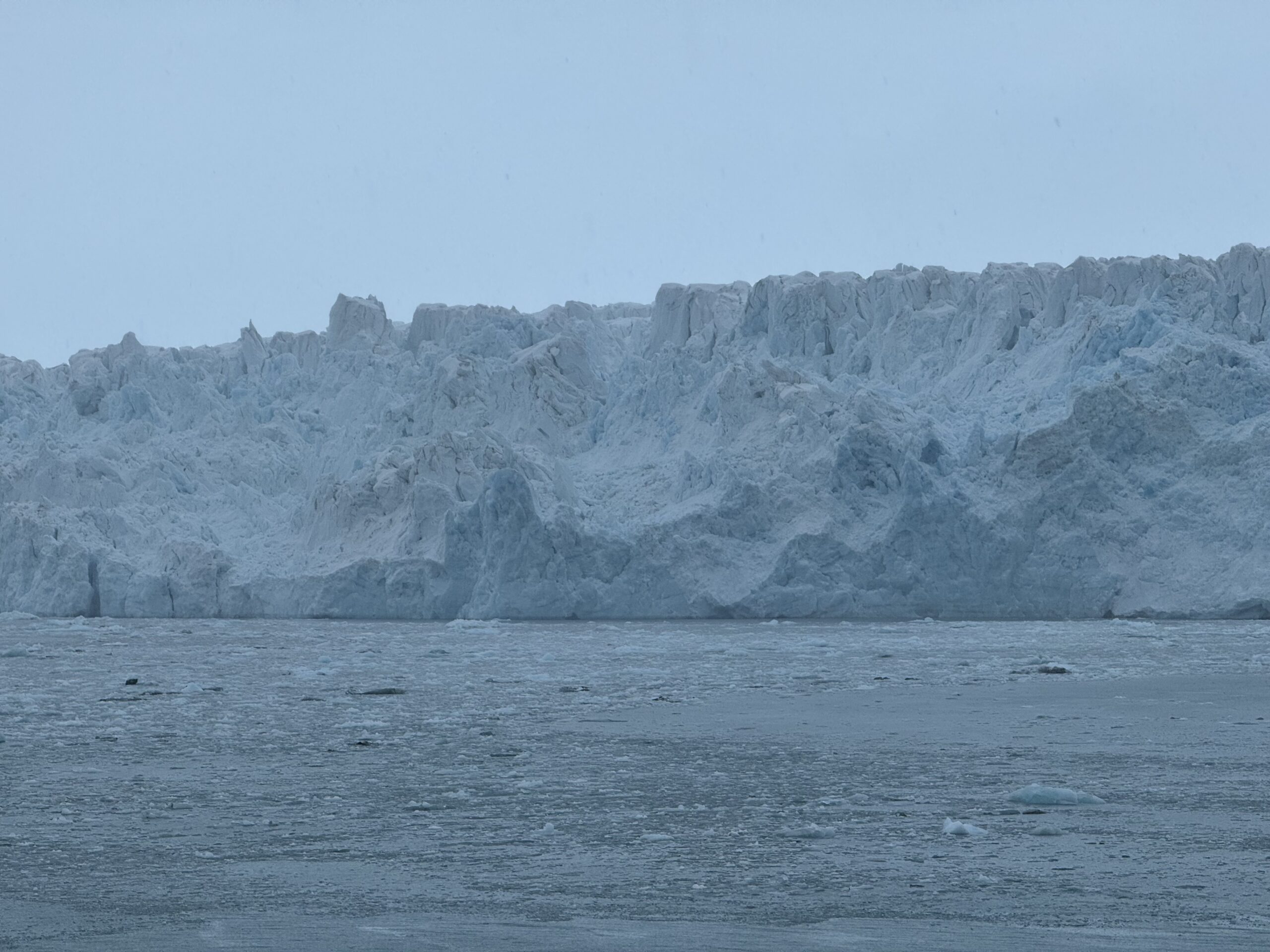
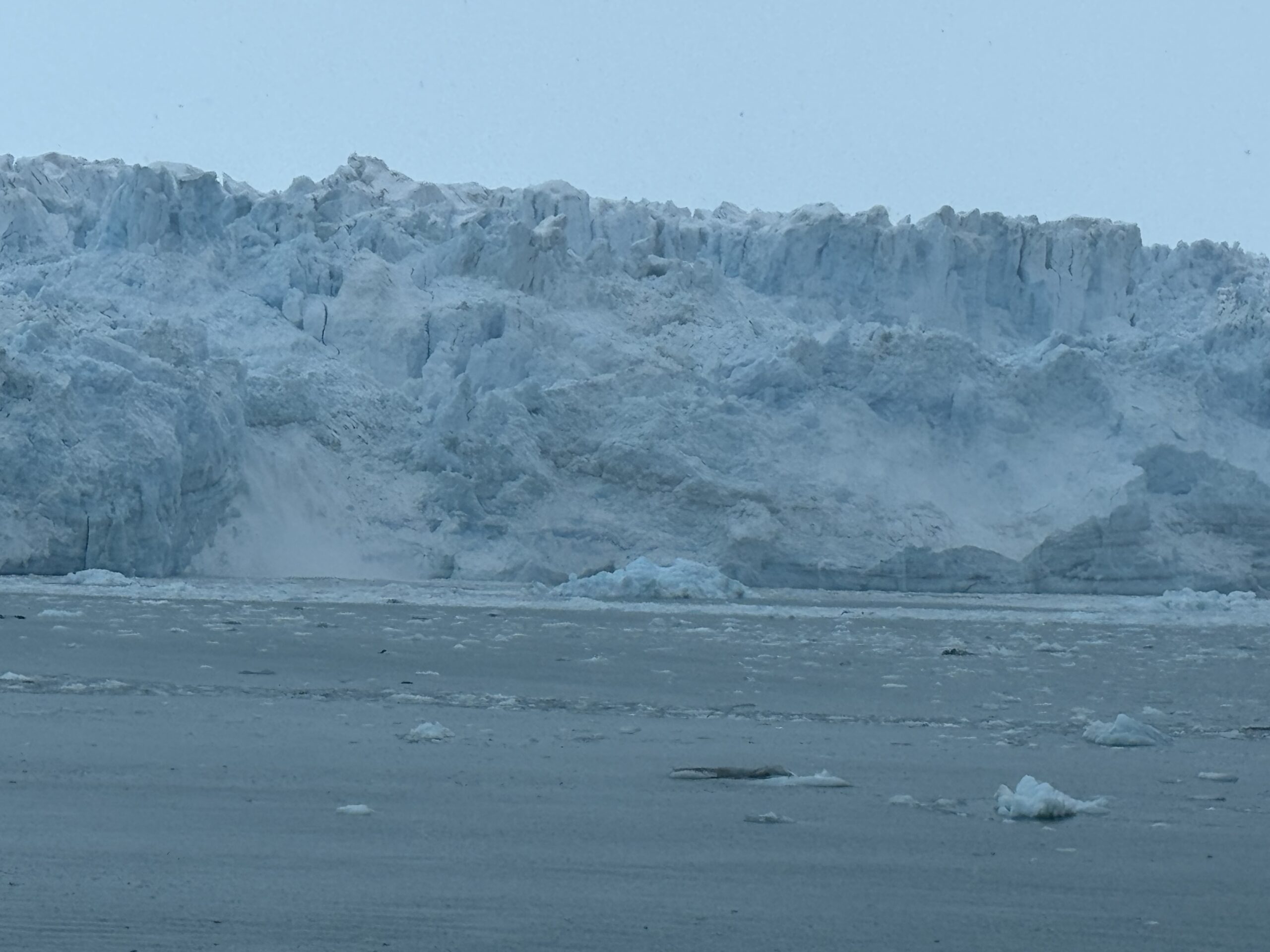
As mentioned earlier, Hubbard is actually an active glacier, advancing each year and calving often. Today we saw the glacier calve nearly 10 times. The thunderous sound it makes is alarming at first, and then we got used to it. Several of the calved pieces were quite large and caused a wave in the water. We had all the trust in our captain who kept the ship just far enough away to not sustain any disturbance or damage.
The Hubbard Glacier starts at Mt. Logan (19,850 ft) in the Yukon Territory of Canada and ends within Wrangell-St. Elias National Park & Preserve. Mt. Logan is the 2nd tallest mountain on the North American continent. The glacier was named in 1890 for Gardiner Hubbard, the first president of the National Geographic Society.
Hubbard Glacier’s terminus is currently in a stable position after advancing over the last 100 years, and the glacier continues to thicken. The ice you see at the terminal face originally fell as snow, as much as 500 years ago, and the glacier is over 2,000 feet thick at some locations.
The Coral Princess was the first cruise ship of the season to call to Whittier, and to Glacier Bay National Park. We’ve been to Alaska twice before, but seeing it snow covered, head to toe, seemed like a unique experience and we loved it.
Tomorrow: Scenic Cruising of Glacier Bay National Park
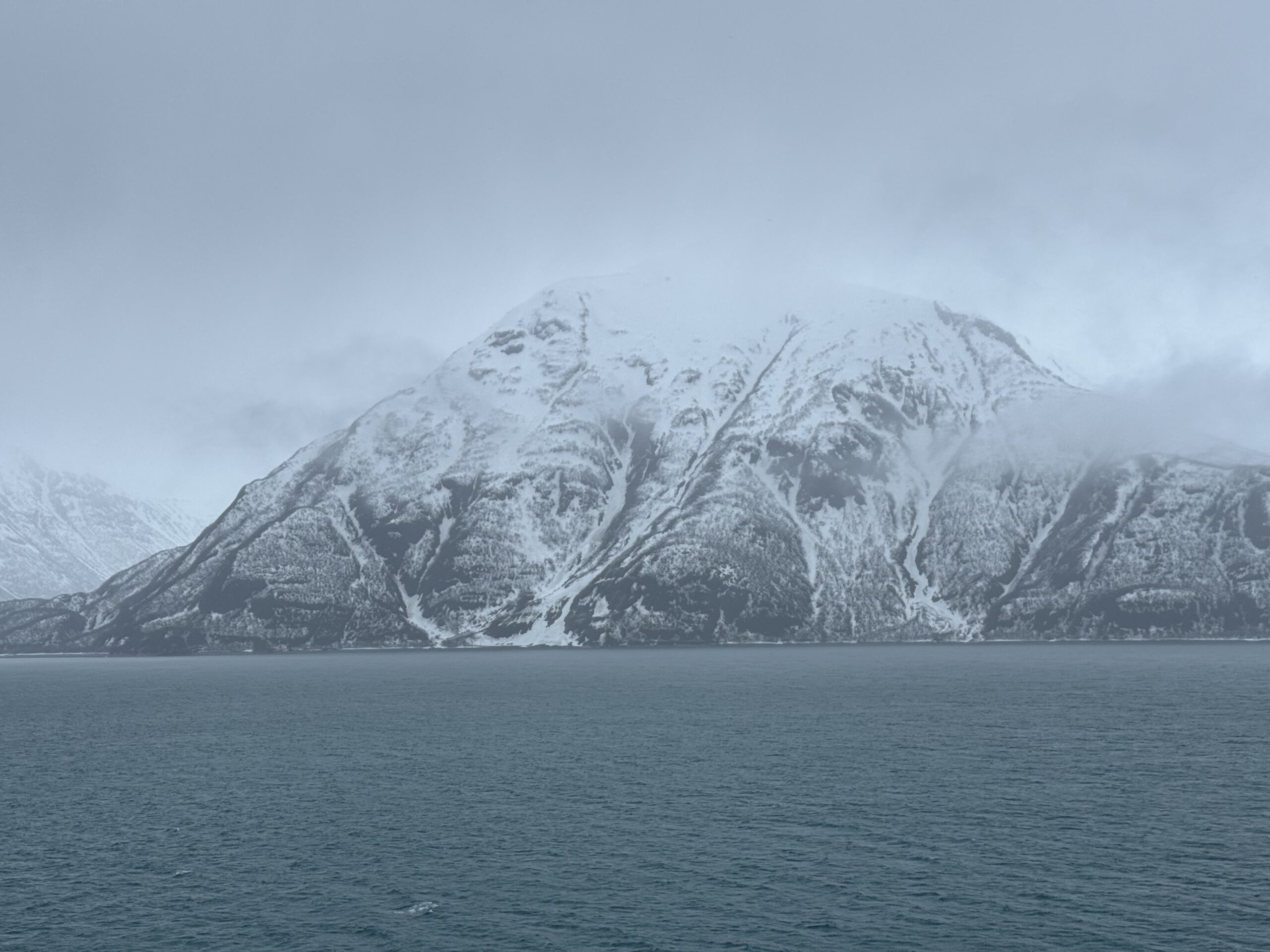
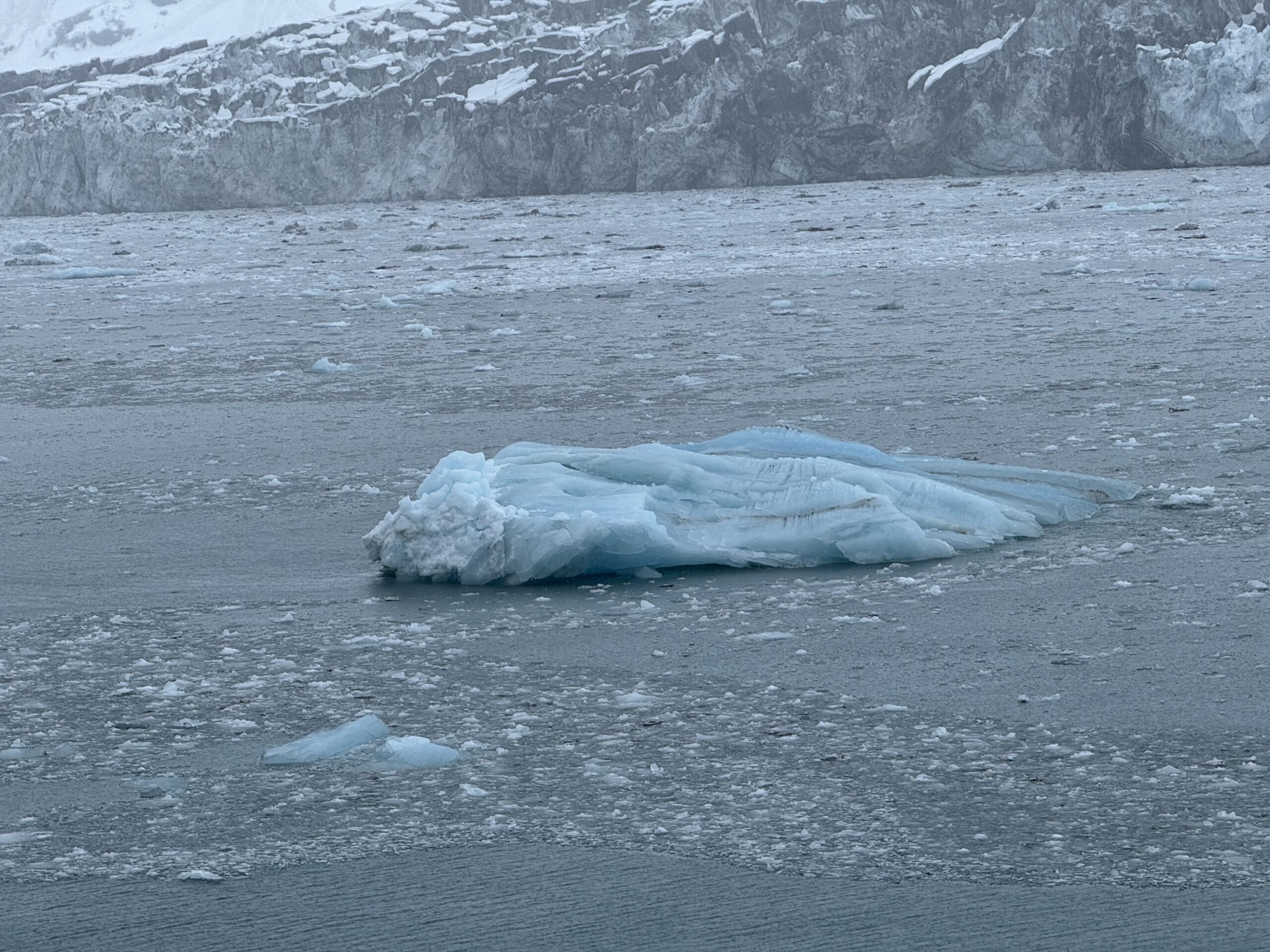

Mother Nature is astounding! Beauty!