
Whittier, Alaska

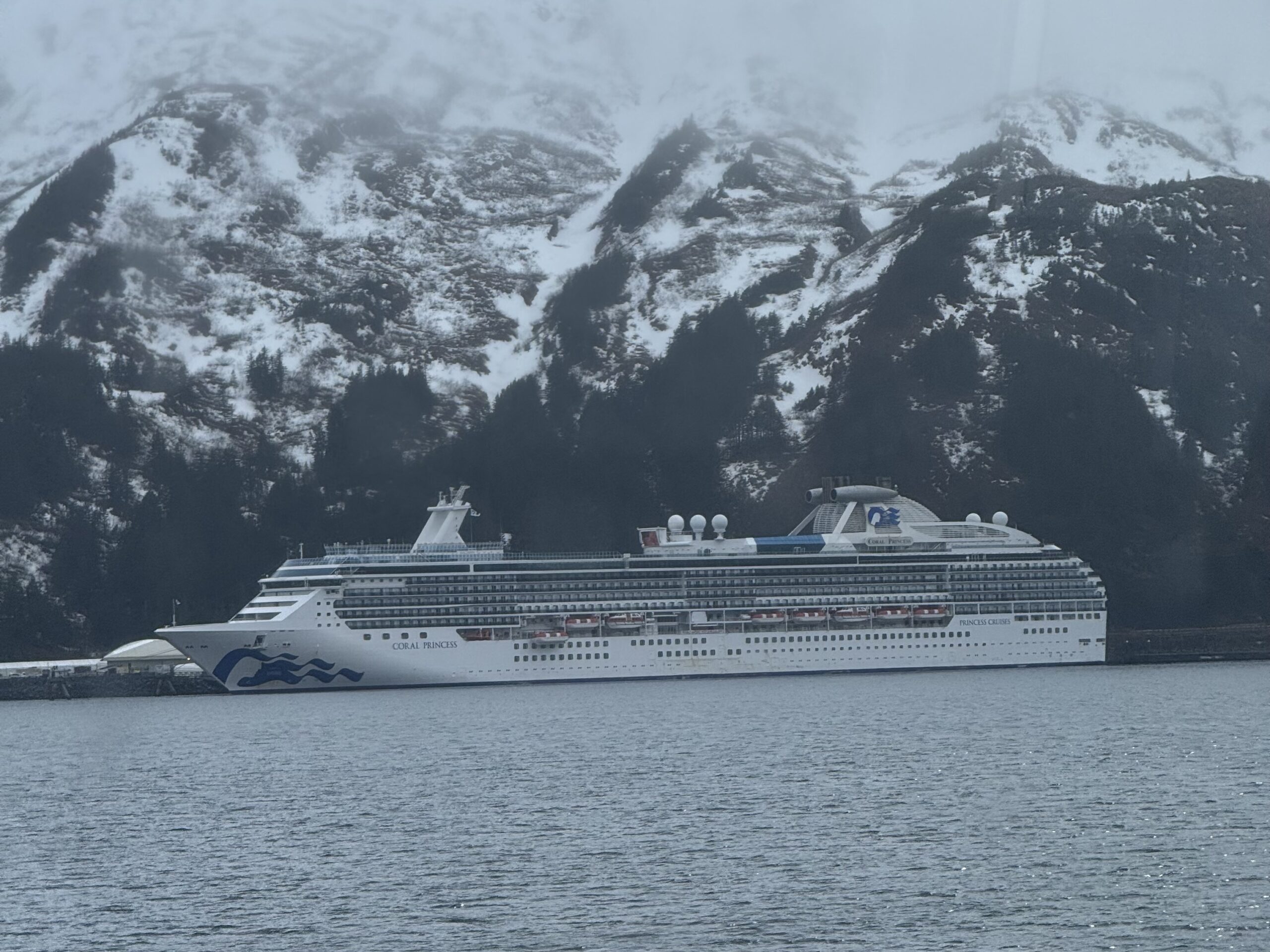
Land ho at Whitter! We’ve made it to Alaska and its still winter here! It’s 29 degrees and today we took a Princess cruise to see the glaciers of College Fiord. Sure, we’ll see glaciers the next two days as we visit Hubbard Glacier and Glacier Bay National Park. But can you ever have too many glaciers?
Our excursion involved a beautifully built catamaran, run by Phillips Cruises & Tours out of Whittier. The Phillips family is somewhat of a legendary family, having built the business since 1958. Whittier is a small town, population 300, providing train service to Anchorage and beyond, including all of the Princess Lodges in Alaska. The Phillips family, through their business, has provided jobs and lodging in this far-flung outpost. In 2003 they sold the business to another travel industry family, the Neumann’s, whom have maintained and added to the fleet. Today, they operate four touring catamarans and we enjoyed being aboard M/V Klondike.
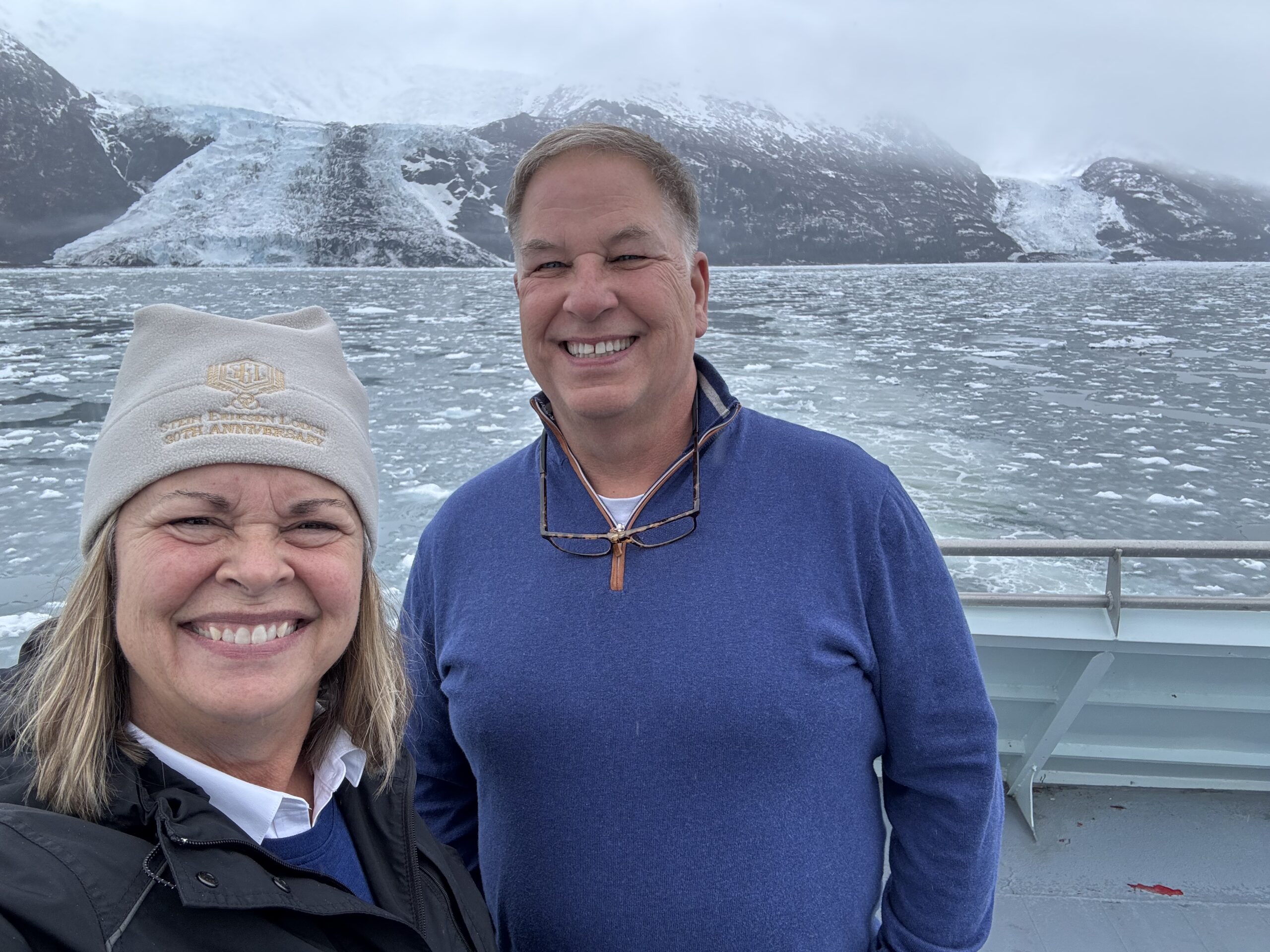
We boarded the Klondike, which was parked adjacent to the ship, and started our journey by heading out in Prince William Sound, then through Esther Passage, into College Fjord. It was quite overcast and was spitting freezing rain, but the landscape was gorgeous and moody. Soon we spotted a bald eagle sitting in a fir tree and there were several waterfalls to enjoy.
Alaska was discovered by a Danish navigator, Vitus Bering, in 1741. he made landfall at Kayak Island, about 100 miles southeast of Whittier and subsequently, the Bering Strait was named after him. Georg Willhelm Steller, a German Botanist and Zoologist, whom was on the Bering Expedition would also go on to have many things named after him: the Steller Sea Lion, the Steller Jay, the Steller Eider and the Steller Sea Eagle.
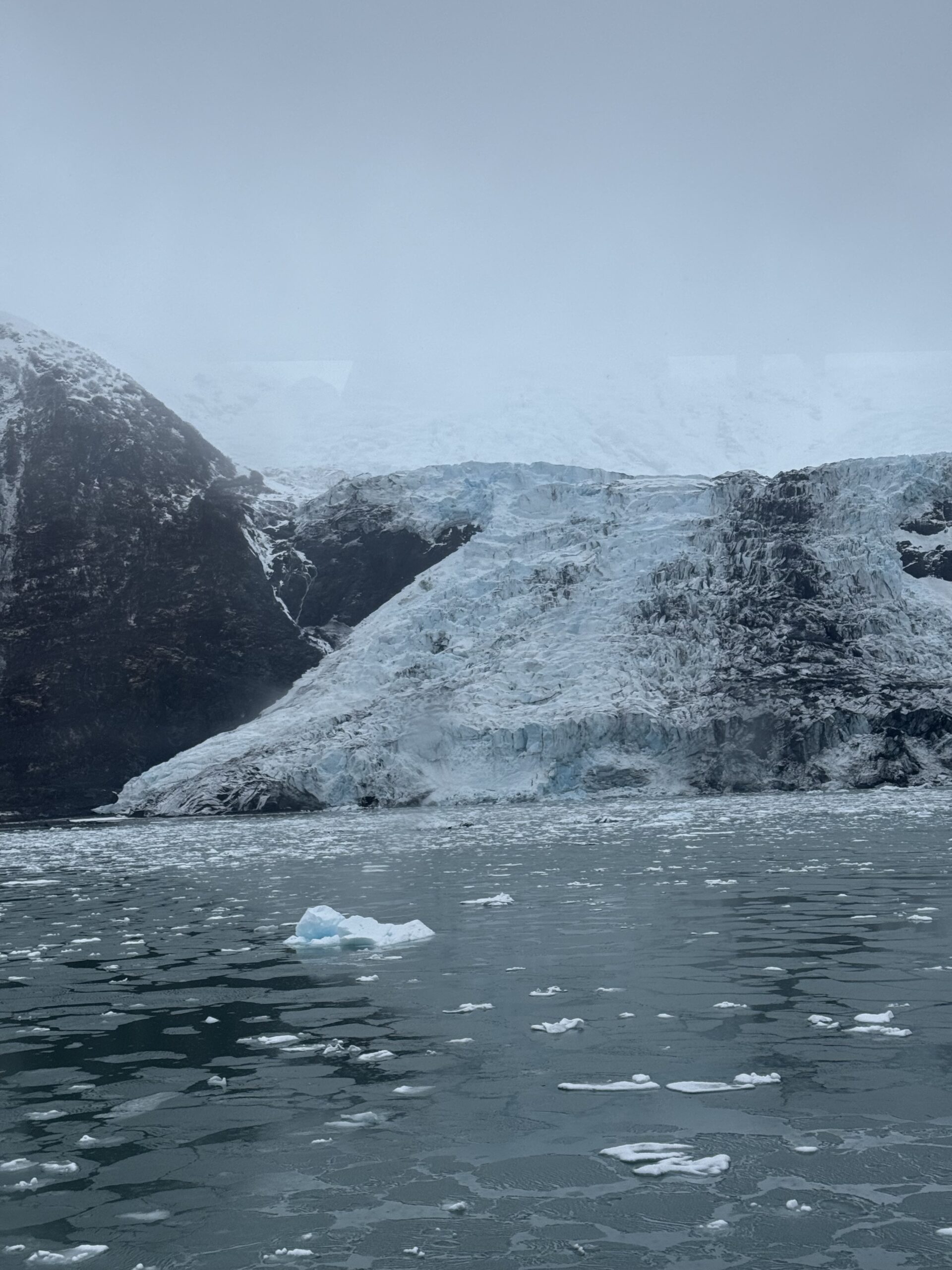
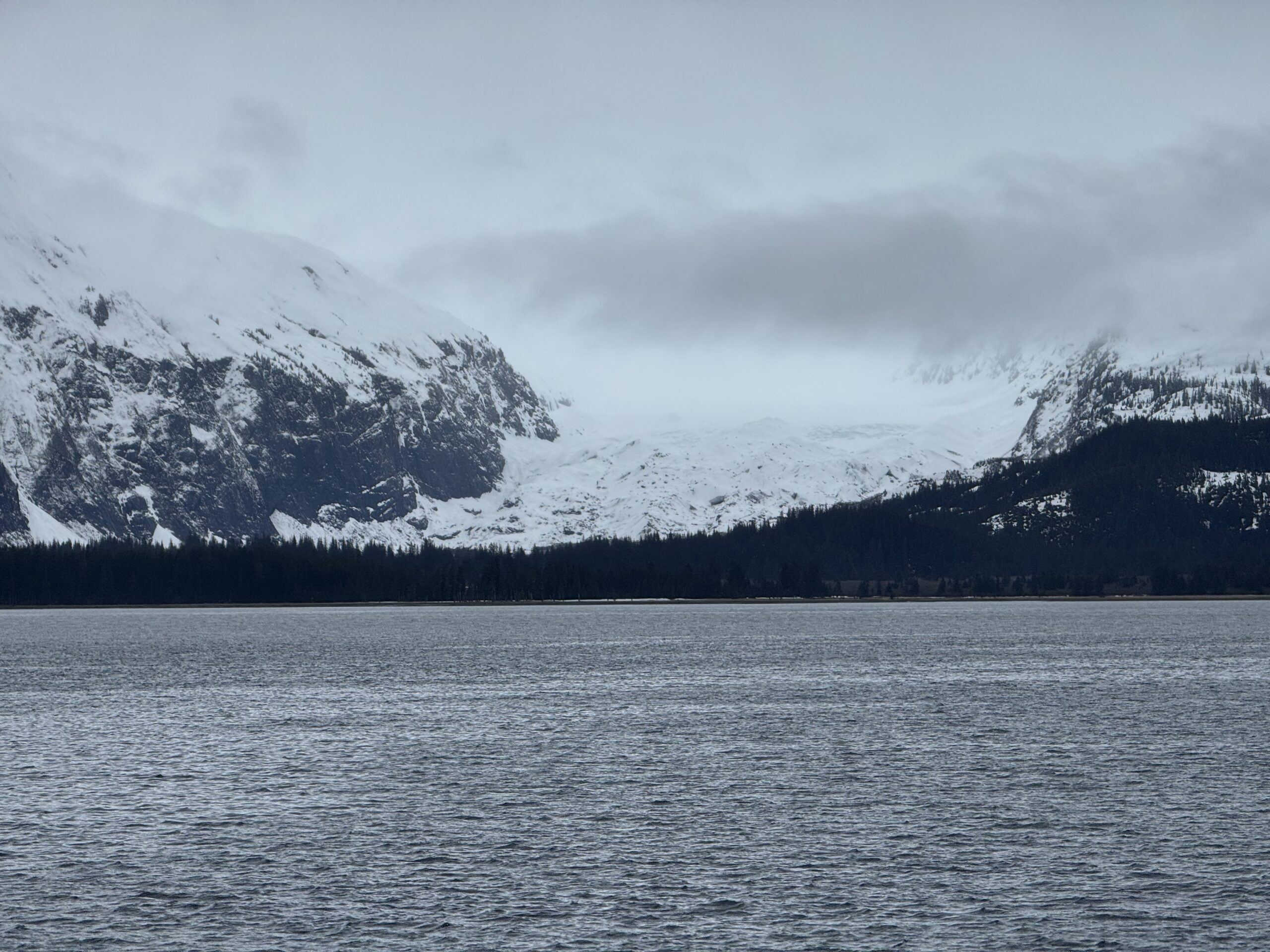
Soon the glaciers were coming into view. Many of the glaciers in College Fiord are no longer visible due to their receding and buildup of moraine; Amherst, Williams, Dartmouth, Holyoke, Barnard, Wellesley. However, we were able to see five glaciers today: Vasser, Bryn Mawr, Smith, Harvard and Yale. If you are wondering why these glaciers are named after prestigious universities, you are not alone. We learned that in 1899, there was an expedition of the Alaska coast, which involved many types of scientists and academics. When they discovered the un-named glaciers, they decided to name them after the institutions that each were associated with.
Besides glaciers, we saw lots of glacier ice, including blue ice. We learned that years of compression gradually forms very dense ice by forcing out the tiny air pockets between ice crystals. This dense ice absorbs the long wavelengths of light, but short wavelengths of light are transmitted and scattered reflecting the color blue. Glacier ice appears white when there are many tiny air bubbles trapped inside. The ship captured some blue ice from the water and let anyone try it. It was very hard to chew and did not taste of salt, which surprised us.
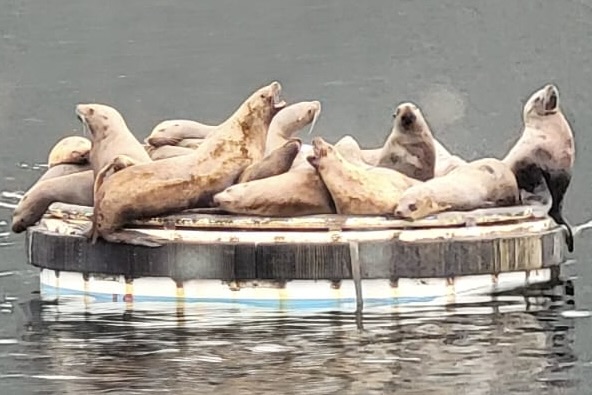
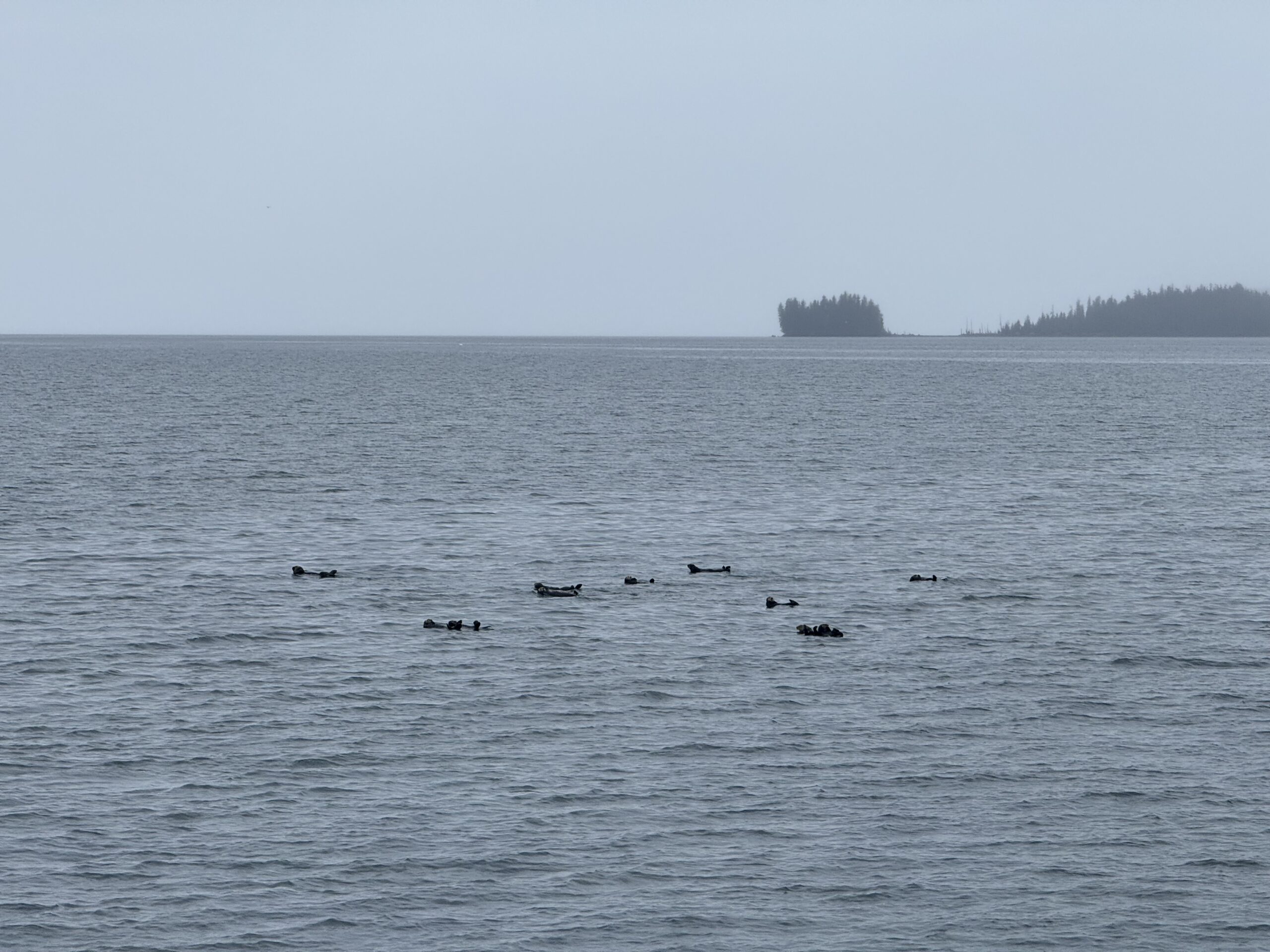
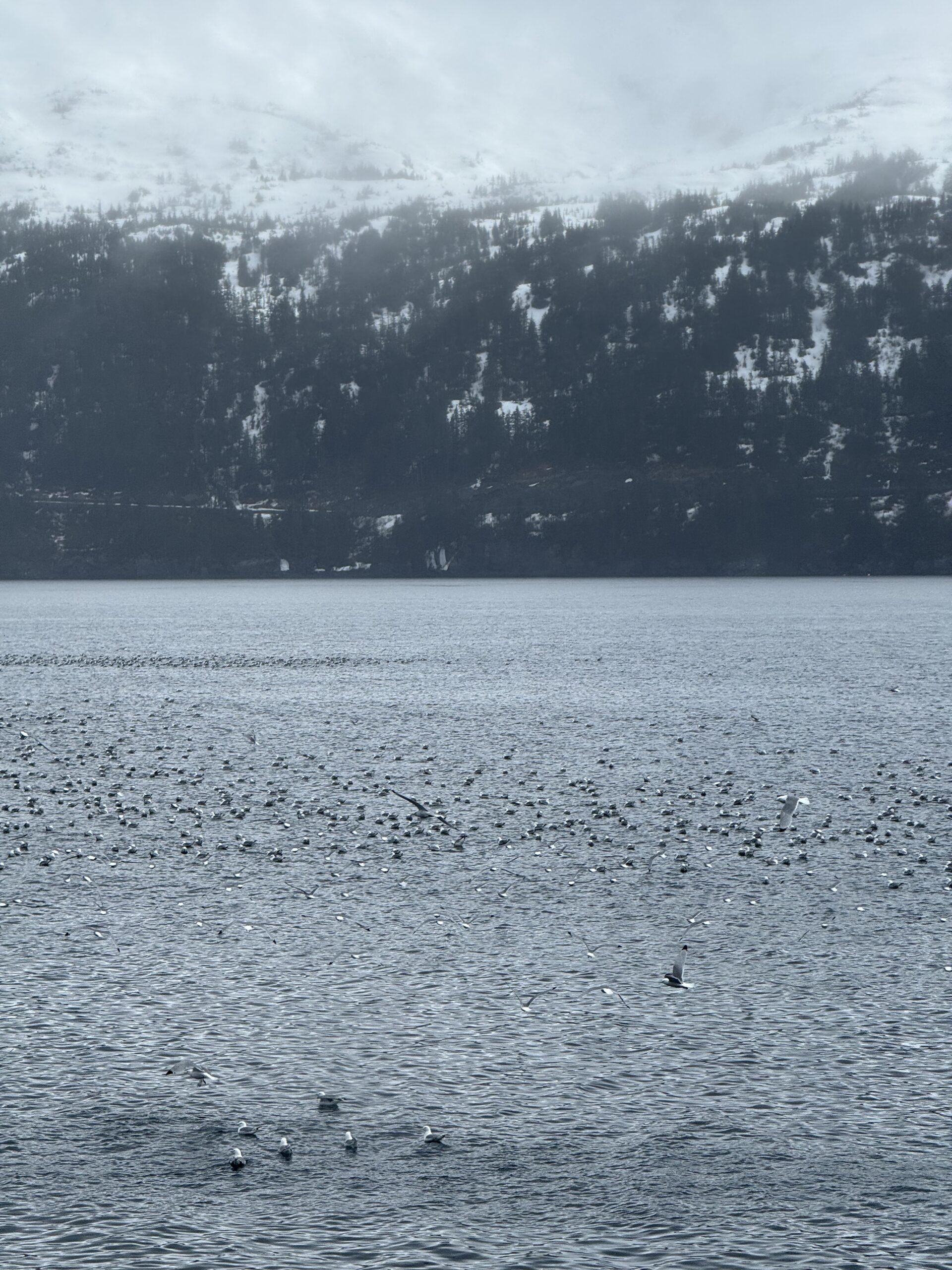
Along the way, we spotted otters, harbor seals, sea lions and mountain goats. Besides the bald eagles, we saw pigeon guillemots and black-legged kittiwakes. We actually came alongside a kittiwake rookery and marveled at the thousands of birds. It is estimated that there are over 10,000 in this colony. It was a very pleasant 5-hours spent cruising 120 miles of the Alaska wilderness.
Tomorrow: Hubbard Glacier Scenic Cruising
Recommended: Phillips Tours, either through a Princess tour, or directly at www.26glaciers.com.
Post Gallery
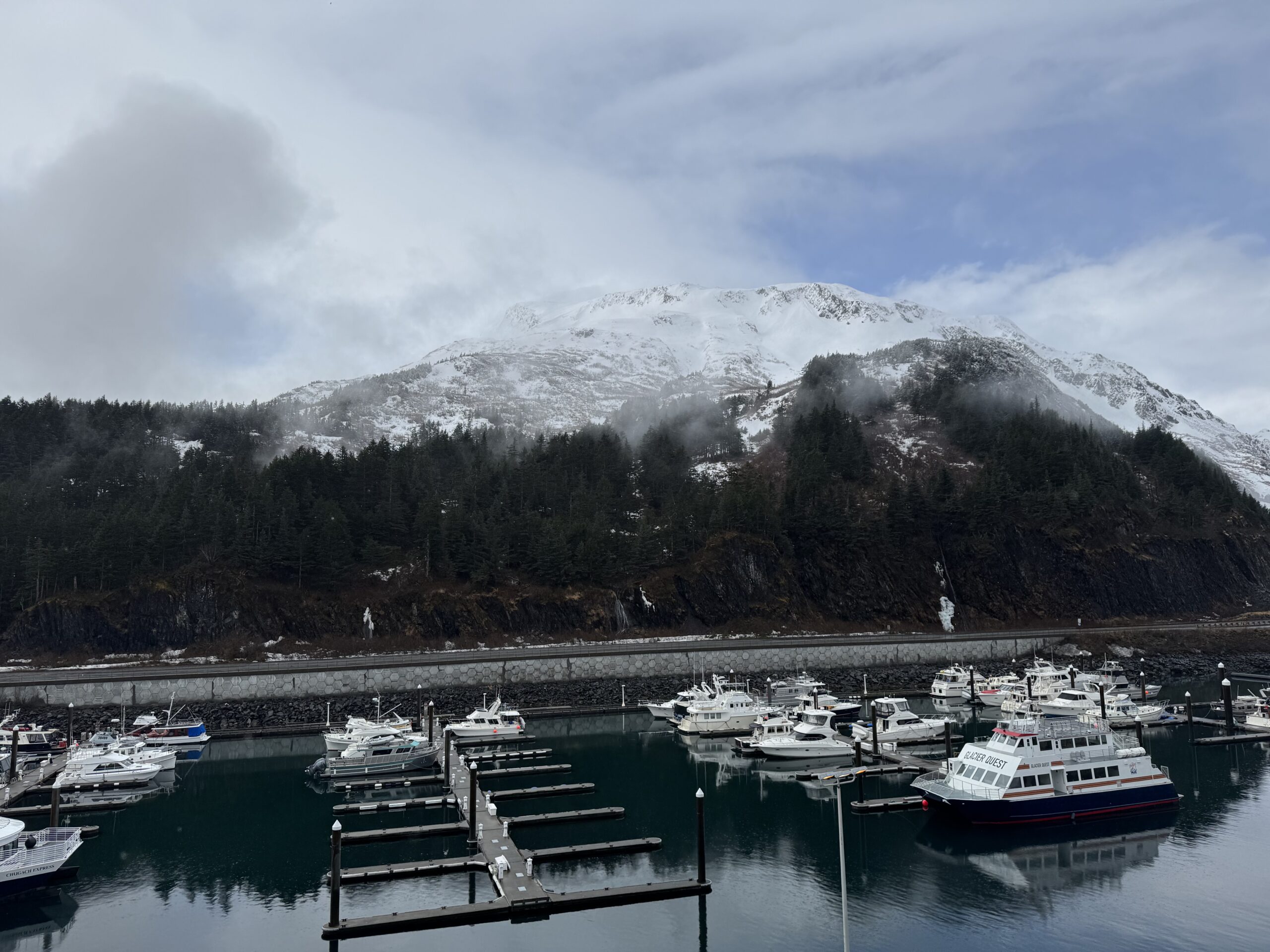
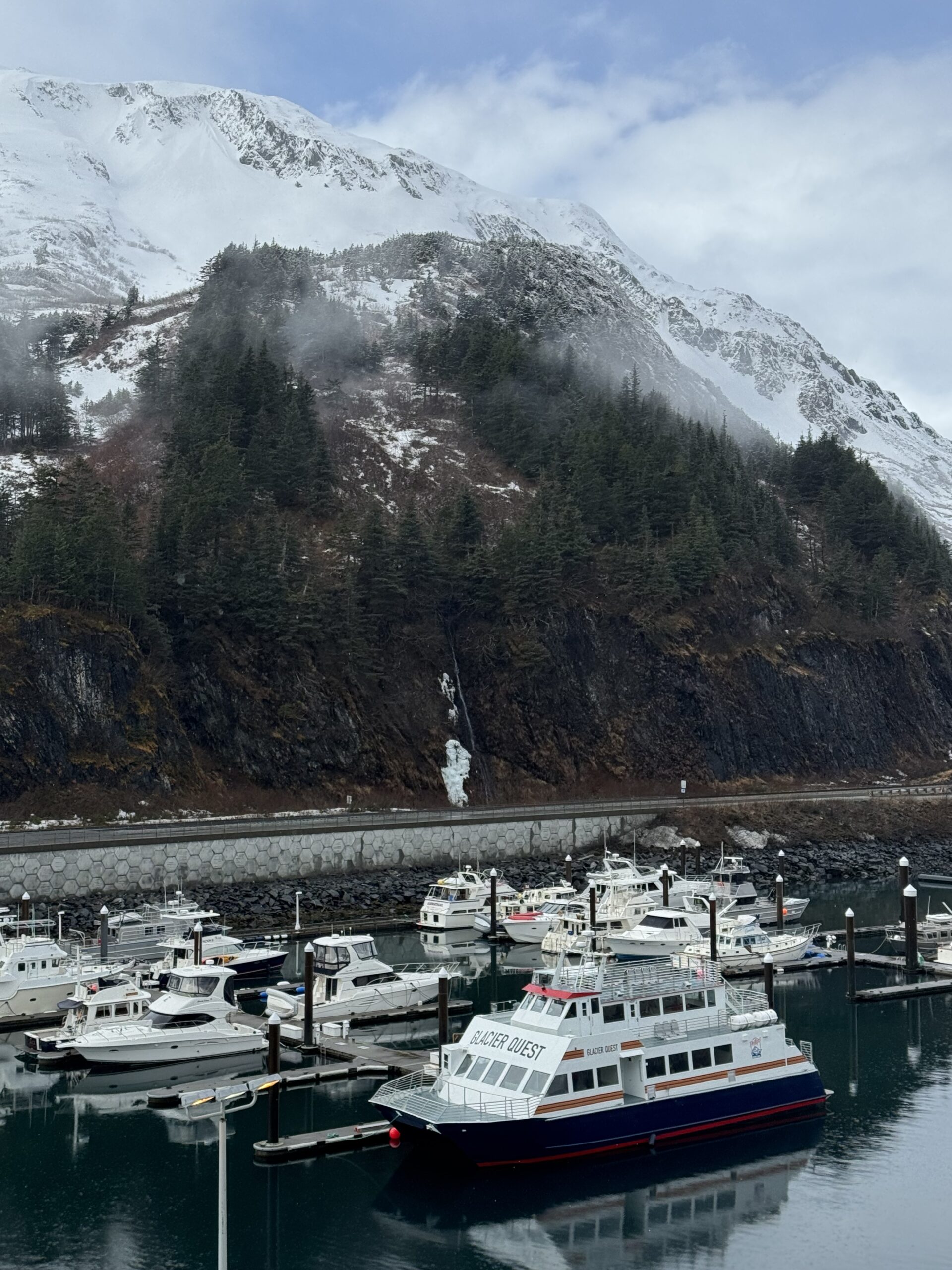
Whittier, Alaska from our balcony.
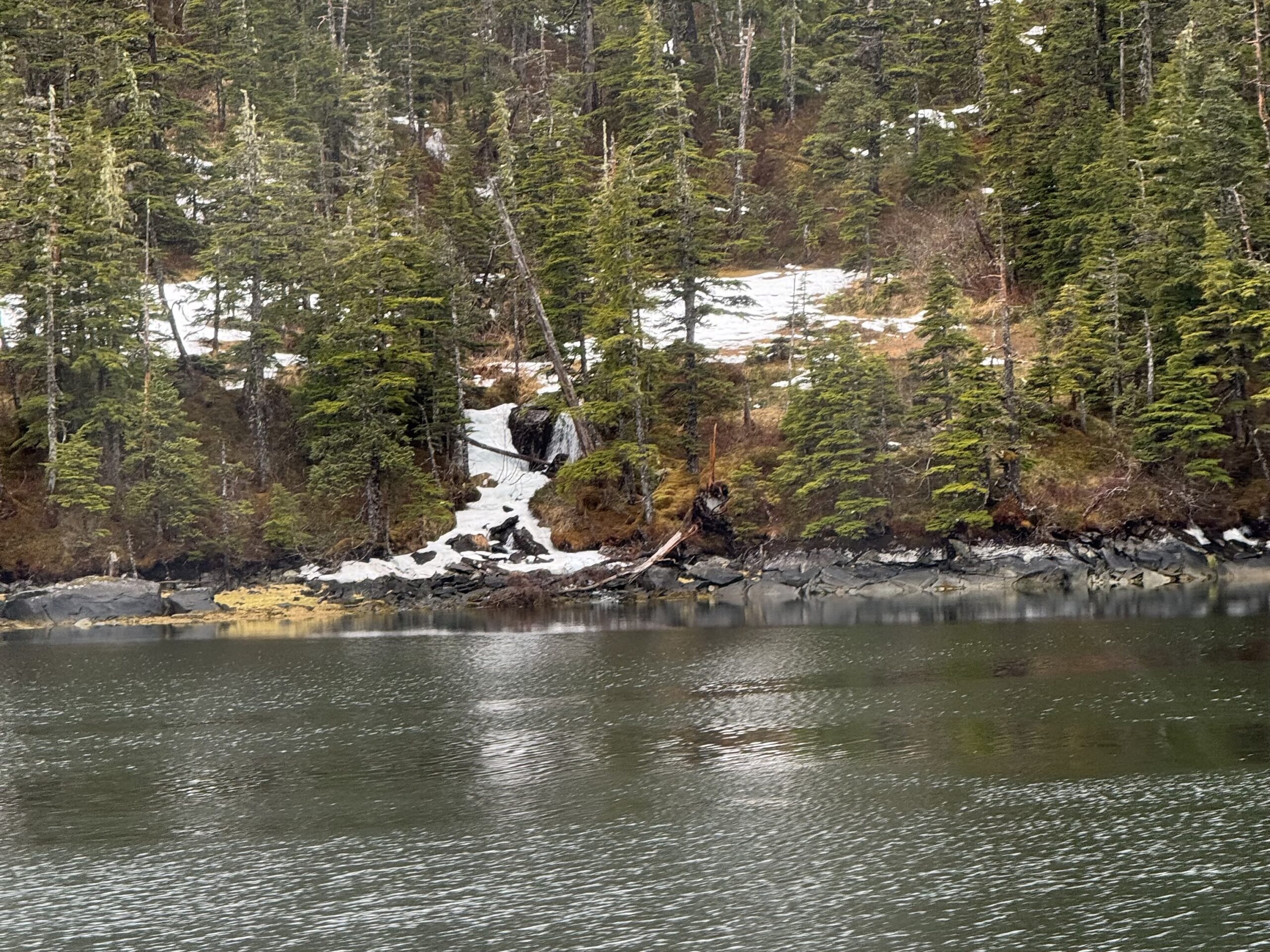
Along Prince William Sound.
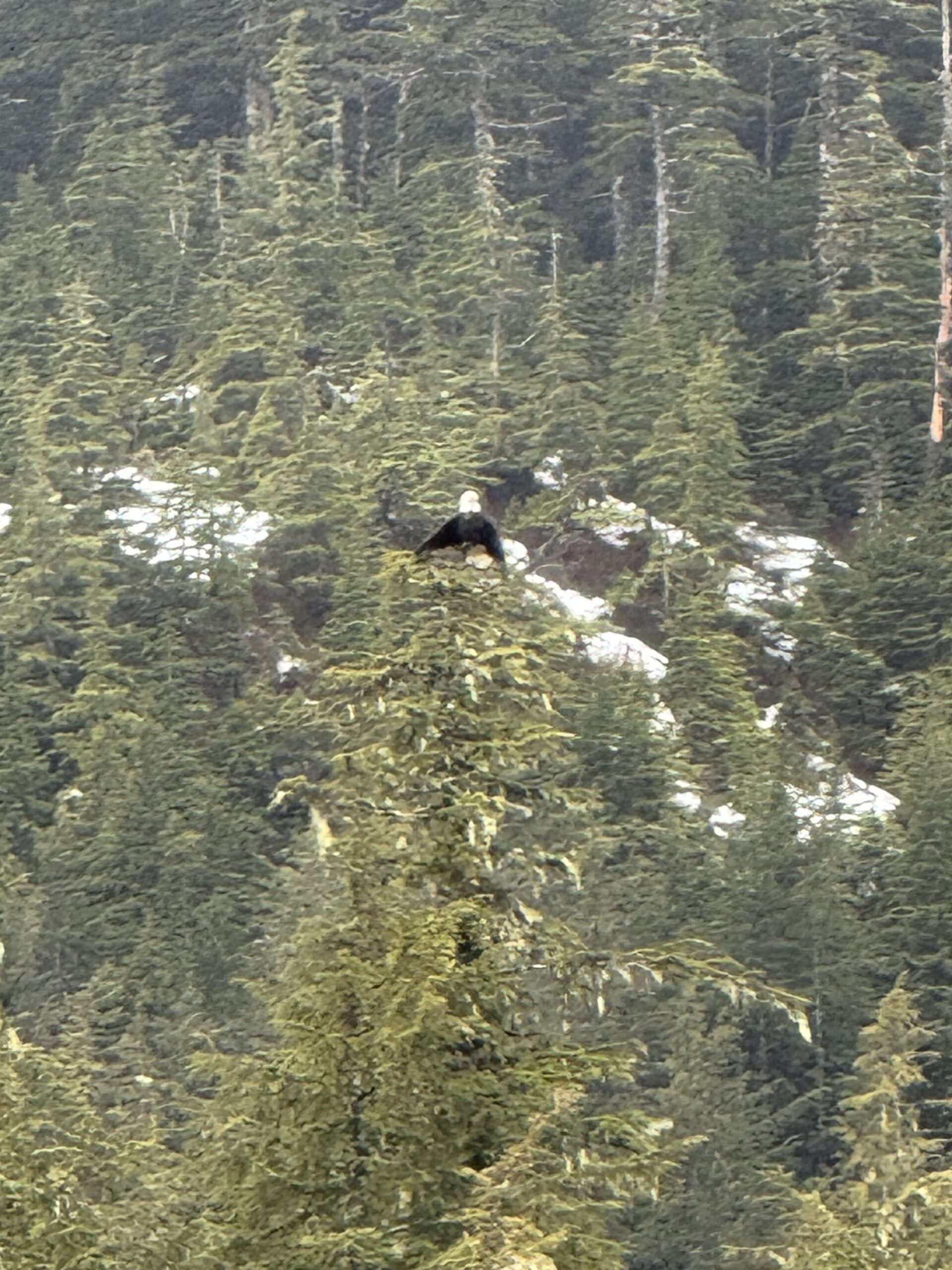
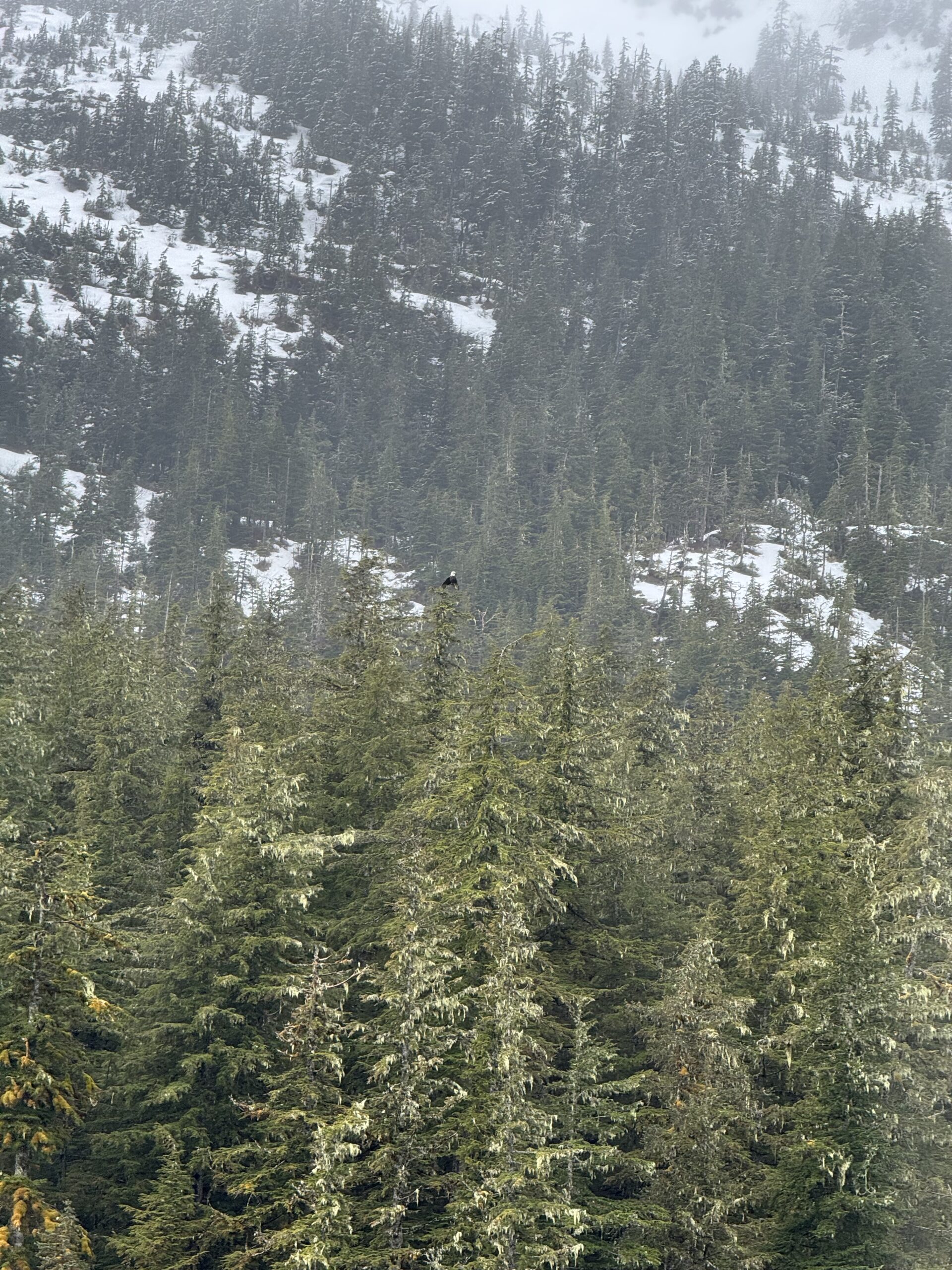
A bald eagle spotted.
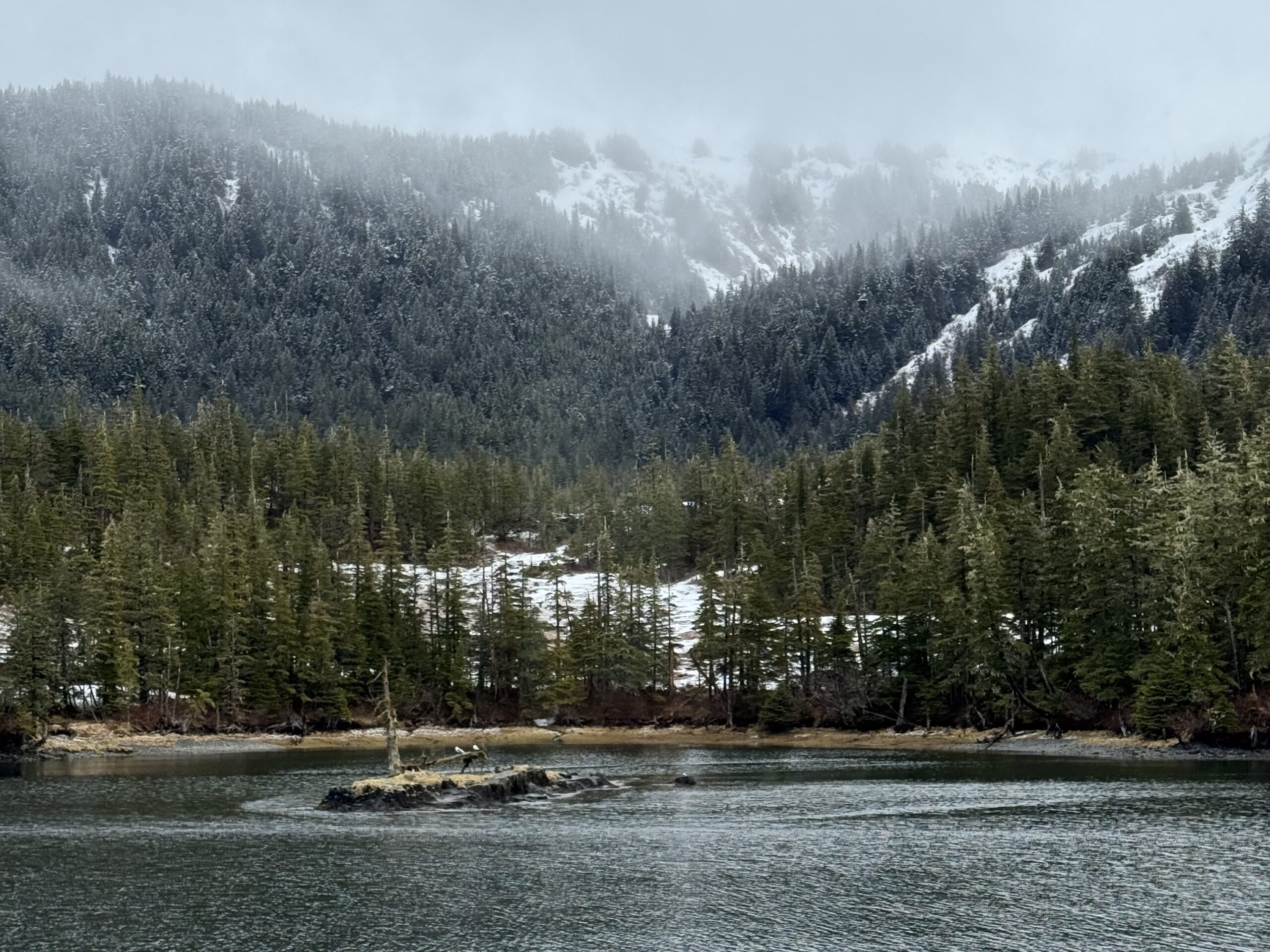
Along Ether Passage.
An otter playing.
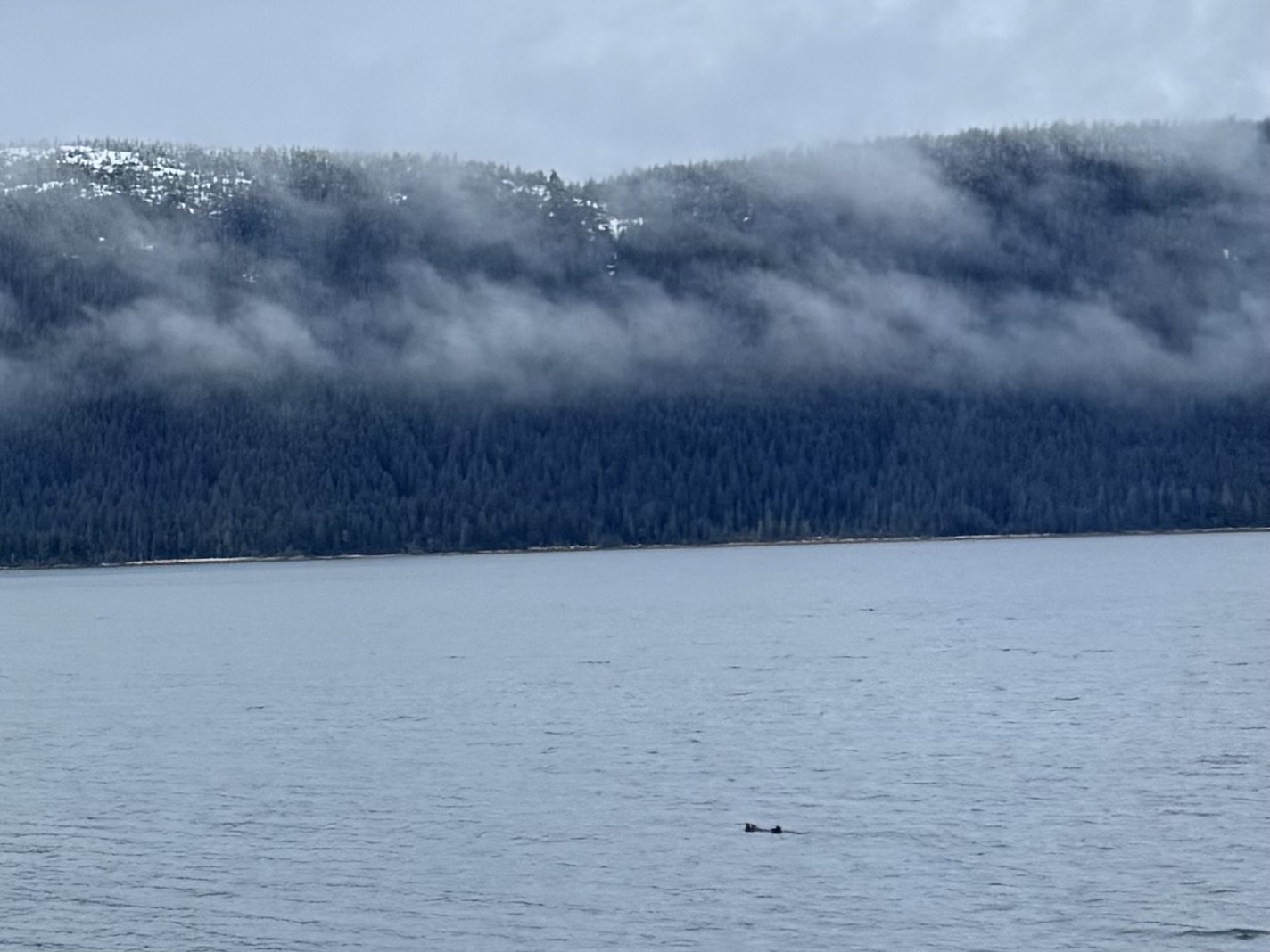
Another otter, College Fiord, Alaska.
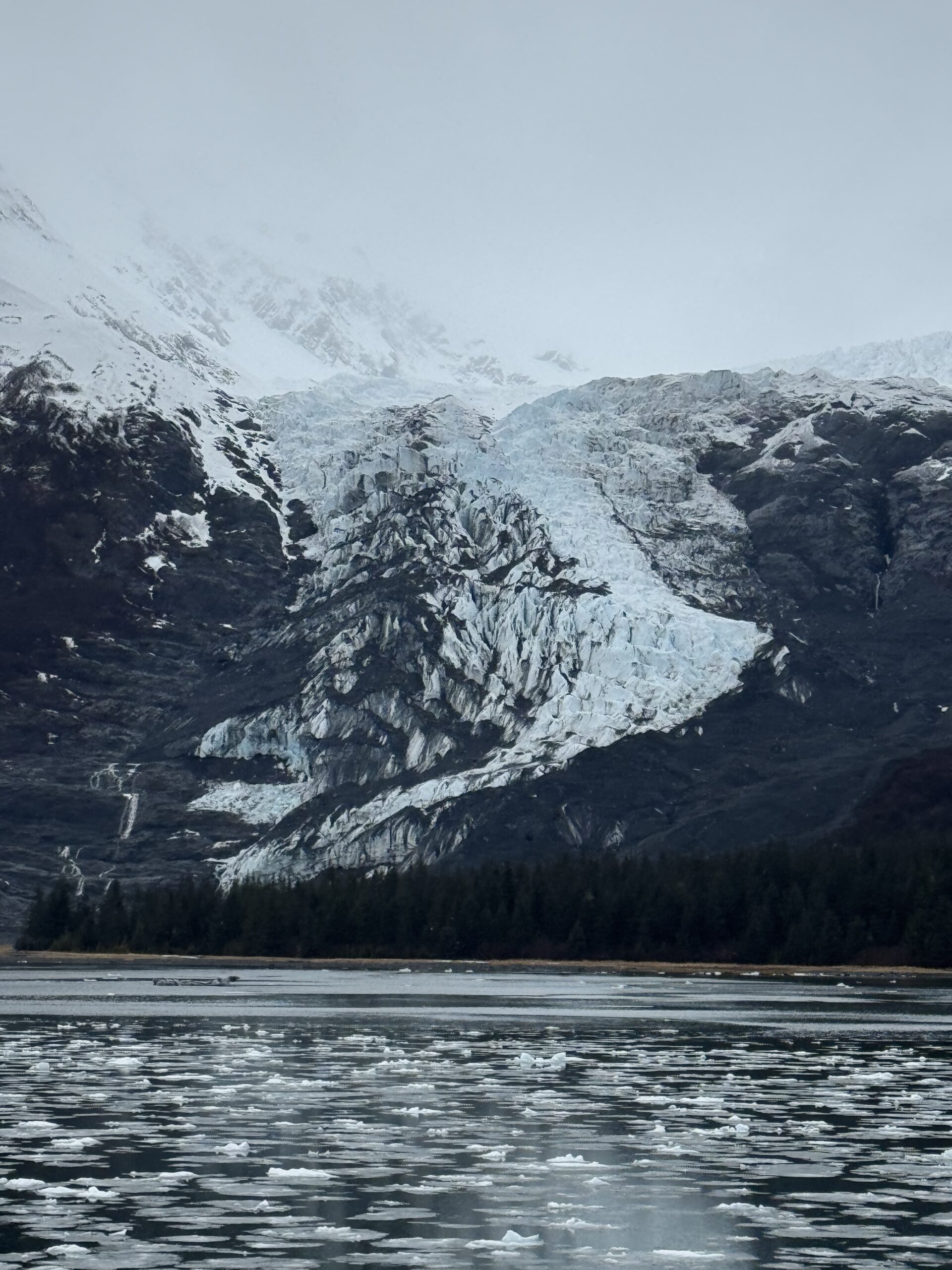
Vassar Glacier
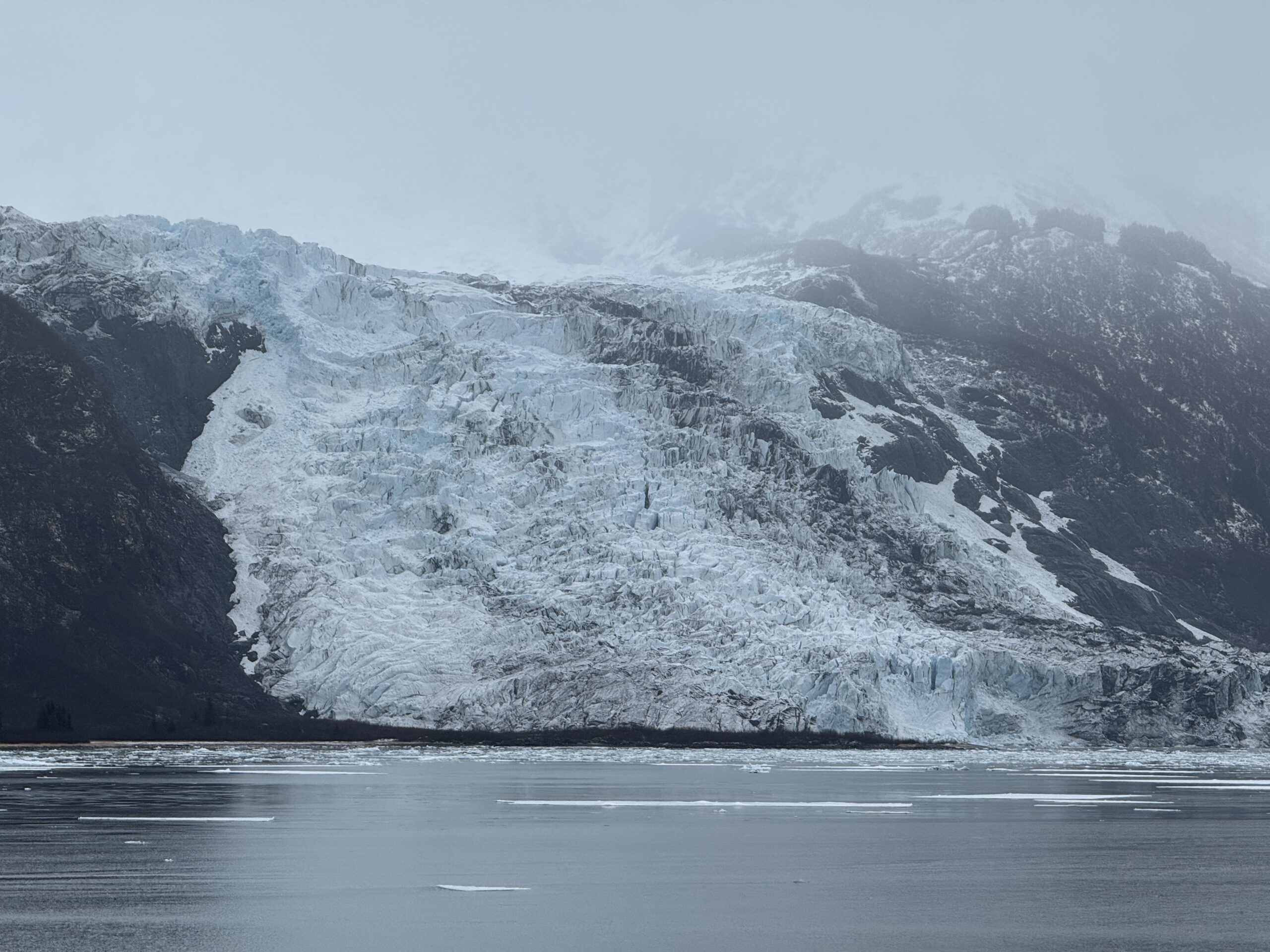
Bryn Mar Glacier
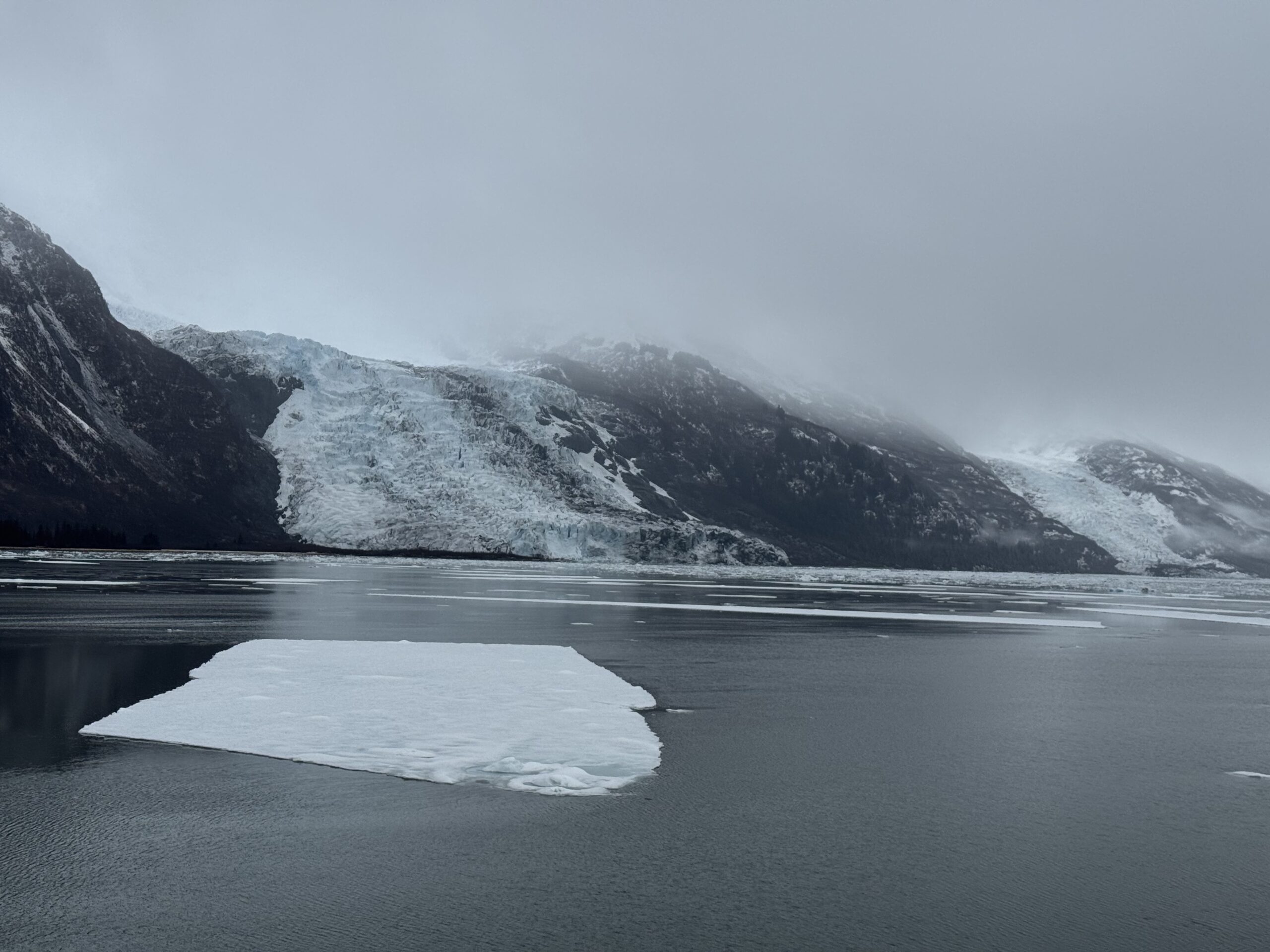
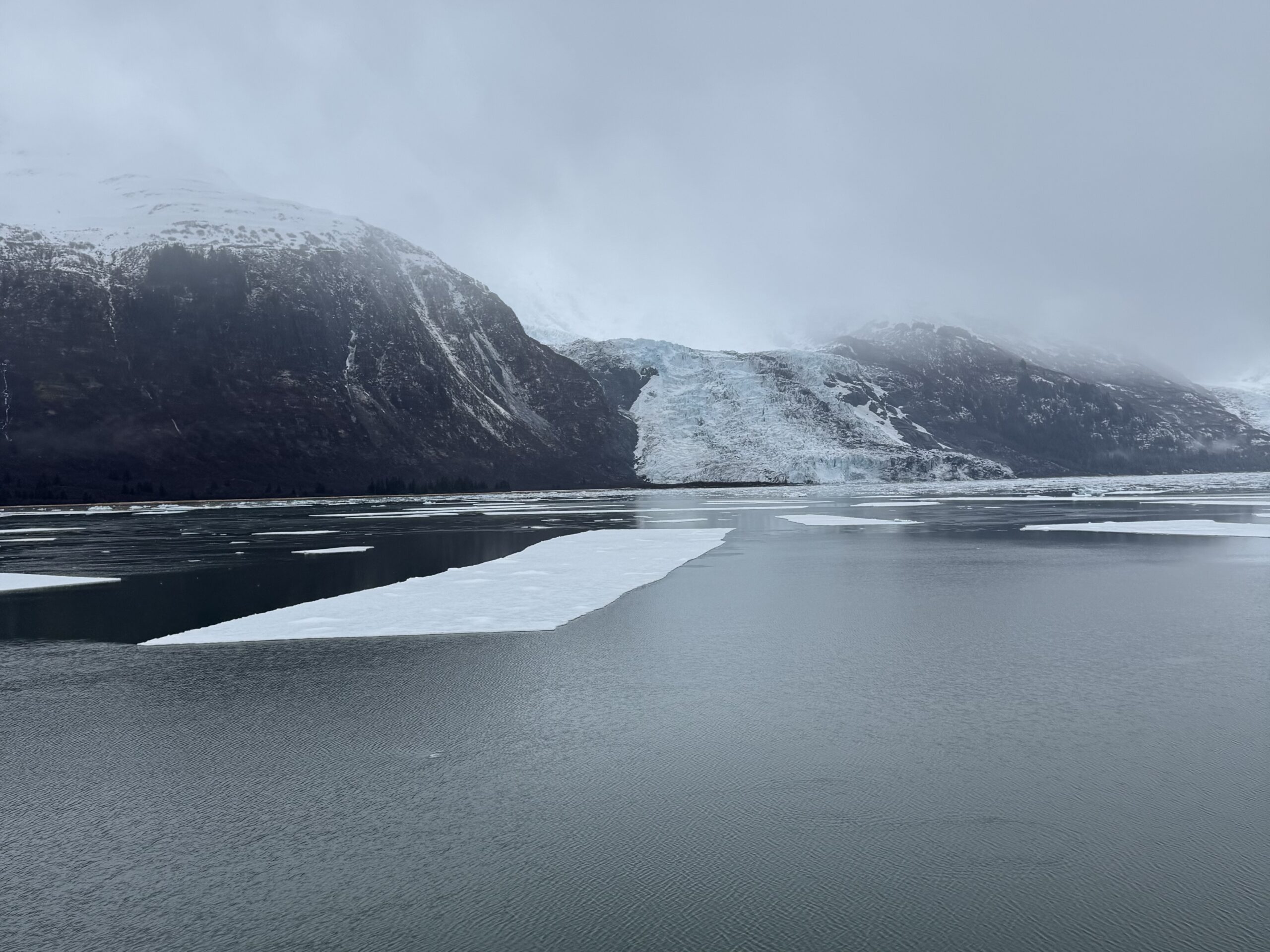
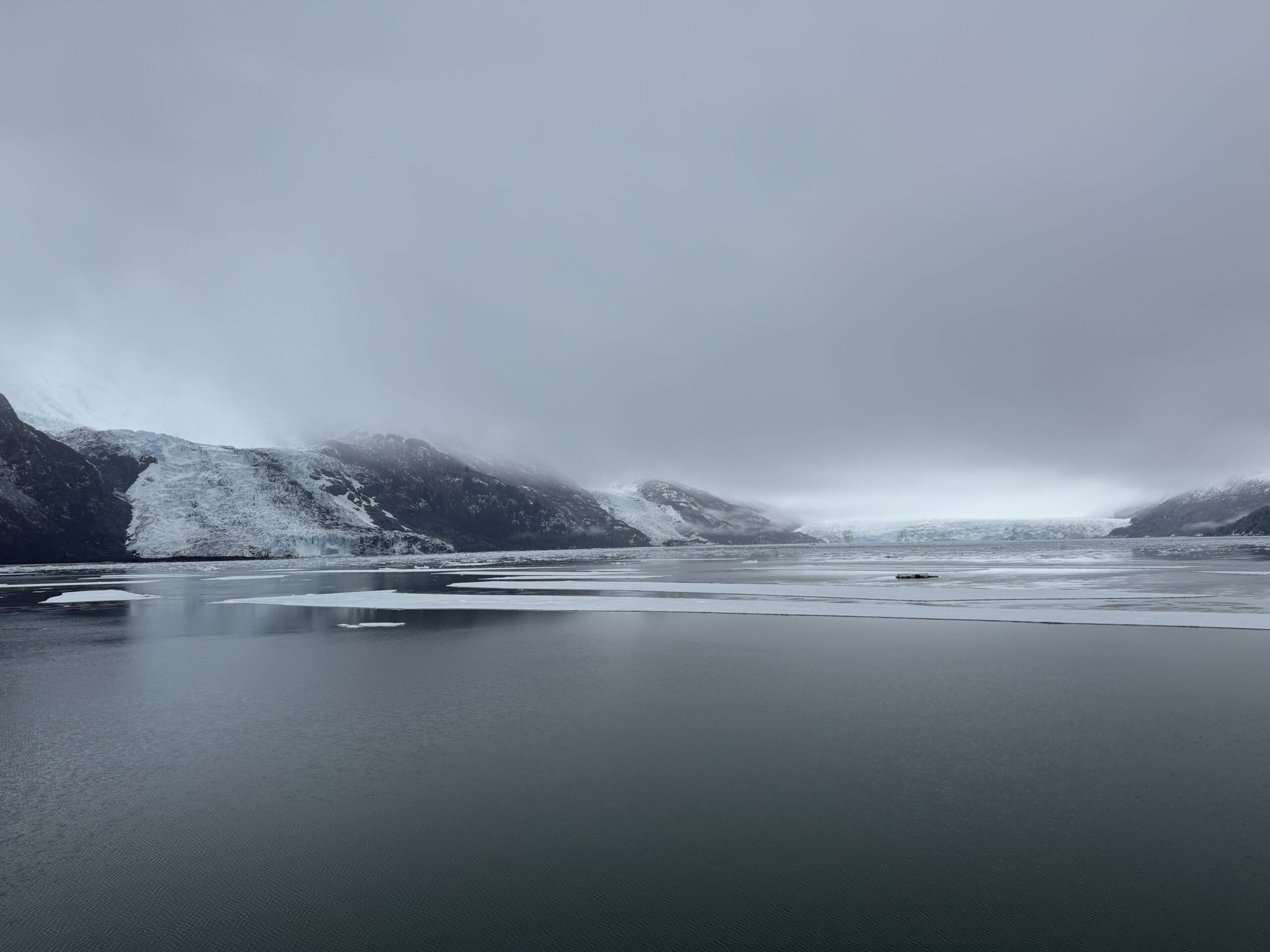
Bryn Mar, Smith and Harvard glaciers.
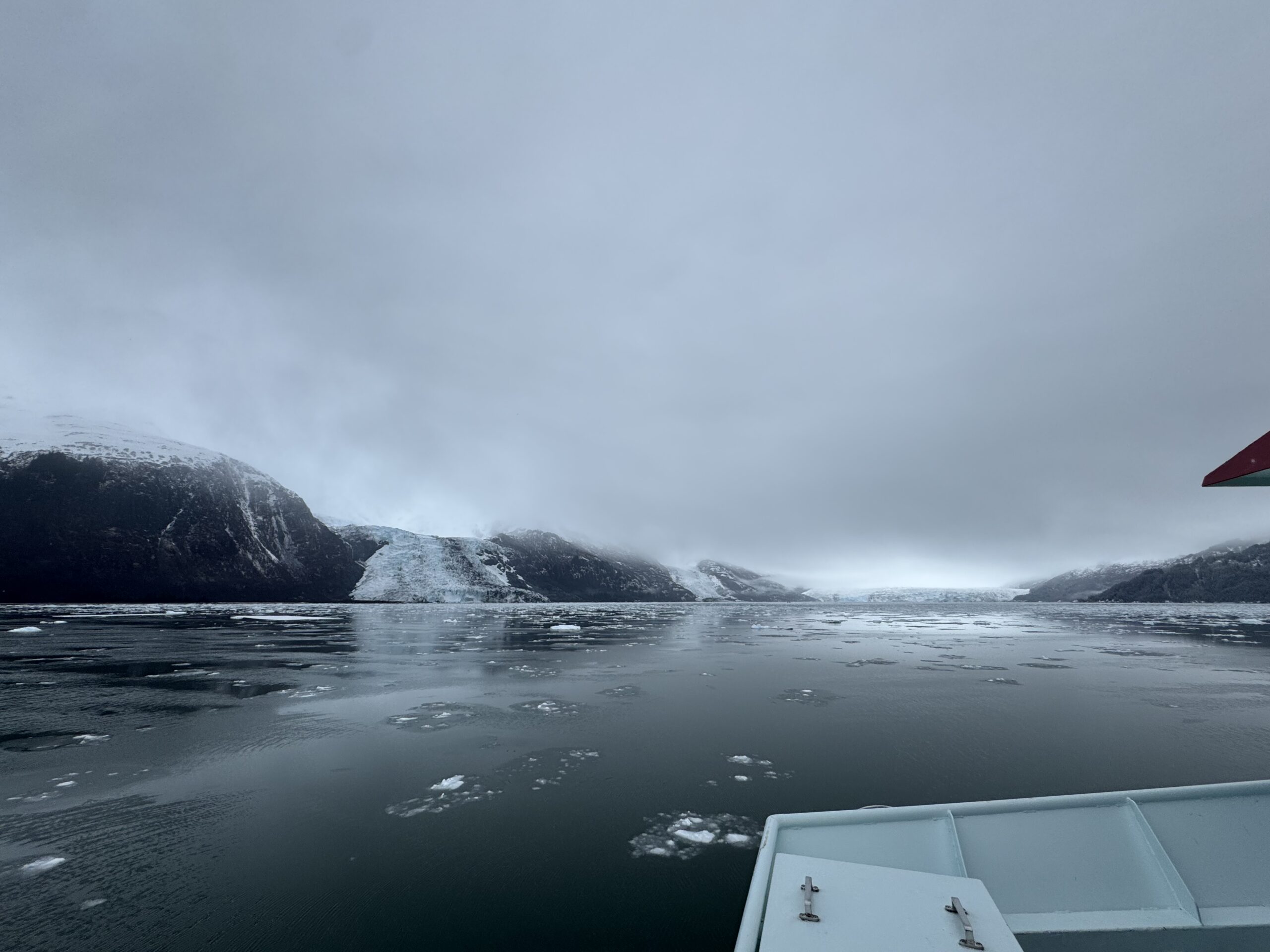
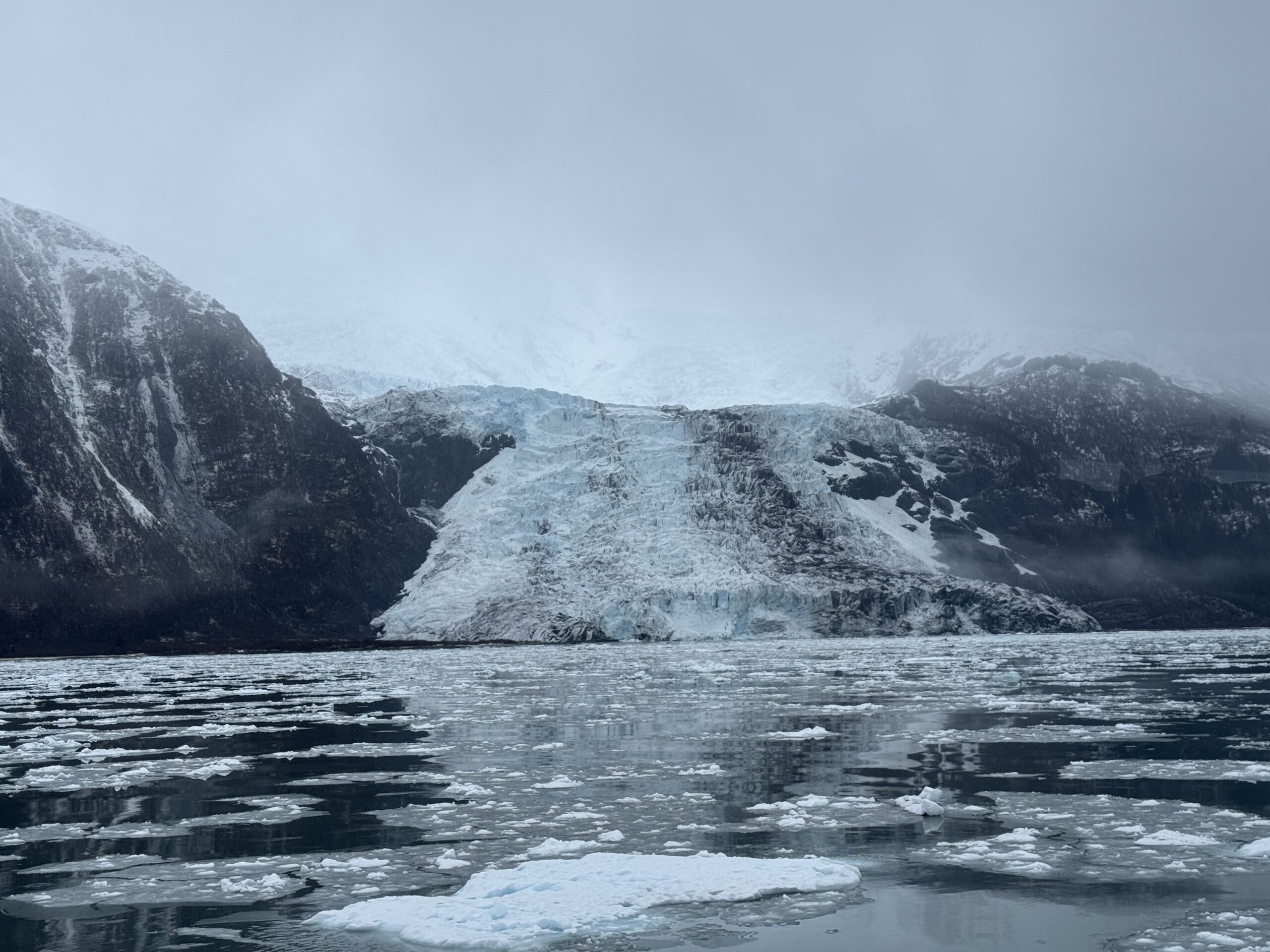
Bryn Mar, with its blue ice.
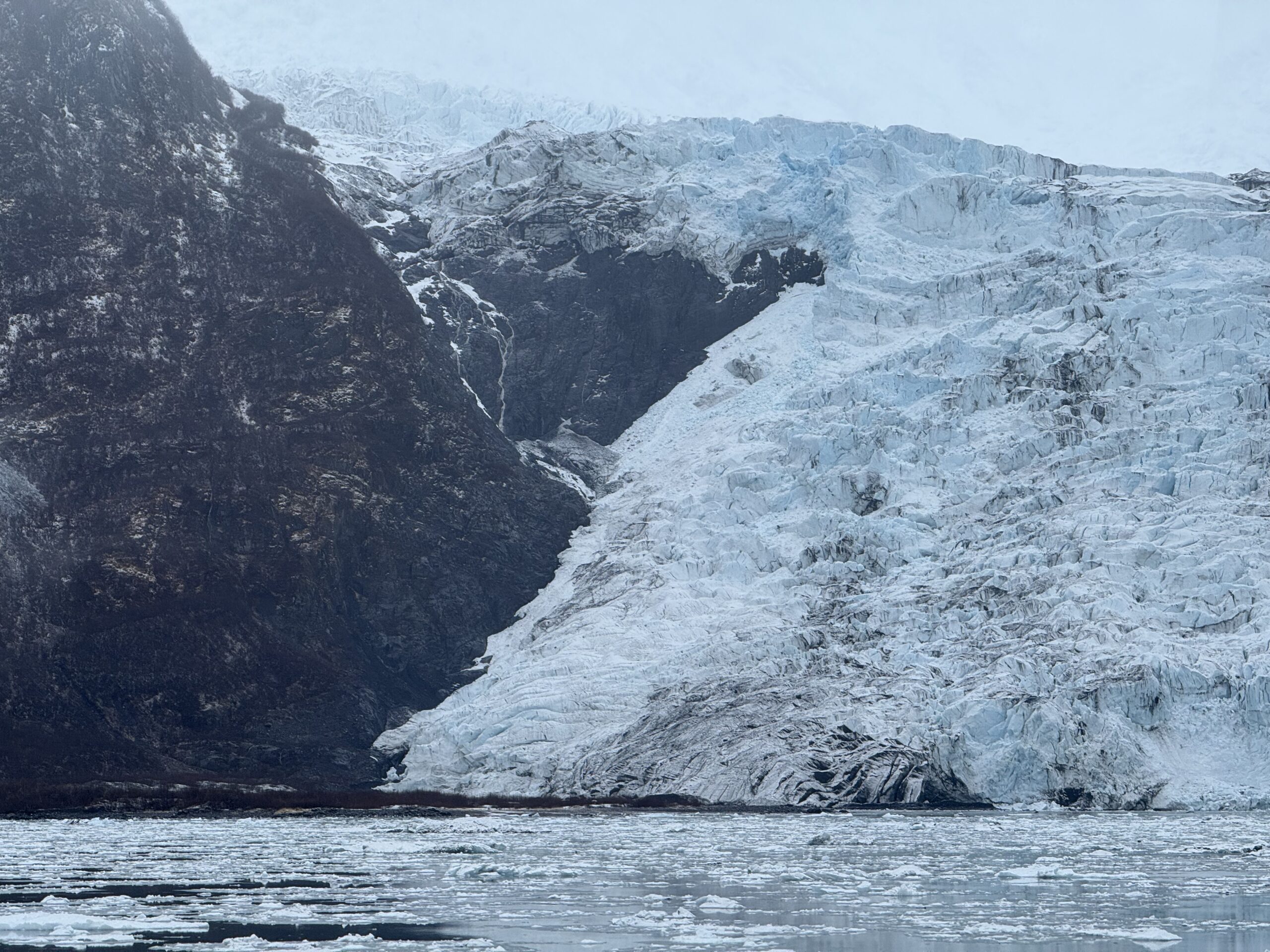
Bryn Mar Glacier
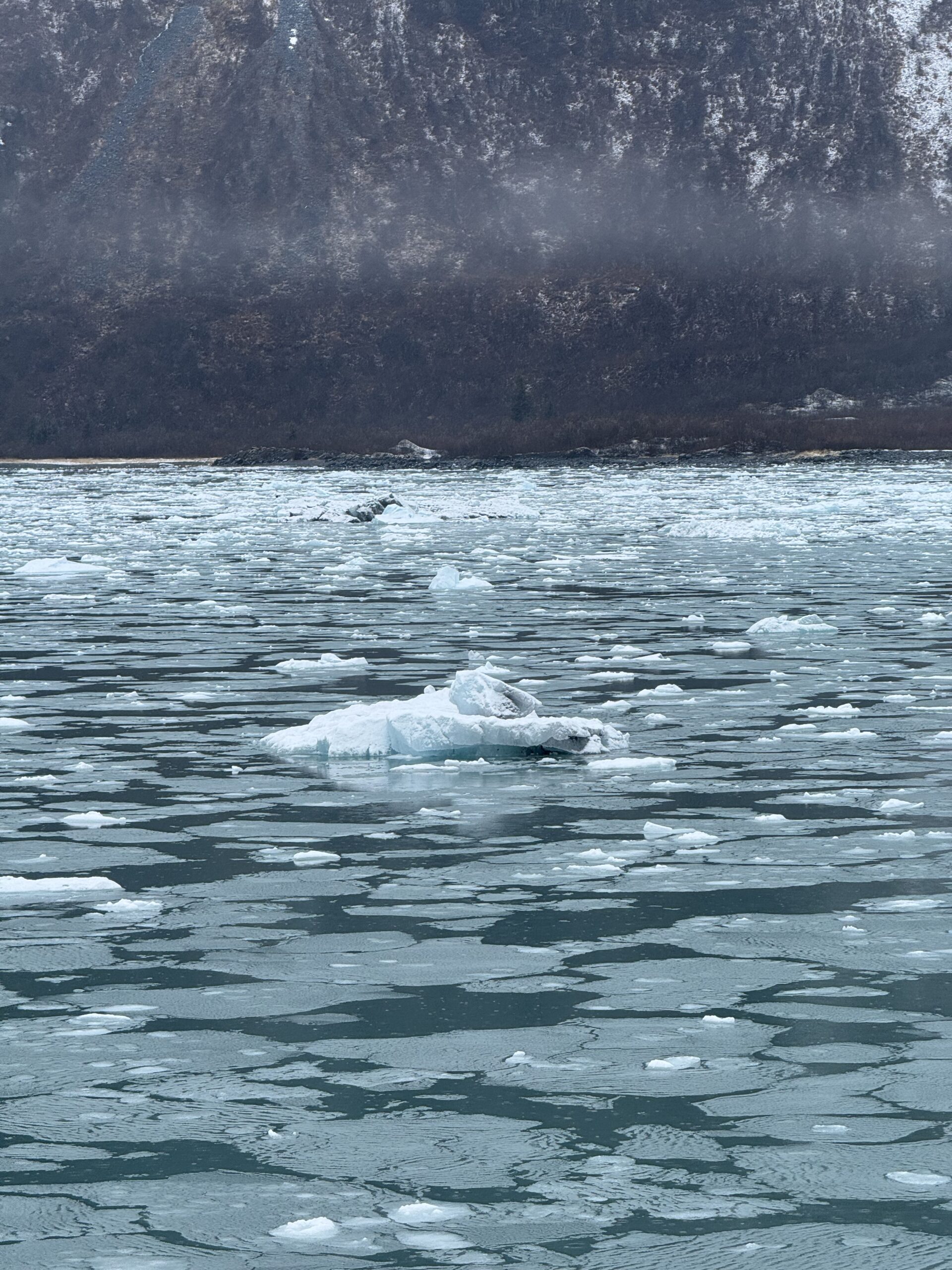
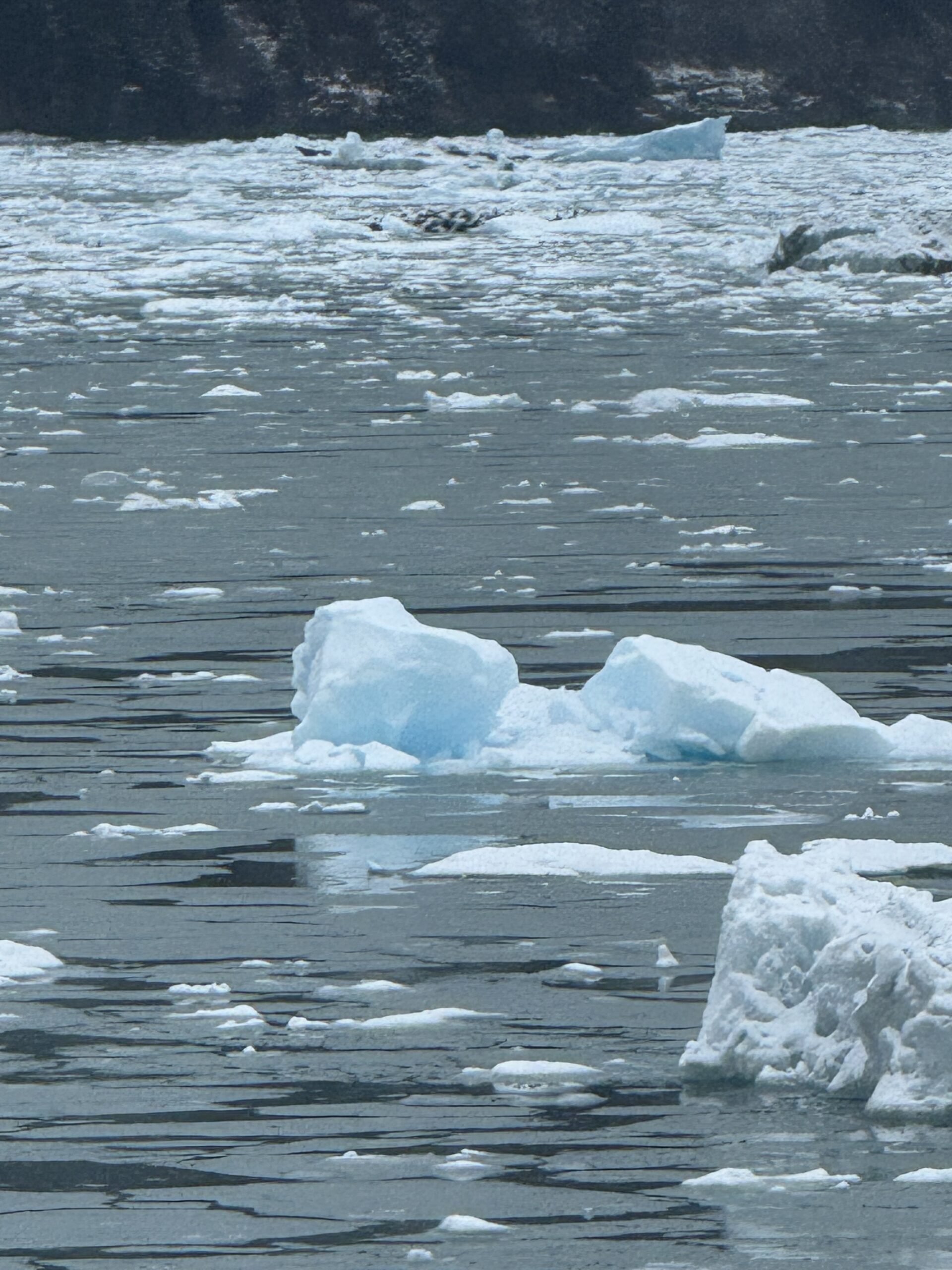
Lots of blue ice floating.
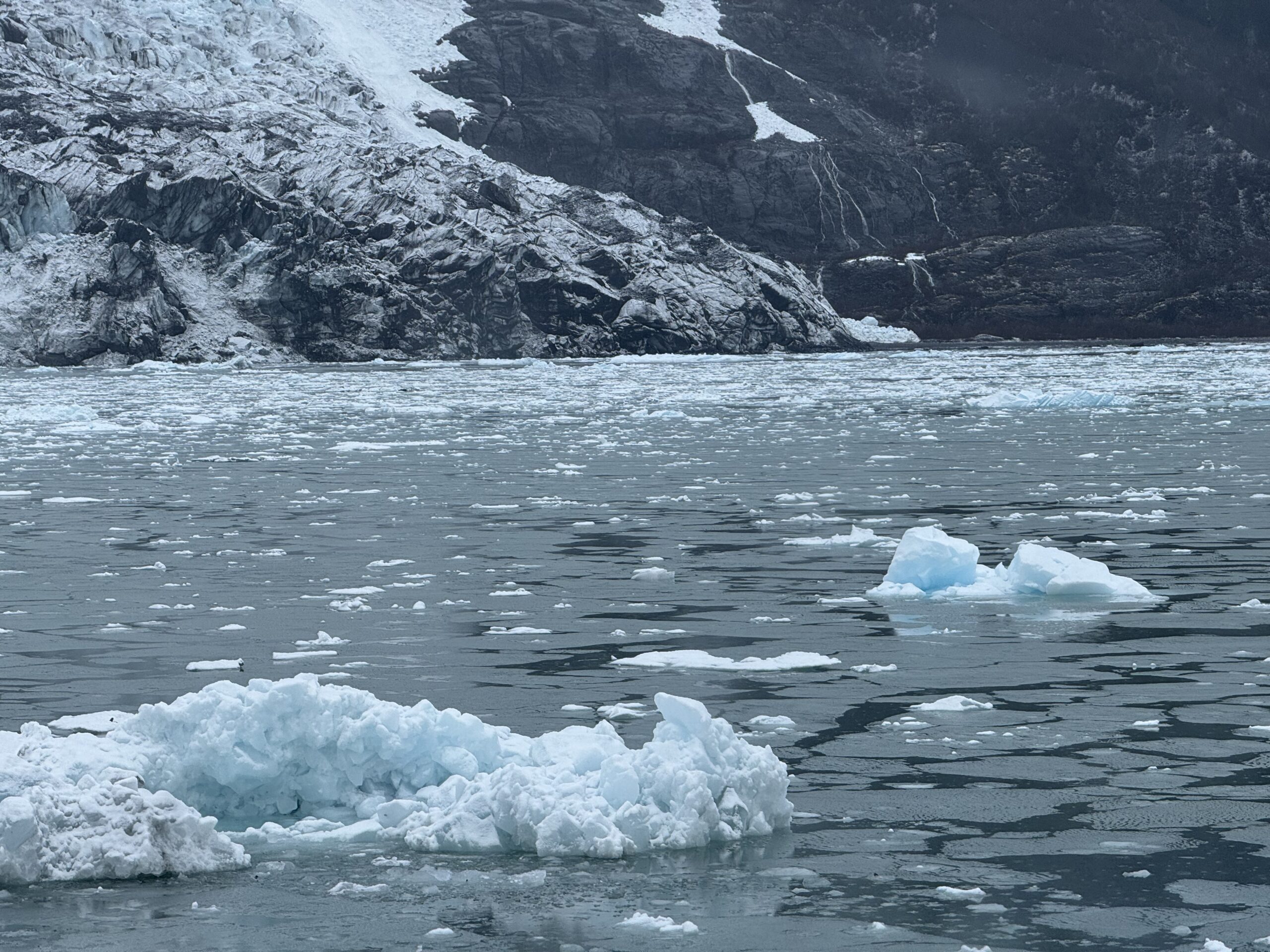
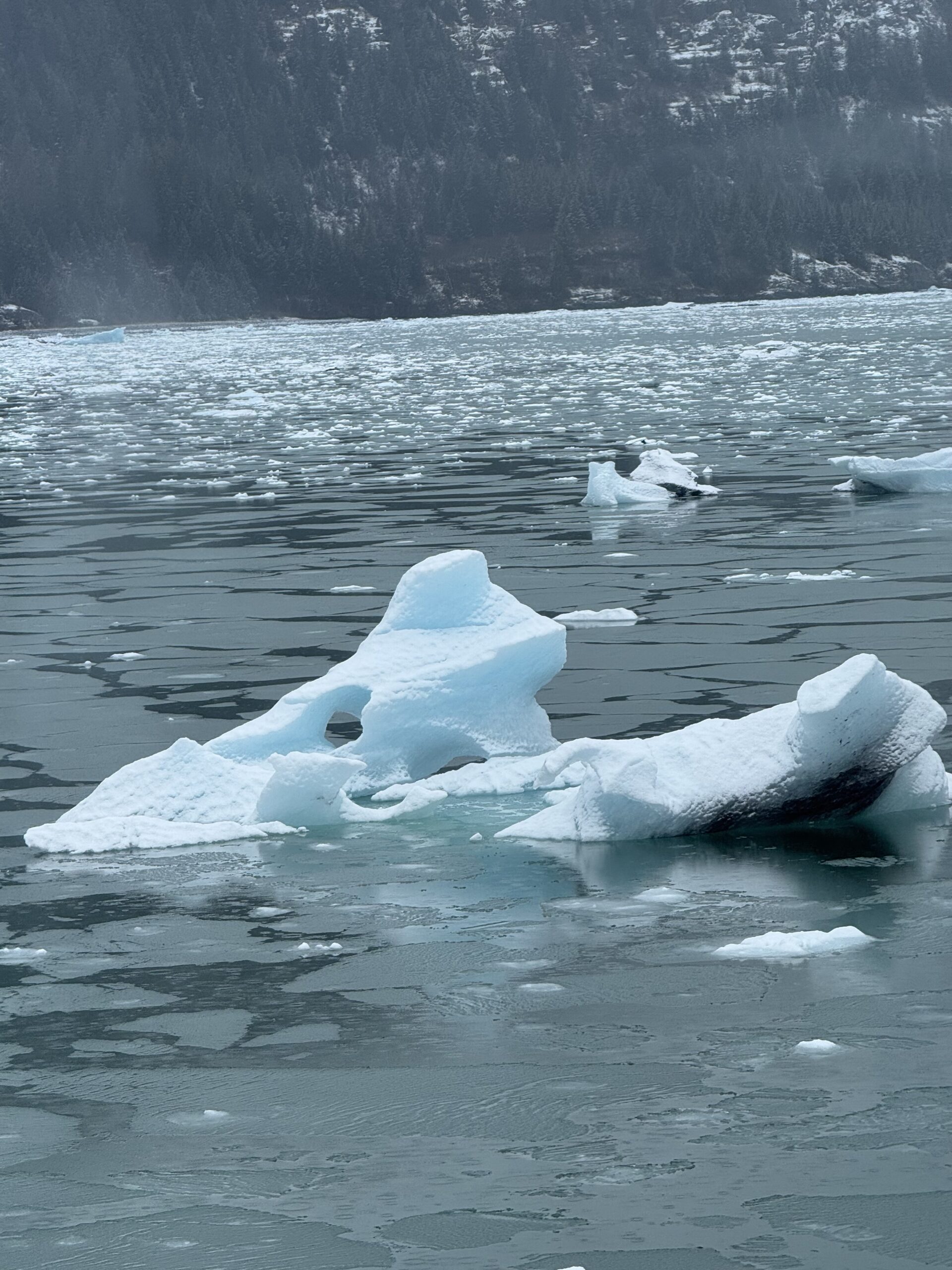
Blue ice in College Fiord.
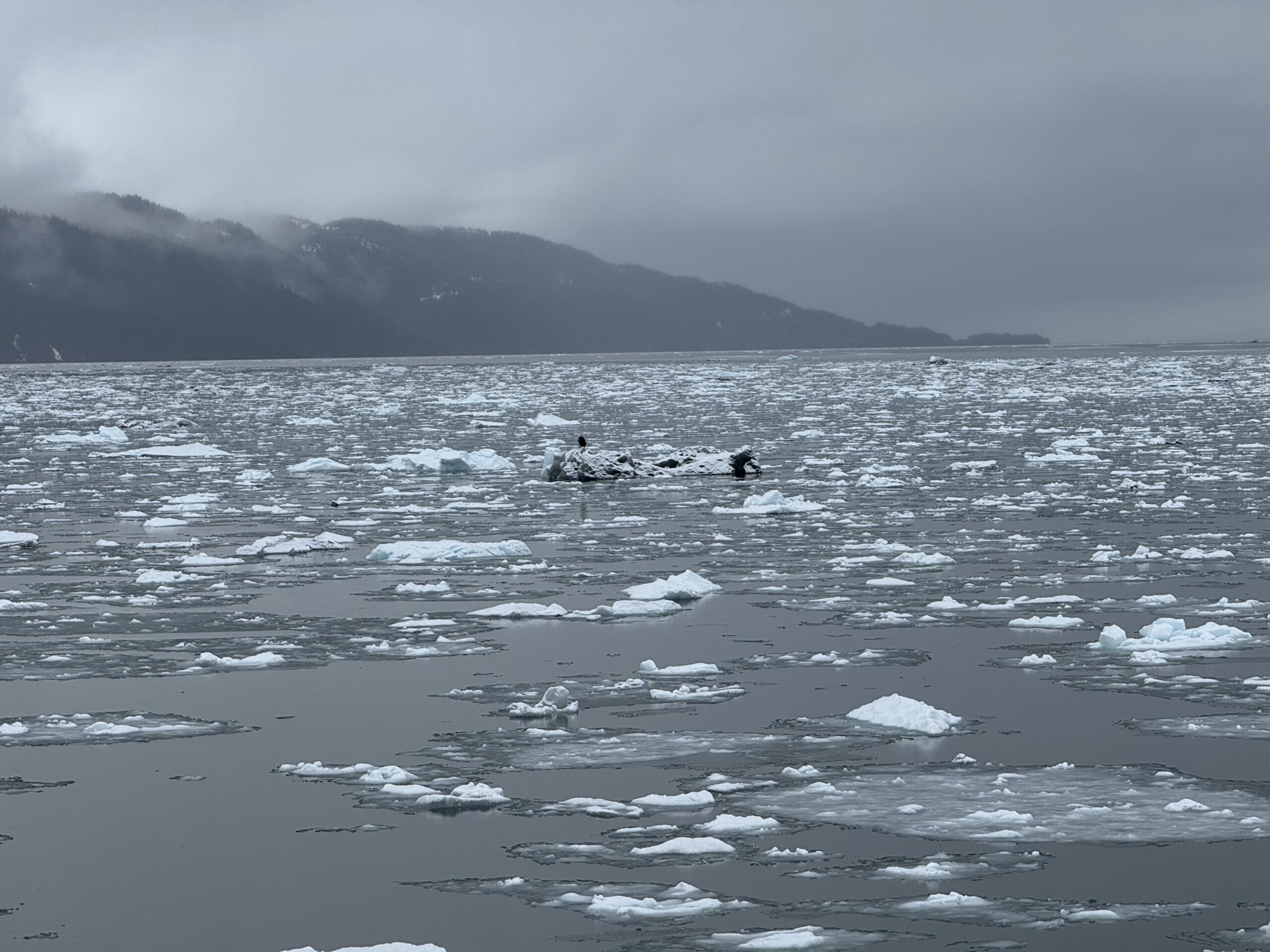
Another eagle, sitting on the ice float.
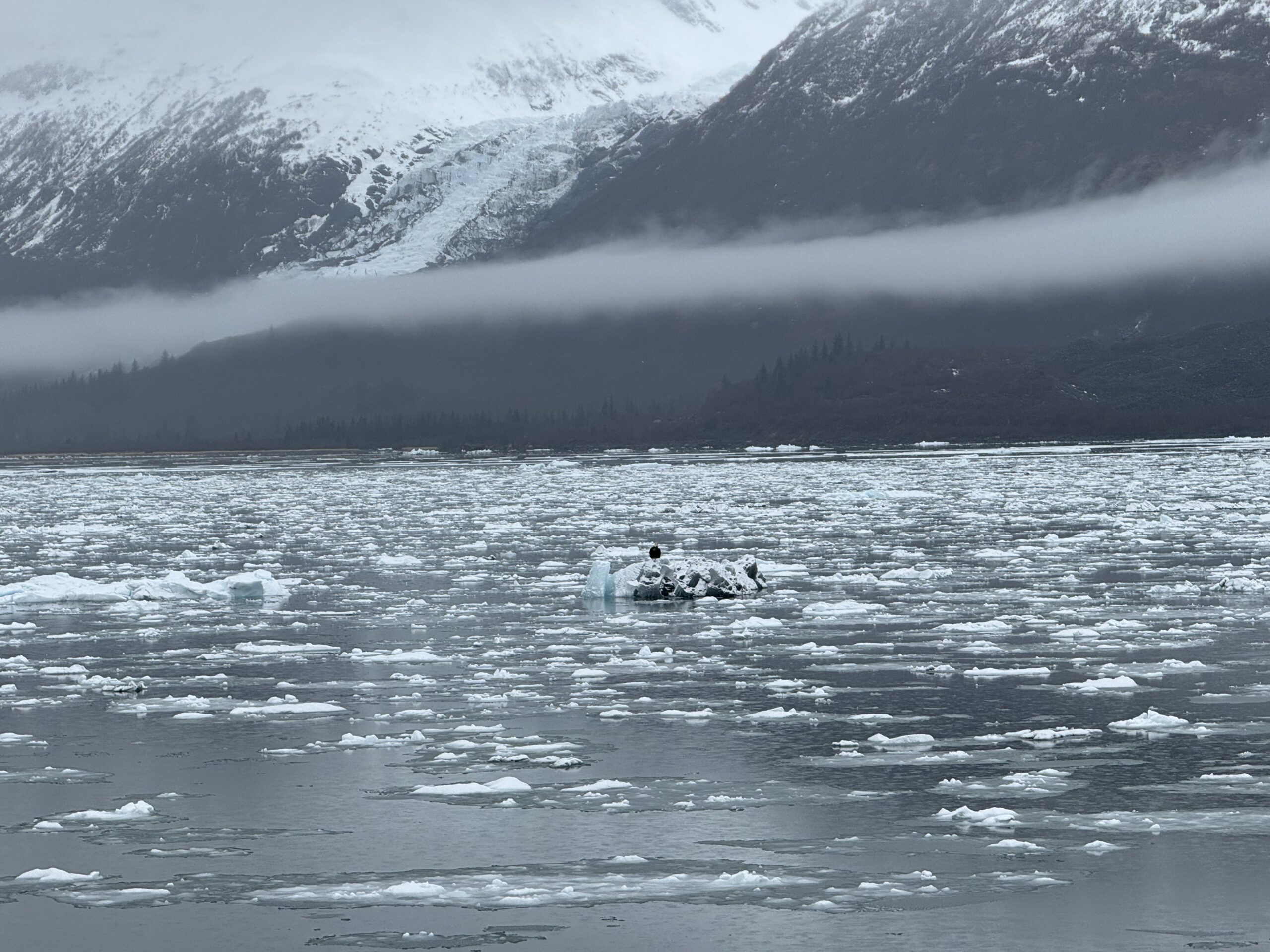
Eagle on ice float.
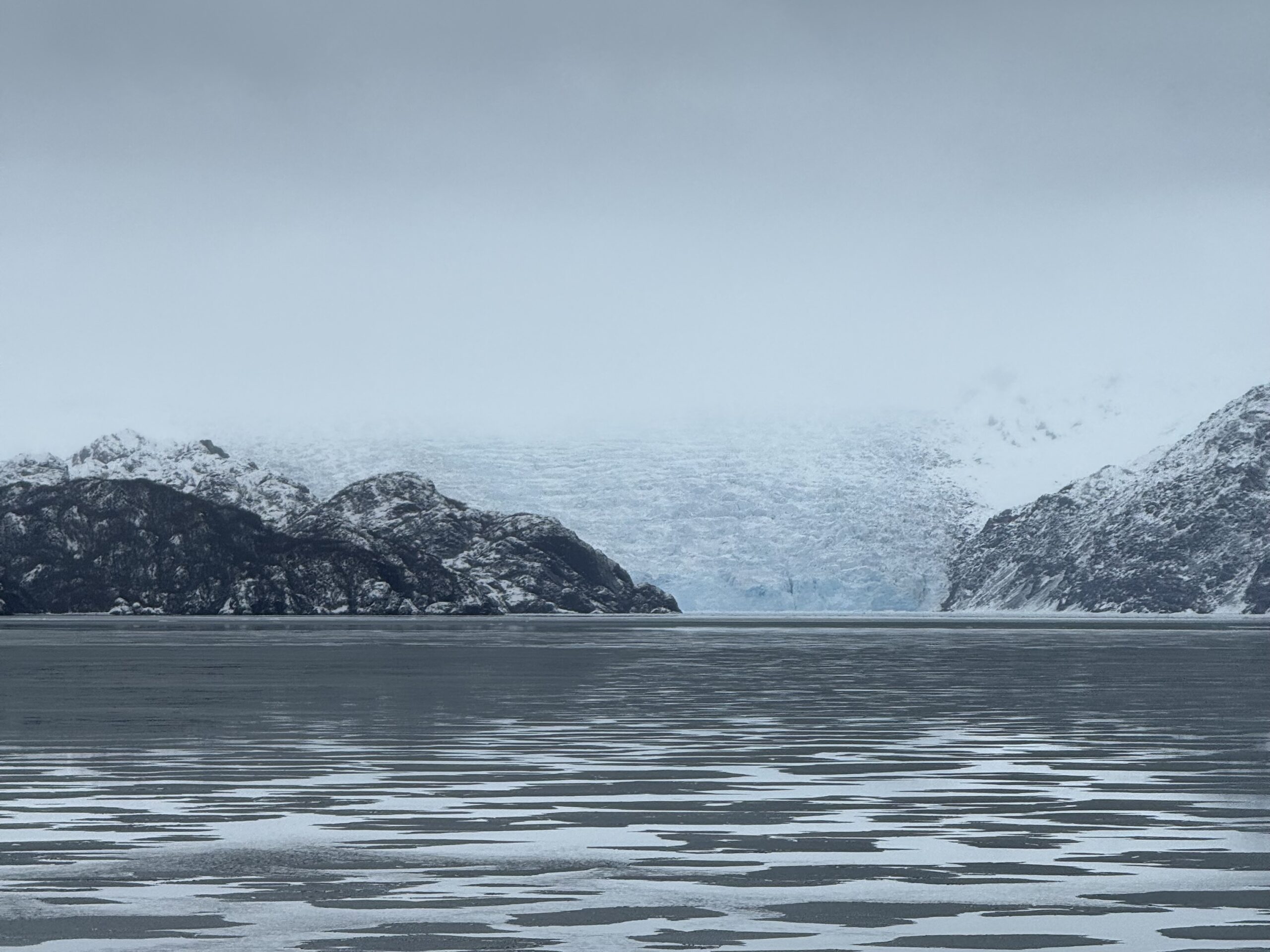
Yale Glacier
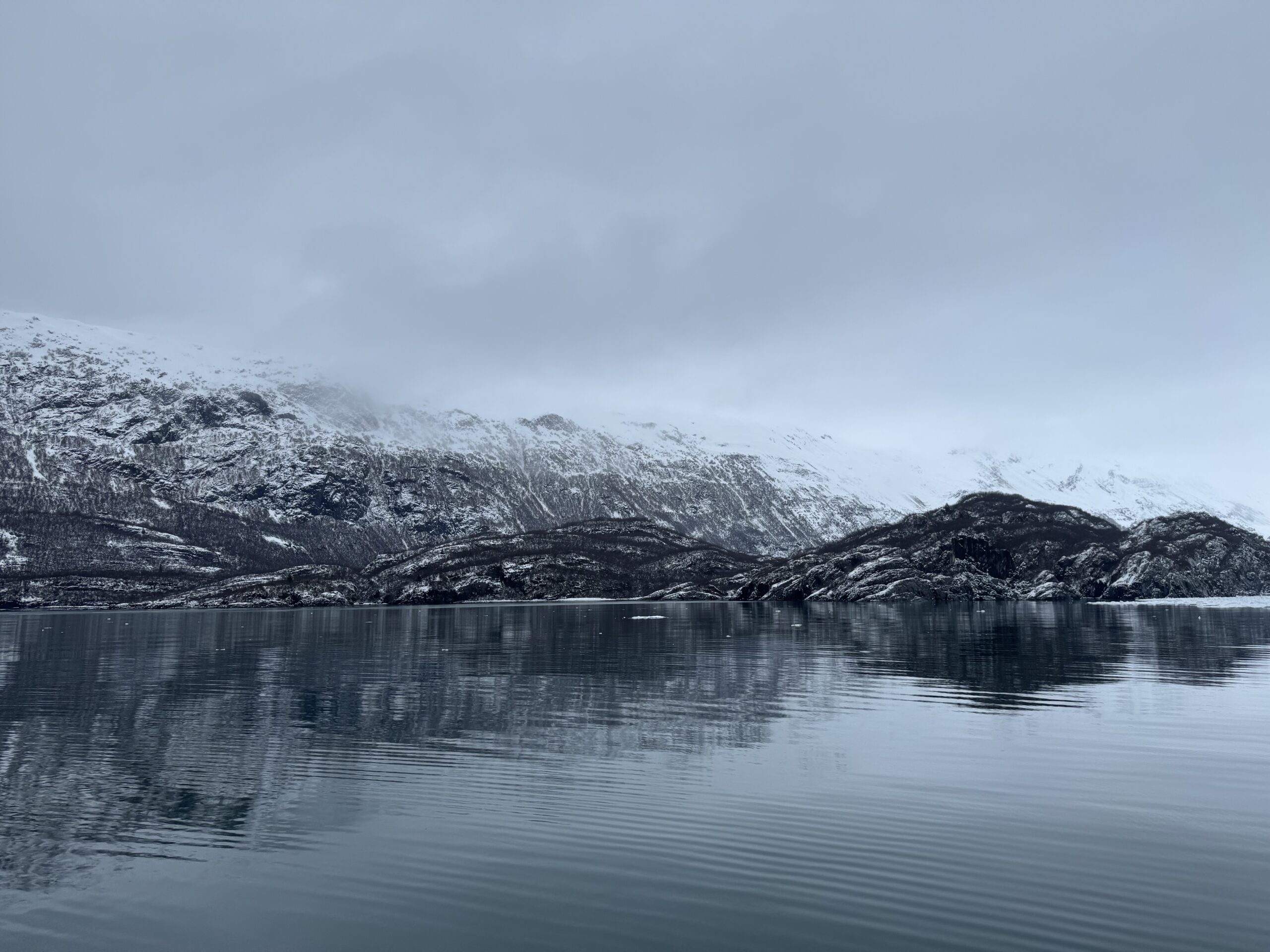
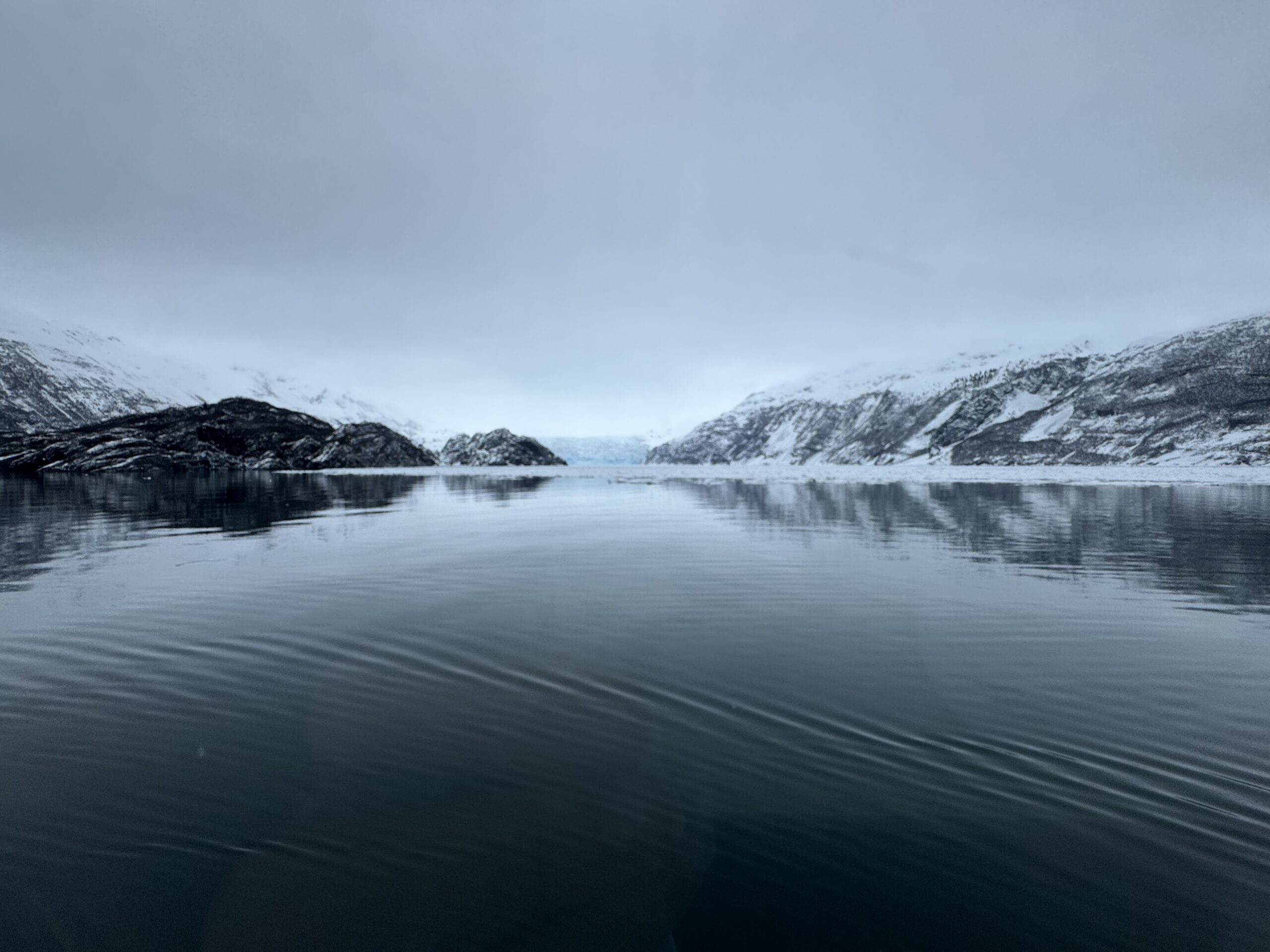
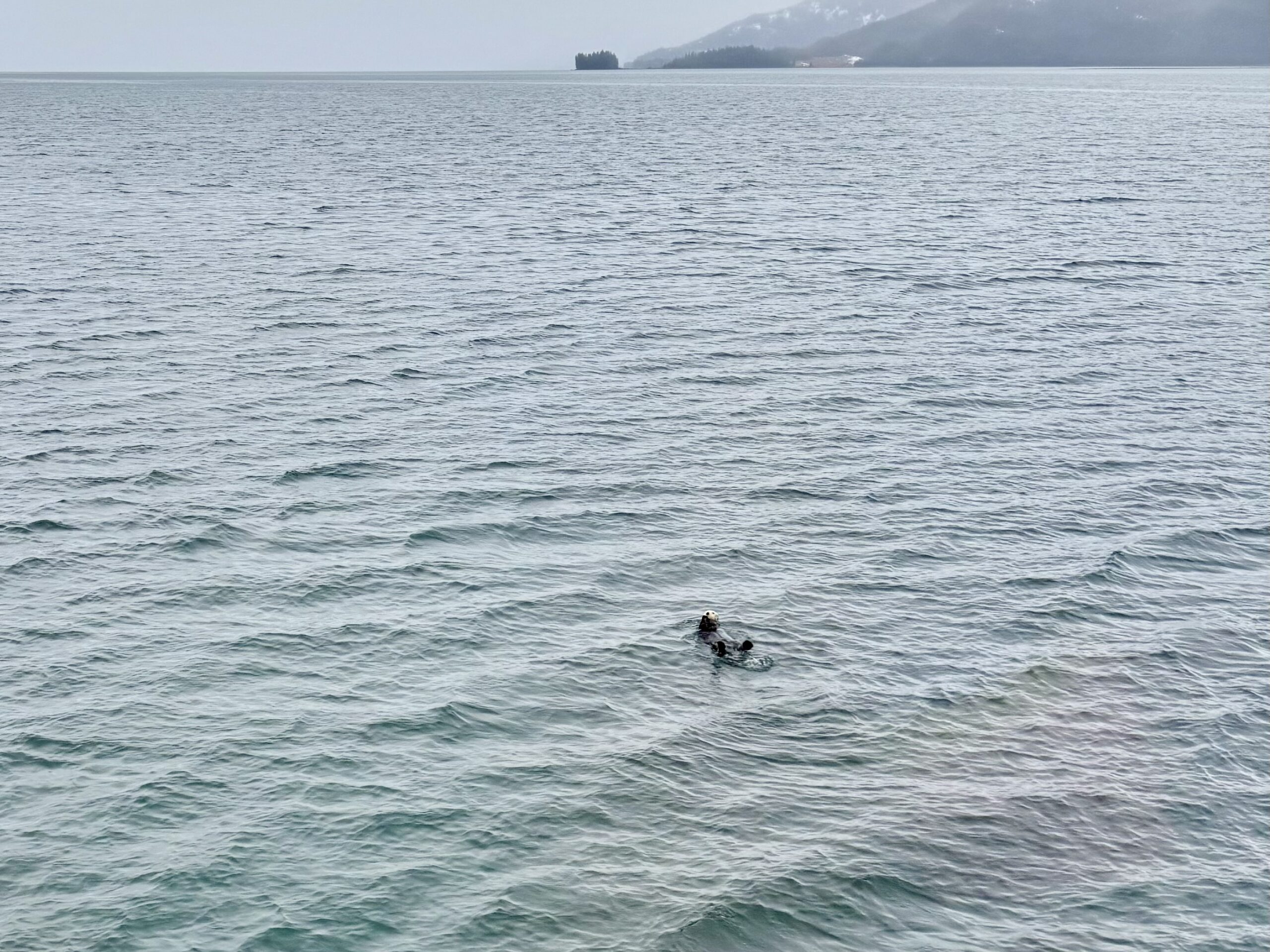
Another otter - so cute!
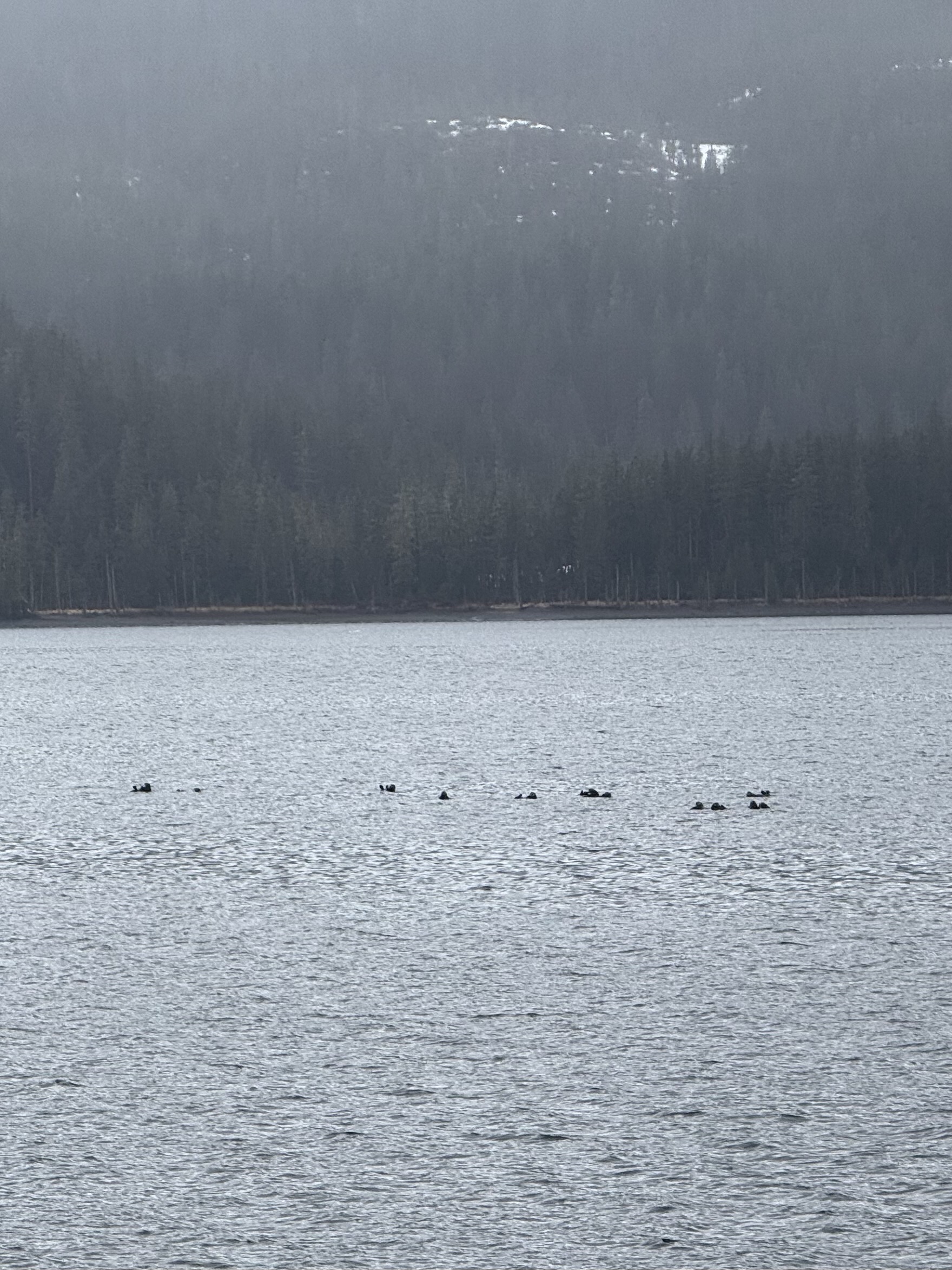
A colony of otters.
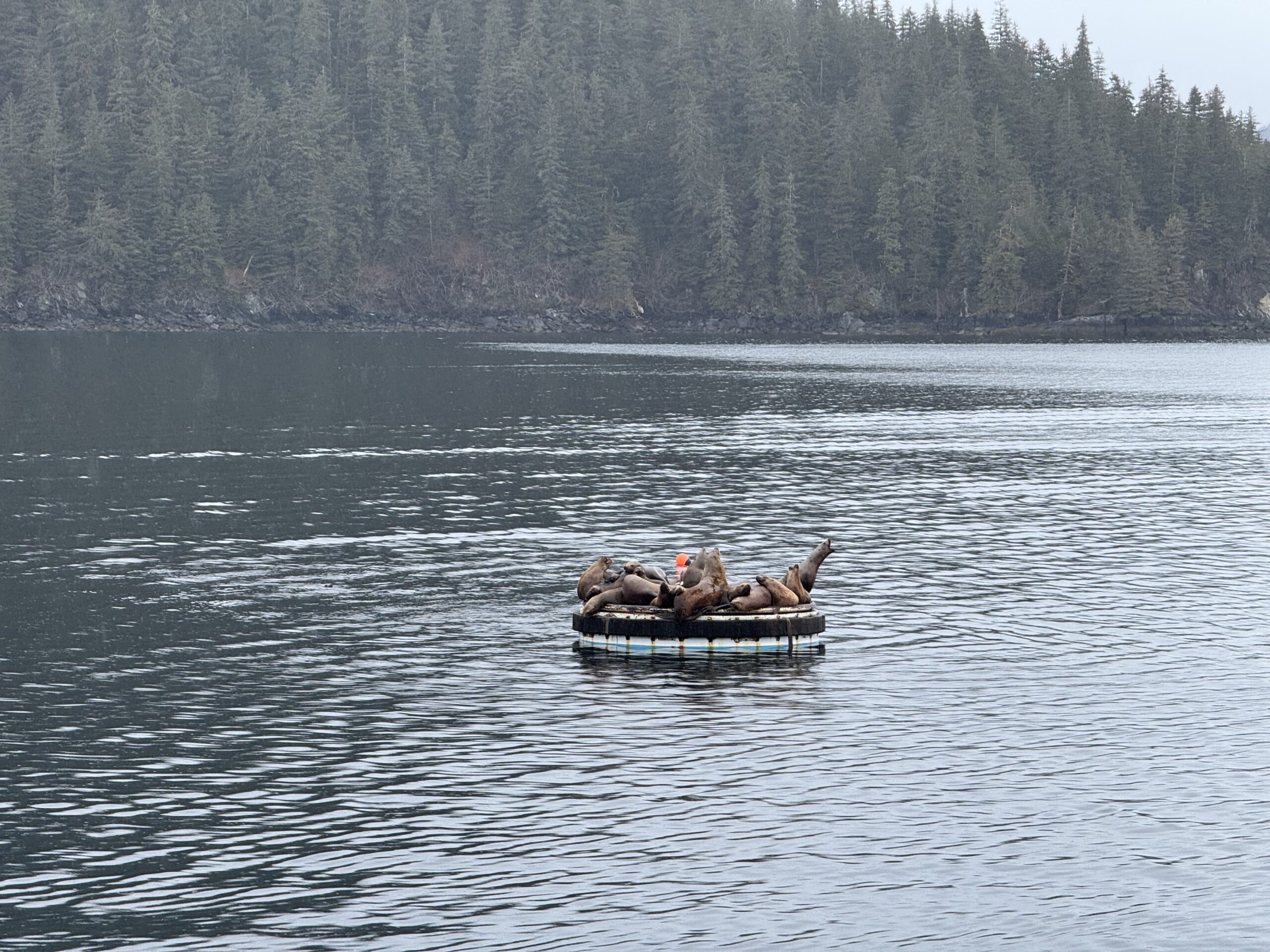
Stellar Sea Lions, hanging out on the buoy.
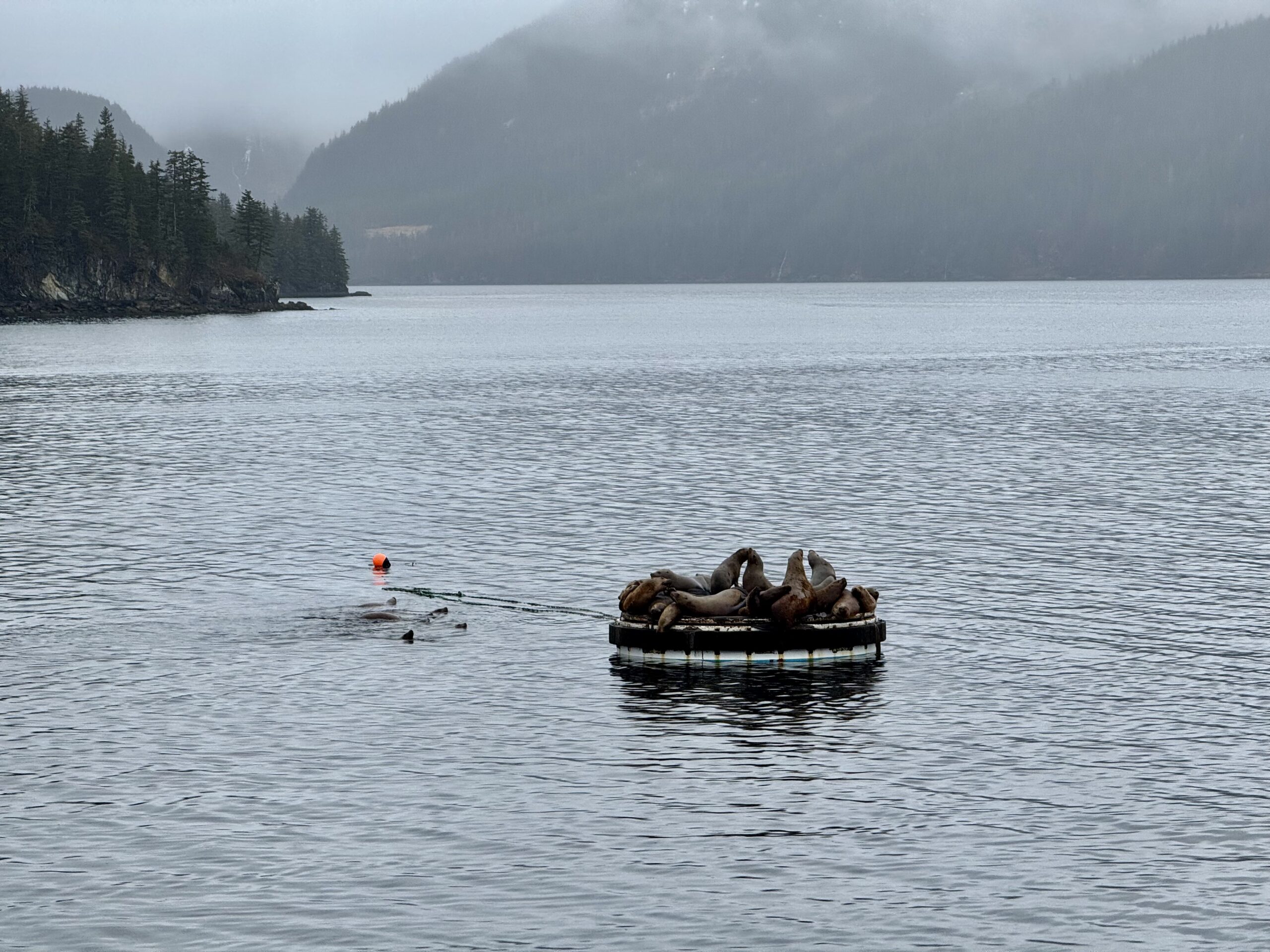
Steller Sea Lions, College Fiord, Alaska
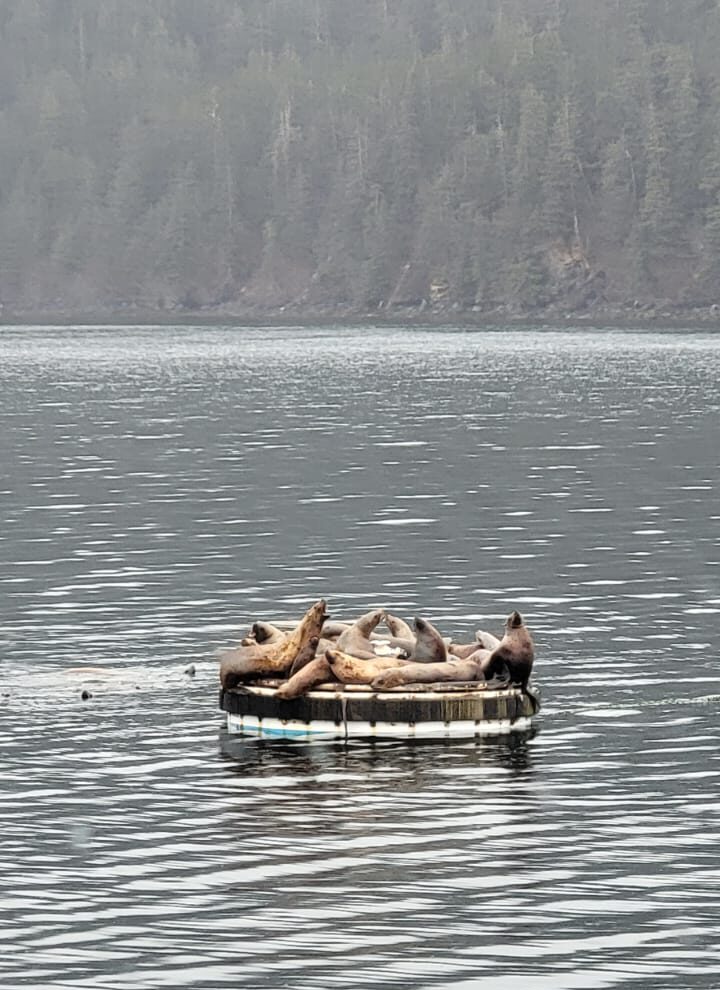
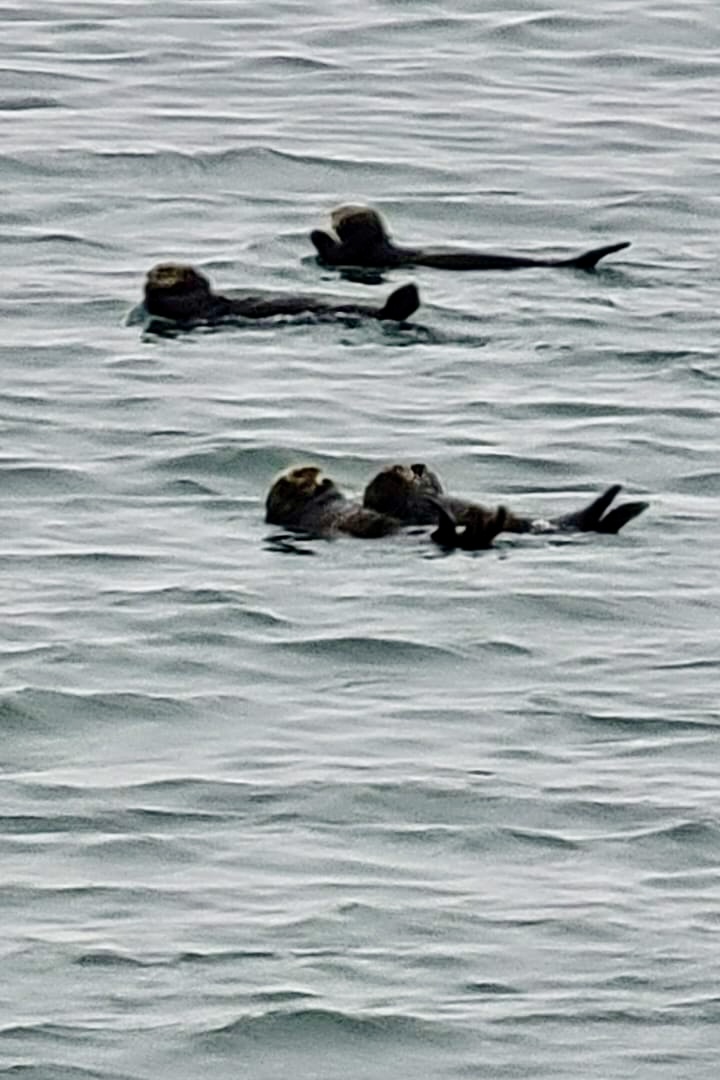
Otters in College Fiord
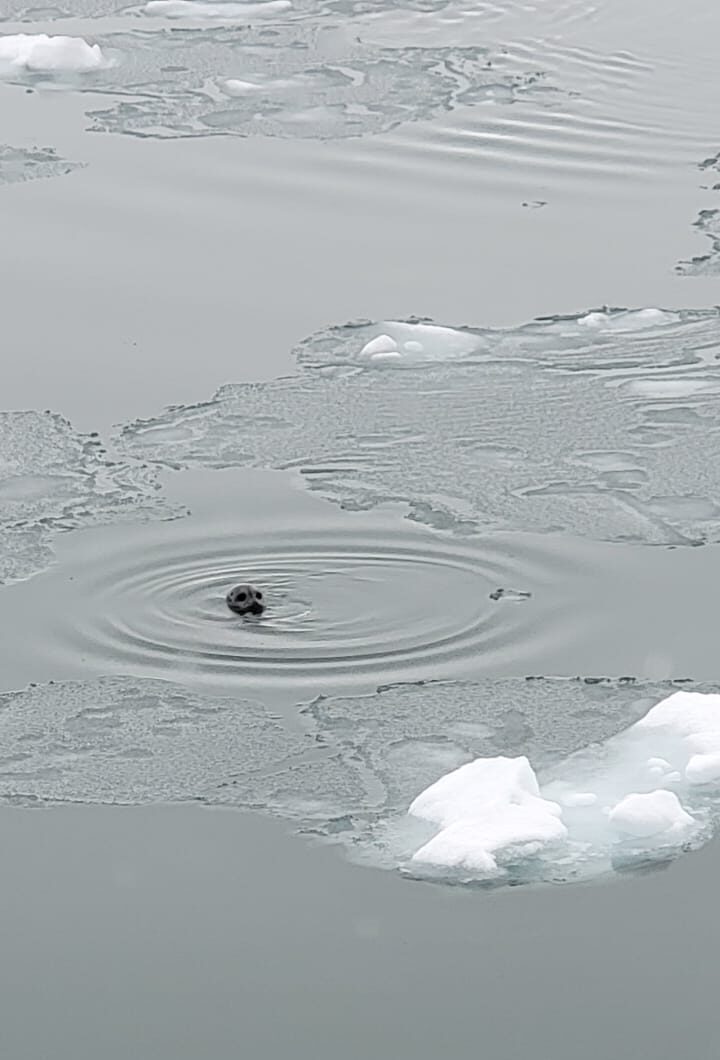
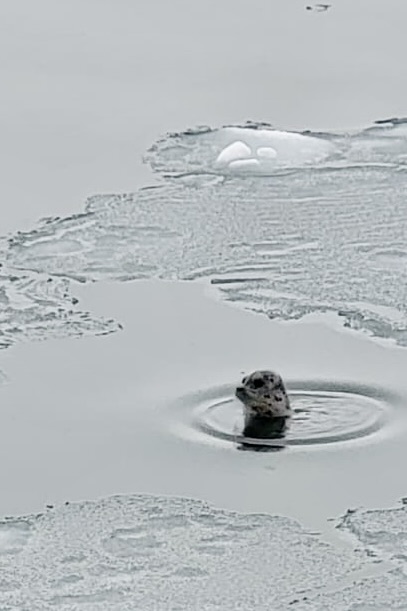
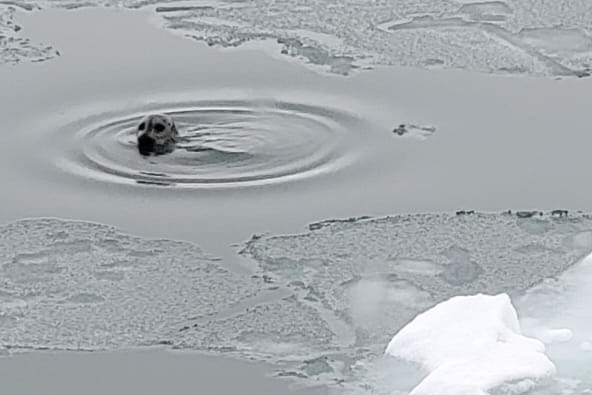
A harbor seal, College Fiord, Alaska
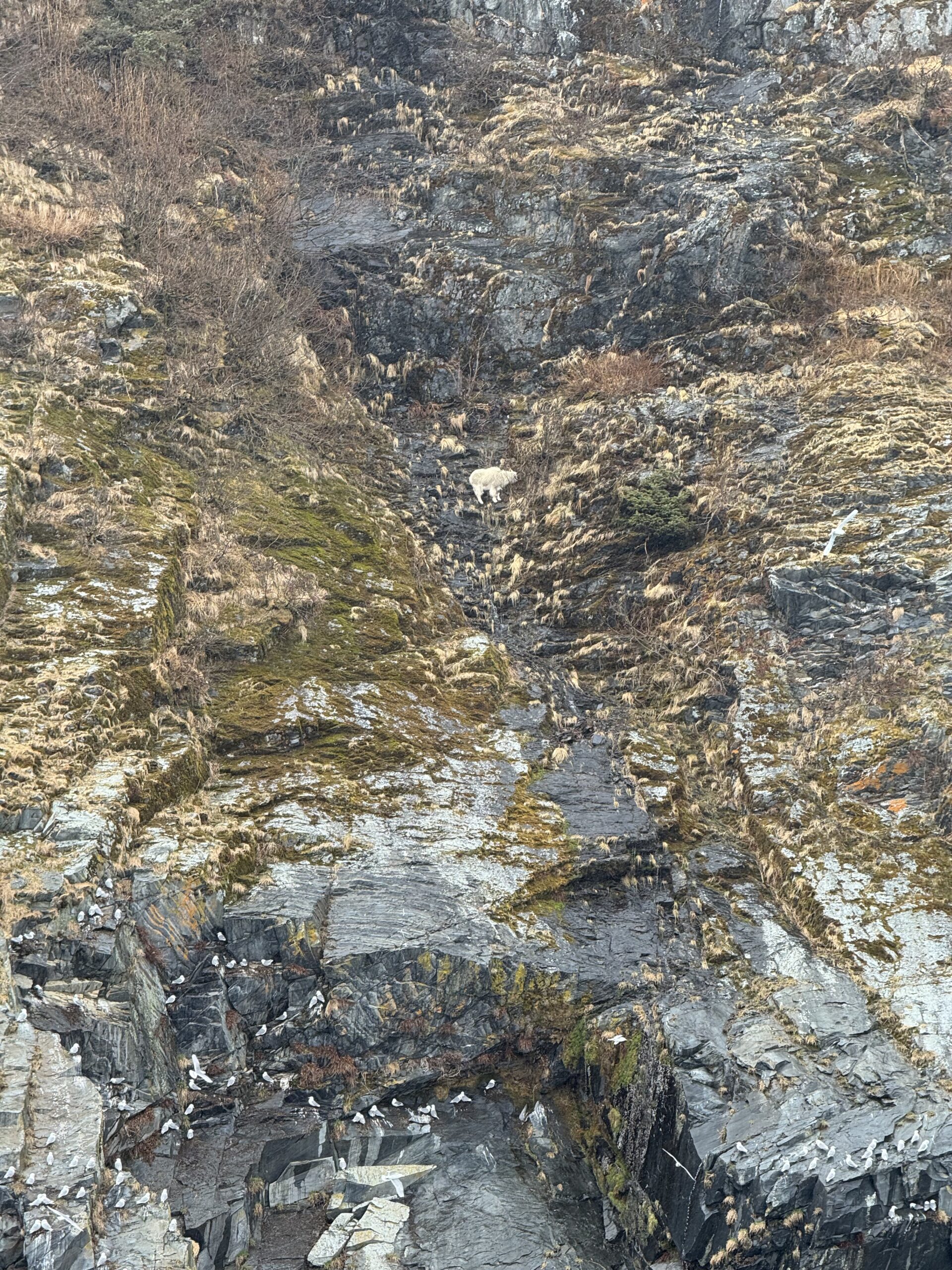
Mountain goat, College Fiord, Alaska.
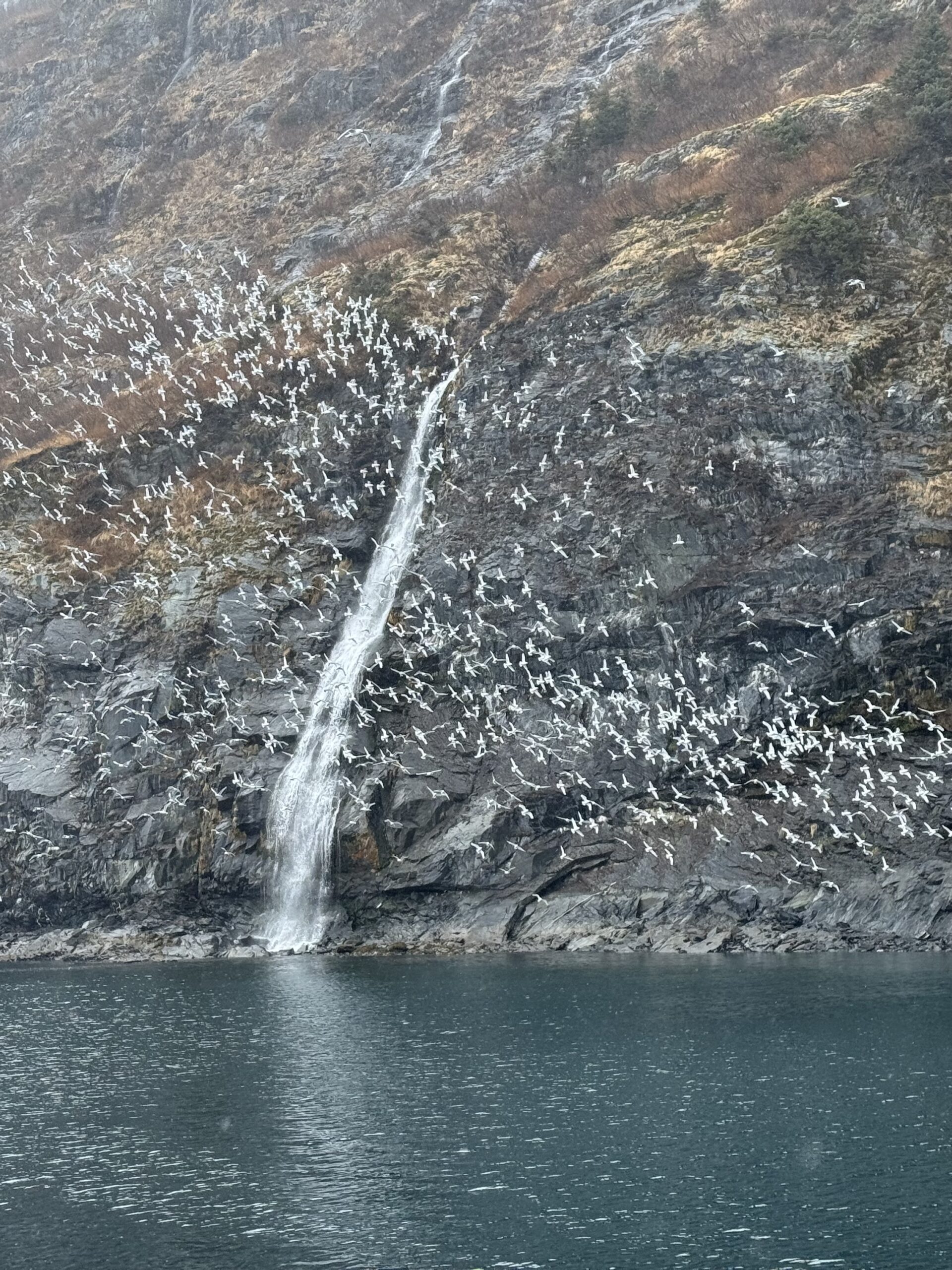
Kittiwakes in flight.
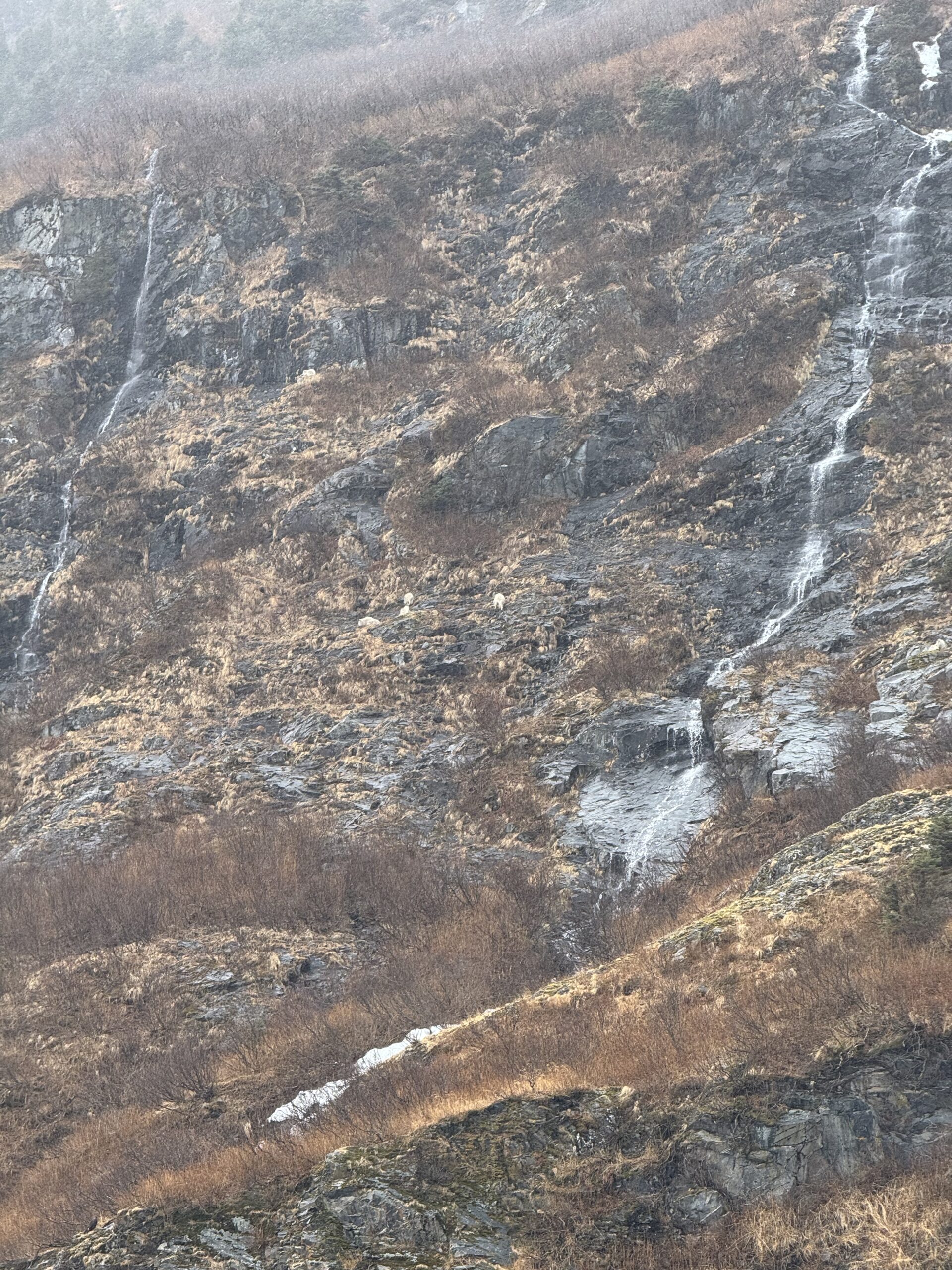
Can you spot five additional mountain goats? Four are together in the middle of the frame, and one is slightly above them to the left.
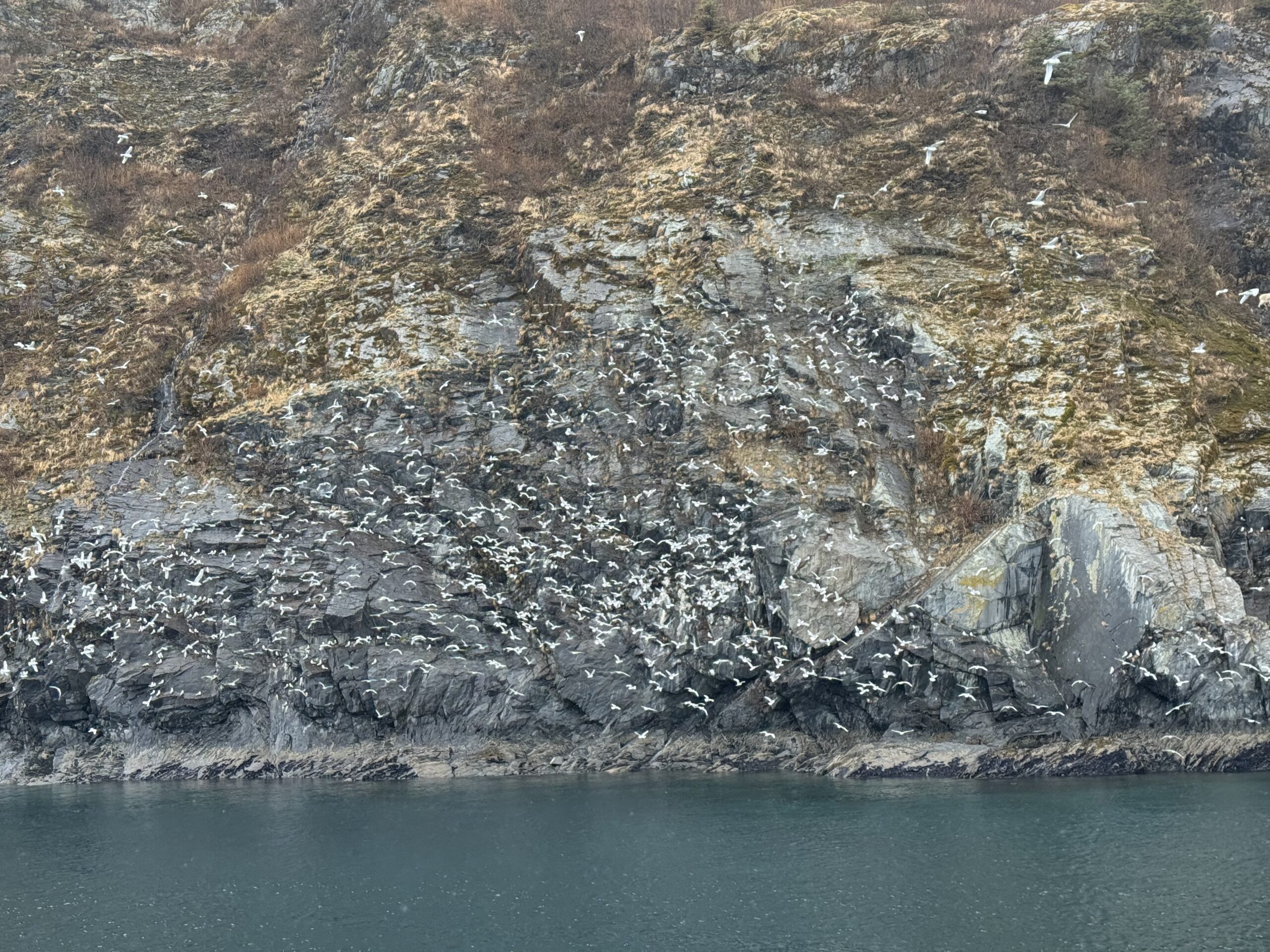
Kittiwake rookery, Whittier, Alaska
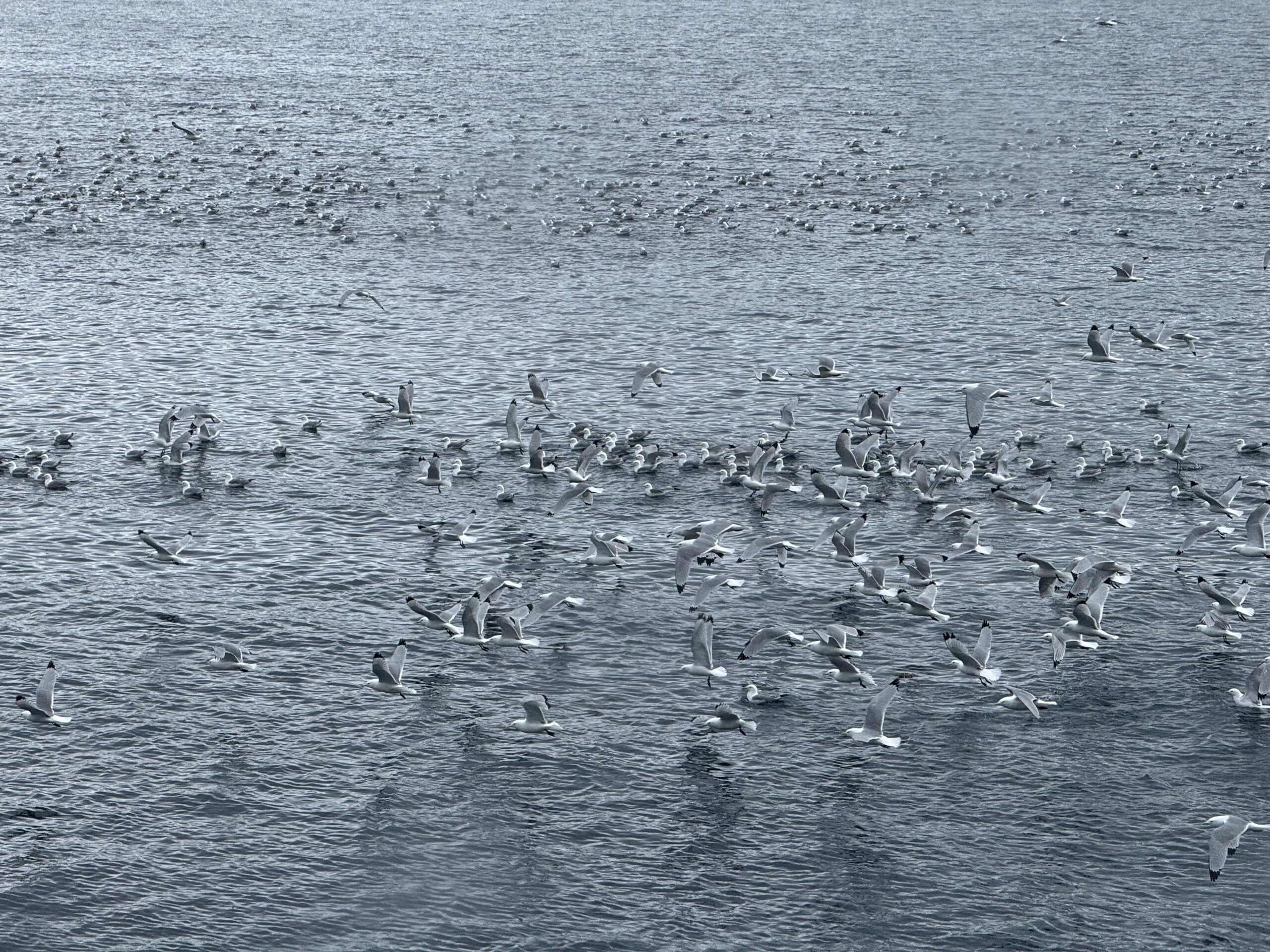
Black-footed Kittiwakes
0 Comments