
Goodbye, Japan!
We departed Japan after 11 days and 9 ports, and no one seemed very happy about it. Our time in this beautiful country went by far too fast. Our time with the people of Japan, was not long enough. We both agreed that we will return, and we already look forward to it.
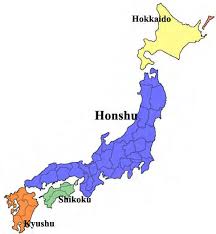
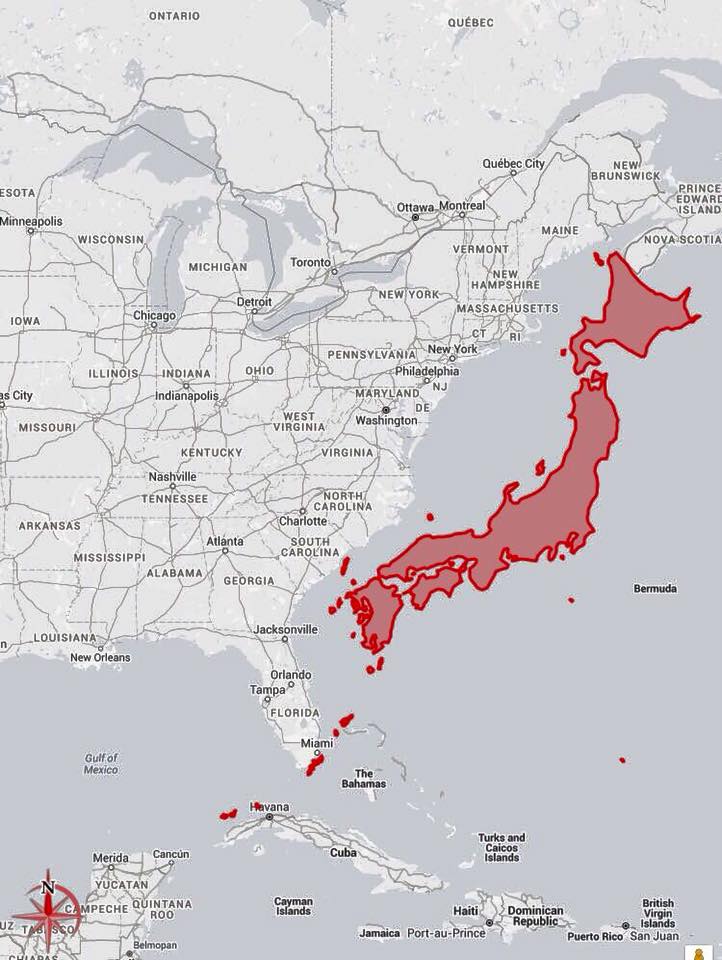
Japan, slightly smaller than the state of California, is home to 134 million persons. Comprised of over 14,000 islands, only a small percentage of the islands are inhabited, with estimates suggesting around 260 to over 400 are occupied. There are four primary islands: Honshu (largest/most populated), Hokkaido (northernmost), Kyushu (southwest), and Shikoku (smallest of the four). We were fortunate to have visited all four on our trip.
Japan is a constitutional monarchy with a bicameral legislature known as the National Diet. Widely considered a great power and the only Asian member of the G7, it maintains one of the world’s strongest militaries but has constitutionally renounced its right to declare war. A developed country with one of the world’s largest economies by nominal GDP, it is a global leader in the automotive, electronics, and robotics industries, in addition to making significant contributions to science and technology. It has one of the world’s highest life expectancies.
What we experienced in Japan was cultural beauty, stunning natural landscapes, and some of the most friendly and hospitable people we’ve encountered in our travels. The country is immaculate. We dare you to find a piece of trash anywhere. Their stewardship of resources is impressive and their minimalist and mindful approach to living emphasizes intentionality, tranquility, and harmony with nature, often rooted in Zen Buddhism and Wabi-sabi (finding beauty in impermanence). It focuses on reducing material possessions to create space for mental clarity, warmth, and deep gratitude. We witnessed over and over their love of nature.
The Japanese lifestyle is best described as a harmonious blend of traditional etiquette and modern efficiency, emphasizing collectivism, respect, and discipline. Core aspects include high politeness, public order, cleanliness, and the concepts of wa (harmony) and ikigai (purpose). Daily life is often fast-paced, punctual, and group-oriented, with deep respect for seniority and meticulous social rules. The public transportation that we took was clean and orderly. Even the cab drivers are so polite; wearing uniforms and white gloves. The respect for tradition and each other was evident everywhere.
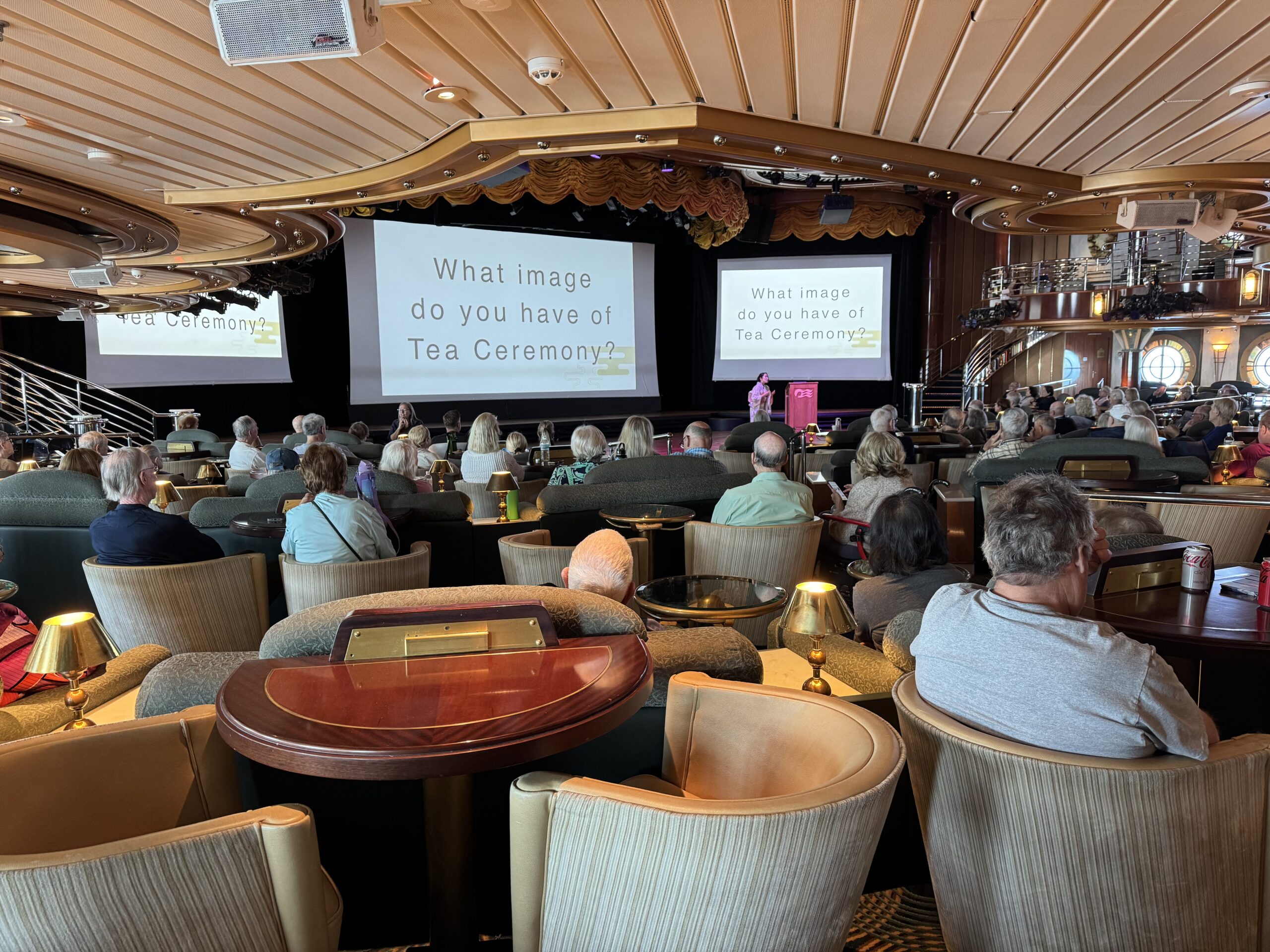
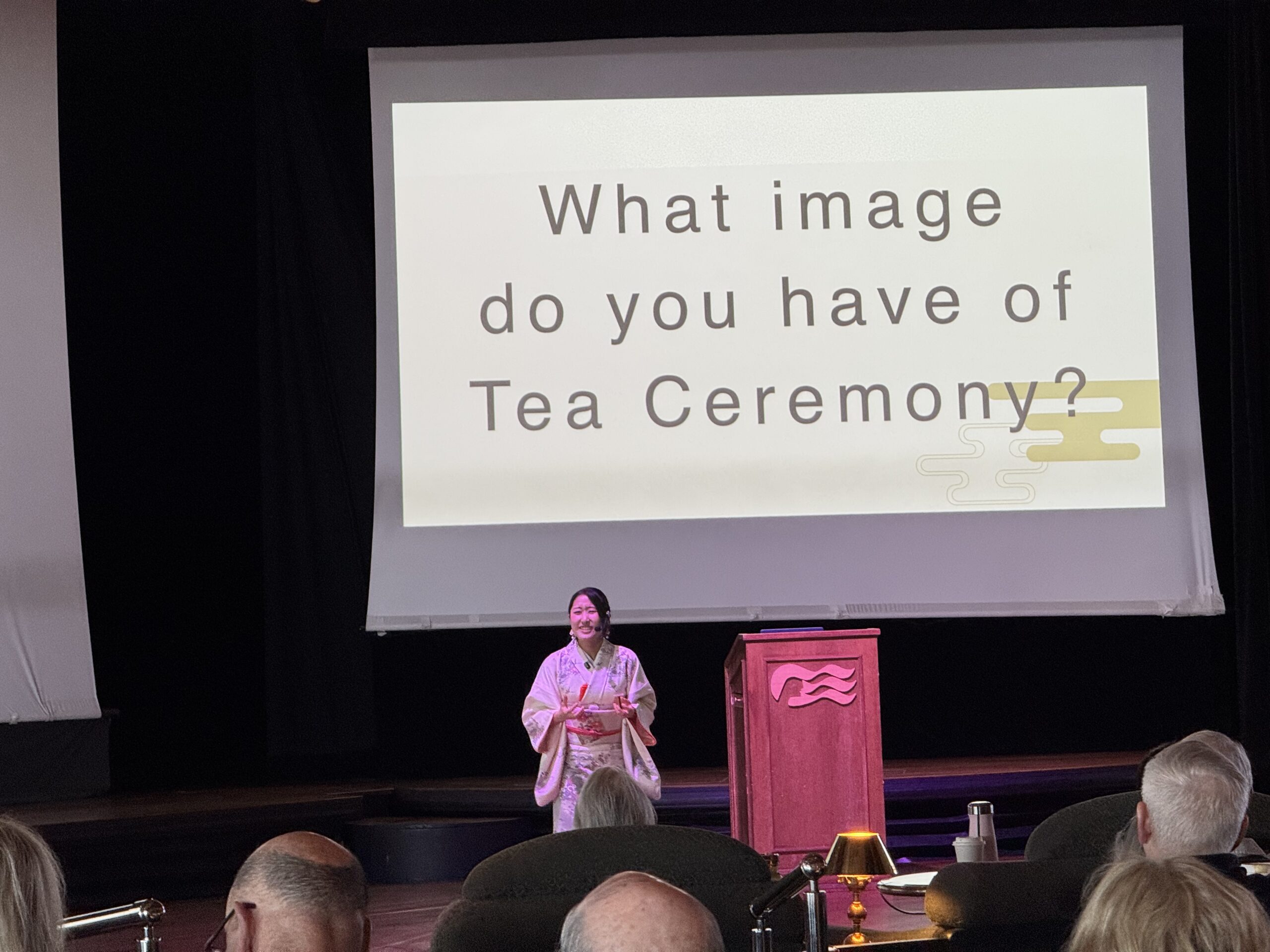
Since leaving Japan, we’ve attended wonderful enrichment lectures onboard. The topics: The Japanese Tea Ceremony, What is Kimono?, and A Taste of Japan. The lecturer is a delightful young woman, Mikki, that has shared warm and funny stories about her family and culture.
We think about all of the amazing send-offs from the smaller towns in Japan and especially the little boy in red from Kagoshima that kept yelling “bye-bye” and made an entire ship weep. We are so grateful to have visited Japan and the people that we met, especially the guides that showed us the wonder of their homeland. A special thanks to Miyuki and Noripy, whom went above and beyond and made us feel so welcomed. The Magee’s are quite smitten, we’ll be back!
Post Gallery
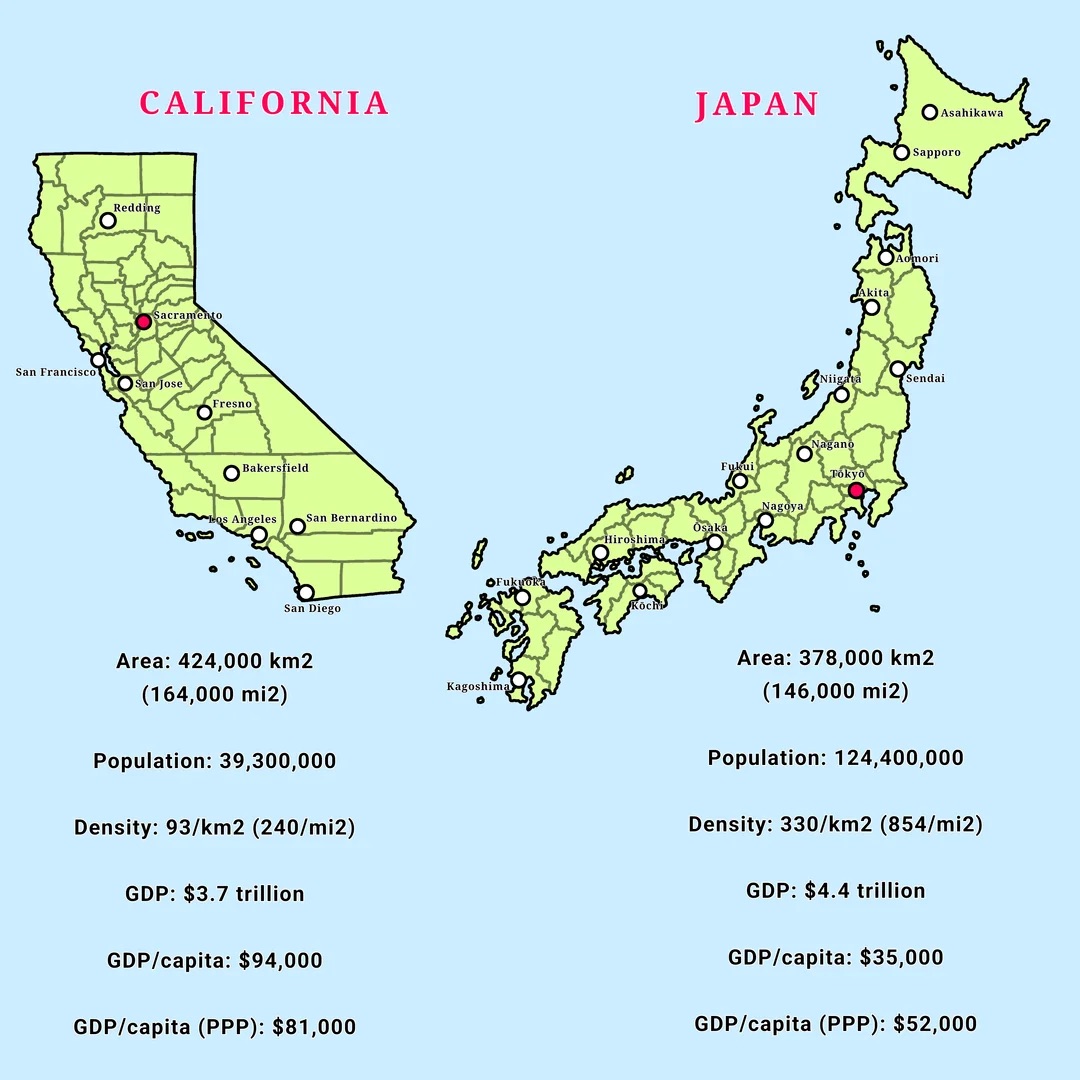
The four main islands of Japan.
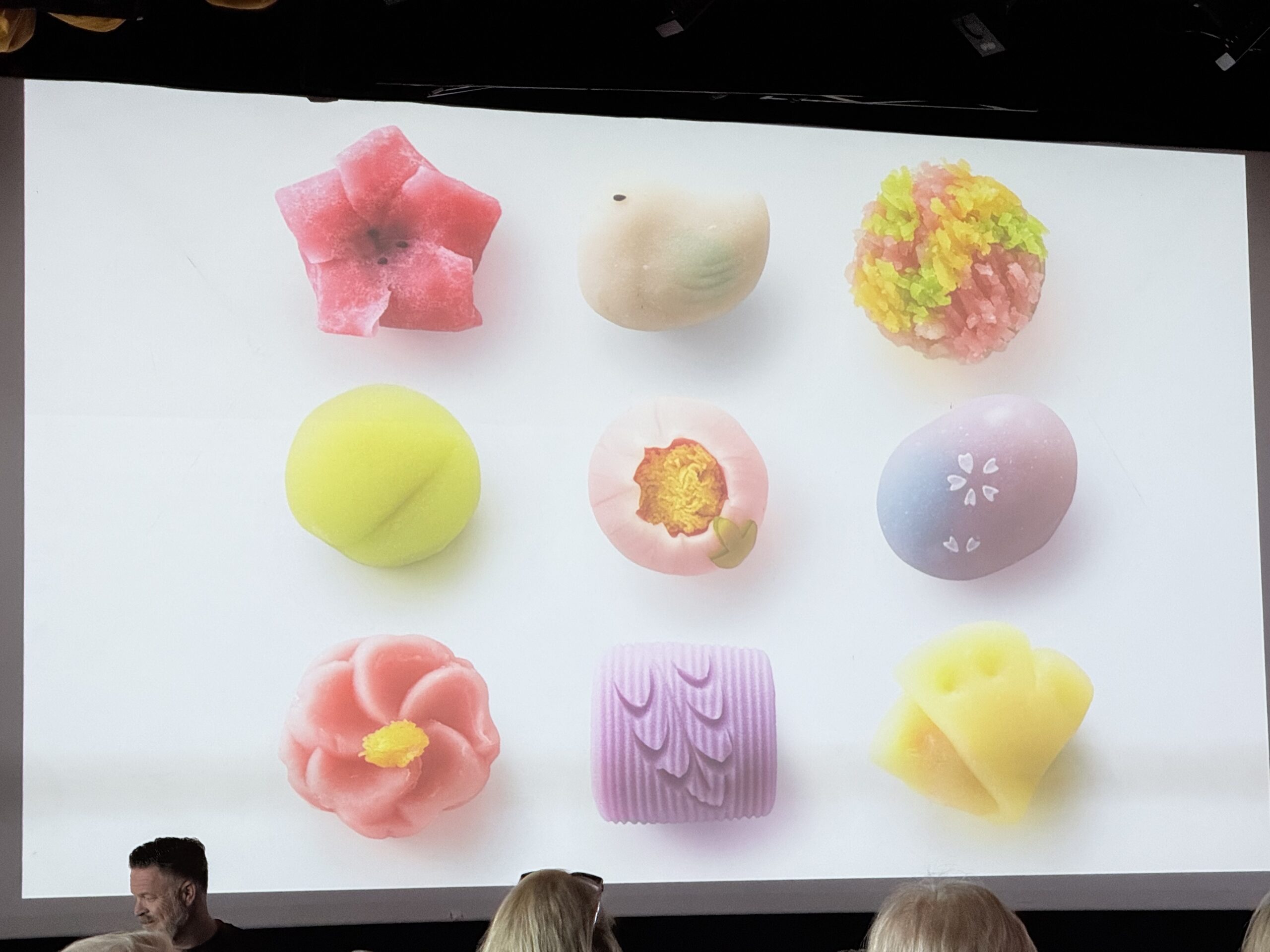
Beautiful Japanese sweets.
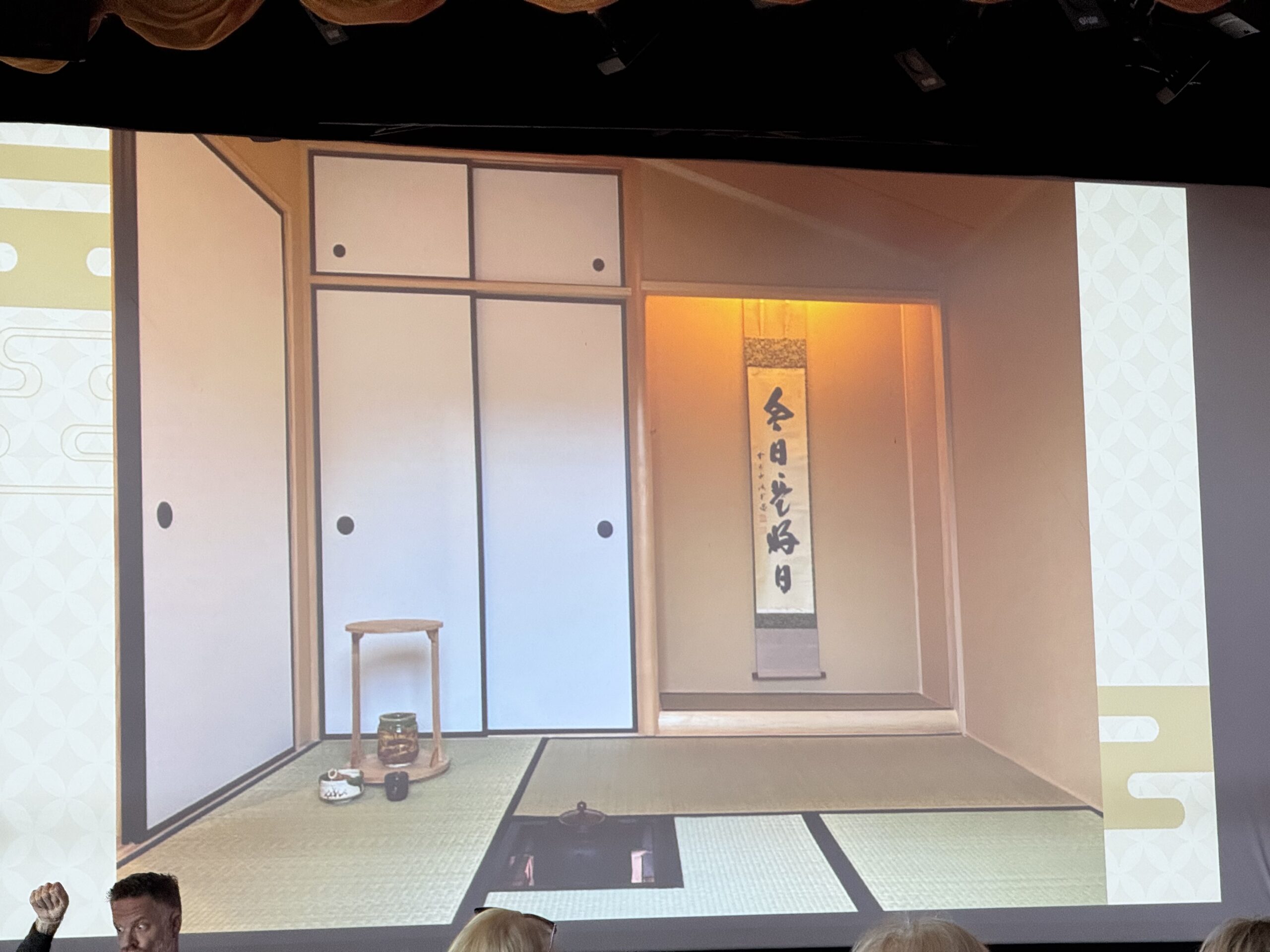
Photo of inside a tea house.
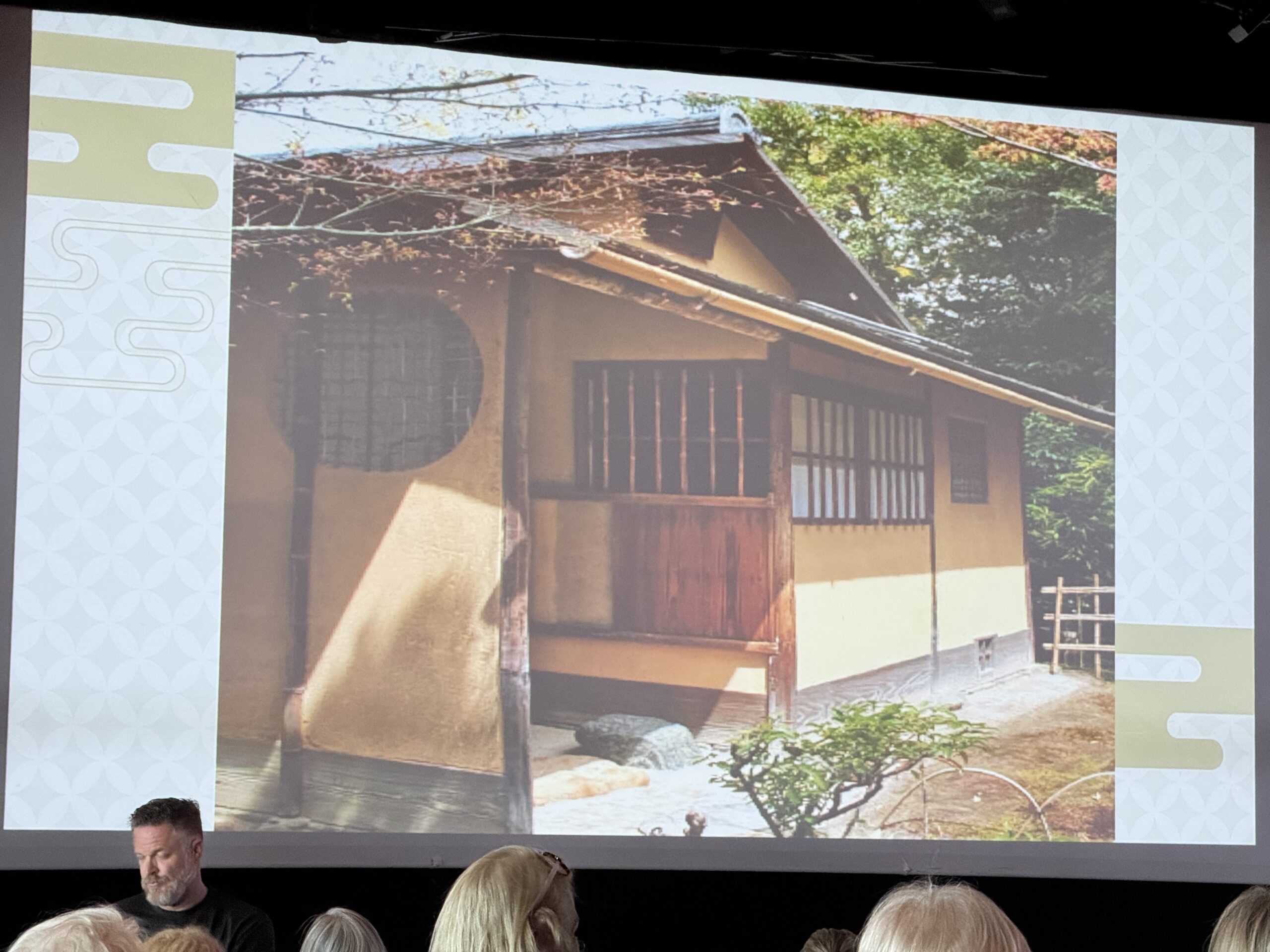
From our Japan lectures, a traditional tea house.
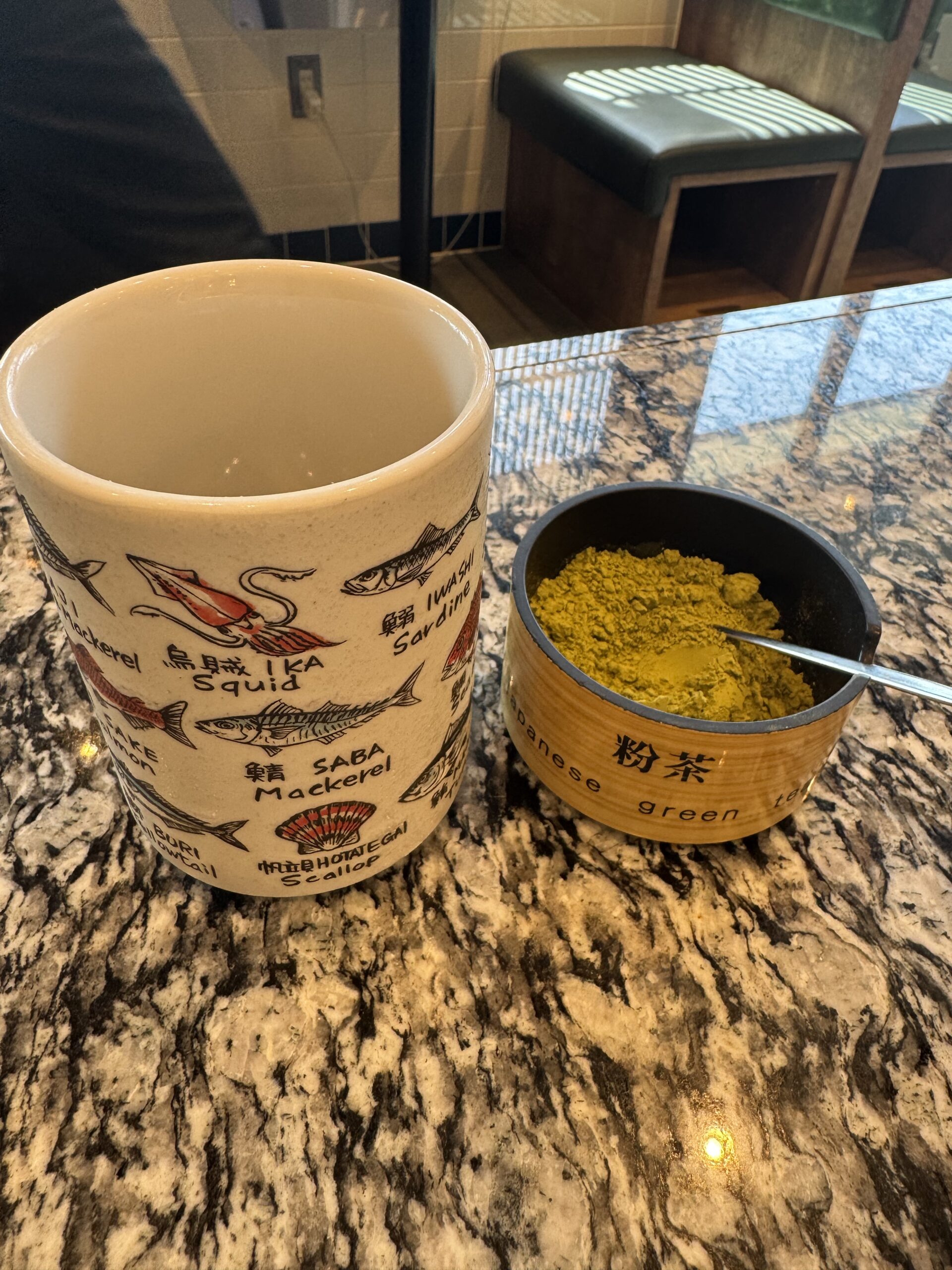
Making green tea at a sushi restaurant.
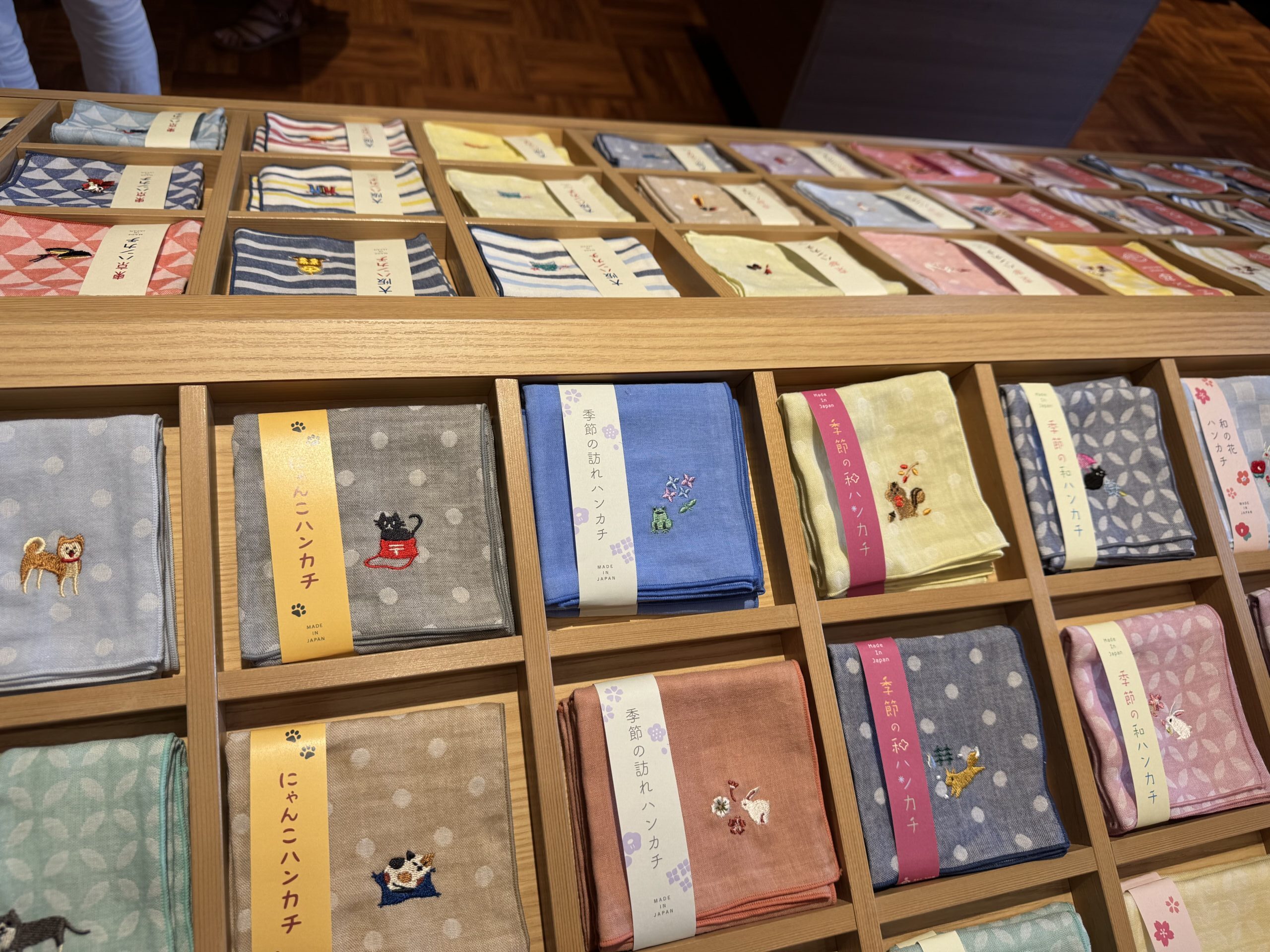
Everywhere we shopped, there were little handkerchiefs for sale. Bring back the hankie and down with tissues!!
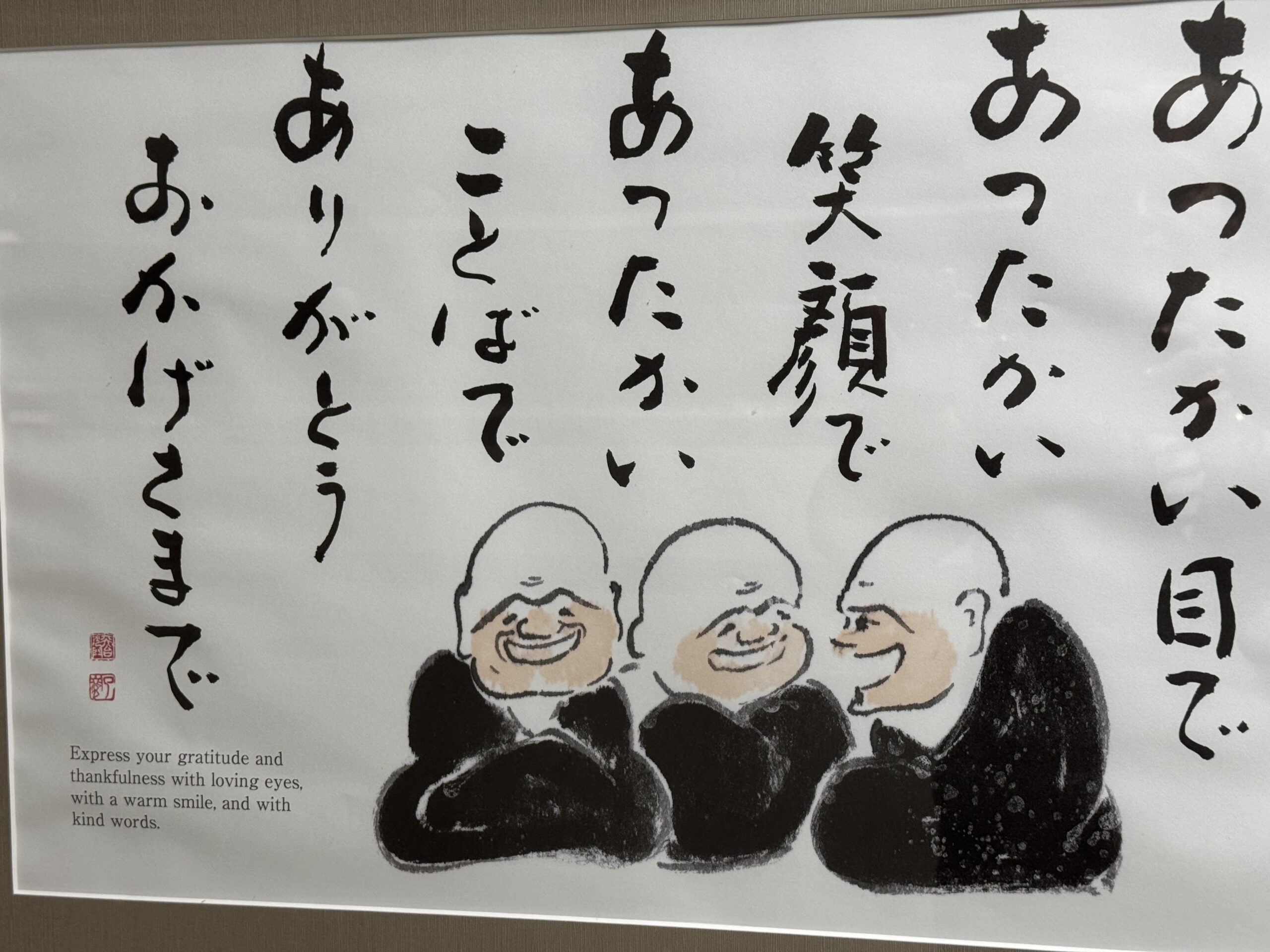
Photo taken inside the Giant Buddha, Aomori.
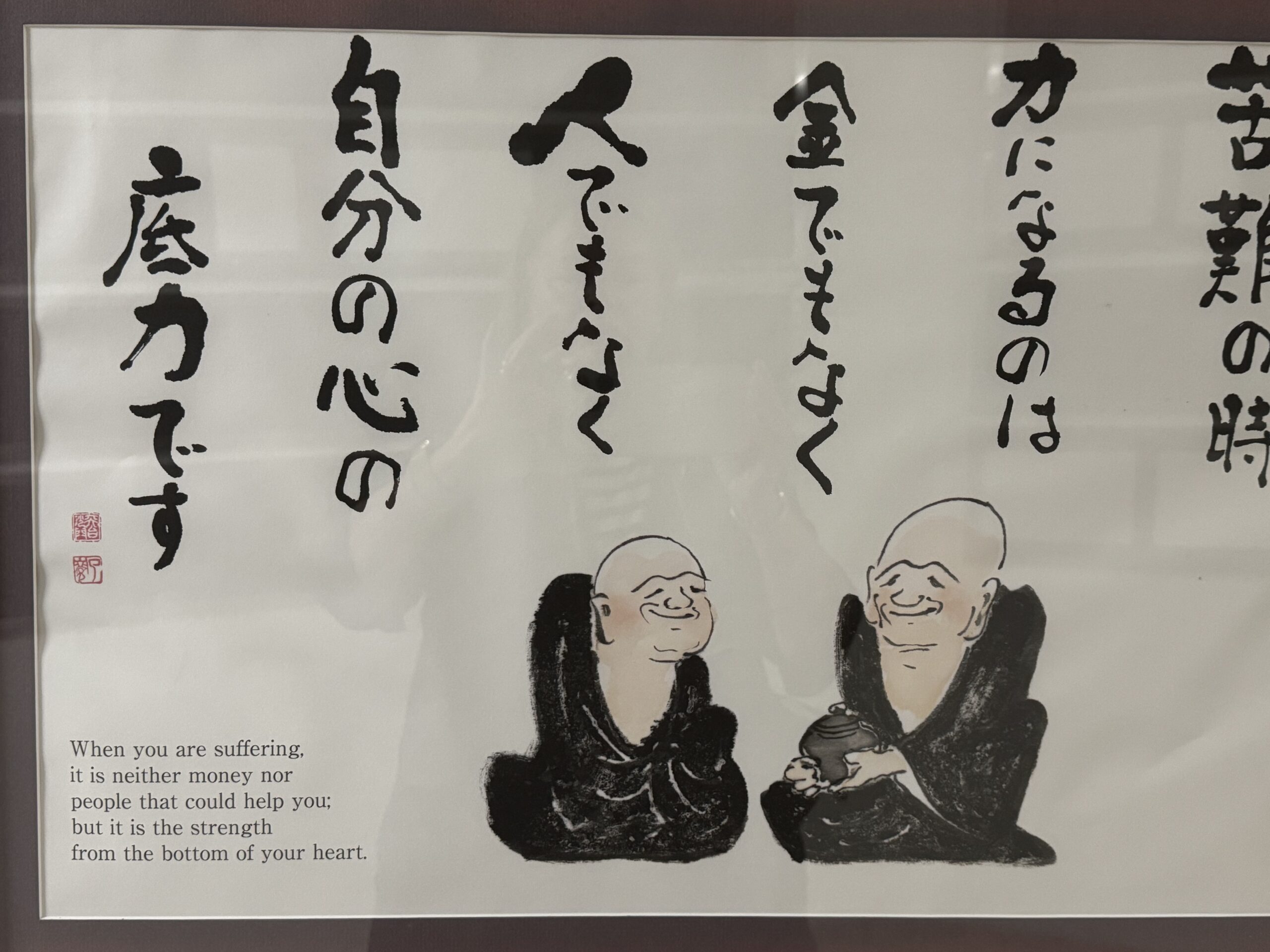
Photo taken inside the Giant Buddha, Aomori.
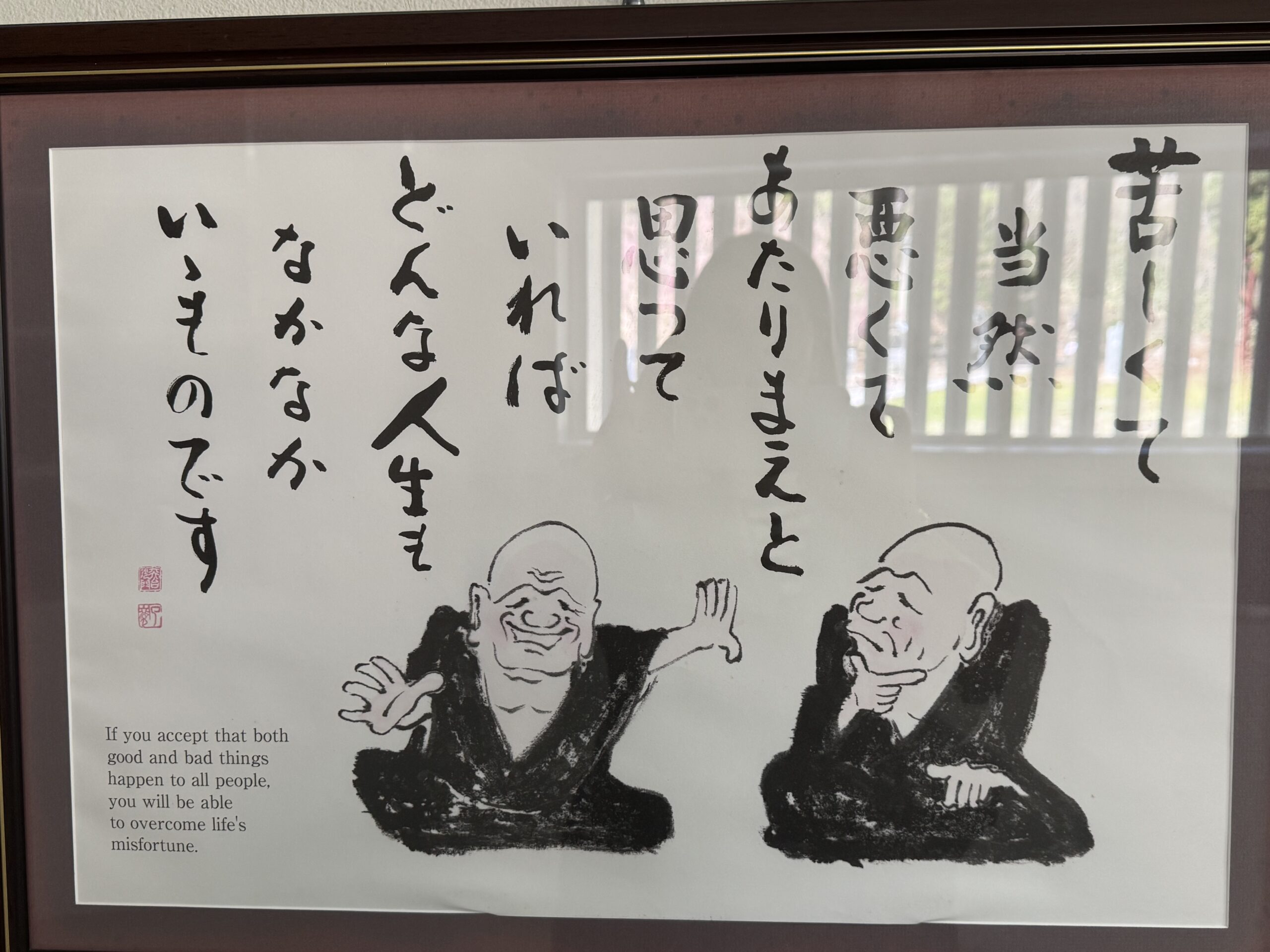
Photo taken inside the Giant Buddha, Aomori.
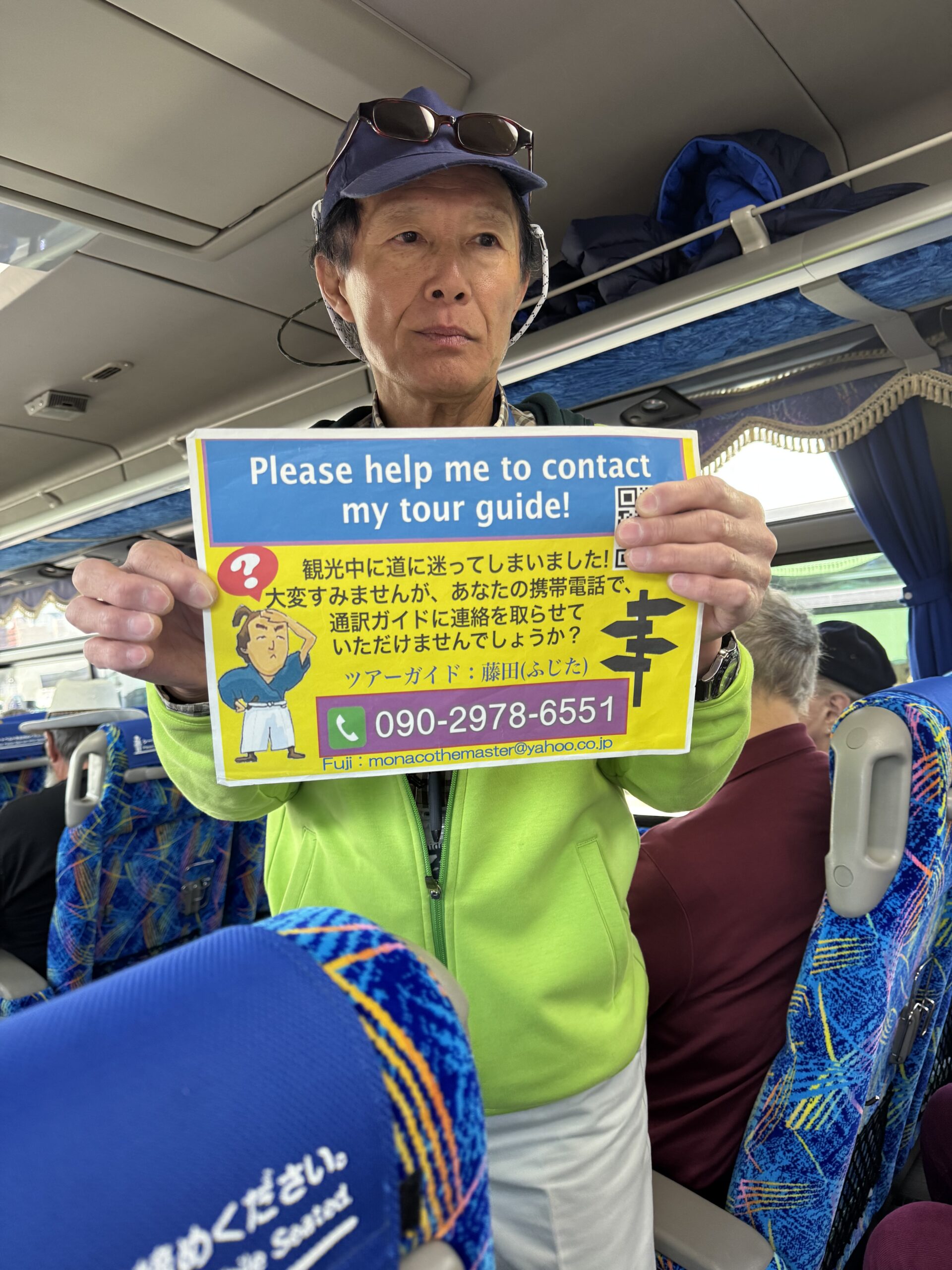
Our guide, the retired engineer, in Aomori. He asked us to take a photo of this so in case we get separated from him, he said "any Japanese person will help you and call me."
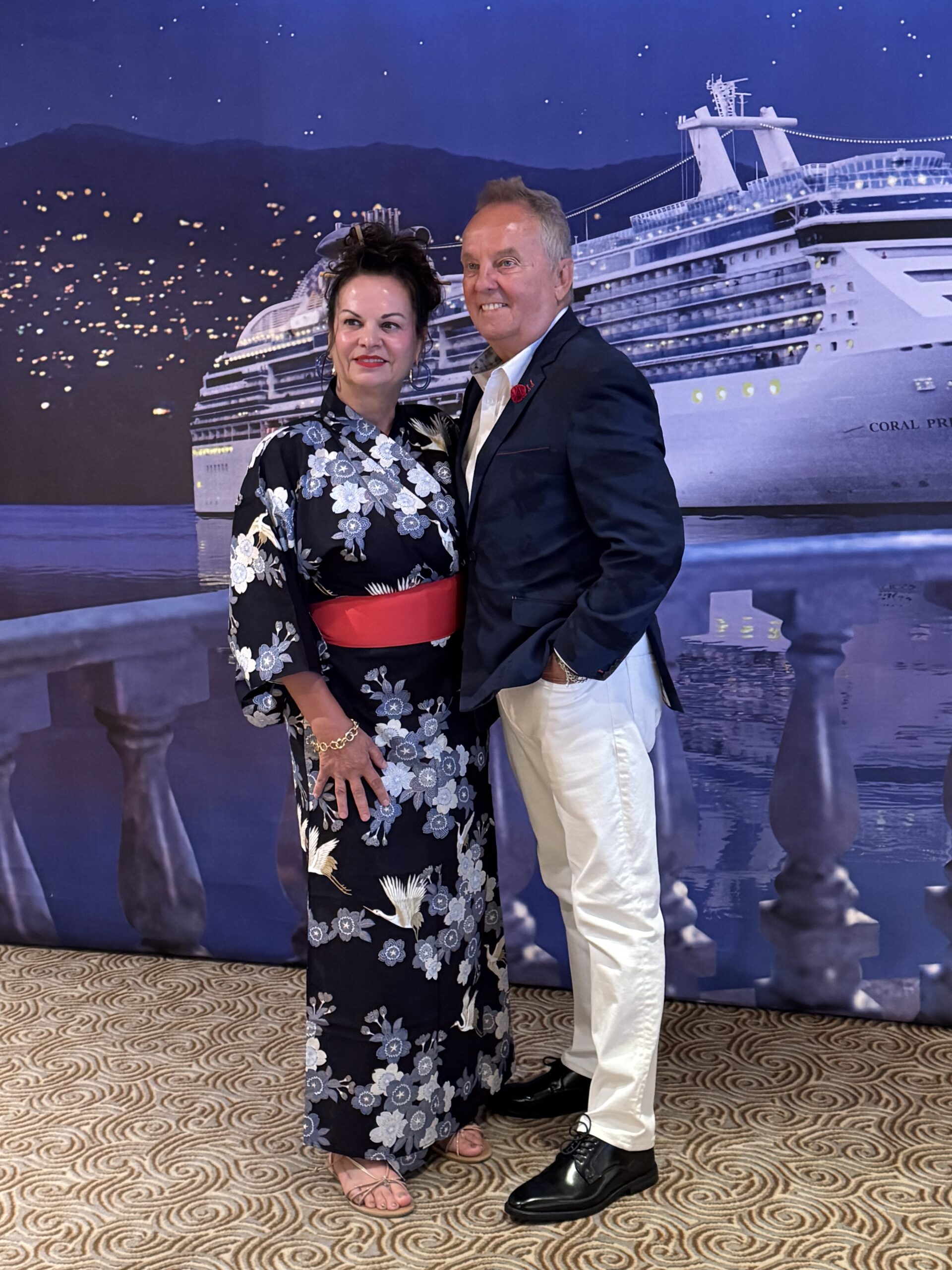
Our friends Rose and Len on Formal Night. Rose bought the kimono in Japan. Aren't they dashing?
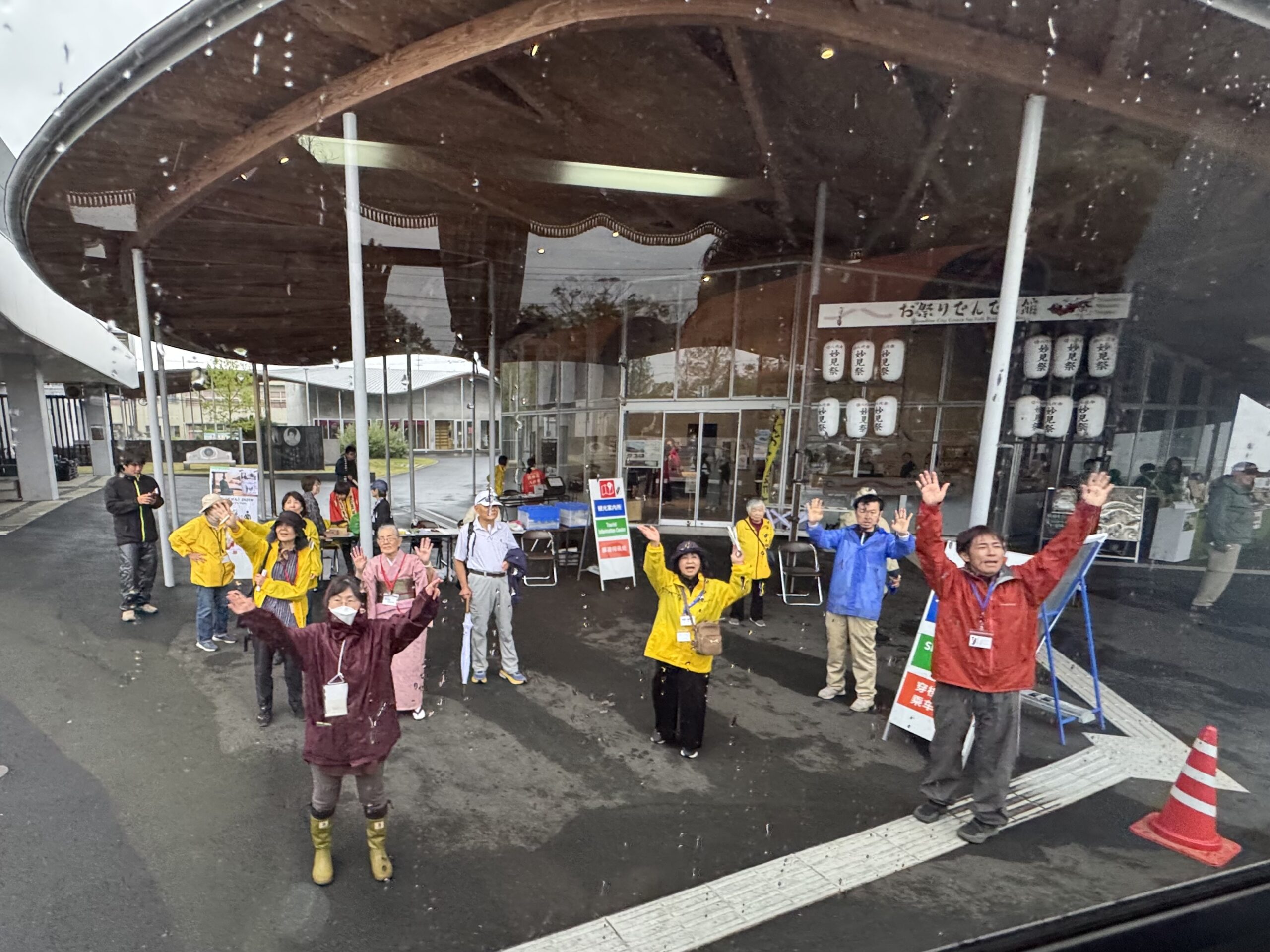
Goodbye in Yatsushiro!
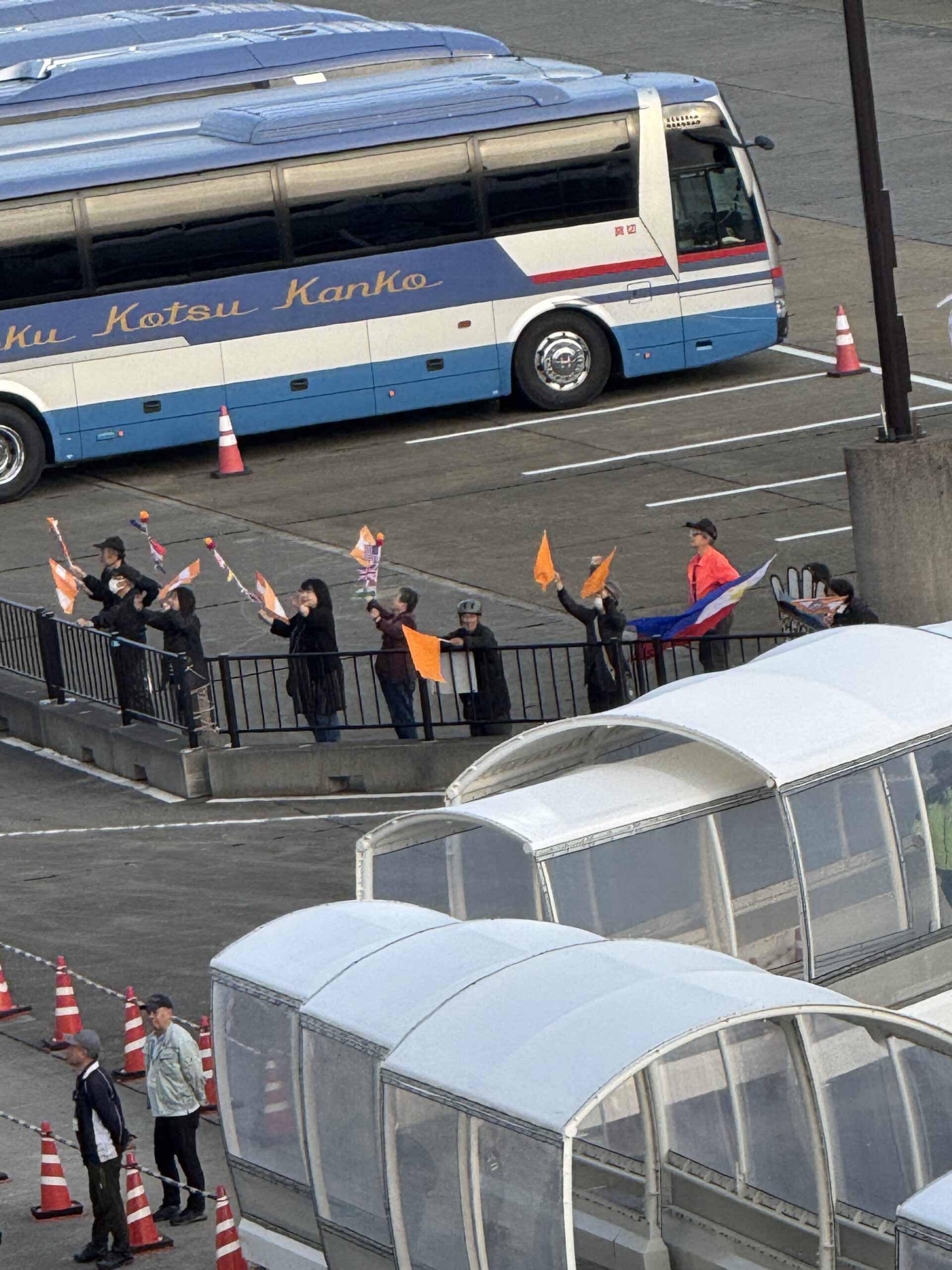
Kagoshima's welcoming party!
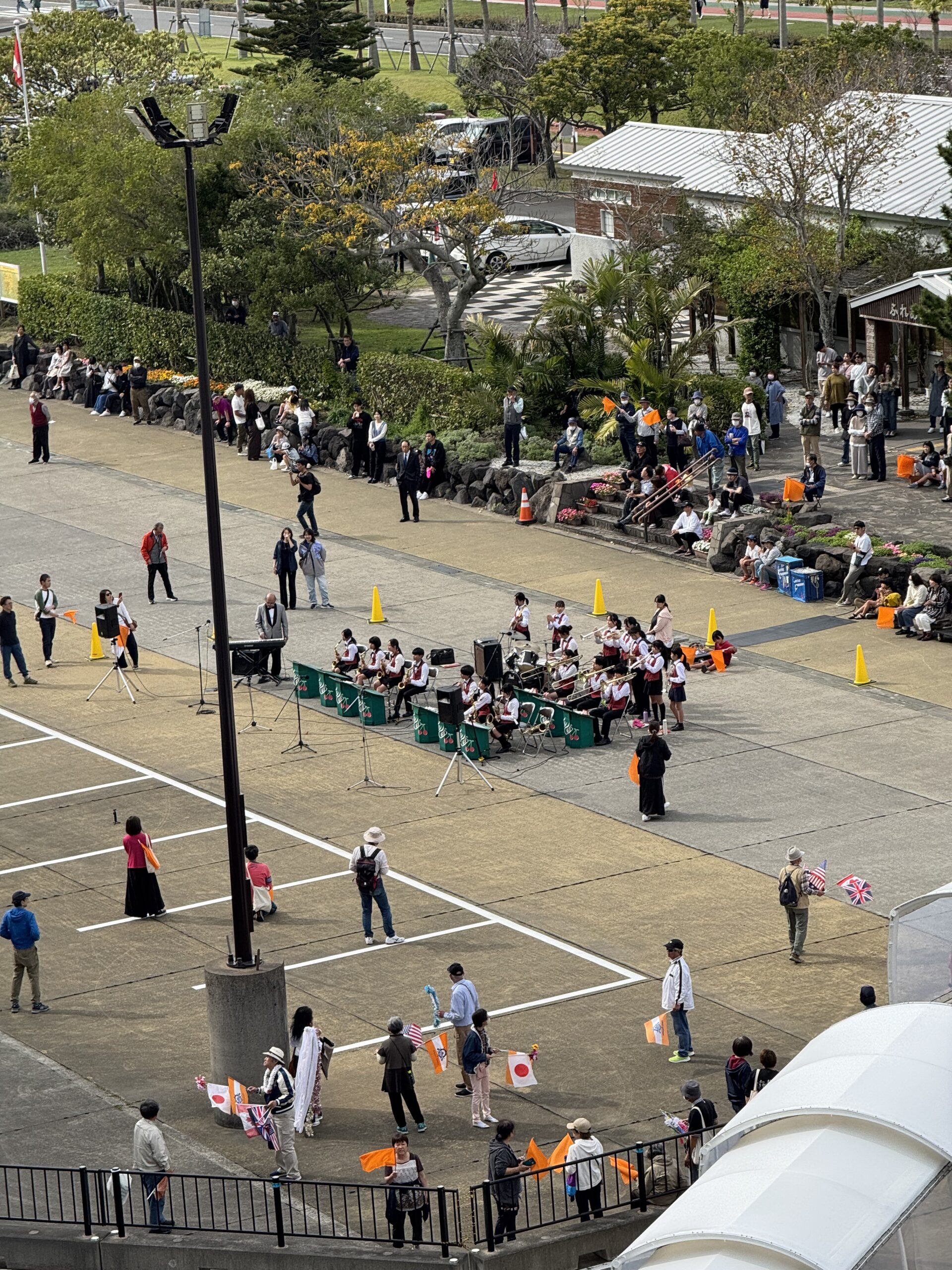
Kagoshima's send-off – an amazing student jazz band.
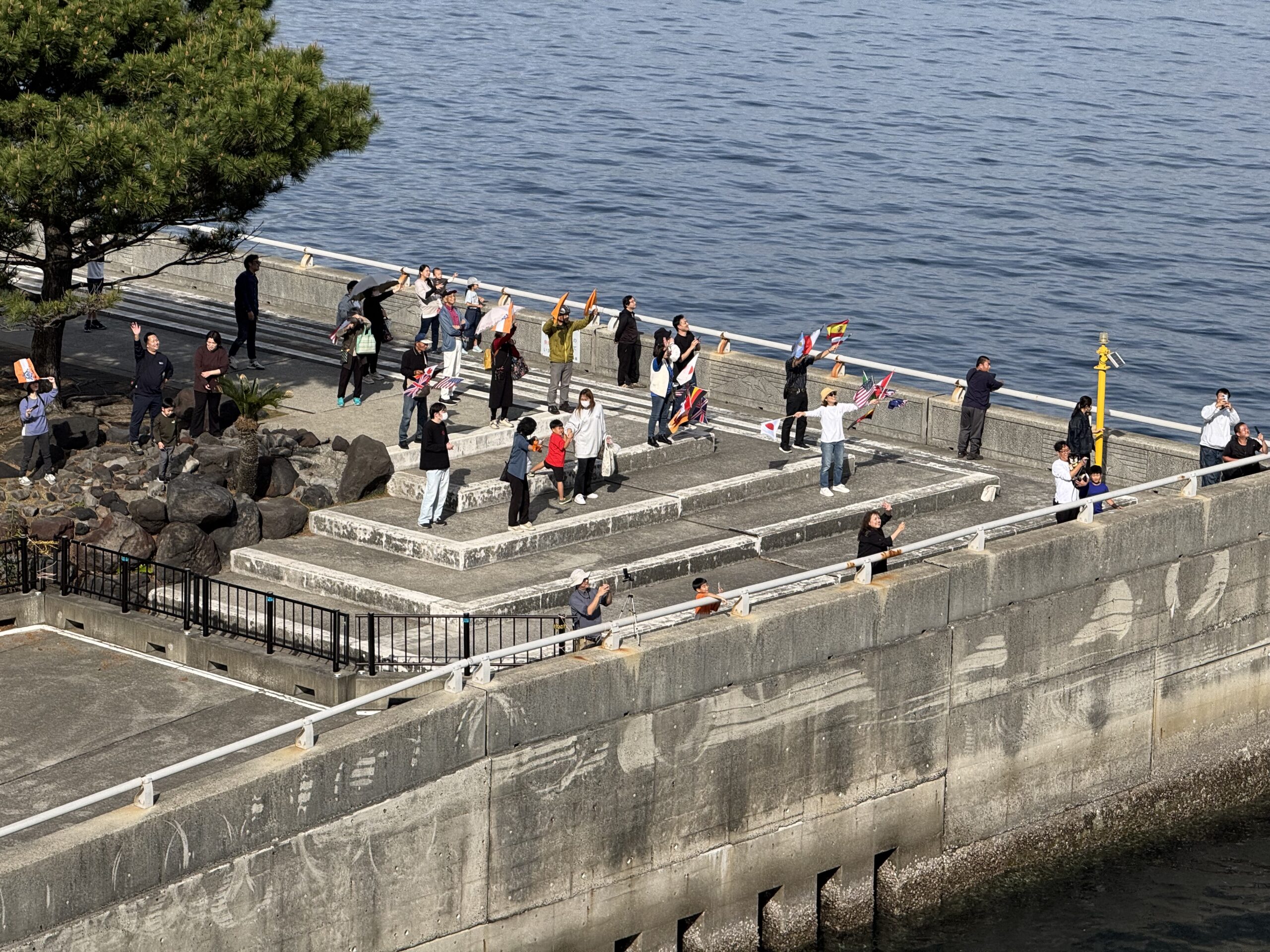
The famous little boy in red that kept yelling "bye-bye"!
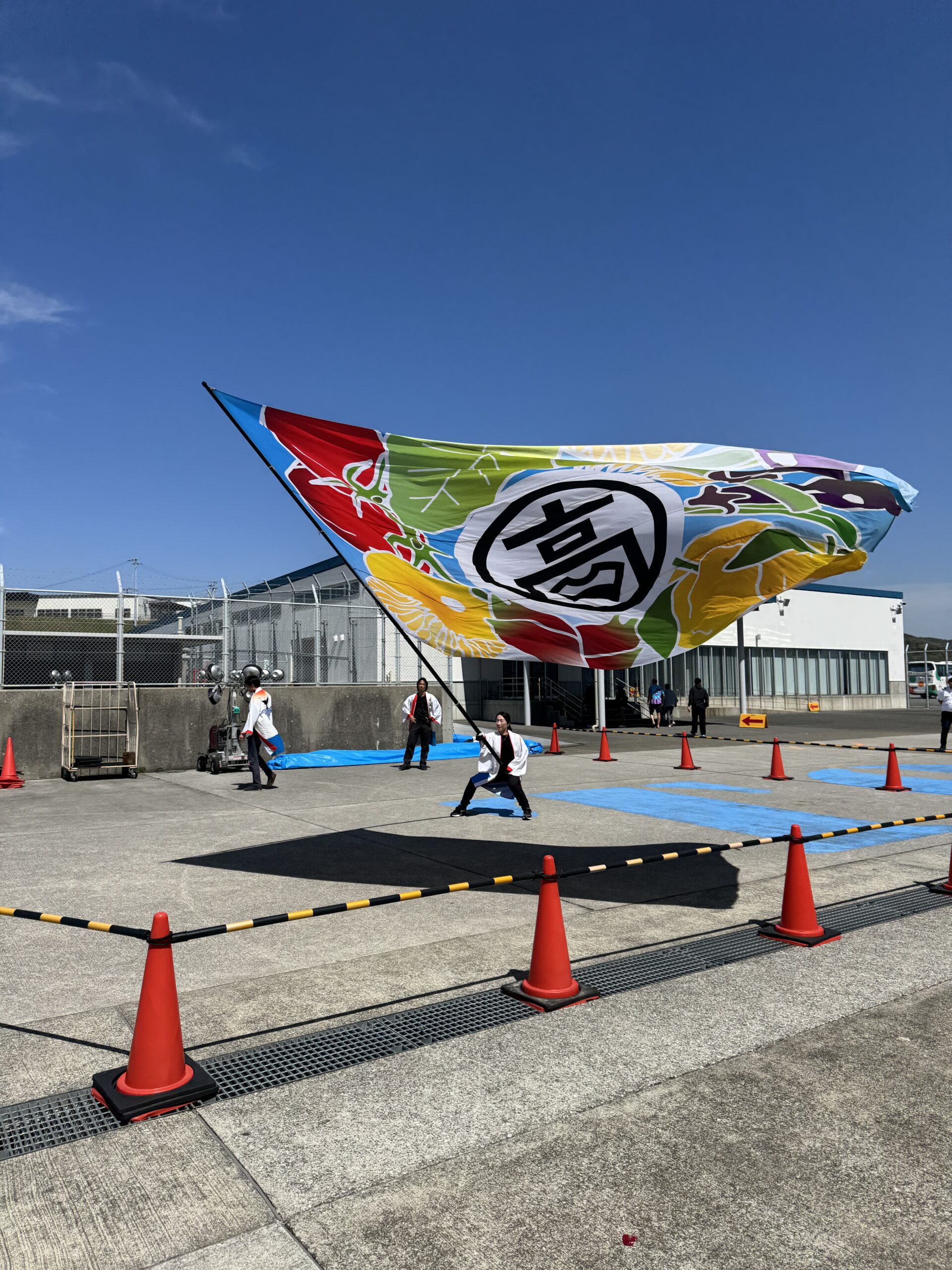
Kochi welcoming party!
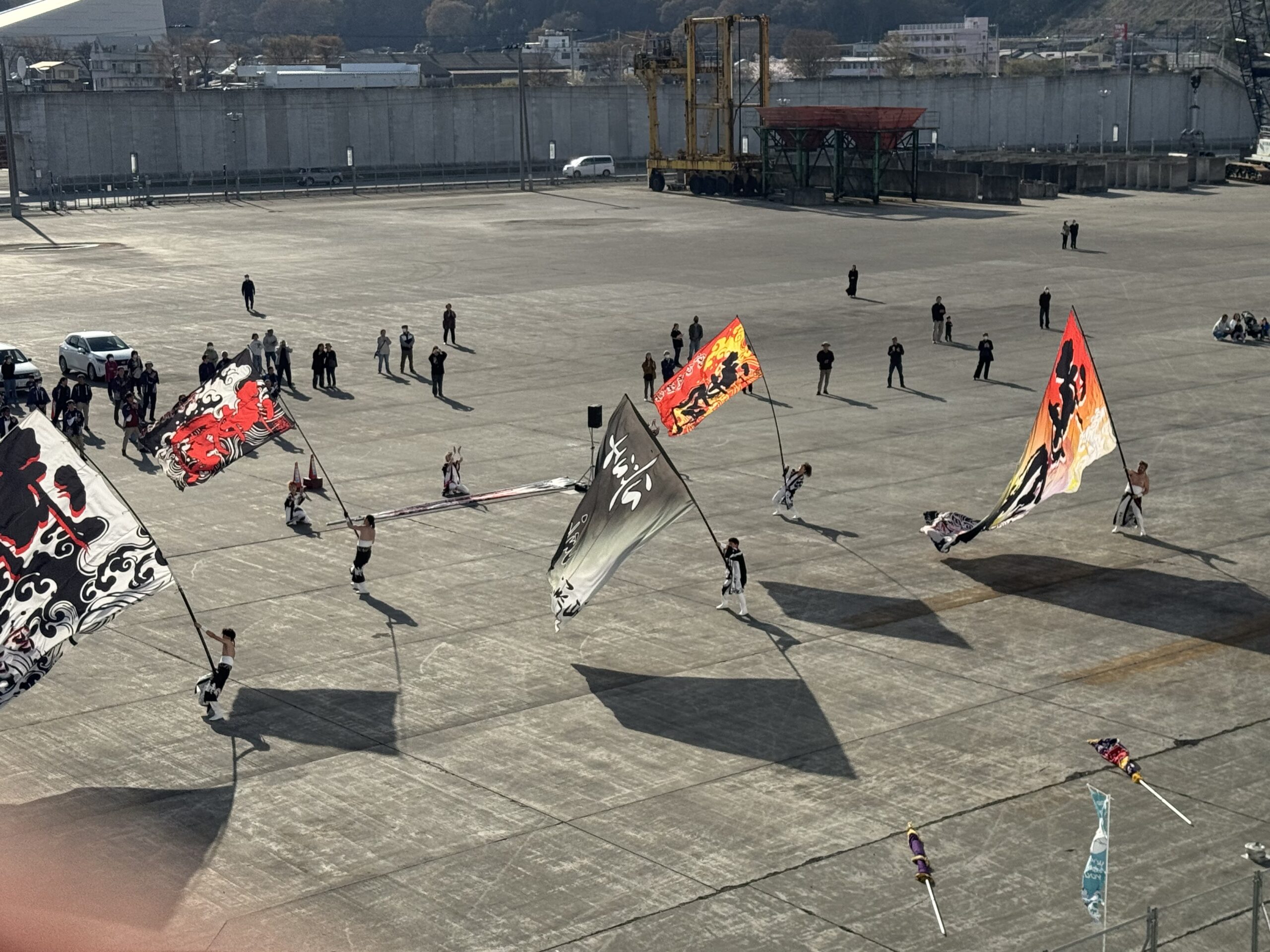
Miyako send off!
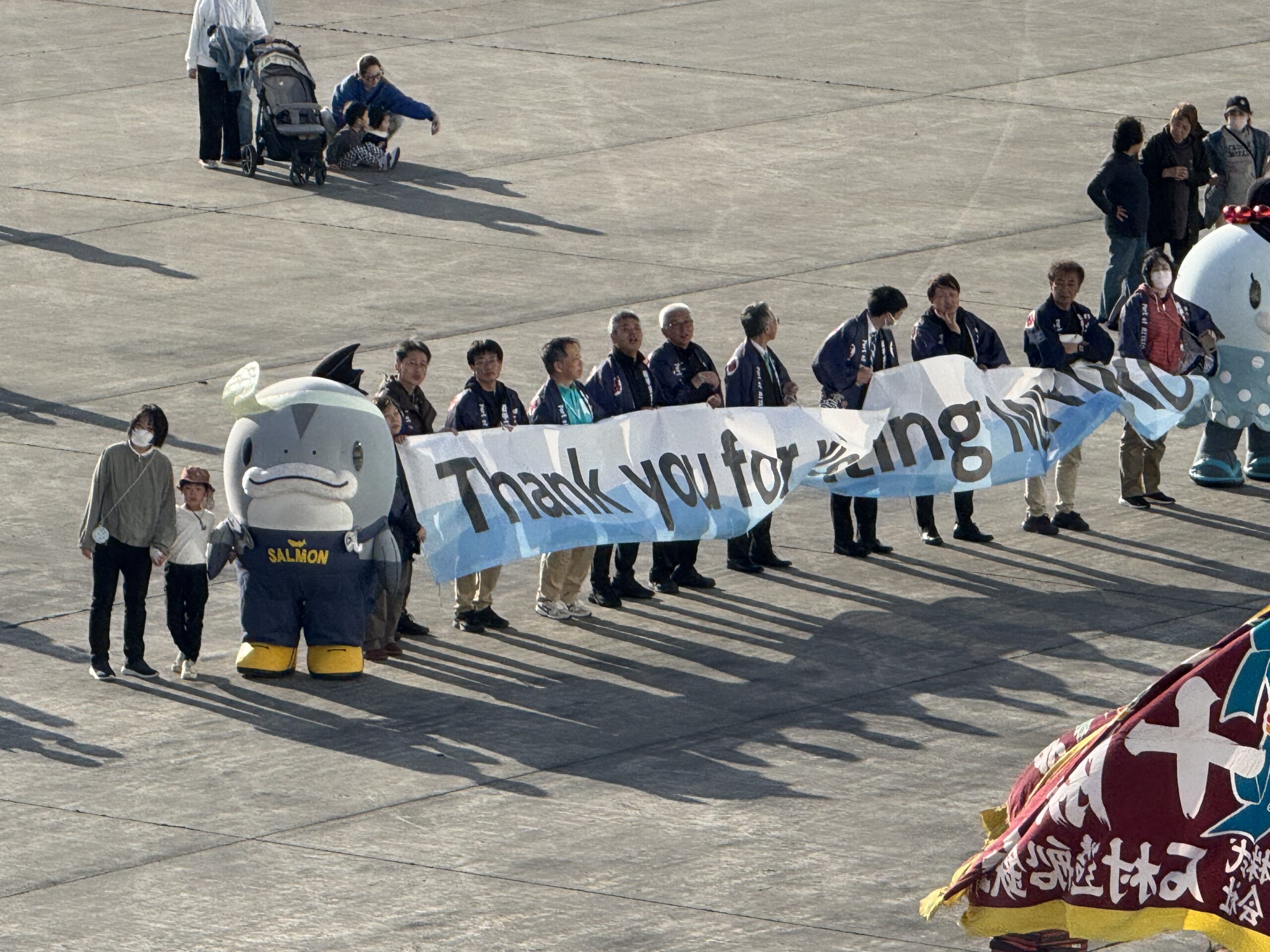
"Thank you for visiting Miyako"
0 Comments